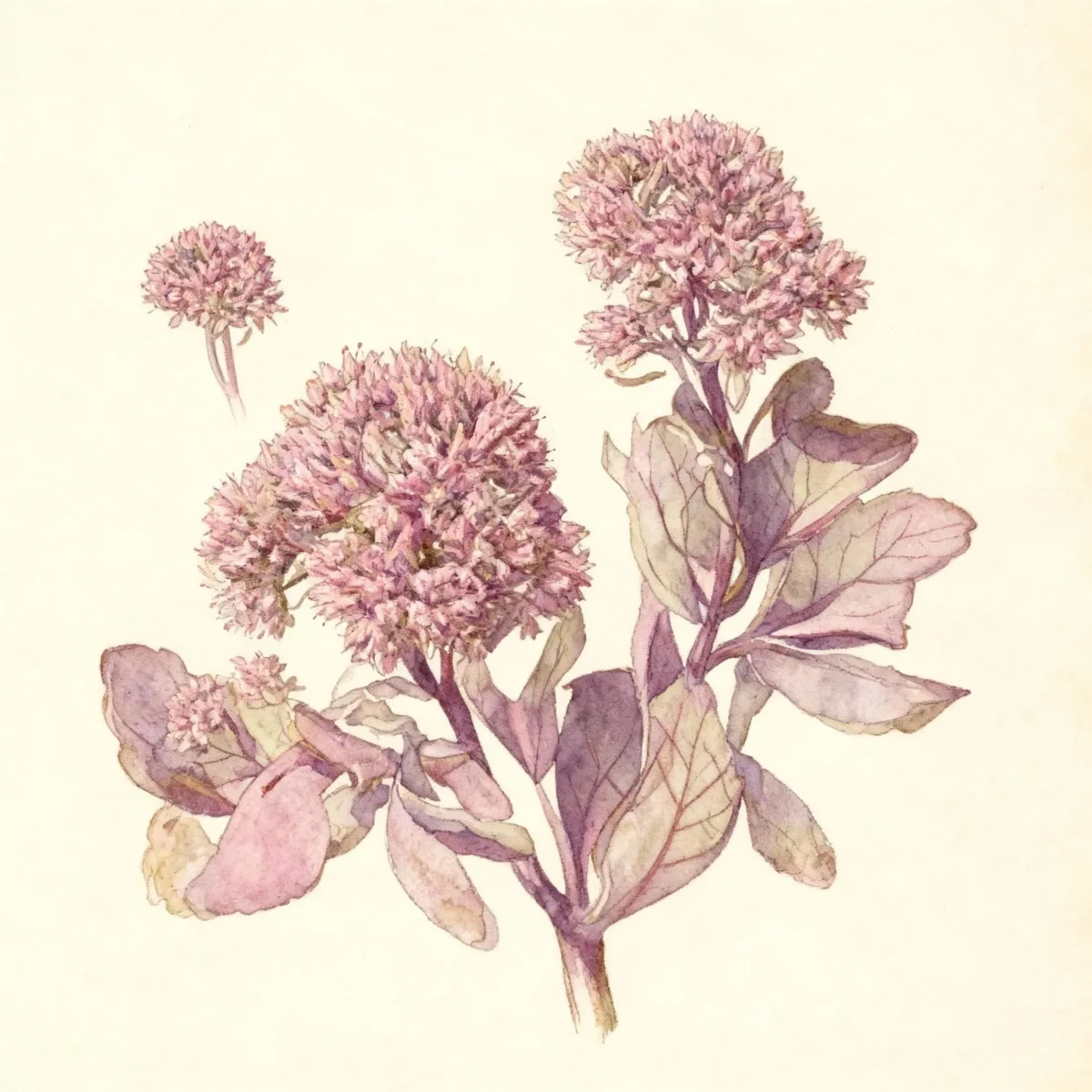
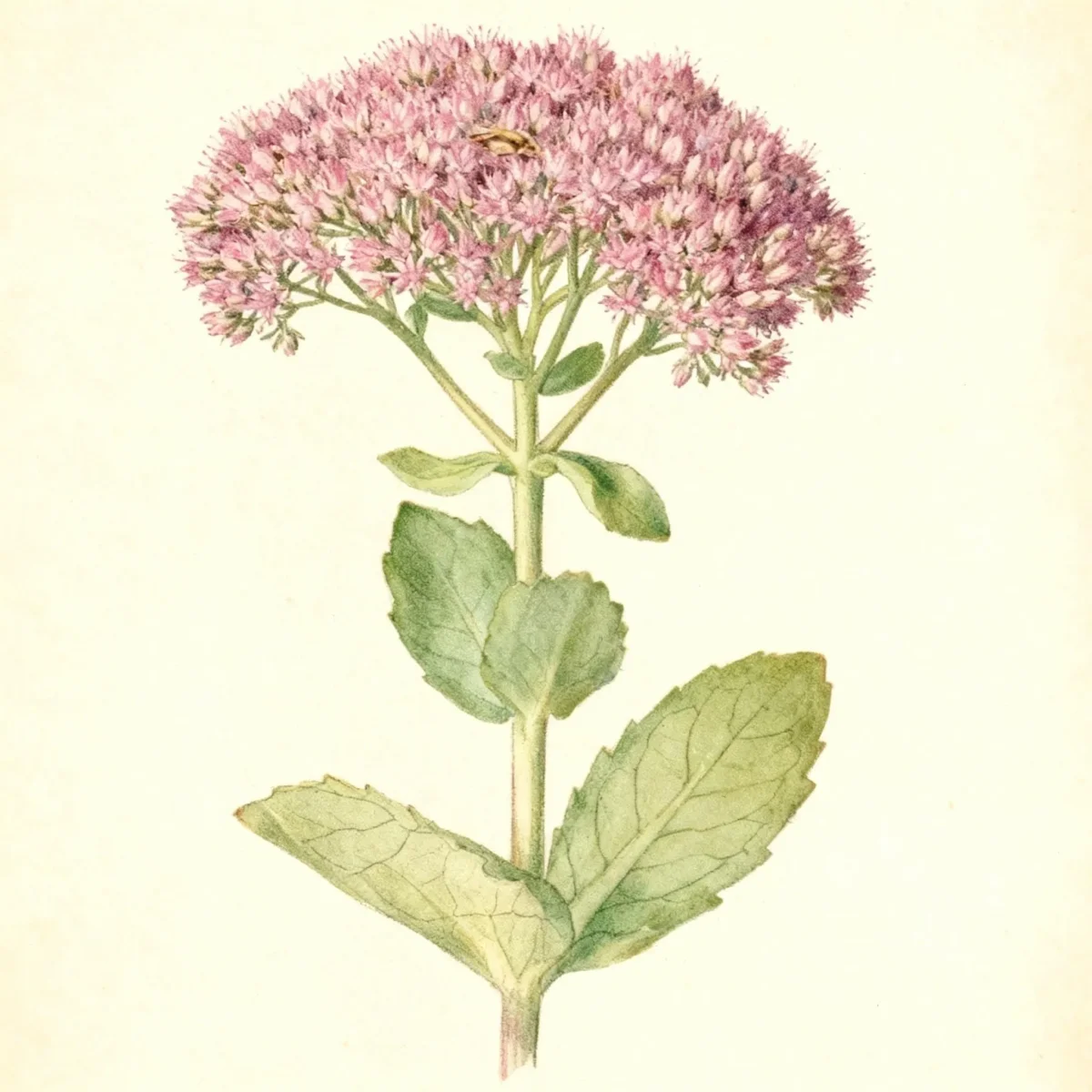
Hylotelephium (Hylotelephium spectabile 'Ruby Jewel')
Hylotelephium spectabile 'Ruby Jewel' is a low-maintenance perennial featuring striking maroon-red blooms from late summer through frost. Perfect for sunny, dry borders.
Scroll down to discover growing tips, care requirements, companion plants, and more
Complete Plant Information
Overview
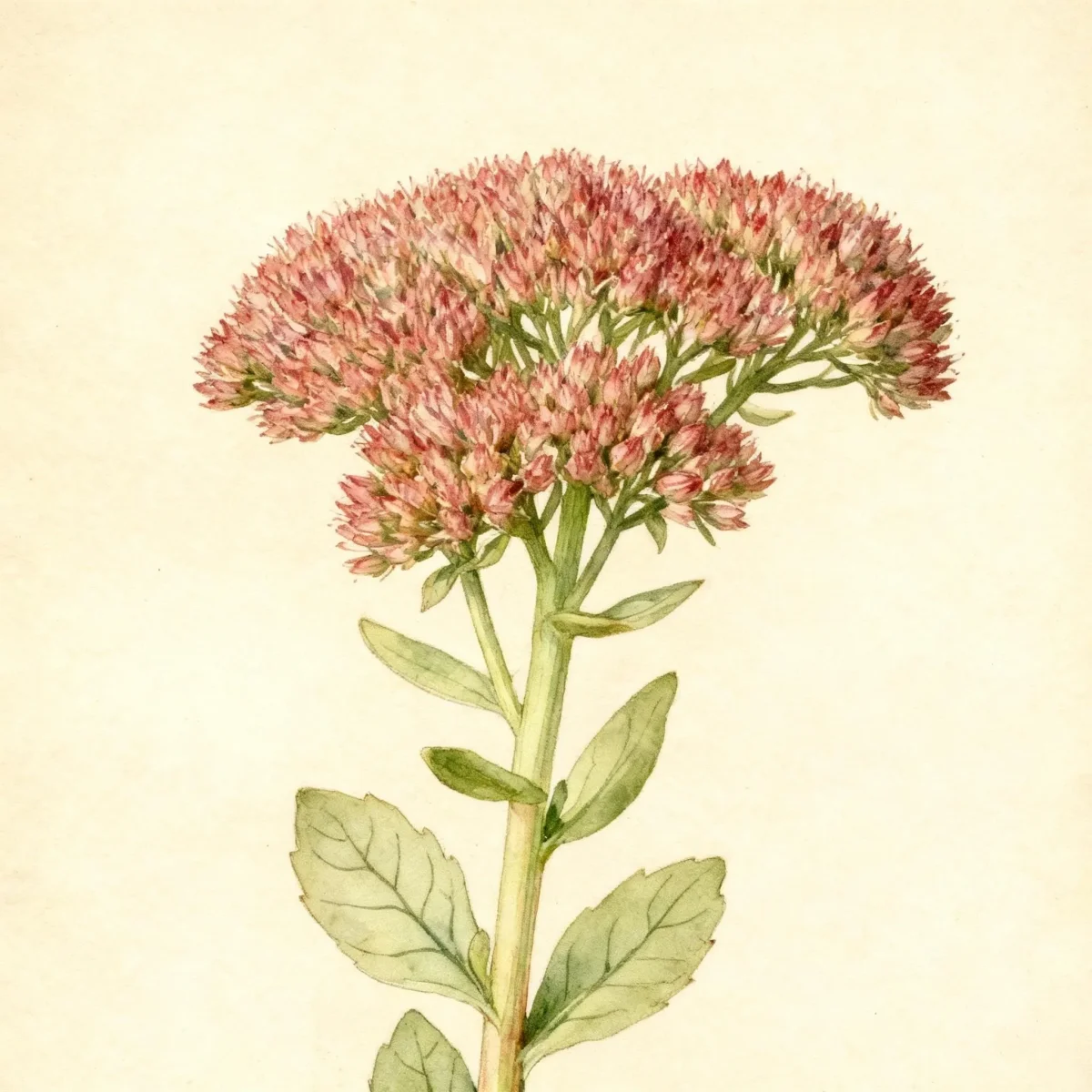
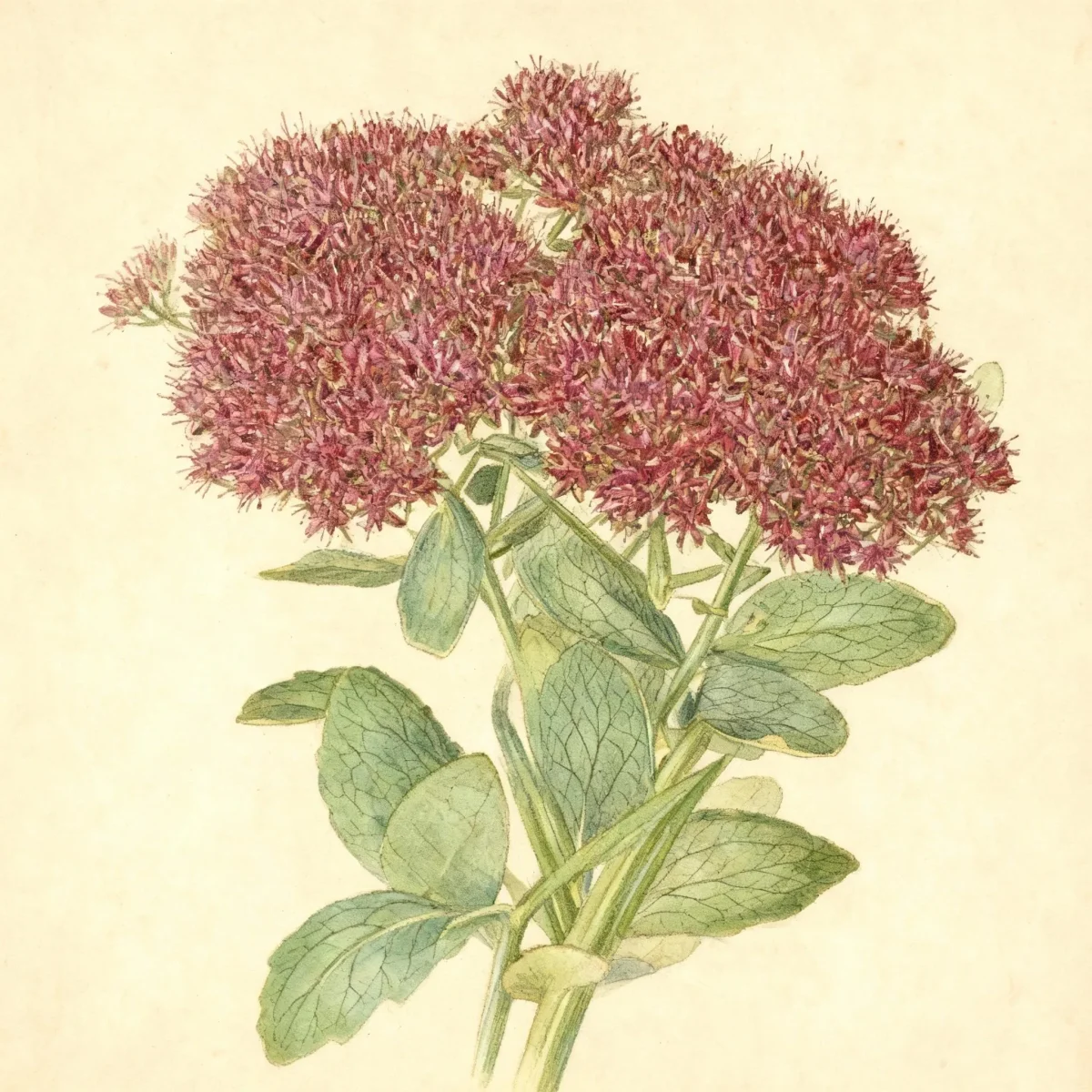
Hylotelephium spectabile ‘Ruby Jewel’ stands out as a robust, late-season bloomer, providing crucial color when many spring and summer perennials are fading. This cultivar of Hylotelephium showcases brilliant maroon-red flowers held in dense, flattened heads, making it a magnet for late-season pollinators. It offers the reliability of a succulent perennial structure combined with vibrant autumnal tones.
As a Hylotelephium, this plant is prized for its ease of cultivation and structural foliage composed of grayish-green, fleshy leaves. It thrives in conditions where other plants might struggle, preferring well-drained, perhaps even lean, soils. The upright clumps maintain good form until the first hard frost, contributing reliably structured height to the August garden.
Gardeners value Hylotelephium spectabile ‘Ruby Jewel’ for its low maintenance requirements and its exceptional drought tolerance once established. Whether used to anchor a sunny border or provide texture in a rock garden, this showy stonecrop promises consistent performance and striking color contrast through the end of the growing season.
Fast Facts
- Plant Family: Crassulaceae
- Plant Type: Herbaceous perennial
- Hardiness Zones: USDA Zones 3-9
- Size at Maturity:
- Height: 1-1.5 ft
- Spread: 1-1.5 ft
- Bloom Time: August to frost
- Bloom Description: Maroon red
- Sun Exposure: Full sun
- Water Needs: Dry to medium
- Maintenance Level: Low
How to Grow
For optimal performance, plant Hylotelephium spectabile ‘Ruby Jewel’ in full sun. While it tolerates some light part shade, too much shade will result in weak, floppy stems that require staking. This Hylotelephium thrives in average, dry to medium soils, particularly those that are well-drained, such as sandy or gravelly mixes. Good drainage is essential; soggy soil can lead to root issues.
Once established, this perennial requires very little supplemental watering, fitting perfectly into low-water gardening schemes due to its excellent drought tolerance. Avoid overly rich soils, as rich amendments often encourage excessive soft growth, which negates the plant’s naturally compact habit. Fertilization is rarely necessary for this tough species within the Crassulaceae family.
Maintenance is generally low. In early spring, divide clumps that have become overcrowded, or propagate new plants using stem cuttings taken during the summer months. Even detached, fleshy leaves can often be rooted directly into moist soil to produce new Hylotelephium specimens. Cut back the faded flower stalks and foliage in very early spring before new green growth emerges.
Landscape Uses
Hylotelephium spectabile ‘Ruby Jewel’ is an outstanding choice for creating reliable structure in the late-season garden. Its upright habit and dense flower heads make it ideally suited for the front or middle of perennial borders where its deep color can anchor the design. Consider planting groups of three or five for significant visual impact as the weather cools.
Due to its tolerance for dry, poorer soils—even clay—this plant excels in large rock gardens or along sunny, gravelly slopes where deeper-rooted perennials often fail. For a cohesive look, pair the maroon heads of Hylotelephium spectabile ‘Ruby Jewel’ with late-blooming ornamental grasses or sturdy asters that share similar sun and water requirements. It also performs beautifully as a specimen plant or massed as a low ground cover in expansive sunny areas.
Containers are another excellent setting for this cultivar, provided adequate drainage holes are present. In pots, the dense clumps of succulent Hylotelephium foliage offer year-round interest, and the late blooms provide a focal point right up until the frost arrives.
Standout Features
Flower Qualities
- Showy
- Good Cut
- Good Dried
Noteworthy Characteristics
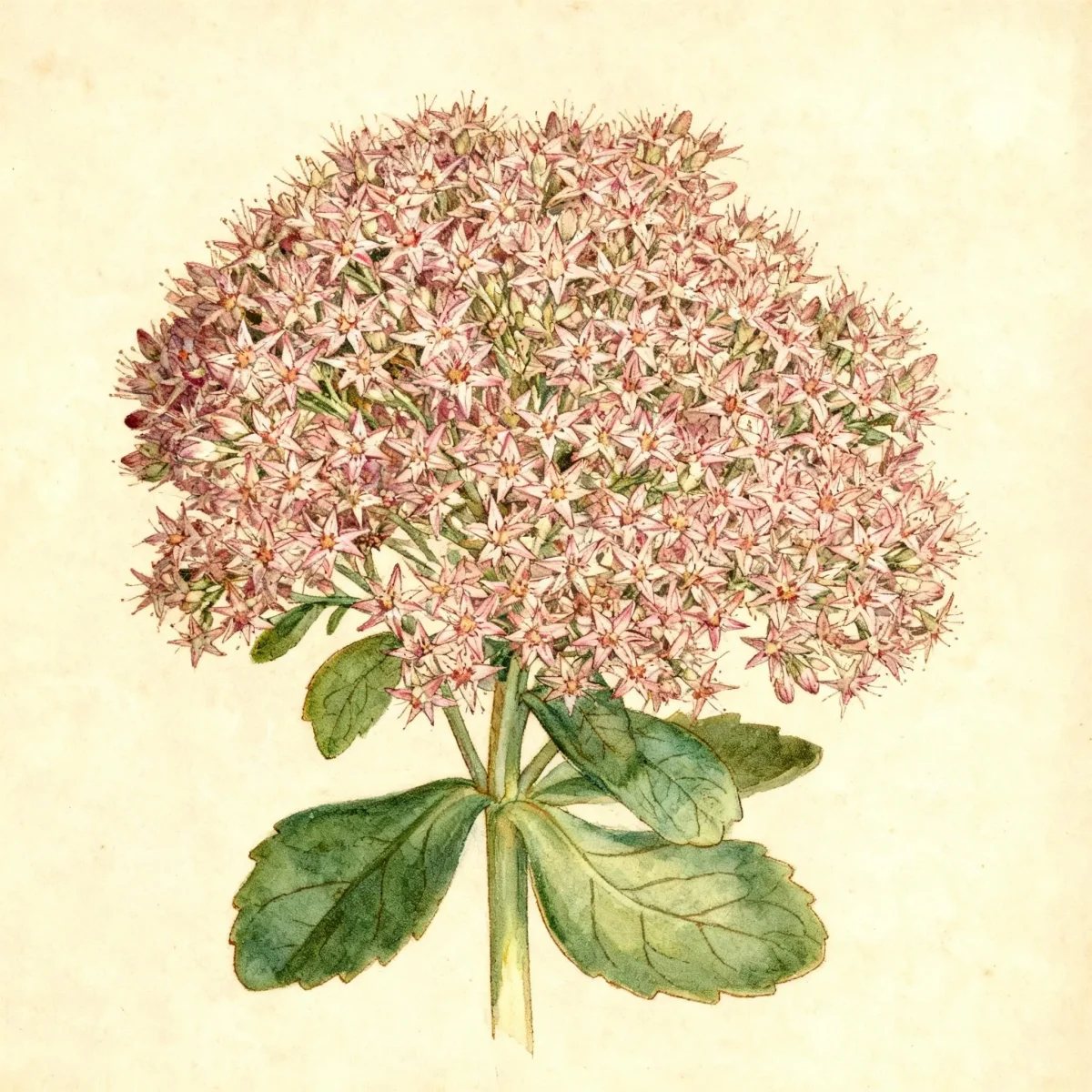
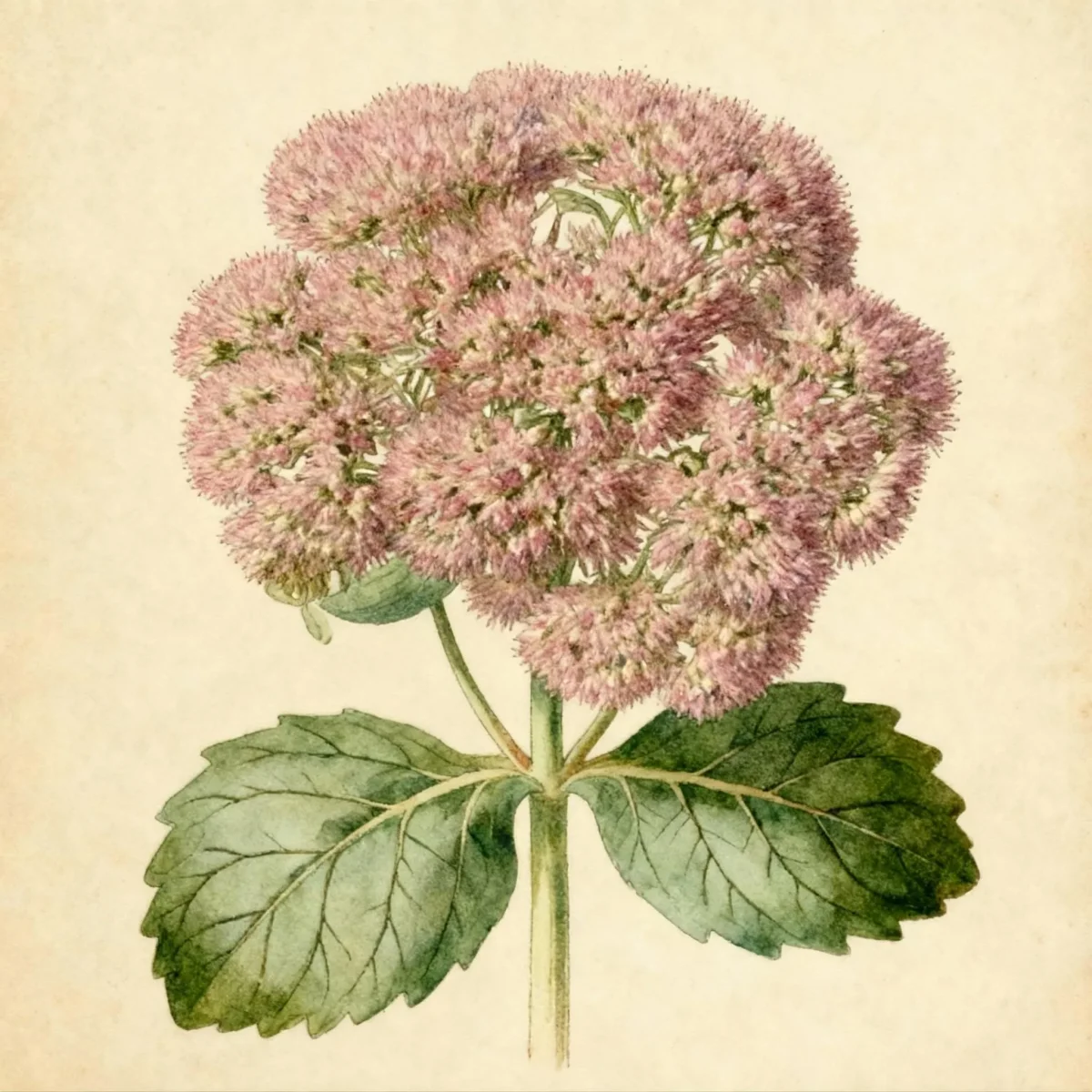
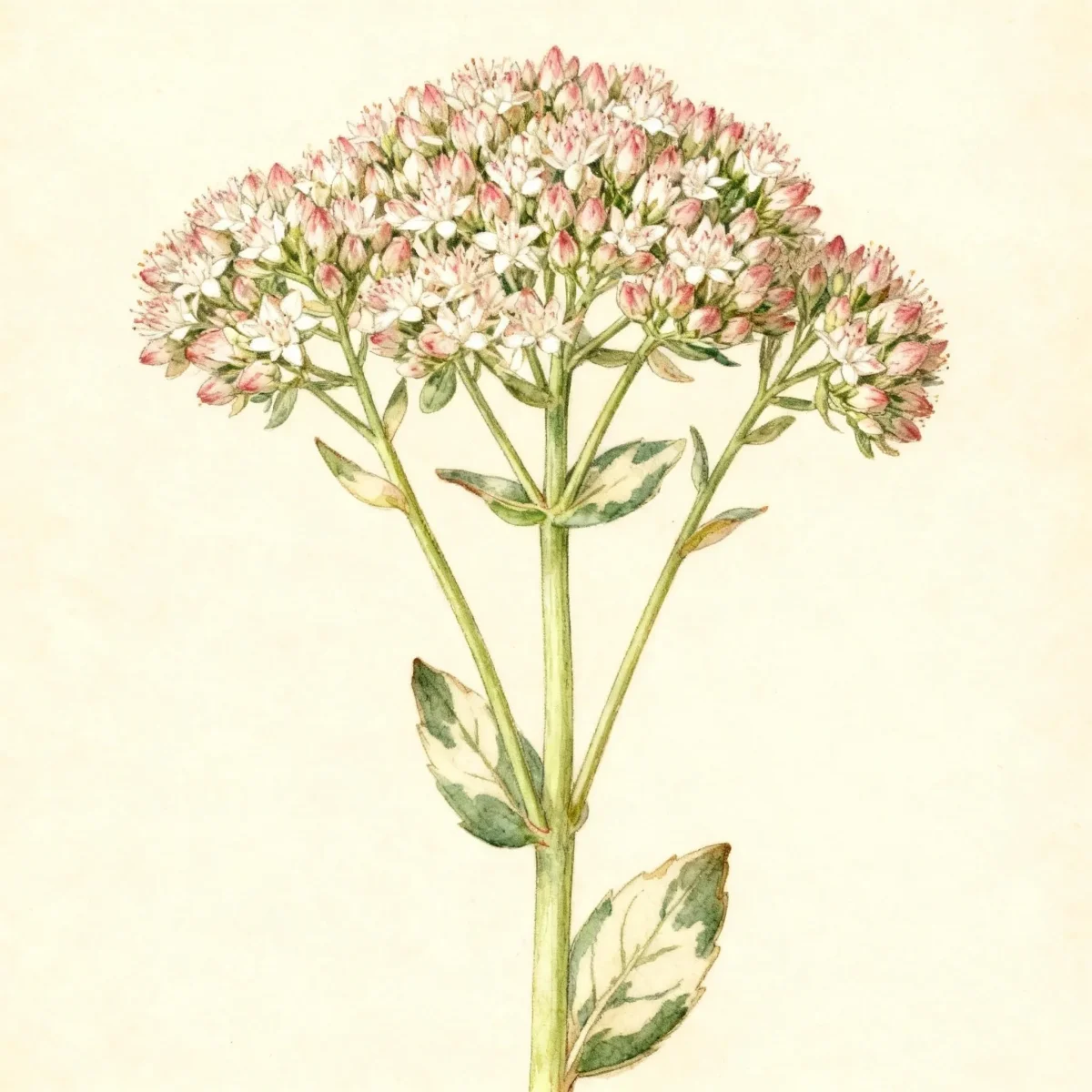
Hylotelephium spectabile, commonly known as hylotelephium, showy stonecrop, live-forever, ice plant or orpine, is a succulent herbaceous perennial which typically grows in an upright to semi-upright mound on unbranched stems typically rising to 18-24” tall. It features fleshy, grayish-green, succulent-like leaves atop stout stems. ‘Ruby Jewel’ specifically offers masses of tiny, star-like maroon flowers in large, 3-6” across, flattened heads that bloom from late summer to frost. This plant is famous for its vigorous persistence; it can regenerate from a single leaf, living up to its common name, live-forever.
Tolerances
- Drought
- Clay Soil
- Dry Soil
- Shallow-Rocky Soil
Potential Problems
Hylotelephium spectabile ‘Ruby Jewel’ is notably resistant to serious insect or disease issues, contributing to its low-maintenance reputation. Gardeners should remain watchful, however, for occasional minor pests. Slugs and snails may sometimes target the tender new growth in spring, so early-season baiting or hand-picking is recommended.
In warmer or humid climates, occasional infestations of scale, mealybugs, or aphids can occur, usually due to poor air circulation or overly rich conditions. If noted, treat with horticultural oil or insecticidal soap, ensuring thorough coverage on the fleshy stems and leaf undersides. Nematodes and weevils are infrequent concerns but can usually be managed culturally.
Frequently Asked Questions
What hardiness zones is Hylotelephium suitable for?
Hylotelephium spectabile ‘Ruby Jewel’ is highly adaptable, thriving across a broad temperature range in USDA Zones 3 through 9.
How large does Hylotelephium spectabile ‘Ruby Jewel’ grow?
This cultivar typically forms clumps reaching 1 to 1.5 feet in height and spreads similarly, about 1 to 1.5 feet wide, maintaining an upright structure.
What sun exposure does Hylotelephium need?
This plant requires full sun to develop its best habit and flower color; insufficient light will result in leggy, weak stems.
When does Hylotelephium spectabile ‘Ruby Jewel’ bloom?
The spectacular maroon red flowers of this showy stonecrop appear reliably from August until the first hard frost, providing extended late-season color.
Conclusion
The Hylotelephium spectabile ‘Ruby Jewel’ is an invaluable asset for gardeners seeking reliable, late-season structure and color with minimal effort. Its ability to thrive in dry, less-than-ideal soils makes it a true workhorse perennial. Before planting, confirm that your intended location offers full sun exposure to ensure the best possible performance from your Hylotelephium.
Companion Planting
When designing borders featuring Hylotelephium spectabile ‘Ruby Jewel’, consider companions that share its preference for bright light and dry-to-medium soil conditions. Plants that bloom in different sequences, such as Russian Sage (Perovskia atriplicifolia) or tall ornamental grasses like Switchgrass (Panicum virgatum), complement the maroon hue perfectly as summer wanes. These companions offer textural contrast against the fleshy leaves of the Hylotelephium.
For mid-border partners, look towards late-blooming Asters or Sedums that share a similar family requirement for sharp drainage. Planting these adjacent anchors the design firmly in the low-maintenance, xeriscape category. These pairings ensure continuous visual interest from mid-summer right through the fall, benefiting from the same watering schedule.
Propagation Tips
Hylotelephium spectabile ‘Ruby Jewel’ is exceptionally easy to multiply, making it a cost-effective choice for large landscape projects. The most common and successful method is division, best performed in early spring just as new growth begins to emerge from the soil crown. Carefully dig up the clump and gently separate it into smaller sections, ensuring each division has healthy roots attached.
Stem cuttings provide another simple route to new plants during the warmer summer months. Cut stems just below a leaf node, allow the cutting to dry for a day or two until a callous forms over the wound, and then insert them into a well-draining, dry soil mix. Keep the soil slightly moist but not wet; these succulent cuttings root readily without much fuss.