Holly (Ilex 'Nellie R. Stevens')
Ilex 'Nellie R. Stevens' is a low-maintenance, broadleaf evergreen Holly prized for dense foliage and red berries.
Scroll down to discover growing tips, care requirements, companion plants, and more
Complete Plant Information
Overview
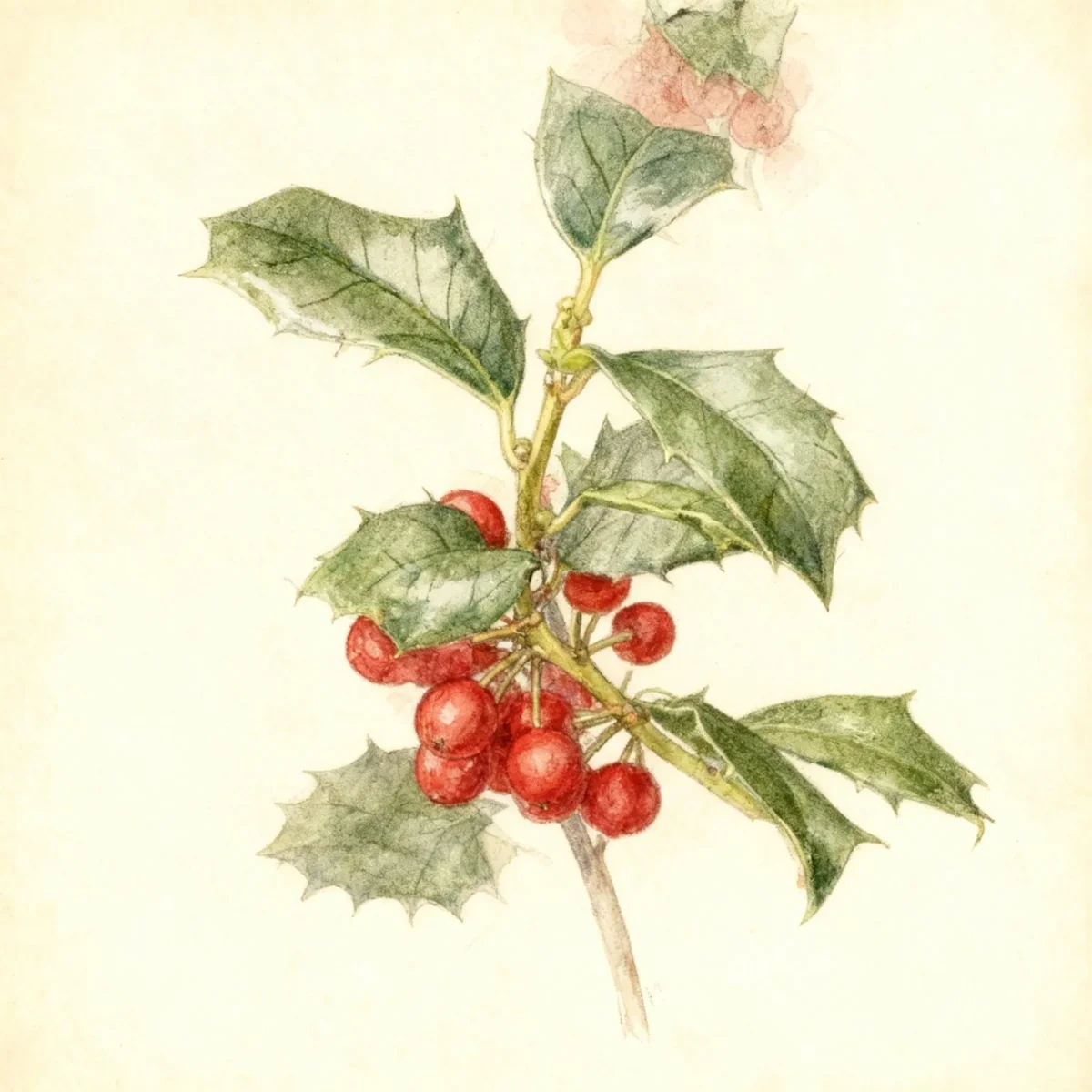
Ilex ‘Nellie R. Stevens’, a highly popular broadleaf evergreen Holly, offers year-round structure and seasonal vibrancy to landscapes. This hybrid cultivar is celebrated for its dense, conical habit and the abundant, persistent red fruits it often produces, making it a standout choice where year-round color is desired. Gardeners value this Holly for its relatively low maintenance needs and superior heat tolerance compared to many other holly varieties.
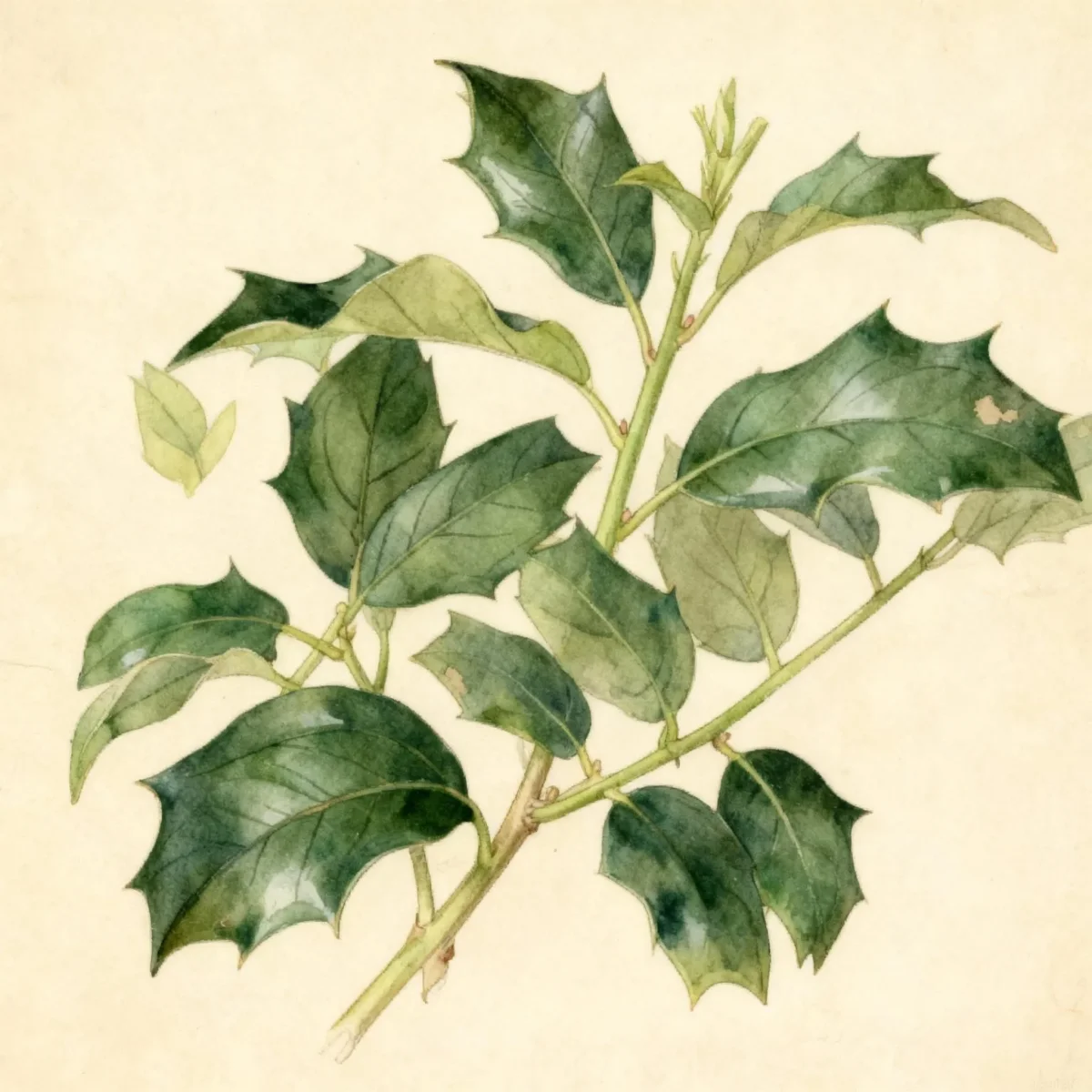
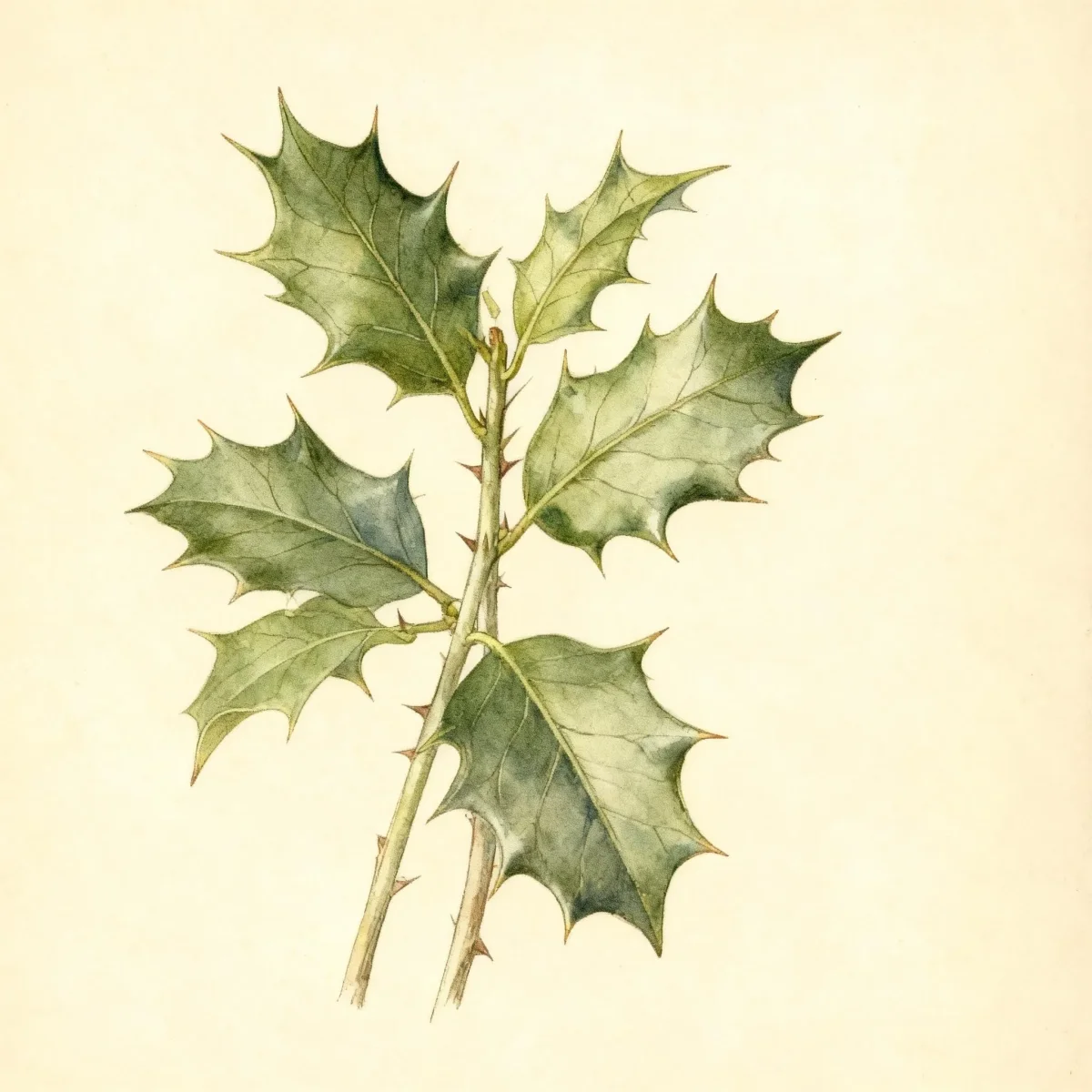
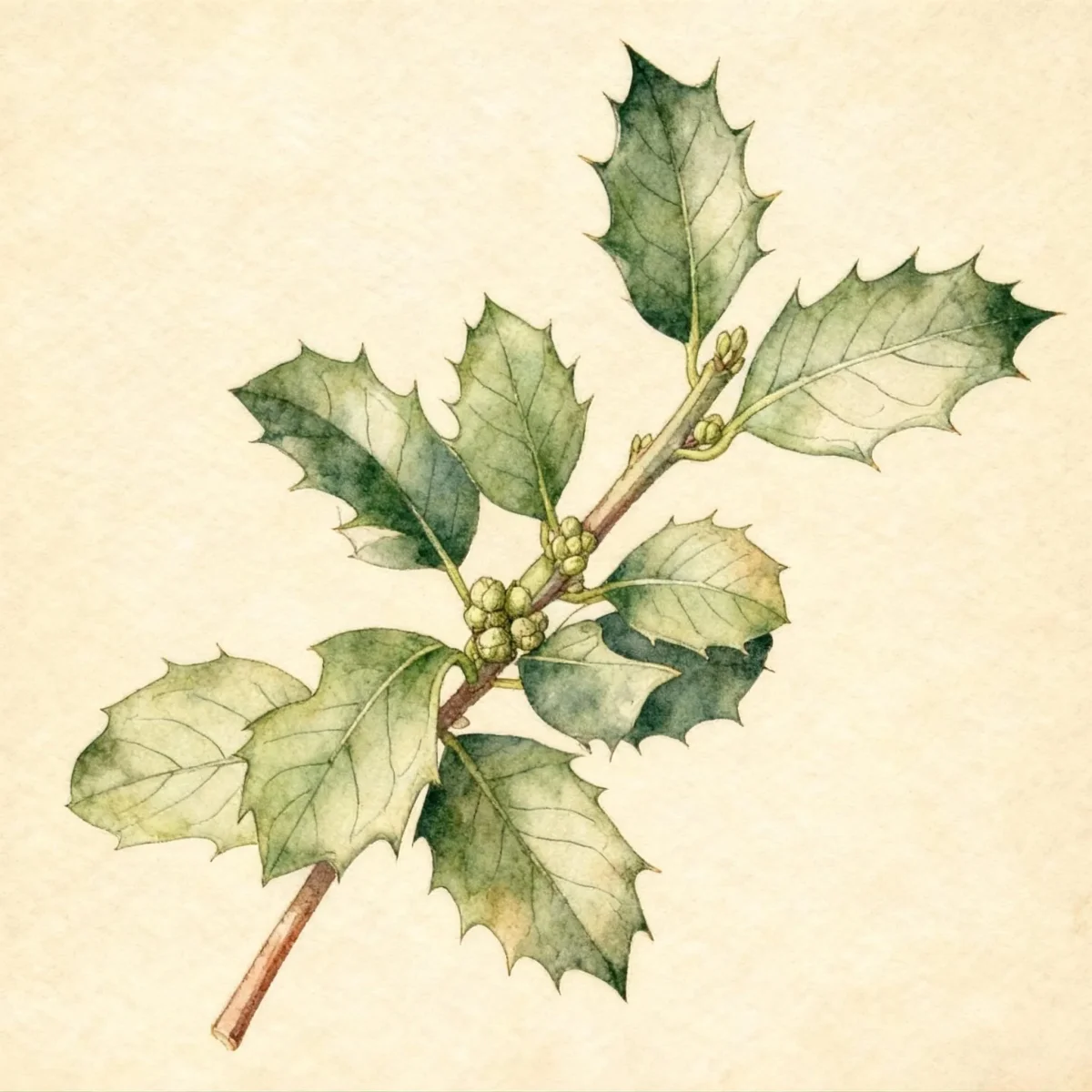
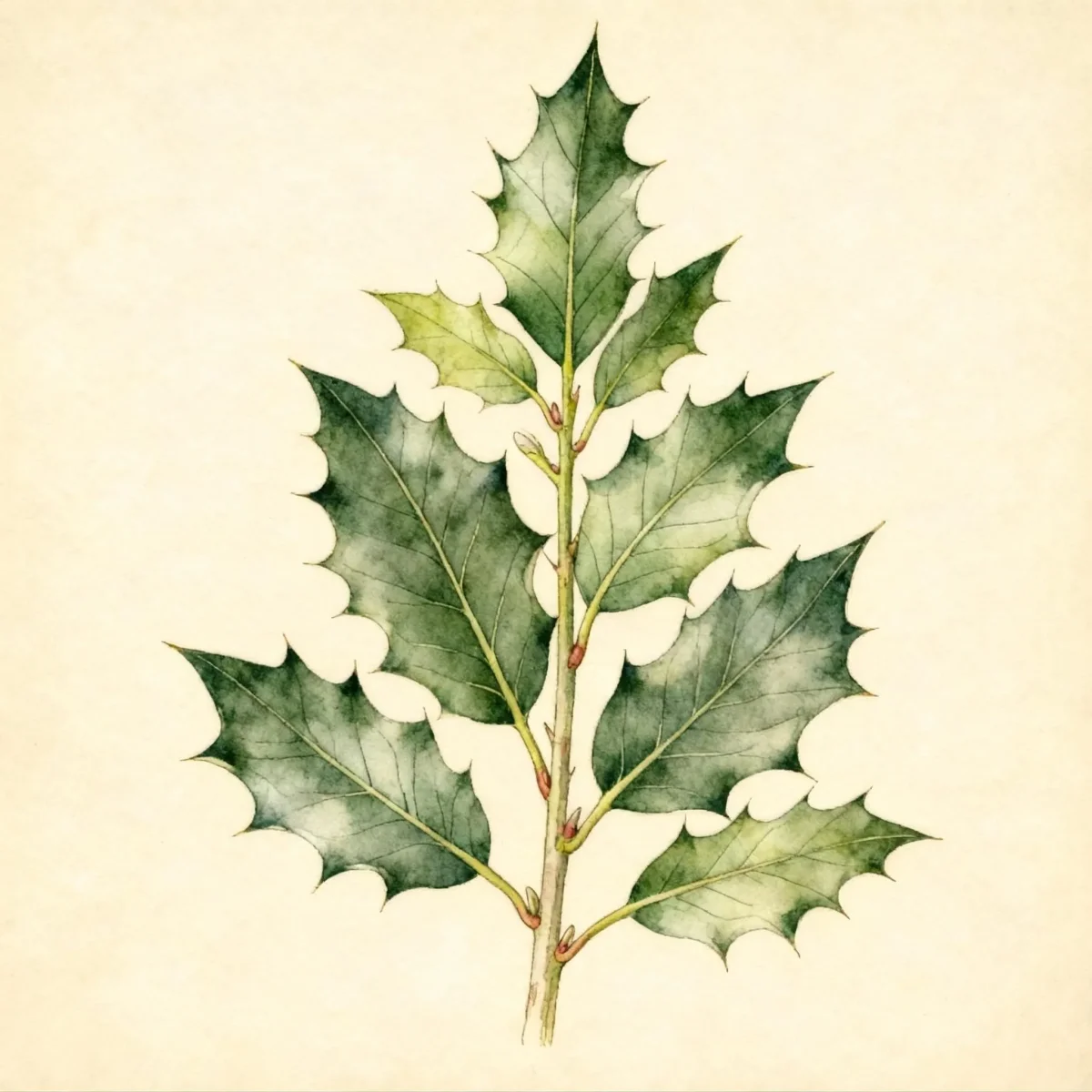
This versatile specimen typically matures into a large shrub or small tree, reaching heights between 15 and 25 feet. Known for its shiny, dark green foliage with characteristic spiny margins, Ilex ‘Nellie R. Stevens’ provides excellent screening and foundation coverage throughout the winter months. Its combination of attractive structure and minimal fuss makes it an essential element in formal and informal garden designs across warmer temperate climates.
While the small, greenish-white flowers in April are inconspicuous, they set the stage for the winter interest provided by the colorful berries. The plant’s hardiness suits USDA Zones 6 through 9, offering reliable performance where many other evergreens struggle with summer heat. Planning the right location is key to maximizing the visual appeal of this excellent cultivar of Holly.
Fast Facts
- Plant Family: Aquifoliaceae
- Plant Type: Broadleaf evergreen
- Hardiness Zones: USDA Zones 6-9
- Size at Maturity:
- Height: 15-25 ft
- Spread: 8-12 ft
- Bloom Time: April
- Bloom Description: Greenish-white
- Sun Exposure: Full sun to part shade
- Water Needs: Medium
- Maintenance Level: Low
How to Grow
The best time to plant Ilex ‘Nellie R. Stevens’ is typically in the fall or spring when temperatures are mild, allowing the roots time to establish before facing summer heat or deep winter cold. Ensure the planting site meets its requirement for organically rich, slightly acidic, well-drained soil. While this Holly prefers full sun for best fruiting, it adapts well to partial shade, though dense shade may reduce berry production.
Watering needs are medium; maintain consistently moist soil, especially during the first few growing seasons. Once established, this rugged Holly exhibits good drought tolerance. Pruning is usually minimal, but if shaping is necessary for use as a hedge or screen, perform structural pruning during the winter months.
A significant advantage of Ilex ‘Nellie R. Stevens’ is its partial self-fruiting capability due to parthenocarpy. For potentially heavier fruit set, consider planting a male pollinator like Ilex ‘Edward J. Stevens’ or Ilex cornuta. Note that in the northern limits of Zone 6, such as the St. Louis area, this plant may need a protected location to ensure reliable winter hardiness.
Landscape Uses
The substantial and upright nature of Ilex ‘Nellie R. Stevens’ makes it exemplary for creating effective evergreen borders and dense screens where privacy is a priority. Its conical form, lending itself to being trained as a small tree, allows it to function beautifully as a specimen plant, drawing the eye year-round. As a foundation plant, the structure of this Holly softens hard architectural lines without requiring constant shearing.
For formal designs, plant groups of Ilex ‘Nellie R. Stevens’ along property lines or walkways to establish permanent green structure. In mixed borders, allow its glossy texture and eventual red fruit display to contrast with deciduous shrubs or fine-textured conifers. Its adaptability to pruning means it can be maintained formally or allowed to grow into its natural, slightly looser form.
Standout Features
Flower Qualities
- Insignificant
Fruit Qualities
- Showy
Noteworthy Characteristics
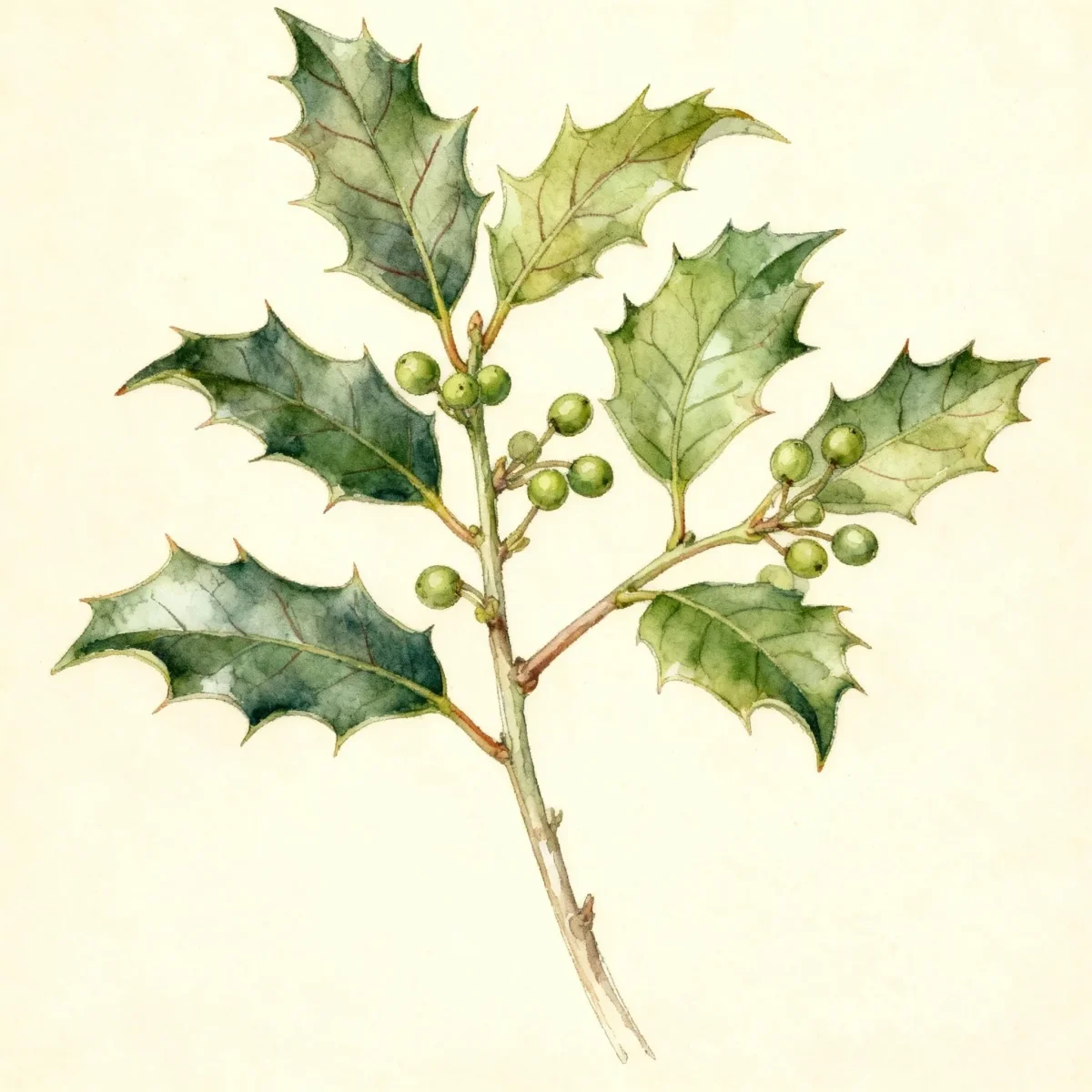
Ilex is a genus containing over 400 species globally, many valued for their evergreen foliage, earning the genus the common name Holly. The cultivar ‘Nellie R. Stevens’ is a desirable hybrid cross between I. Aquifolium and I. Cornuta. It maintains a dense, conical profile growing up to 25 feet tall with glossy, dark green leaves featuring characteristic spiny margins, offering excellent screen planting capabilities.
Tolerances
- Air Pollution
Potential Problems
Like most shrubs, Ilex ‘Nellie R. Stevens’ can face aesthetic challenges from pests and diseases. Common insect issues include infestations by scale, spider mites, whitefly, and the holly leaf miner, which tunnels within the leaves. Regularly inspect the undersides of leaves for scale insects, treating promptly with horticultural oil if found.
Fungal issues such as leaf spot, leaf rot, and powdery mildew can occur, particularly in areas with poor air circulation or overly wet conditions. Good garden hygiene, including removing fallen debris in autumn, reduces fungal inoculum. Susceptibility to chlorosis—yellowing of leaves—often points toward high pH soils, which should be corrected with acidifying fertilizers or soil amendments for optimal Holly health.
Frequently Asked Questions
What hardiness zones is Holly suitable for?
Ilex ‘Nellie R. Stevens’ is reliably hardy in USDA Zones 6 through 9, though sites near Zone 6 boundaries may require winter protection.
How large does Ilex ‘Nellie R. Stevens’ grow?
This variety typically achieves a height between 15 and 25 feet, with a spread ranging from 8 to 12 feet, forming a dense, pyramidal shape.
When does Ilex ‘Nellie R. Stevens’ bloom?
This Holly produces small, greenish-white flowers in April, which eventually give way to its desirable red, berry-like fruits.
What sun exposure does this Holly need?
For the best appearance and maximum fruit production, Ilex ‘Nellie R. Stevens’ requires full sun, although it tolerates partial shade gracefully.
Conclusion
Ilex ‘Nellie R. Stevens’ remains a cornerstone evergreen, delivering structural beauty and vibrant red berries with minimal gardener intervention. Its low maintenance level and adaptability to heat cement its status as a superior choice across the mid-to-southern temperate regions. Assess your garden’s hardiness zone and soil pH before planting this exceptional Holly to ensure decades of reliable performance.
Companion Planting
Selecting appropriate companions enhances the aesthetic appeal and structural integrity of evergreen hedges featuring Ilex ‘Nellie R. Stevens’. Because this Holly thrives in slightly acidic soil and requires medium moisture, pair it with other acid-loving shrubs like Rhododendrons or Azaleas, ensuring their mature sizes do not overwhelm the 8 to 12-foot spread of the Holly. For summer contrast, consider planting low-growing groundcovers with fine texture or bright foliage, such as Creeping Jenny or certain Hakonechloa grasses, near the base.
When using Ilex ‘Nellie R. Stevens’ as a specimen tree, ground-level planting areas benefit from perennials that provide seasonal color without competing for overhead light. Hostas and Astilbes work well in the part-shade areas created by a mature specimen, provided the area retains adequate soil moisture. The deep green, glossy leaves of the Holly create a perfect backdrop for the lighter greens or variegated patterns of these shade-tolerant companions.
Ornamental Value and Fruit Set
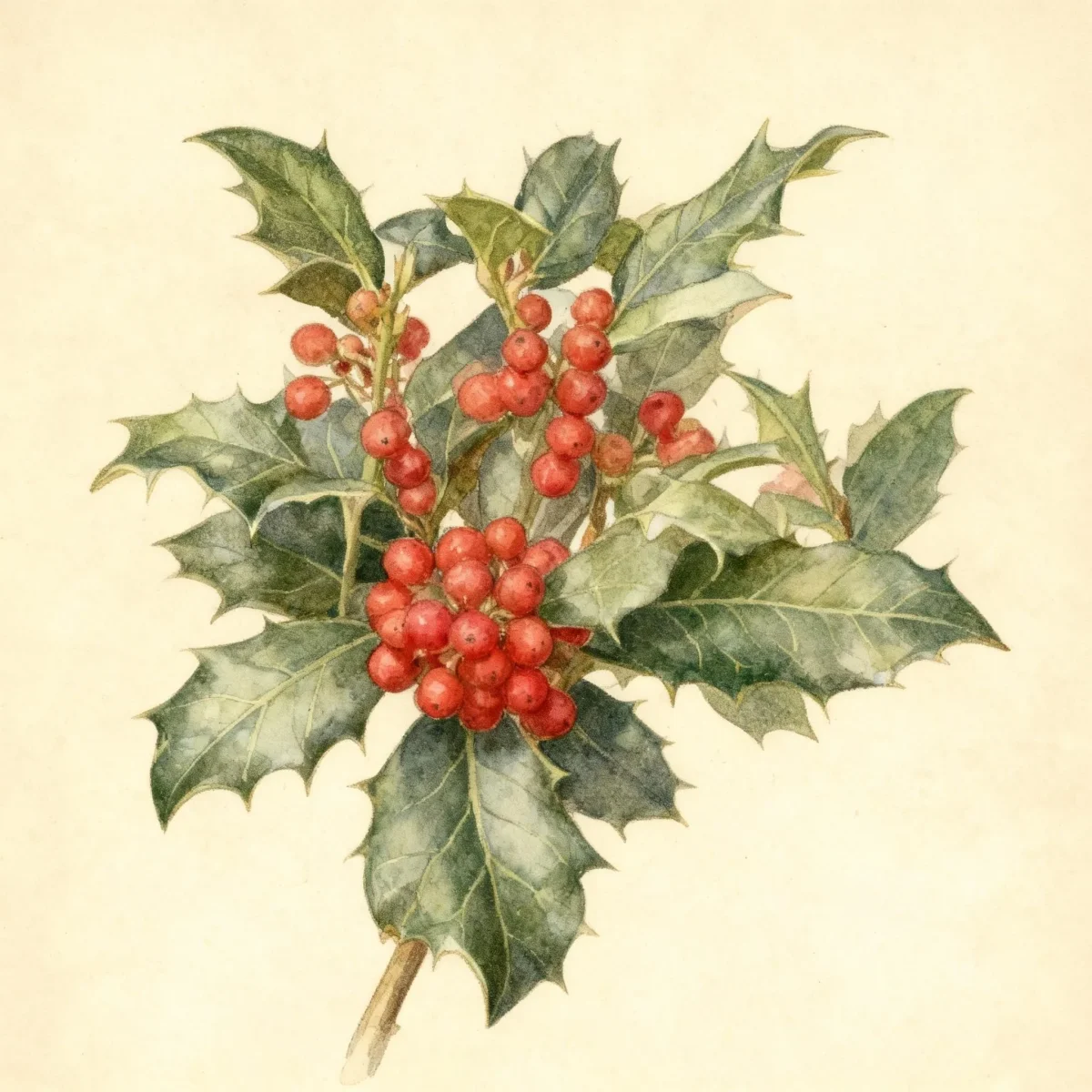
The primary ornamental draw of this specific Holly hybrid is the contrast between its dark, evergreen foliage and the plentiful, bright red fruits that typically ripen in the fall and persist well into winter. This persistence is crucial for winter interest when many other plants are dormant. Note that the flowers bloom in April and are greenish-white, making them largely insignificant up close but serving their vital reproductive purpose.
To ensure a heavy display of red berries on your Ilex ‘Nellie R. Stevens’, you must consider pollination dynamics. Although this female plant can set some fruit without pollination (parthenocarpy), gardeners seeking prolific displays should include a nearby male pollinator, such as Ilex cornuta, planted within effective range. Consistent growing conditions—especially avoiding high-pH soil which causes chlorosis—will keep the foliage healthy, maximizing the visual impact of the fruit display.