Possumhaw (Ilex decidua 'Council Fire')
Ilex decidua 'Council Fire', or Possumhaw, offers essential winter structure and brilliant orange-red berries. A low-maintenance deciduous holly for zones 5-9.
Scroll down to discover growing tips, care requirements, companion plants, and more
Complete Plant Information
Overview
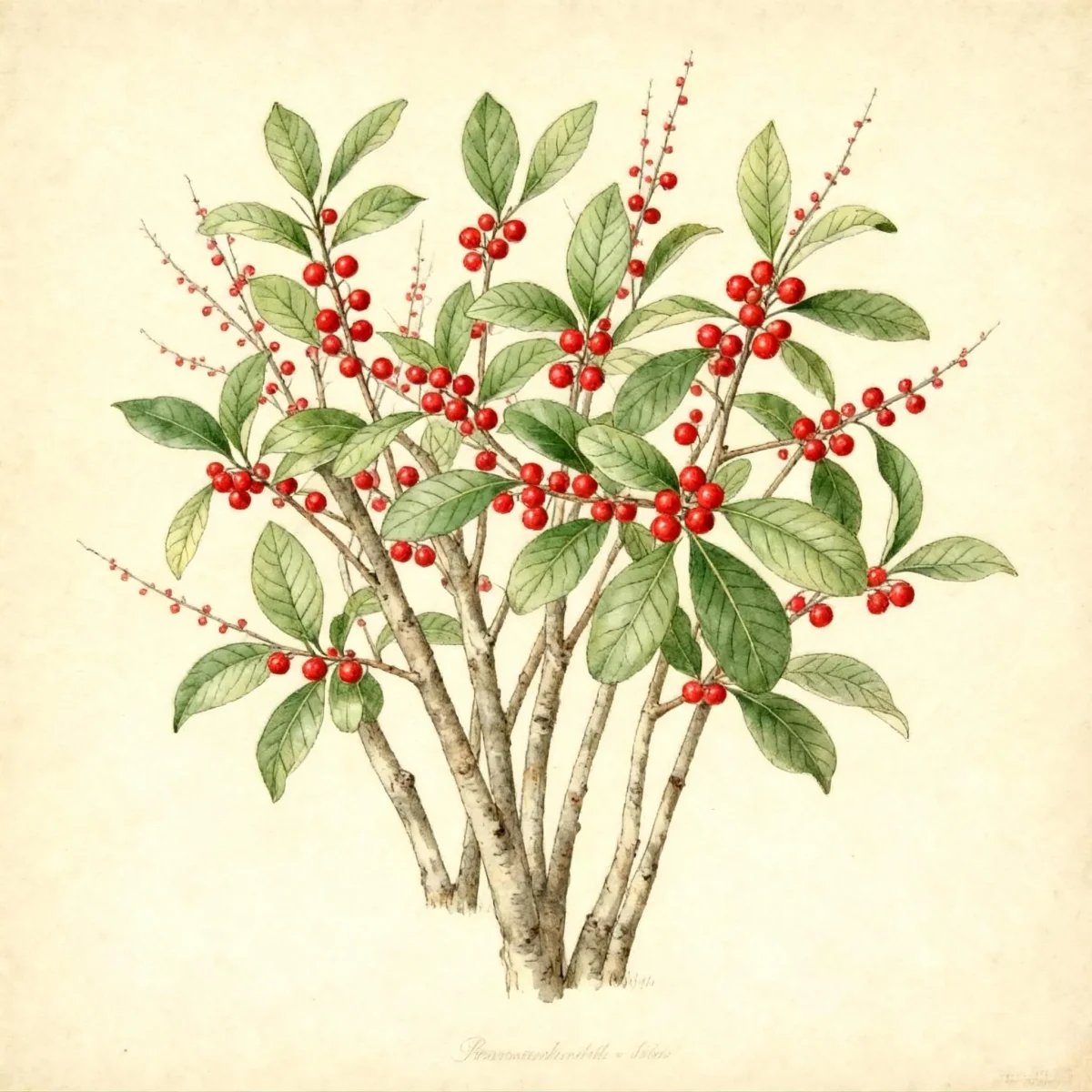
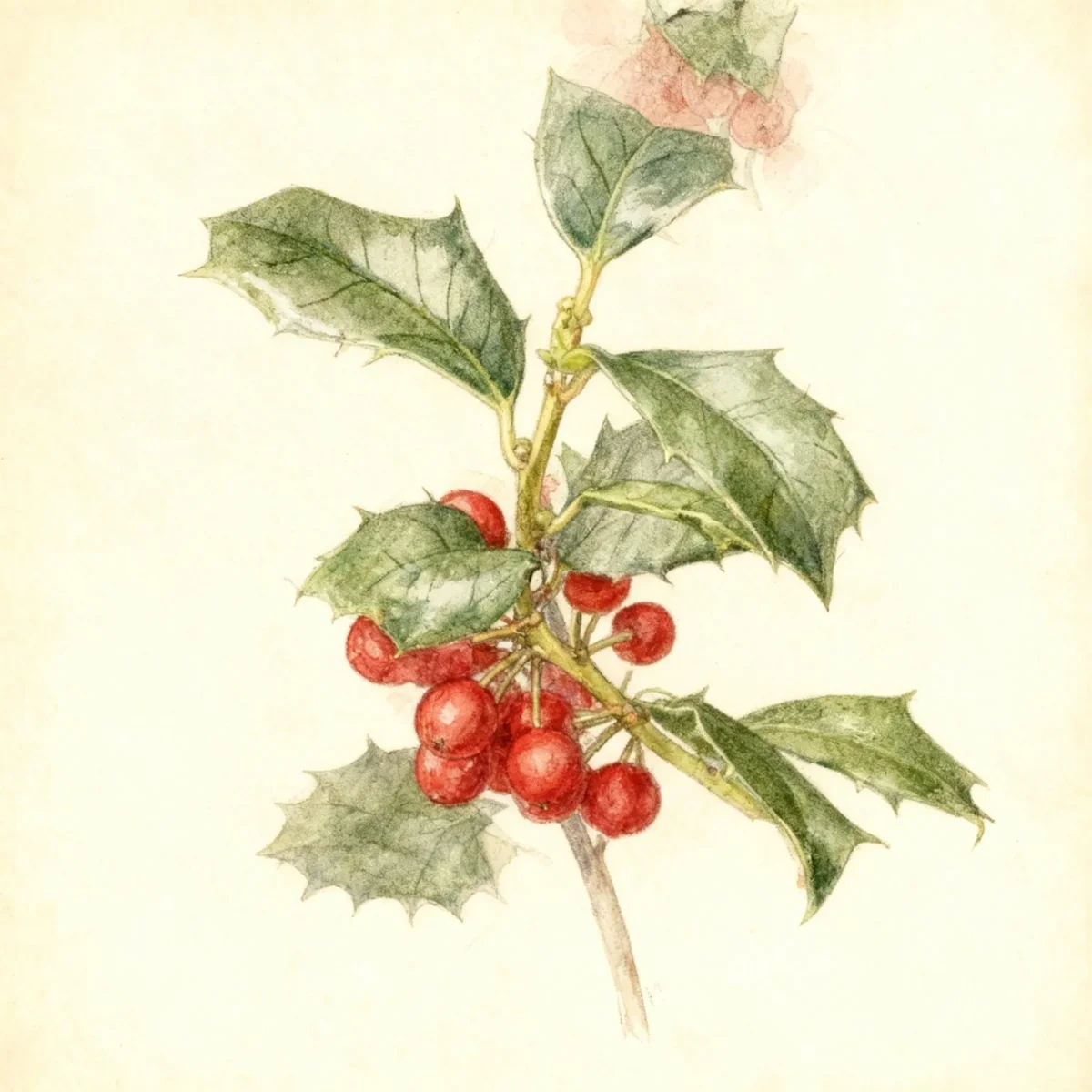
Ilex decidua ‘Council Fire’ is a standout Missouri native, commonly known as Possumhaw, valued for its low-maintenance structure and brilliant winter interest. This deciduous holly sheds its leaves to showcase dense clusters of orange-red berries, persisting long after many other plants have gone dormant. It offers essential vertical structure and wildlife value throughout the colder months.
As a low-maintenance selection, Possumhaw adapts well to various conditions, thriving where many other shrubs struggle. Its upright, rounded habit makes it highly versatile in the landscape, suitable for both formal hedges and naturalized plantings along wet areas. The vibrant display provided by the pollinated fruits ensures strong visual impact from autumn well into early spring.
To achieve the signature berry display of Ilex decidua ‘Council Fire’, gardeners must ensure successful pollination. This specific cultivar is female and requires an appropriate male pollinator nearby to maximize the fruit set. When properly sited, this adaptable shrub provides superior winter color and habitat interest.
Fast Facts
- Plant Family: Aquifoliaceae
- Plant Type: Deciduous shrub
- Hardiness Zones: USDA Zones 5-9
- Size at Maturity:
- Height: 6-12 ft
- Spread: 5-10 ft
- Bloom Time: May
- Bloom Description: White
- Sun Exposure: Full sun to part shade
- Water Needs: Medium
- Maintenance Level: Low
How to Grow
Ilex decidua ‘Council Fire’ is easily established in average, medium-moisture soil, performing best when provided with full sun to partial shade exposure. While adaptable to many soil types, this Possumhaw prefers moist, acidic, and organic-rich soils. Planting is ideal during the cooler seasons (early spring or fall) to allow root establishment before summer stress.
Water needs are medium, though the species exhibits some tolerance for wet conditions, making it an excellent choice for rain gardens or low spots near streams. Fertilization is rarely necessary if the soil is reasonably fertile and amended with organic matter. Pruning should be kept minimal; if shaping is required, perform this critical task in early spring just before new growth emerges to avoid removing potential berry wood.
A crucial cultural note for Ilex decidua ‘Council Fire’ is understanding dioecious nature; this plant is female and requires a nearby male holly for pollination. A single male plant, such as a standard male Ilex decidua or Ilex opaca ‘Jersey Knight’, can service several female shrubs, guaranteeing the spectacular fruit set you desire. Do not prune heavily in summer, as this can inadvertently remove next season’s flower buds.
Landscape Uses
The versatility of Possumhaw makes it a valuable asset in diverse landscape designs. Use Ilex decidua ‘Council Fire’ effectively as a specimen plant where its winter silhouette and berry display can be fully appreciated, or group several together to form an attractive, dense screen or low hedge. Its adaptability to moister soil conditions opens up opportunities for use in rain gardens or along the edges of ponds and streams where saturation is common.
This native selection integrates beautifully into Missouri native plant gardens, echoing the species’ natural presence along wet woodlands. When designing borders, consider pairing the deciduous structure of the Possumhaw with evergreen background plantings to maximize the contrast of the bare branches against the bright orange-red fruit during winter dormancy. Because birds and other wildlife are attracted to the persistent berries, this plant serves as both an ornamental anchor and a functional wildlife feeder.
Standout Features
Flower Qualities
- Insignificant
Fruit Qualities
- Showy
Noteworthy Characteristics
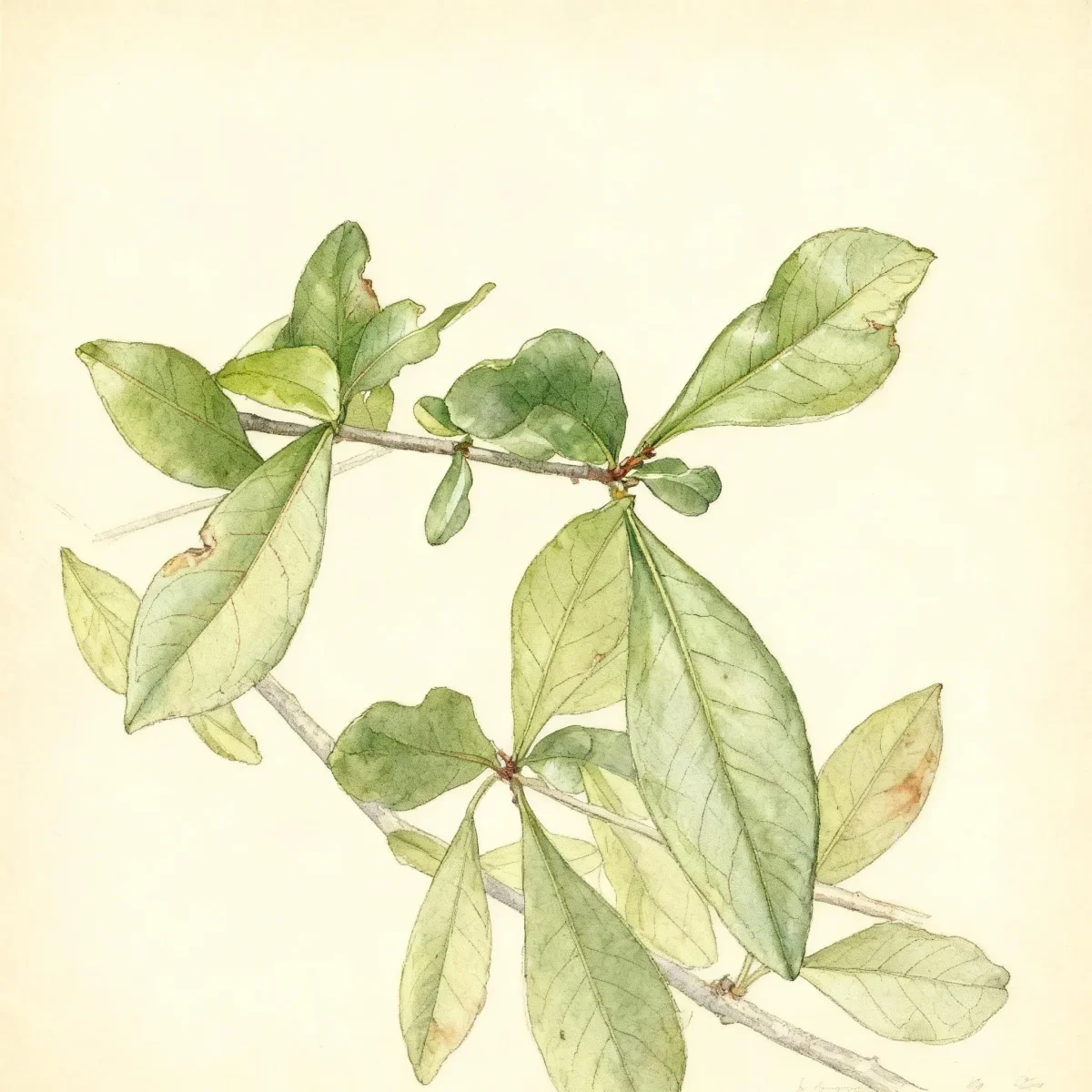
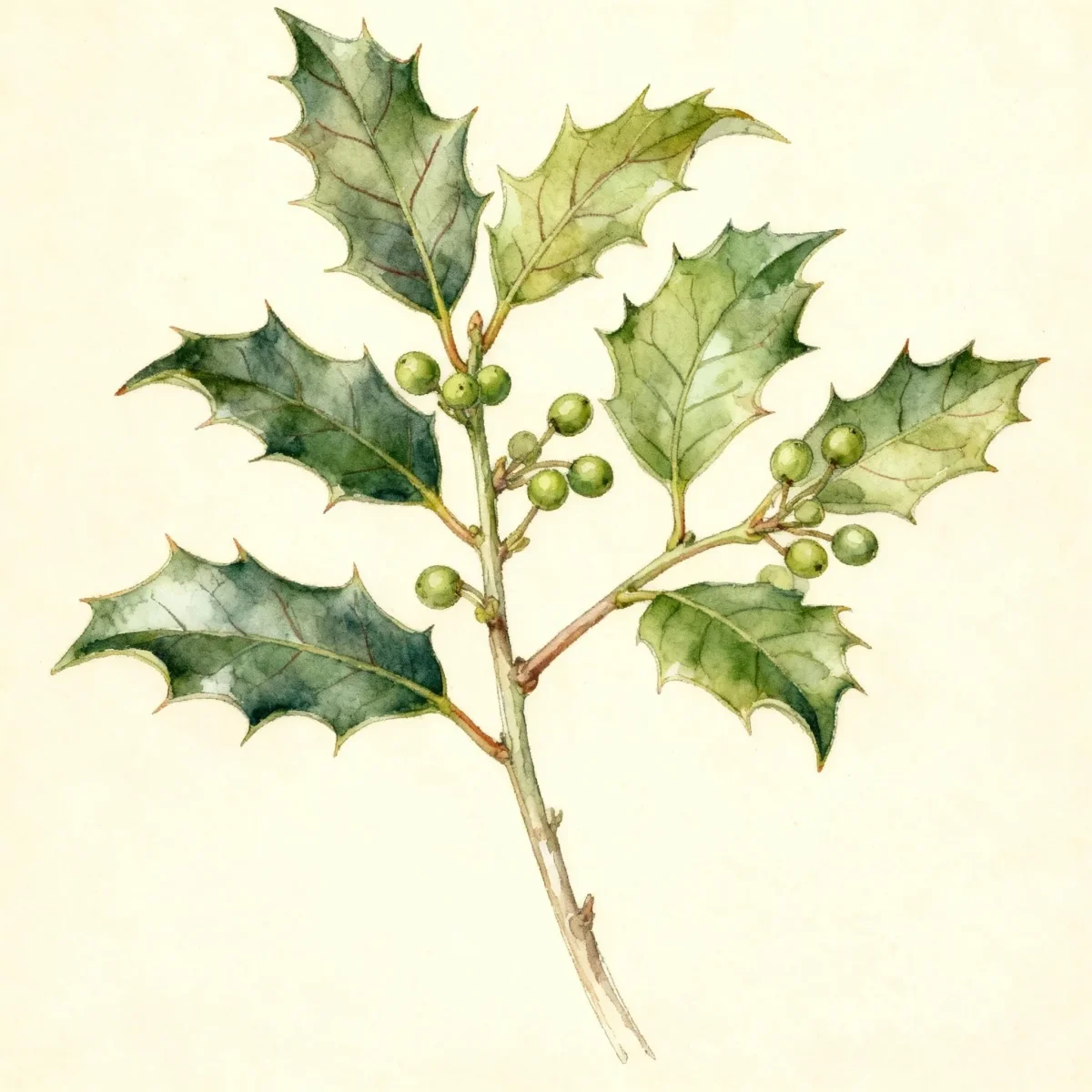
Ilex decidua is a Missouri native, deciduous holly that is commonly called possum haw. It occurs on limestone glades and bluffs, along streams in wet woods, and in lowland valleys, sloughs and swamps. An upright shrub with a spreading, rounded crown which typically grows 7-15’ tall in cultivation (to 30’ in the wild). Pollinated female flowers give way to orange-red berries which ripen in September and persist throughout the winter until mid-March when new growth begins. The cultivar ‘Council Fire’ forms an upright, rounded shrub growing 6-12’ high, showcasing glossy dark green foliage that turns yellow in the fall before the persistent berries take center stage.
Tolerances
- Clay Soil
- Air Pollution
Potential Problems
This species generally experiences few serious disease or insect problems, contributing significantly to its low maintenance rating. Occasionally, gardeners may observe minor issues like leaf spots or powdery mildew, particularly in areas with prolonged humidity or poor air circulation. If fungal issues arise, ensure adequate spacing between shrubs and apply appropriate fungicides according to label directions if aesthetic damage is significant.
Frequently Asked Questions
What hardiness zones is Possumhaw suitable for?
Ilex decidua ‘Council Fire’ is reliably hardy in USDA Zones 5 through 9.
How large does Possumhaw grow?
Ilex decidua ‘Council Fire’ typically matures to a height between 6 and 12 feet, with a spread ranging from 5 to 10 feet wide.
What sun exposure does Ilex decidua ‘Council Fire’ need?
This durable shrub performs best when situated where it receives full sun to part shade, offering flexibility in site selection.
When does Possumhaw bloom?
The inconspicuous white flowers of this deciduous holly appear during the month of May.
Conclusion
The Ilex decidua ‘Council Fire’ delivers exceptional structural interest and crucial winter color, making it an indispensable component of the four-season landscape. Remember that as a female plant, planning for a nearby male pollinator is the single most important step for ensuring abundant berries on your Possumhaw. Before planting, verify that your site falls within USDA Zones 5-9 and plan for spring pruning if shaping is desired.
Wildlife Benefits
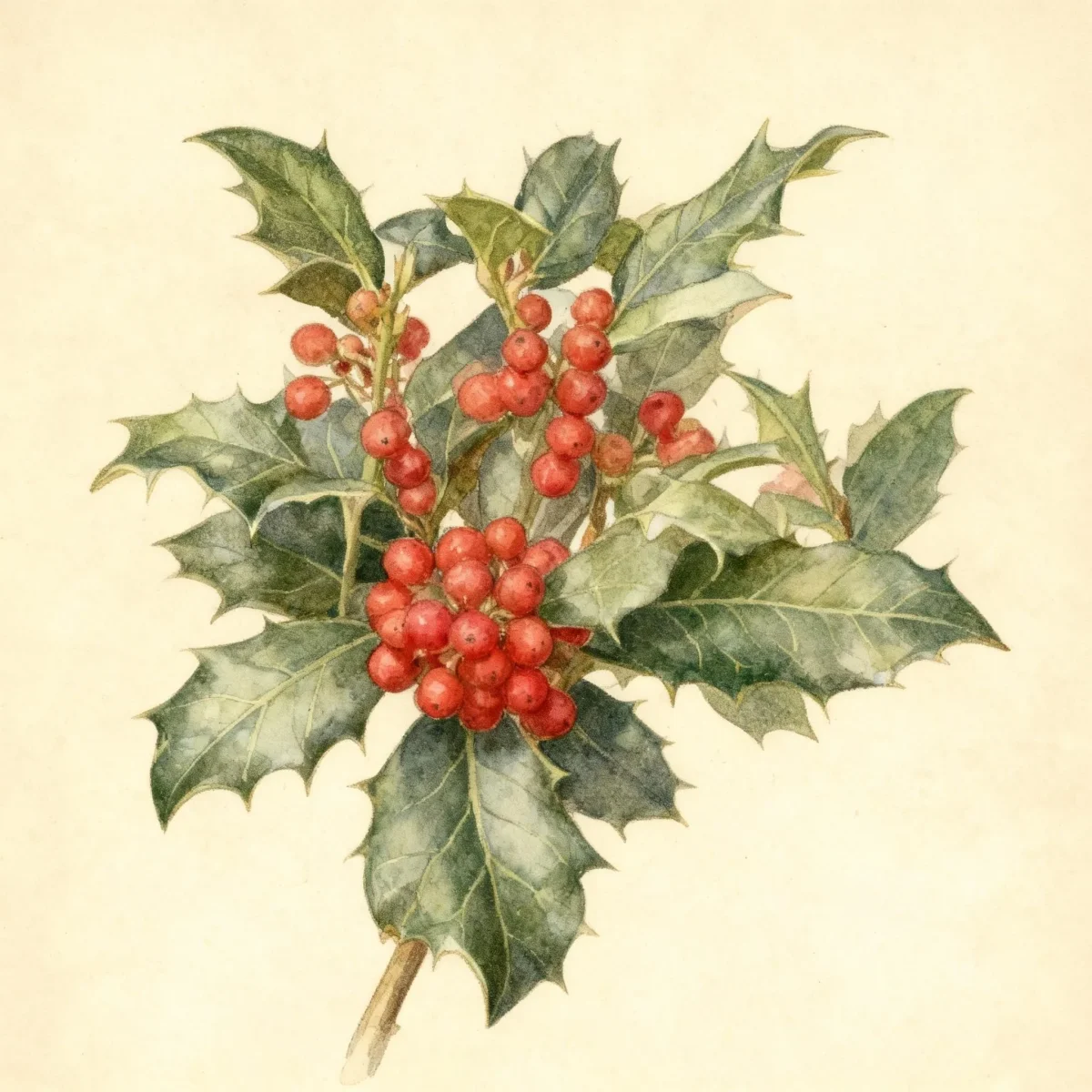
The primary horticultural value of the Possumhaw in late season is its role as a food source. The abundant orange-red berries ripen in September and persist throughout winter, providing vital sustenance for birds and small mammals, including opossums—hence the common moniker. Planting Ilex decidua ‘Council Fire’ directly contributes to local ecological health by supporting wintering wildlife populations when other food sources are scarce.
Companion Planting
Due to its preference for moist, medium-to-heavy soil and partial shade tolerance, Ilex decidua ‘Council Fire’ pairs excellently with other robust, moisture-loving natives. Consider planting it near native ferns that appreciate similar soil moisture levels, or intersperse it with plants that offer contrasting texture or fall color, such as certain Amsonia or Hydrangea cultivars. Ensure companions do not form such a dense canopy that they impede necessary sun exposure for optimal berry production on the Possumhaw.