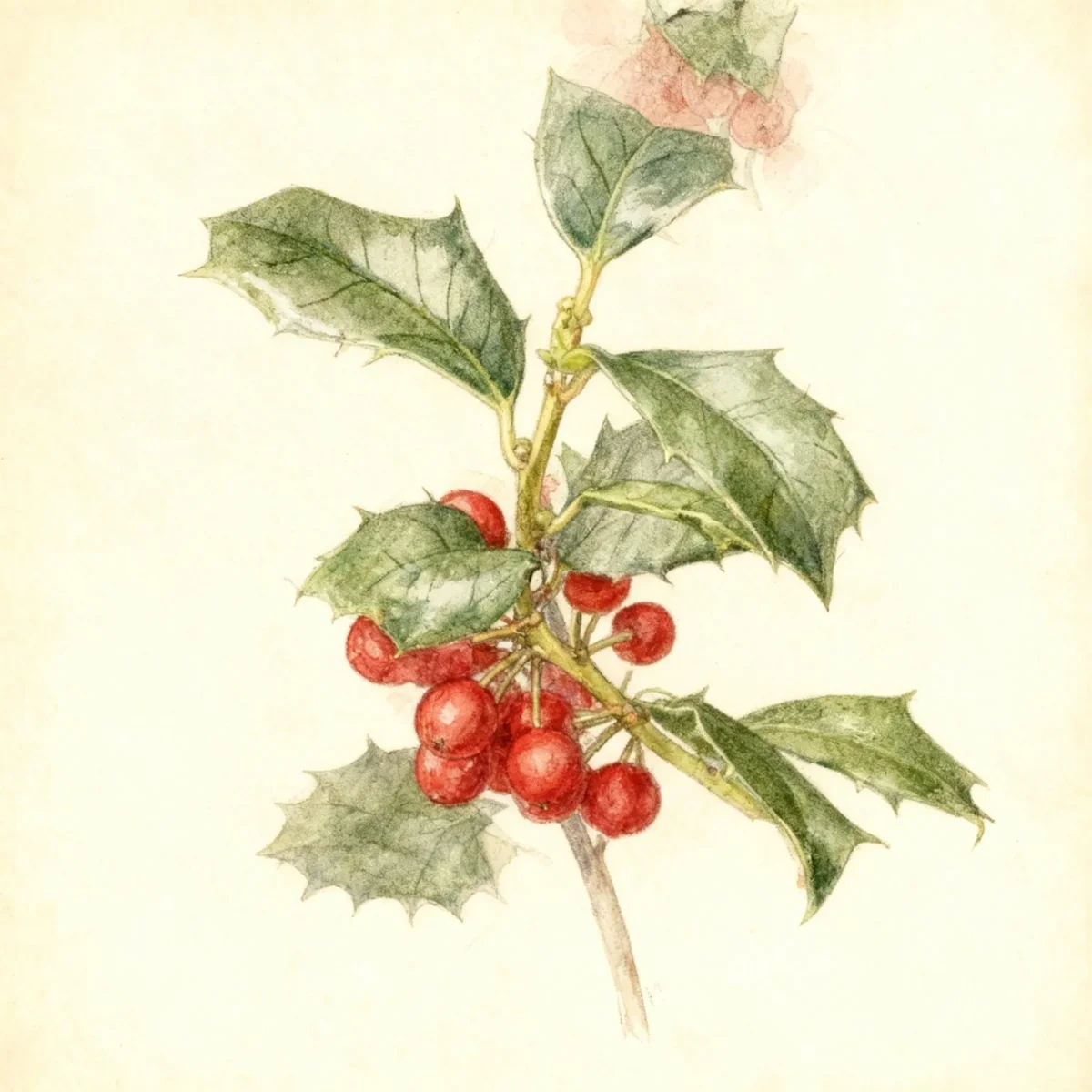
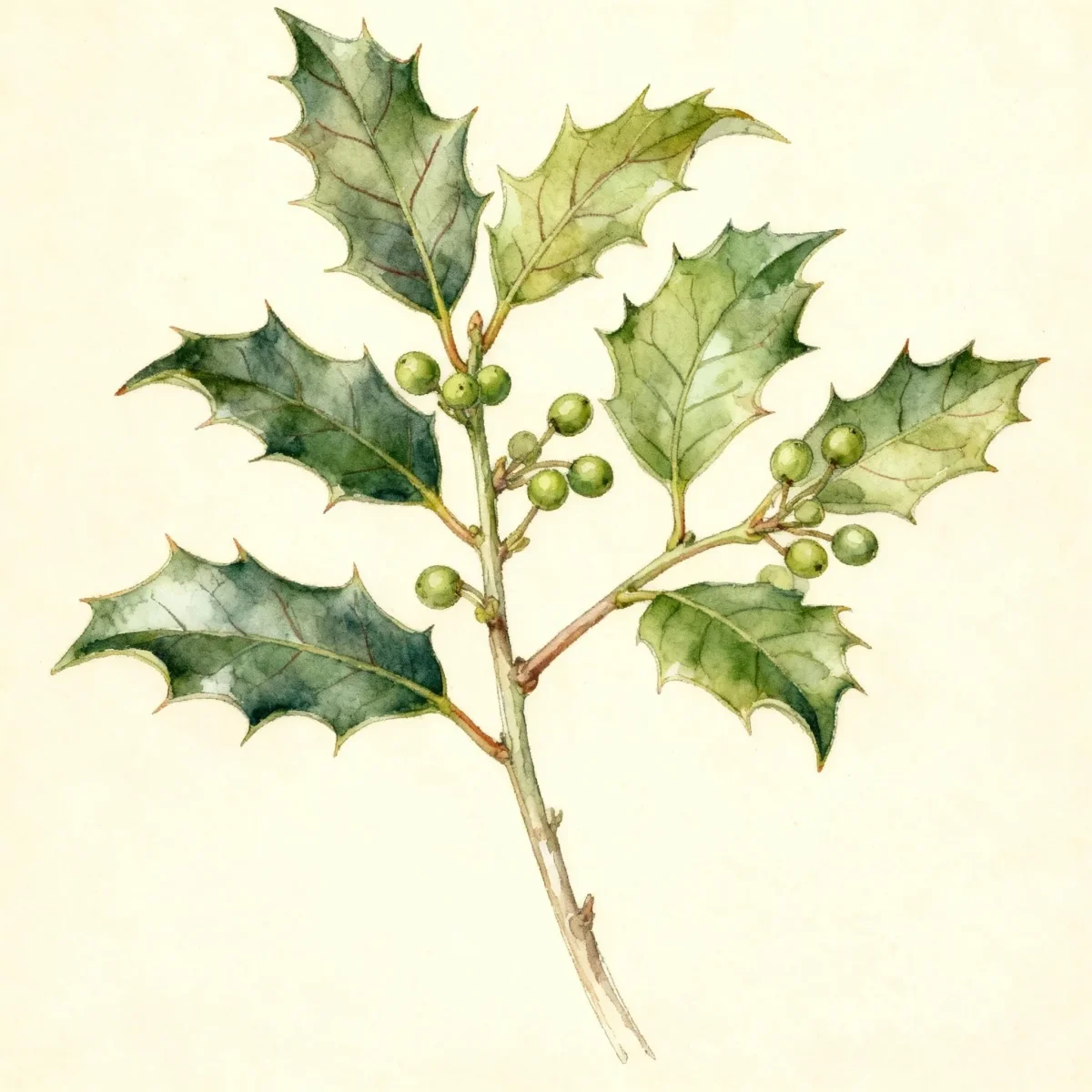
Possumhaw (Ilex decidua 'Warren's Red')
Ilex decidua 'Warren's Red' (Possumhaw) is a low-maintenance, deciduous holly known for excellent winter berry display.
Scroll down to discover growing tips, care requirements, companion plants, and more
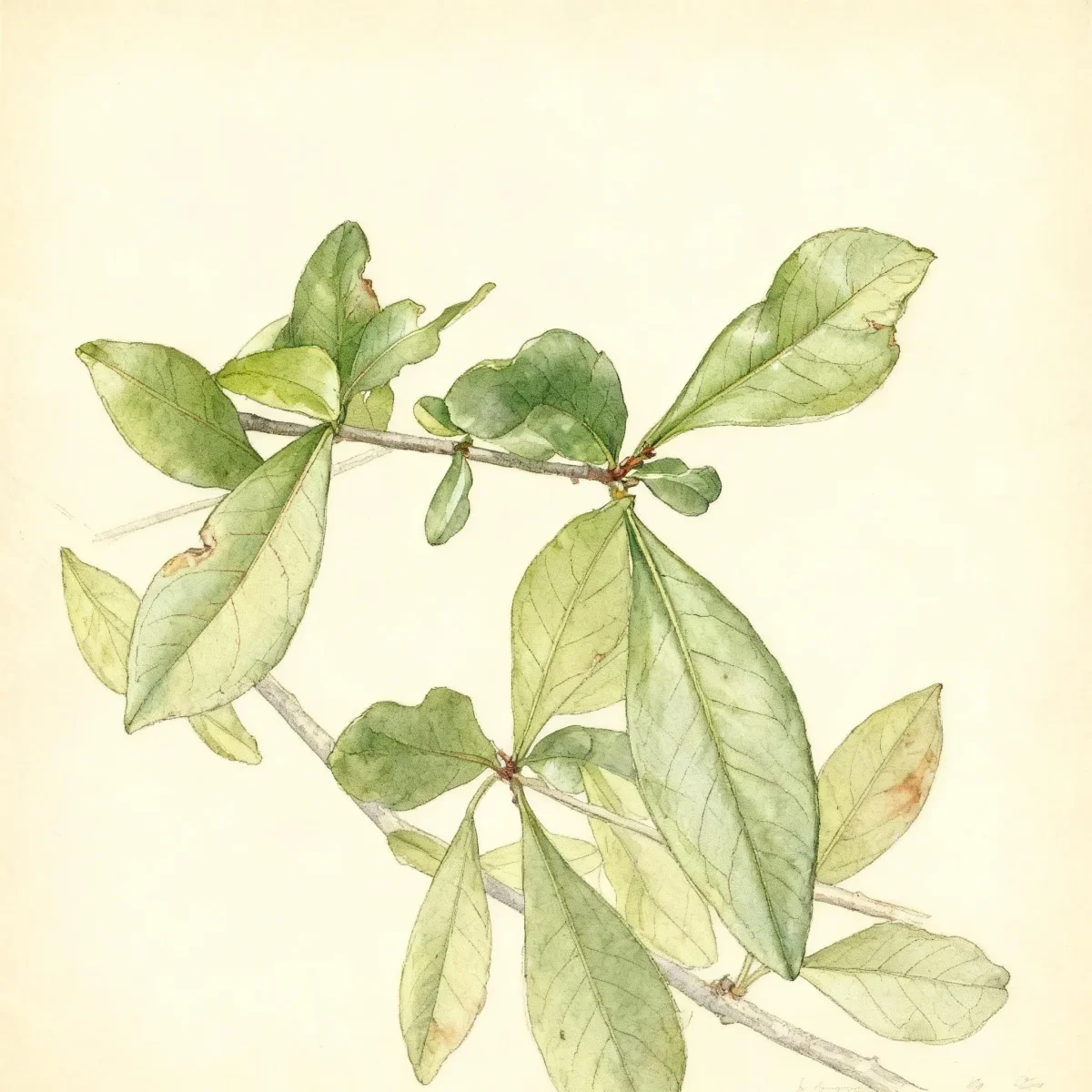
Complete Plant Information
Overview
The Ilex decidua ‘Warren’s Red’ is a highly valuable, deciduous holly celebrated for providing essential structure and color to the winter landscape. Commonly known as Possumhaw, this cultivar offers dense upright growth, maturing into a rounded shrub perfect for screening or winter interest. Its adaptability to various soil types and low maintenance requirements make the Ilex decidua ‘Warren’s Red’ a rewarding choice for both novice and experienced gardeners.
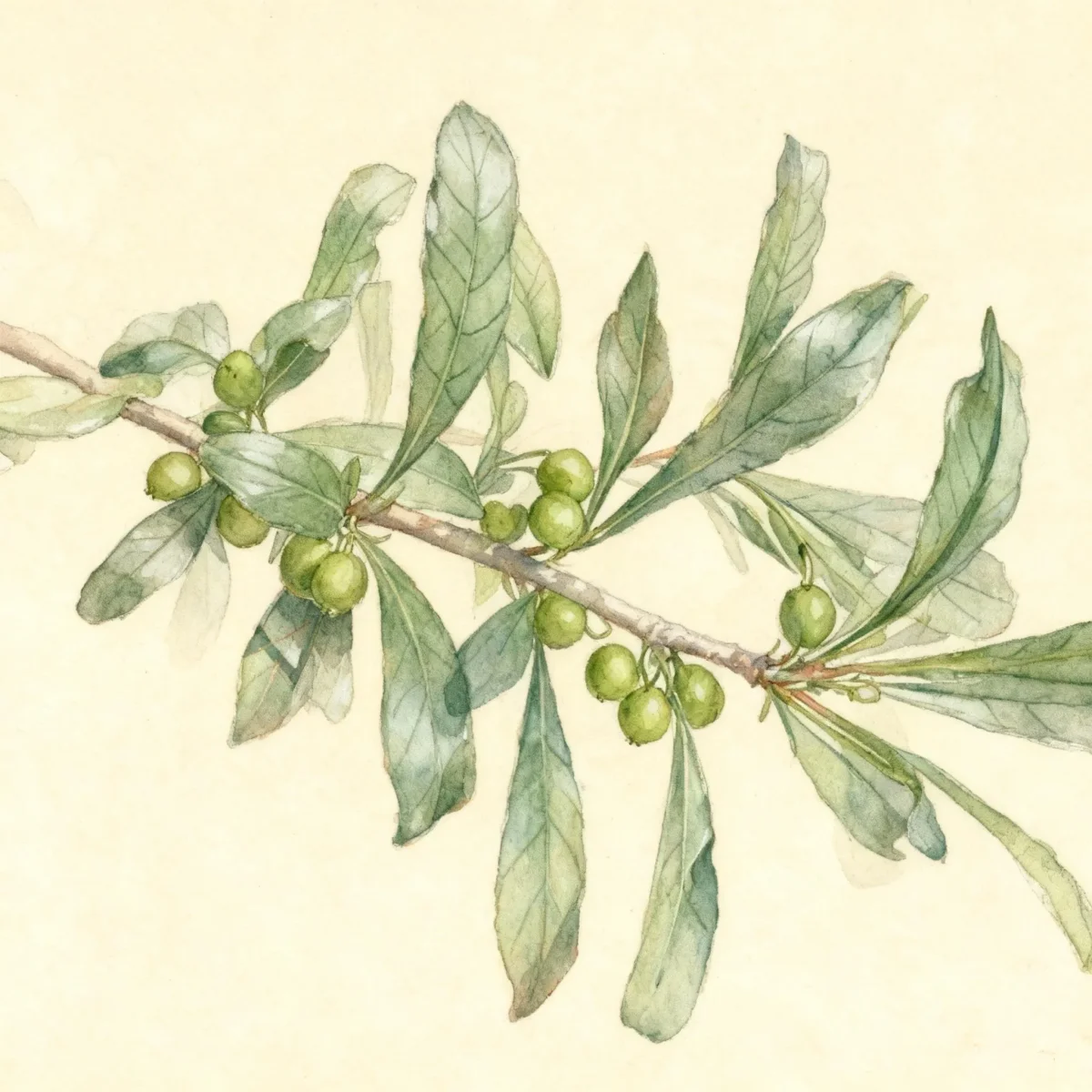
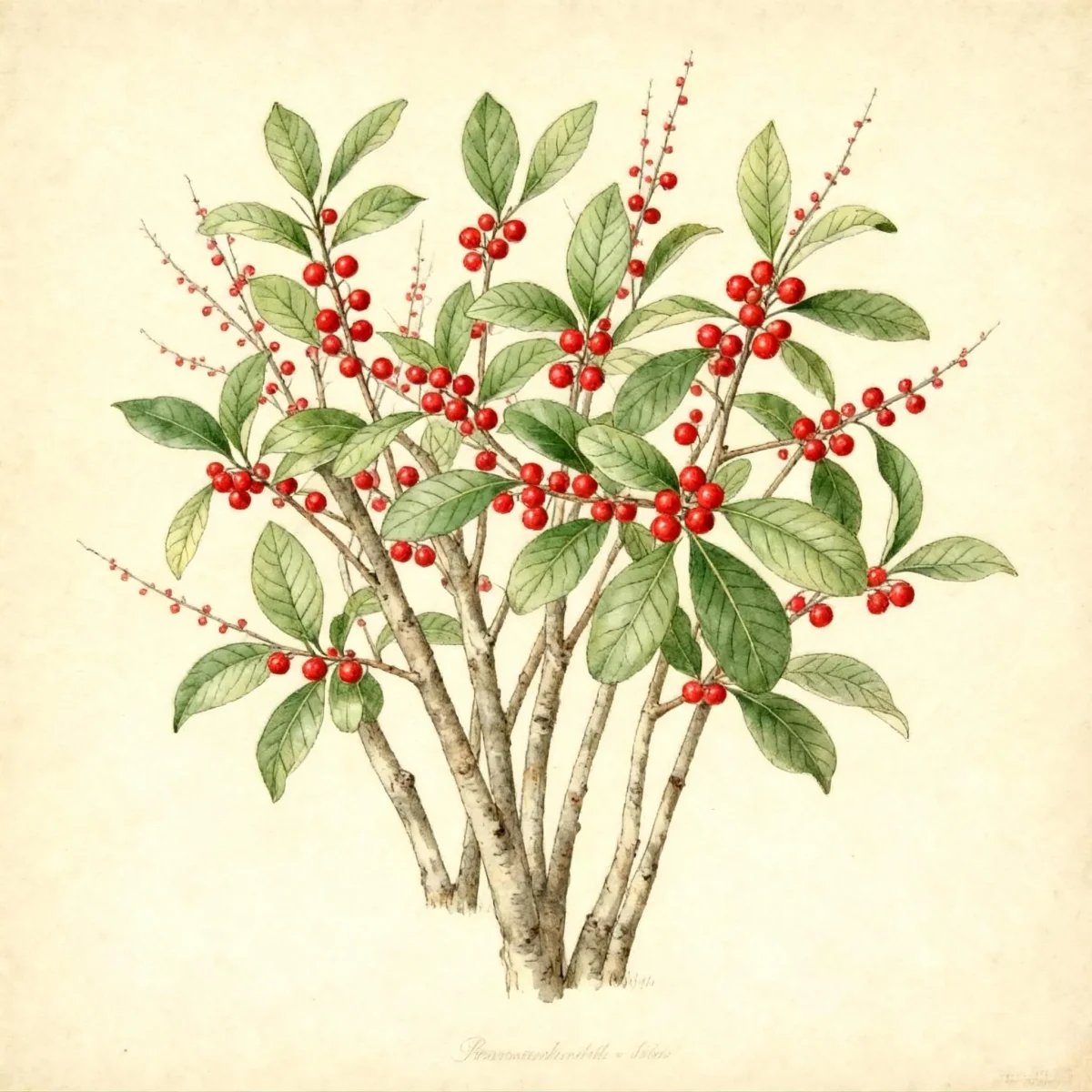
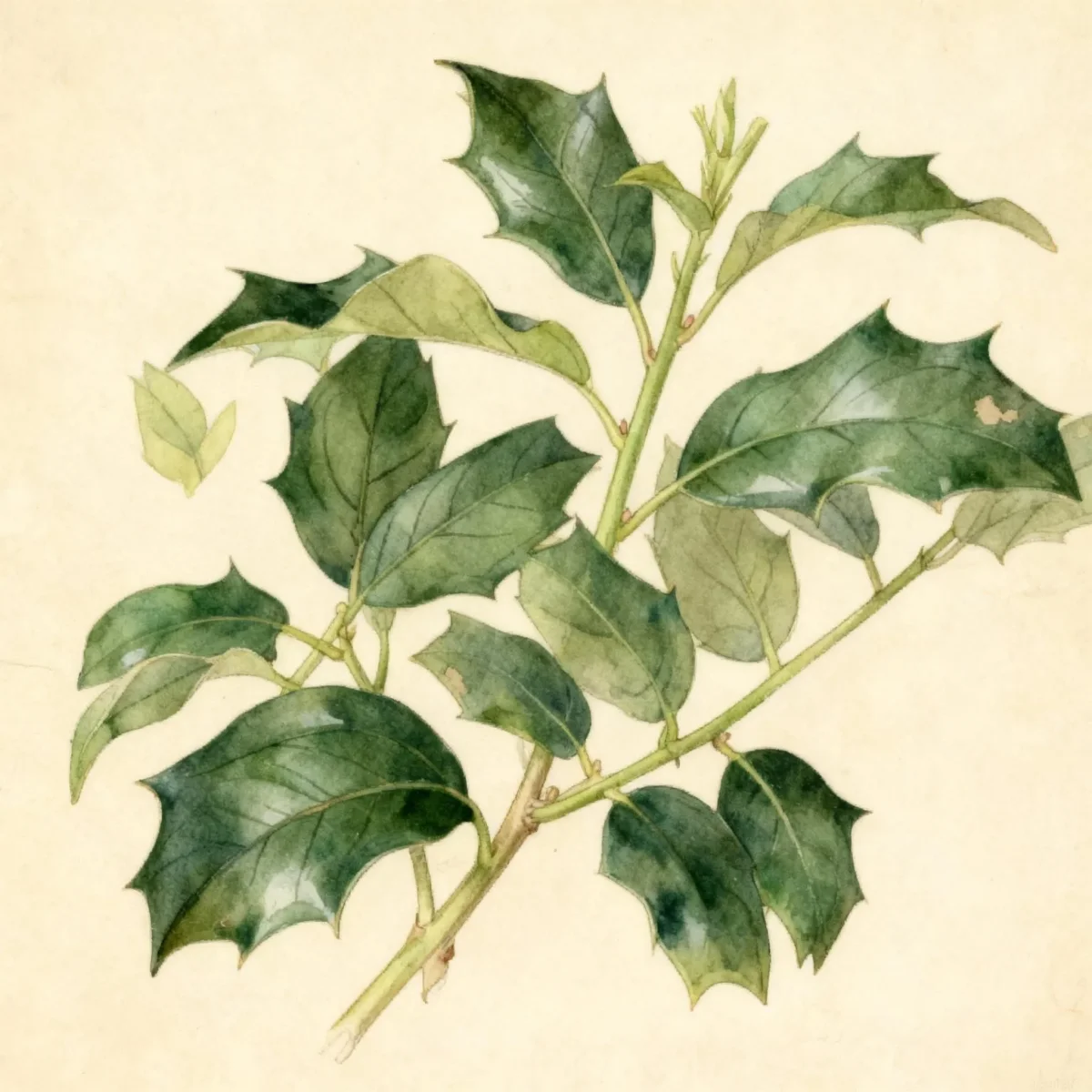
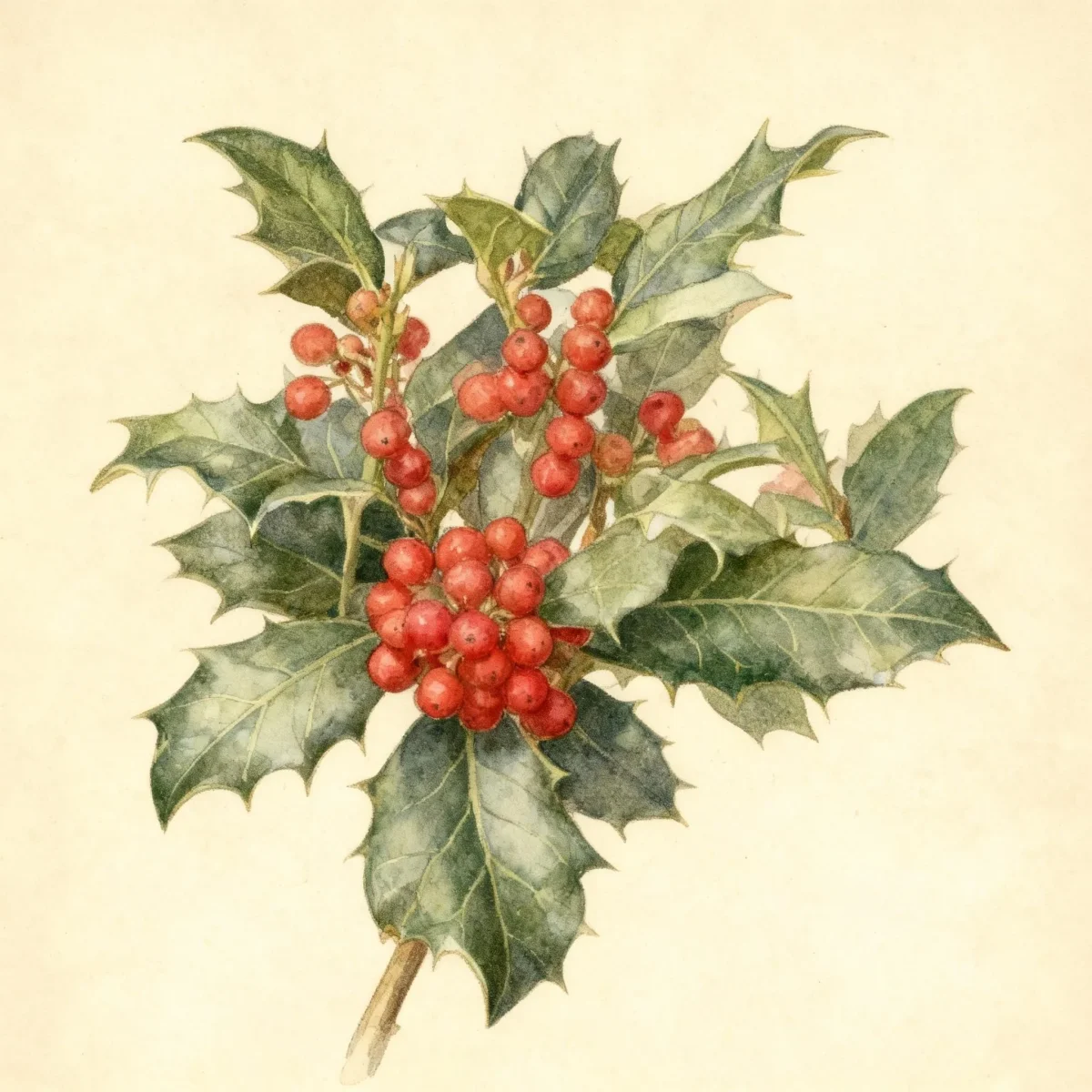
This Missouri native excels in providing late-season drama. After the glossy, dark green leaves drop, they reveal abundant orange-red berries that cling to the branches well into early spring. Wildlife benefits greatly from these persisting fruits, reinforcing the value of this Possumhaw in ecological garden designs.
Cultivating Ilex decidua ‘Warren’s Red’ means gaining a durable specimen capable of handling moisture fluctuations and less-than-ideal urban conditions. While it performs best in moist, acidic soils, its adaptability means it can anchor rain gardens or formal hedge rows where reliability is paramount throughout USDA Zones 5 through 9.
Fast Facts
- Plant Family: Aquifoliaceae
- Plant Type: Deciduous shrub
- Hardiness Zones: USDA Zones 5-9
- Size at Maturity:
- Height: 6-14 ft
- Spread: 4-12 ft
- Bloom Time: May
- Bloom Description: White
- Sun Exposure: Full sun to part shade
- Water Needs: Medium
- Maintenance Level: Low
How to Grow
Possumhaw establishes best when planted in the spring or fall, allowing its roots to settle before extreme weather hits. It thrives in average, medium moisture soil, although it shows excellent adaptability to heavy clay soils. While it tolerates some wet conditions, ensuring the site drains reasonably well—especially for rain garden placements—will promote robust growth. Amend heavy native soil with organic matter to encourage preferred acidic conditions.
Ongoing care for Ilex decidua ‘Warren’s Red’ is minimal once established. Maintain medium soil moisture levels, particularly during the first two growing seasons. Fertilization is rarely necessary unless the soil is severely deficient. The crucial cultural note involves sex: female plants require a nearby male pollinator to ensure the signature berry production.
Pruning should be executed only to maintain shape or control size, ideally performed in early spring just before new foliage emerges. Because deciduous hollies leaf out later than many shrubs, this timing minimizes stress. Avoid heavy pruning in summers to protect the developing berries that provide winter interest.
Landscape Uses
The robustness and attractive winter presence of the Possumhaw make it highly versatile. Ilex decidua ‘Warren’s Red’ serves effectively as a specimen plant where its winter structure can be highlighted, or grouped densely to create an informal hedge. Its tolerance for wet conditions makes it an outstanding structural element for rain gardens or along the edges of streams and low spots in the landscape.
To maximize berry display, ensure correct pollination by planting female selections like ‘Warren’s Red’ alongside a separate male plant. This combination creates a year-round focal point. In native plant gardens, it integrates beautifully with late-season bloomers whose structure fades as the holly’s berries emerge.
Consider combining Ilex decidua ‘Warren’s Red’ with late-blooming perennials or evergreen groundcovers that can provide contrast against the bare branches when the berries are at their peak visibility in January and February. Its moderate size (up to 14 feet tall) allows it to serve well as a mid-layer screen.
Flower Qualities
- Insignificant
Fruit Qualities
- Showy
Noteworthy Characteristics
Ilex decidua is a Missouri native, deciduous holly that is commonly called possum haw. It occurs on limestone glades and bluffs, along streams in wet woods, and in lowland valleys, sloughs and swamps. The reddish-orange berries ripen in autumn and persist throughout the winter until new growth begins, attracting birds and mammals. The specific cultivar ‘Warren’s Red’ noted for retaining its attractive, glossy leaves slightly longer than other types, features an upright, rounded form and attractive silvery bark.
Tolerances
- Clay Soil
- Air Pollution
Potential Problems
Ilex decidua ‘Warren’s Red’ is renowned for having few serious pest or disease issues, making maintenance extremely low. Occasionally, gardeners might observe superficial leaf spots or mild powdery mildew, particularly in overly dense plantings or areas with poor air circulation. These issues are usually cosmetic, not life-threatening. Ensure appropriate spacing during planting to maximize air movement, which helps mitigate fungal concerns naturally.
Frequently Asked Questions
What hardiness zones is Possumhaw suitable for?
The Ilex decidua ‘Warren’s Red’ is reliably hardy across USDA Zones 5 through 9, making it a dependable choice for many temperate regions.
How large does Ilex decidua ‘Warren’s Red’ grow?
This deciduous shrub typically reaches a height between 6 and 14 feet, with a comparable spread of 4 to 12 feet, forming an upright, rounded shape.
When does Ilex decidua ‘Warren’s Red’ bloom?
The inconspicuous, whitish flowers of the Possumhaw appear in May, setting the stage for the showy berry display later in the year.
What sun exposure does Possumhaw need?
For optimal growth and the best berry set, plant Ilex decidua ‘Warren’s Red’ where it receives full sun to light part shade.
Conclusion
The Possumhaw, particularly the reliable cultivar Ilex decidua ‘Warren’s Red’, offers superb four-season interest derived from its dense structure and brilliant winter fruit display. Its low maintenance profile and tolerance for clay soil grant it exceptional utility in challenging garden spaces. Before planting, confirm your site suitability regarding sunlight and consider the necessary male pollinator to guarantee the colorful berries that define this beautiful holly.
Wildlife Benefits
The primary ecological contribution of the Possumhaw is the persistent fruit it offers during the cold months. The orange-red berries, which ripen in September, remain on the branches often until late winter or early spring, providing a critical, non-frozen food source for many bird species when other natural food reserves have been depleted. Opossums and various small mammals also rely on this late-season browse, lending credibility to its common name, Possumhaw.
Planting Ilex decidua ‘Warren’s Red’ supports local fauna throughout the dormant season. Moreover, the dense branching structure, even after leaf drop, provides essential physical cover and perching spots for birds seeking refuge from winter weather elements. This hardy native brings both aesthetic value and functional support to the local ecosystem.
Design Ideas for Winter Interest
Focusing on winter contrast is the best strategy when including Ilex decidua ‘Warren’s Red’ in a landscape plan. Plant it against a backdrop of dark evergreen screening shrubs or near structures clad in light-colored stone or siding to maximize the visibility of the bright fruit clusters. Consider placing it near pathways or windows where its winter show can be observed closely from indoors.
Since the berries persist well past the first hard frost, pair this Possumhaw with plants that offer strong exfoliating bark or persistent seed heads to layer textural interest after the Possumhaw sets fruit. Good companions often include native grasses or dogwood varieties whose stem color contrasts nicely with the berries of the holly. This strategic placement ensures your garden never appears completely dormant.