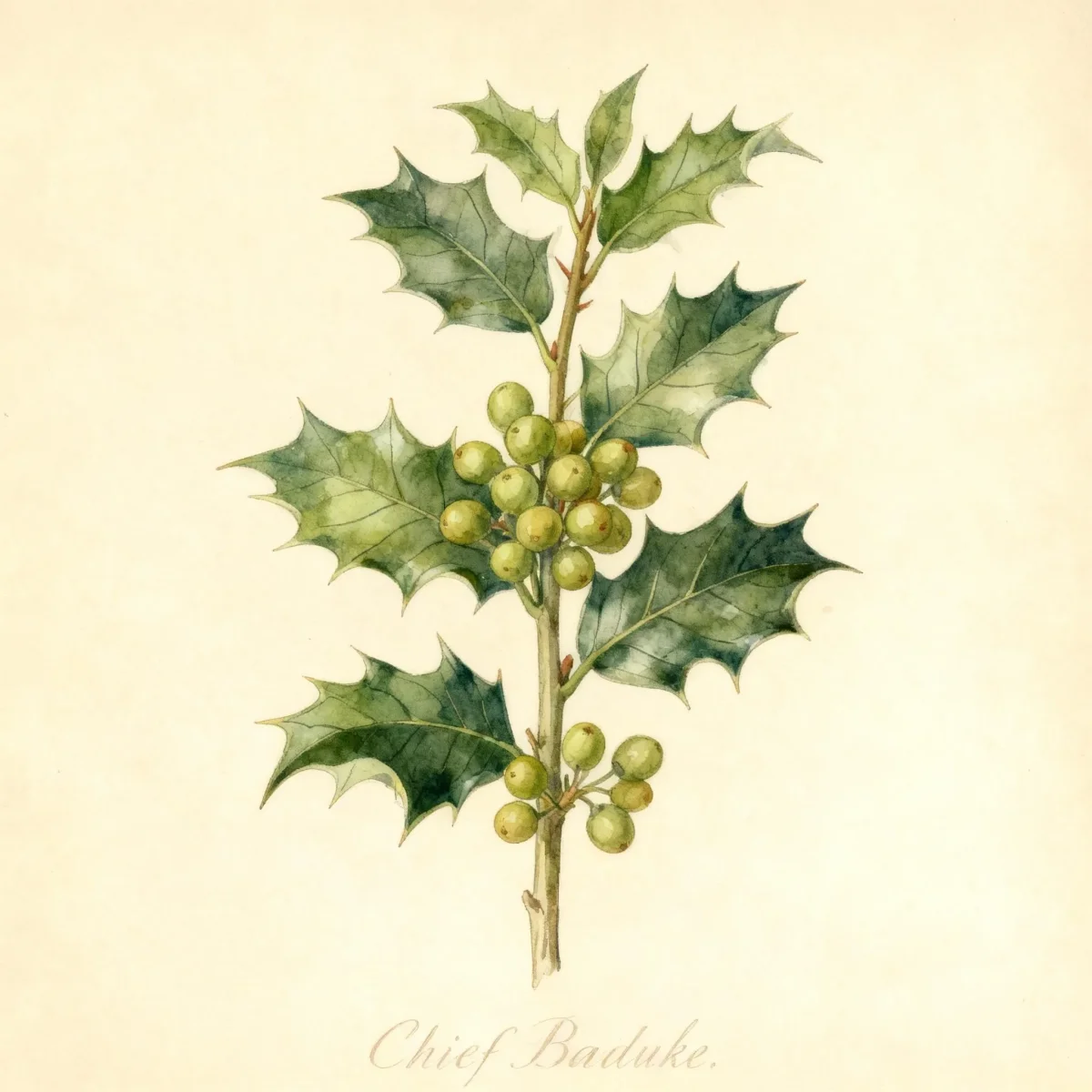
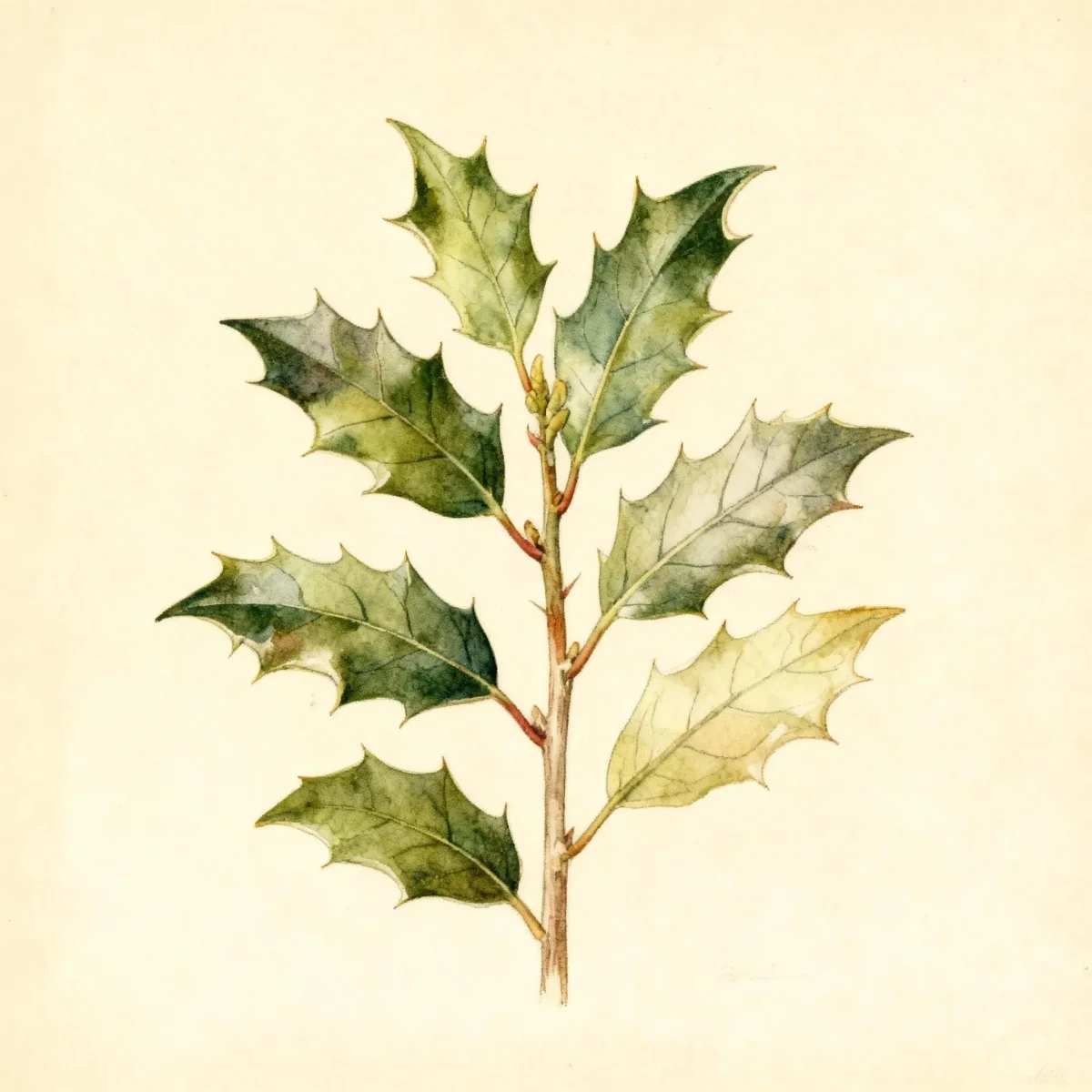
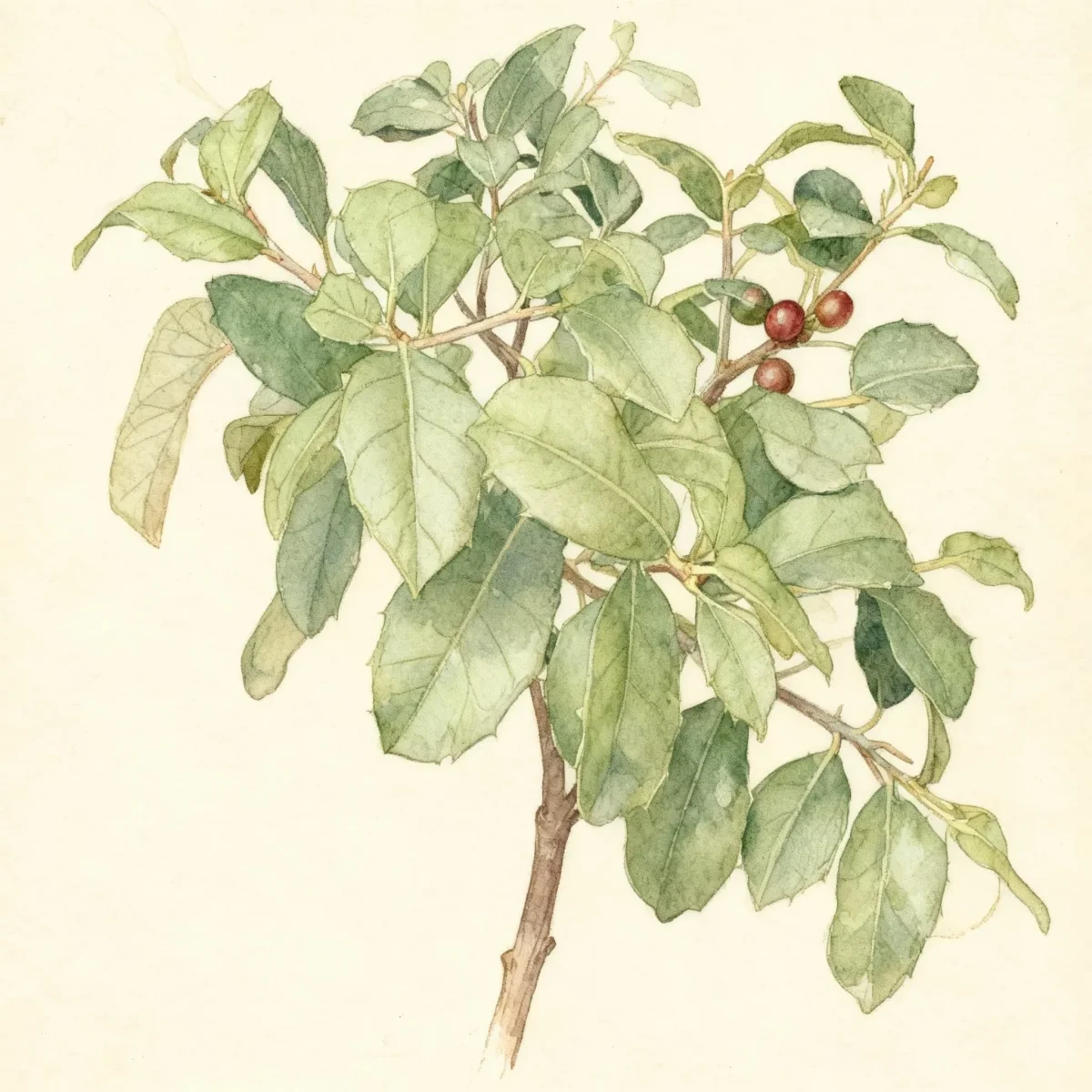
American holly (Ilex opaca ''Canary'')
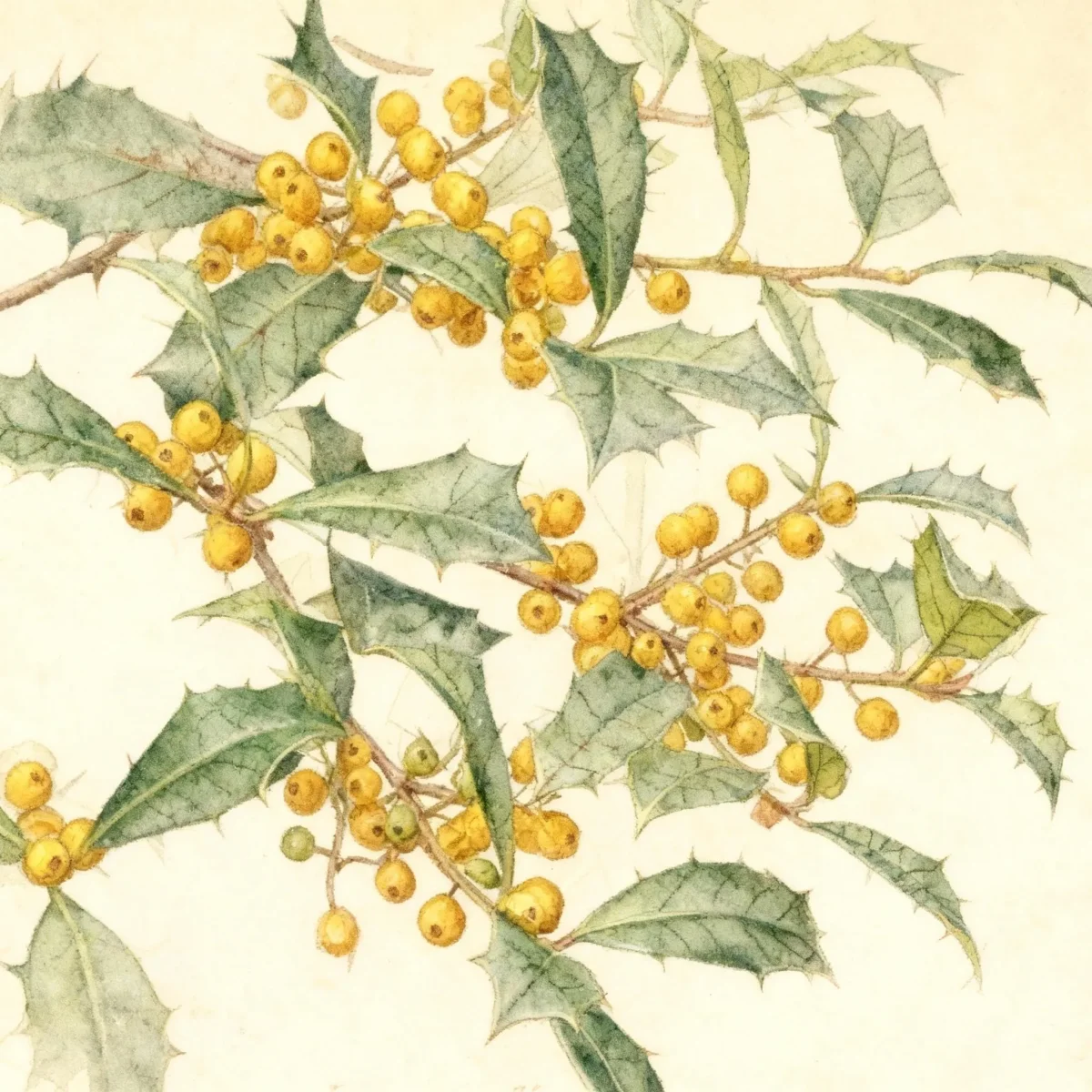
Ilex opaca 'Canary' is a treasured broadleaf evergreen American holly known for its low maintenance and distinctive yellow fruit.
Scroll down to discover growing tips, care requirements, companion plants, and more
Complete Plant Information
Overview
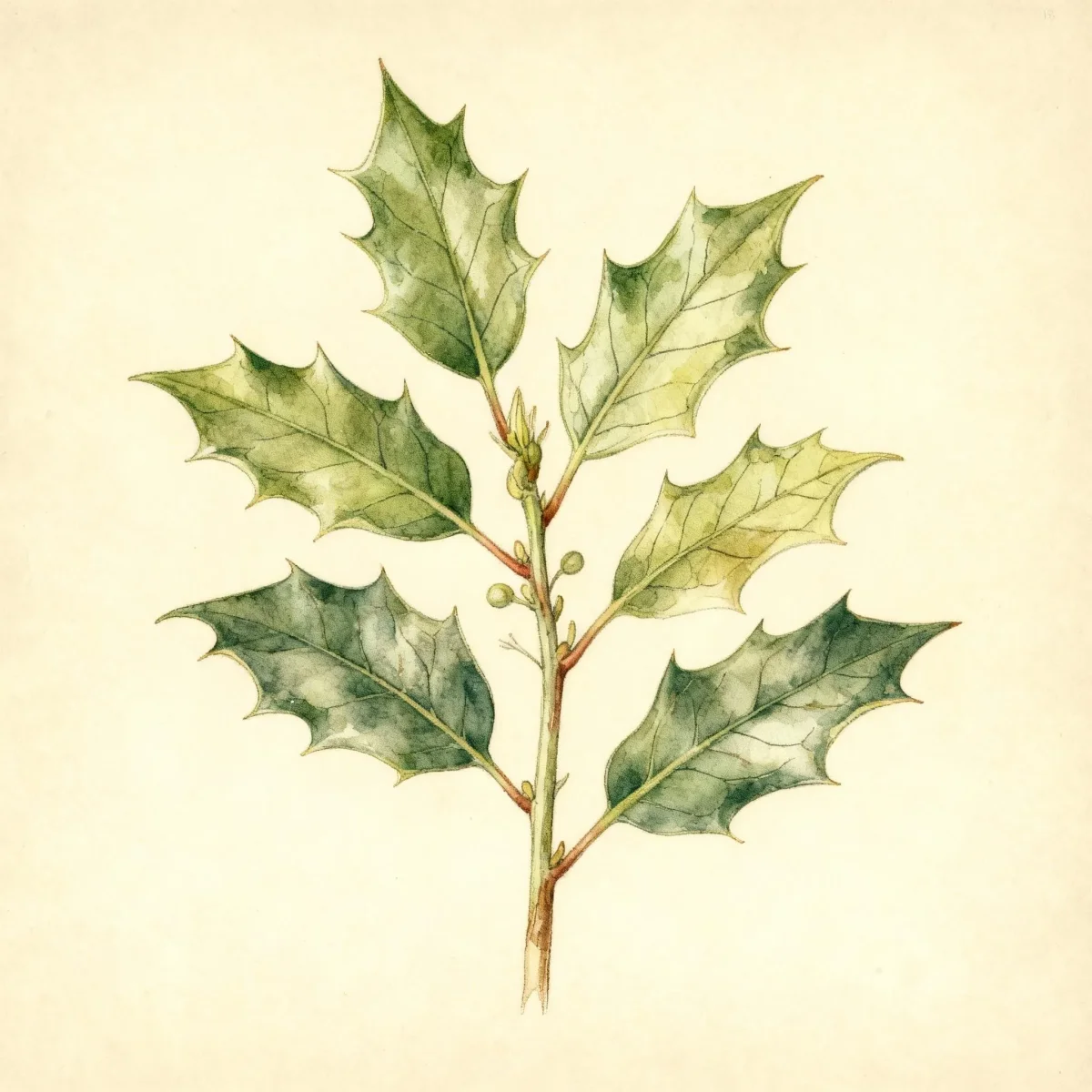
The Ilex opaca ‘Canary’ cultivar offers a striking alternative to traditional red-fruited American holly. This broadleaf evergreen maintains dense, spiny foliage throughout the year, providing vital structure and winter interest to the landscape. Its slow to moderate growth rate results in a manageable pyramidal form suitable for various settings.
As a yellow-fruited cultivar, the impact of ‘Canary’ becomes apparent when pollinated, offering a softer, golden contrast during the colder months. Gardeners value this variety not only for its aesthetic contribution but also for its relative ease of care once established. This American holly thrives in conditions ranging from full sun to partial shade, making it adaptable across many garden structures.
Achieving the characteristic yellow berries on this female cultivar requires the presence of a suitable male holly pollinator nearby. Beyond the fruit display, the foliage itself is resilient and makes excellent material for winter arrangements, securing the status of Ilex opaca ‘Canary’ as a dependable, long-lived landscape specimen.
Fast Facts
- Plant Family: Aquifoliaceae
- Plant Type: Broadleaf evergreen
- Hardiness Zones: USDA Zones 5-9
- Size at Maturity:
- Height: 15-30 ft
- Spread: 8-15 ft
- Bloom Time: May
- Bloom Description: White
- Sun Exposure: Full sun to part shade
- Water Needs: Medium
- Maintenance Level: Low
How to Grow
Planting Ilex opaca ‘Canary’ should ideally occur in spring or fall when temperatures are moderate, allowing the root system to establish before summer heat or winter freezes. This American holly prefers average, consistently moist, acidic, well-drained soils. Ensure the site avoids areas prone to flooding or saturation, as poor drainage is detrimental.
Water needs are medium; focus on deep, consistent watering, especially during the first few growing seasons until the root system is mature. While low maintenance overall, be aware that leaf yellowing (chlorosis) can occur if grown in high pH (alkaline) soils, so amending the soil to maintain acidity is crucial for vibrant foliage.
Site locations protected from harsh winter winds help prevent leaf scorch and excessive desiccation. In hotter summer climates, afternoon shade is beneficial, though too much shade will cause the distinctive foliage of the American holly to thin out significantly. Remember, ‘Canary’ is a female, requiring a nearby male pollinator to produce its signature yellow fruit.
Landscape Uses
The evergreen structure and year-round color provided by Ilex opaca ‘Canary’ make it an outstanding specimen plant or foundational planting near structures. Its pyramidal habit slowly matures into an elegant, upright tree that offers excellent visual weight. Cuttings from this beautiful American holly provide lasting greenery for winter decor.
Hedges are another excellent application where its dense, spiny foliage creates an effective, slightly formidable screen or border. In woodland garden settings, where light filters through taller canopy trees, this holly thrives, mimicking its native habitat in moist forest margins. Utilizing Ilex opaca ‘Canary’ ensures landscape interest long after deciduous plants have dropped their leaves.
Standout Features
Flower Qualities
- Insignificant
Fruit Qualities
- Showy
Noteworthy Characteristics
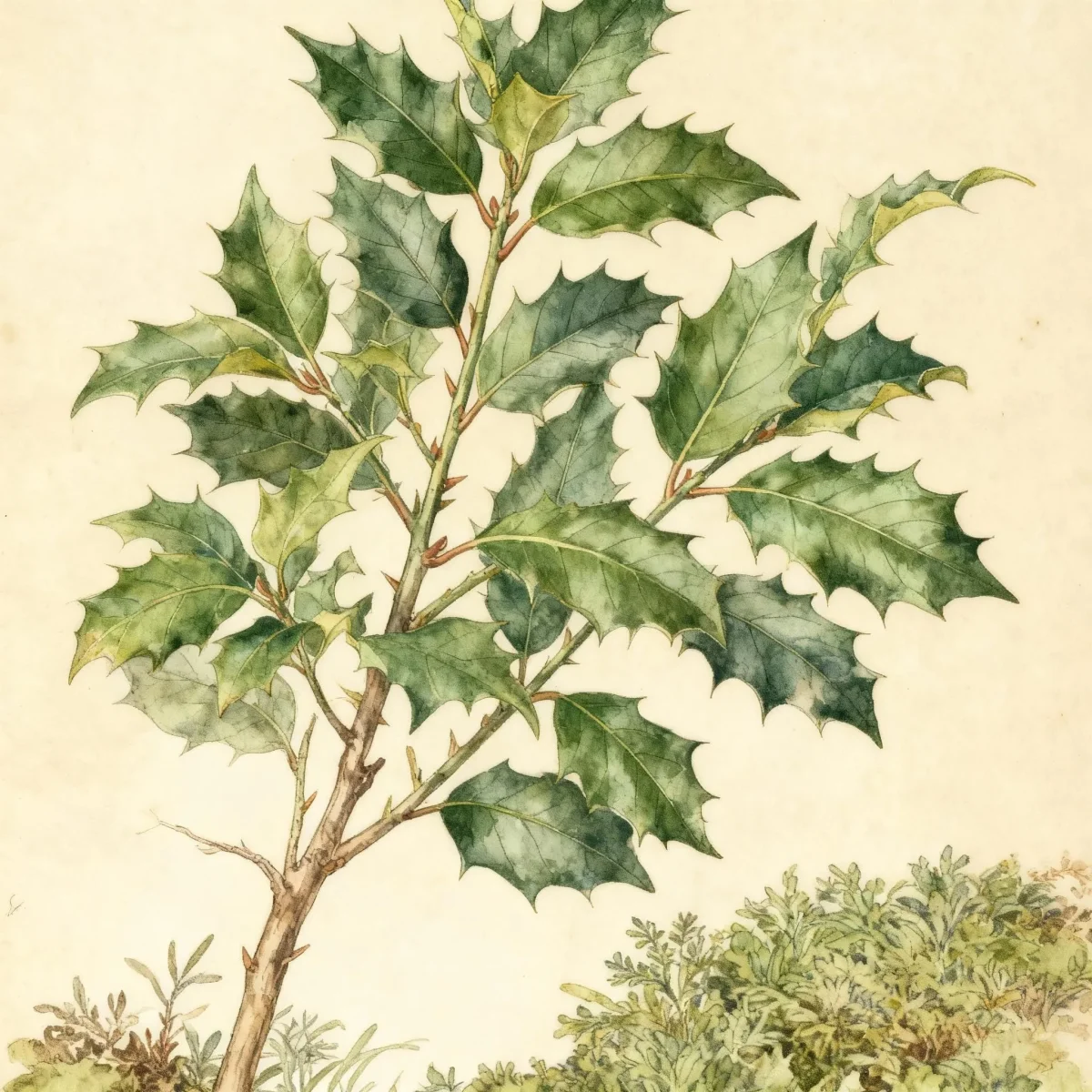
Ilex opaca, commonly called American holly, is an upright, pyramidal, evergreen tree that slowly matures to 15-30’ in cultivation, but may reach 50’ tall in the wild. It is native to the eastern and central U.S., most frequently found in moist woods, forest bottomlands and swamp peripheries plus some coastal dunes (e.G., Cape Cod down the Atlantic Coast) from Massachusetts to West Virginia to Ohio to southeastern Missouri south to Texas and Florida. This species is easily identified because it is the only native U.S. Holly with spiny green leaves and bright red berries. ‘Canary’ is a yellow-fruited cultivar that was reportedly introduced around 1940 from cuttings taken from a tree found in the Great Smoky Mountains in North Carolina.
Tolerances
- Deer
- Clay Soil
- Air Pollution
Potential Problems
While generally robust, this American holly can face some pest pressures. Watch for insect issues such as scale, spider mites, holly leaf miner, and whitefly, often managed with horticultural oils during dormant periods. Diseases to monitor for include various leaf spots, tar spot, and powdery mildew; ensuring good air circulation helps mitigate fungal development. Susceptibility to leaf scorch, leaf drop, and chlorosis (yellowing in high pH soils) means proper siting, especially concerning winter wind and soil pH testing, is preventative care.
Frequently Asked Questions
What hardiness zones is American holly suitable for?
Ilex opaca ‘Canary’ is hardy and reliably grown in USDA Zones 5 through 9.
How large does Ilex opaca ‘Canary’ grow?
This slow-growing evergreen typically reaches a mature height between 15 and 30 feet, with a spread of 8 to 15 feet wide.
What sun exposure does American holly need?
For best performance and dense foliage, Ilex opaca ‘Canary’ prefers full sun exposure, though it will tolerate part shade, especially in the hottest afternoon climates.
When does Ilex opaca ‘Canary’ bloom?
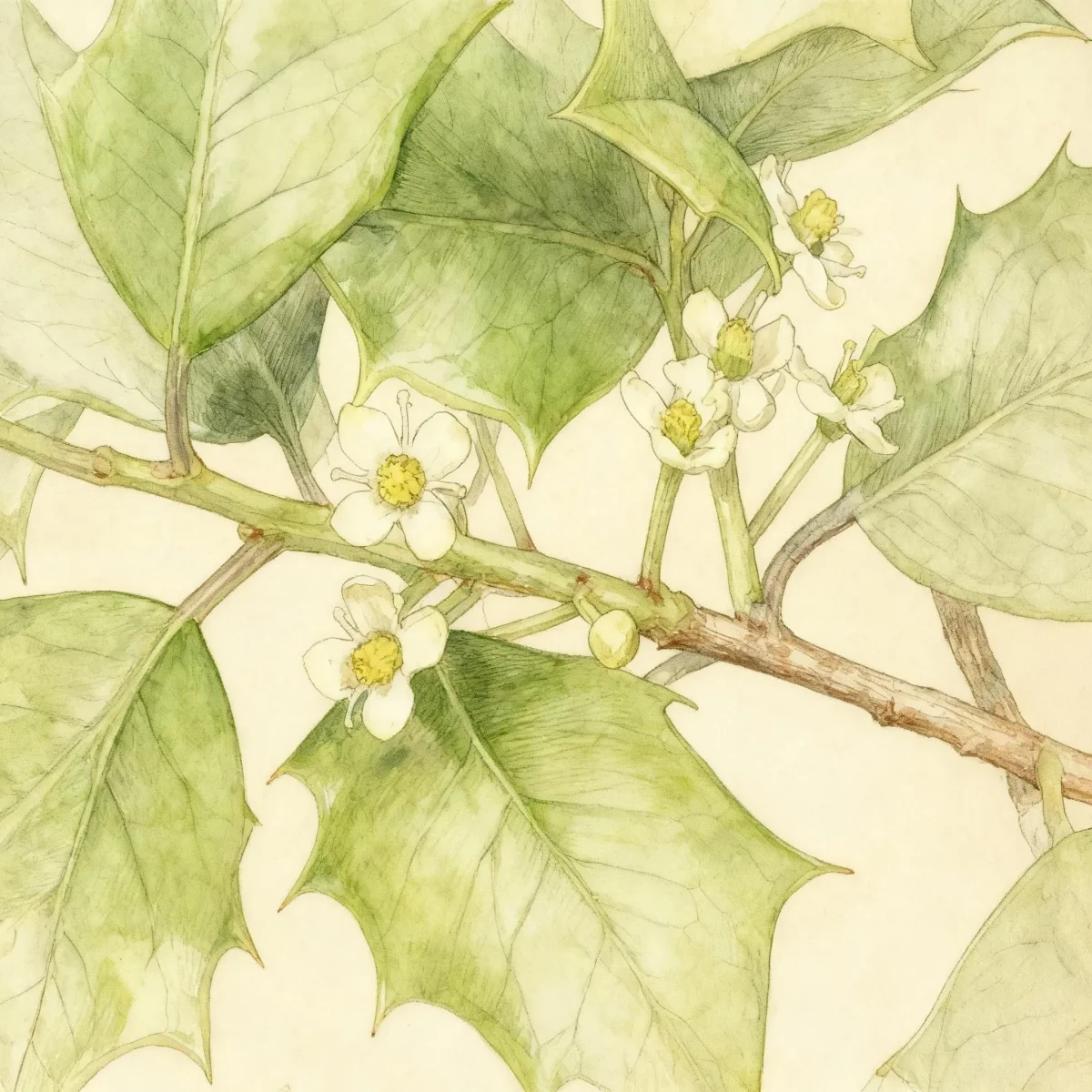
Flowering occurs in May, producing small white flowers on the female plant.
Conclusion
The Ilex opaca ‘Canary’ stands out as a superb, low-maintenance broadleaf evergreen, offering year-round structure punctuated by unique yellow berries when pollinated. Incorporating this American holly into your landscape ensures reliable winter color and essential wildlife habitat. Before purchase, confirm your growing region falls within USDA Zones 5-9 and ensure a male pollinator is feasible for this female cultivar.
Companion Planting
When designing beds around your American holly, pair it with plants that share similar soil preferences for acidic, moist conditions. Shade-tolerant groundcovers such as Hellebores or hostas work well beneath the canopy, especially where afternoon shade is provided. For contrasting texture near the edges of a sunny area, consider companion plants like Azaleas or Rhododendrons, which thrive in the same acidic soil environment as Ilex opaca ‘Canary’.
Wildlife Benefits
The primary wildlife benefit of the yellow-fruited ‘Canary’ cultivar is the persistent winter food source it provides for birds, similar to traditional red-berried hollies. While the flowers themselves are inconspicuous, they are visited by early-season pollinators. The dense, evergreen structure of this American holly also offers crucial shelter and nesting sites for small birds throughout the colder months when other cover is scarce.