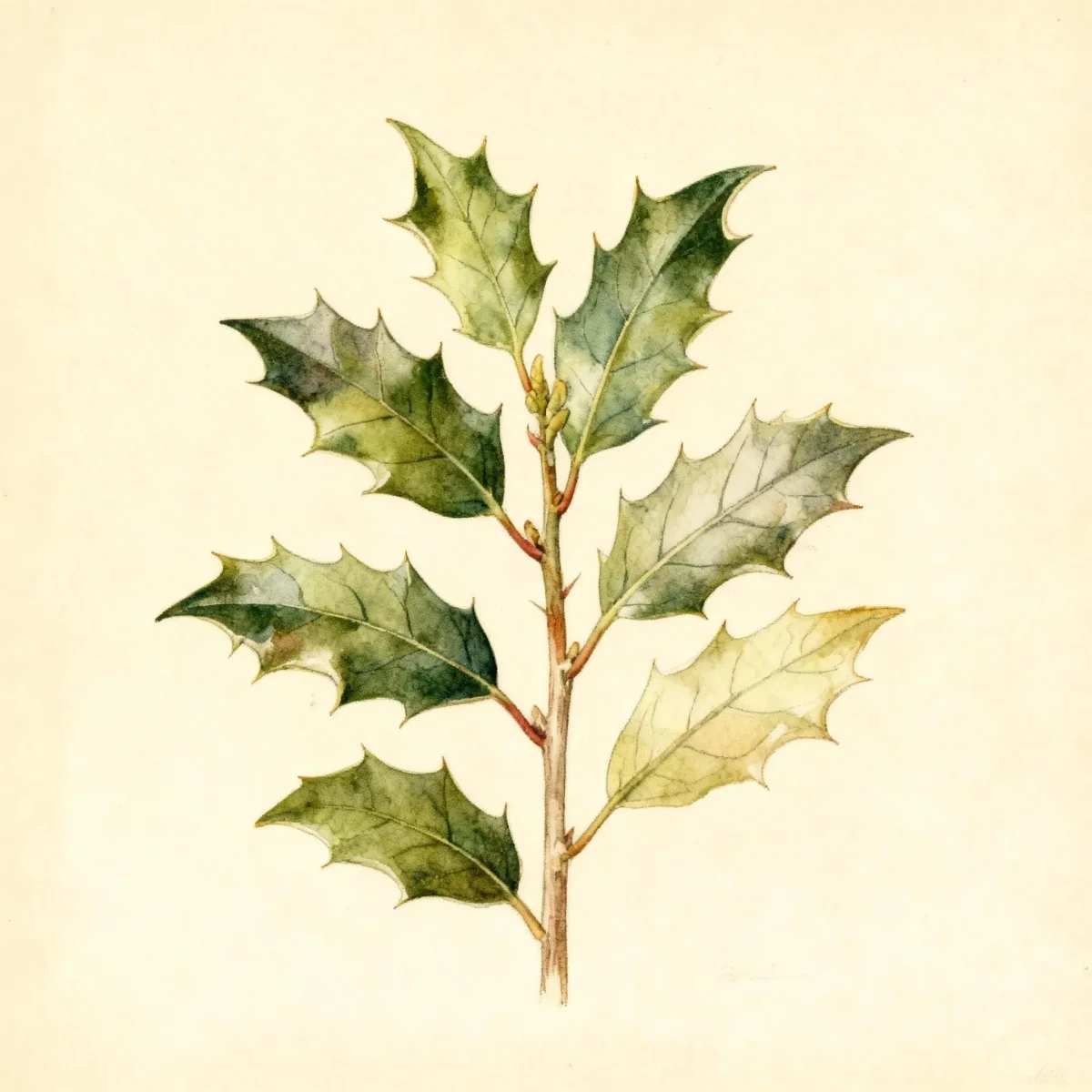
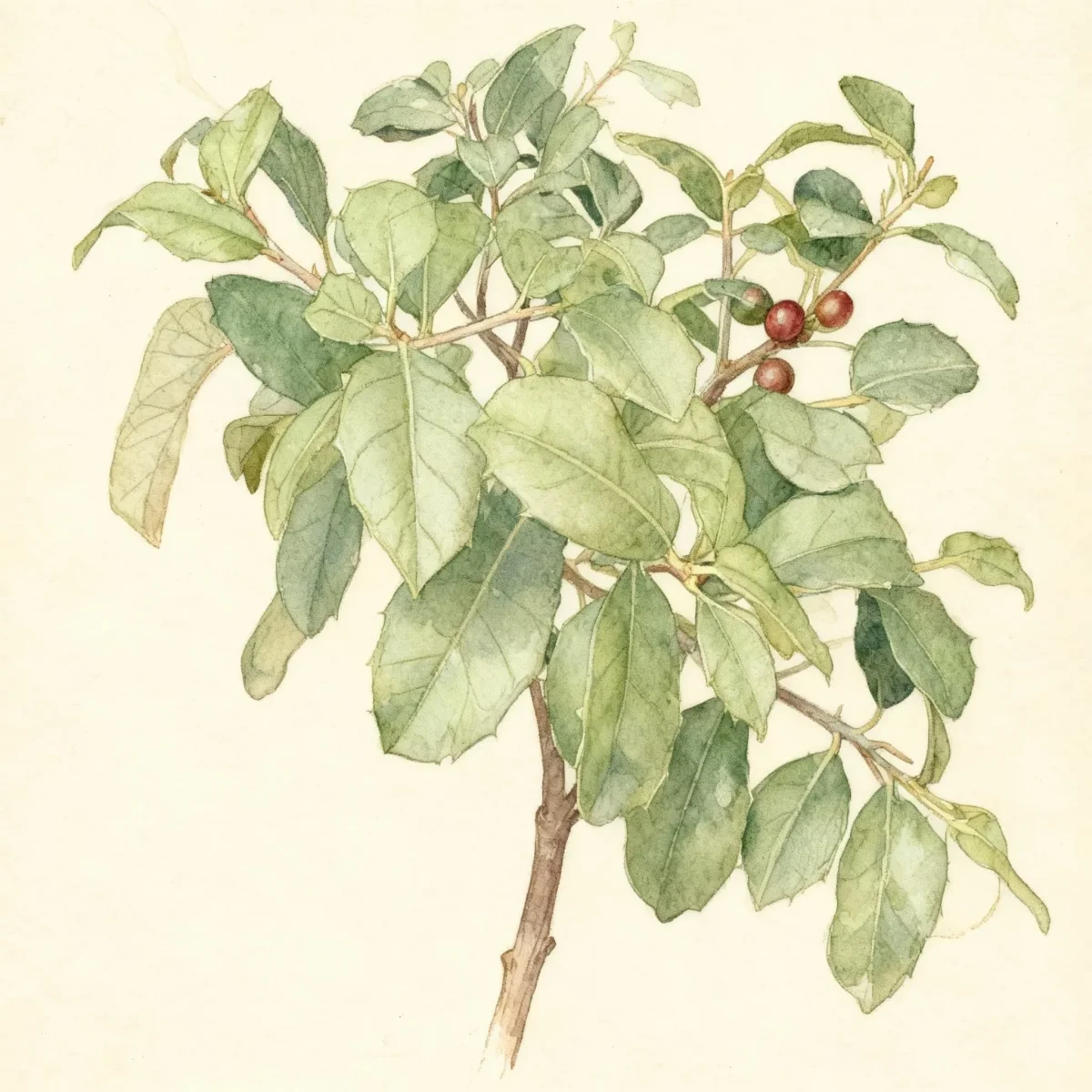
American holly (Ilex opaca 'Delia Bradley')
Ilex opaca 'Delia Bradley' is a pyramidal, upright American holly offering year-round deep green, spiny foliage and abundant bright red berries.
Scroll down to discover growing tips, care requirements, companion plants, and more
Complete Plant Information
Overview
The Ilex opaca ‘Delia Bradley’ is a cherished variety of American holly, valued for maintaining its dense, pyramidal form without extensive pruning. As a broadleaf evergreen, it provides crucial structure and color throughout the cold winter months, making it an essential backbone plant in four-season landscapes. This cultivar is specifically female, meaning when a male pollinator is present, it rewards gardeners with masses of brilliant red berries that persist long after the leaves drop.
This slow-growing tree establishes easily when sited correctly, lending a traditional, stately presence to large properties or layered foundation plantings. While native to the eastern and central United States, the success of your American holly depends on providing consistently moist, slightly acidic soil conditions, as it staunchly dislikes having “wet feet.”
For gardeners seeking reliable winter interest combined with native appeal, Ilex opaca ‘Delia Bradley’ offers an exceptional combination of visual density, excellent tolerance to common urban stresses, and valuable wildlife support, solidifying its role as a premier evergreen specimen.
Fast Facts
- Plant Family: Aquifoliaceae
- Plant Type: Broadleaf evergreen
- Hardiness Zones: USDA Zones 5-9
- Size at Maturity:
- Height: 20-30 ft
- Spread: 10-15 ft
- Bloom Time: May
- Bloom Description: Greenish-white
- Sun Exposure: Full sun to part shade
- Water Needs: Medium
- Maintenance Level: Low
How to Grow
Planting American holly should ideally occur in the spring or early fall when temperatures are moderate, allowing the roots time to establish before extreme heat or cold stress. Choose a location that offers full sun or allows for light afternoon shade, particularly in hotter climates. The soil must be acidic, well-drained, and consistently moist; amend heavy native soils with organic matter to improve drainage, as flooding or saturation will quickly harm the tree’s root health.
Watering is critical, especially during the first few years post-establishment. Deeply water newly planted Ilex opaca ‘Delia Bradley’ regularly until roots are fully anchored. Once mature, this holly requires medium water but will perform poorly, showing leaf yellowing (chlorosis), if planted in highly alkaline soils. Mulch helps retain soil moisture and keeps roots cool.
Because Ilex opaca ‘Delia Bradley’ is a dense plant, ensure it is sited away from cold winter winds which can desiccate the foliage, causing scorch. Pruning requirements are generally low; most work involves selective thinning or shaping if needed, though be aware that heavy shade will cause the foliage density to thin out noticeably over time. Focus on maintaining its beautiful upright, pyramidal shape.
Landscape Uses
The upright, pyramidal habit of Ilex opaca ‘Delia Bradley’ makes it an outstanding choice for use as a distinctive specimen tree where year-round structure is desired. It functions exceptionally well in foundation plantings, anchoring corners of buildings while providing a sharp, dark green contrast against lighter structures. Due to its dense, year-round screening capabilities, it is frequently employed to create evergreen hedges or living screens along property lines.
Beyond these structural roles, this American holly is highly valued for its winter appeal. The dark, spiny foliage highlights the bright red fruit beautifully against snowy backdrops, and cuttings are famously used in holiday decorations. In woodland garden settings, where moist, rich bottomland conditions mimic its native habitat, it thrives under the filtered light provided by taller deciduous trees.
Its ornamental value extends to nature; the persistent berries serve as an important late-season and winter food source for various bird species, significantly boosting its functional rating in ecological landscape design.
Flower Qualities
- Insignificant
Fruit Qualities
- Showy
Noteworthy Characteristics
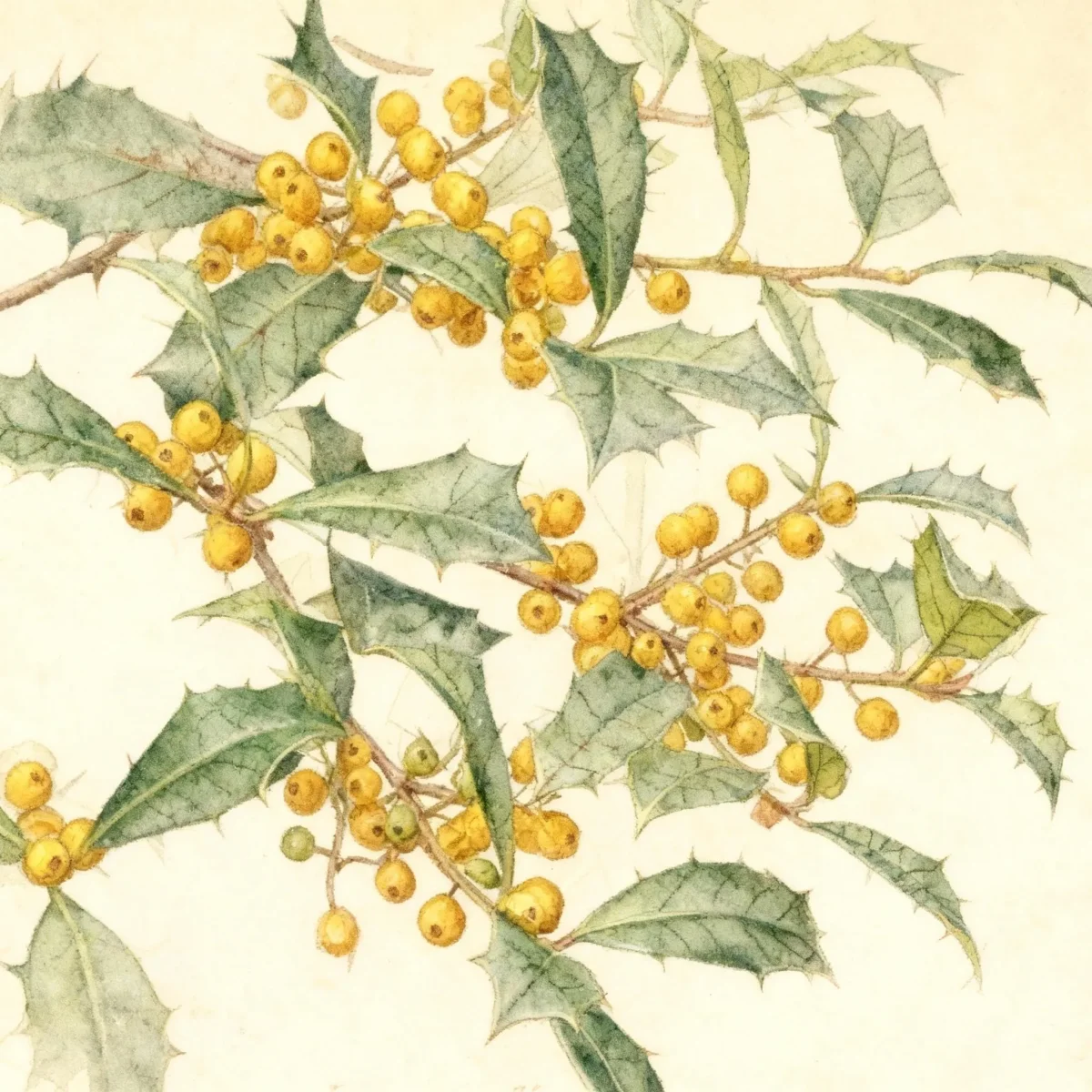
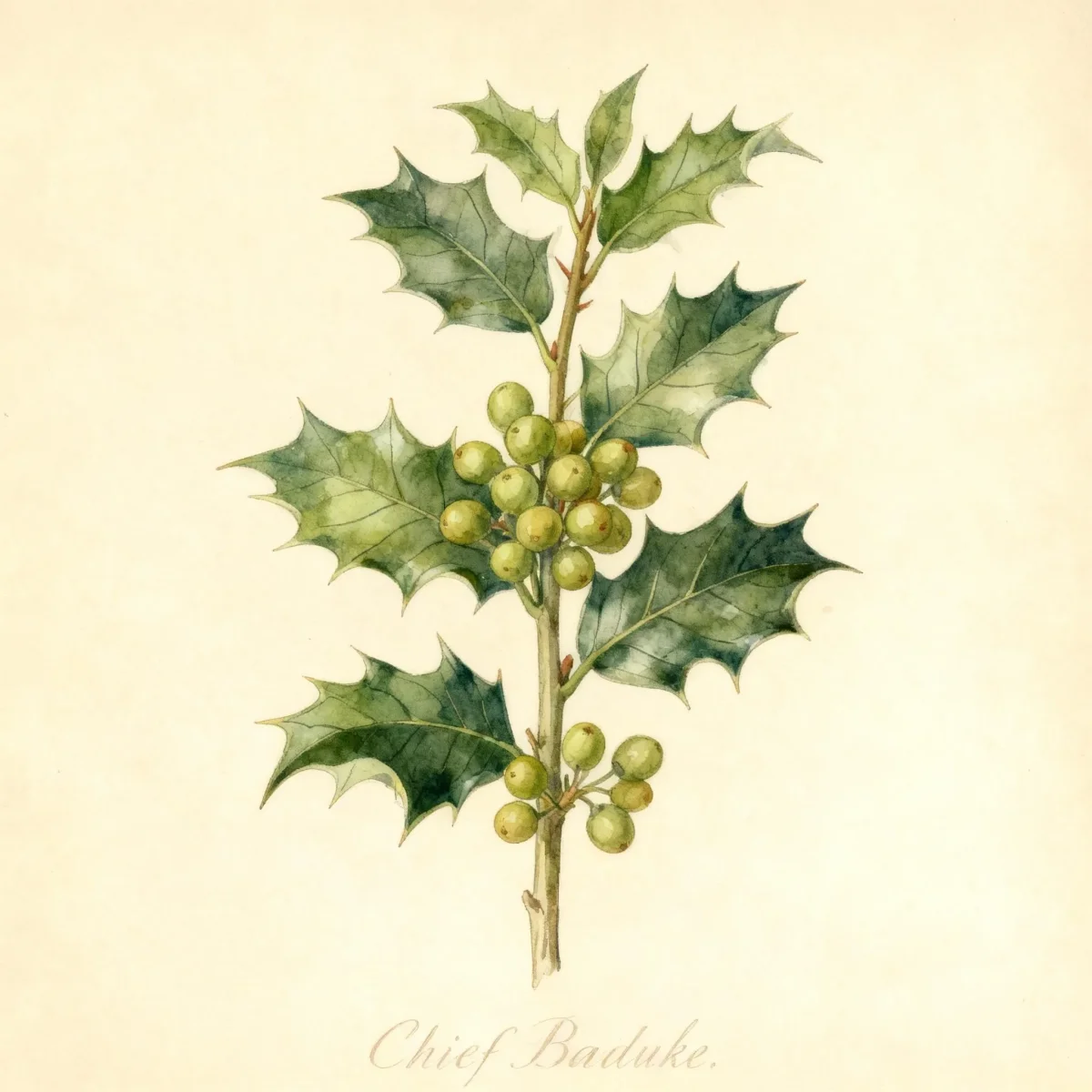
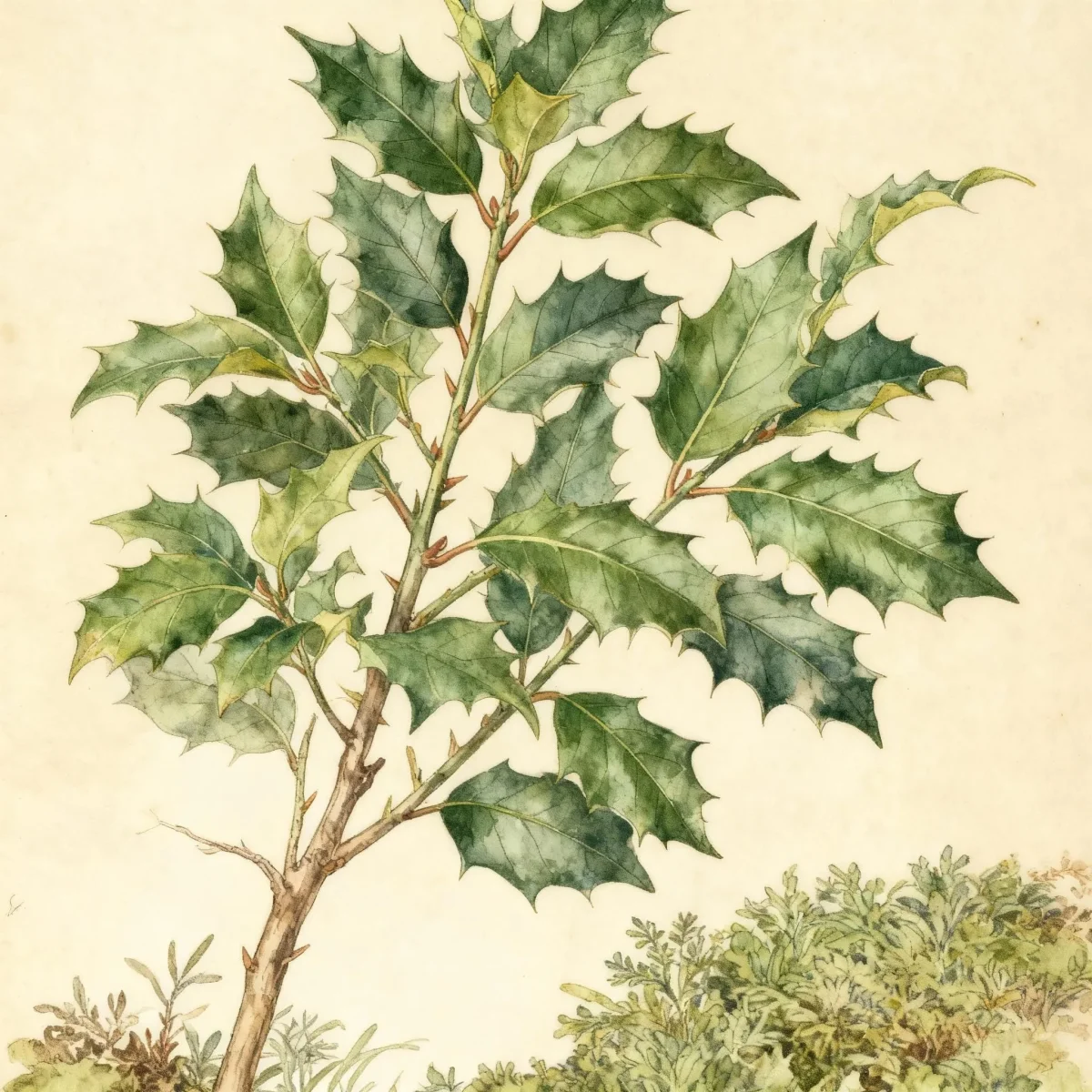
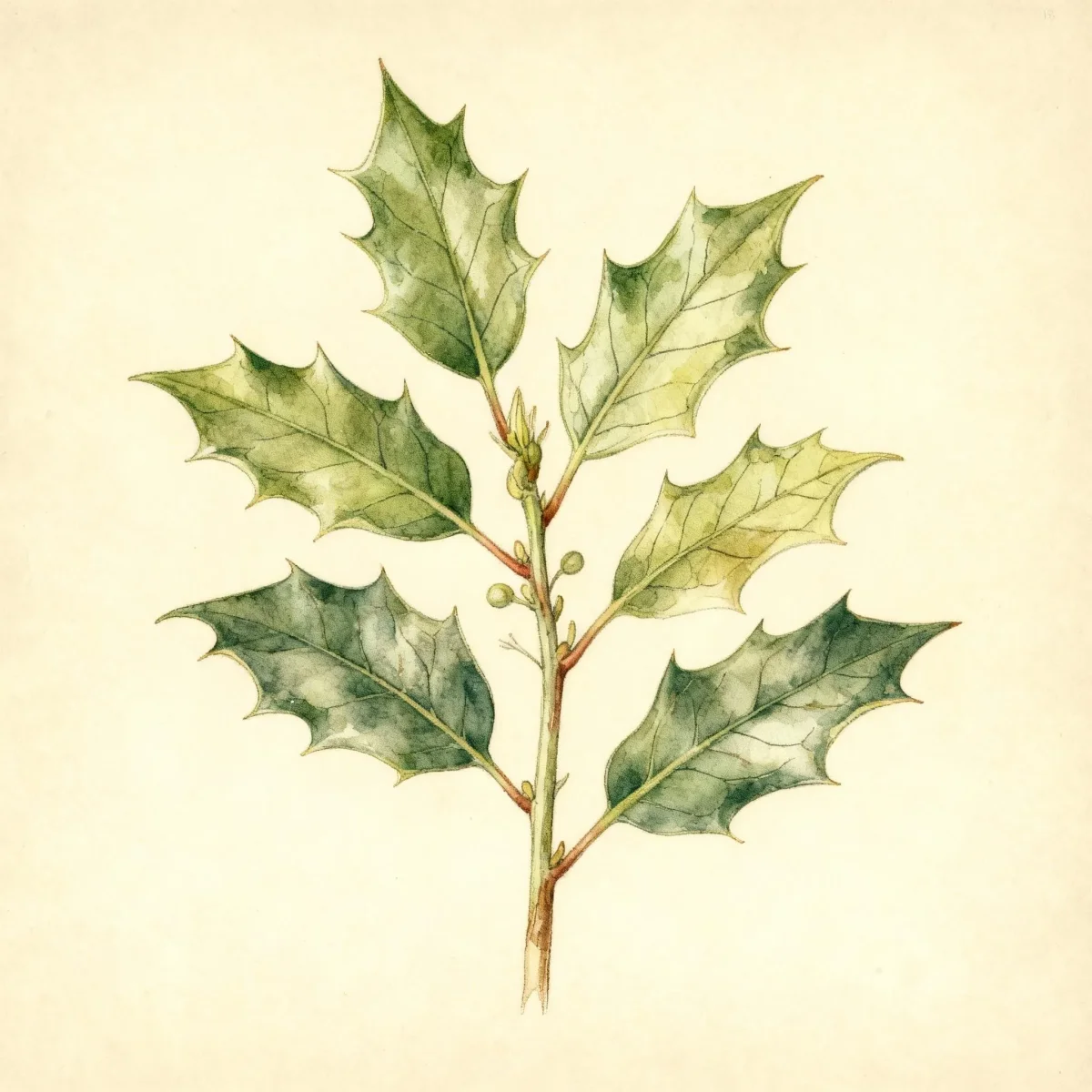
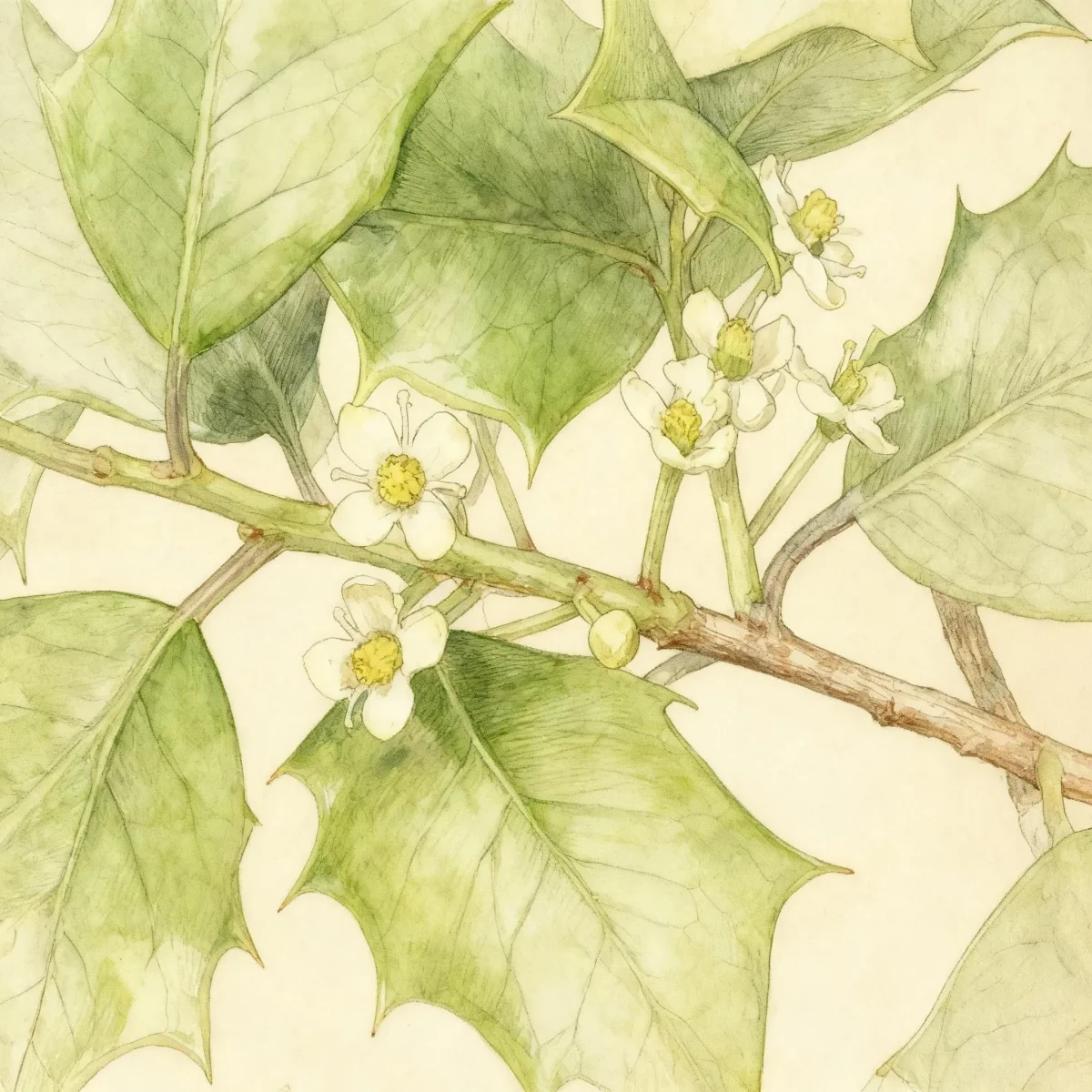
Ilex opaca, commonly called American holly, is an upright, pyramidal, evergreen tree that slowly matures to 15-30’ in cultivation, but may reach 50’ tall in the wild. It is native to the eastern and central U.S., most frequently found in moist woods, forest bottomlands and swamp peripheries plus some coastal dunes (e.G., Cape Cod down the Atlantic Coast) from Massachusetts to West Virginia to Ohio to southeastern Missouri south to Texas and Florida. This species is easily identified because it is the only native U.S. Holly with spiny green leaves and bright red berries. This is the Christmas holly whose berry-laden boughs are typically collected at Christmas time each year for ornamentation (“decking the halls” as it were). Thick, leathery, deep green leaves (2-4” long) have spiny marginal teeth. Species is dioecious (male and female flowers are on separate trees). Greenish-white flowers bloom May-June (male flowers in 3-12 flowered clusters and female flowers solitary or in 2s or 3s). Bright red or orange fruits (drupes to 1/4- 1/2” diameter) ripen in fall on pollinated female trees, and persist on the tree through winter. Birds love the fruit.Genus name comes from the Latin name Quercus ilex for holm oak in reference to the foliage similarities (holm oak and many of the shrubs in the genus Ilex have evergreen leaves).Specific epithet means opaque or dull, in reference to the non-lustrous leaf surfaces of species plants (many of the cultivars have more lustrous foliage).‘Delia Bradley’ is an upright, pyramidal evergreen American holly tree that typically matures to 20-30’ tall with a spread to 10-15’ wide. It is a female cultivar which, when pollinated, is noted for its abundant crop of conical berries (drupes) which ripen to bright red in September and typically persist on the plant throughout winter. Needs a male pollinator to produce fruit. Spiny, medium green leaves are attractive year round.
Tolerances
- Deer
- Clay Soil
- Air Pollution
Potential Problems
Potential insect issues for Ilex opaca ‘Delia Bradley’ include common pests such as scale insects, whiteflies, and mites, as well as the holly leaf miner. Inspect foliage regularly, especially the undersides of leaves, for early signs of infestation. Addressing minor pest occurrences promptly with horticultural oils or targeted insecticides can prevent widespread issues.
Disease management centers primarily on ensuring excellent air circulation and avoiding overly wet soil conditions, which predispose the plant to fungal issues like leaf spot, leaf rot, and tar spot. Powdery mildew may also appear in humid or shaded conditions. Good cultural practices, such as ensuring the plant receives adequate sun exposure and avoiding overhead sprinklers late in the day, are the best preventative measures.
Physiological stress can manifest as leaf scorch, often from winter wind exposure, or leaf drop. The easiest fix for yellowing leaves (chlorosis) is to amend highly alkaline soils to increase acidity, ensuring the American holly can properly absorb necessary nutrients.
Frequently Asked Questions
What hardiness zones is American holly suitable for?
Ilex opaca ‘Delia Bradley’ is well-suited for USDA Hardiness Zones 5 through 9.
How large does Ilex opaca ‘Delia Bradley’ grow?
This cultivar typically matures to a height between 20 and 30 feet, with a spread ranging from 10 to 15 feet wide.
When does American holly bloom?
Blooming occurs in May, producing small, inconspicuous flowers described as greenish-white before they develop into the characteristic bright red fruits later in the year.
What sun exposure does Ilex opaca ‘Delia Bradley’ need?
This American holly prefers full sun but adapts well to part shade; however, excessive shade will reduce foliage density.
Conclusion
The Ilex opaca ‘Delia Bradley’ stands out as a phenomenal choice for gardeners needing durable, low-maintenance screening or formal structure in their landscape scheme. Its ability to tolerate clay, pollution, and deer browse combines perfectly with its celebrated evergreen foliage and abundant red winter berries. Before planting, confirm that your garden environment falls within USDA Zones 5-9 and that you can provide the necessary acidic, well-drained soil to ensure your American holly thrives for decades.
Companion Planting
Selecting suitable neighbors is key to maximizing the health and aesthetic appeal of your Ilex opaca ‘Delia Bradley’. Since this holly thrives in slightly acidic, consistently moist soils, pairing it with other acid-loving natives is highly recommended. Consider planting spring-blooming companions like Azaleas or Rhododendrons beneath the canopy; their seasonal color contrasts beautifully with the dark green foliage of the holly during spring.
For year-round structure, combine the evergreen mass of the American holly with deciduous shrubs or narrow accent evergreens. Tall ornamental grasses or upright cultivars of Boxwood can provide textural variety without competing too aggressively for root space, provided the soil acidity levels remain consistent across the planting bed.
If you are using this plant as a hedge, consider using lower-growing ferns or creeping groundcovers at the base to cover the soil, thereby helping to maintain vital soil moisture around the root zone of the holly and minimizing potential weed competition.
Wildlife Benefits
The primary ecological contribution of the Ilex opaca ‘Delia Bradley’ is its fruit, which ripens late in the season and persists throughout winter. This makes the bright red berries a critical, high-energy food source for many species of winter birds, including robins, cedar waxwings, and mockingbirds, when other food sources are scarce. Its dense, prickly foliage also offers excellent, protected refuge and nesting cover for small birds throughout the colder months.
Furthermore, as a native species, it supports local ecosystems more readily than many exotic evergreens. Planting this specific American holly helps maintain the natural biodiversity of your landscape, particularly benefiting insects that rely on native host plants, even if the holly itself is not a major pollen producer.
To maximize wildlife value, ensure you have an appropriate pollinator planted nearby (a male Ilex opaca cultivar) so that the female ‘Delia Bradley’ can consistently produce the valuable winter fruit shown in its showy quality.