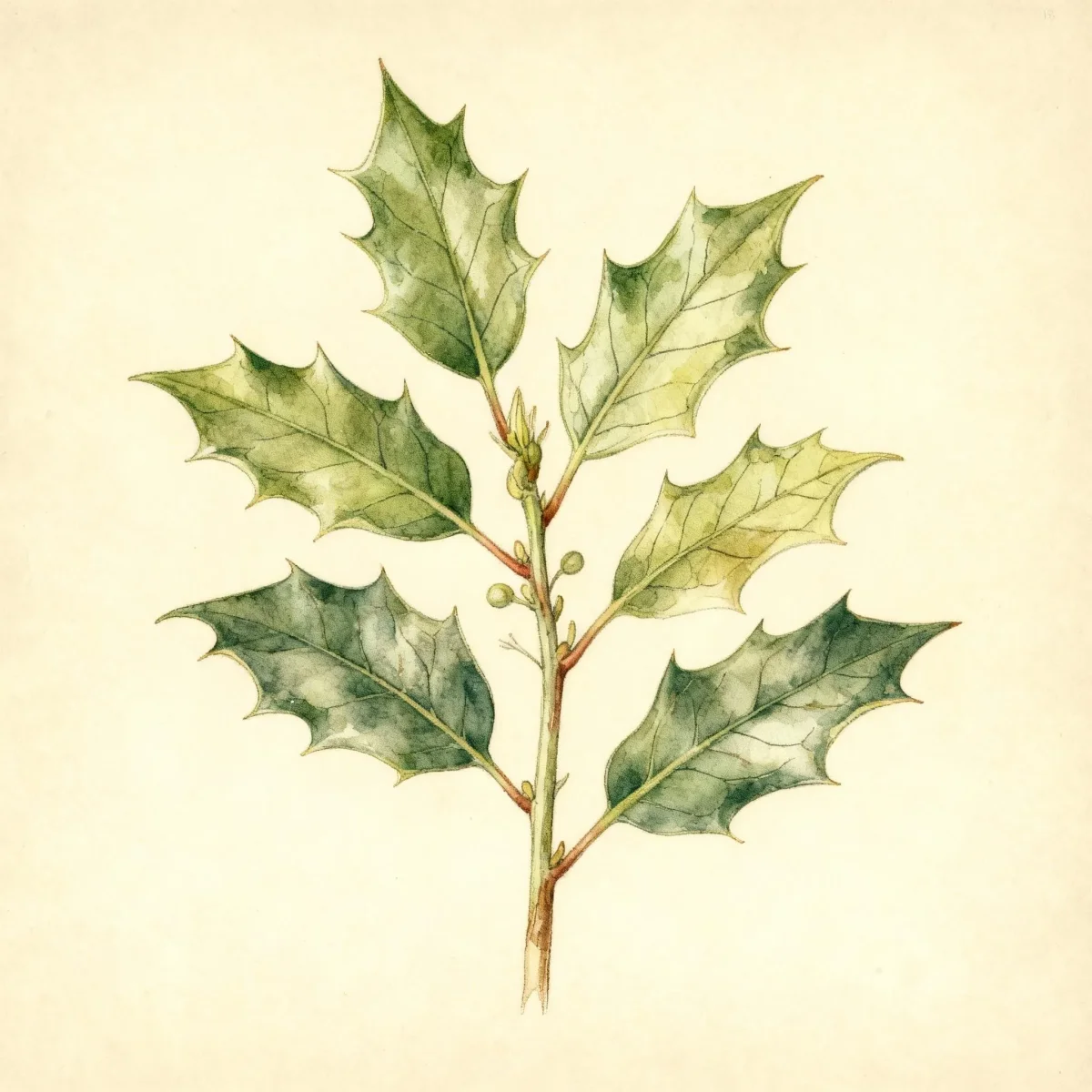
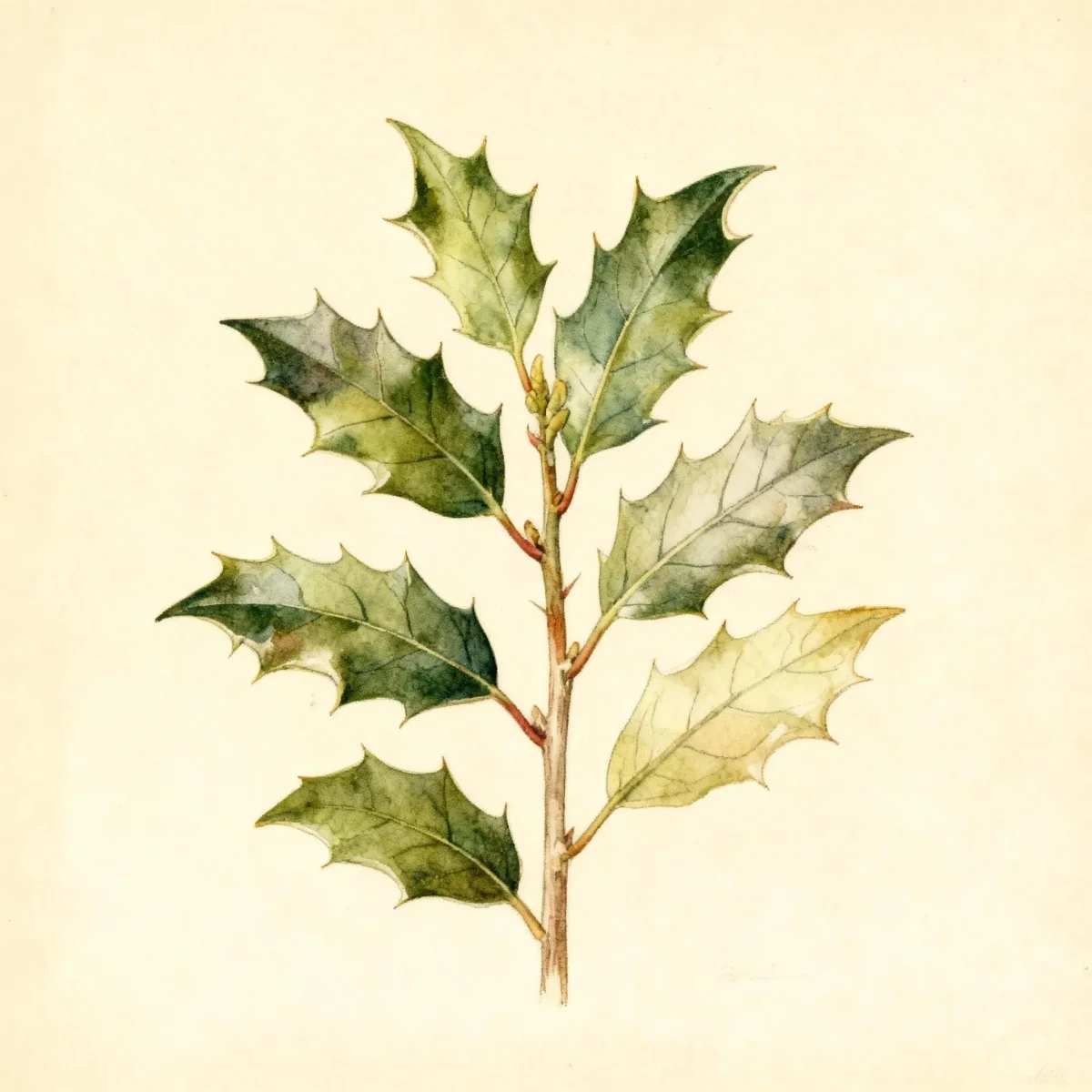
American holly (Ilex opaca 'Mae')
Growing Ilex opaca 'Mae' provides an erect, broad-conical evergreen ideal for winter interest. This American holly cultivar offers glossy foliage and red berries.
Scroll down to discover growing tips, care requirements, companion plants, and more
Complete Plant Information
Overview
Ilex opaca ‘Mae’, a distinguished cultivar of American holly, offers gardeners an outstanding upright, broad-conical evergreen specimen. This cultivar is highly valued for maintaining dense, nearly year-round foliage and producing an abundant crop of brilliant red berries following successful pollination. As an American holly, it provides essential structure and color to the winter landscape when other plants are dormant.
The ‘Mae’ variety typically matures to a manageable height of 15 to 20 feet, making it suitable for residential plantings where larger specimens might overwhelm the space. It thrives across USDA hardiness zones 5 through 9, provided its basic cultural needs for consistent moisture and acidic soil are met. The primary aesthetic benefit comes from its glossy, dark olive-green leaves juxtaposed against persistent winter fruit.
For gardeners seeking reliable winter interest and formal structure, Ilex opaca ‘Mae’ is an excellent addition. Its low maintenance requirements, once established, contribute to its popularity, securing its place as a foundational shrub or specimen planting, particularly for those wanting the classic look of American holly.
Fast Facts
- Plant Family: Aquifoliaceae
- Plant Type: Broadleaf evergreen
- Hardiness Zones: USDA Zones 5-9
- Size at Maturity:
- Height: 15-20 ft
- Spread: 10-15 ft
- Bloom Time: May
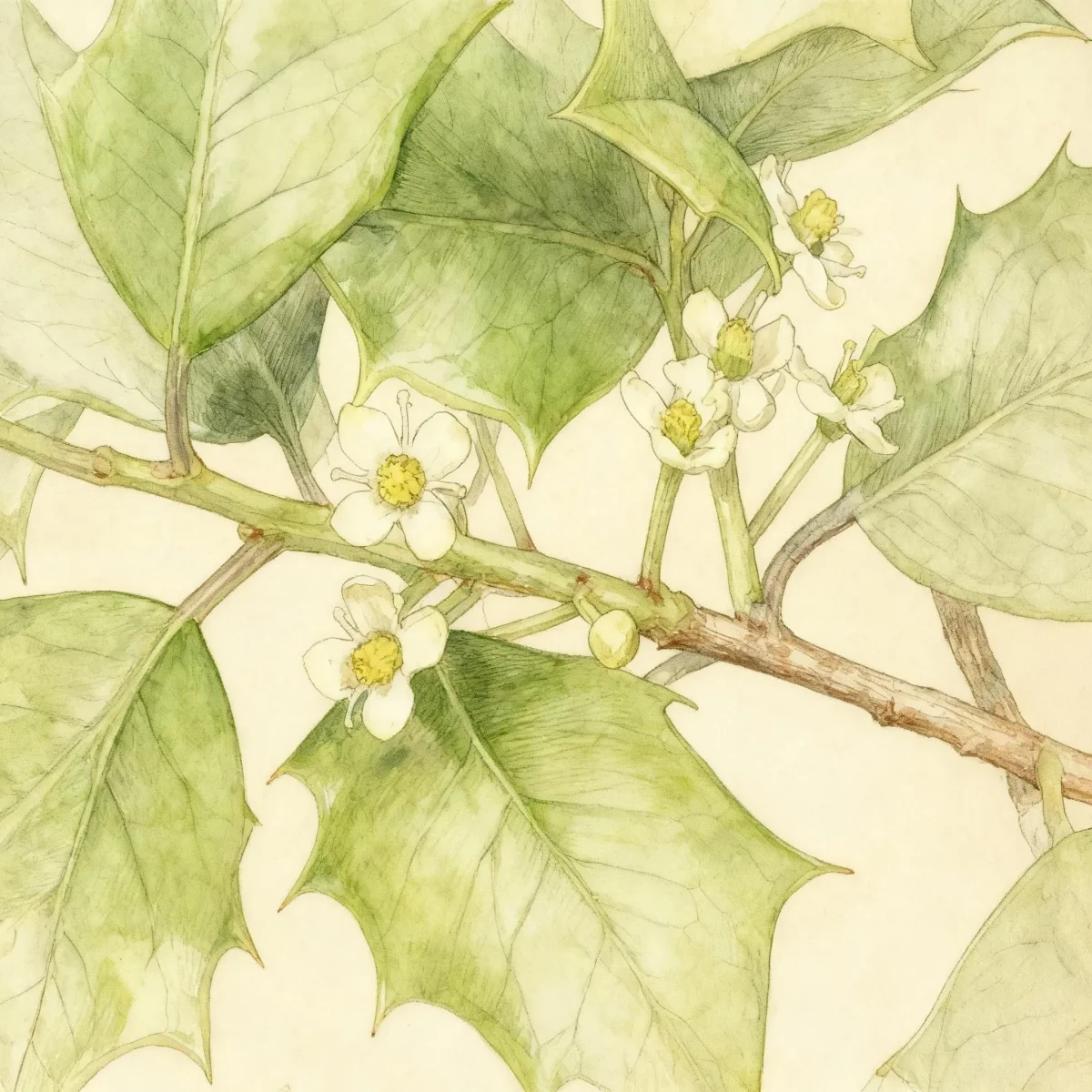
- Bloom Description: Greenish-white
- Sun Exposure: Full sun to part shade
- Water Needs: Medium
- Maintenance Level: Low
How to Grow
The best time to plant Ilex opaca ‘Mae’ is in the fall or early spring when temperatures are moderate, allowing the root system to establish before seasonal extremes. Ensure planting occurs in average, consistently moist, acidic, and well-drained soils. This American holly performs poorly in waterlogged conditions, so avoid poorly drained soils entirely.
Watering should be kept medium and consistent, especially during the first few years after establishment. While adaptable, the foliage of Ilex opaca ‘Mae’ will typically yellow if grown in overly alkaline soils, so soil pH management is important for maintaining deep green color. If planting in hot summer climates, site the specimen where it receives afternoon shade.
Pruning requirements are generally low, fitting its low maintenance rating. Structural pruning should be done sparingly to maintain its natural broad-conical shape. Protect plantings from harsh, cold winter winds, as exposure can sometimes exacerbate leaf tissue damage or scorch.
Landscape Uses
The shape and evergreen nature of Ilex opaca ‘Mae’ make it highly versatile in landscape design. It is frequently specified as a specimen plant, drawing the eye with its dense form through the colder months. It also functions perfectly as an informal screen or low hedge, providing year-round privacy and year after year color.
As a foundation planting, it offers a classic, formal backdrop that complements many architectural styles. Since the berries are highly attractive to birds, consider planting near windows for wildlife viewing, or within woodland garden settings where moisture retention is naturally high. Cuttings of the berry-laden branches also make excellent additions to holiday decorations.
Standout Features
Flower Qualities
- Insignificant
Fruit Qualities
- Showy
Noteworthy Characteristics
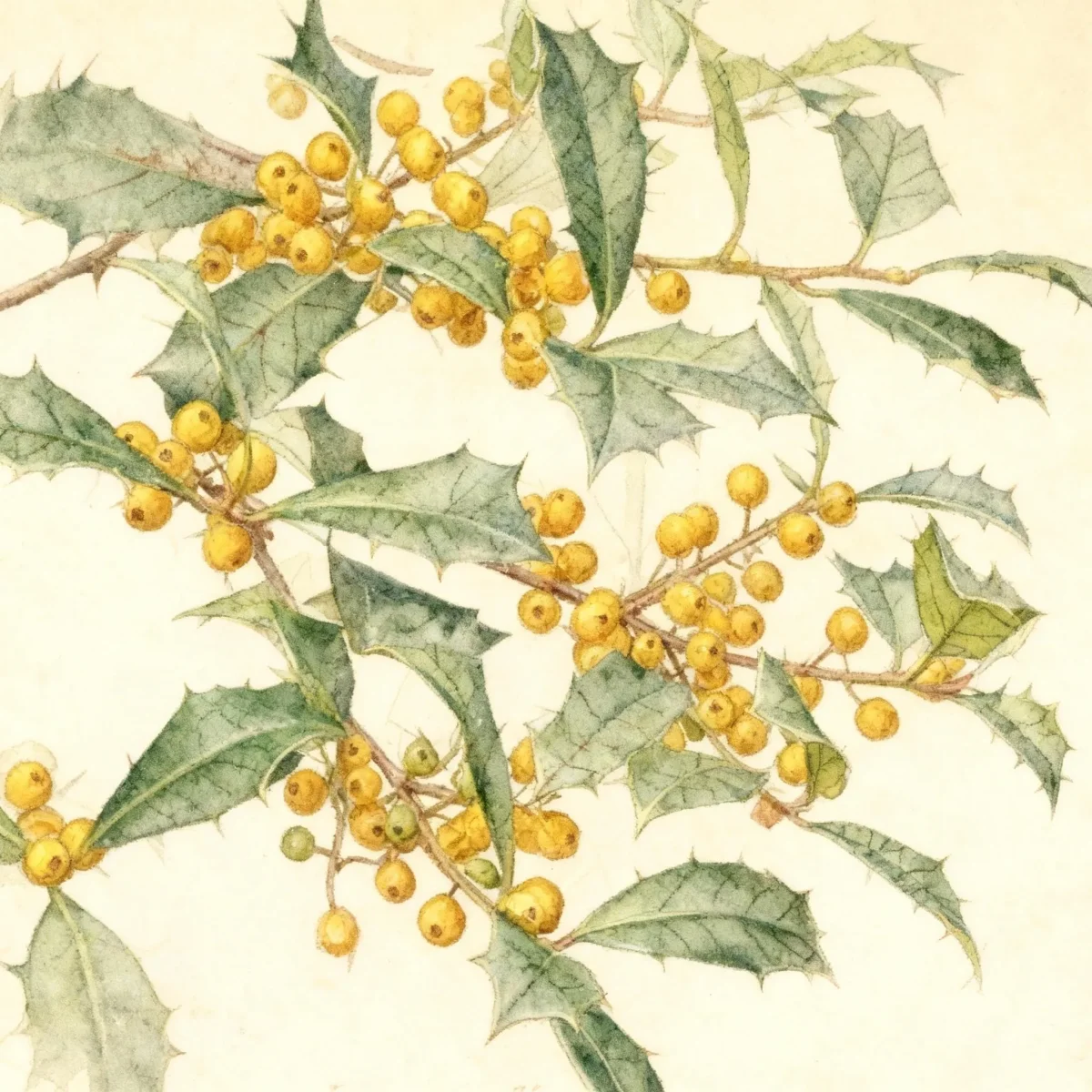
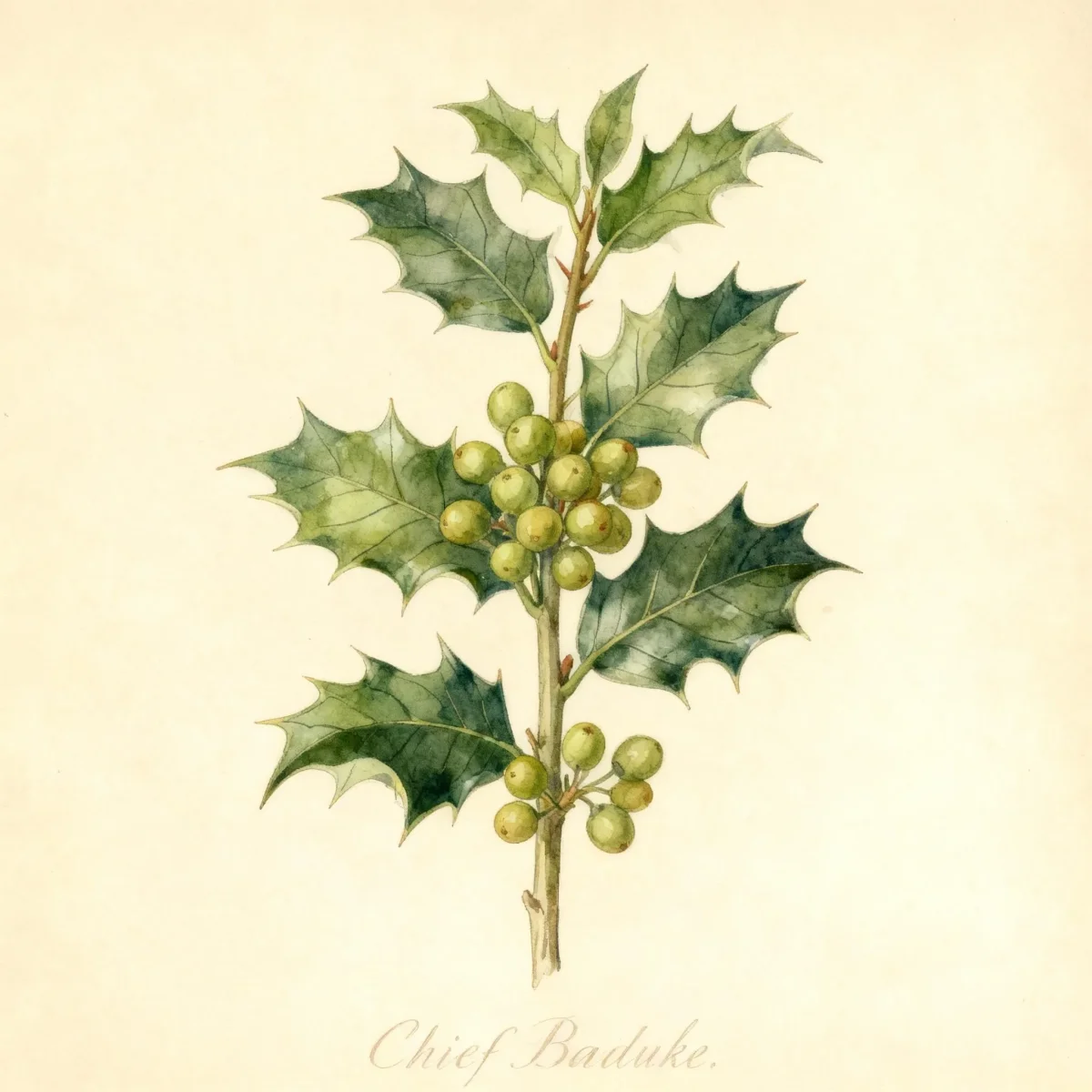
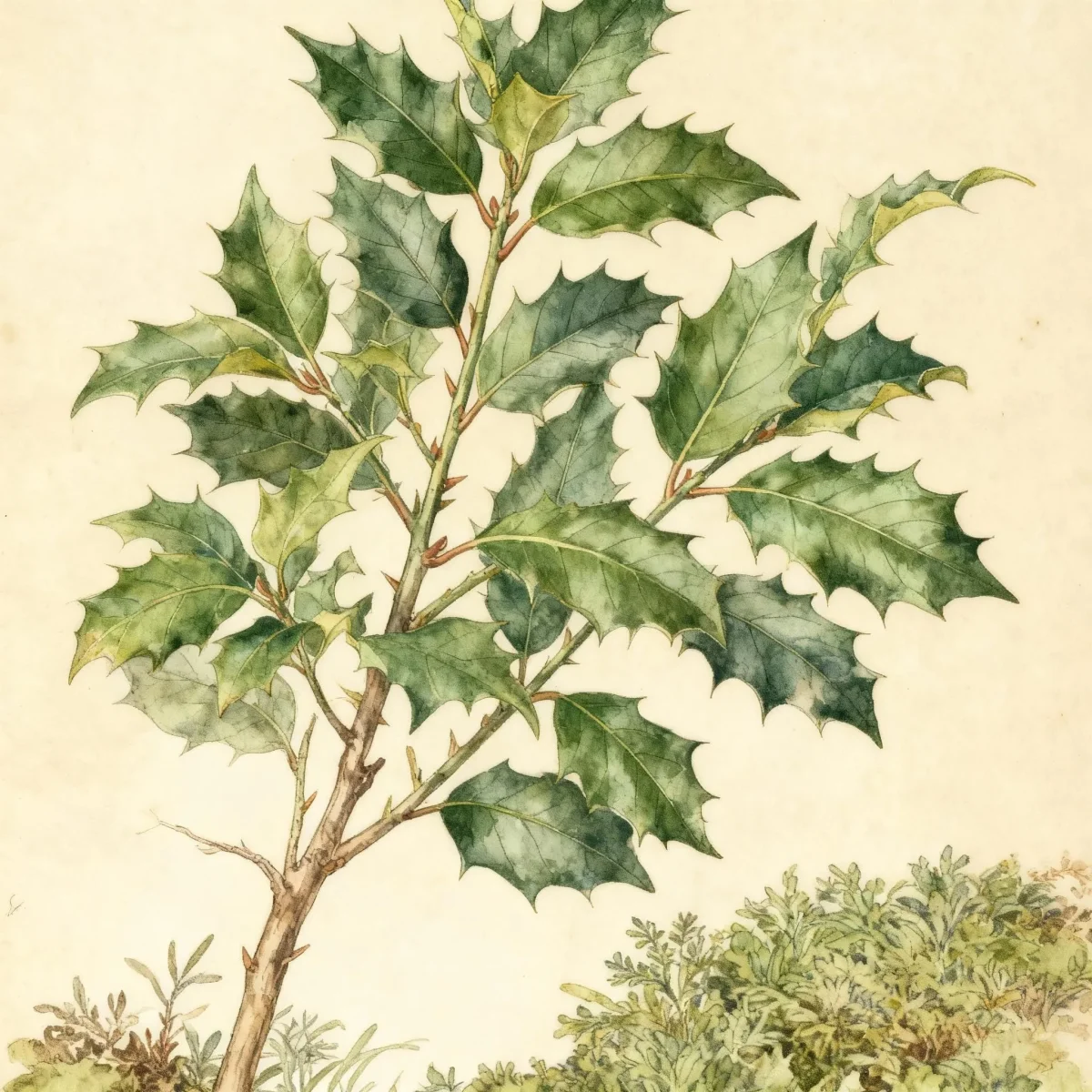
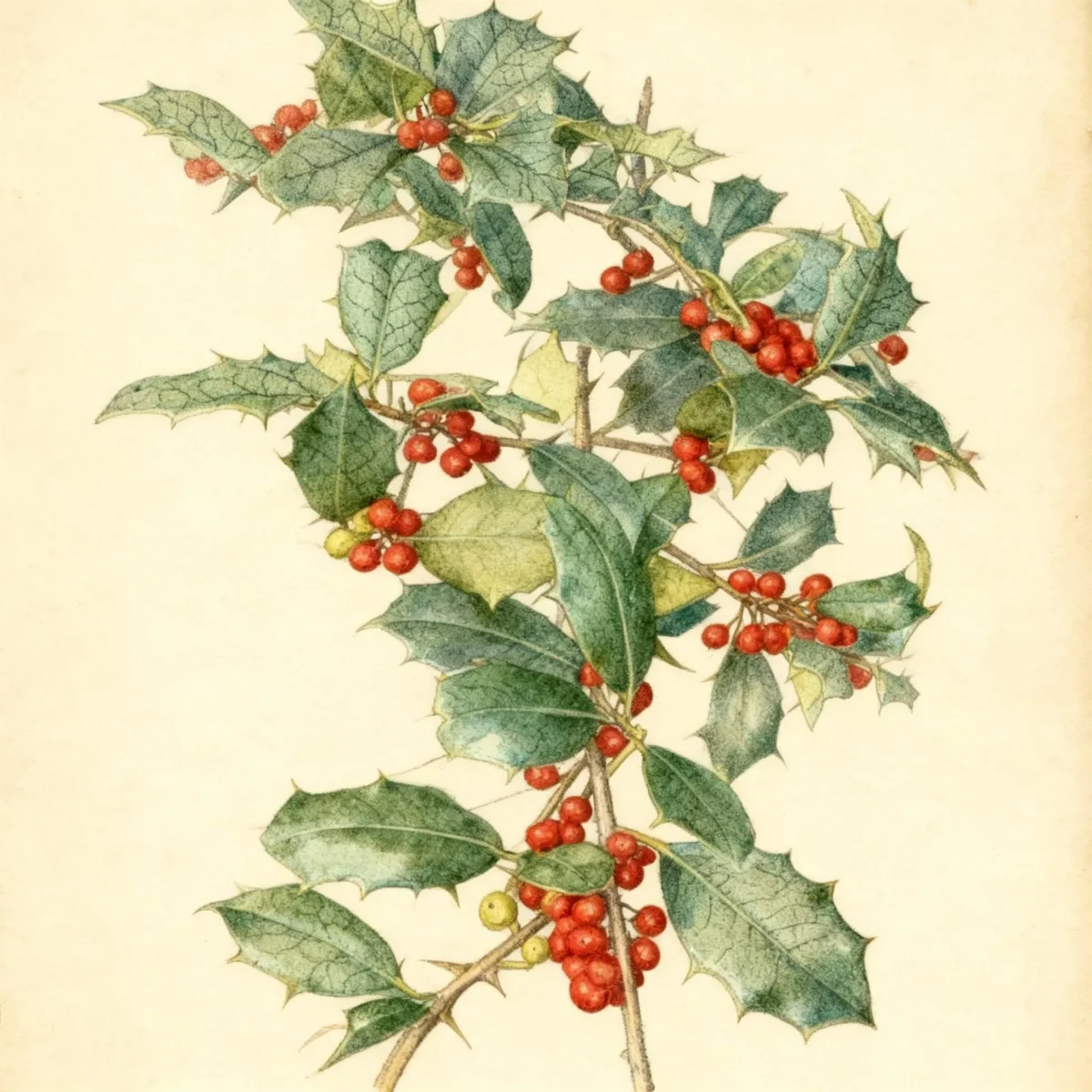
The species, American holly (Ilex opaca), is the only native U.S. Holly recognizable by its spiny, deep green leaves and bright red berries, often collected for Christmas decoration. The cultivar ‘Mae’ is an erect, broad-conical female evergreen that produces abundant, conical bright red berries starting in September that often persist throughout winter, provided a male pollinator is present. Its glossy, spiny, dark olive green leaves ensure year-round ornamental appeal.
Tolerances
- Deer
- Clay Soil
- Air Pollution
Potential Problems
Potential insect pests impacting Ilex opaca ‘Mae’ include scale insects, spider mites, the holly leaf miner, and whitefly. Vigilant inspection is the best defense against these common issues. Good air circulation can help mitigate potential fungal diseases like powdery mildew, leaf spot, and tar spot.
Disease and environmental stress often manifest as physiological issues. Be aware that chlorosis, characterized by leaf yellowing, is a common symptom when the plant is subjected to high pH soils. Proper siting away from excessive wind and avoiding flooded areas will minimize the risk of leaf scorch and leaf drop.
Frequently Asked Questions
What hardiness zones is American holly (Ilex opaca ‘Mae’) suitable for?
Ilex opaca ‘Mae’ is hardy and adaptable across USDA growing zones 5 through 9.
How large does Ilex opaca ‘Mae’ grow?
This cultivar typically reaches a mature height between 15 and 20 feet tall, with a corresponding spread of 10 to 15 feet wide.
What sun exposure does American holly need?
For optimal health and foliage density, Ilex opaca ‘Mae’ requires full sun exposure or a location receiving partial shade.
When does Ilex opaca ‘Mae’ bloom?
The greenish-white flowers appear during the month of May.
Conclusion
The Ilex opaca ‘Mae’ offers unparalleled evergreen structure, reliable winter color from its distinct foliage, and attractive red berries, making it a superb year-round asset. This specific American holly cultivar is low maintenance and quite tolerant once situated correctly, solidifying its role in formal and informal landscapes. Before planting, confirm your soil pH is suitably acidic to ensure the deep green color remains vibrant throughout the seasons.
Companion Planting
When selecting companions for Ilex opaca ‘Mae’, focus on species that share its preference for consistently moist, acidic soil and protection from harsh winter winds. Rhododendrons and Azaleas are excellent partners, as they enjoy similar soil pH levels and appreciate the dappled shade that a mature American holly can provide. Planting lower-growing acid-loving evergreens, such as various dwarf conifers or camellias, beneath the canopy can create dense, textured underplanting.
Consider using deciduous shrubs or trees that offer strong fall color nearby to provide a visual contrast when the holly enters its deep winter dormancy. Avoid alkaline-loving species or those requiring consistently dry conditions, as these pairings will invariably lead to chlorosis or stress in the holly.
Wildlife Benefits
The fruits, or drupes, of the female Ilex opaca ‘Mae’ are a vital resource, particularly the bright red berries that persist through winter. These berries are heavily favored by numerous bird species when other natural food sources become scarce. Planting the cultivar near bird feeders or viewing areas maximizes enjoyment of local wildlife activity.
Beyond the fruit, the dense, evergreen foliage of this American holly provides crucial shelter. In harsh weather, the thick branches offer protective cover from wind, snow, and predators for small birds and backyard wildlife throughout the colder months.