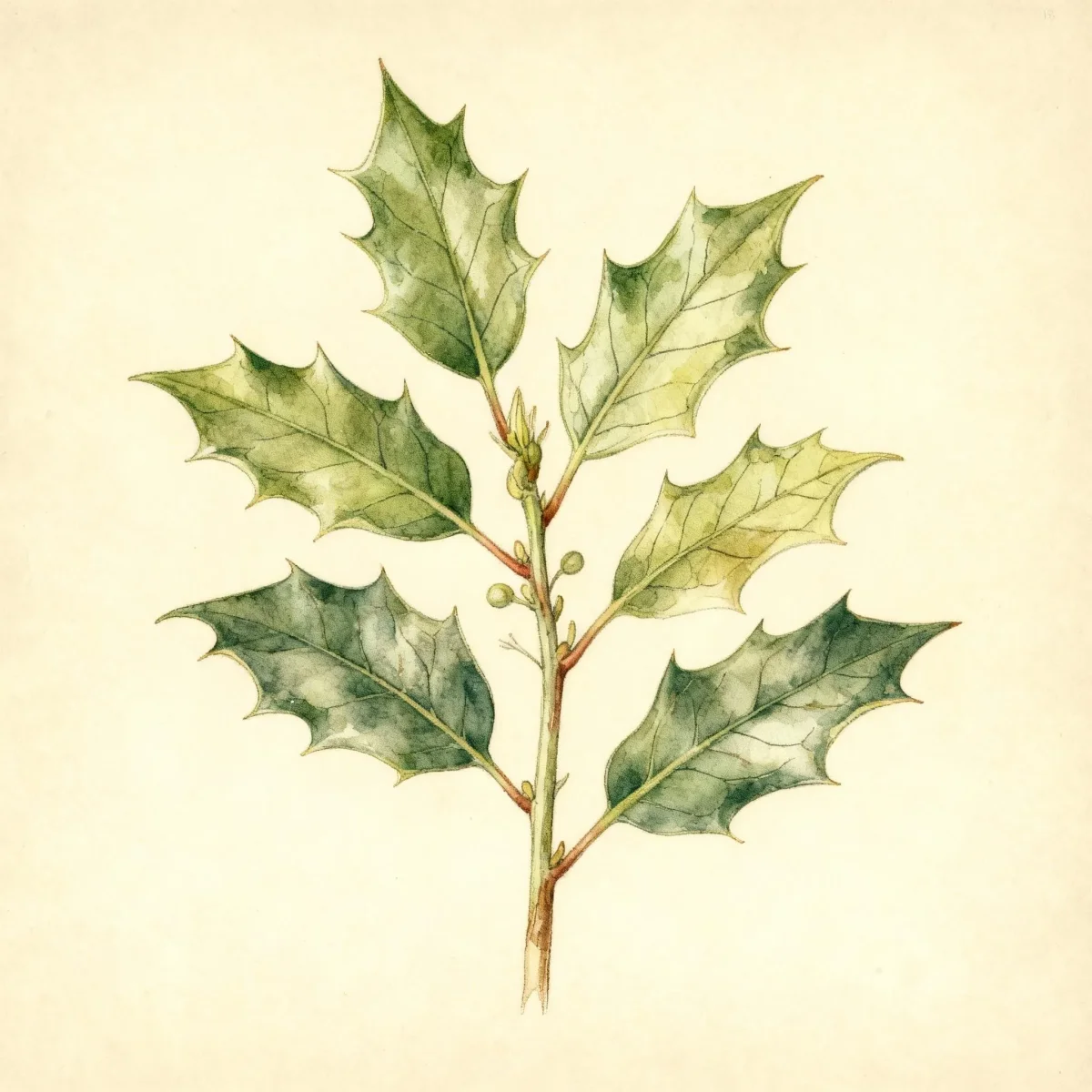
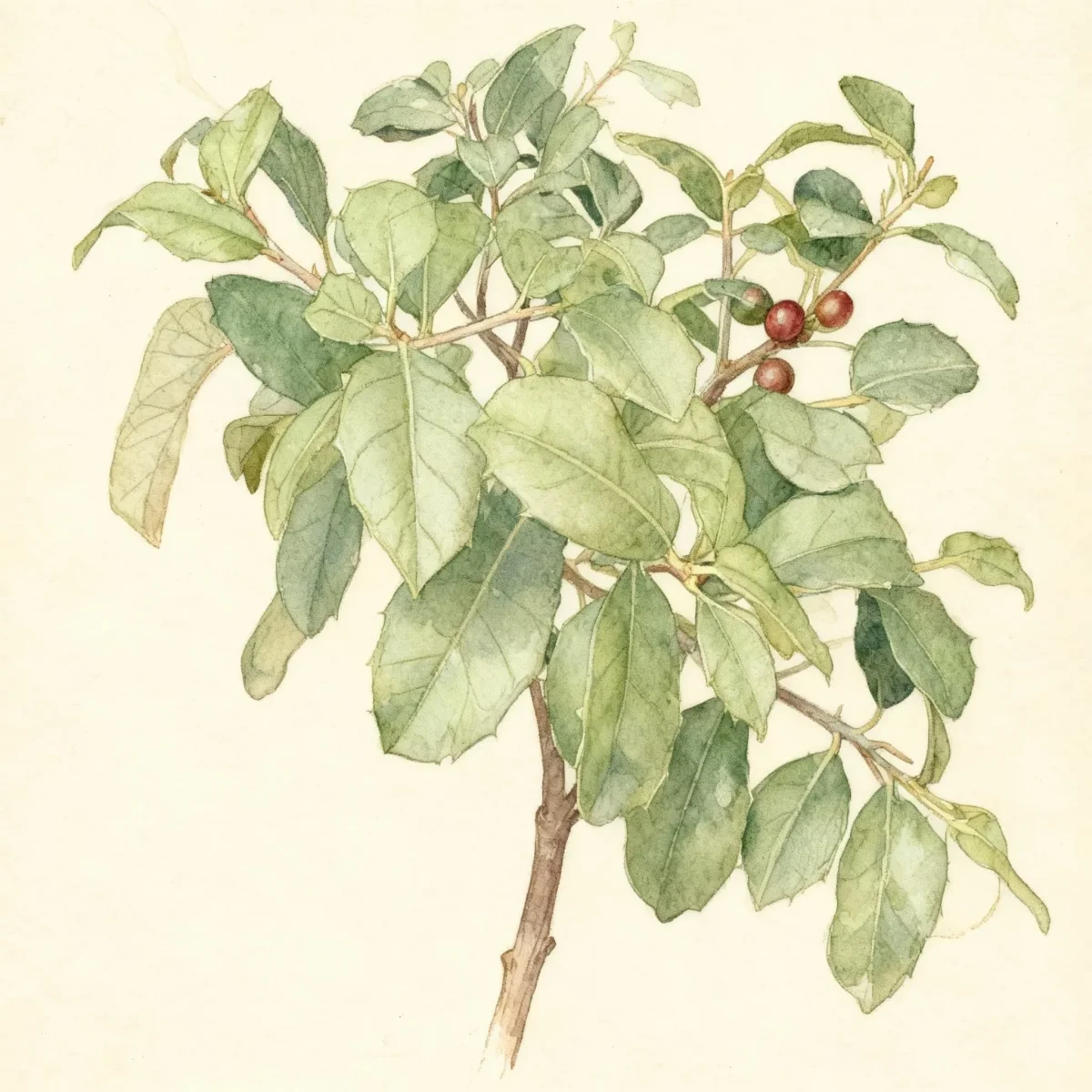
American holly (Ilex opaca 'Mamie Eisenhower')
Durable Ilex opaca 'Mamie Eisenhower' is a dense, low-maintenance American holly providing year-round evergreen color and winter berries.
Scroll down to discover growing tips, care requirements, companion plants, and more
Complete Plant Information
Overview
The Ilex opaca ‘Mamie Eisenhower’ is a highly valued broadleaf evergreen, cherished for maintaining dense structure and deep green foliage throughout the winter months. As a cultivar of the classic American holly, this variety provides reliable substance and excellent screening capabilities in the landscape. Gardeners appreciate it for its relatively low maintenance needs once established, making it a sturdy backbone plant.
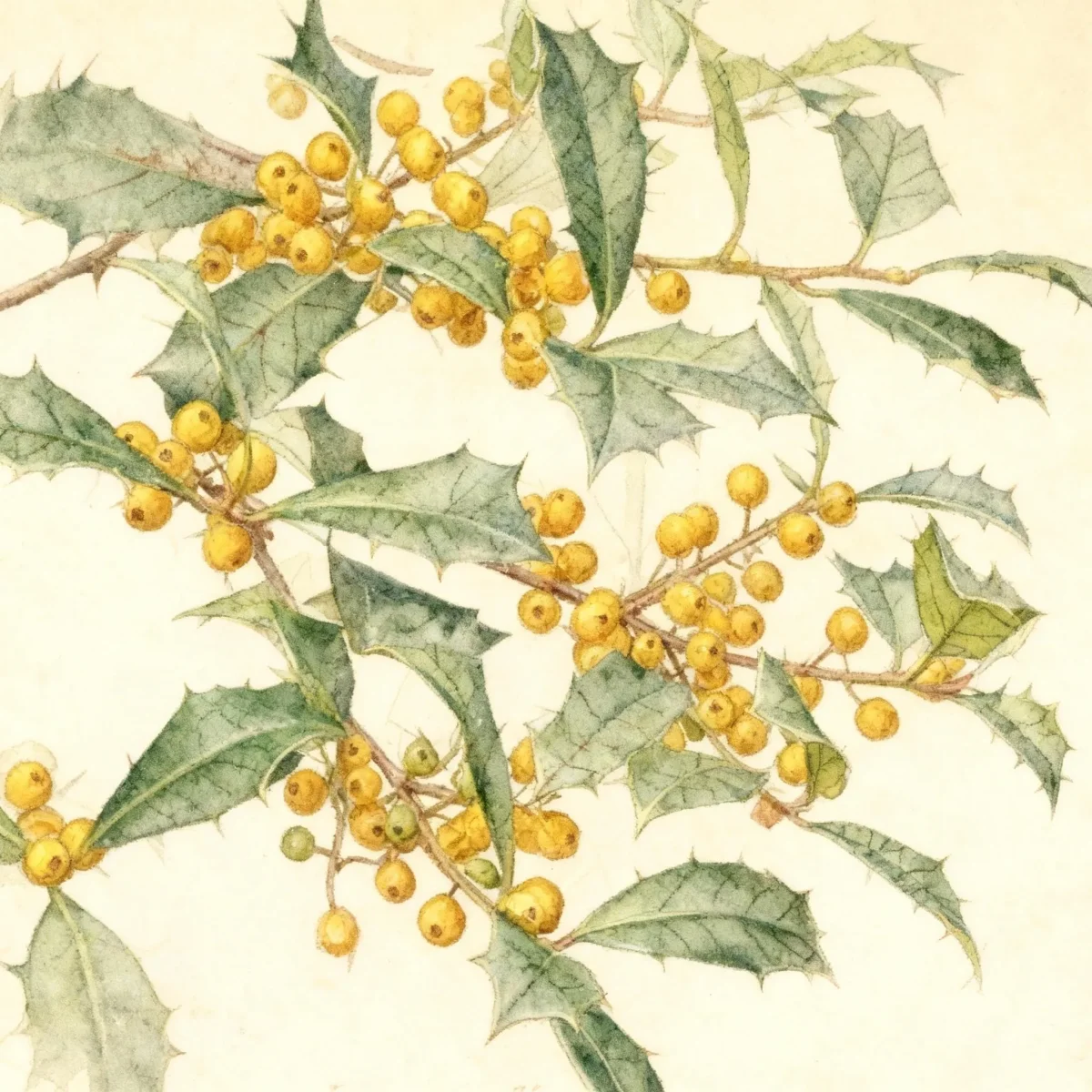
This cultivar offers significant wildlife value, as the bright red fruits (present on female plants like ‘Mamie Eisenhower’) persist into winter, serving as an important food source for local birds. Its upright, pyramidal habit allows it to function well as a specimen or formal hedge, adding traditional, stately character to any property in USDA Zones 5 through 9.
The American holly is native to eastern and central U.S. woodlands, and while species plants can grow quite large, the slower-growing Ilex opaca ‘Mamie Eisenhower’ provides manageable stature for cultivation, typically reaching 15 to 30 feet tall with a substantial spread.
Fast Facts
- Plant Family: Aquifoliaceae
- Plant Type: Broadleaf evergreen
- Hardiness Zones: USDA Zones 5-9
- Size at Maturity:
- Height: 15-30 ft
- Spread: 8-20 ft
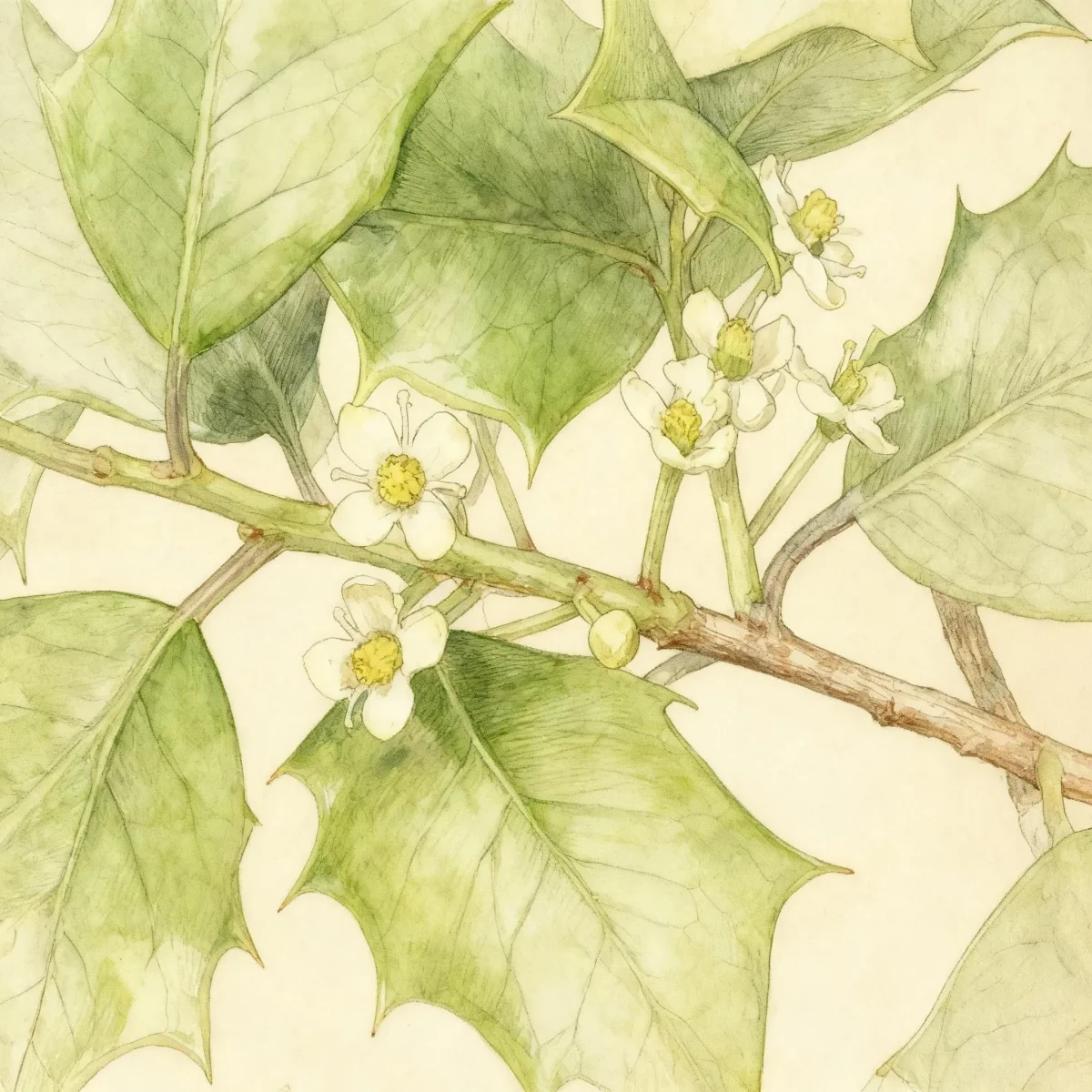
- Bloom Time: May
- Bloom Description: Greenish-white
- Sun Exposure: Full sun to part shade
- Water Needs: Medium
- Maintenance Level: Low
How to Grow
Planting Ilex opaca ‘Mamie Eisenhower’ is best accomplished in spring or fall when temperatures are moderate. Ensure the planting site offers consistently moist, acidic, and well-drained soil; this American holly cultivar tolerates a broad range of soil types, including clay, but absolutely resents standing water or excessively saturated conditions. Incorporate organic matter to improve structure if native soil drains poorly.
Water regularly to keep the soil moist, especially during the first year as the root system establishes. Once mature, the medium water needs of this evergreen are predictable, but supplemental water during severe summer droughts is beneficial. Avoid planting in highly alkaline soils, where the leaves of the American holly are prone to chlorosis, showing noticeable yellowing.
Site the tree where it receives protection from harsh, cold winter winds, which can cause leaf scorch. While it handles full sun, providing part afternoon shade offers protection from the hottest summer sun, especially in southern areas of its range. Pruning is minimal; focus on removing any damaged or crossing branches to maintain the natural, upright form of this excellent cultivar.
Landscape Uses
The Ilex opaca ‘Mamie Eisenhower’ excels where year-round structure is required. Its dense, evergreen nature makes it ideal for creating formal specimen plantings or anchoring foundation plantings near homes, providing excellent visual weight. Because it tolerates pruning, it can be shaped into effective hedges that define property lines or offer privacy screening throughout the year.
For a traditional woodland garden aesthetic, plant several specimens together, allowing them to mature into a naturalistic grouping. The persistent bright red berries ensure winter interest, contrasting beautifully against the deep green, spiny foliage. Cuttings from this popular American holly are frequently used in holiday wreaths and decorations.
Standout Features
Fruit Qualities
- Showy
Noteworthy Characteristics
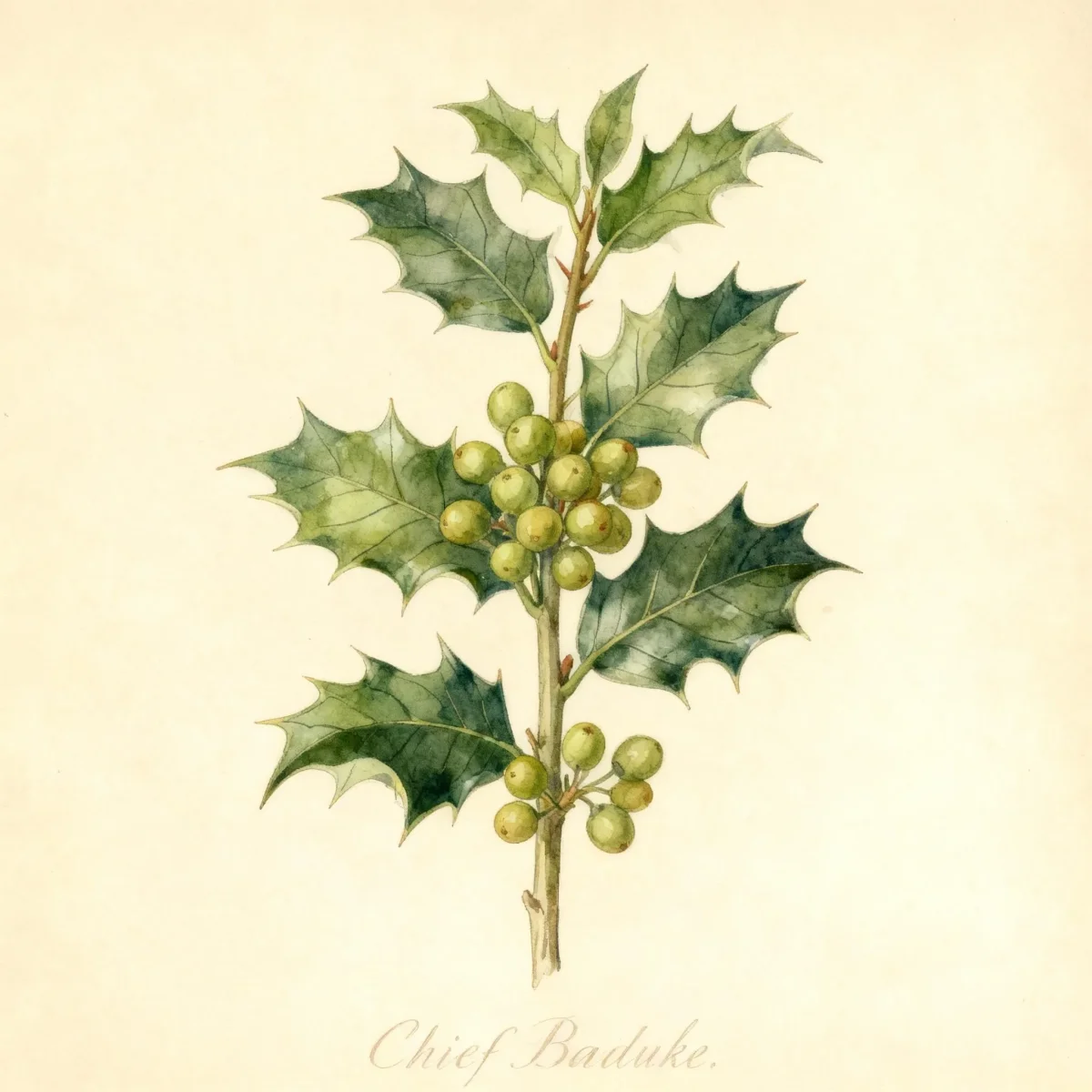
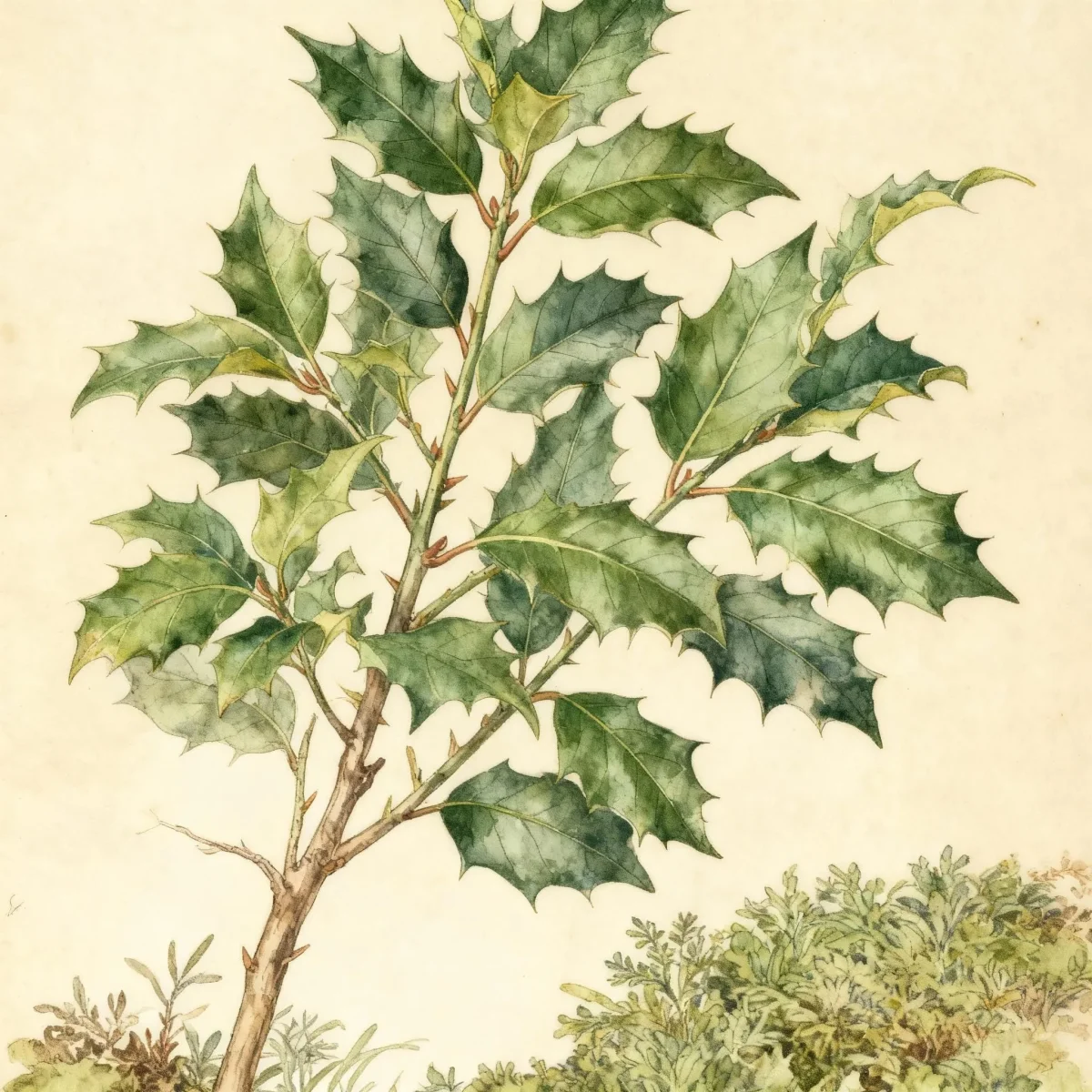
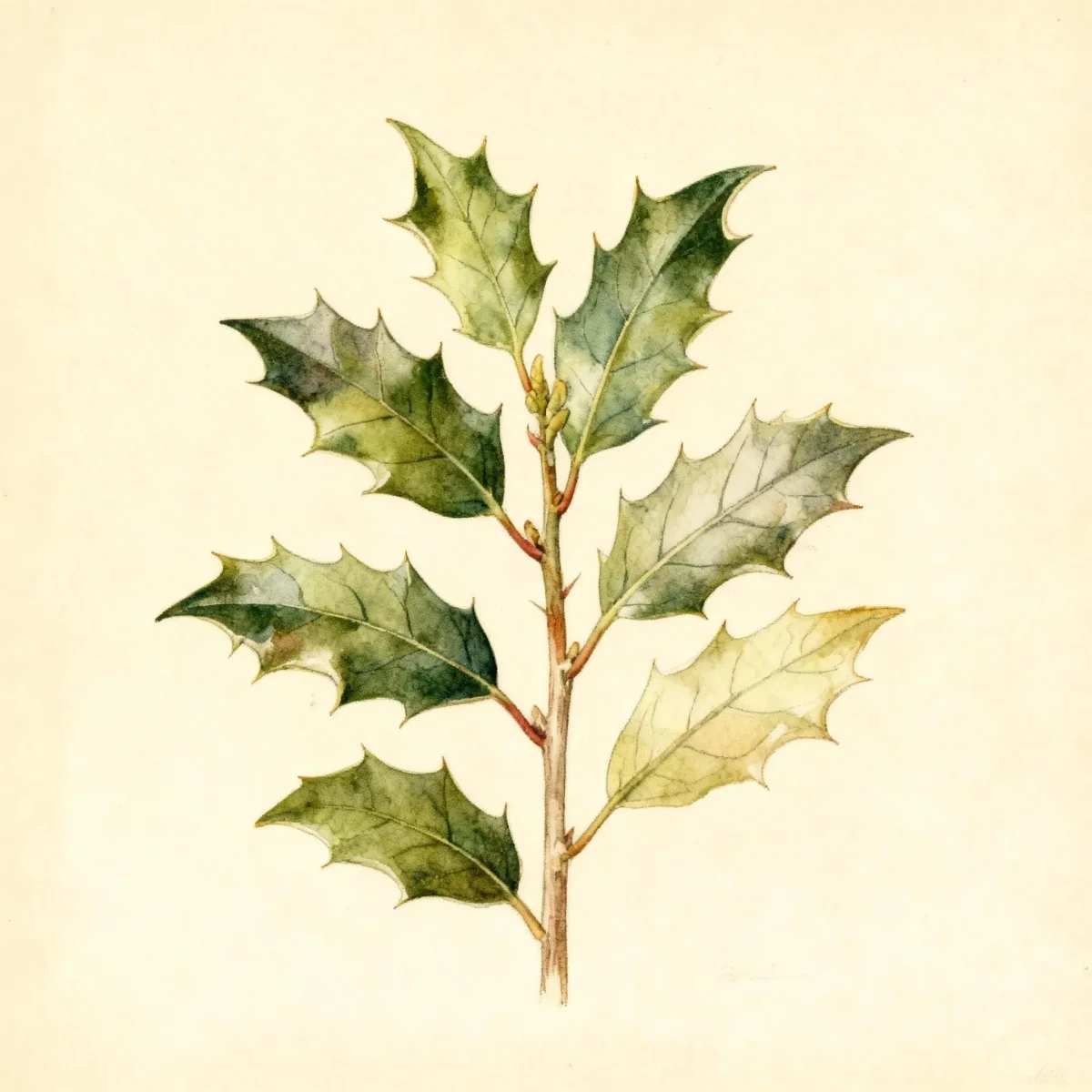
Ilex opaca, commonly called American holly, is an upright, pyramidal, evergreen tree that slowly matures to 15-30’ in cultivation, but may reach 50’ tall in the wild. This species is easily identified because it is the only native U.S. Holly with spiny green leaves and bright red berries. ‘Mamie Eisenhower’ is a dense, upright American holly cultivar that typically grows to 7-8’ tall over the first 10 years, but over time may eventually grow to 20-30’ tall.
Tolerances
- Deer
- Clay Soil
- Air Pollution
Potential Problems
While generally tough, this American holly can face insect and disease pressures. Watch for potential insect activity involving scale insects, whitefly, and holly leaf miners, which can mar the foliage. Fungal issues like leaf spot, tar spot, and powdery mildew can occur, particularly in humid or overcrowded conditions.
To combat these issues, ensure adequate air circulation by adhering to proper spacing during planting, which also mitigates humidity build-up. Be vigilant for signs of chlorosis, often signaling a pH imbalance in the soil; correct this by applying acidifying amendments if necessary. Proper siting away from direct, desiccating winter winds also helps prevent leaf scorch.
Frequently Asked Questions
What hardiness zones is American holly suitable for?
The Ilex opaca ‘Mamie Eisenhower’ is reliably hardy in USDA Zones 5 through 9.
How large does Ilex opaca ‘Mamie Eisenhower’ grow?
This cultivar typically reaches a mature height between 15 and 30 feet, with a spread ranging from 8 to 20 feet wide.
What sun exposure does Ilex opaca ‘Mamie Eisenhower’ need?
This plant thrives best when placed in conditions ranging from full sun to light part shade, though afternoon shade is recommended in the hottest summer climates.
When does American holly bloom?
Flowering occurs in May, producing small, greenish-white blooms on the female trees.
Conclusion
The Ilex opaca ‘Mamie Eisenhower’ delivers dependable, year-round beauty and excellent ecological value, especially when its bright fruit attracts winter birds. Its tolerance for clay and urban pollution makes it a robust choice for challenging sites. Before planting, confirm your location falls within USDA Zones 5-9 and ensure the soil is acidic and well-drained for the best performance of this exceptional American holly.
Companion Planting
When designing beds around the American holly, choose companions that benefit from similar acidic soil and moisture conditions, but offer contrast in texture or seasonality. Broadleaf evergreens like Rhododendrons and Azaleas thrive under similar dappled light provided by a slightly taller Ilex opaca ‘Mamie Eisenhower’. For groundcover or foreground interest, consider ferns or Hellebores, which cope well with the shade cast by the holly’s lower canopy and appreciate moist, rich soil.
Wildlife Benefits
The primary wildlife benefit of the Ilex opaca ‘Mamie Eisenhower’ comes from its persistent, colorful berries. These drupes offer a crucial high-energy food source for numerous bird species throughout the winter months when other food sources are scarce. Beyond the winter fruit, the dense, evergreen foliage of this American holly provides vital shelter, especially nesting and roosting cover against severe weather or predators during the colder seasons.