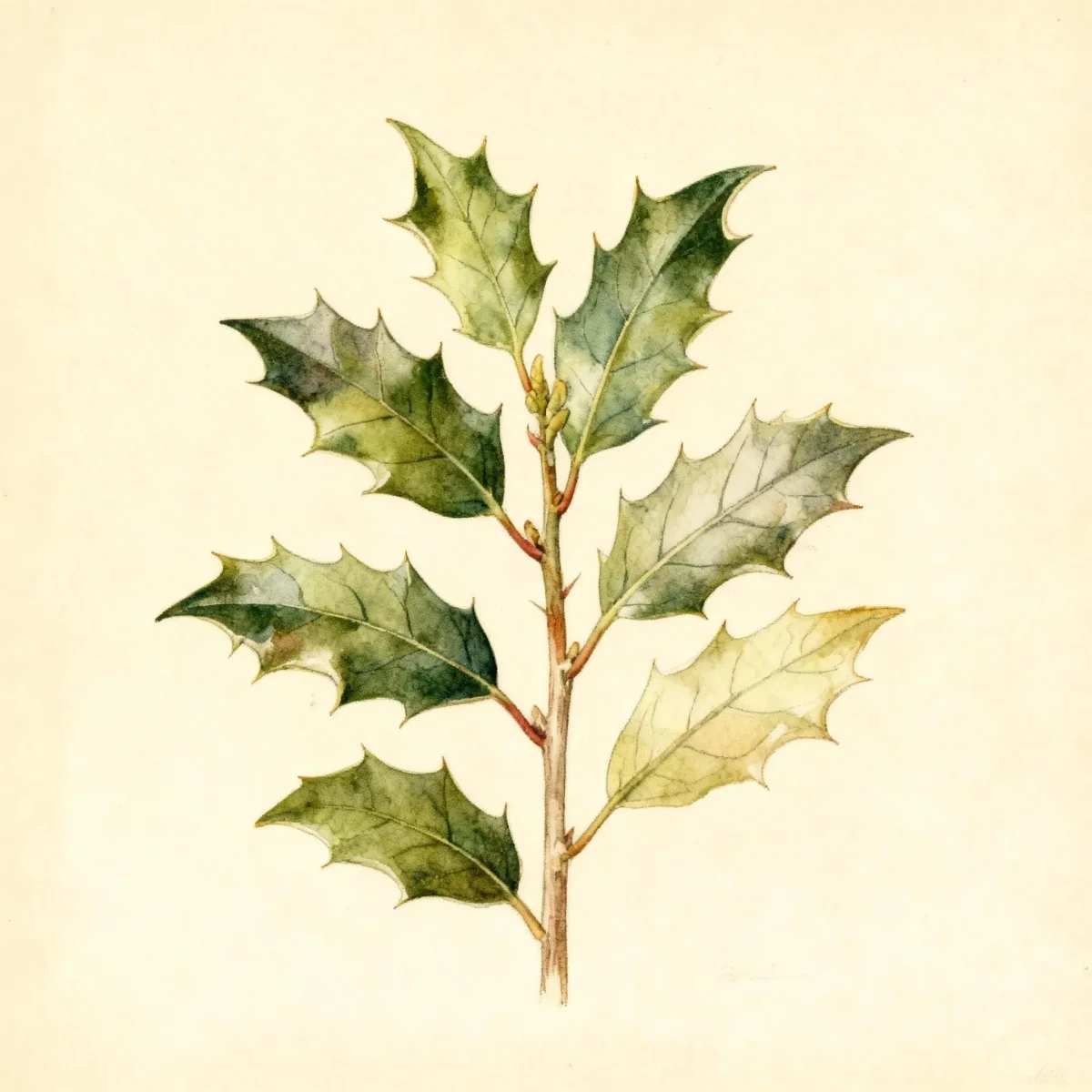
American holly (Ilex opaca 'Maryland Dwarf')
The compact Ilex opaca 'Maryland Dwarf' is a low-maintenance, broadleaf evergreen American holly ideal for winter structure and holiday greenery.
Scroll down to discover growing tips, care requirements, companion plants, and more
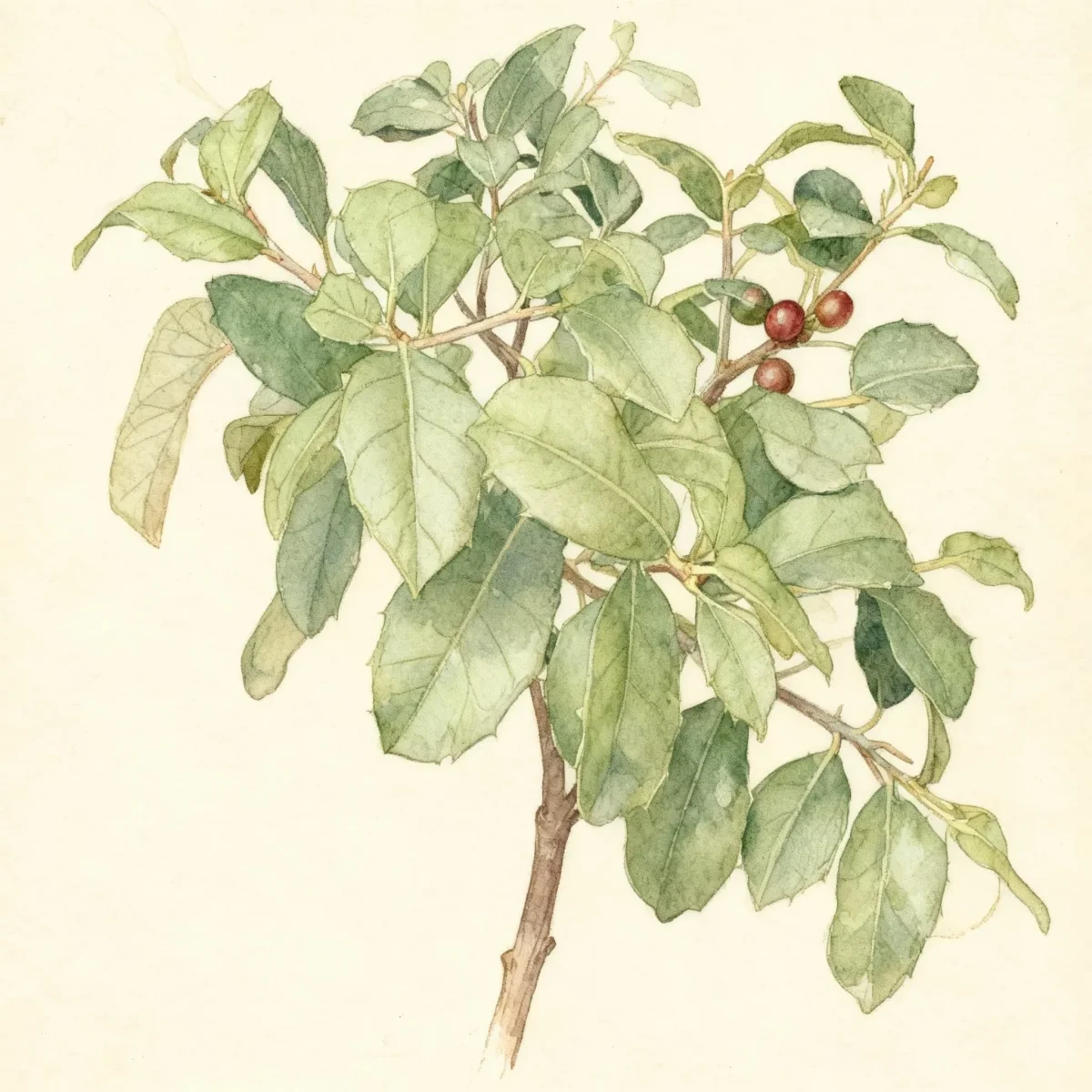
Complete Plant Information
Overview
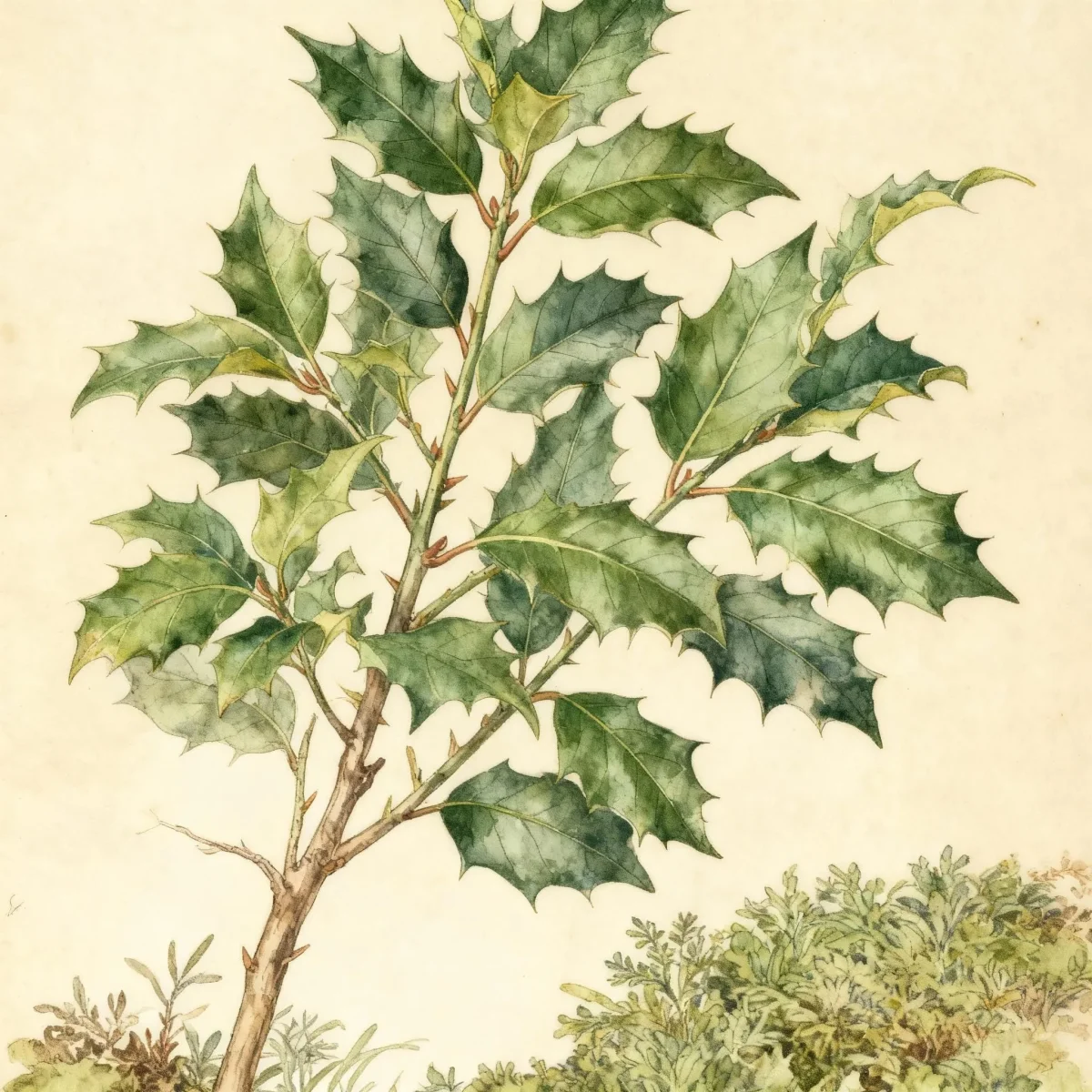
The Ilex opaca ‘Maryland Dwarf’ is a highly desirable dwarf form of the American holly, valued for maintaining its dense, spiny, evergreen foliage year-round. This cultivar offers the classic aesthetic of native holly in a much more manageable, spreading habit perfect for smaller landscapes or foundation plantings. As an all-female cultivar, the presence of a male pollinator nearby will reward gardeners with plentiful, brightly colored berries persisting into the winter months.
Gardeners appreciate this American holly for its low maintenance needs and excellent adaptability across a wide range of soil types, provided drainage is adequate. Its compact nature, typically reaching only 2 to 3 feet high but spreading up to 10 feet wide, makes the Ilex opaca ‘Maryland Dwarf’ a superior choice for low hedges where height clearance is necessary. It is a foundational plant for winter interest.
Beyond its aesthetic appeal, this broadleaf evergreen provides excellent structure throughout the dormant season and supplies winter food for birds when berries are present. Successful cultivation relies on siting the plant where it receives protection from harsh winter winds, ensuring its foliage remains dense and healthy.
Fast Facts
- Plant Family: Aquifoliaceae
- Plant Type: Broadleaf evergreen
- Hardiness Zones: USDA Zones 5-9
- Size at Maturity:
- Height: 2-3 ft
- Spread: 3-10 ft
- Bloom Time: May
- Bloom Description: Greenish-white
- Sun Exposure: Full sun to part shade
- Water Needs: Medium
- Maintenance Level: Low
How to Grow
Plant Ilex opaca ‘Maryland Dwarf’ during the cooler seasons—early spring or fall—to allow the roots to establish before summer heat or winter freezes. This American holly thrives best in average, consistently moist, acidic, well-drained soils. Crucially, be sure to avoid any location prone to standing water, as it will not tolerate saturated conditions or flooding; poorly drained soils must be amended or avoided entirely.
Watering should remain consistent, especially when the plant is young. While established plants require medium water, monitor soil moisture during hot, dry spells. Fertilization is usually minimal, but amending the soil to ensure acidity will prevent chlorosis, or yellowing of the diagnostic leaves, which commonly occurs in high pH soils.
Pruning is low, but the ‘Maryland Dwarf’ can be selectively trimmed to maintain a tighter shape or control its spread. Site your planting scheme where it is shielded from severe winter winds, which can cause leaf scorch. If planting in very hot climates, providing some part afternoon shade will enhance foliage density; too much shade will cause the plant to thin out, reducing the visual impact of the evergreen leaves.
Landscape Uses
The compact, spreading form of Ilex opaca ‘Maryland Dwarf’ makes it incredibly versatile in landscape design, particularly when utilizing its low-growing hedge capabilities. It excels as a low border along walkways or where a foundation planting needs to remain below window height. Its dense evergreen nature provides year-round screening and structure, contrasting beautifully with deciduous perennials that drop their leaves in winter.
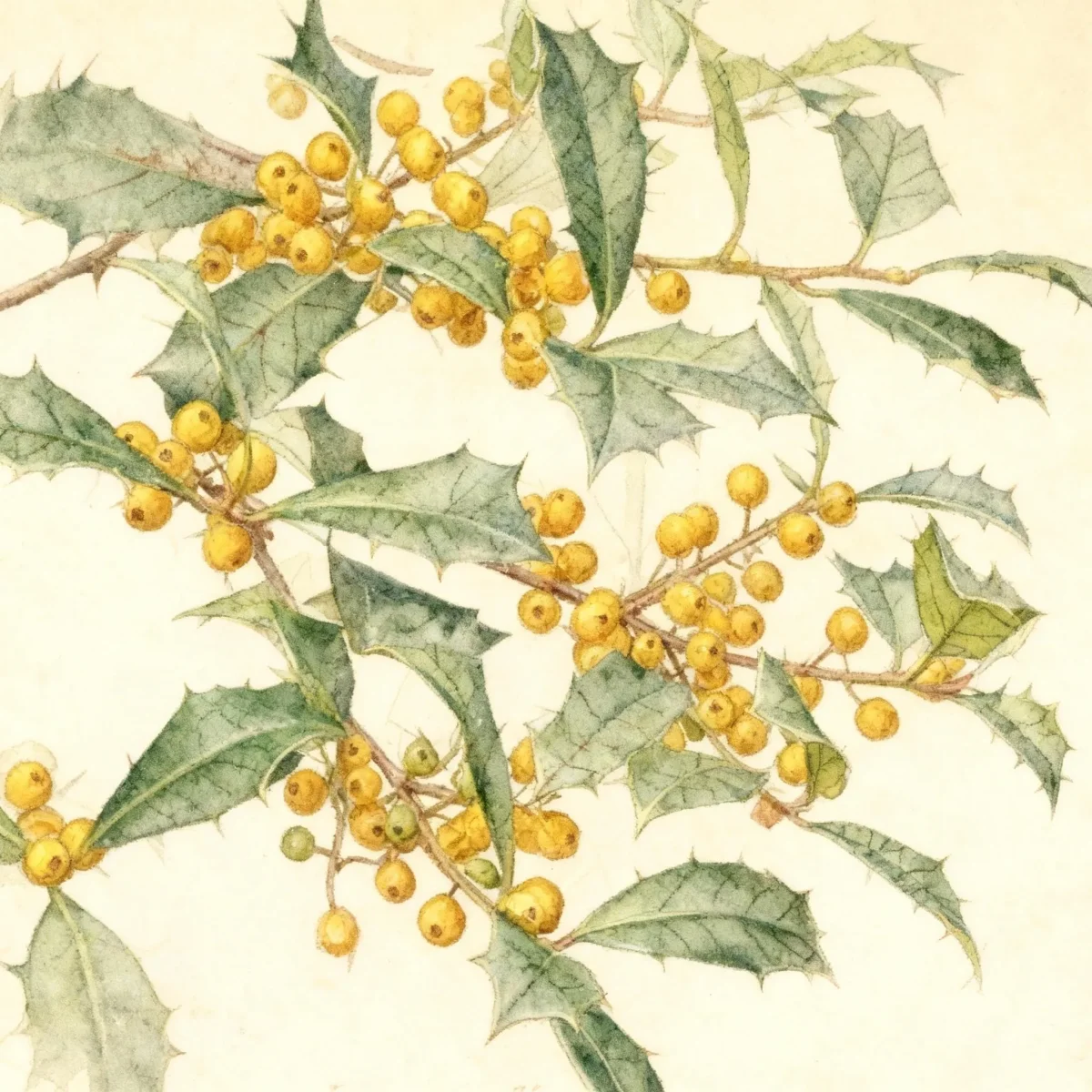
Because this is an all-female cultivar of the American holly, remember that successful berry production—a key ornamental feature—requires planting a male pollinator variety nearby. The bright red seasonal berries offer reliable winter color and serve as an important food source for local avian populations, enhancing the ecological value of your landscape.
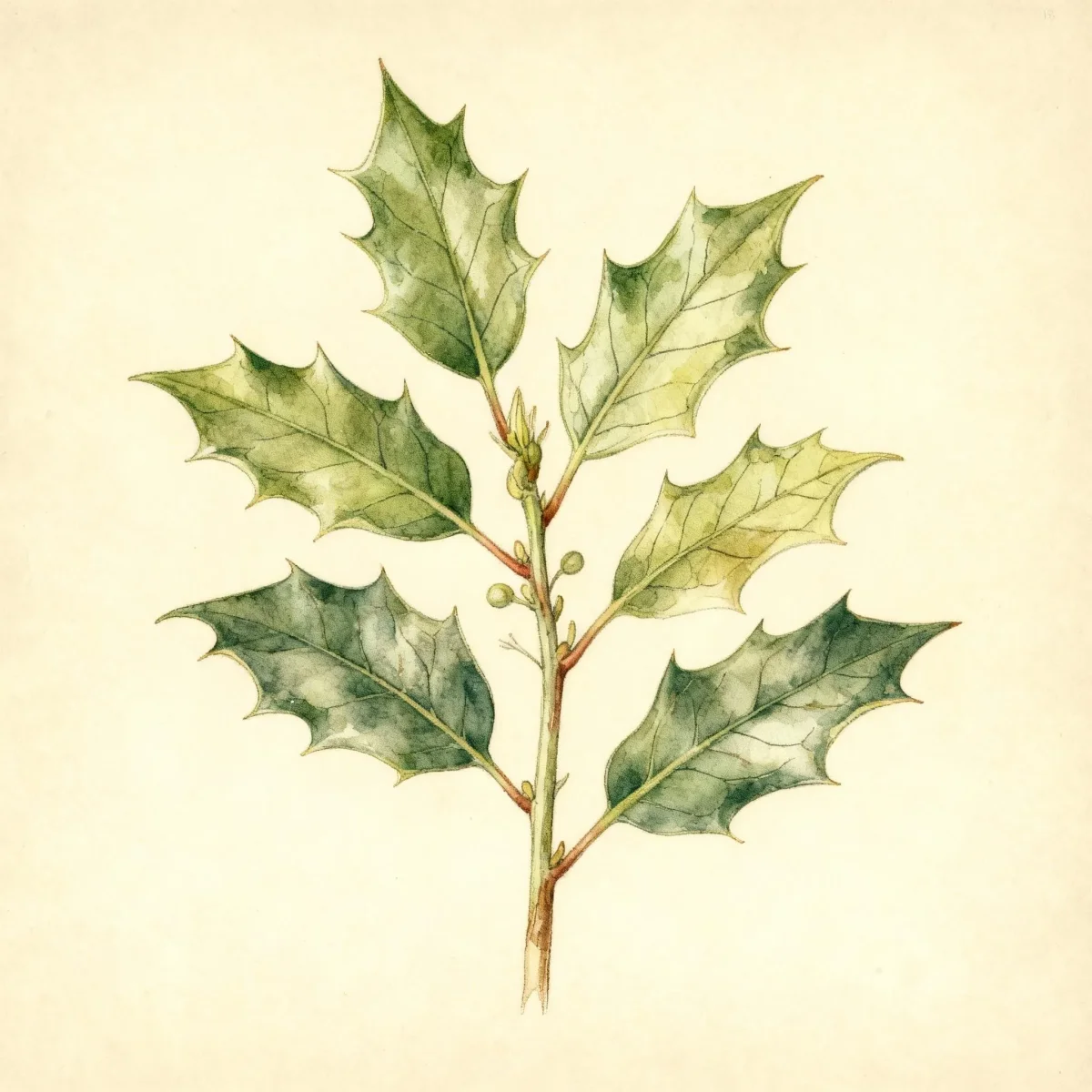
For woodland gardens or naturalized areas, this dwarf holly integrates well, though it benefits from richer soil found in bottomlands. Use cuttings of the spiny, leathery foliage liberally in holiday decorations, ensuring you have a reliable, domestically sourced supply of quintessential Christmas greenery.
Standout Features
Flower Qualities
- Insignificant
Fruit Qualities
- Showy
Noteworthy Characteristics
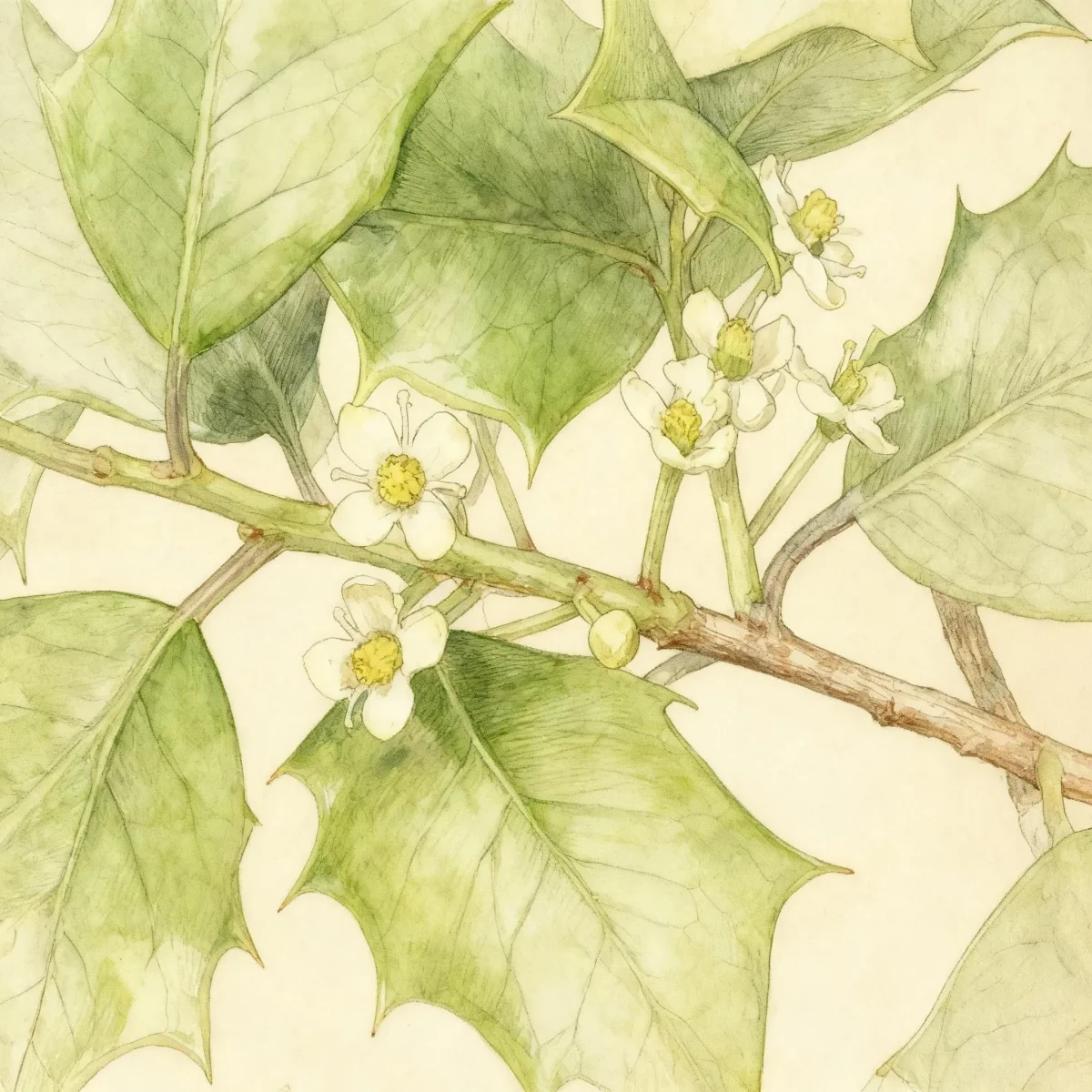
Ilex opaca, commonly called American holly, is the only native U.S. Holly with spiny green leaves and bright red berries, making it iconic for Christmas ornamentation. The ‘Maryland Dwarf’ cultivar maintains these features but adopts a dwarf-spreading habit, typically reaching only 3 feet high and spreading up to 10 feet wide, which is easily maintained with light pruning. This specific cultivar is an all-female variety, ensuring that if a male pollinator is present, a stunning display of red fruit will follow the small, greenish-white blooms in May.
Tolerances
- Deer
- Clay Soil
- Air Pollution
Potential Problems
Common insect pests affecting American holly varieties include specialized feeders like the holly leaf miner, spider mites, whitefly, and various scale insects. Integrating regular scouting into your routine is the best defense against these sap-sucking or tunneling pests. Prevention often involves dormant oil applications or targeted insecticidal soaps at critical life stages.
Disease management centers on ensuring proper air circulation and avoiding overhead watering, which can encourage fungal issues. Watch for leaf spot, leaf rot, tar spot, and powdery mildew; promptly removing and destroying infected foliage minimizes spread. Good cultural practices, especially avoiding poorly drained soils, will drastically reduce the likelihood of root or leaf rot issues in your Ilex opaca ‘Maryland Dwarf’.
Frequently Asked Questions
What hardiness zones is American holly (Ilex opaca ‘Maryland Dwarf’) suitable for?
This broadleaf evergreen, the Ilex opaca ‘Maryland Dwarf’, is hardy and adaptable across USDA Zones 5 through 9.
How large does Ilex opaca ‘Maryland Dwarf’ grow?
This dwarf cultivar typically matures to a small size, growing between 2 and 3 feet in height, while spreading significantly wider, often reaching 3 to 10 feet in spread.
What sun exposure does Ilex opaca ‘Maryland Dwarf’ need?
For optimal health and density, plant this evergreen in locations receiving full sun to partial shade; note that too much shade can cause the foliage to lose density.
When does American holly bloom?
The greenish-white flowers of the Ilex opaca ‘Maryland Dwarf’ appear during the month of May.
Conclusion
The Ilex opaca ‘Maryland Dwarf’ provides unparalleled winter structure and classic beauty in a manageable, low-maintenance package, making it a favorite for gardeners seeking reliable evergreen performance. Its tolerance for clay soil and resistance to deer damage further enhances its appeal as a practical landscape solution. Before planting, confirm your garden’s soil pH is slightly acidic, check your local hardiness zone, and plan for a nearby male pollinator to enjoy the spectacular seasonal berry show this American holly offers.
Companion Planting
When considering what to plant near your American holly, focus on species that share similar moderate water needs and acidic soil preferences. Low-growing, shade-tolerant groundcovers like Pachysandra (Japanese spurge) or Vinca minor (Periwinkle) thrive beneath the canopy of larger hollies and offer continuous green color at ground level. For seasonal contrast, consider planting spring-flowering bulbs such as Daffodils or Snowdrops near the front edge of the planting, as their temporary brightness gives way to the year-round structure of the Ilex opaca ‘Maryland Dwarf’.
For foundation planting designs, pair this low-spreading shrub with taller, dark green backdrop plants like evergreen Azaleas or Rhododendrons, provided the site offers adequate afternoon shade in warmer areas. Ensure ample space is left around the base of the holly, as its wide spread of up to 10 feet needs room to develop naturally without crowding.
Design Ideas for Low Hedges and Borders
The primary strength of Ilex opaca ‘Maryland Dwarf’ lies in its utility as exceptionally dense, low hedging material. Use this plant to define property lines that do not require significant vertical obstruction or to edge planting beds near patios where a low visual barrier is desired. Since this cultivar spreads wider than it grows tall, it creates a beautiful, dense mat of deep green, spiked foliage that eliminates the need for frequent mowing or trimming required by traditional hedges.
For a formal look, place these hollies equidistant, ensuring their mature spreads just touch, which will knit together into an unbroken, architectural line. In mixed perennial borders, utilize the Ilex opaca ‘Maryland Dwarf’ as a permanent “anchor,” softening the transition between lawn areas and herbaceous plantings. The ability of this American holly to resist deer browsing is a significant asset in suburban and semi-wooded landscapes where browsing pressure is common.