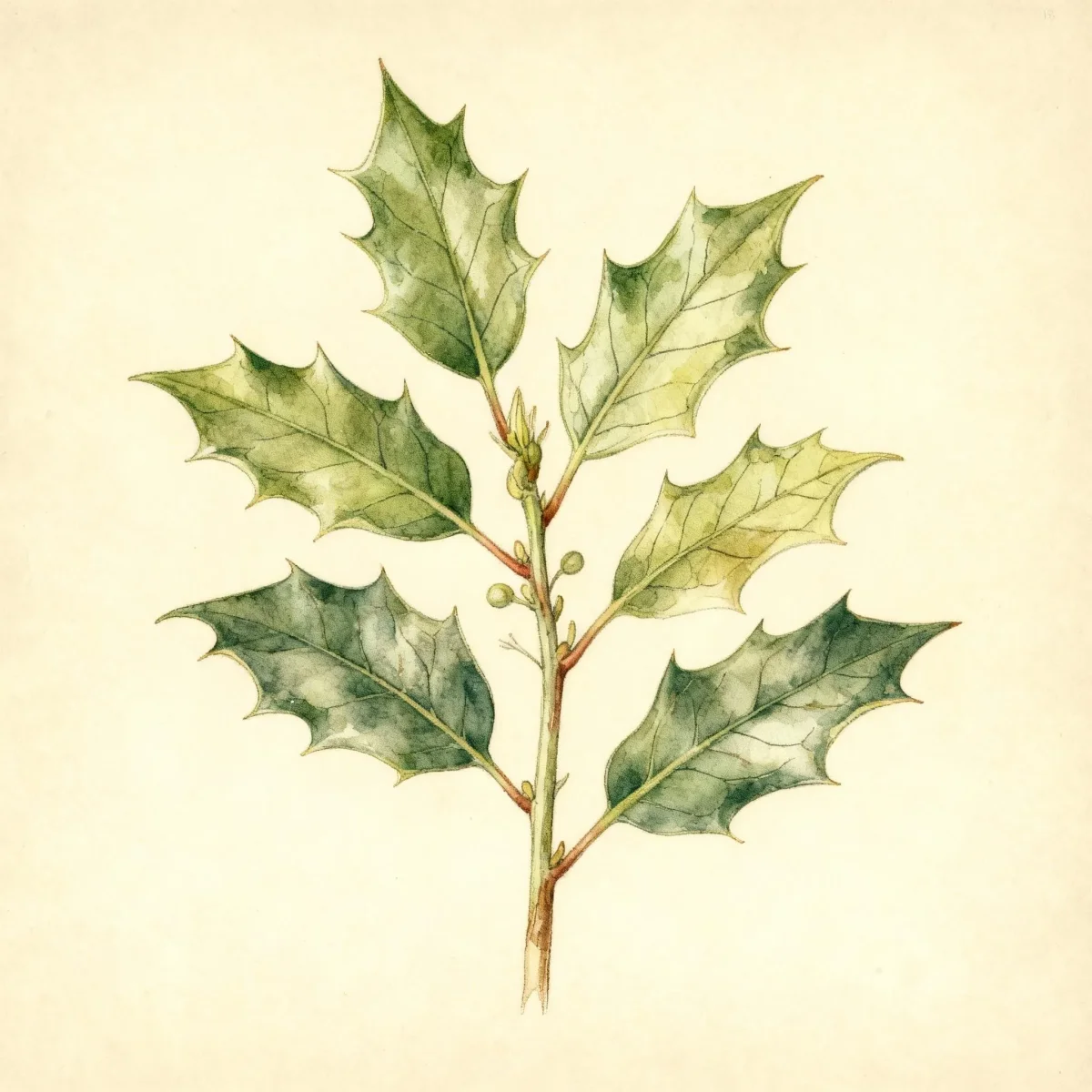
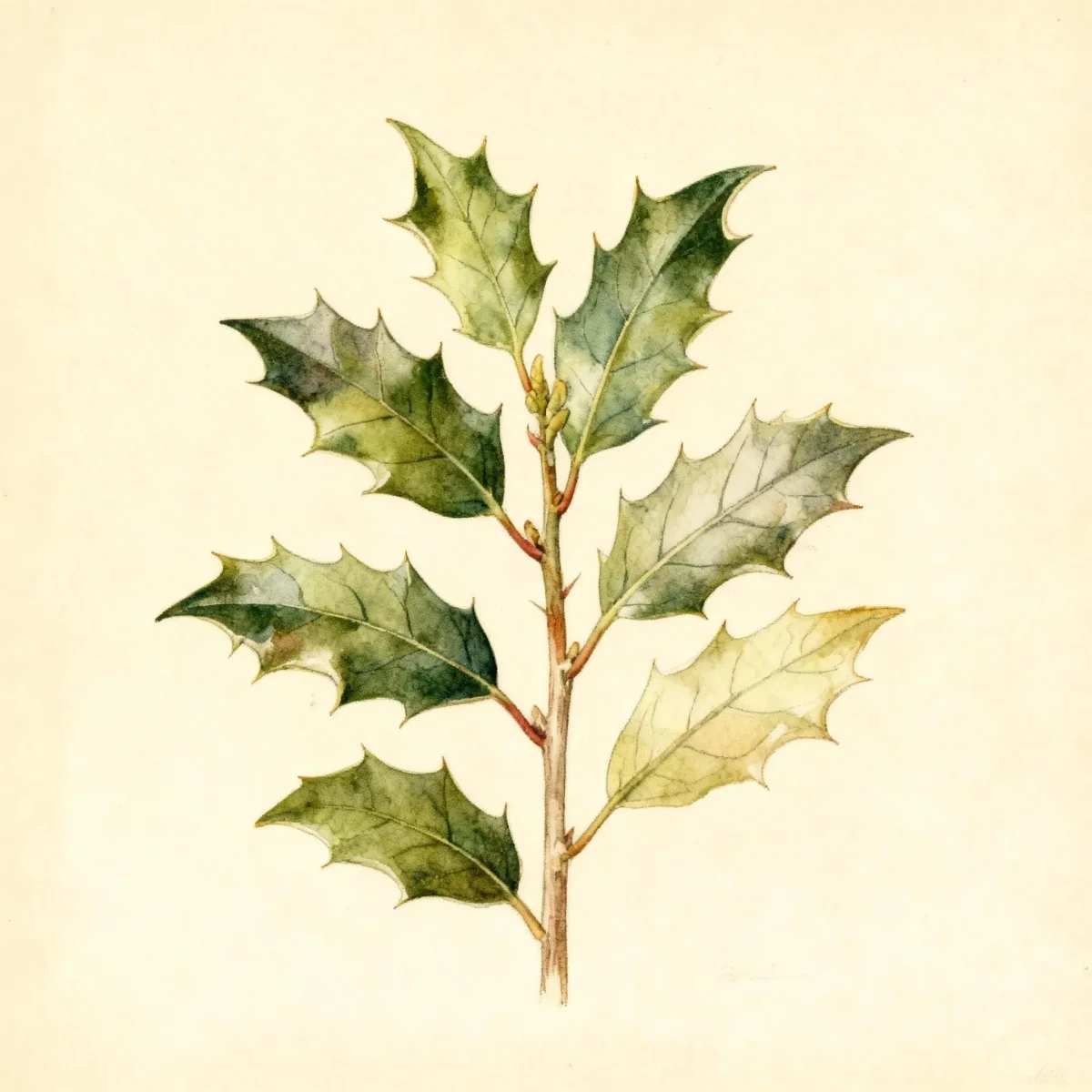
American holly (Ilex opaca 'McDonald')
Ilex opaca 'McDonald' is a dense, conical American holly, prized for dark green evergreen foliage and persistent red winter berries.
Scroll down to discover growing tips, care requirements, companion plants, and more
Complete Plant Information
Overview
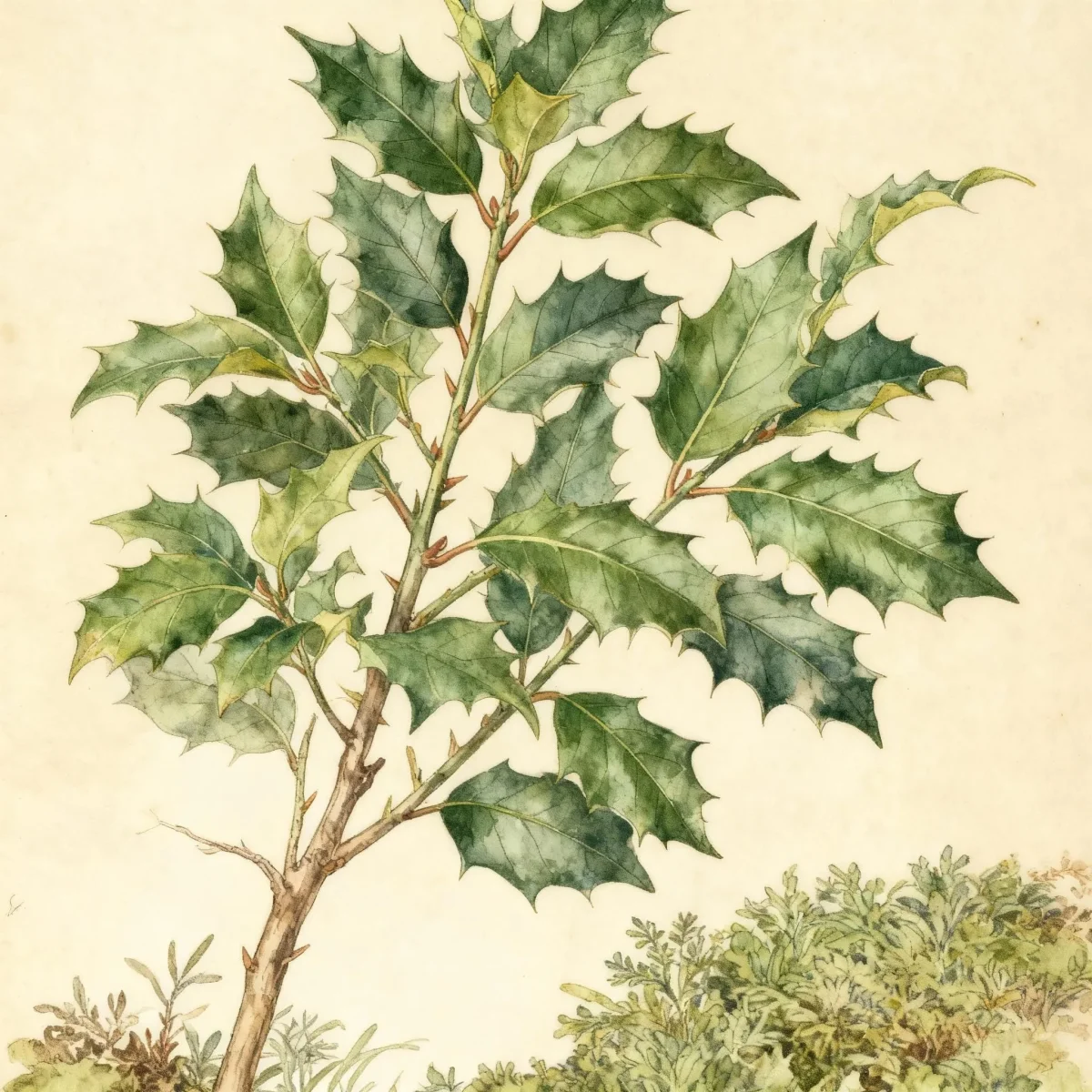
The ‘McDonald’ cultivar of American holly, Ilex opaca ‘McDonald’, stands out as a superb choice for adding dense, year-round structure to the landscape. This broadleaf evergreen forms a beautiful conical-pyramidal shape, maturing into a specimen tree that reliably anchors garden designs throughout the changing seasons. Its leathery, dark green leaves provide critical winter screening and contrast.
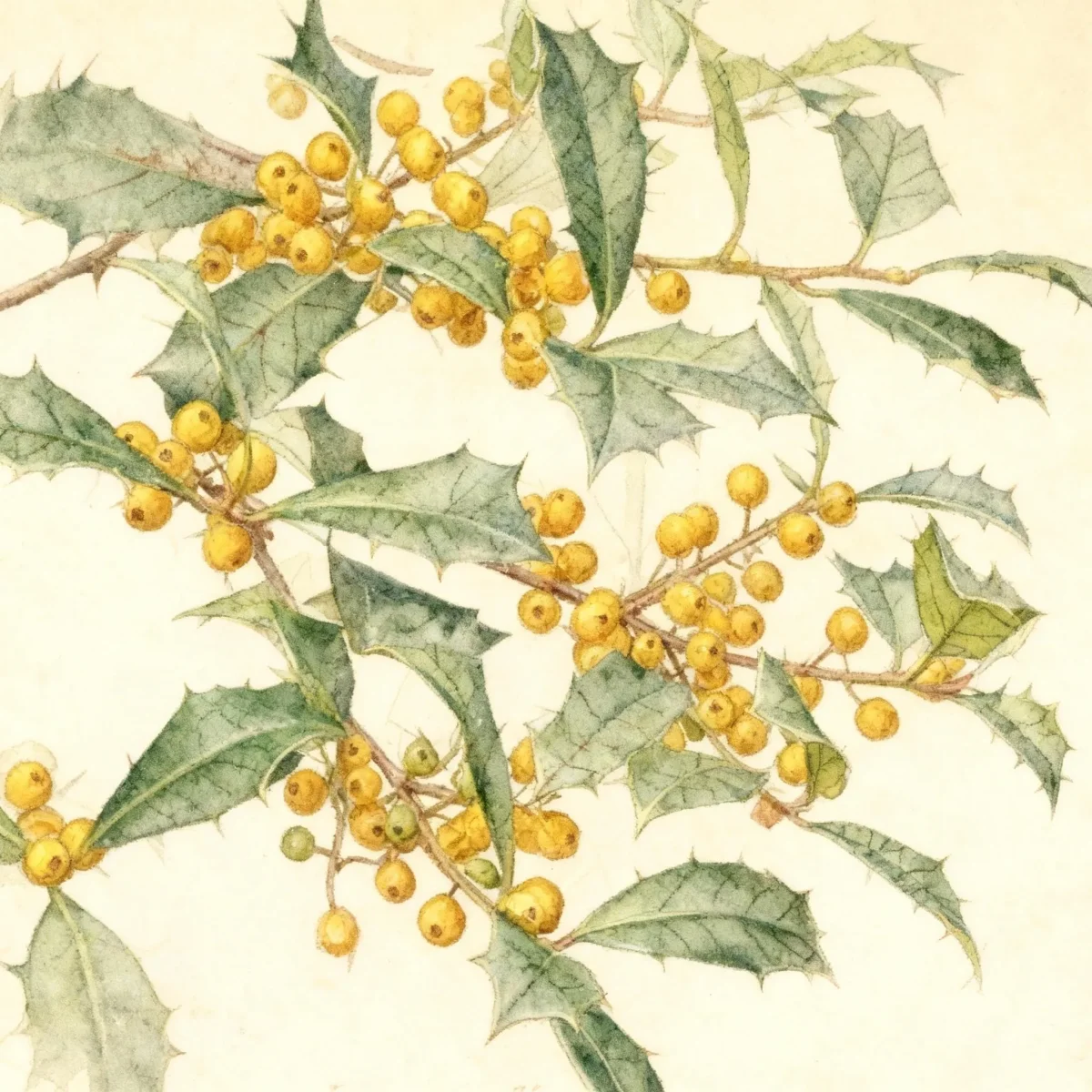
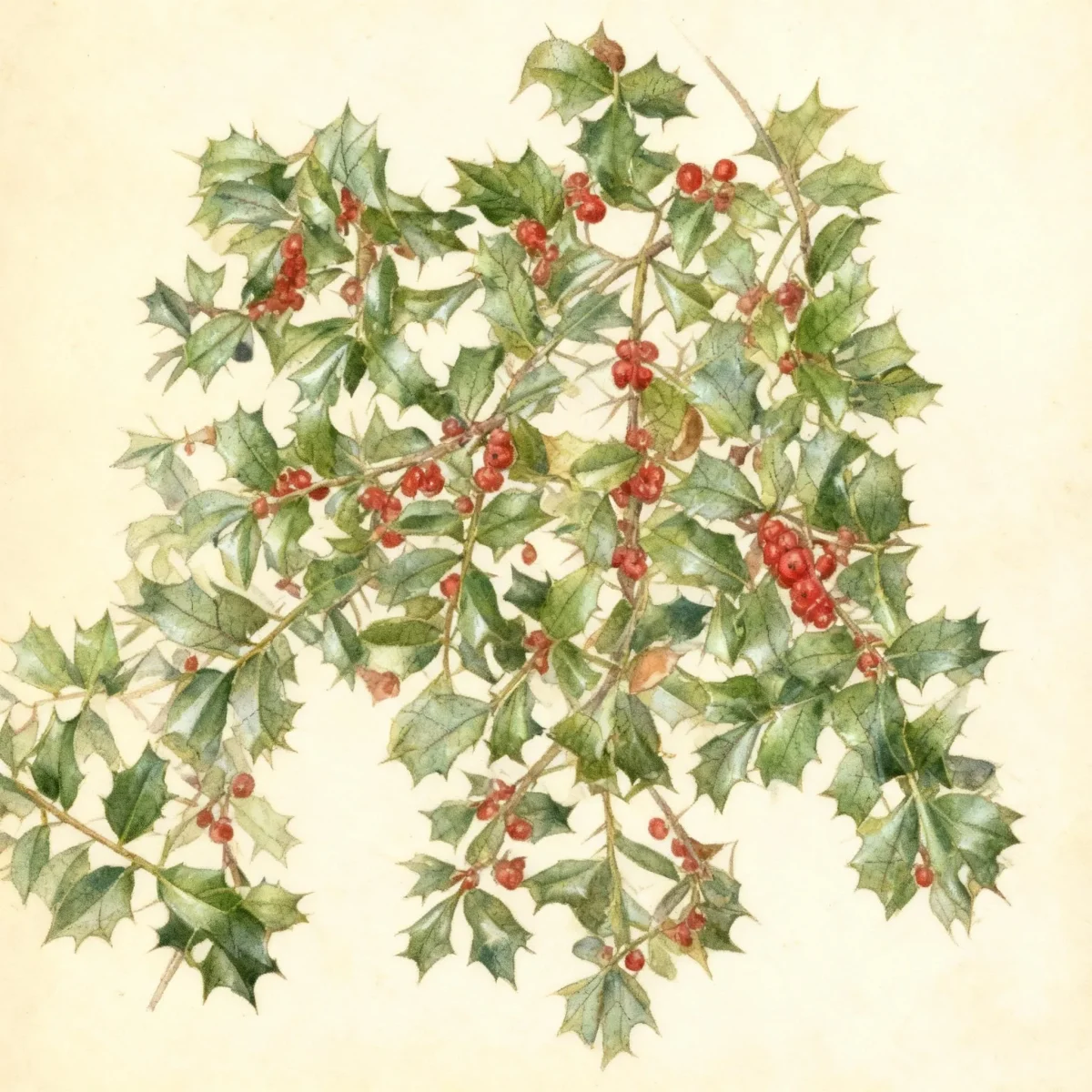
As a female cultivar, Ilex opaca ‘McDonald’ is highly valued when planted near a male pollinator, becoming noted for its abundant crop of bright red berries. These fruits persist through the winter months, providing essential visual interest and a good food source for local birds. Cultivating American holly successfully means providing acidic, moist, and well-drained soil conditions.
This low-maintenance variety of American holly fits perfectly into foundation plantings or as a solitary specimen, offering the classic look of Christmas holly in regions USDA Zones 5 through 9. Its tolerance for clay soil and air pollution makes the Ilex opaca ‘McDonald’ a tough yet elegant addition to many challenging urban and suburban sites.
Fast Facts
- Plant Family: Aquifoliaceae
- Plant Type: Broadleaf evergreen
- Hardiness Zones: USDA Zones 5-9
- Size at Maturity:
- Height: 15-30 ft
- Spread: 10-20 ft
- Bloom Time: May to June
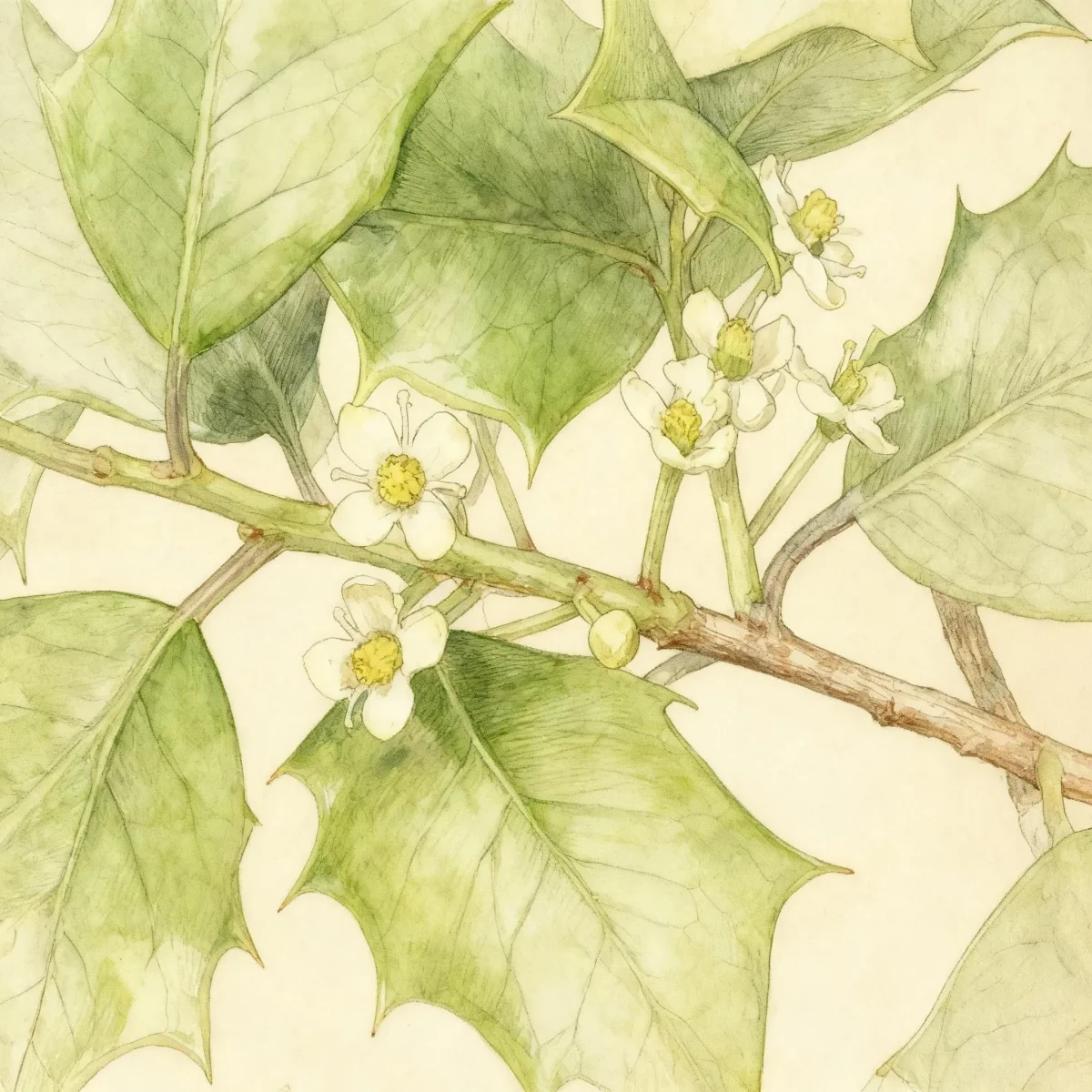
- Bloom Description: Creamy-white
- Sun Exposure: Full sun to part shade
- Water Needs: Medium
- Maintenance Level: Low
How to Grow
For best establishment, plant Ilex opaca ‘McDonald’ during the cooler seasons—fall or early spring—to allow the root system to settle before summer heat arrives. Site this American holly in average, consistently moist, acidic, well-drained soils. It is crucial to avoid poorly drained areas, as this tree cannot tolerate saturated soils or flooding.
Watering is vital, especially during the establishment period, matching its medium water needs. Once established, regular moisture is preferred. Be aware that the leaves of this American holly will yellow (chlorosis) if the soil pH is too high or alkaline. Protection from harsh, cold winter winds is also recommended to prevent leaf scorch.
Maintenance for Ilex opaca ‘McDonald’ is generally low, though pruning can be employed to maintain a desired shape or size, focusing on removing damaged or crossing branches. In hotter climates, ensure the tree receives part afternoon shade to prevent undue stress during the hottest part of the day. Foliage density will thin noticeably if the tree is placed in too much shade.
Landscape Uses
The dense, conical habit of the ‘McDonald’ American holly makes it an indispensable evergreen for formal and informal designs alike. It excels as a prominent specimen plant, drawing the eye with its dark green foliage contrast against snow or bare winter branches. Furthermore, its use as a sturdy, dense hedge is popular, offering excellent screening and property definition year-round.
In woodland garden settings, often mirroring its native habitat, this variety provides height and structure. Cuttings from this type of American holly are highly sought after for creating robust Christmas wreaths and holiday decorations, leveraging its reliable berry display when properly pollinated. Consider pairing it with deciduous shrubs that offer brilliant fall color to enhance the winter interest provided by the Ilex opaca ‘McDonald’.
Standout Features
Flower Qualities
- Insignificant
Fruit Qualities
- Showy
Noteworthy Characteristics
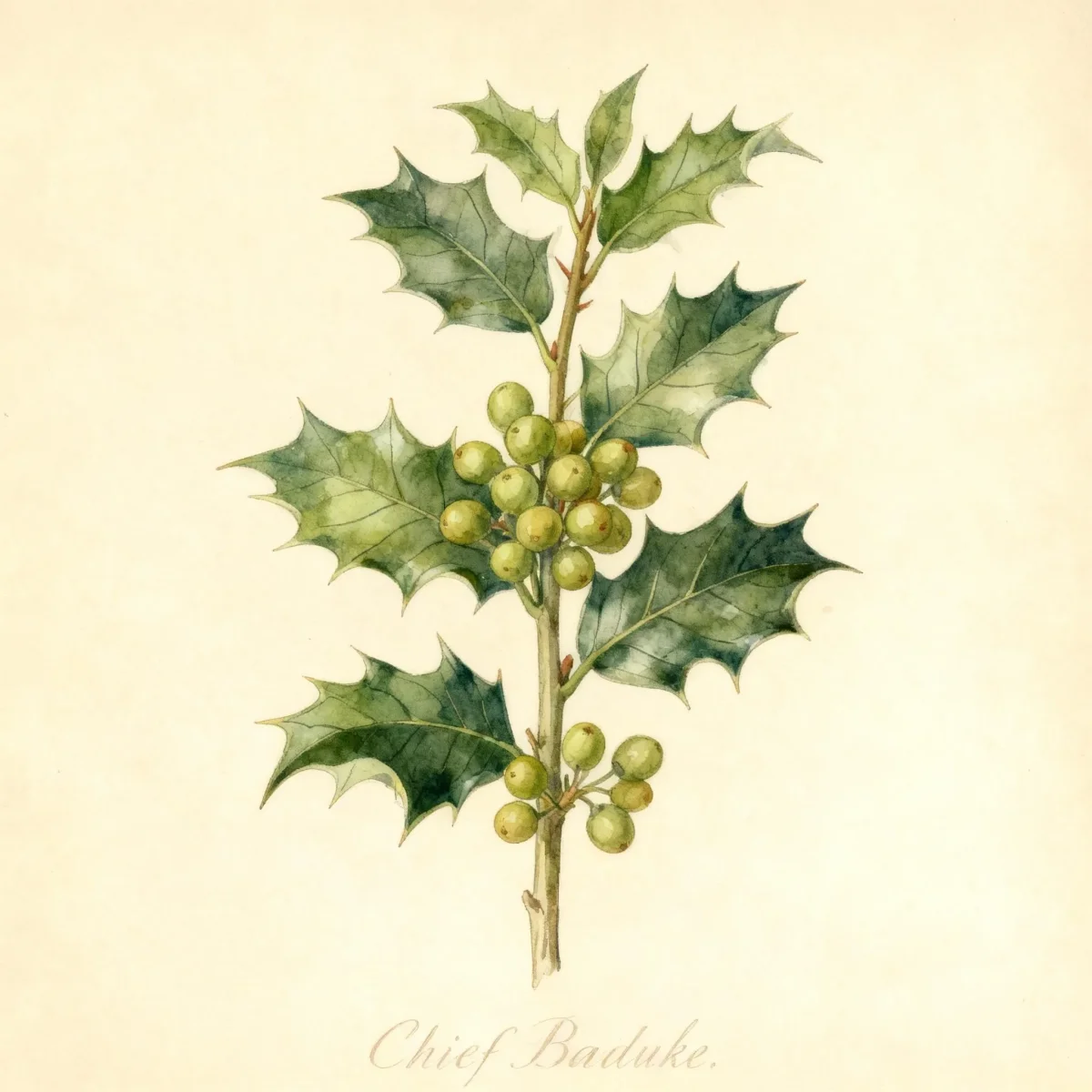
Ilex opaca, commonly called American holly, is an upright, pyramidal, evergreen tree that slowly matures to 15-30’ in cultivation, but may reach 50’ tall in the wild. It is native to the eastern and central U.S., most frequently found in moist woods, forest bottomlands and swamp peripheries plus some coastal dunes (e.G., Cape Cod down the Atlantic Coast) from Massachusetts to West Virginia to Ohio to southeastern Missouri south to Texas and Florida. This species is easily identified because it is the only native U.S. Holly with spiny green leaves and bright red berries. This is the Christmas holly whose berry-laden boughs are typically collected at Christmas time each year for ornamentation (“decking the halls” as it were). Thick, leathery, deep green leaves (2-4” long) have spiny marginal teeth. Species is dioecious (male and female flowers are on separate trees). Greenish-white flowers bloom May-June (male flowers in 3-12 flowered clusters and female flowers solitary or in 2s or 3s). Bright red or orange fruits (drupes to 1/4- 1/2” diameter) ripen in fall on pollinated female trees, and persist on the tree through winter. Birds love the fruit.Genus name comes from the Latin name Quercus ilex for holm oak in reference to the foliage similarities (holm oak and many of the shrubs in the genus Ilex have evergreen leaves).Specific epithet means opaque or dull, in reference to the non-lustrous leaf surfaces of species plants (many of the cultivars have more lustrous foliage).‘McDonald’ is a dense conical-pyramidal evergreen holly tree with a strong central leader. It typically matures to 15-30’ tall. It is a female cultivar which, when pollinated, is noted for its abundant crop of conical berries (drupes) which typically persist throughout winter. New leaves emerge bright green, but mature to dark green.
Tolerances
- Deer
- Clay Soil
- Air Pollution
Potential Problems
Potential insect issues requiring vigilance include scale insects, whitefly, spider mites, and holly leaf miner activity. Watch for these pests, especially on established foliage, and treat promptly to maintain foliage health. Fungal diseases such as tar spot, powdery mildew, leaf spot, and leaf rot can appear, particularly in humid or overcrowded conditions.
Disease prevention involves ensuring good air circulation around the Ilex opaca ‘McDonald’ and avoiding overhead watering when possible. Furthermore, cultural stress can lead to susceptibility; watch for leaf scorch in exposed sites or chlorosis if planting in alkaline soils, which requires soil amendment to correct the high pH.
Frequently Asked Questions
What hardiness zones is American holly suitable for?
This adaptable American holly variety performs best in USDA Hardiness Zones 5 through 9.
How large does Ilex opaca ‘McDonald’ grow?
This cultivar typically reaches a height between 15 and 30 feet, with a spread ranging from 10 to 20 feet, maintaining a dense, conical habit.
What sun exposure does American holly need?
Ilex opaca ‘McDonald’ thrives best when sited in locations receiving full sun to partial shade.
When does Ilex opaca ‘McDonald’ bloom?
The creamy-white, inconspicuous flowers appear reliably from May into June.
Conclusion
The Ilex opaca ‘McDonald’ serves as a foundational evergreen, providing consistent, dense greenery and spectacular berry display critical for winter interest in the garden. This specific cultivar of American holly maintains a strong form with low maintenance requirements once properly sited in acidic, well-drained soil. Before planting, always confirm your local USDA zone compatibility to ensure many years of vibrant winter performance from your new American holly.
Companion Planting
Choosing appropriate neighbors can greatly enhance the health and appeal of your Ilex opaca ‘McDonald’. Because this holly prefers acidic soil and medium moisture, look for companions that share these preferences, such as Rhododendrons, Azaleas, and Camellias, especially if planted in the partial shade zone. These broadleaf evergreens will create a lush, rich understory effect beneath the mature height of the American holly.
For textural contrast near foundation plantings, consider pairing the fine texture of Japanese Forest Grass (Hakonechloa macra) or the large leaves of Hosta varieties that tolerate morning sun. Avoid shallow-rooted, high-pH-loving plants near your holly setup, as maintaining the required acidic soil profile for the Ilex opaca ‘McDonald’ will be difficult otherwise.
Wildlife Benefits
The persistent, colorful fruits of the pollinated female Ilex opaca ‘McDonald’ are a crucial late-season and winter food source for many bird species. Planting this tree deliberately contributes to local ecology when food sources become scarce after the first hard frosts. Songbirds, including robins and cedar waxwings, readily consume the bright red drupes.
Beyond the berries, the dense, dark green canopy of the American holly offers excellent year-round refuge and nesting cover. In addition to being deer tolerant, the thick foliage provides a safe thermal anchor during cold winter months, making it a valuable asset for supporting local avian populations throughout the year in Zones 5-9.