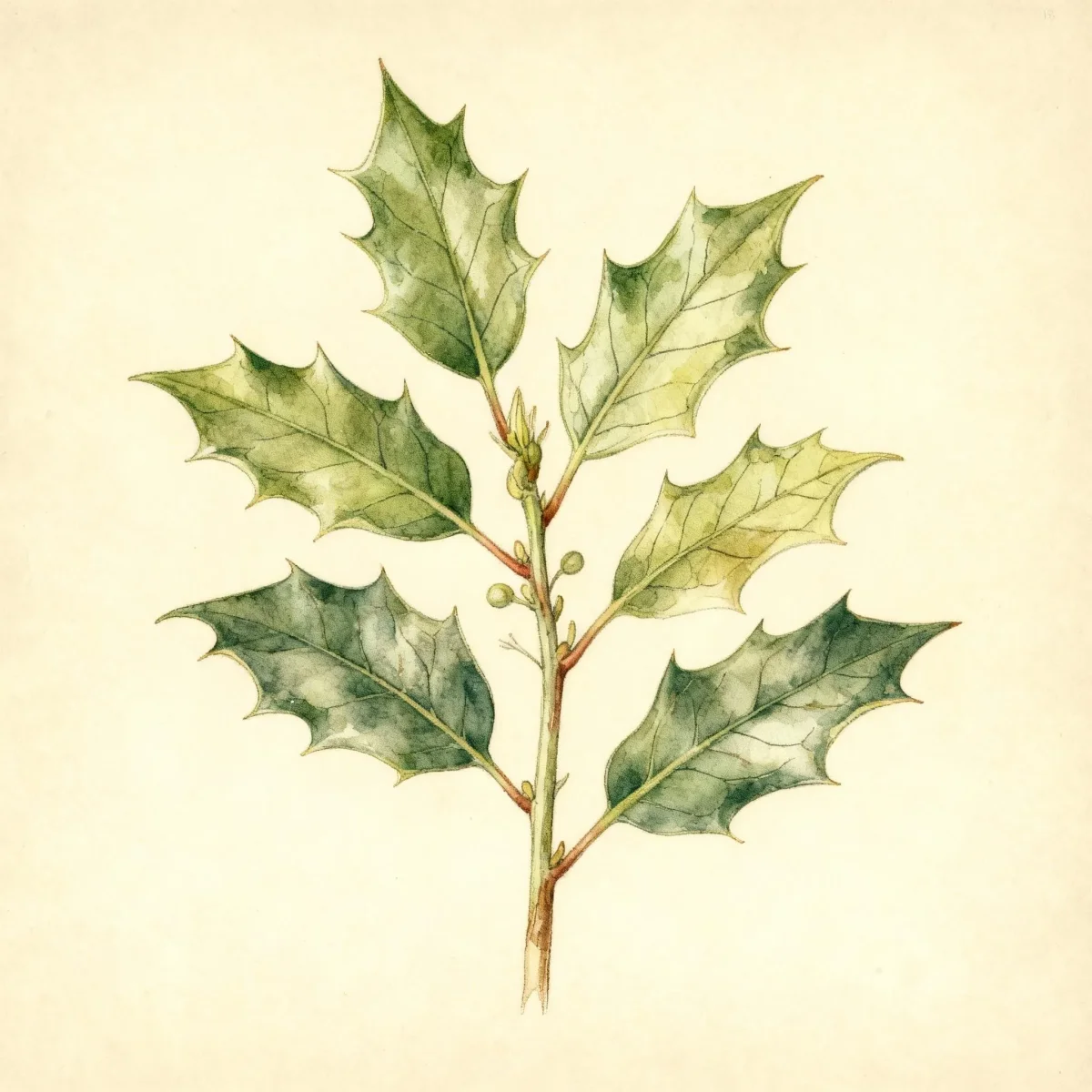
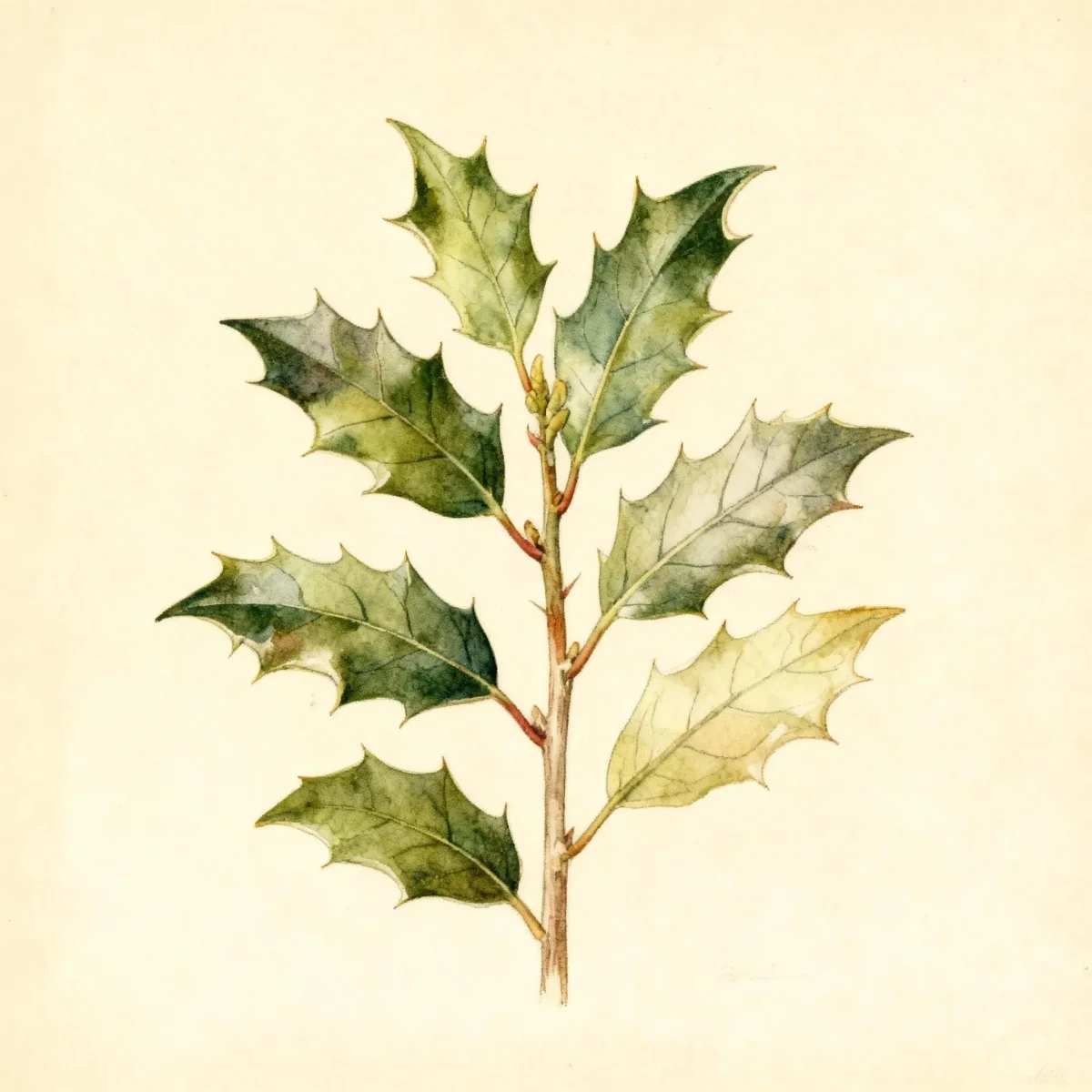
American holly (Ilex opaca 'Miss Helen')
Ilex opaca 'Miss Helen' is a dense, pyramidal American holly offering year-round olive green foliage and abundant red berries.
Scroll down to discover growing tips, care requirements, companion plants, and more
Complete Plant Information
Overview
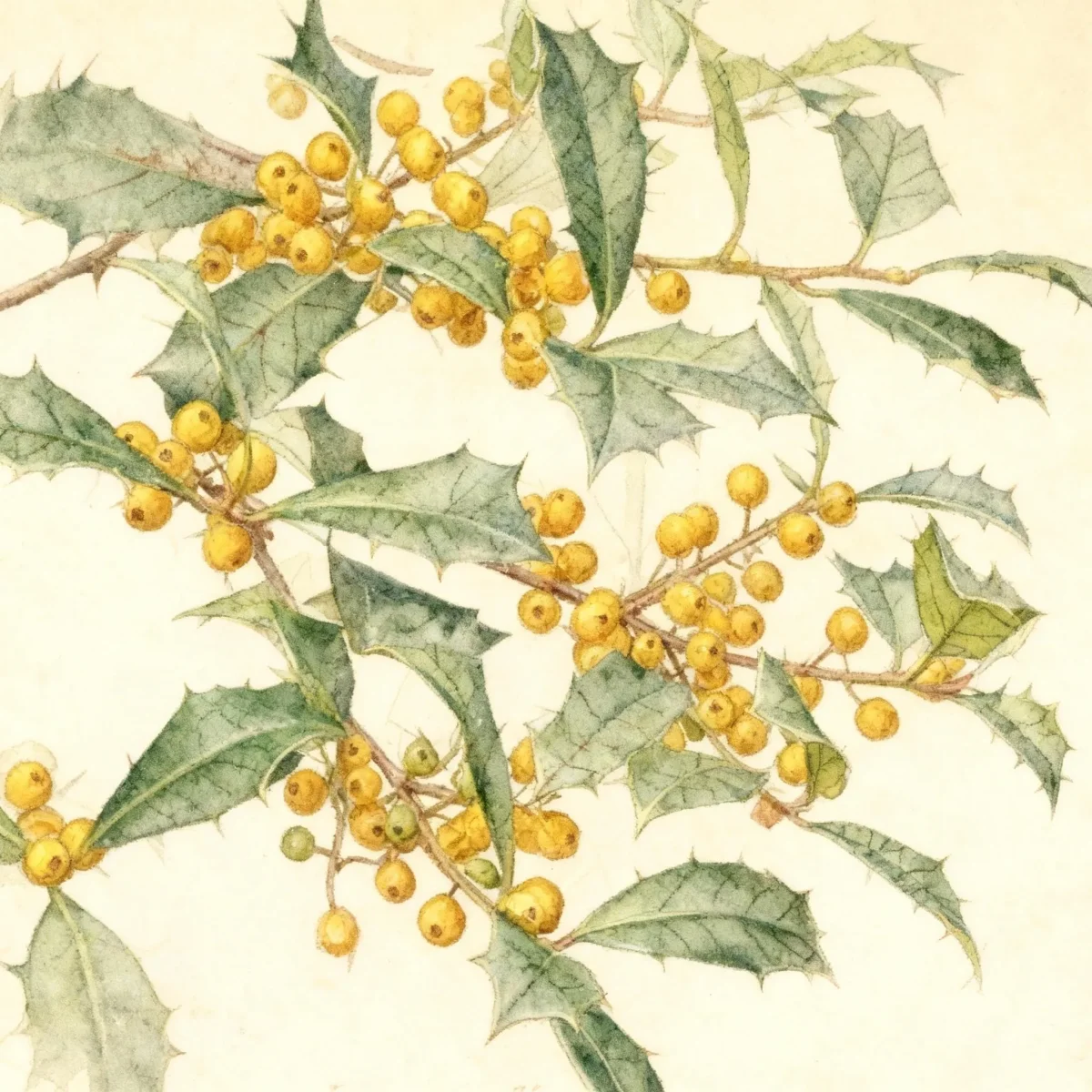
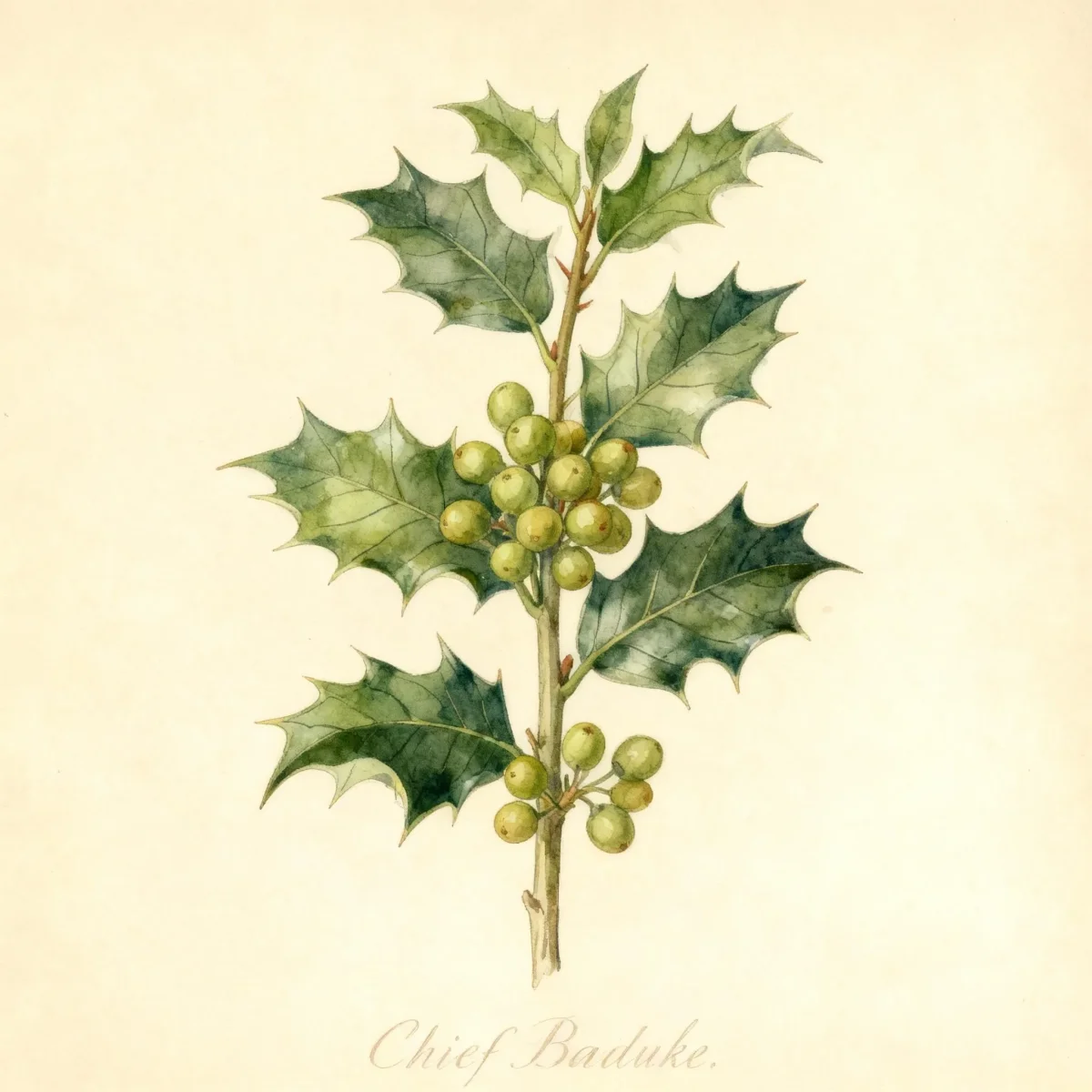
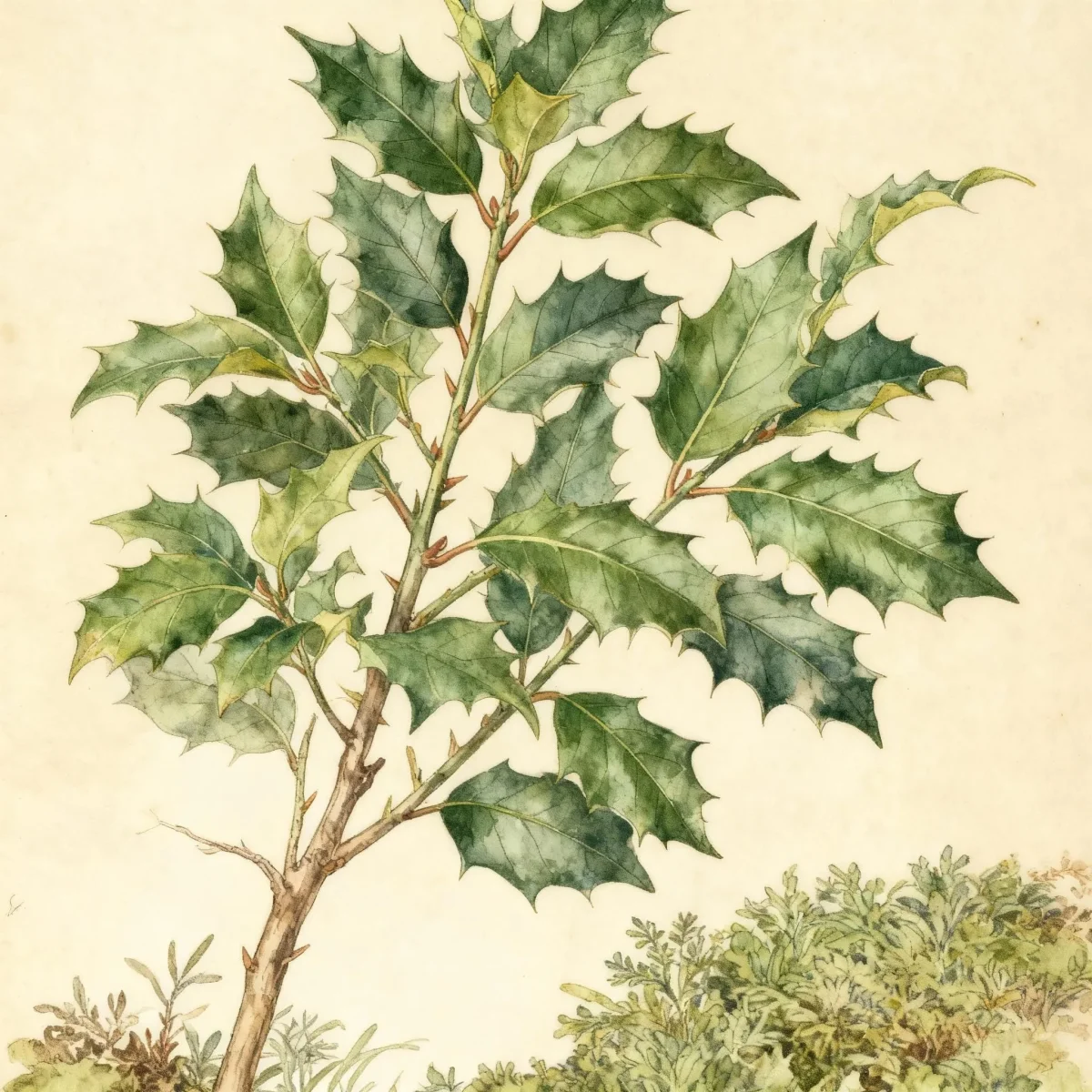
The Ilex opaca ‘Miss Helen’ cultivar is highly valued for providing dense, year-round structure and excellent winter interest to the landscape. This broadleaf evergreen reliably delivers attractive olive green foliage contrasted by a heavy set of scarlet berries in the fall if properly pollinated. As a cultivar of the native American holly, ‘Miss Helen’ maintains the classic pyramidal form, making it an essential structural element.
Culturally, this American holly thrives in slightly acidic, well-drained environments. While it is an adaptable, low-maintenance plant once established, successful fruiting requires placing a male pollinator nearby. Gardeners appreciate Ilex opaca ‘Miss Helen’ for its dependable texture and color, which brightens the winter scene significantly.
Slow-growing yet ultimately substantial, this variety offers excellent screening potential or can serve as a formal specimen. Its tolerance for various conditions, including air pollution, increases its utility in diverse urban and suburban settings.
Fast Facts
- Plant Family: Aquifoliaceae
- Plant Type: Broadleaf evergreen
- Hardiness Zones: USDA Zones 5-9
- Size at Maturity:
- Height: 15-25 ft
- Spread: 10-18 ft
- Bloom Time: May to June
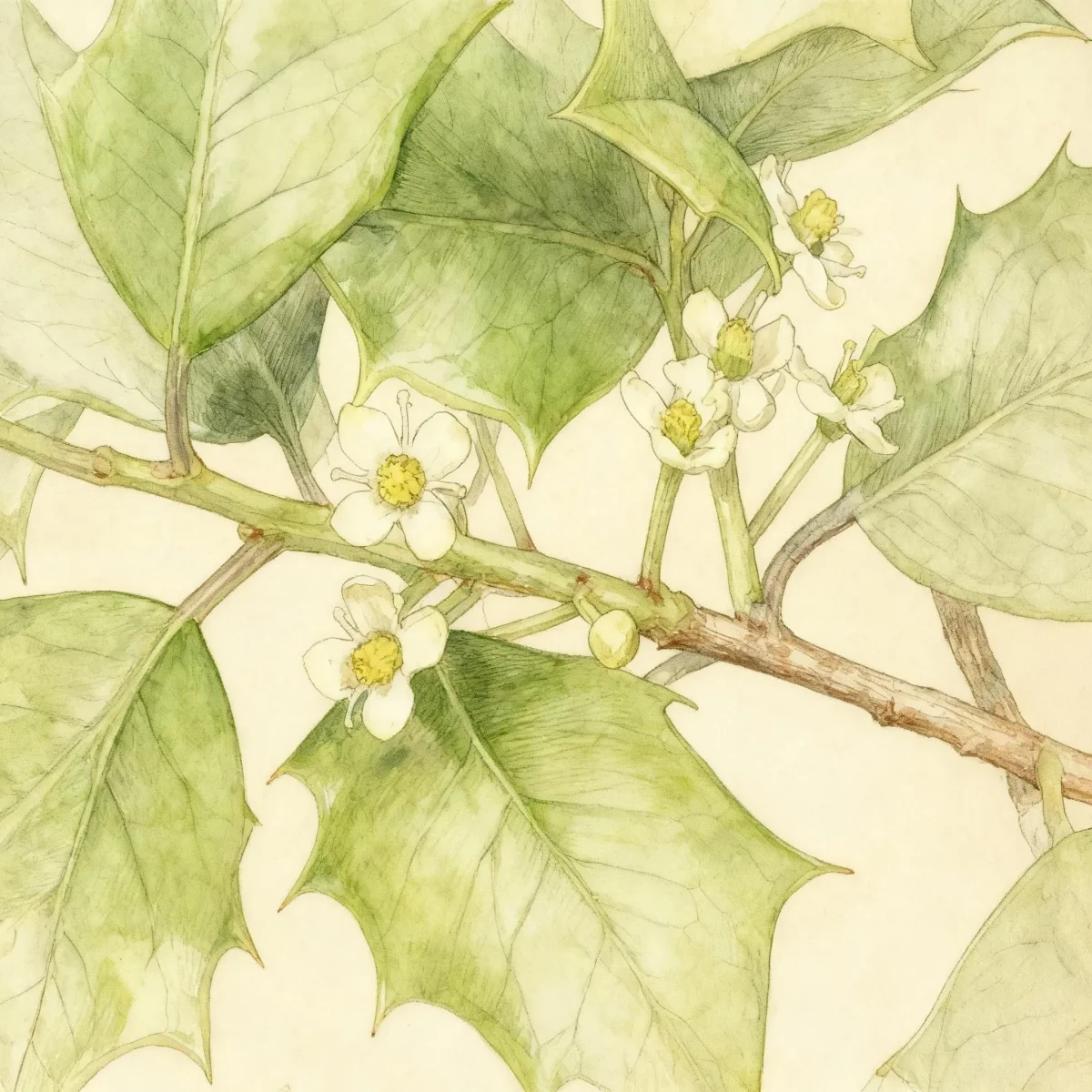
- Bloom Description: Greenish-white
- Sun Exposure: Full sun to part shade
- Water Needs: Medium
- Maintenance Level: Low
How to Grow
Planting Ilex opaca ‘Miss Helen’ is best done in spring or early fall to allow roots to establish before extreme weather hits. Ensure the location offers consistently moist, acidic, and well-drained soil; avoid areas prone to flooding or saturation, as this plant strictly rejects poorly drained sites. While it tolerates a broad range of soil conditions, note that leaves tend to yellow (chlorosis) if planted in highly alkaline soils.
Provide medium watering, especially during the first few years after planting, keeping the soil evenly moist but not soggy. Due to its dense nature, plant in full sun for best density, though afternoon shade is beneficial in very hot climates. It is crucial to site the American holly where it is protected from harsh, cold winter winds, which can cause leaf scorch.
Maintenance for Ilex opaca ‘Miss Helen’ is generally low. Pruning is rarely necessary outside of shaping or removing damaged wood. Since this is a female selection, a nearby male holly (preferably within 100 feet) is mandatory for achieving the abundant red berries this cultivar is known for.
Landscape Uses
The year-round structure provided by American holly makes Ilex opaca ‘Miss Helen’ exceptionally versatile in landscape design. Use it as a formal specimen to anchor a corner of the yard or plant in groups for an imposing, formal border or tall hedge. Its dark, spiny foliage provides a powerful backdrop for lighter-colored perennials or flowering shrubs.
Foliage cuttings from this evergreen are highly sought after for holiday decorations, making it a living source for Christmas wreaths and swags. Furthermore, the persistent bright red berries offer significant winter interest and serve as a vital food source for local bird populations throughout the colder months. Planting near woodland settings or as a foundational screen near structures leverages its upright habit effectively.
Standout Features
Flower Qualities
- Showy
Noteworthy Characteristics
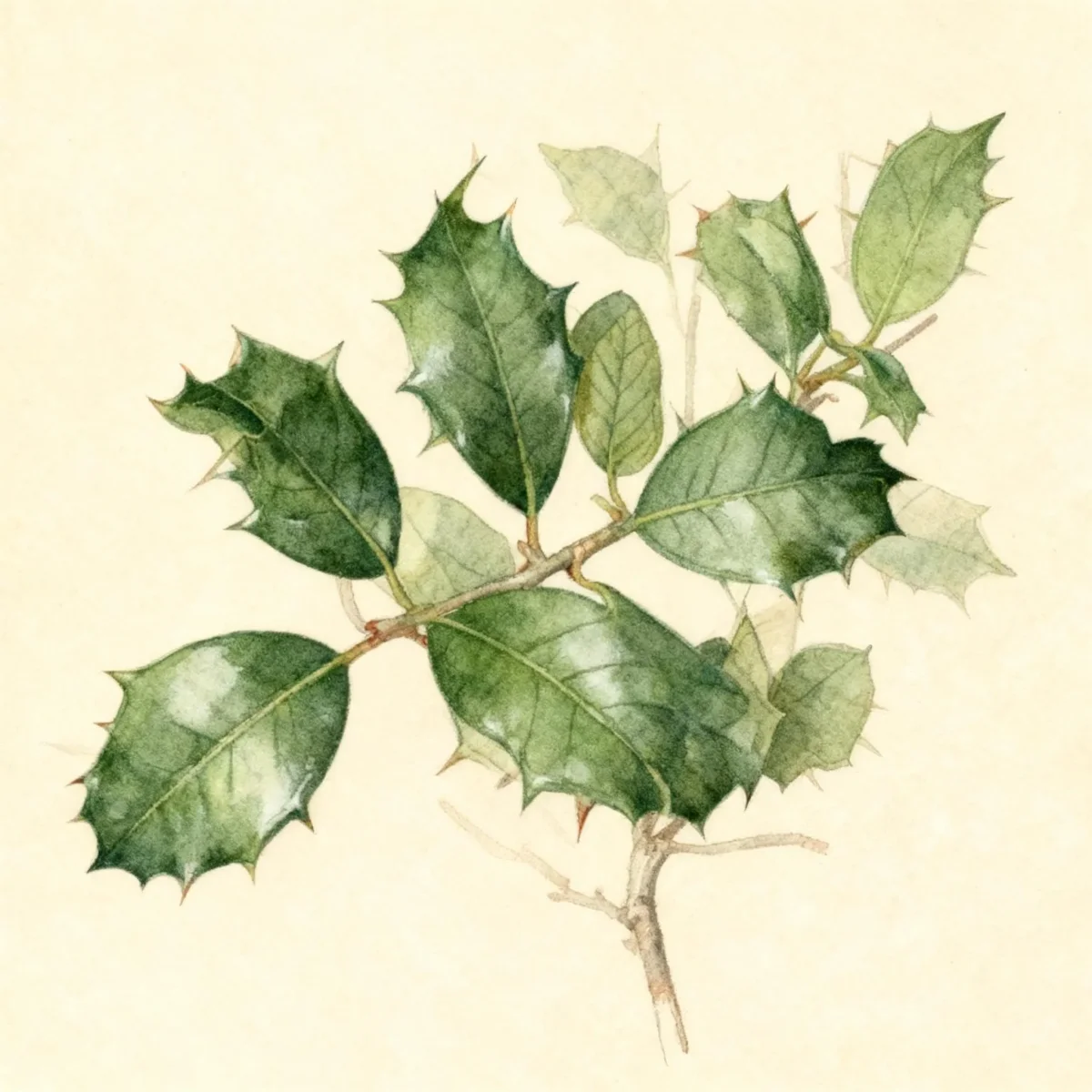
The native American holly species, Ilex opaca, is uniquely identifiable by its spiny, leathery, dark green leaves and bright red winter fruit. The ‘Miss Helen’ cultivar, discovered in Maryland in 1936, is recognized as a dense, conical female tree noted for its attractive year-round olive green leaves and setting abundant fruit. As a dioecious species, the presence of a male pollinator is necessary for this female tree to develop its classic red berries.
Tolerances
- Deer
- Clay Soil
- Air Pollution
Potential Problems
Potential insect issues for this American holly include scale insects, whitefly infestations, spider mites, and the holly leaf miner. Management of these pests often involves horticultural oils or targeted insecticides applied when pests are identified.
Disease potential includes common fungal issues like leaf spot, tar spot, and powdery mildew, often encouraged by poor air circulation or overly wet conditions. Ensure adequate spacing around the plant to promote air flow. Cultural problems like leaf scorch or chlorosis (leaf yellowing) are usually tied directly to environmental stress, particularly exposure to drying winter winds or planting in overly alkaline soils.
Frequently Asked Questions
What hardiness zones is American holly (Ilex opaca ‘Miss Helen’) suitable for?
Ilex opaca ‘Miss Helen’ is hardy and adaptable across USDA Zones 5 through 9.
How large does American holly (Ilex opaca ‘Miss Helen’) grow?
This cultivar matures to a height ranging between 15 to 25 feet, with a spread usually spanning 10 to 18 feet wide.
What sun exposure does Ilex opaca ‘Miss Helen’ need?
This evergreen performs best when situated in full sun to partial shade conditions.
When does American holly (Ilex opaca ‘Miss Helen’) bloom?
The greenish-white flowers appear on the American holly between May and June.
Conclusion
The Ilex opaca ‘Miss Helen’ offers fantastic value as a structural, low-maintenance evergreen specimen that guarantees winter color through its dense habit and vibrant red fruits. Ensure you have the proper acidic soil preparation and a nearby male pollinator to maximize the ornamental benefits of this American holly cultivar. Before planting, confirm that USDA Zones 5-9 cover your region for optimum success.
Wildlife Benefits
As a key native species, the American holly provides significant support to local wildlife, particularly during the dormant winter months. The bright red fruits persist well into the cold season, making them an invaluable, high-energy food source when fewer natural options are available. Birds readily consume the drupes, aiding in seed dispersal across the landscape.
The dense, evergreen foliage of Ilex opaca ‘Miss Helen’ offers exceptional protective cover. Its thick branches and spiny leaves provide safe, sheltered nesting sites and year-round refuge from predators and harsh weather for various small songbirds and other wildlife.
Design Ideas
The strong, upright, pyramidal shape of ‘Miss Helen’ lends itself perfectly to formal garden designs where symmetry and vertical accent are desired. Use singular specimens to frame entryways or line long driveways for strong visual impact. For a more layered, woodland effect, mix the American holly with later-flowering deciduous specimen trees that will allow the holly’s winter structure to remain the focal point.
Because it tolerates clay soil and air pollution well, consider using this cultivar near property lines or where street trees are required. Its dark green backdrop enhances the color of nearby spring-flowering bulbs or deciduous shrubs that have striking winter bark, such as Dogwoods.