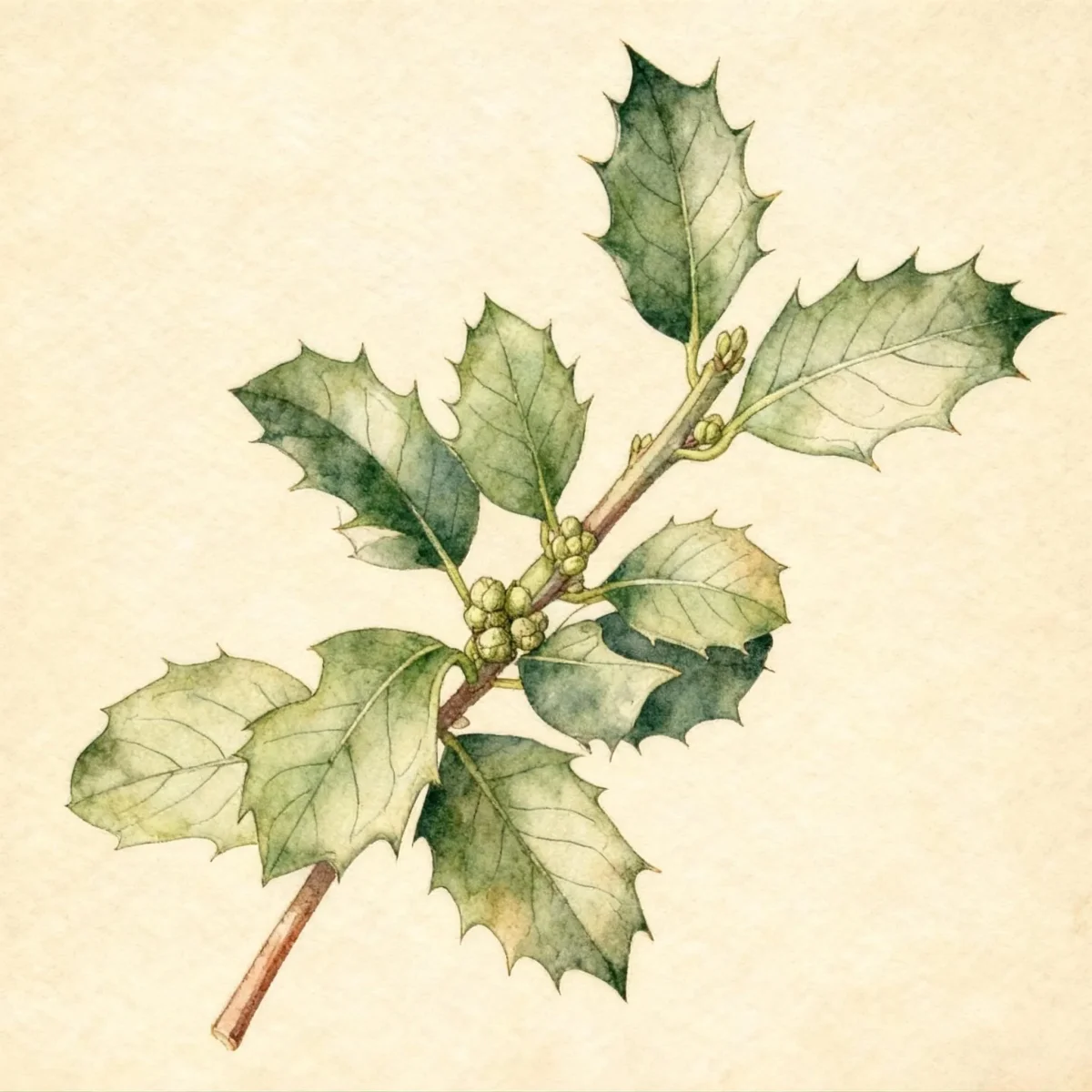
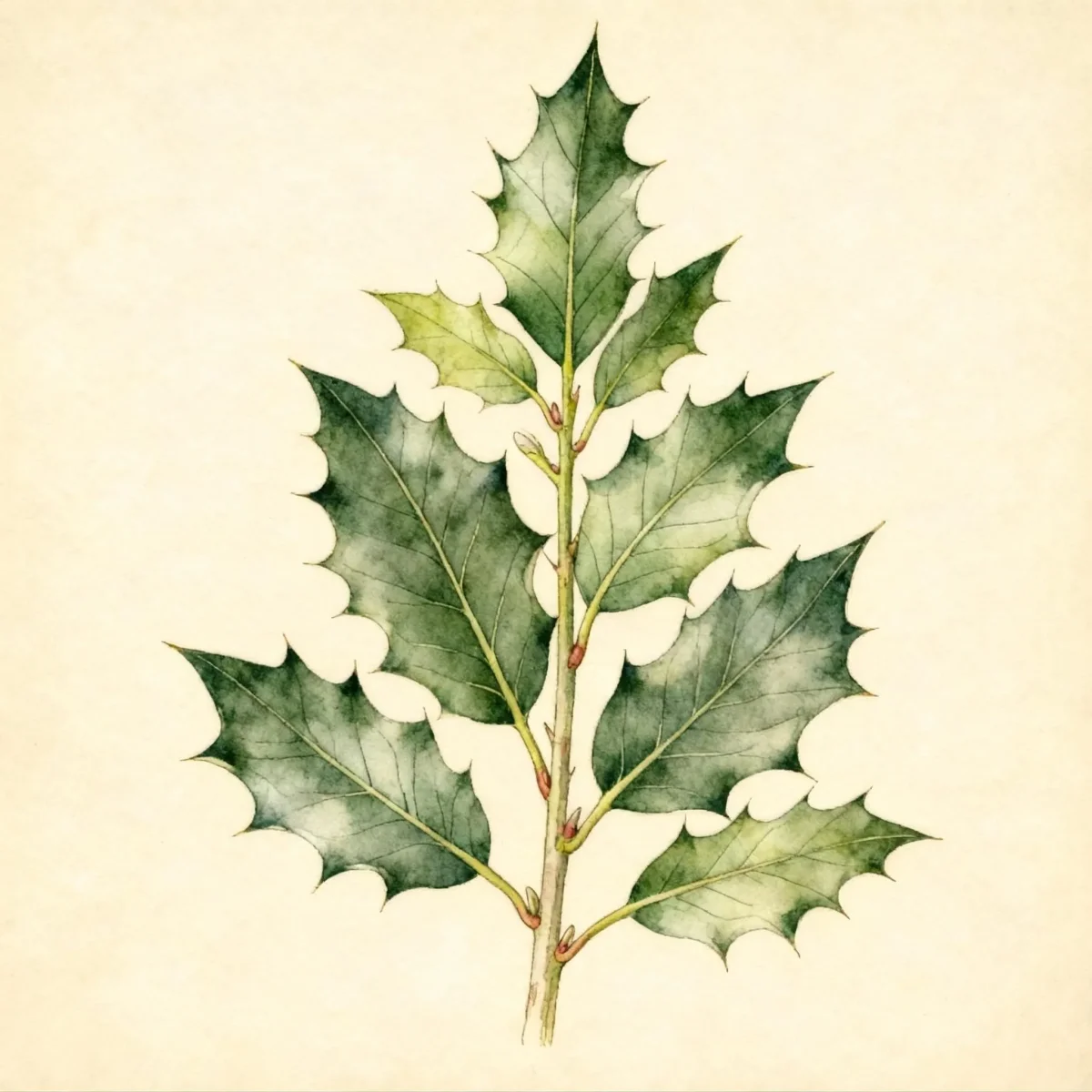
Holly (Ilex opaca 'Waysides Christmas Tree')
Ilex opaca 'Waysides Christmas Tree' is a pyramidal evergreen Holly valued for dense foliage and abundant red winter berries. Hardy in zones 5-9.
Scroll down to discover growing tips, care requirements, companion plants, and more
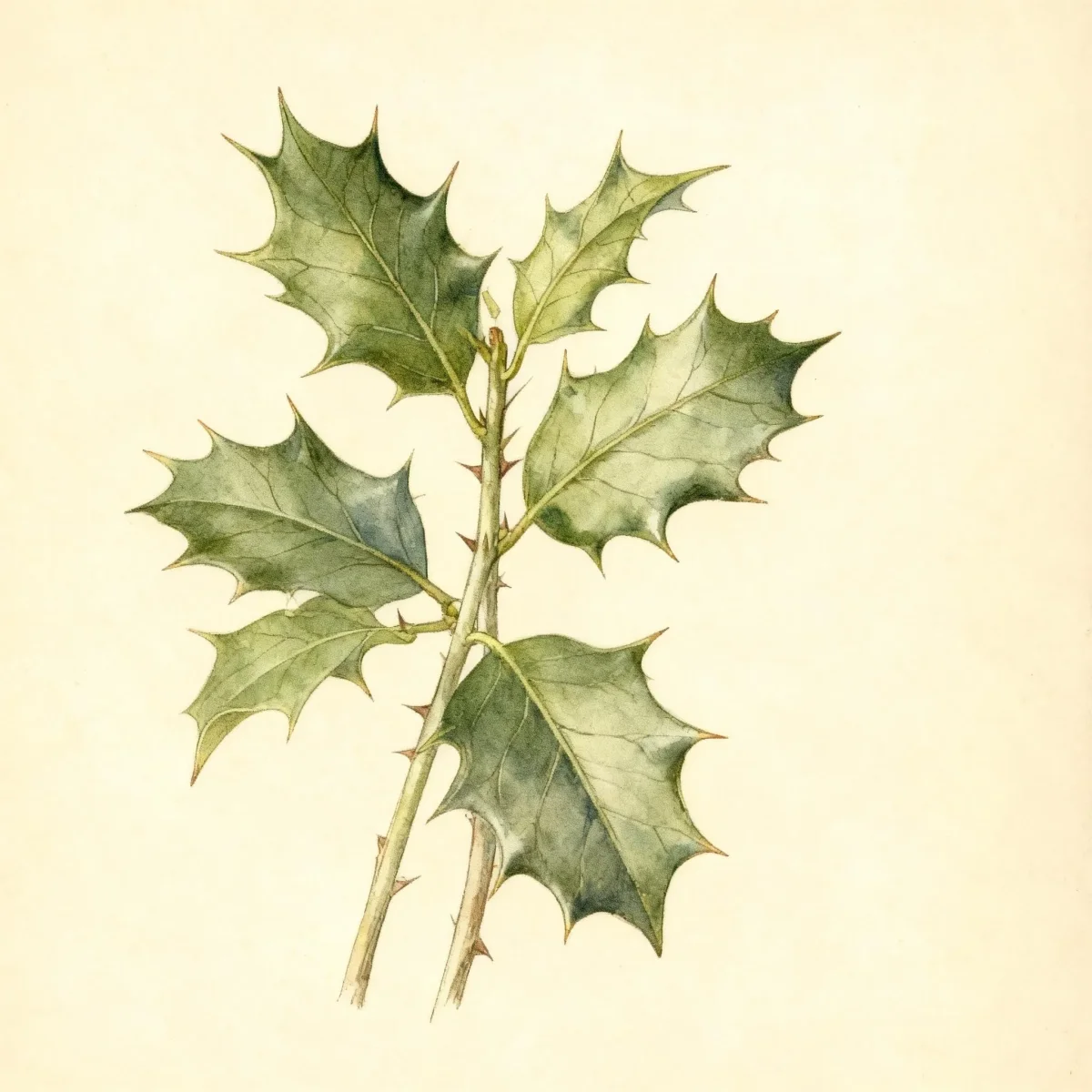
Complete Plant Information
Overview
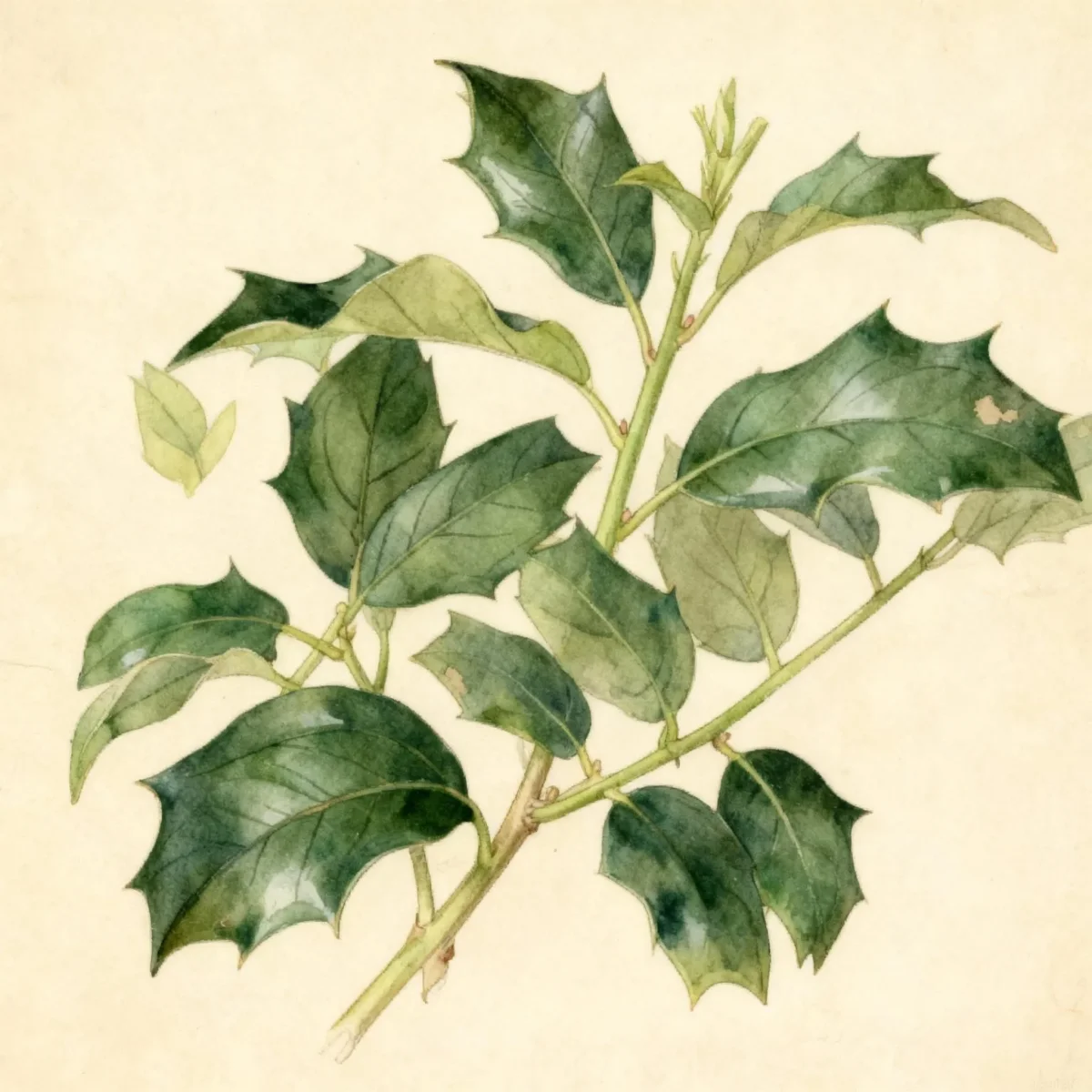
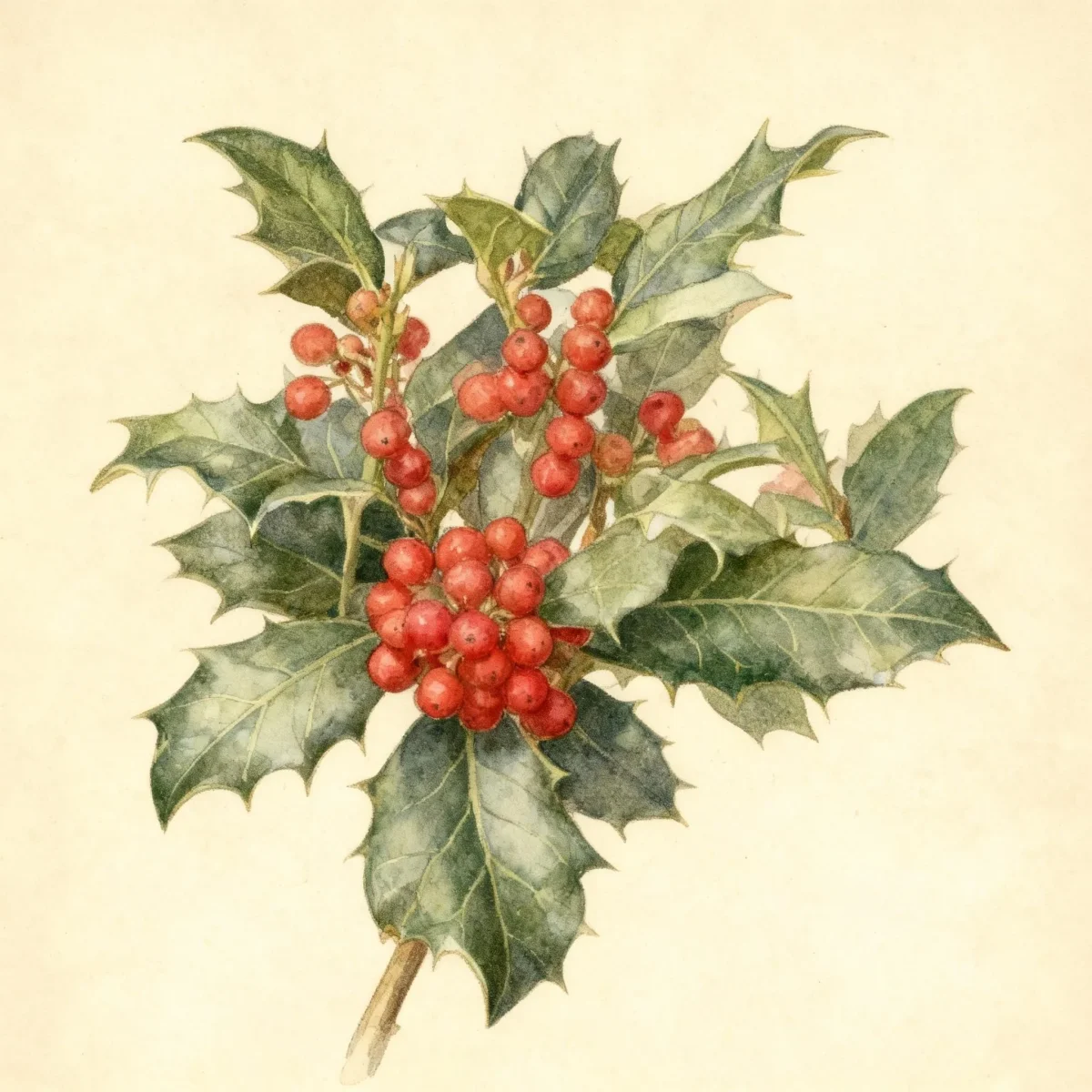
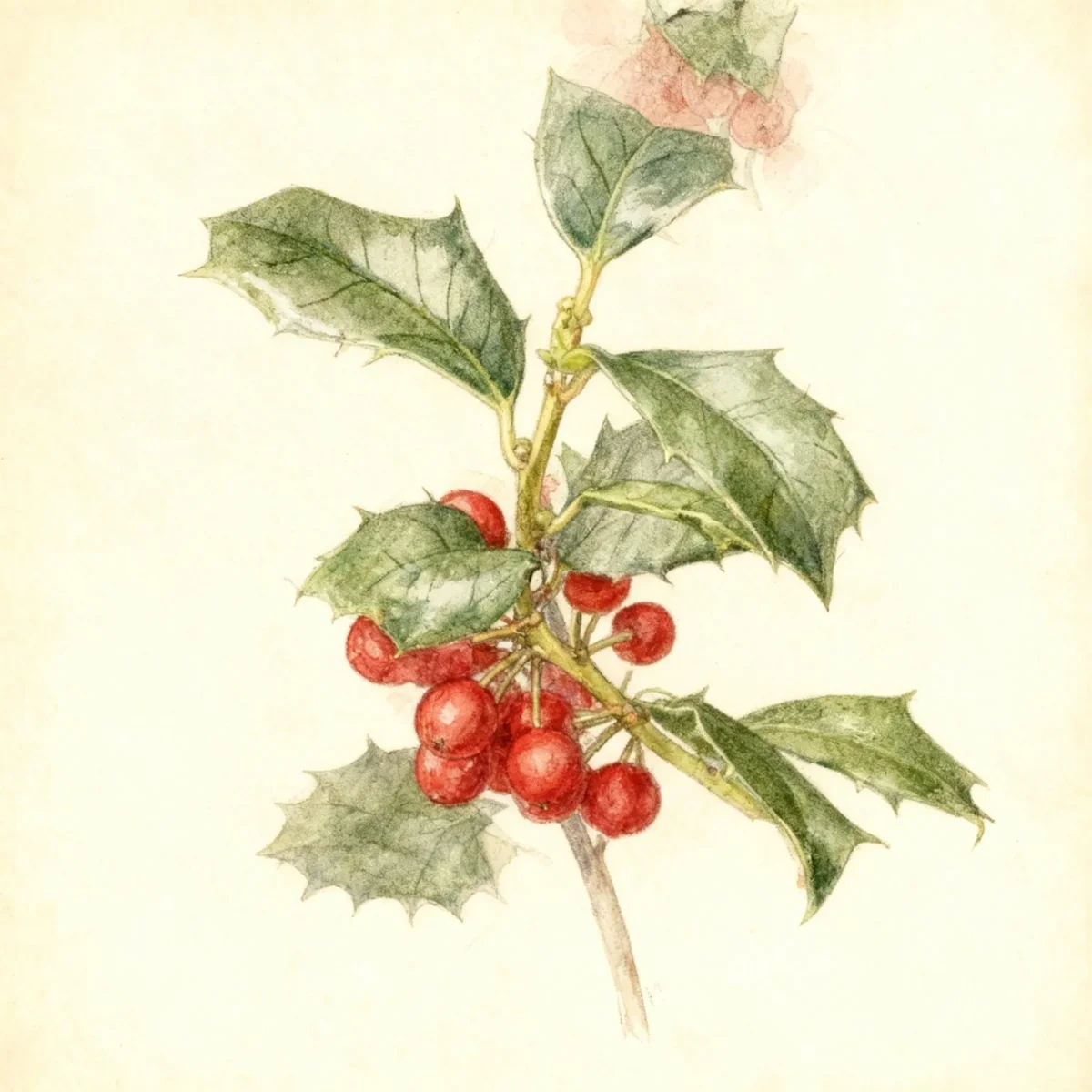
The Ilex opaca ‘Waysides Christmas Tree’ is an outstanding selection of American Holly, prized for maintaining a dense, appealing pyramidal form through maturity. This broadleaf evergreen provides essential deep green contrast in the winter landscape, making it a superior choice for year-round structure. As a female cultivar of Holly, its primary appeal lies in the profuse clusters of bright red berries that persist through the cold months, provided a nearby male pollinator is present.
This particular cultivar matures reliably into a formal, upright shape, reaching heights between 15 and 25 feet, suitable for both stately specimen planting and functional screening. Gardeners value the relatively low maintenance associated with the American Holly species, as it handles various conditions once established, cementing its role as a classic, resilient landscape staple.
Whether serving as a foundational element or providing cuttings for traditional holiday decorations, the Ilex opaca ‘Waysides Christmas Tree’ delivers reliable evergreen presence and essential wildlife appeal throughout the year.
Fast Facts
- Plant Family: Aquifoliaceae
- Plant Type: Broadleaf evergreen
- Hardiness Zones: USDA Zones 5-9
- Size at Maturity:
- Height: 15-25 ft
- Spread: 10-18 ft
- Bloom Time: May to June
- Bloom Description: Greenish-white
- Sun Exposure: Full sun to part shade
- Water Needs: Medium
- Maintenance Level: Low
How to Grow
Planting the Ilex opaca ‘Waysides Christmas Tree’ is best done in spring or early fall to allow root establishment before temperature extremes. Choose a location offering full sun exposure, though partial afternoon shade is beneficial in hotter climates to prevent leaf scorch. This Holly thrives best in average, consistently moist, acidic, and well-drained soils.
Ensure the soil drainage is excellent, as this variety absolutely will not tolerate flooding or saturated conditions. Since leaves yellow readily in high pH soils, amend alkaline soils heavily to maintain the required acidity for healthy, dense foliage. Protect specimen Holly trees from harsh, cold winter winds, which can cause significant leaf damage.
Watering should be consistent, especially for younger plants, to maintain medium soil moisture levels without waterlogging. Maintenance is generally low once established; however, prune only when necessary, as heavy pruning can affect the shape. Be aware that planting this magnificent Ilex opaca ‘Waysides Christmas Tree’ in locations receiving too much shade will result in loss of foliage density.
Landscape Uses
The reliable structure and winter color provided by the Ilex opaca ‘Waysides Christmas Tree’ make it highly adaptable in landscape design. Its upright, pyramidal habit lends itself perfectly to specimen planting where year-round interest is required, or it can serve effectively as formal foundation planting near structures. As a hedge material, this Holly creates a dense, impenetrable screen that offers excellent privacy and wind buffering.
Beyond structure, the rich evergreen foliage and bright berries offer fantastic color accents. Cuttings from this classic Christmas Holly are highly sought after for enhancing seasonal wreaths and decorations. Plant it where its berries can be enjoyed, as they are a valuable food source for local birds throughout the winter months.
Standout Features
Flower Qualities
- Showy
Noteworthy Characteristics
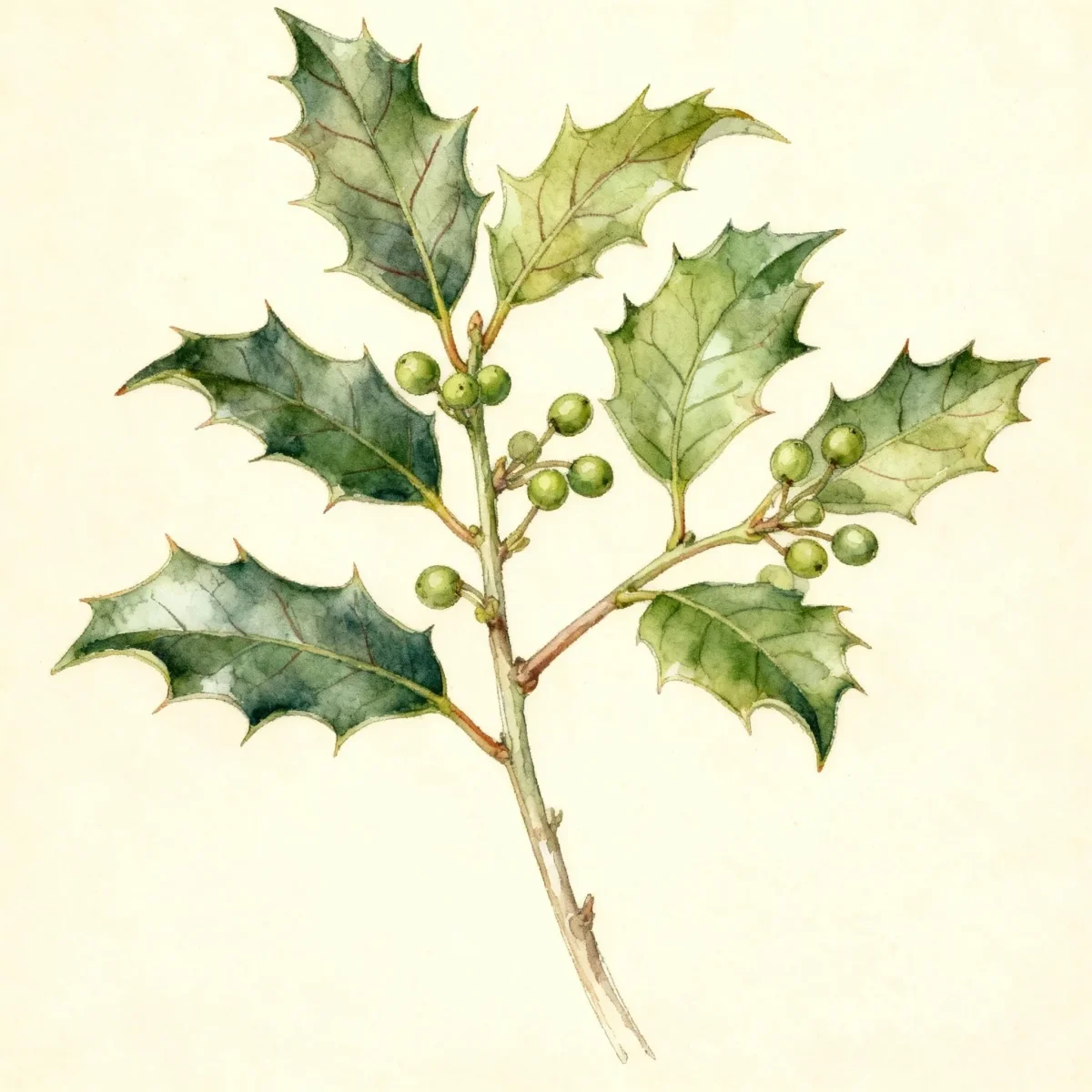
Ilex opaca, commonly called American holly, is an upright, pyramidal, evergreen tree that slowly matures to 15-30’ in cultivation, but may reach 50’ tall in the wild. This species is easily identified because it is the only native U.S. Holly with spiny green leaves and bright red berries, making ‘Waysides Christmas Tree’ a special selection known for dense foliage and abundant deep red fruit. The species is dioecious, meaning a nearby compatible male tree is necessary for this female cultivar to set its signature fruit, which ripens in the fall and persists through winter.
Tolerances
- Deer
- Clay Soil
- Air Pollution
Potential Problems
Potential insect pests requiring vigilance include scale insects, whitefly, holly leaf miner, and spider mites. On the disease front, gardeners should monitor for powdery mildew, leaf spot, leaf rot, and tar spot, especially in humid conditions or when air circulation is poor. Preventative cultural care is key; ensuring proper soil quality helps mitigate leaf scorch and chlorosis (yellowing caused by high pH). Avoid poorly drained areas, as this drastically increases the risk of root issues.
Frequently Asked Questions
What hardiness zones is Holly suitable for?
The Ilex opaca ‘Waysides Christmas Tree’ is hardy across USDA Zones 5 through 9, giving it wide applicability across the central and eastern United States.
How large does Holly grow?
This cultivar typically achieves a mature height between 15 and 25 feet, with a spread ranging from 10 to 18 feet, maintaining a moderately slow growth rate.
What sun exposure does Ilex opaca ‘Waysides Christmas Tree’ need?
It performs best when given full sun, though it tolerates partial shade; gardeners should note that excessive shade will lead to thinner foliage density.
When does Holly bloom?
The greenish-white flowers of the Ilex opaca ‘Waysides Christmas Tree’ emerge and bloom during the late spring, specifically from May into June.
Conclusion
The Ilex opaca ‘Waysides Christmas Tree’ is an indispensable evergreen, offering year-round architectural interest, dense foliage, and the classic vibrant red berries associated with the best traditions of American Holly. Planning its placement carefully, ensuring acidic soil, and confirming the presence of a pollinator will guarantee decades of enjoyment from this low-maintenance beauty. Check your local USDA zone compatibility before planting this exceptional specimen.
Wildlife Benefits
The fruit produced by pollinated female Ilex opaca ‘Waysides Christmas Tree’ is a critical winter food source for numerous bird species when other food sources become scarce. Planting this native Holly supports local avian populations throughout the cold months. Furthermore, the dense, evergreen structure provides excellent shelter and safe nesting sites for backyard wildlife year-round.
Soil Management for Success
Achieving the best coloration and growth requires meticulous attention to soil pH, as this Holly strongly prefers acidic conditions. If your native soil leans alkaline, incorporate ample amounts of peat moss or sulfur during planting to lower pH levels, preventing chlorosis. While this tree tolerates clay, always amend the planting hole with organic matter to improve aeration and drainage, avoiding heavy, water-retentive soils that lead to root problems.