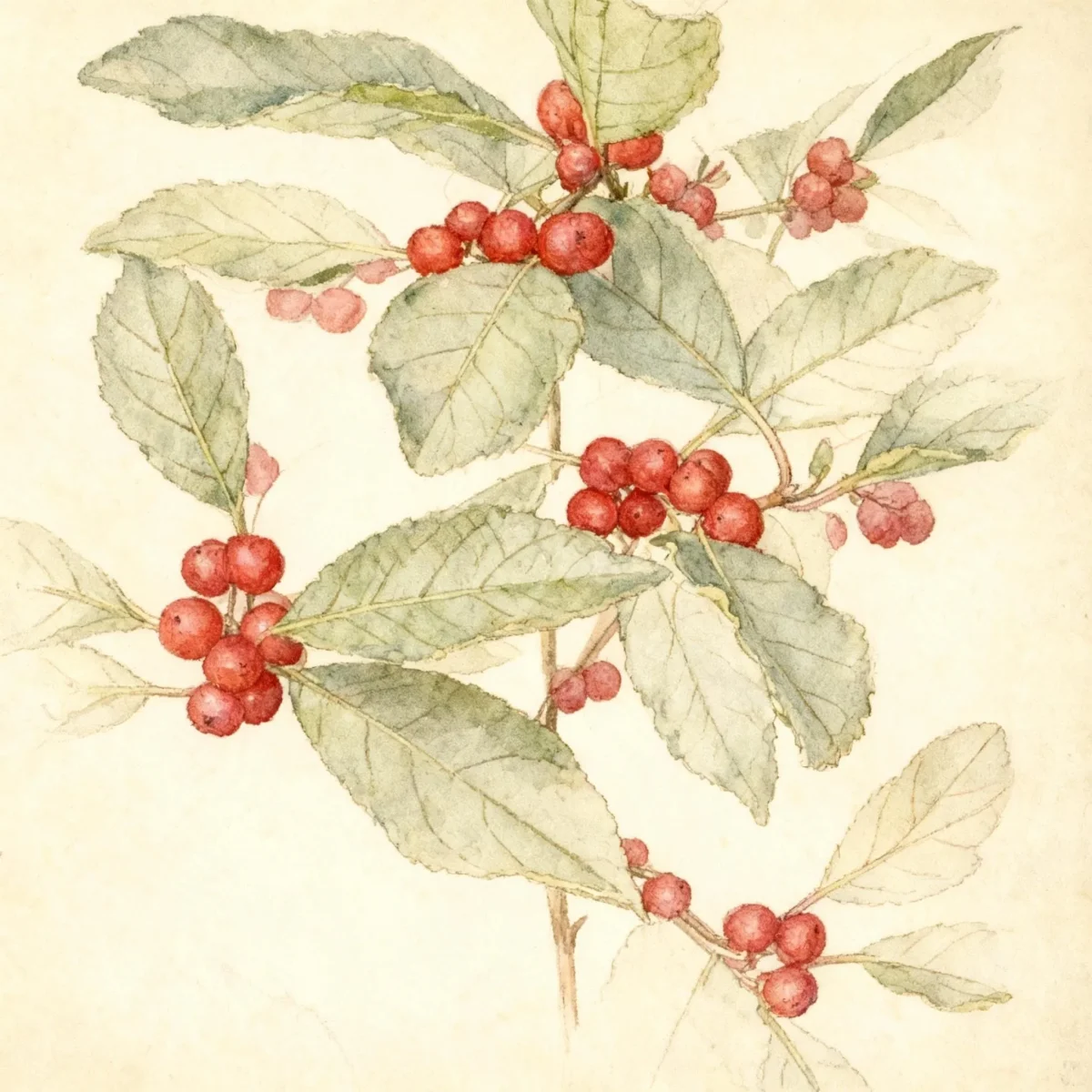
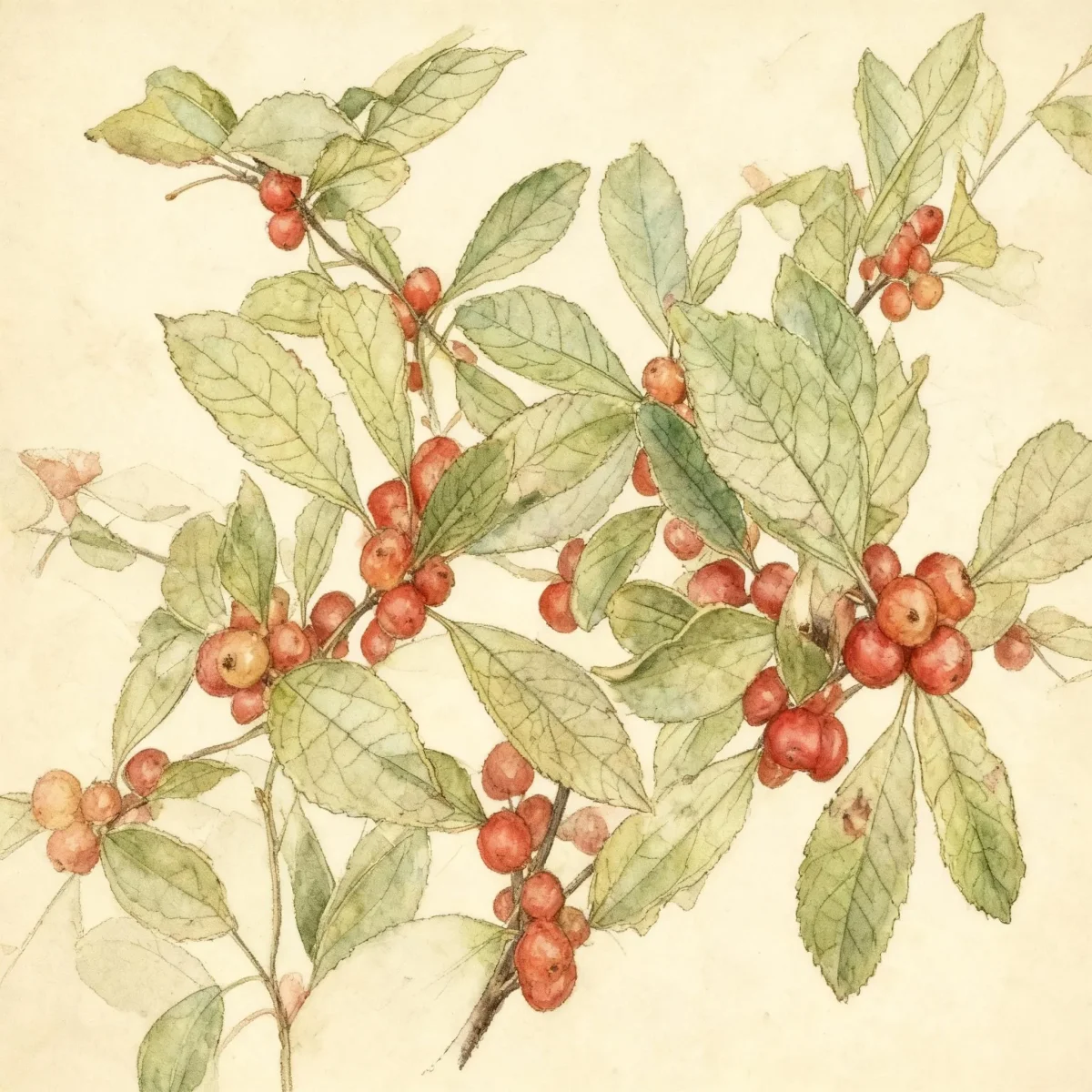
Nordic inkberry (Ilex glabra 'Chamzin' NORDIC)
The compact, evergreen Nordic inkberry (Ilex glabra 'Chamzin' NORDIC) is a rugged low-maintenance shrub perfect for wet soils and formal structure.
Scroll down to discover growing tips, care requirements, companion plants, and more
Complete Plant Information
Overview
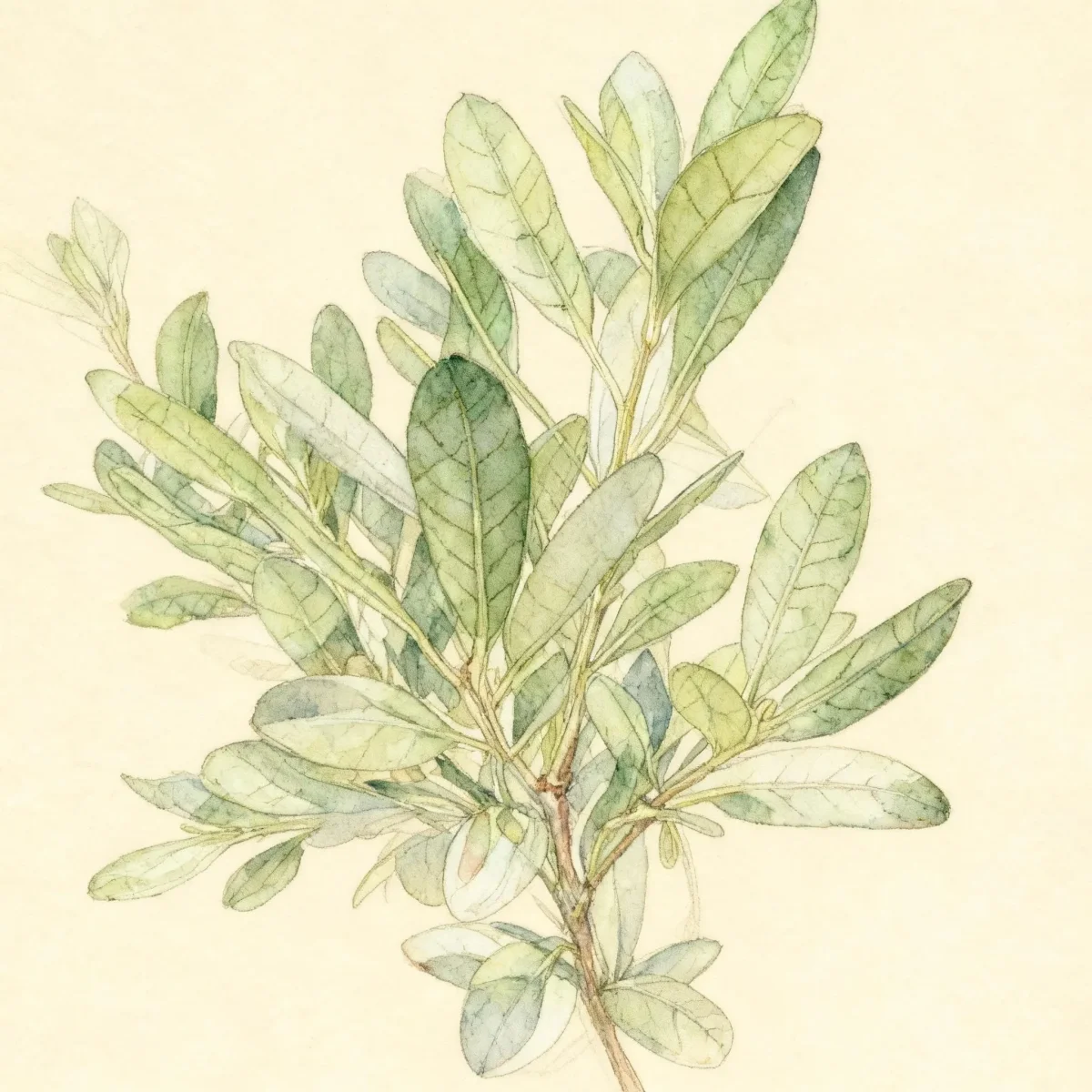
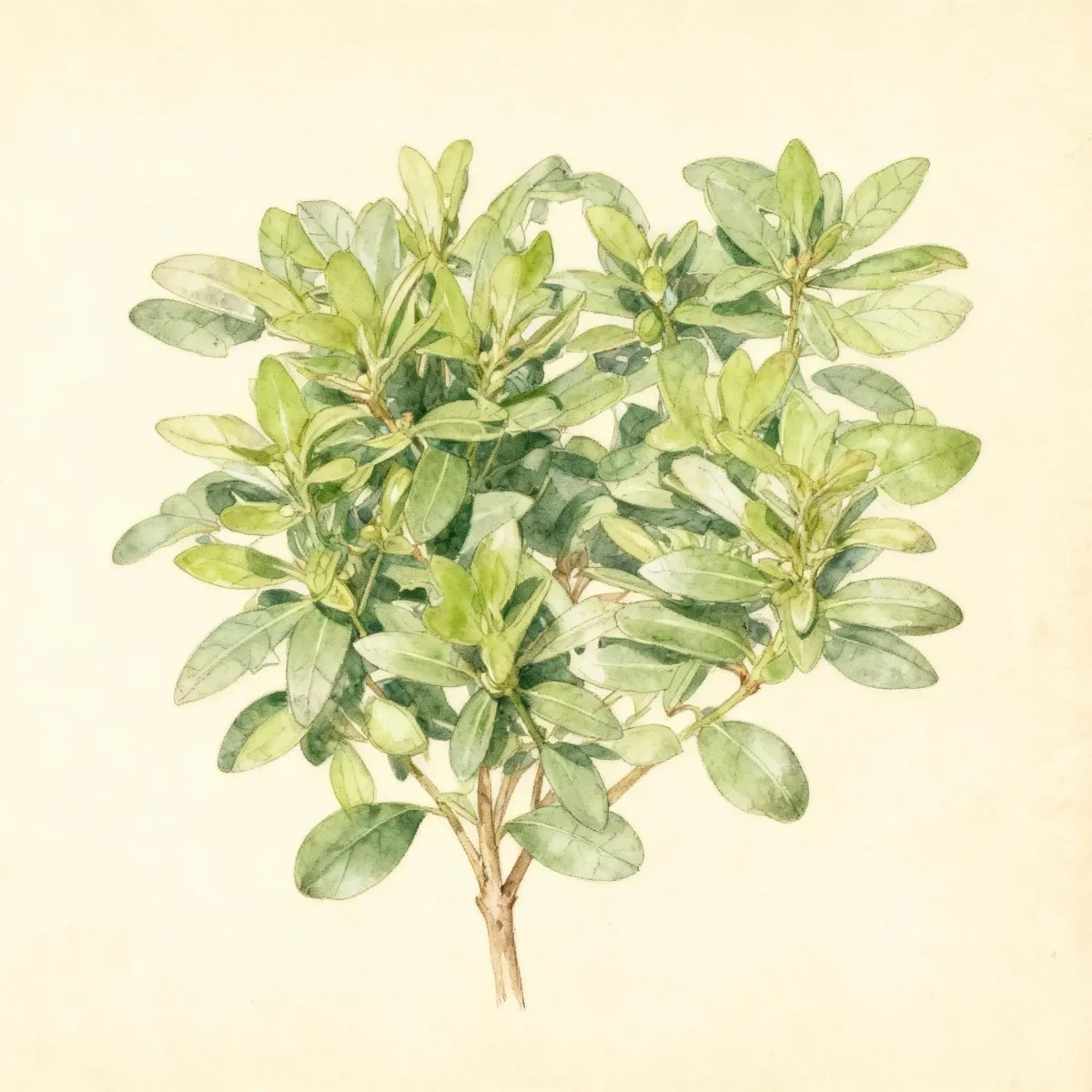
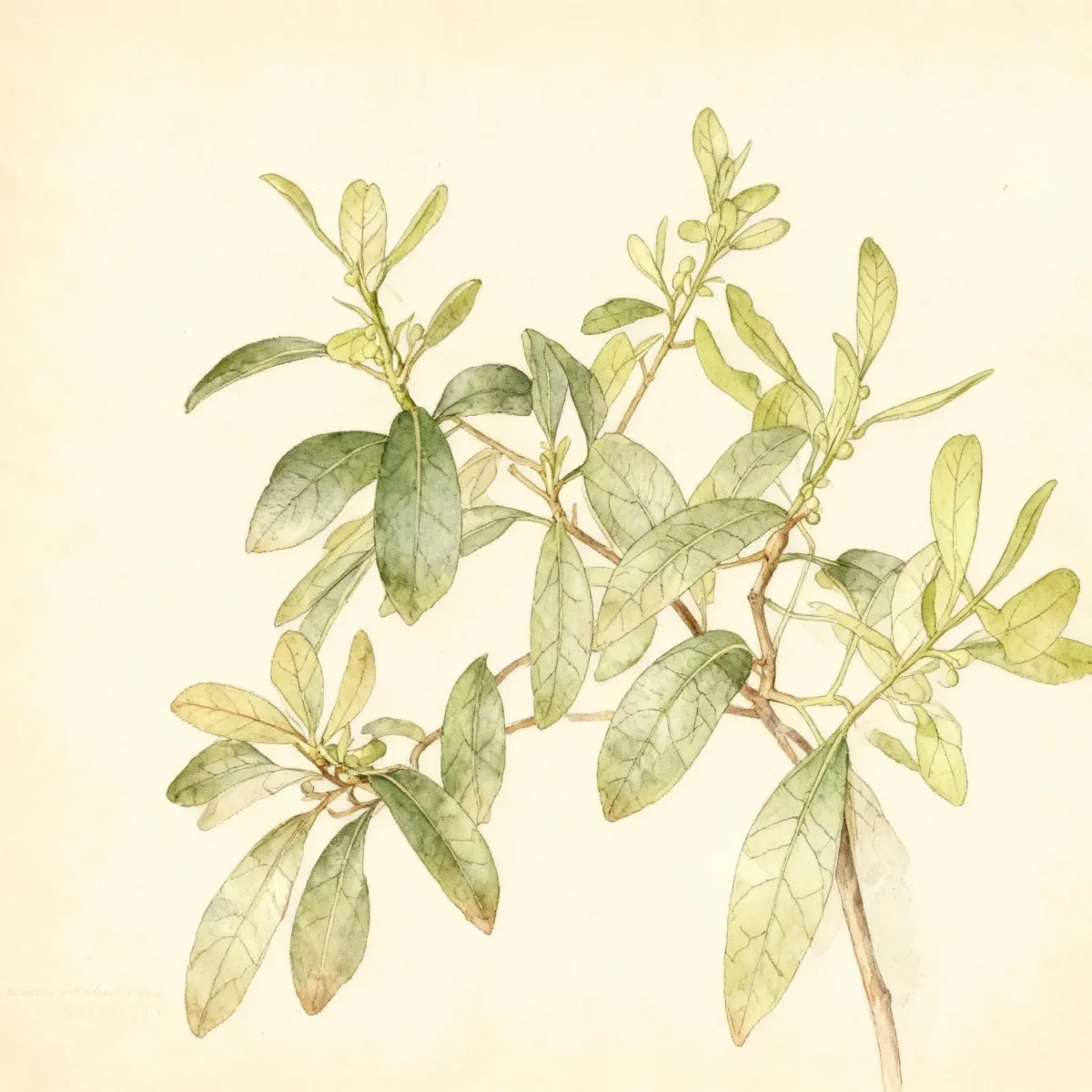
The Nordic inkberry, scientifically known as Ilex glabra ‘Chamzin’ NORDIC, is a highly valuable broadleaf evergreen prized for its compact habit and resilience. This cultivar offers deep, glossy green foliage that provides year-round structure, making it an excellent substitute for boxwood where humidity or moisture is an issue. It combines the reliability of native hollies with a refined, manageable size, maturing typically between 3 to 4 feet high and wide.
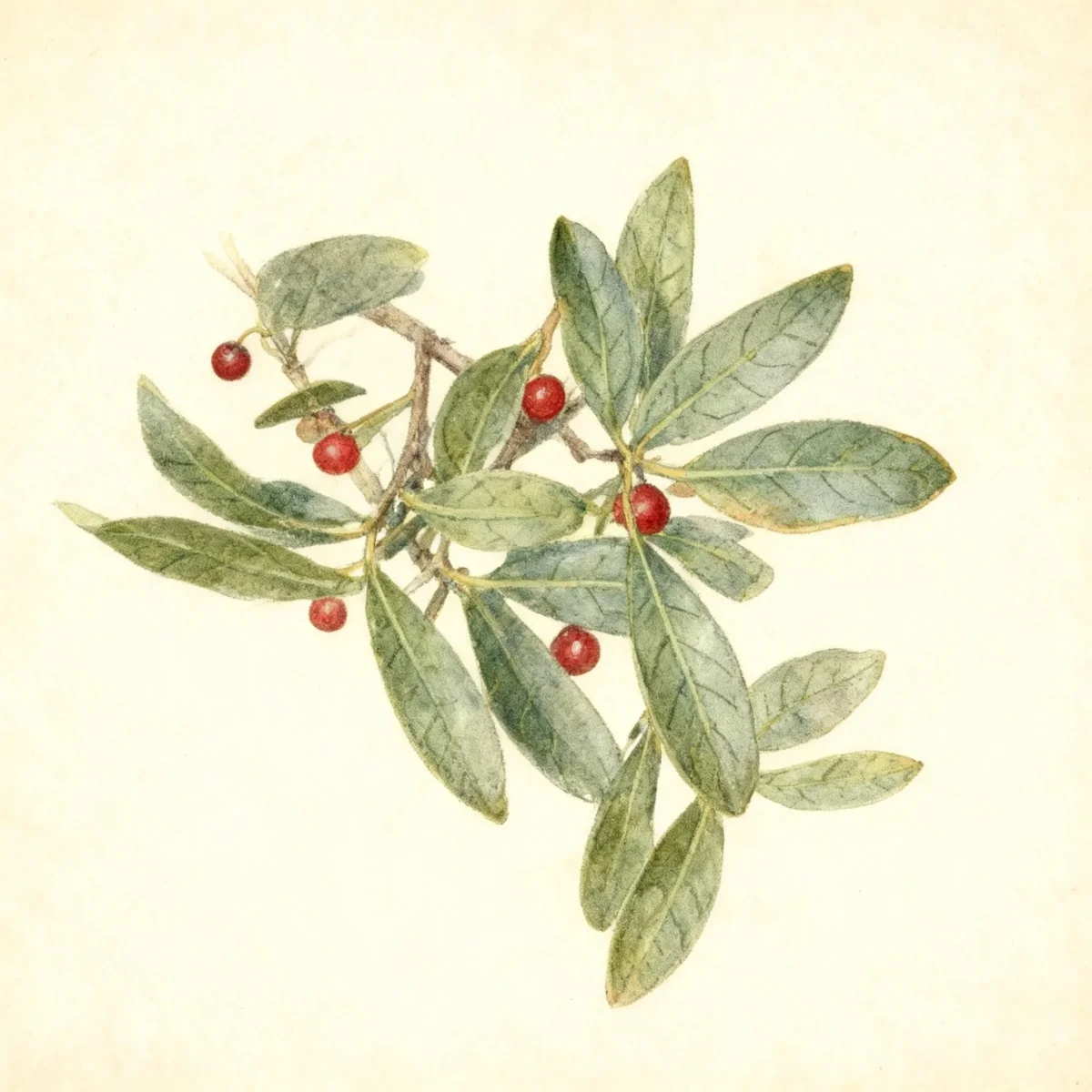
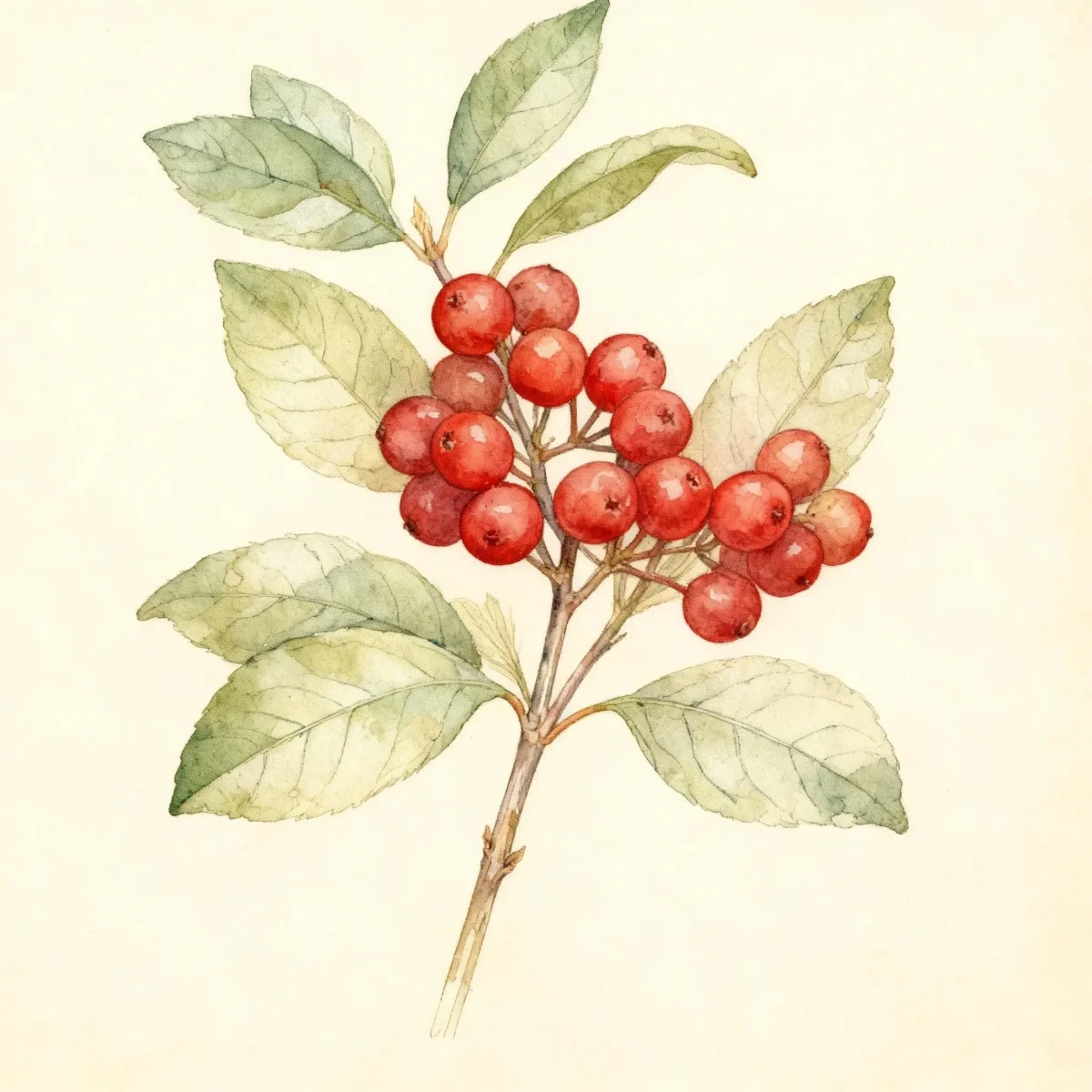
This exceptional selection handles challenging site conditions with ease, thriving in heavy soils and tolerating wet feet better than many landscape shrubs. The Nordic inkberry produces inconspicuous greenish-white flowers in late spring, transitioning to desirable black fruit on pollinated female plants, enhancing its winter interest. Its low maintenance needs and adaptability to pruning make Ilex glabra ‘Chamzin’ NORDIC a horticultural workhorse for structure and texture in the garden.
Fast Facts
- Plant Family: Aquifoliaceae
- Plant Type: Broadleaf evergreen
- Hardiness Zones: USDA Zones 3-9
- Size at Maturity:
- Height: 3-4 ft
- Spread: 3-4 ft
- Bloom Time: May to June
- Bloom Description: Greenish-white
- Sun Exposure: Full sun to part shade
- Water Needs: Medium to wet
- Maintenance Level: Low
How to Grow
Plant Nordic inkberry in the spring or fall, aiming for a location that receives full sun to light afternoon shade, although it exhibits good tolerance for denser shade. It excels in average soils but prefers rich, consistently moist, acidic conditions. Ensure the planting site has adequate drainage even though it tolerates wet soils, as standing water for extended periods should be avoided.
Water regularly after planting to establish a deep root system; mature Ilex glabra ‘Chamzin’ NORDIC specimens are quite drought-tolerant once established but perform best with consistent moisture, especially in full sun. Fertilize lightly in early spring following label directions if soil tests indicate poor fertility. Because this is a female selection, ensure a male pollinator is planted nearby if you desire the characteristic black berry-like drupes.
Pruning should be kept minimal unless shaping is necessary for formal hedging. The optimal time to shear or shape the shrub is in early spring just as new growth is about to emerge. If left unchecked, the shrub may produce root suckers; these should be removed regularly if you wish to maintain a contained, uncolonized form. Avoid planting in highly alkaline soils, as this promotes chlorosis, causing the attractive dark green leaves to yellow.
Landscape Uses
The versatility of Nordic inkberry makes it a fantastic choice for foundational plantings and structured garden beds. Its naturally dense, rounded form naturally lends itself to being used as a low hedge where defining boundaries is required, a purpose where Ilex glabra ‘Chamzin’ NORDIC excels due to its compactness. Consider mass planting this rugged evergreen for dramatic effect, softening edges near structures, or creating year-round structure in shrub borders.
Due to its tolerance for moist conditions, this plant is highly recommended for rain gardens or naturalizing areas adjacent to ponds, streams, or drainage swales. When planted in groups, the Nordic inkberry merges well with ferns, azaleas, or other acid-loving evergreens, creating lush, dark green backdrops. Its low-maintenance nature allows these plants to naturalize beautifully in subtle woodland settings without requiring constant human intervention.
Standout Features
Flower Qualities
- Insignificant
Noteworthy Characteristics
The inkberry species, Ilex glabra, provides slow-growing, upright-rounded evergreen structure, often spreading modestly by root suckers. This specific cultivar, ‘Chamzin’ NORDIC, is noted for being more compact than the species, possessing denser growth and darker green foliage, alongside superior winter hardiness down to Zone 3. If located near female plants, the flowers yield small, jet-black drupes that persist well into winter, offering valuable contrast.
Tolerances
- Rabbit
- Deer
- Erosion
- Wet Soil
- Air Pollution
Potential Problems
Leaf spot can occasionally develop on older foliage, particularly in damp, still air conditions; ensure good air circulation during planting. A major susceptibility concern is chlorosis, which manifests as leaf yellowing, almost always caused by planting in high pH or alkaline soils, so always amend soil pH prior to planting. Spider mites can also become an issue, especially if the Nordic inkberry experiences prolonged dry spells, making consistent medium watering crucial during peak summer heat.
Frequently Asked Questions
What hardiness zones is Nordic inkberry suitable for?
The Ilex glabra ‘Chamzin’ NORDIC cultivar is remarkably hardy, thriving across USDA Zones 3 through 9.
How large does Nordic inkberry grow?
This compact variety typically matures to a size of 3 to 4 feet tall and spreads to a width of 3 to 4 feet.
What sun exposure does Nordic inkberry need?
Nordic inkberry performs excellently in full sun but also tolerates partial shade conditions well.
When does Nordic inkberry bloom?
The greenish-white flowers of the Nordic inkberry appear relatively early in the growing season, usually between May and June.
Conclusion
The Ilex glabra ‘Chamzin’ NORDIC offers gardeners a dependable, tightly structured, broadleaf evergreen that handles moisture and cold better than many alternatives. Its low maintenance profile and year-round green color ensure excellent performance whether used as a formal hedge or naturalized planting. Confirm your site’s soil pH and moisture levels are appropriate before planting your new Nordic inkberry specimens this season.
Companion Planting
Choosing companions for Nordic inkberry involves selecting plants that share a preference for acidic soil and consistent to wet moisture levels. Consider planting alongside moisture-loving perennials like Astilbe or Ligularia for contrasting textures in shaded areas. When used in rain garden settings, grouping the Ilex glabra ‘Chamzin’ NORDIC with native grasses or Iris introduces vertical elements that complement its mounding shape beautifully.
Wildlife Benefits
While the flowers of the Nordic inkberry are generally inconspicuous, they provide nectar for early-season pollinators when they bloom from May to June. More significantly, the dark, berry-like drupes that follow pollination provide an important, though opportunistic, food source for local bird populations throughout the winter months. Furthermore, its dense evergreen foliage offers critical protective cover for small wildlife during cold or harsh weather.