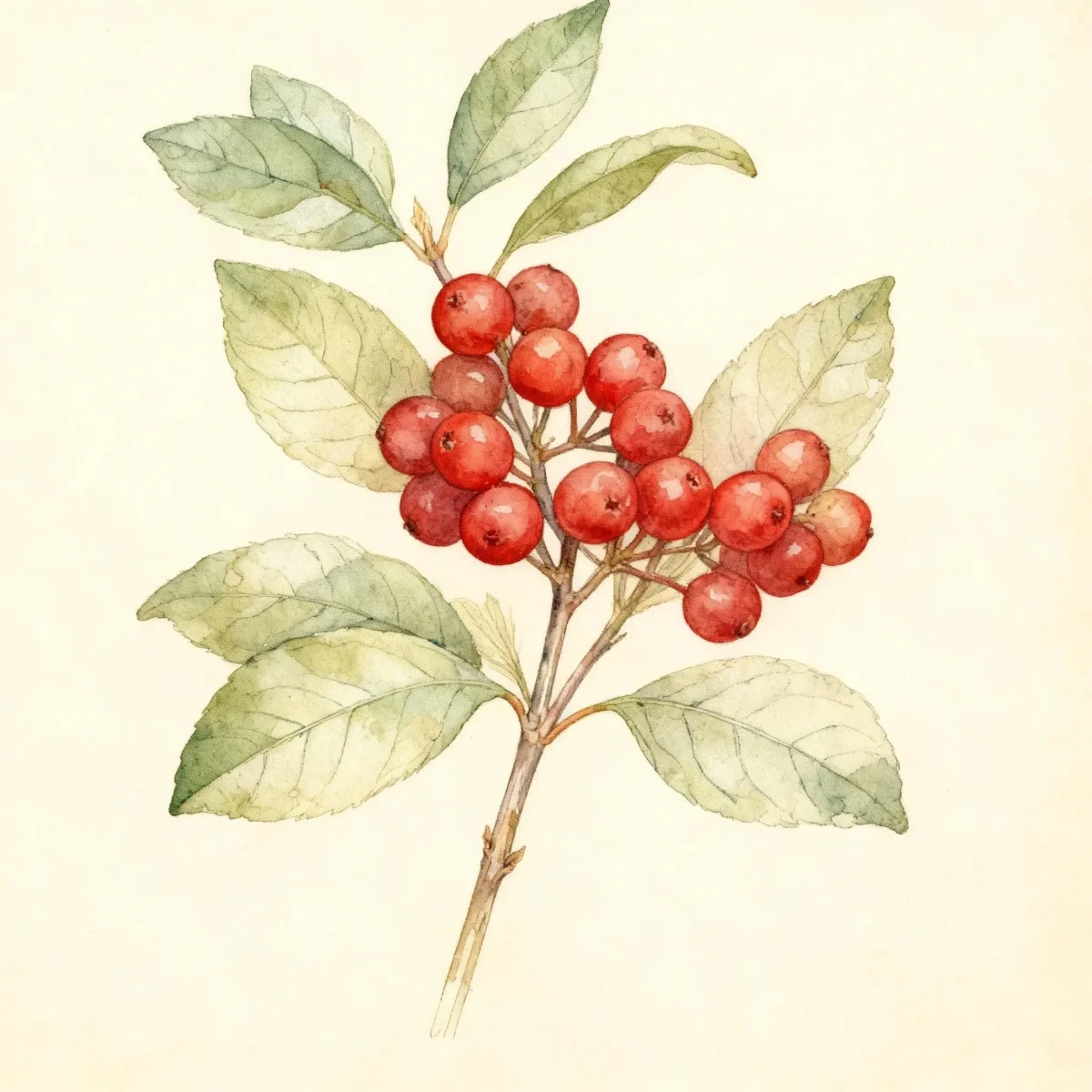
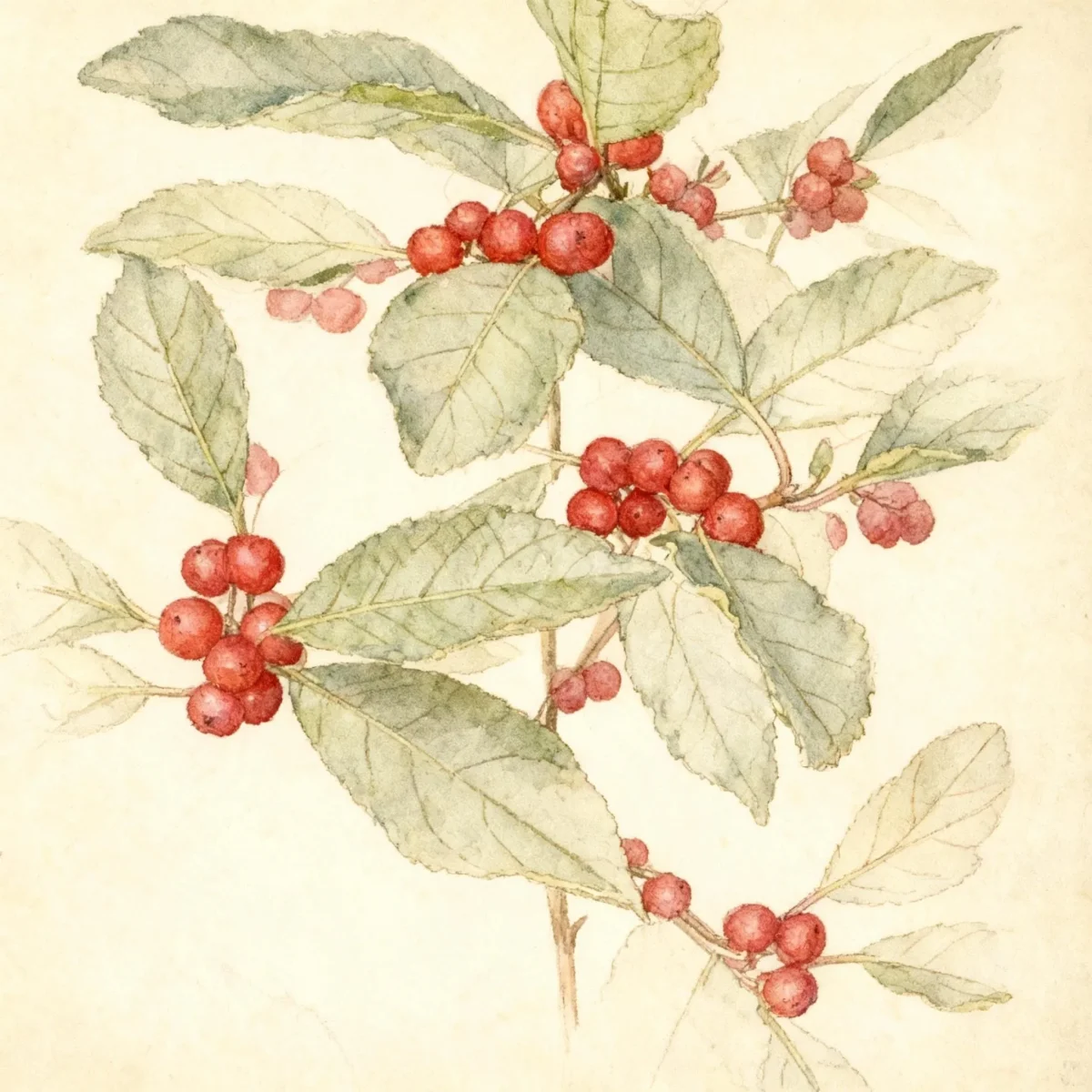
Inkberry (Ilex glabra 'Compacta')
Ilex glabra 'Compacta' is a low-maintenance, broadleaf evergreen Inkberry cherished for year-round structure, thriving in wet soils.
Scroll down to discover growing tips, care requirements, companion plants, and more
Complete Plant Information
Overview
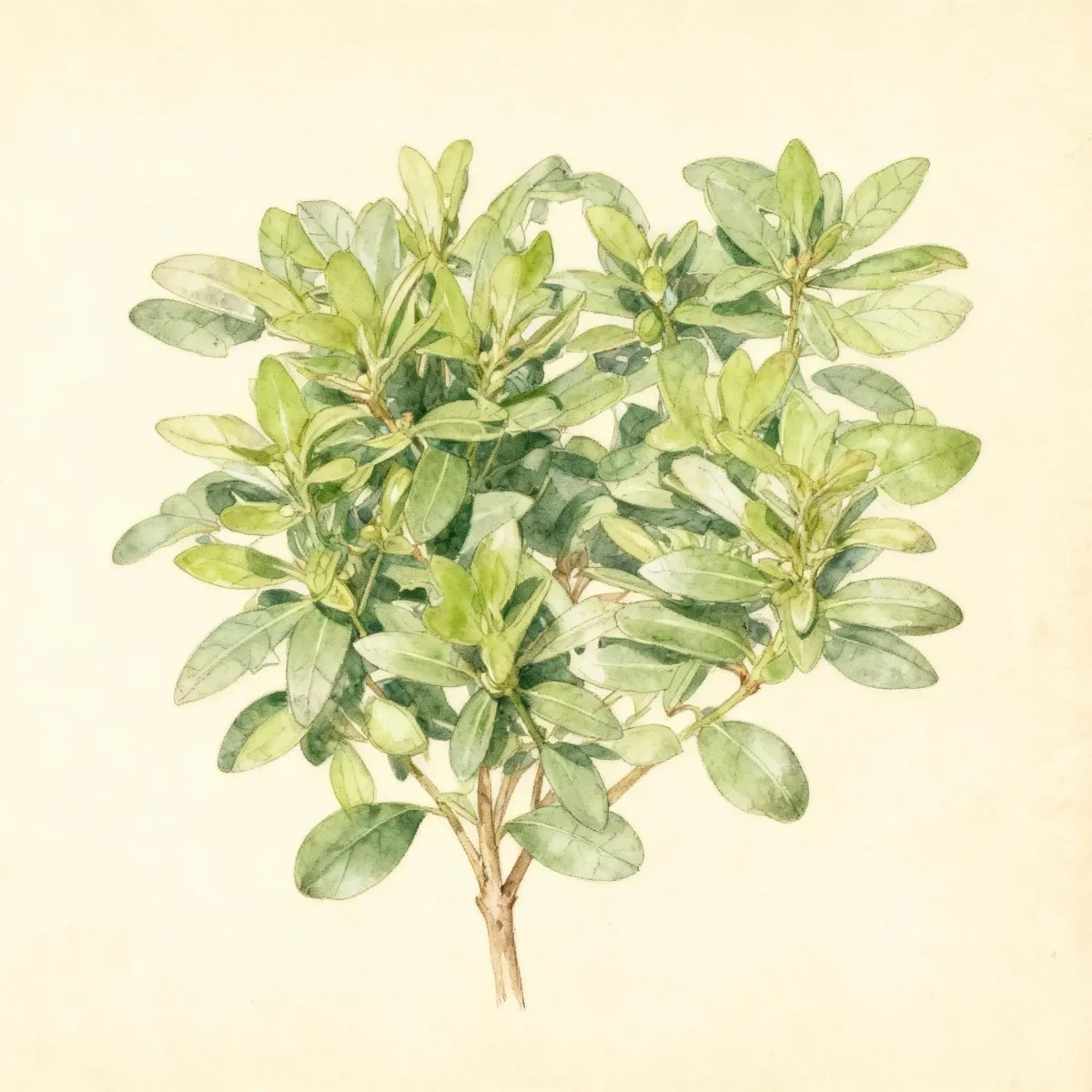
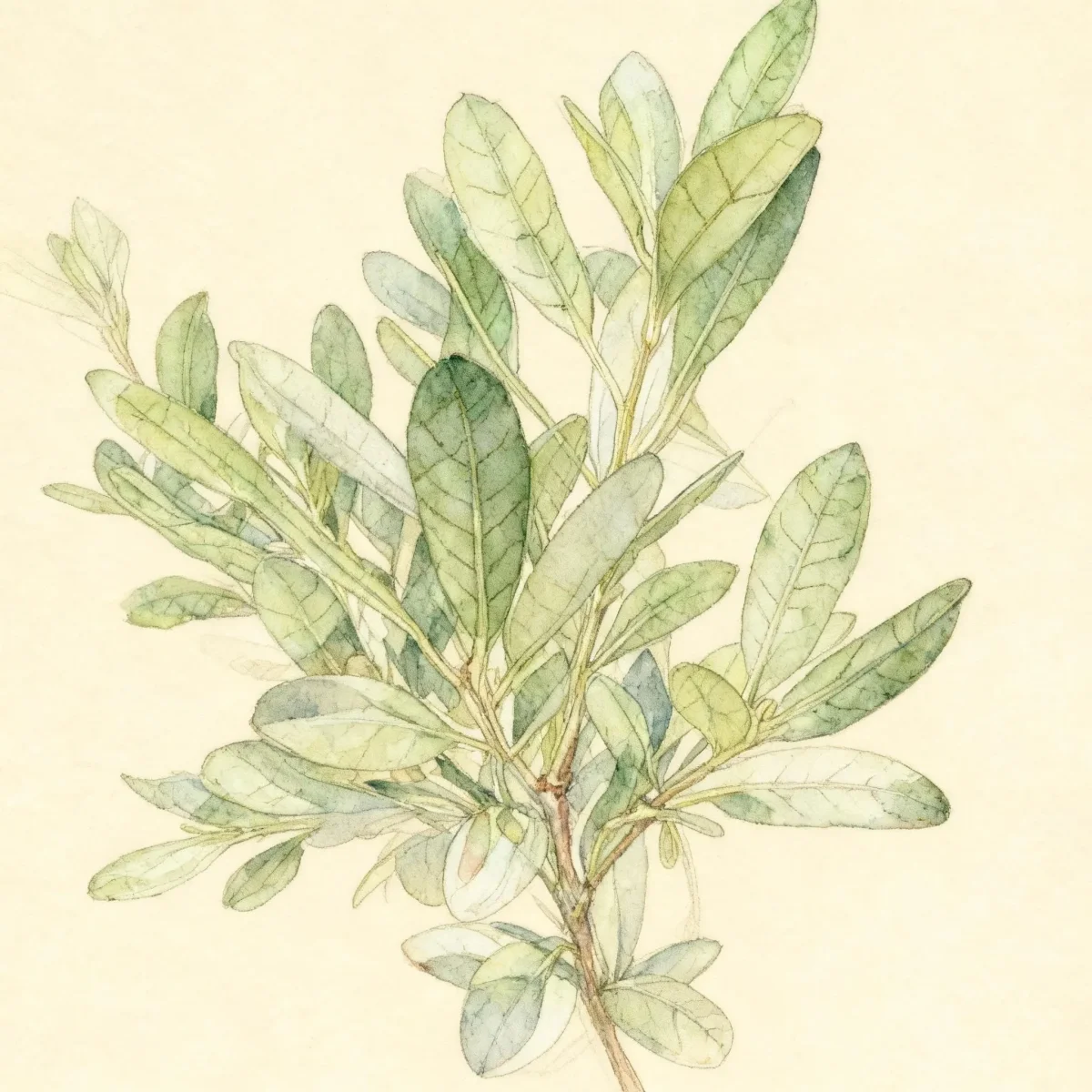
The Ilex glabra ‘Compacta’, commonly known as Inkberry, offers exceptional reliability as a broadleaf evergreen shrub, providing structure even when other landscape plants are dormant. Unlike many hollies, the Inkberry lacks sharp spines, featuring flat, glossy, dark green foliage that remains attractive through winter. This cultivar, ‘Compacta’, maintains a tight, rounded habit, making it highly desirable for formal and informal landscape applications where space is a consideration.
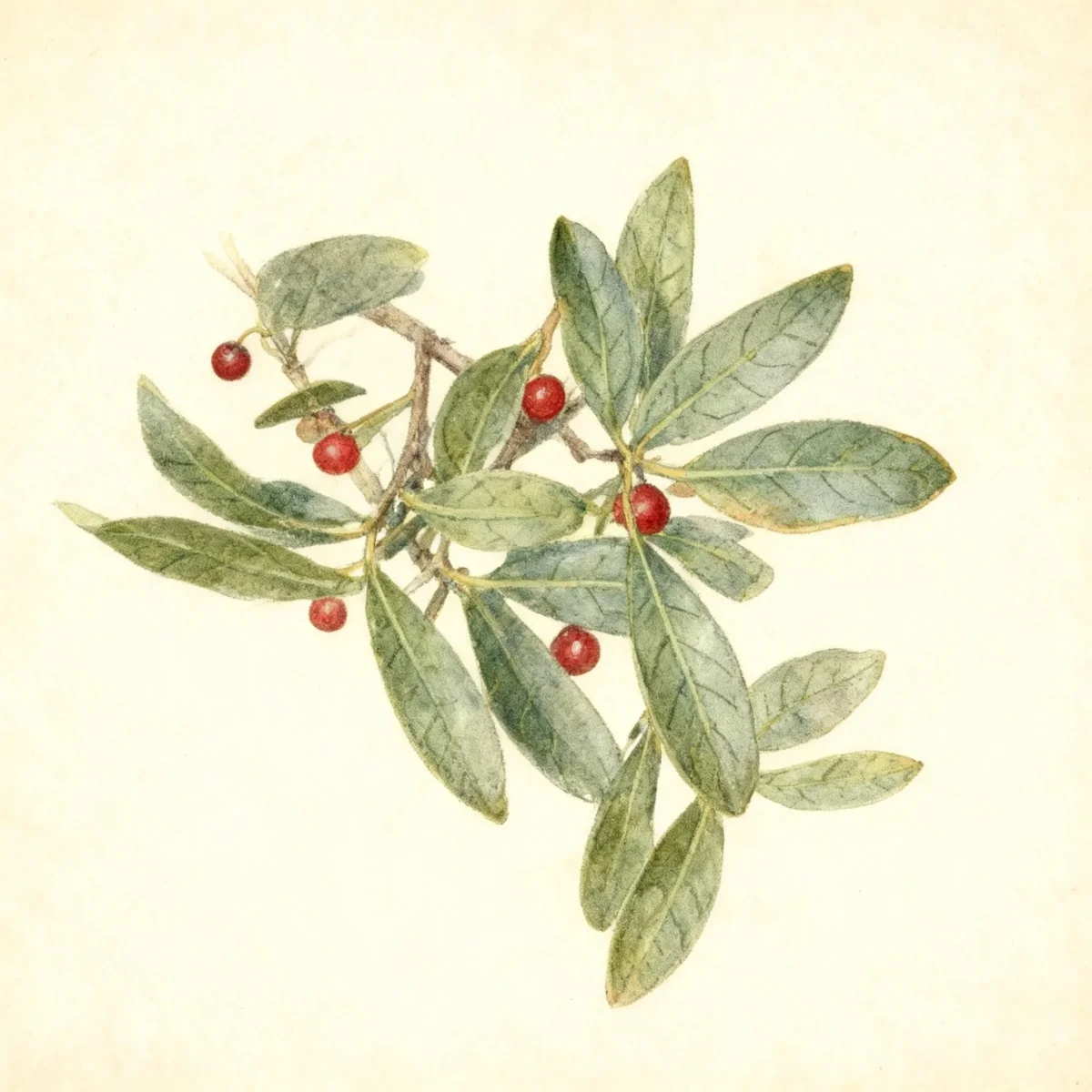
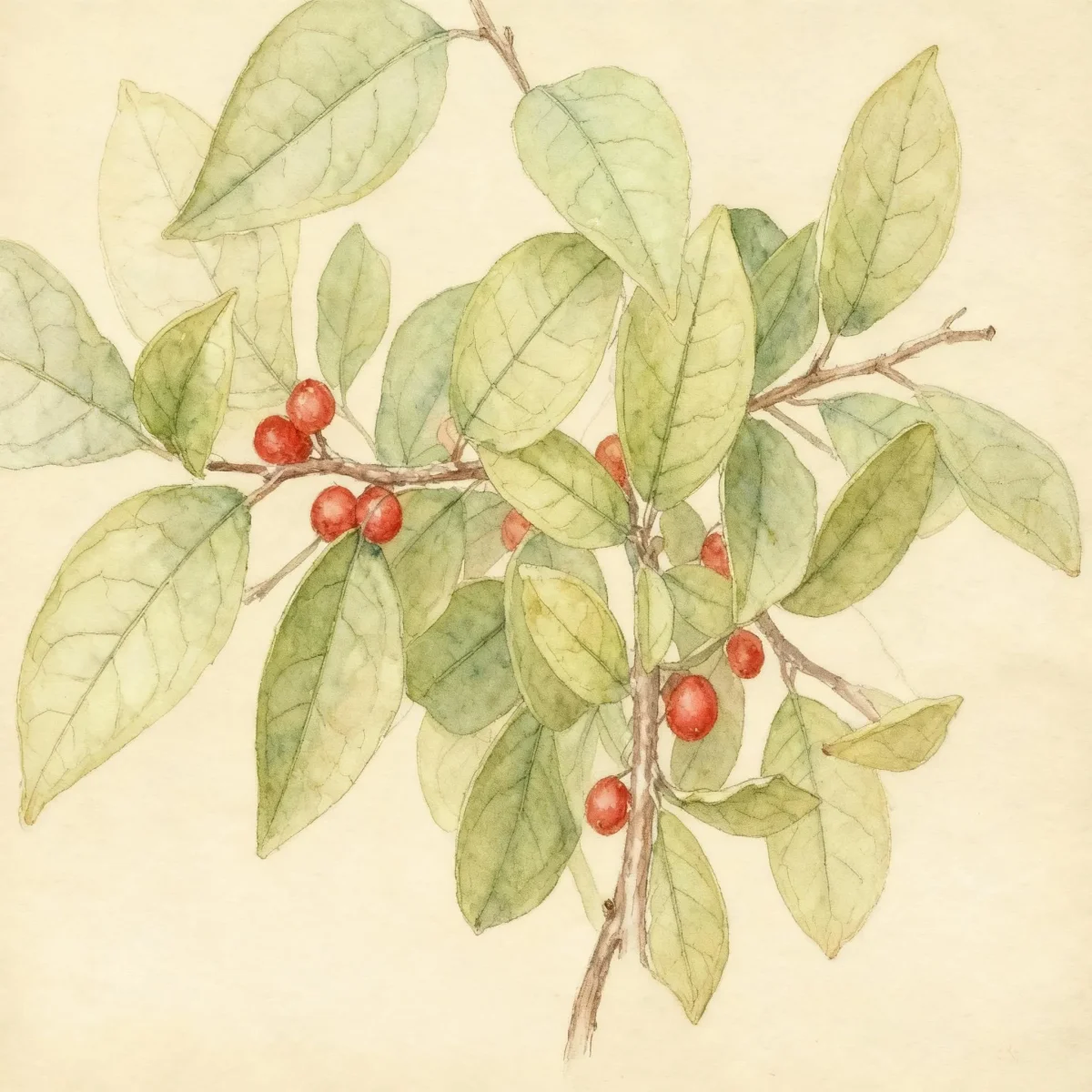
Valued for its low maintenance needs and adaptability, Inkberry performs distinctly well in challenging moist environments where other shrubs might struggle. While the flowers are inconspicuous, female plants develop small, jet-black, nearly year-round persisting berries if a male pollinator is present, enhancing winter interest. Utilizing Ilex glabra ‘Compacta’ ensures consistent texture and color across all four seasons in the landscape.
Fast Facts
- Plant Family: Aquifoliaceae
- Plant Type: Broadleaf evergreen
- Hardiness Zones: USDA Zones 4-9
- Size at Maturity:
- Height: 3-4 ft
- Spread: 4-6 ft
- Bloom Time: May to June
- Bloom Description: White
- Sun Exposure: Full sun to part shade
- Water Needs: Medium to wet
- Maintenance Level: Low
How to Grow
Plant Ilex glabra ‘Compacta’ during the spring or fall when temperatures are moderate to encourage strong initial root development. This shrub thrives when sited in average, medium to wet soils, preferring consistently moist, acidic conditions. While it tolerates heavy soils and can handle full sun, it exhibits good shade tolerance, though color may be less vibrant. Avoid planting Inkberry in highly neutral or alkaline soils as it is susceptible to chlorosis, manifesting as yellowing leaves.
Watering requirements are medium to wet; this shrub performs exceptionally well in rain gardens or consistently damp locations where other specimens fail. Fertilization is generally unnecessary unless the soil is extremely poor; focus instead on maintaining adequate soil moisture, especially during dry periods. Because Ilex glabra ‘Compacta’ is a female cultivar, ensure a male pollinator is planted nearby if you desire the characteristic black ‘inkberries’.
Pruning should be minimal, reserved for shaping or maintaining hedge dimensions, and is best performed in early spring just before new growth initiates. If colonial spread via root suckers is unwanted, remove these growths regularly throughout the growing season. Maintenance remains exceptionally easy for this tough, versatile shrub.
Landscape Uses
The dense, compact form of Ilex glabra ‘Compacta’ makes it an outstanding choice for formal landscape applications. It excels when used in mass plantings or groups to create low, uniform shrub borders where evergreen coverage is essential. Its ability to tolerate wet sites means it is perfectly suited for rain gardens or softening the edges of ponds and streams, earning its recommendation for moist woodland settings. Furthermore, it functions excellently as an informal, low hedge that provides year-round screening without demanding constant shearing.
This Inkberry cultivar serves beautifully as foundation plantings, adding critical structure against built elements of the home. When paired with deciduous shrubs that offer vibrant fall color, the deep green of the Ilex glabra ‘Compacta’ provides a necessary backdrop that sets off seasonal displays. Its reliable performance in moist environments also makes it a strong candidate for naturalized areas within shaded, damp woodland garden designs near water features.
Standout Features
Flower Qualities
- Insignificant
Fruit Qualities
- Showy
Noteworthy Characteristics
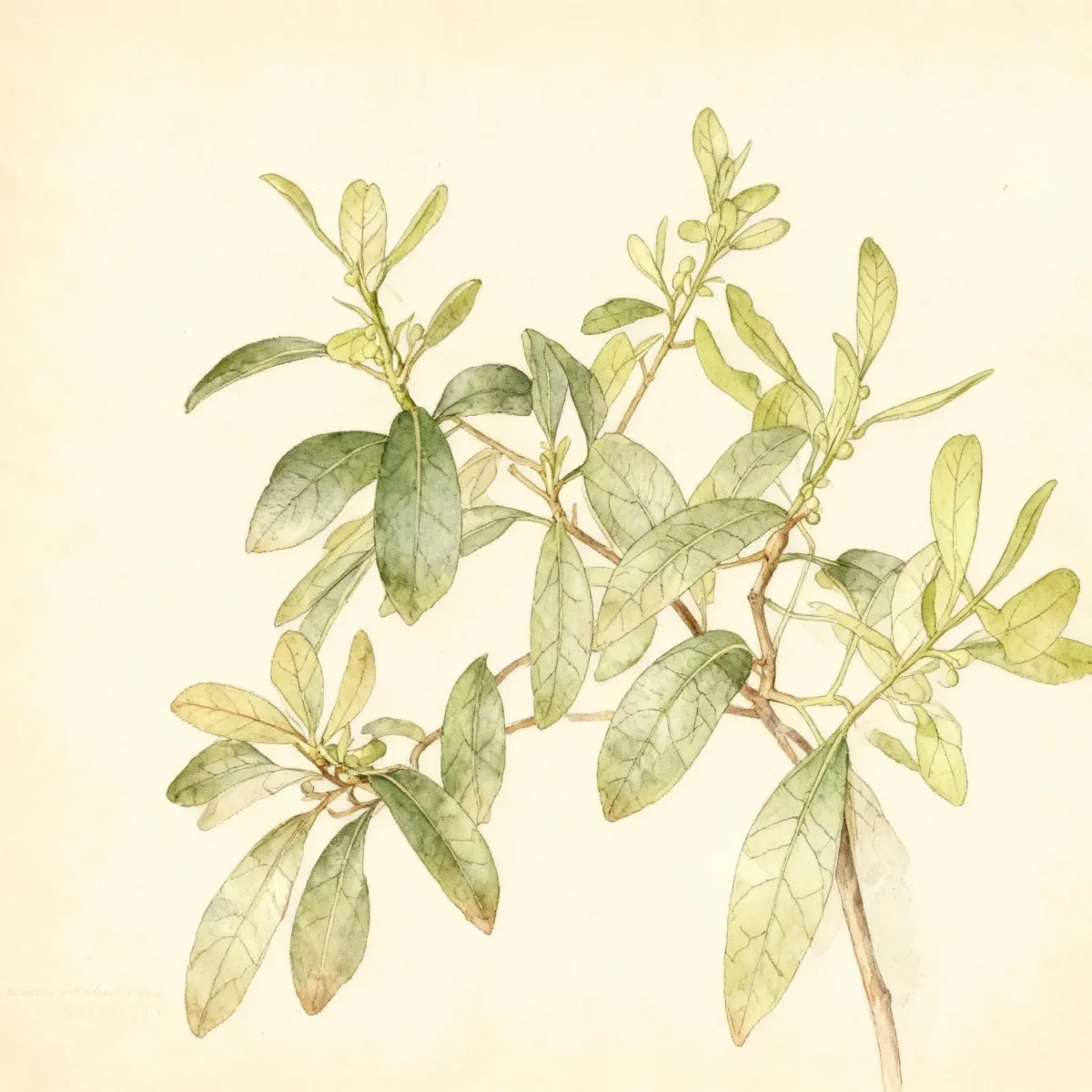
Ilex glabra, commonly called inkberry, is a slow-growing, stoloniferous shrub native to coastal plain swamps and sandy woods. Its key features include spineless, glossy, dark green leaves up to 1.5 inches long with marginal teeth near the apex, remaining attractive in winter. The ‘Compacta’ form is especially valued for its tight, oval habit, typically maturing around 3-4 feet tall and 4-6 feet wide, offering reliable evergreen structure.
Tolerances
- Rabbit
- Deer
- Erosion
- Wet Soil
- Air Pollution
Potential Problems
Leaf spot can occasionally affect Inkberry, appearing as blemishes on the foliage, though management is usually simple. The most significant cultural issue to proactively manage is soil pH; if the soil drifts toward alkaline (high pH), the Ilex glabra ‘Compacta’ becomes susceptible to chlorosis, causing yellowing of the typically dark green leaves. In dry, hot conditions, especially when newly planted, monitor carefully for spider mites. Control measures for leaf spot often involve good air circulation and ensuring copper-based fungicides are applied preventatively during wet springs, while correcting pH is crucial for preventing chlorosis.
Frequently Asked Questions
What hardiness zones is Inkberry suitable for?
Ilex glabra ‘Compacta’ is reliably hardy across USDA Zones 4 through 9.
How large does Ilex glabra ‘Compacta’ grow?
This compact cultivar typically reaches a mature height between 3 and 4 feet, with a commensurate spread of 4 to 6 feet wide.
What sun exposure does Inkberry need?
This Inkberry variety performs best when situated in full sun, but it maintains good tolerance for partial shade conditions.
When does Ilex glabra ‘Compacta’ bloom?
The inconspicuous flowers appear between May and June, described as white, and are necessary for female plants to set berries if a pollinator is present.
Conclusion
The Ilex glabra ‘Compacta’ stands out as a structurally essential, low-maintenance broadleaf evergreen perfect for difficult, moist sites. Its compact size and reliable year-round foliage provide vital landscape presence, and it demands little attention once established. Before planting, confirm your location is within Zones 4-9 and aim for acidic soil conditions to ensure optimal health for your new Inkberry.
Companion Planting
When selecting companions for Ilex glabra ‘Compacta’, prioritize plants that share its preference for moist, acidic conditions. Good partners include deciduous azaleas, rhododendrons, and ferns like the Ostrich Fern, which enjoy similar dappled shade and protection offered by established shrubs. For plants that thrive in wetter areas near the Inkberry, consider planting native bog species such as buttonbush, ensuring the soil profile remains consistently moist to saturated as desired by the Ilex glabra ‘Compacta’.
Design Ideas for Wet Sites
Utilizing the natural wet soil tolerance of the Inkberry is ideal for creating functional and beautiful rain gardens. Plant Ilex glabra ‘Compacta’ toward the rear or middle of the depressed area, using its dense form to absorb runoff and provide vertical structure. Combine these evergreen shapes with moisture-loving perennials like cardinal flower (Lobelia cardinalis) or astilbe towards the front, creating an area that handles heavy rains elegantly while offering seasonal color contrast to the dark green texture of the evergreen shrub.