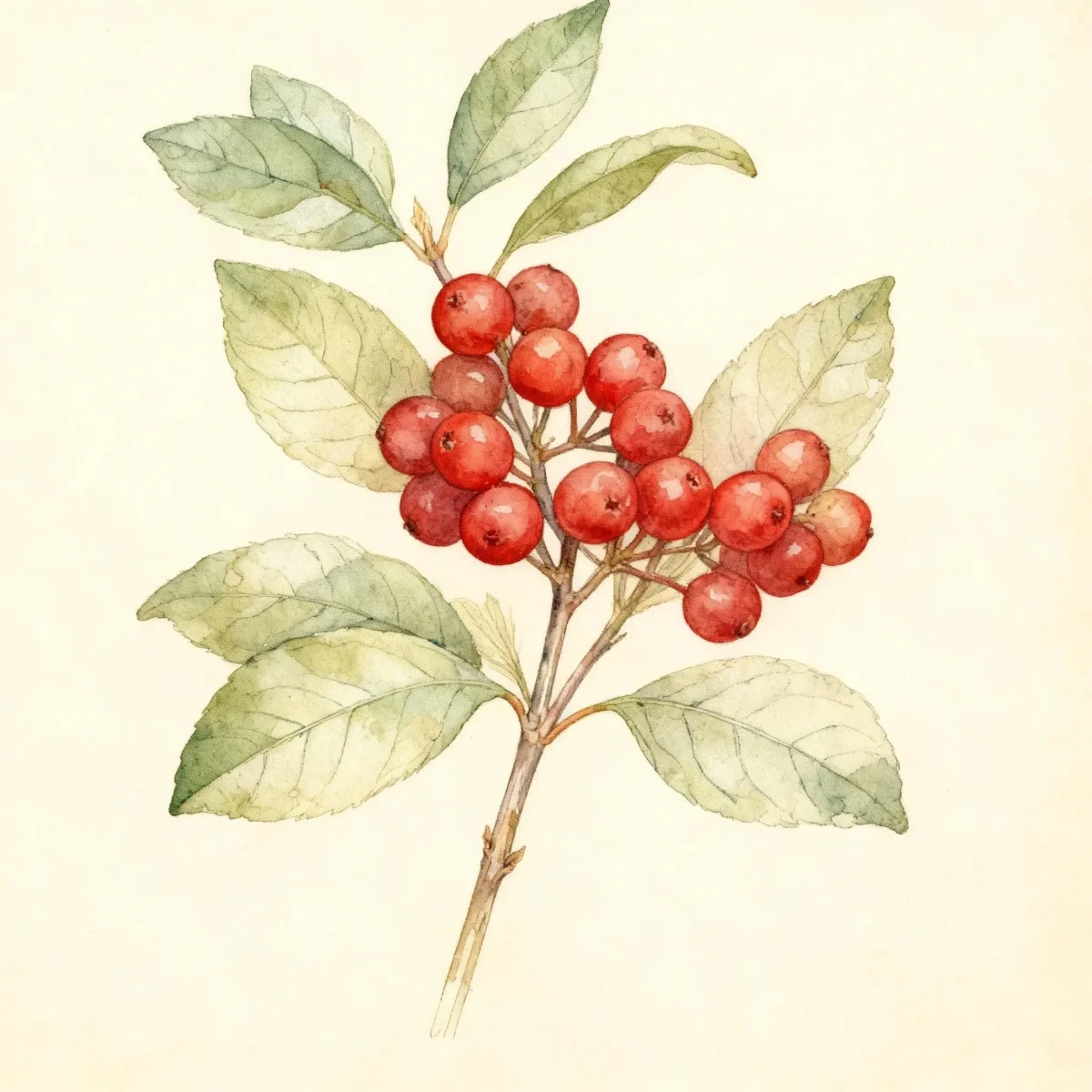
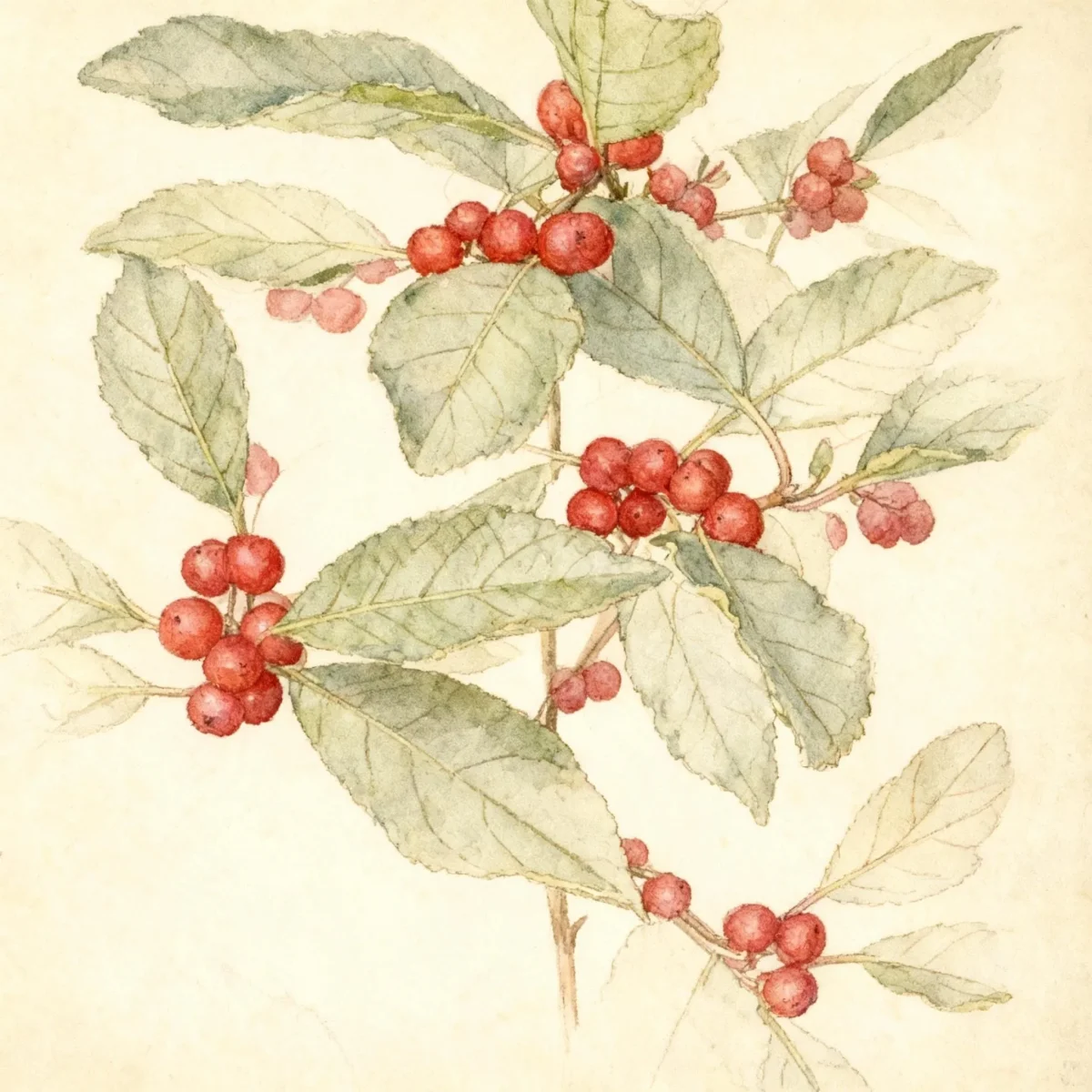
Inkberry (Ilex glabra 'Shamrock')
Ilex glabra 'Shamrock' is a compact, low-maintenance broadleaf evergreen Inkberry perfect for hedges in zones 4-9.
Scroll down to discover growing tips, care requirements, companion plants, and more
Complete Plant Information
Overview
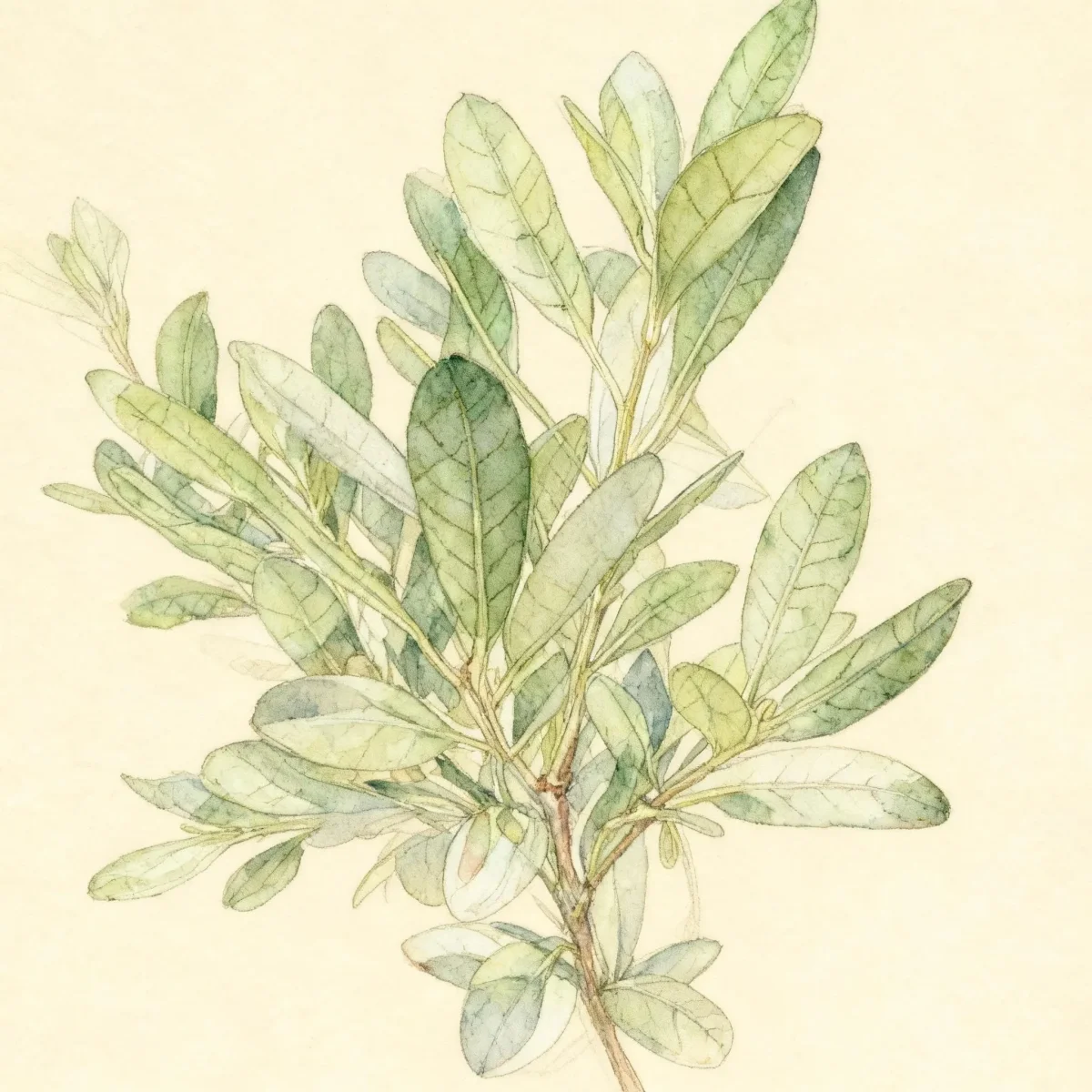
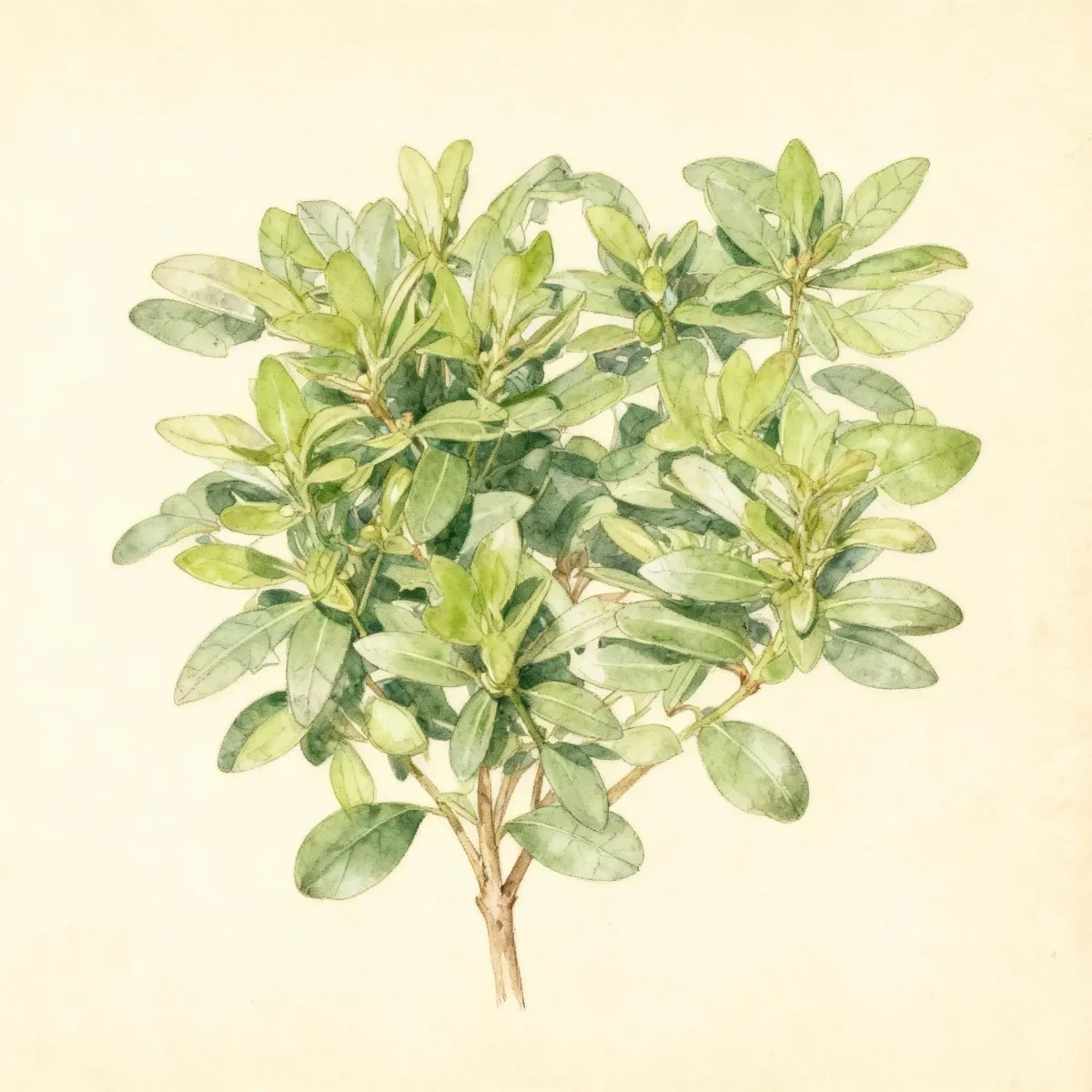
The compact and rounded Ilex glabra ‘Shamrock’, commonly known as Inkberry, is a highly valued broadleaf evergreen shrub perfect for gardeners seeking year-round structure. This cultivar maintains glossy, dark green leaves that provide excellent winter interest, especially when temperatures remain mild. Unlike the species which can spread aggressively, Ilex glabra ‘Shamrock’ is specifically noted for suckering less, making it superb for defined borders and low hedges.
As a member of the holly family, this Inkberry offers dependable performance across a wide range of conditions, thriving in moisture-retentive soils where many other evergreens struggle. Its low maintenance needs further boost its appeal for foundation plantings and massing. For those utilizing native plants, the Inkberry provides ecological value while reliably delivering tailored structure to the landscape design.
Fast Facts
- Plant Family: Aquifoliaceae
- Plant Type: Broadleaf evergreen
- Hardiness Zones: USDA Zones 4-9
- Size at Maturity:
- Height: 3-4 ft
- Spread: 3-4 ft
- Bloom Time: May to June
- Bloom Description: Greenish-white
- Sun Exposure: Full sun to part shade
- Water Needs: Medium to wet
- Maintenance Level: Low
How to Grow
Plant Ilex glabra ‘Shamrock’ in spring or fall, avoiding the stresses of mid-summer heat. This Inkberry performs best in rich, consistently moist, acidic soils, although it is notably adaptable to both light and heavier soil types and tolerates wet conditions well. Ensure the planting site receives full sun to part shade; while it has good shade tolerance, optimal density is achieved with more light.
Watering should aim to keep the soil medium to wet, particularly for new plantings. Fertilizer is usually unnecessary if the native soil is rich, but ensuring soil acidity is crucial; avoid planting in strongly neutral or alkaline environments to prevent chlorosis (yellowing leaves). Pruning for shaping or hedging Ilex glabra ‘Shamrock’ should be done in early spring just as new growth is about to emerge.
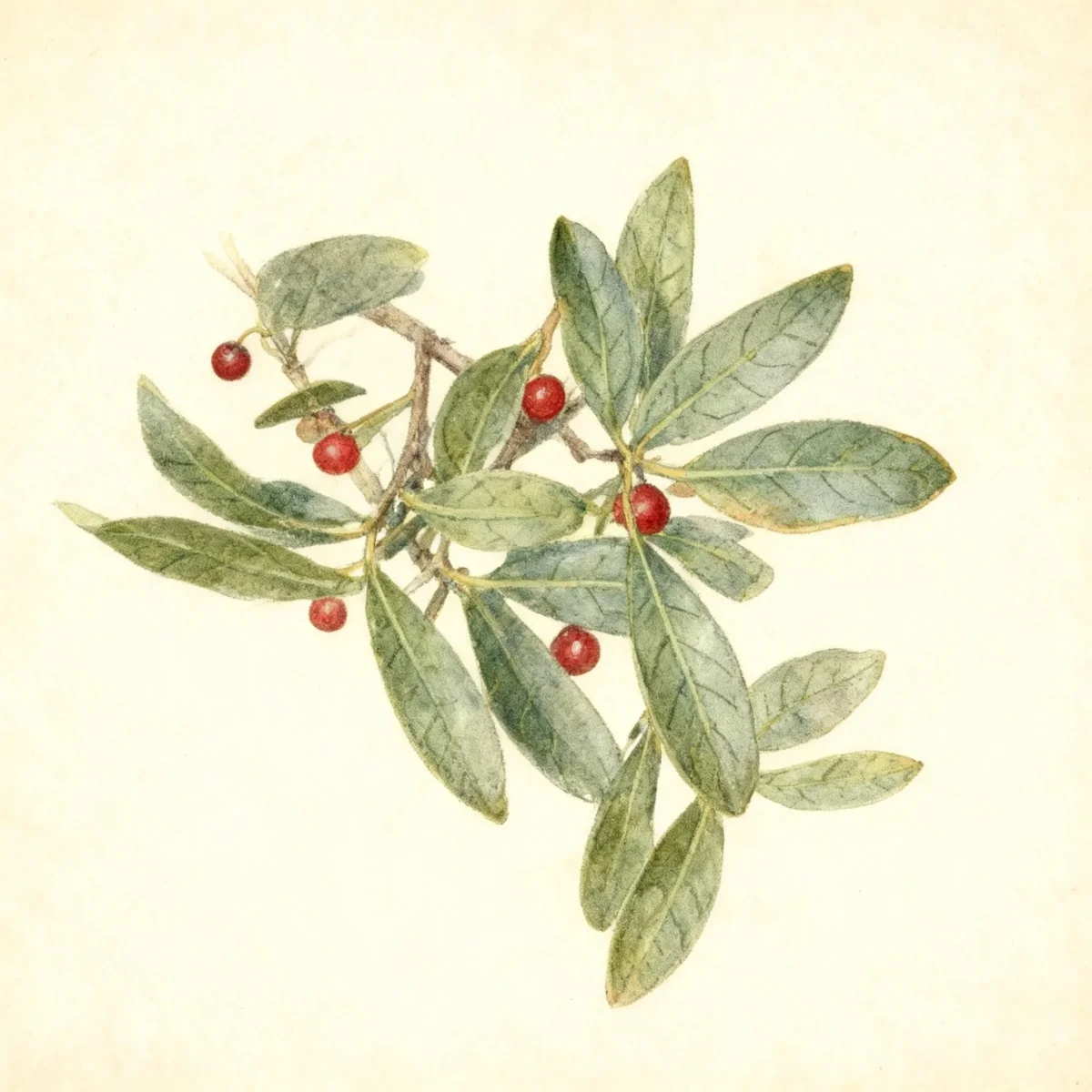
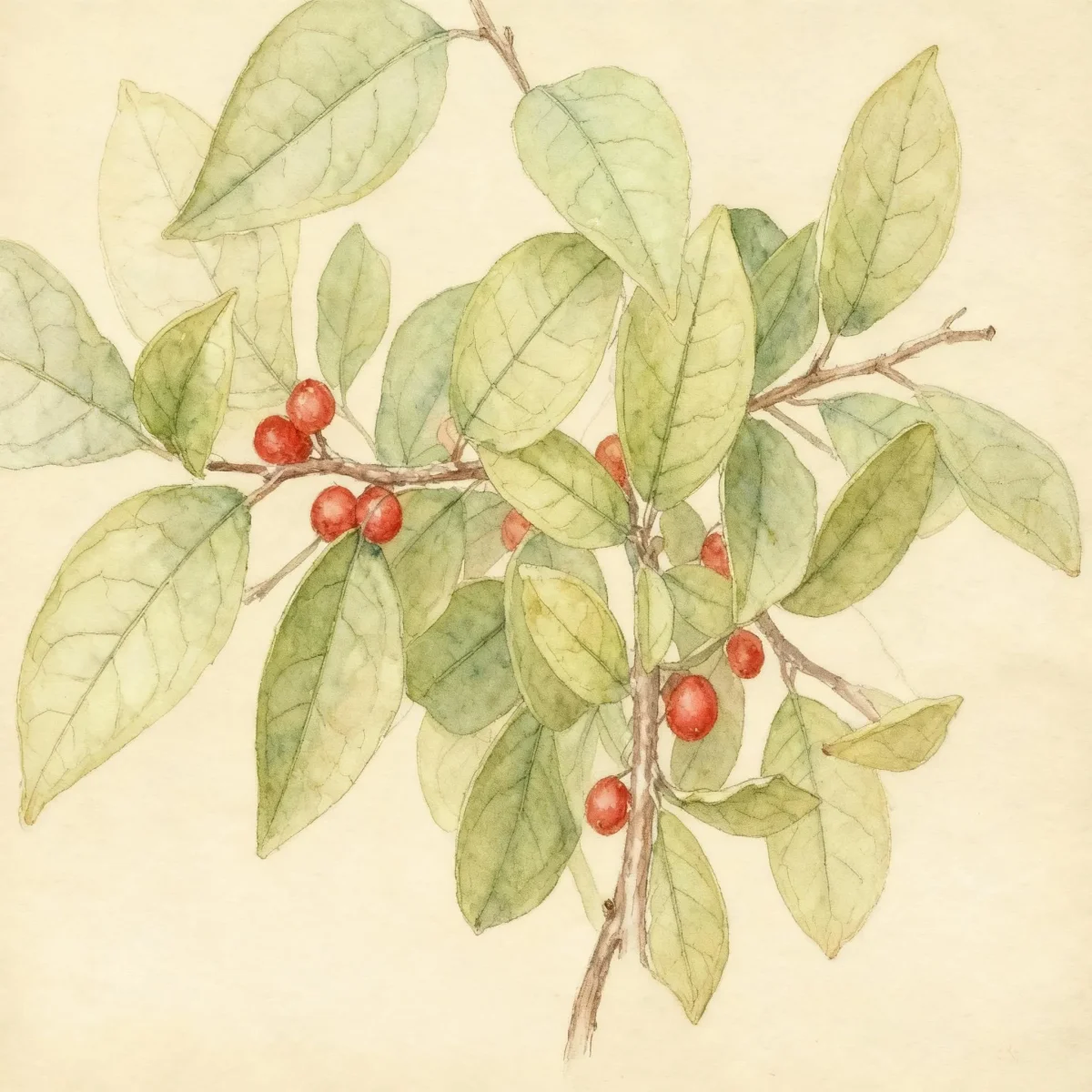
Remember that Inkberries are dioecious, meaning male and female flowers are on separate plants. If you desire the small, black, berry-like drupes, a pollinator needs to be present. For a neat look, proactively remove any persistent root suckers early in the season if you want to maintain the shrub’s defined, rounded shape.
Landscape Uses
Ilex glabra ‘Shamrock’ excels when used formally, making it an excellent choice for low hedges requiring minimal shearing once established. Its compact nature also suits foundation plantings near structures where larger shrubs might become overwhelming, or as neat separators in shrub borders. For more naturalized settings, plant it in mass groupings within moist woodland gardens or adjacent to streams and ponds where its tolerance for wet soil can be fully utilized.
This Inkberry pairs wonderfully with other acid-loving evergreens or moisture-tolerant perennials that prefer similar conditions. Consider blending it with ferns, rhododendrons, or other native wetland edge plants to create a lush, multi-layered planting design. Its year-round deep green color provides the perfect foil for deciduous plants showing off their fall color or early spring blossoms.
Standout Features
Flower Qualities
- Insignificant
Noteworthy Characteristics
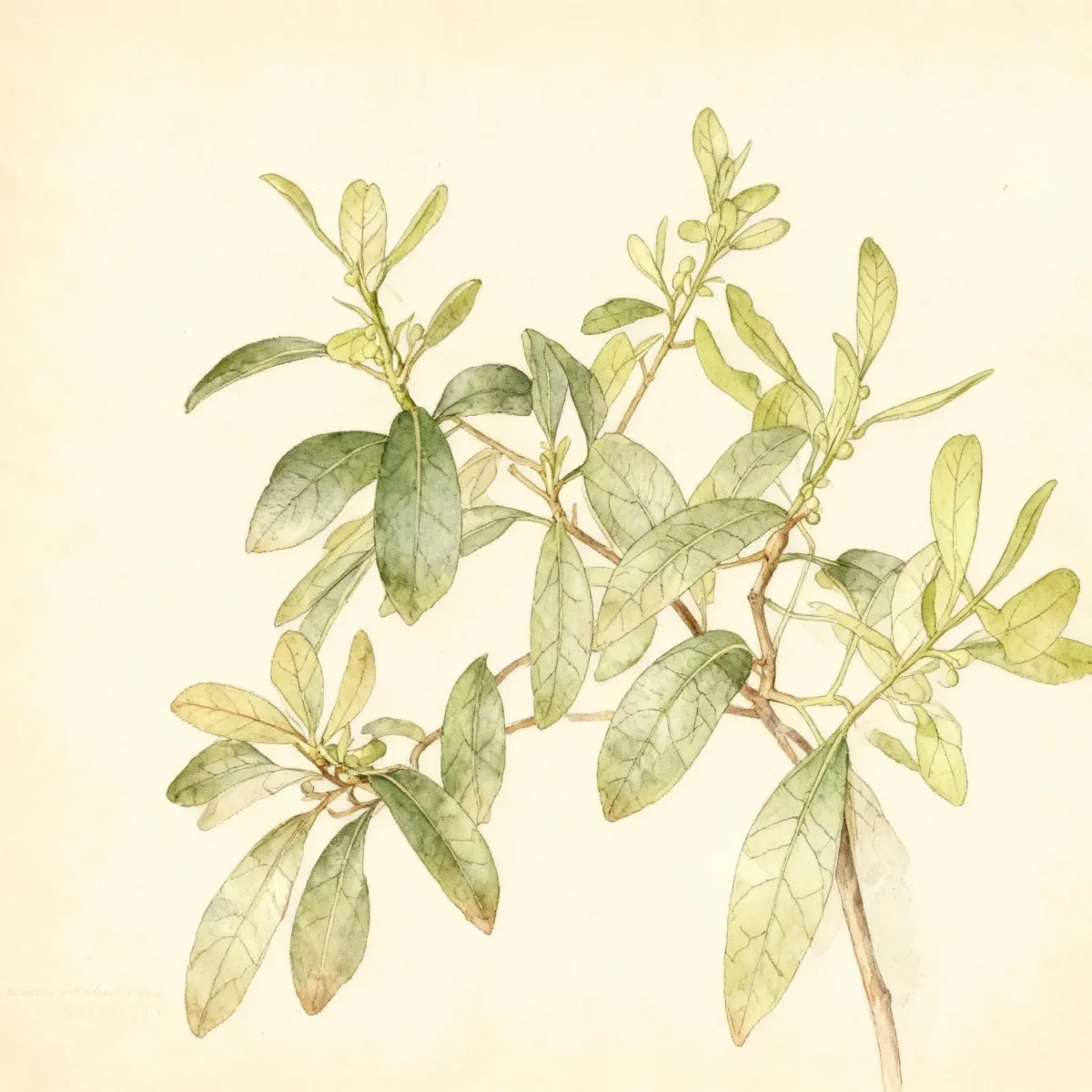
Ilex glabra, commonly called inkberry or gallberry, is a slow-growing, upright-rounded, stoloniferous, broadleaf evergreen shrub in the holly family. Spineless, flat, ovate to elliptic, glossy, dark green leaves (to 1.5” long) have smooth margins with several marginal teeth near the apex. The cultivar ‘Shamrock’ is valued for being a compact rounded form that suckers less heavily than the straight species.
Tolerances
- Rabbit
- Deer
- Erosion
- Wet Soil
- Air Pollution
Potential Problems
Leaf spot is an occasional concern, especially in damp, humid conditions; ensure good air circulation around the plants to prevent fungal development. The most common cultural issue for Inkberry is chlorosis, which manifests as yellowing leaves, typically caused by planting in high pH (alkaline) soils. Spider mites may occasionally become noticeable, particularly if the plant experiences dry periods, so monitor foliage regularly. Susceptibility to inkberry leaf miner also exists, though generally kept in check with good cultural practices.
Frequently Asked Questions
What hardiness zones is Inkberry suitable for?
The Ilex glabra ‘Shamrock’ cultivar is reliably hardy in USDA Zones 4 through 9, offering versatility across much of the temperate gardening regions.
How large does Ilex glabra ‘Shamrock’ grow?
This specific Inkberry cultivar matures into a compact shape, typically reaching 3 to 4 feet in height and spreading to a width of 3 to 4 feet.
What sun exposure does Ilex glabra ‘Shamrock’ need?
It thrives in a mixed light scenario, performing well in full sun or tolerating partial shade, though consistent moisture remains vital regardless of light levels.
When does Inkberry bloom?
The inconspicuous, greenish-white flowers of the Inkberry appear relatively early in the season, typically blooming from May through June.
Conclusion
The compact, evergreen foliage and low-maintenance nature make Ilex glabra ‘Shamrock’ an indispensable native shrub for foundation planting and creating formal structure. This Inkberry provides reliable year-round texture while tolerating challenging wet soil conditions better than many alternatives. Check your soil pH today to ensure it is acidic when planning where to install your new Ilex glabra ‘Shamrock’.
Companion Planting
When designing beds around Ilex glabra ‘Shamrock’, focus on plants that share its preference for acidic, moist, or wet soil conditions. Excellent partners include Oakleaf Hydrangea, Virginia Sweetspire (Itea virginica), or various astilbes, which offer textural contrast but share similar cultural needs regarding moisture. For evergreen backdrops, consider large native hollies or mountain laurel, provided they are planted where soil drainage is adequate despite the high water needs of the Inkberry.
Seasonal Care Calendar
Spring cleanup is the ideal time to prune the Ilex glabra ‘Shamrock’ just before new buds swell, keeping the shape tight for the coming season. Summer care revolves mainly around consistent monitoring, ensuring the medium to wet soil requirements are met, especially during dry spells. In the fall, if female plants are present and you desire fruit persistence, ensure no heavy pruning disturbs the developing drupes. Winter care is minimal; its excellent hardiness means little protection is needed beyond ensuring the soil doesn’t completely dry out in warmer winter climates.