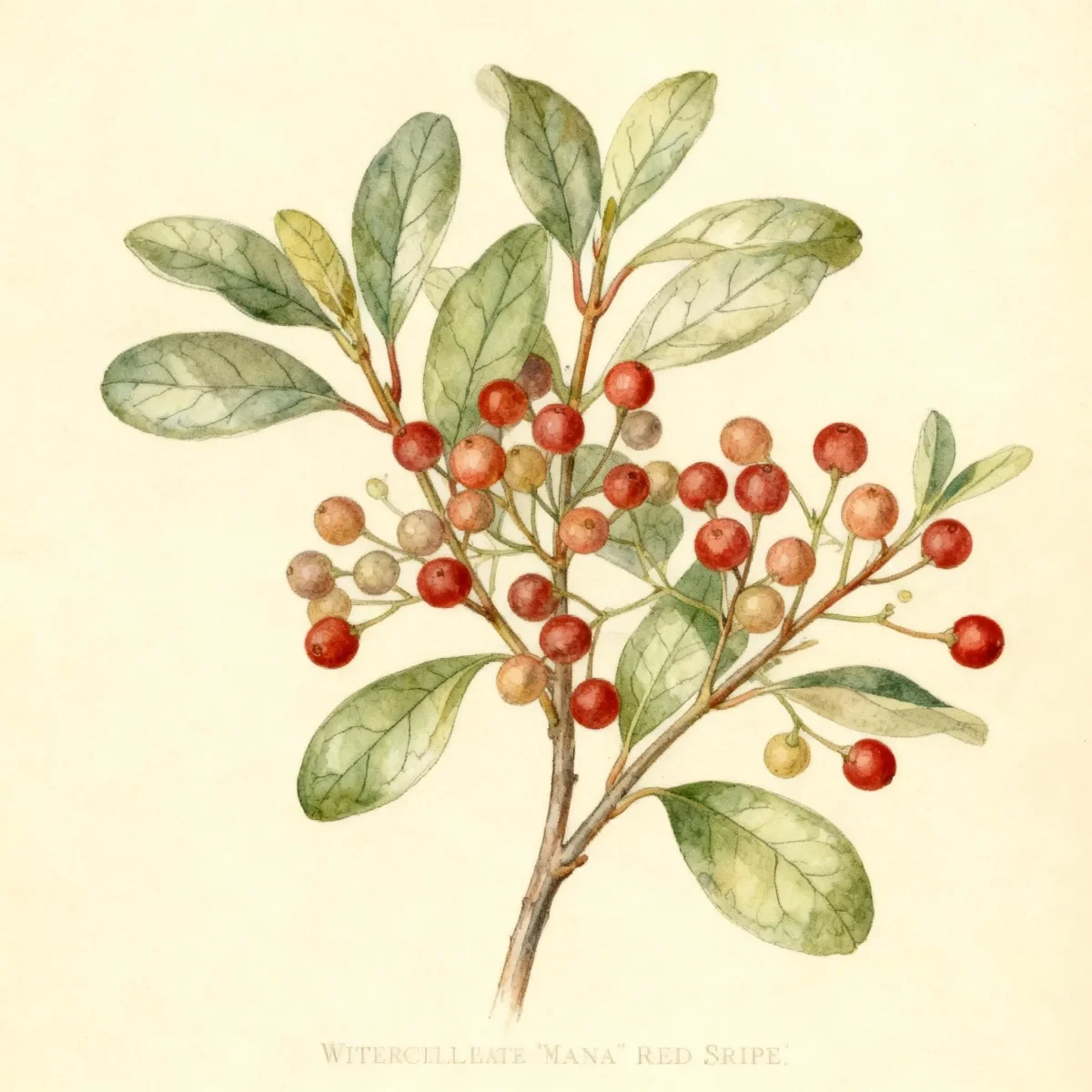
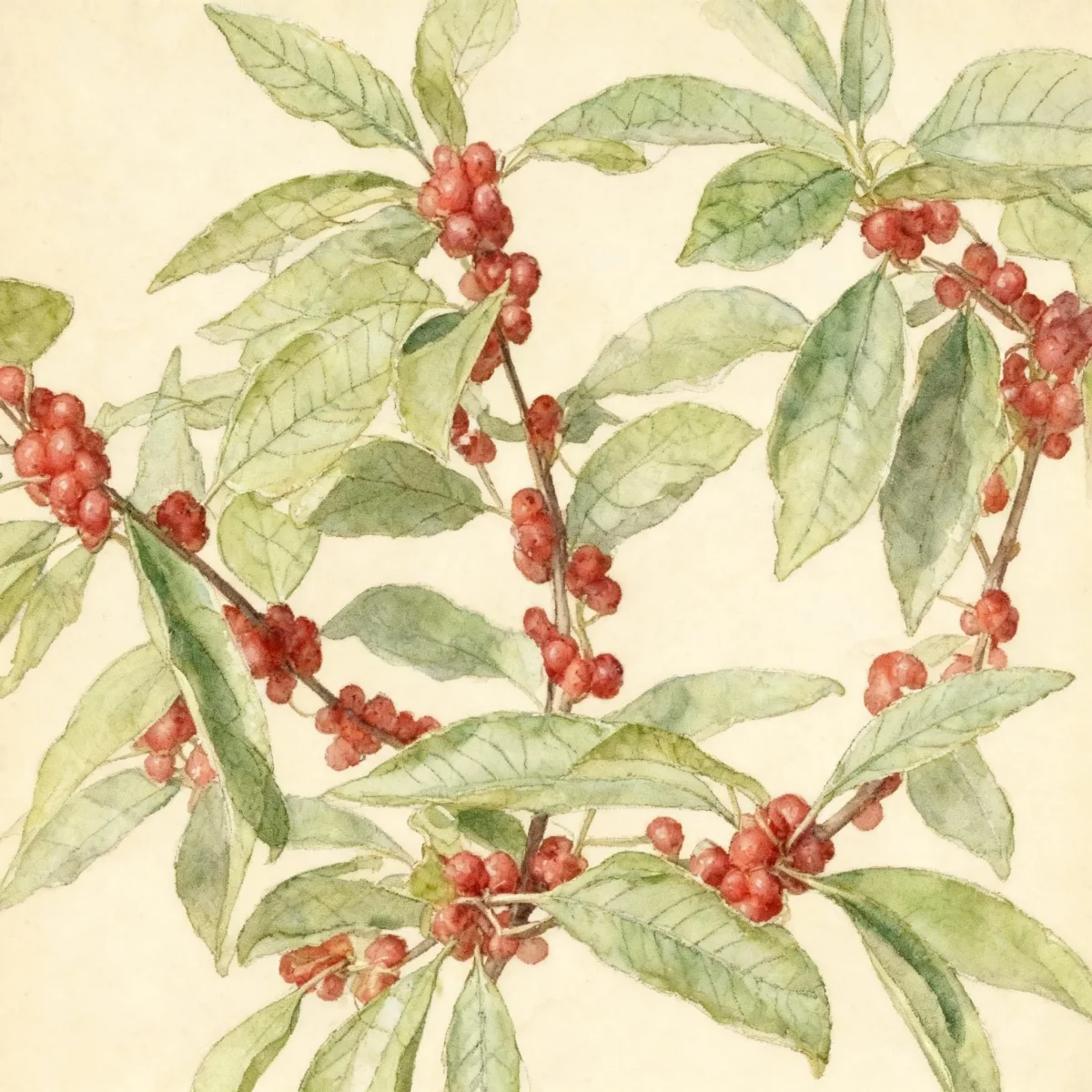
Winterberry (Ilex verticillata 'Cacapon')
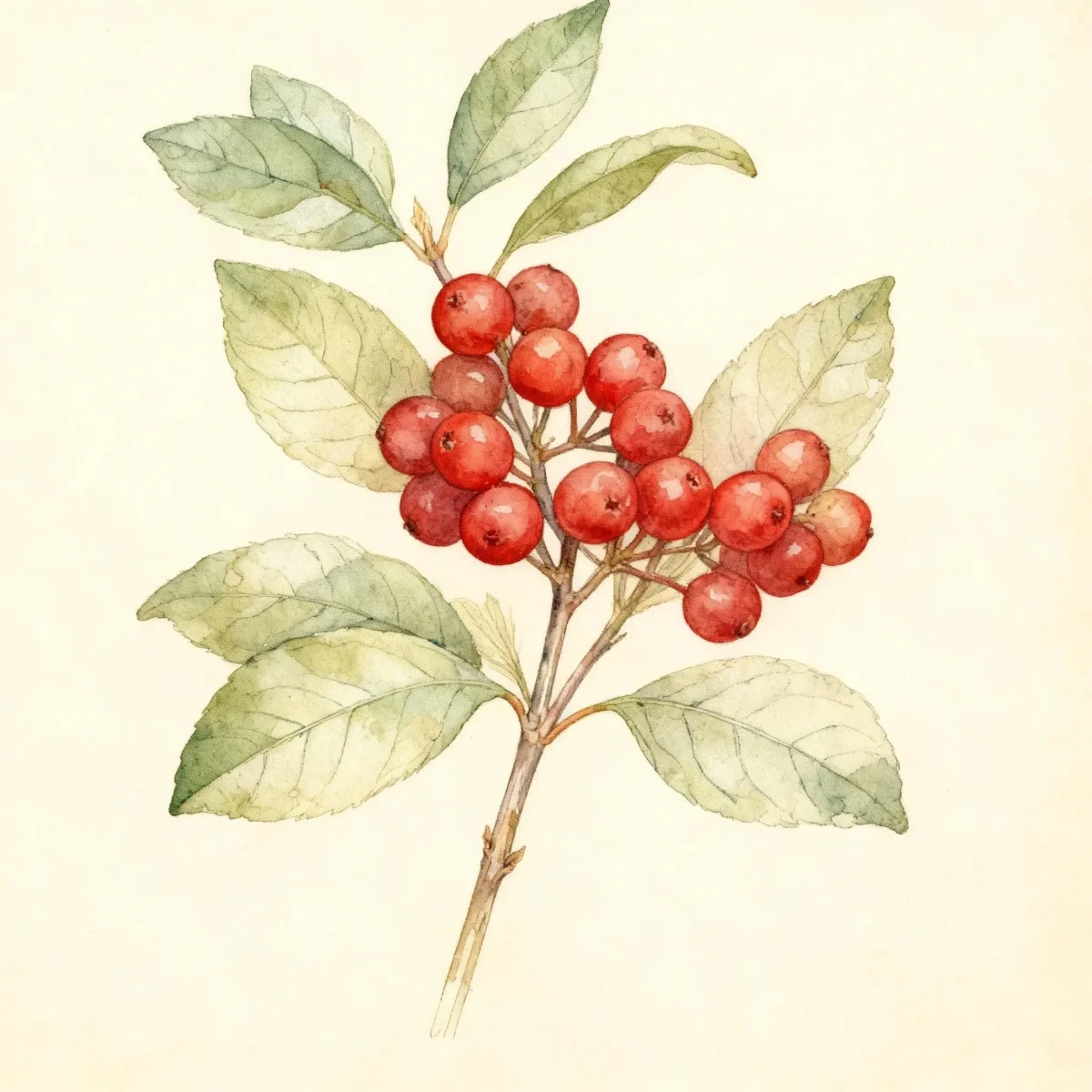
Ilex verticillata 'Cacapon' is a low-maintenance, deciduous Winterberry prized for its abundant, persistent red berries throughout winter.
Scroll down to discover growing tips, care requirements, companion plants, and more
Complete Plant Information
Overview
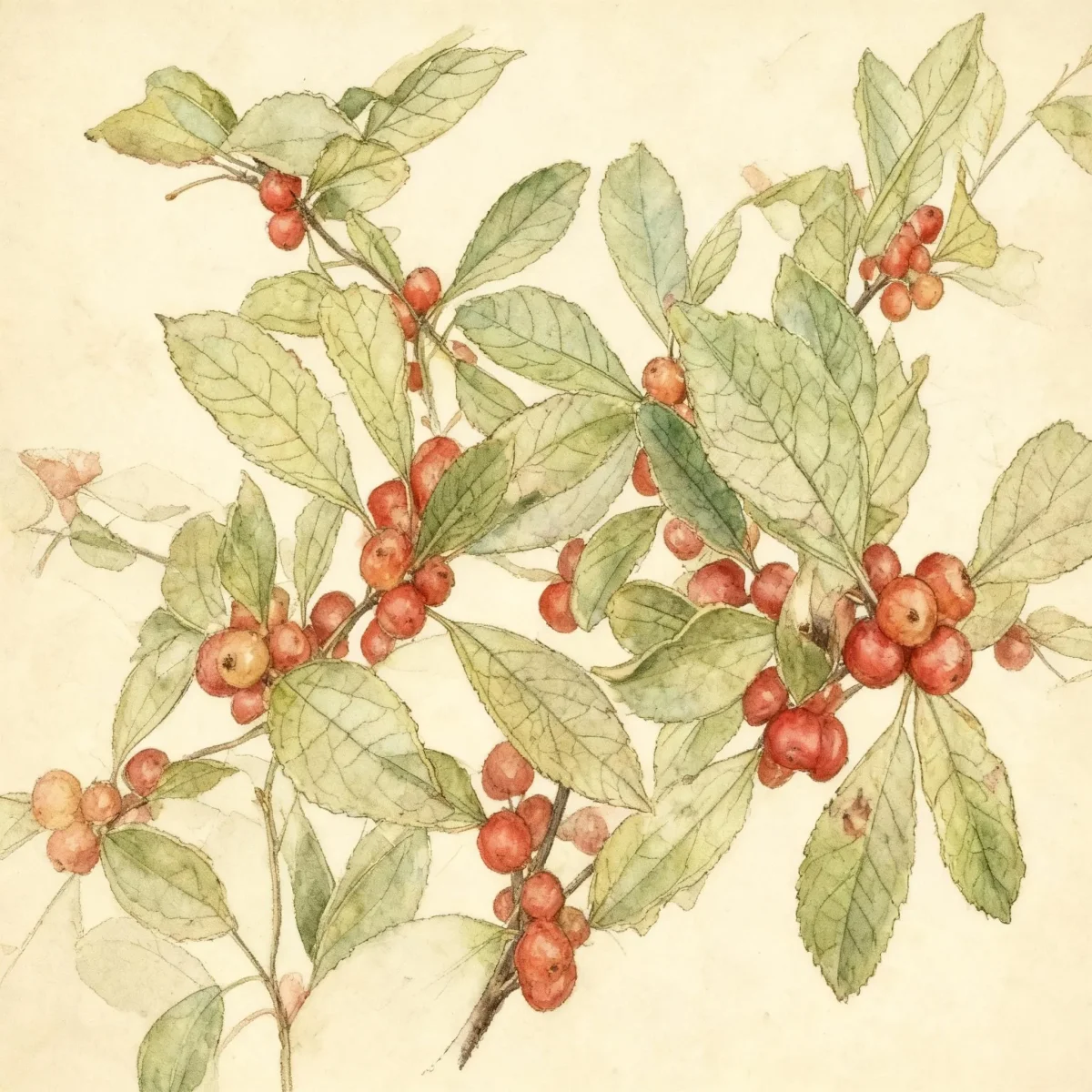
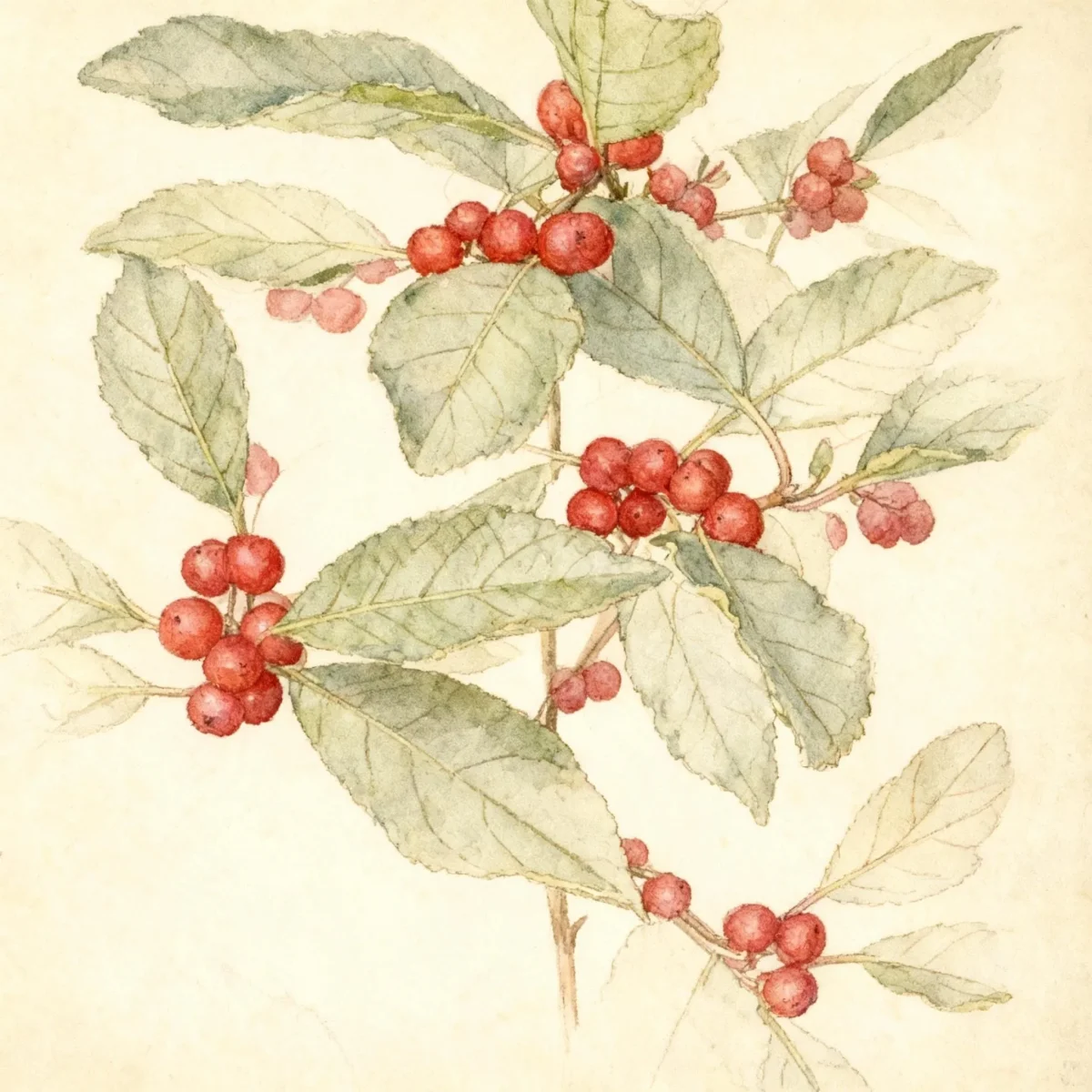
The ‘Cacapon’ cultivar of Winterberry (Ilex verticillata ‘Cacapon’) is a standout deciduous holly celebrated primarily for its superior winter interest. This striking shrub provides a crucial splash of color when little else is blooming, thanks to its profuse crop of bright red berries that cling to the bare branches. Grown across USDA Zones 3 through 9, this native species offers robustness and adaptability, thriving even in challenging, wet locations in the landscape.
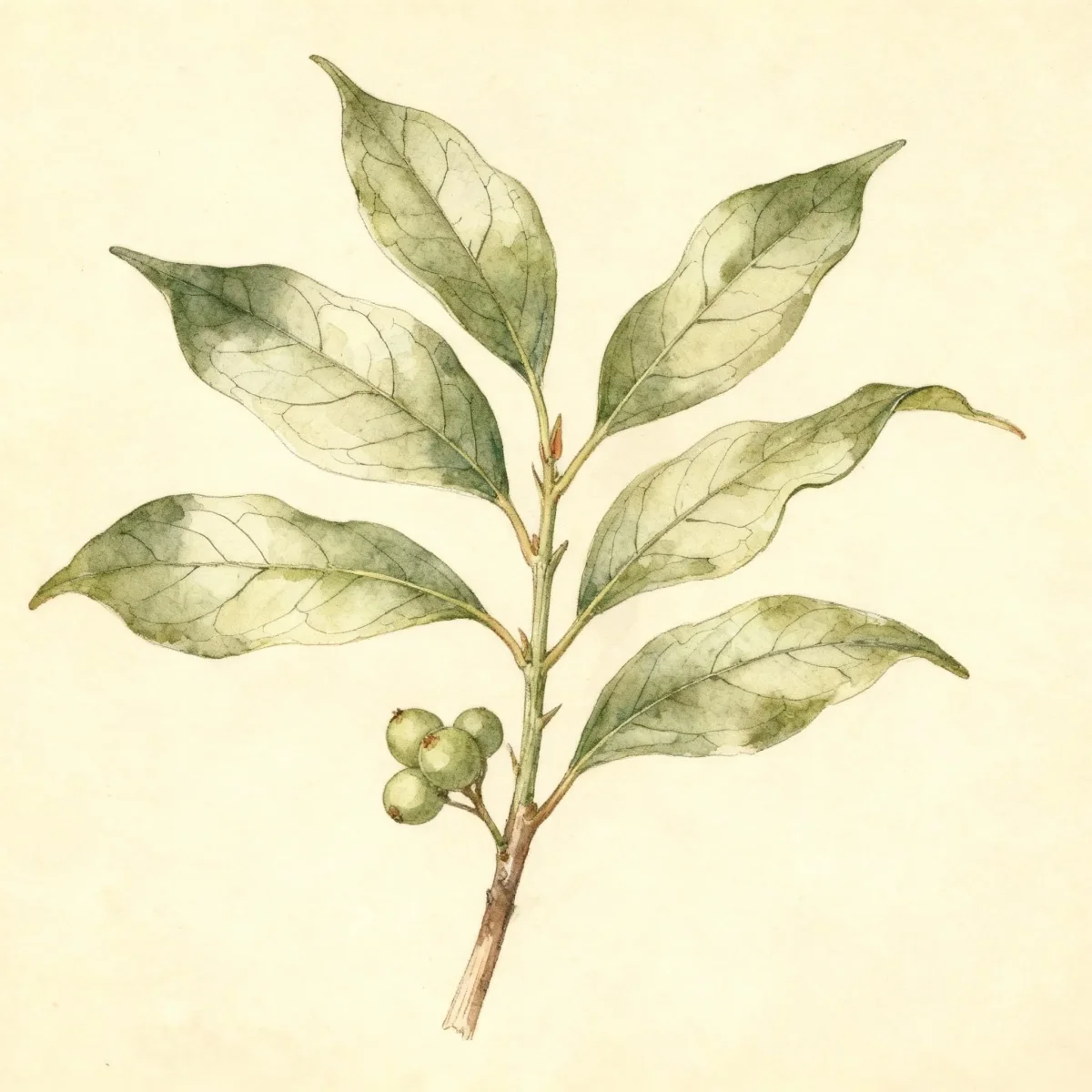
Ilex verticillata ‘Cacapon’ is a slow-growing, suckering shrub that develops an upright, rounded habit, typically reaching 6 to 8 feet tall and wide. While the summer foliage is distinguished by being crinkled and glossy dark green, the plant’s true value emerges after leaf drop, making it an essential component for gardens aiming for multi-seasonal appeal. Successful cultivation of this female cultivar hinges on proper pollination to ensure the spectacular berry display.
Gardeners value Winterberry for its low maintenance needs and its capacity to establish well in moist environments where many other shrubs struggle. It serves both an aesthetic role, providing vibrant color, and an ecological one, offering vital winter sustenance for birds and mammals. Planning placement for the Ilex verticillata ‘Cacapon’ to offset a dedicated male pollinator ensures a reliable return of its signature fruit show year after year.
Fast Facts
- Plant Family: Aquifoliaceae
- Plant Type: Deciduous shrub
- Hardiness Zones: USDA Zones 3-9
- Size at Maturity:
- Height: 6-8 ft
- Spread: 6-8 ft
- Bloom Time: June to July
- Bloom Description: White
- Sun Exposure: Full sun to part shade
- Water Needs: Medium to wet
- Maintenance Level: Low
How to Grow
Planting Ilex verticillata ‘Cacapon’ is best achieved in spring or fall when the soil is cool. This shrub excels in sites receiving full sun to partial shade. It highly prefers acidic, moist to wet soils rich in organic matter, mirroring its native swampy habitats. If placed in neutral or alkaline soils, the plant becomes highly susceptible to chlorosis, manifesting as yellowing leaves and poor health.
Maintenance for this Winterberry cultivar is generally low. Water regularly to keep the soil consistently medium to wet, especially when establishing, as it tolerates poorly drained conditions better than most shrubs. Pruning should be reserved for early spring just before new growth begins, focusing on shaping the plant or removing suckers. Since ‘Cacapon’ is dioecious (female), you must plant it near a reliable male pollinator, such as I. verticillata ‘Jim Dandy’, to ensure the profuse red berries appear.
Remember that the inconspicuous white flowers appear on new growth; effective pollination leads directly to the coveted winter fruit display. When selecting a location, ensure adequate pairing for pollination success, as a single male plant can often service several female Ilex verticillata ‘Cacapon’ shrubs. Its toughness in wet, heavy soils makes it perfect for rain garden installations.
Landscape Uses
The primary landscape function of Ilex verticillata ‘Cacapon’ is providing dramatic winter contrast against snow or evergreen backdrops. Its upright nature lends itself perfectly to massing for use as a screen or informal hedge in moist areas of the yard. Consider planting it strategically near windows or outdoor seating areas to capitalize on the persistent red berries throughout the cold months.
This Winterberry is excellent when grouped along streams, ponds, or in dedicated rain gardens, leveraging its high tolerance for wet soil. For a dynamic border, pair the red berries of the ‘Cacapon’ with the silver-grey bark of native dogwoods or the persistent seed heads of ornamental grasses. Branches cut in late fall are highly prized for indoor winter arrangements, offering nature’s color display inside the home.
Standout Features
Flower Qualities
- Insignificant
Fruit Qualities
- Showy
Noteworthy Characteristics
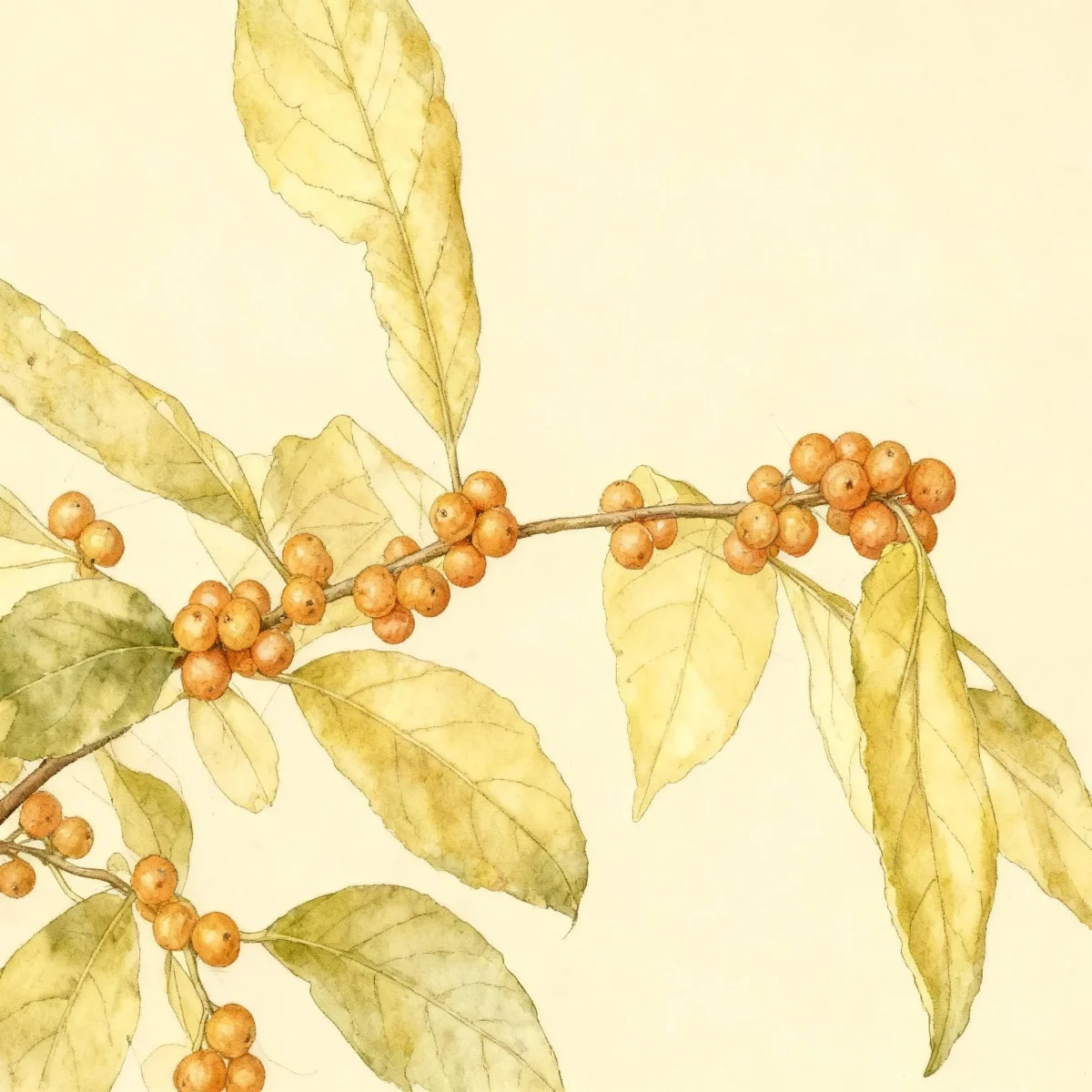
Ilex verticillata ‘Cacapon’ is a deciduous holly distinguished by its crinkled, glossy dark green leaves that precede a profuse crop of bright red berries persisting well into winter. This slow-growing shrub suckers gently, forming dense colonies, and its berries are an important high-energy food source for birds and various wildlife during the lean winter months.
Tolerances
- Erosion
- Clay Soil
- Wet Soil
- Air Pollution
Potential Problems
The Ilex verticillata ‘Cacapon’ is generally resistant to serious pest infestations or diseases, making it a reliable choice. The most common issues relate to its soil pH requirements; plants suffering in neutral to alkaline soil often develop chlorosis, characterized by noticeable yellowing of the leaves. To prevent this, ensure your soil is adequately acidic before planting. Occasional fungal issues like powdery mildew or leaf spot can occur, often managed by ensuring good air circulation when planting groups of Winterberry closely together.
Frequently Asked Questions
What hardiness zones is Winterberry (Ilex verticillata ‘Cacapon’) suitable for?
This deciduous shrub is hardy across a very wide range, suitable for USDA Zones 3 through 9.
How large does Ilex verticillata ‘Cacapon’ grow?
At maturity, this cultivar typically achieves a height between 6 and 8 feet, with a spread ranging from 6 to 8 feet, maintaining an upright, rounded habit.
What sun exposure does Winterberry need?
Ilex verticillata ‘Cacapon’ performs best when situated in locations receiving full sun to moderate part shade.
When does Winterberry bloom?
The inconspicuous white flowers of this Winterberry generally appear in early summer, blooming from June into July.
Conclusion
The Ilex verticillata ‘Cacapon’ offers unparalleled winter color and adapts well to wet conditions, solidifying its place as a must-have native shrub. Its low maintenance requirements and spectacular display of persistent red fruit ensure year-round visual interest in the garden, even after the last leaf has dropped. Before planting, confirm your site offers the necessary acidity and moisture levels, and remember to include a compatible male pollinator for a guaranteed berry harvest.
Companion Planting
When designing around your Winterberry, select counterparts that appreciate similar moist, acidic soil conditions. Deciduous shrubs like Red Twig Dogwood (Cornus sericea) will provide contrasting stem color that complements the red berries of the Ilex verticillata ‘Cacapon’ during winter dormancy. Consider pairing it with moisture-loving perennials such as Astilbe or various ferns, which thrive in the dappled light often accompanying the partial shade preference of this shrub.
Wildlife Benefits
Beyond its visual appeal, this Winterberry cultivar is a crucial ecological asset, especially during harsh winters. The abundant red berries of the ‘Cacapon’ are a vital supplementary food source for many bird species, including robins and cedar waxwings, when native fruit sources are scarce. Furthermore, the foliage supports the larval stages of native moths, contributing significantly to the local insect diversity that supports the wider food web in your garden ecosystem.