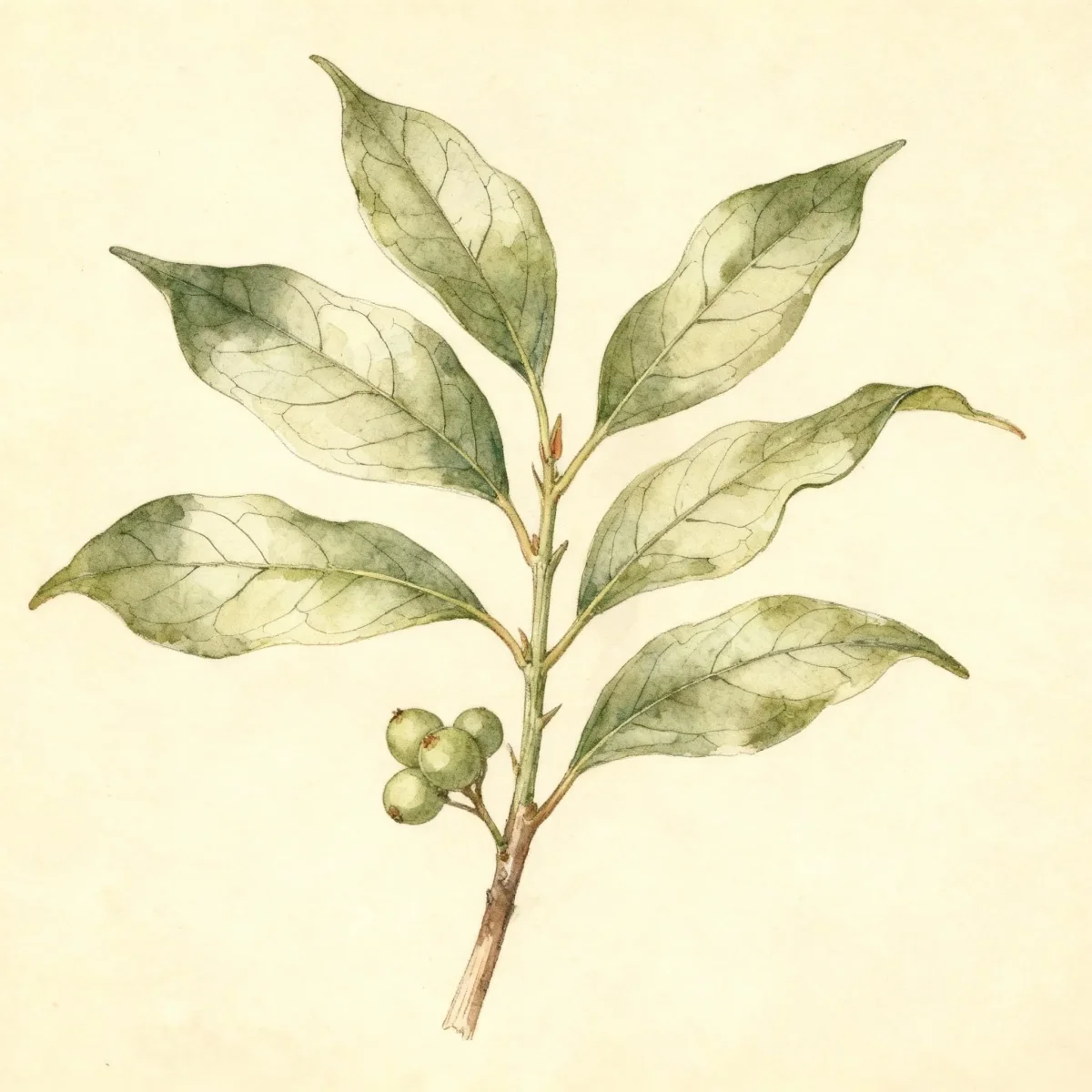
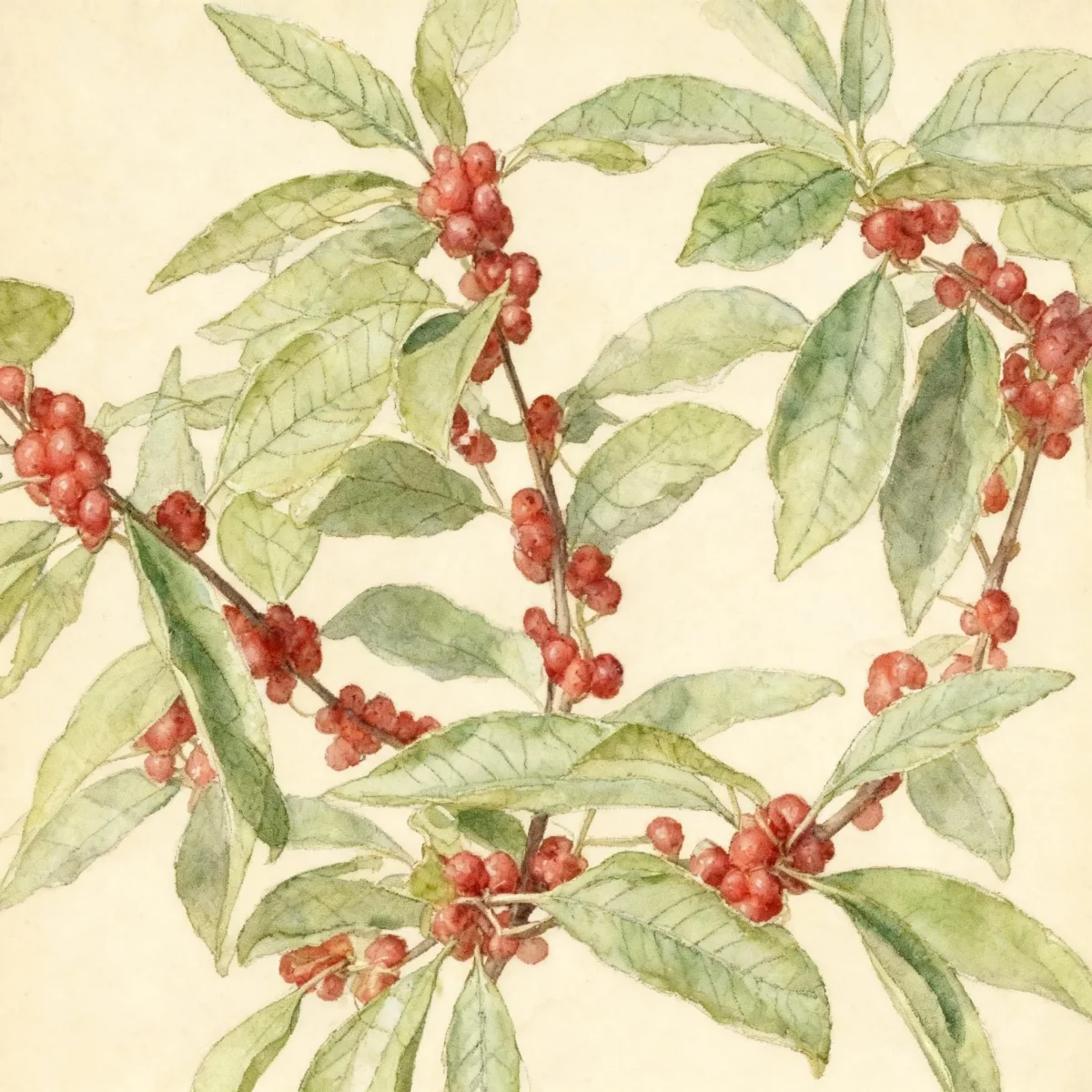
Winterberry (Ilex verticillata 'Nana' RED SPRITE)
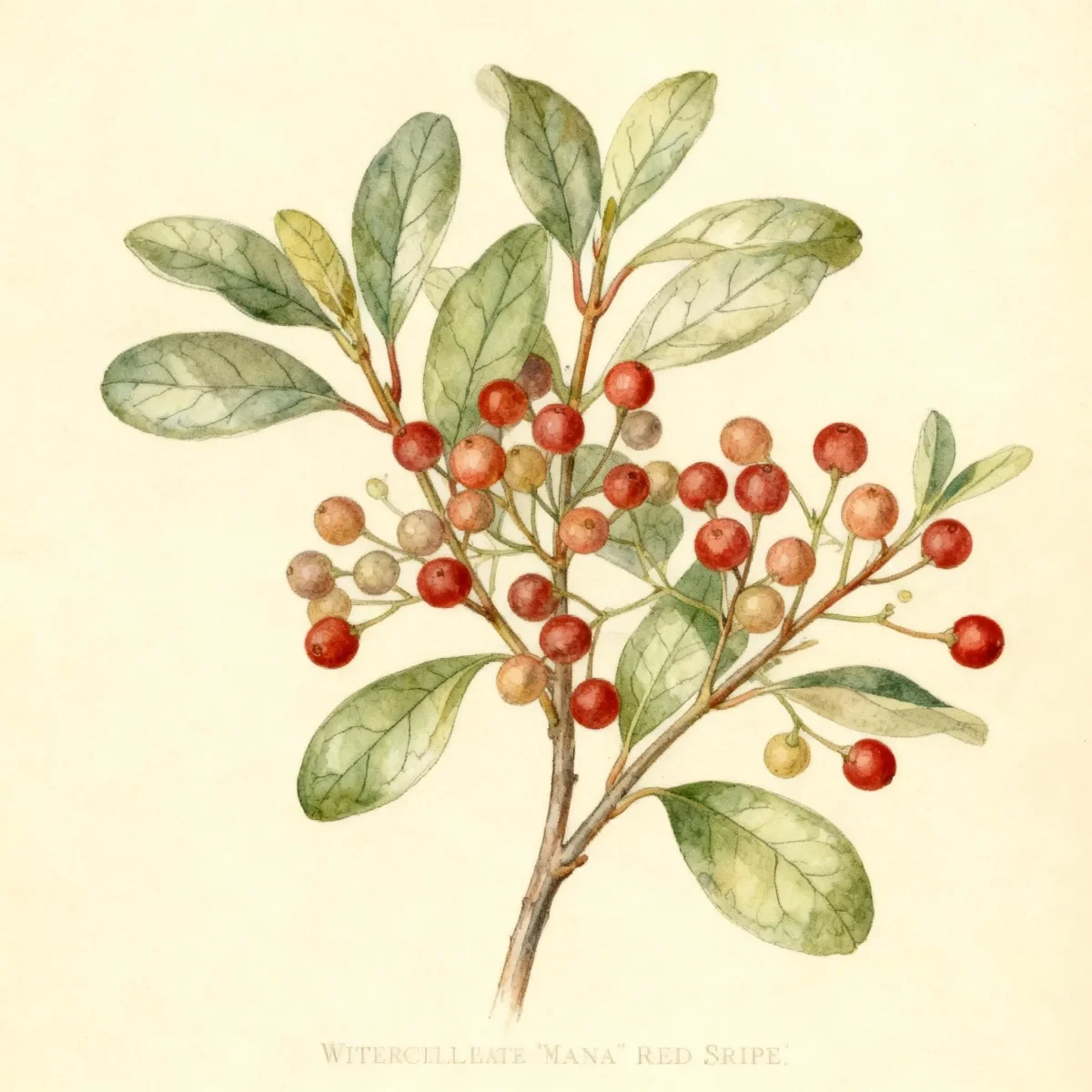
Dwarf female Winterberry, Ilex verticillata 'Nana' RED SPRITE, delivers profuse red berries. Low maintenance, handles very wet soil. Hardy zones 3-9.
Scroll down to discover growing tips, care requirements, companion plants, and more
Complete Plant Information
Overview
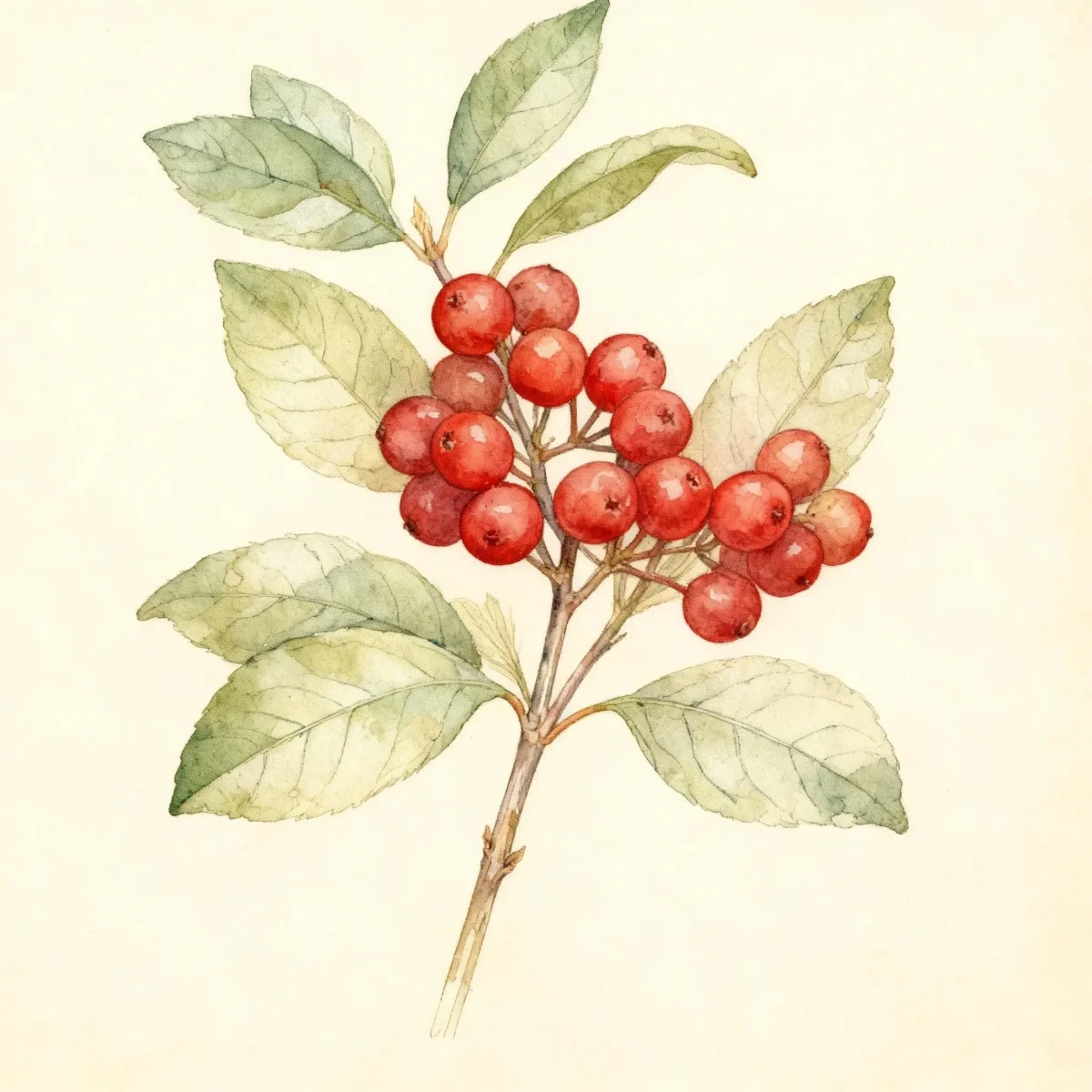
Ilex verticillata ‘Nana’ RED SPRITE, commonly known as Winterberry, is highly valued for its spectacular winter display of bright red berries against bare branches. This cultivar is a slow-growing, dwarf deciduous holly, making it an excellent choice for smaller landscapes where space is limited. As a female plant, the Ilex verticillata ‘Nana’ RED SPRITE requires a nearby male pollinator to ensure the heavy fruiting for which it is famous.
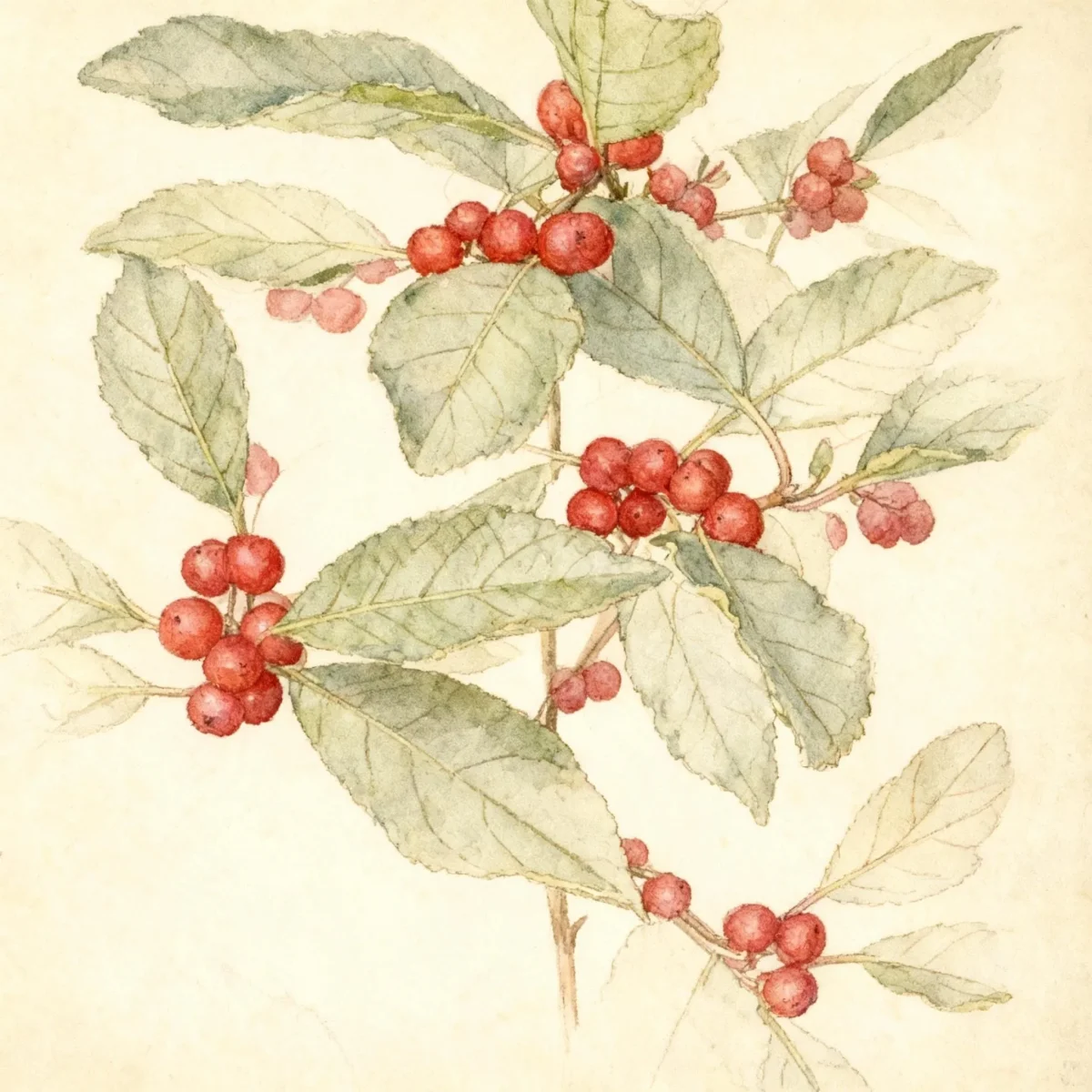
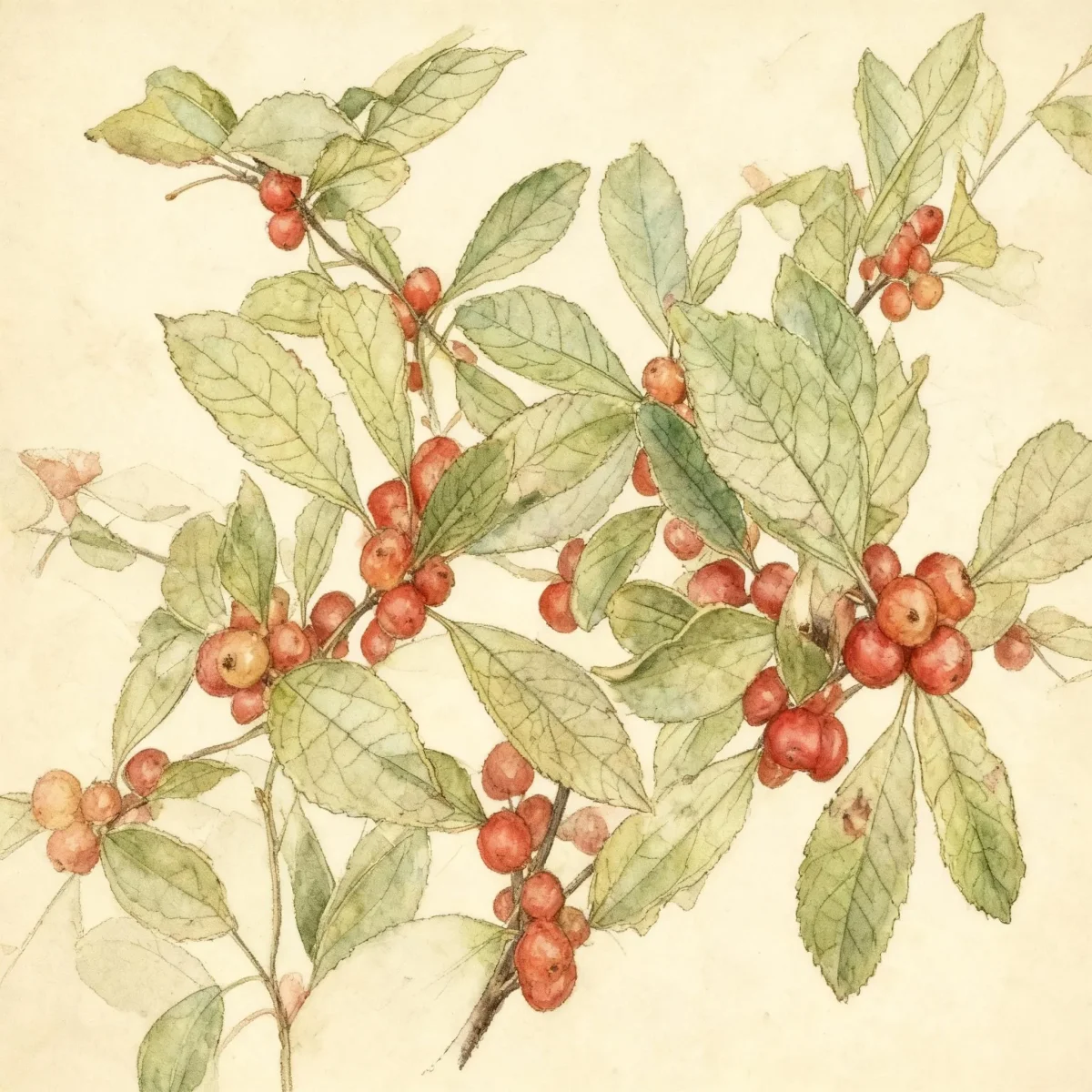
This Winterberry thrives in conditions that many other shrubs dislike, boasting excellent tolerance for poorly drained, wet to boggy soils. Its low maintenance needs and compact, rounded habit make it a reliable architectural feature throughout the year. The true ornamental value appears after the glossy green leaves drop in autumn, revealing dense clusters of persistent red fruit.
The resulting aesthetic provides crucial structural color during the bleakest months, turning wet spots or rain gardens into focal points. Gardeners seeking reliable winter interest need look no further than a thoughtfully placed pairing of female Ilex verticillata ‘Nana’ RED SPRITE and its male counterpart.
Fast Facts
- Plant Family: Aquifoliaceae
- Plant Type: Deciduous shrub
- Hardiness Zones: USDA Zones 3-9
- Size at Maturity:
- Height: 2.5-3 ft
- Spread: 2.5-3 ft
- Bloom Time: June to July
- Bloom Description: Dull white
- Sun Exposure: Full sun to part shade
- Water Needs: Medium to wet
- Maintenance Level: Low
How to Grow
The best time to plant Ilex verticillata ‘Nana’ RED SPRITE is typically in the spring or fall, allowing the root system to establish before extreme weather hits. Ensure planting location meets its needs for acidic, moist, organic loam, though this species is highly adaptable to heavy clay soils. Though it tolerates full sun, partial shade will also work well, but heavy shade may reduce berry production.
Water needs are crucial for this Winterberry; maintain medium to wet soil moisture levels, especially during establishment, as it prefers swampy or boggy conditions. Fertilization is usually unnecessary unless the soil is severely impoverished or fails to meet the acidic requirement, which can lead to chlorosis. Pruning should be executed in early spring just before new growth emerges, primarily to maintain shape or remove crossing branches.
Since this is a female cultivar, remember that successful fruiting depends entirely on cross-pollination. Plant one male pollinator, such as ‘Jim Dandy’, within adequate range—generally one male can service up to 9 or 10 female ‘Nana’ plants. The small, inconspicuous flowers appear on new growth, so late pruning will remove potential berry sites.
Landscape Uses
The compact nature of Ilex verticillata ‘Nana’ RED SPRITE makes it incredibly versatile, particularly in specialized areas of the garden. Its excellent tolerance for wet soil means it excels in rain gardens, low spots, or along the edges of ponds and streams where moisture is abundant. This Winterberry is specifically recommended for these damp environments, utilizing the moisture often rejected by upland shrubs.
For year-round interest highlighted by its winter berries, use the Ilex verticillata ‘Nana’ RED SPRITE as an accent plant or mass grouping. When planted with male partners, they form dense, low hedges ideal for property lines or foundation plantings where structure is needed during winter dormancy. Its consistent 2.5 to 3-foot size prevents this dwarf variety from overwhelming smaller garden spaces.
Standout Features
Flower Qualities
- Insignificant
Fruit Qualities
- Showy
Noteworthy Characteristics
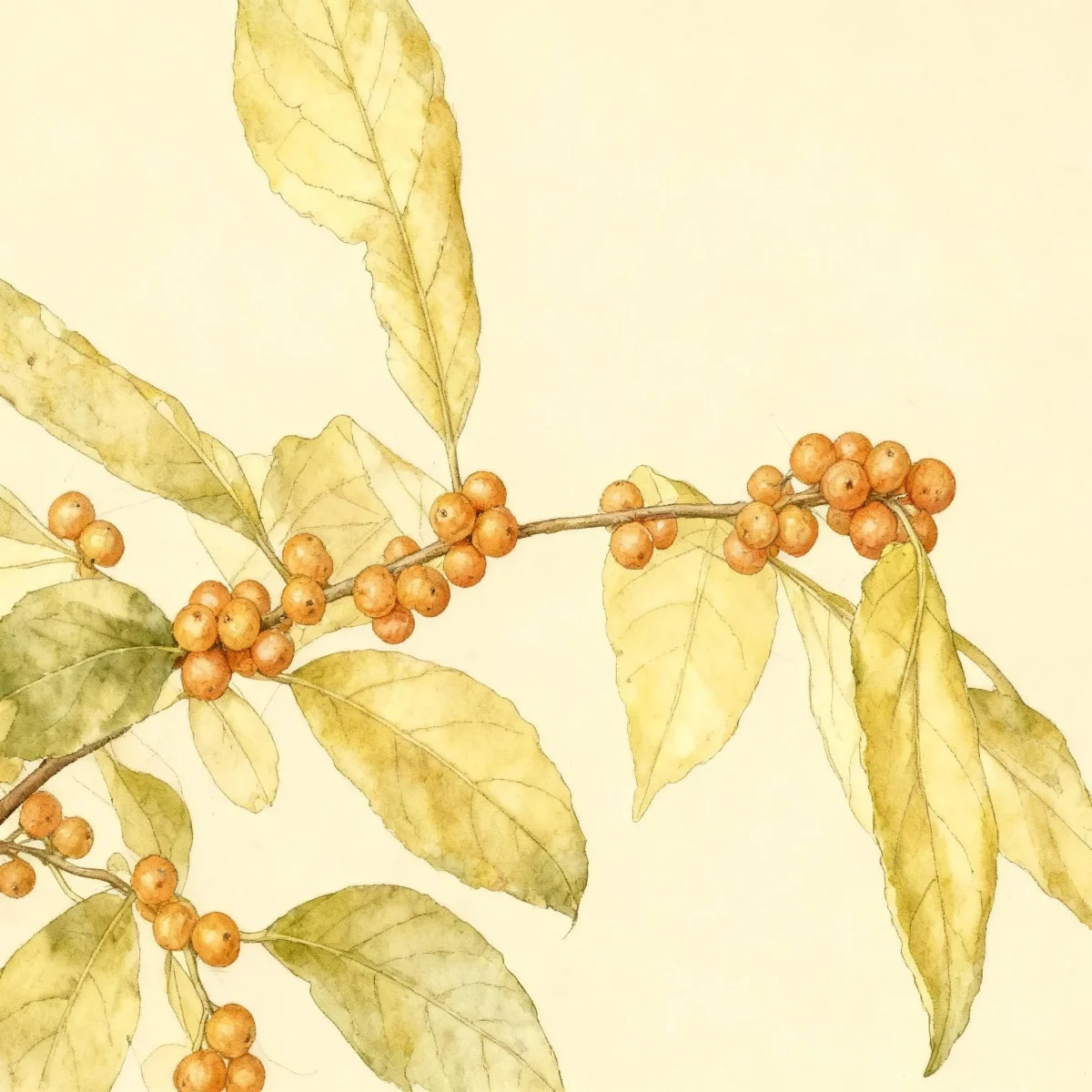
Ilex verticillata, commonly called winterberry, is a deciduous holly that is native to eastern North America where it typically occurs in swamps, damp thickets, low woods and along ponds and streams. The form of this plant found in Missouri is Ilex verticillata var. Padifolia, which occurs in “shut-ins”, granite rocky stream beds and sandstone bluffs in only 4 counties in the southeastern part of the state (Steyermark). This is a slow-growing, deciduous shrub with an upright-rounded habit that typically grows 6-12’ tall. The foliage is a larval food source for the Harris’ three-spot and pawpaw sphinx moths. ‘Nana’ is a deciduous winterberry cultivar that is a large-berried, slow-growing, dwarf shrub with an upright, rounded habit. This female winterberry, as the common name suggests, produces profuse red berries which are extremely attractive in fall and winter, often persisting to early spring unless consumed by local bird populations.
Tolerances
- Erosion
- Clay Soil
- Wet Soil
- Air Pollution
Potential Problems
This plant enjoys a relatively clean bill of health regarding major pests and diseases, which contributes to its low maintenance status. Occasional superficial issues might include leaf spots or powdery mildew, especially if air circulation is poor or humidity is consistently high. The most significant threat to the health of Ilex verticillata ‘Nana’ RED SPRITE is planting in the wrong soil pH.
Plants perform poorly in neutral or alkaline soils, often exhibiting chlorosis—a yellowing of the leaves due to nutrient lockout. If this occurs, addressing soil acidity immediately is vital, as prolonged stress in unsuitable pH conditions can lead to decline or death. Ensure your soil tests acidic before planting; if necessary, amend heavily with organic peat moss or sulfur products.
Frequently Asked Questions
What hardiness zones is Winterberry suitable for?
Ilex verticillata ‘Nana’ RED SPRITE is reliably hardy across USDA Zones 3 through 9.
How large does Ilex verticillata ‘Nana’ RED SPRITE grow?
This dwarf cultivar typically reaches a mature height and spread between 2.5 and 3 feet tall and wide.
What sun exposure does Winterberry need?
It performs best when situated in full sun to part shade conditions for optimal berry production.
When does Ilex verticillata ‘Nana’ RED SPRITE bloom?
The inconspicuous flowers appear from June to July, presenting a dull white color before developing the signature red fruit.
Conclusion
The Ilex verticillata ‘Nana’ RED SPRITE offers unparalleled value for gardeners needing vibrant, long-lasting winter color in moist, acidic settings. This dwarf female Winterberry ensures a tidy footprint while delivering the famed berry display, provided a male pollinator is present. Before planting, confirm your soil moisture and pH suitability, then enjoy the very low maintenance routine this holly provides.
Wildlife Benefits
The fruits of the Winterberry are a critical late-season food source that feeds a variety of birds and mammals throughout the winter and into early spring. The persistent berries offer crucial calories when other food supplies have dwindled.
While the flowers are less showy than the fruit, they are still attractive to small native bees and flies, supporting early-season insect populations. Furthermore, the thicket-forming nature, even in this dwarf form, can offer protective cover for small wildlife near damp areas.
Design Ideas
Due to its love for moisture, avoid pairing this deciduous shrub with plants needing consistently dry, average soil. Excellent companions include moisture-loving evergreens like certain ferns (e.g., Ostrich fern), or deciduous companions like Swamp White Oak (Quercus bicolor) if space allows. The bright red winter berries contrast beautifully against dark green or blue-green foliage that remains decorative through the cold season.