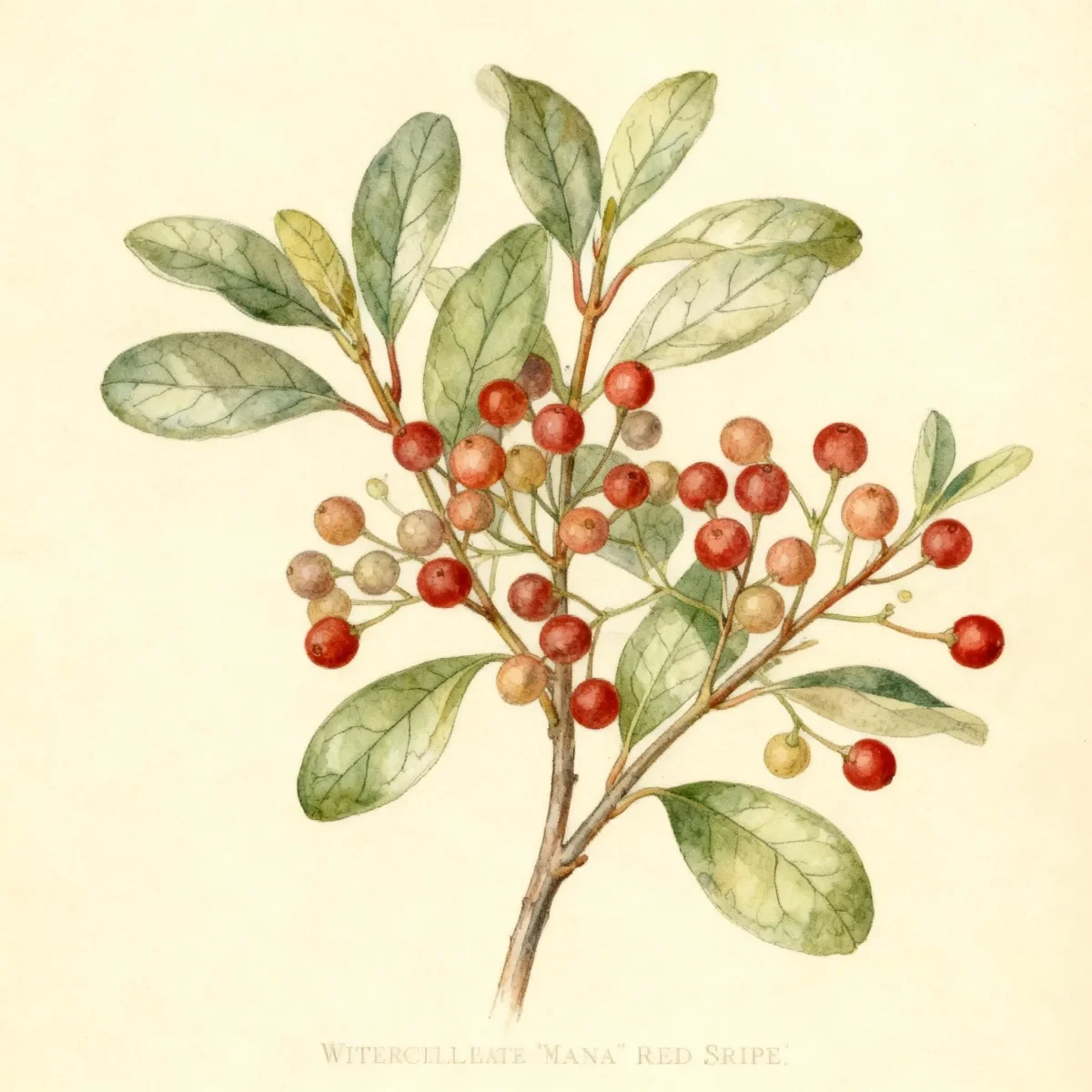
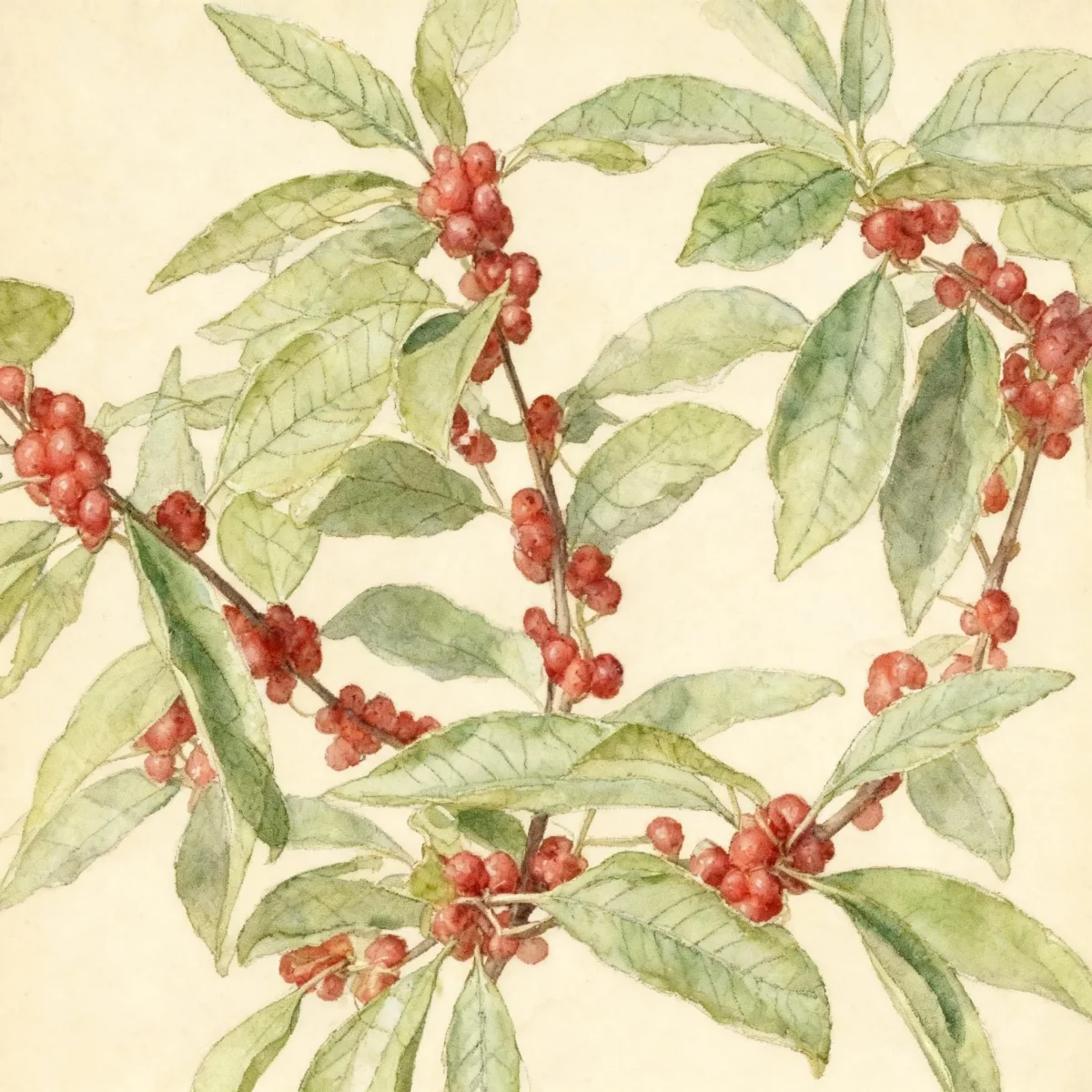
Winterberry (Ilex verticillata 'Winter Gold')
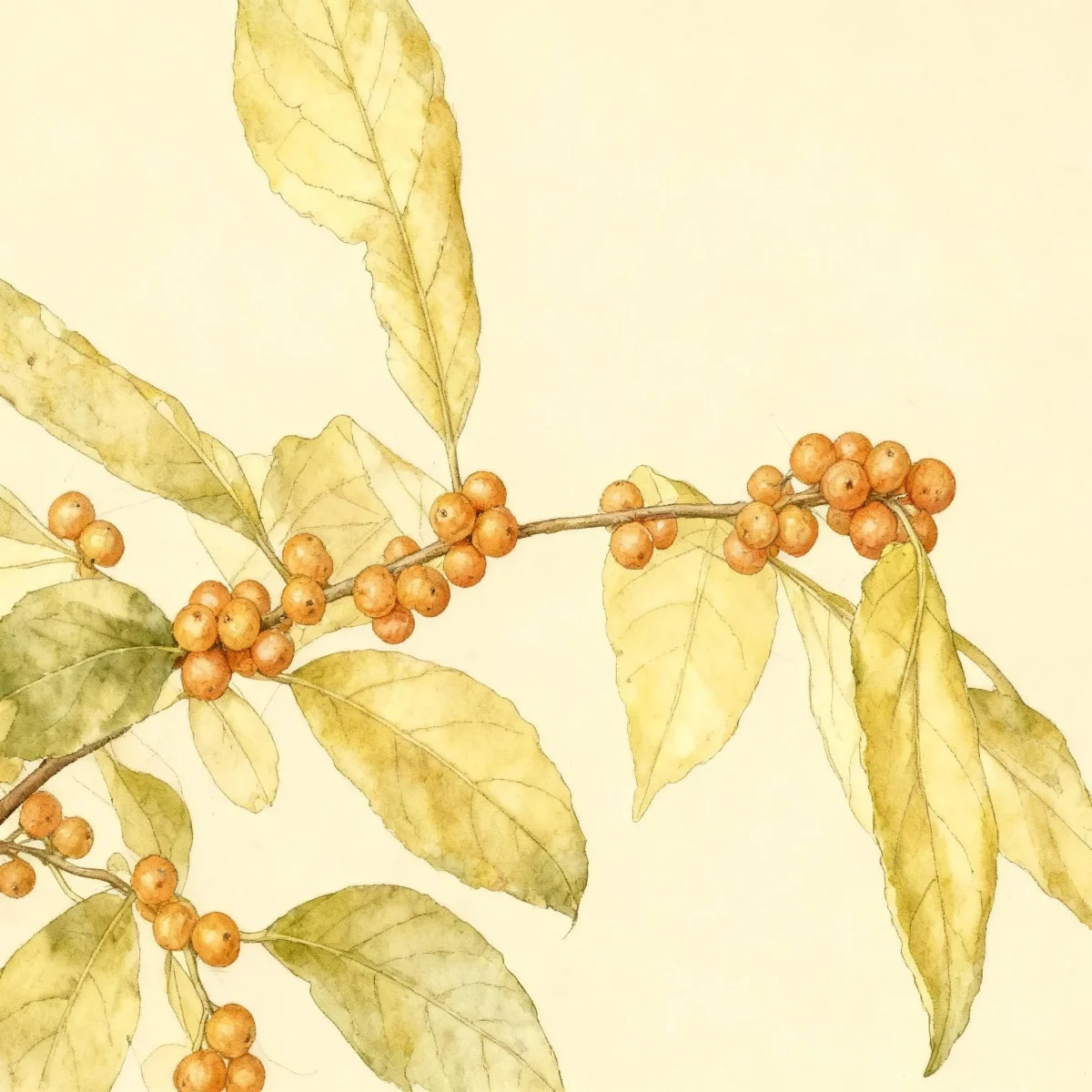
Ilex verticillata 'Winter Gold' is a low-maintenance deciduous shrub known for its profuse orange-yellow winter berries.
Scroll down to discover growing tips, care requirements, companion plants, and more
Complete Plant Information
Overview
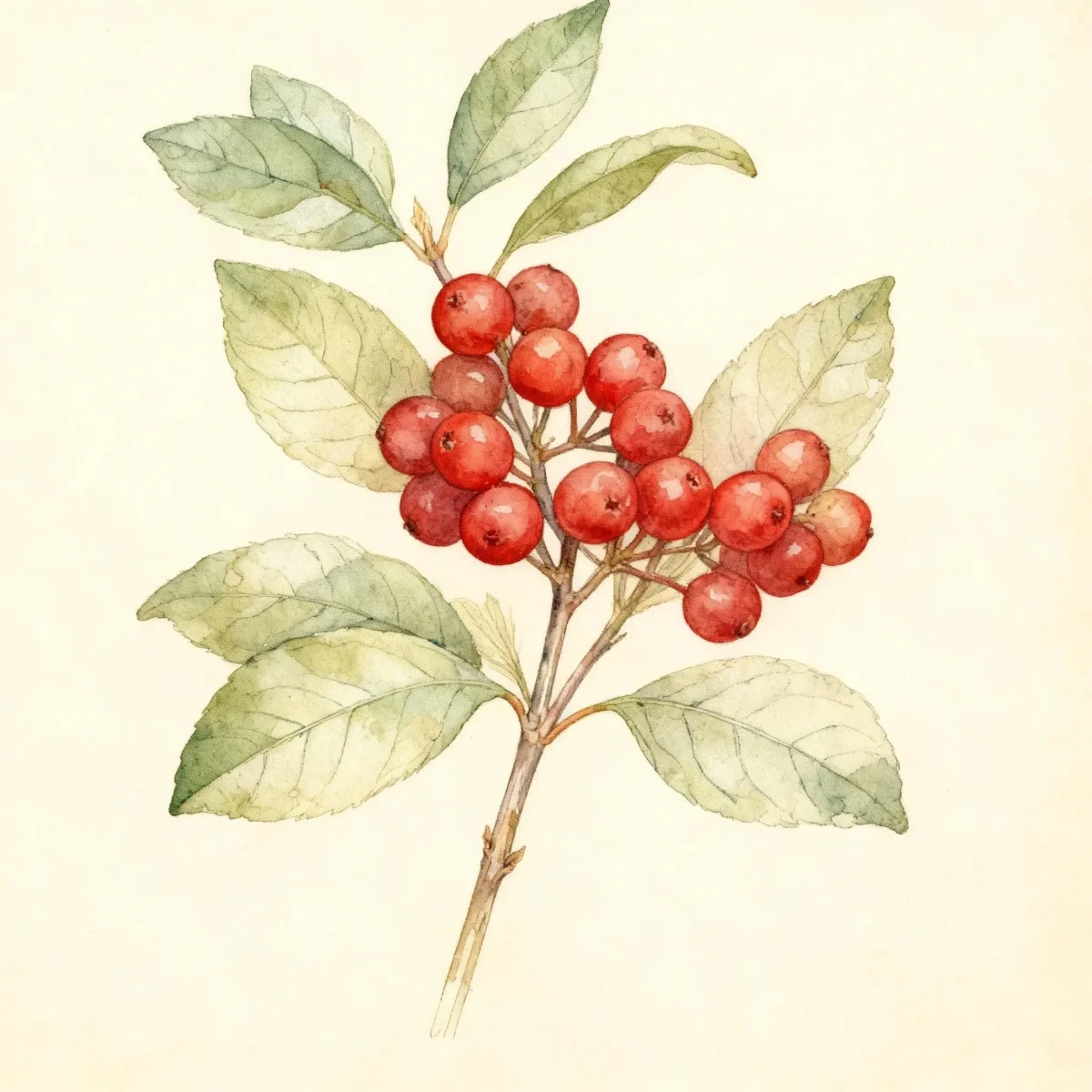
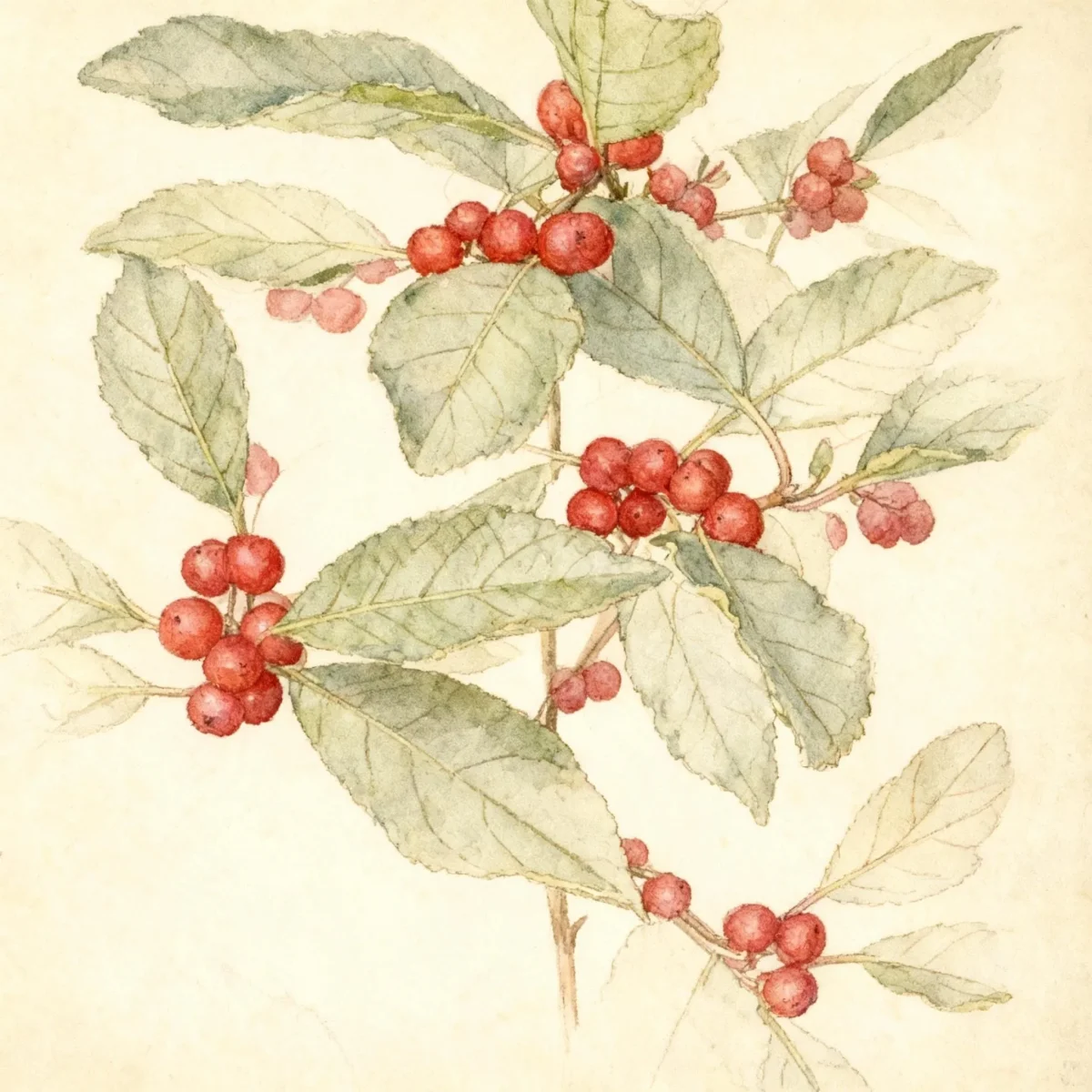
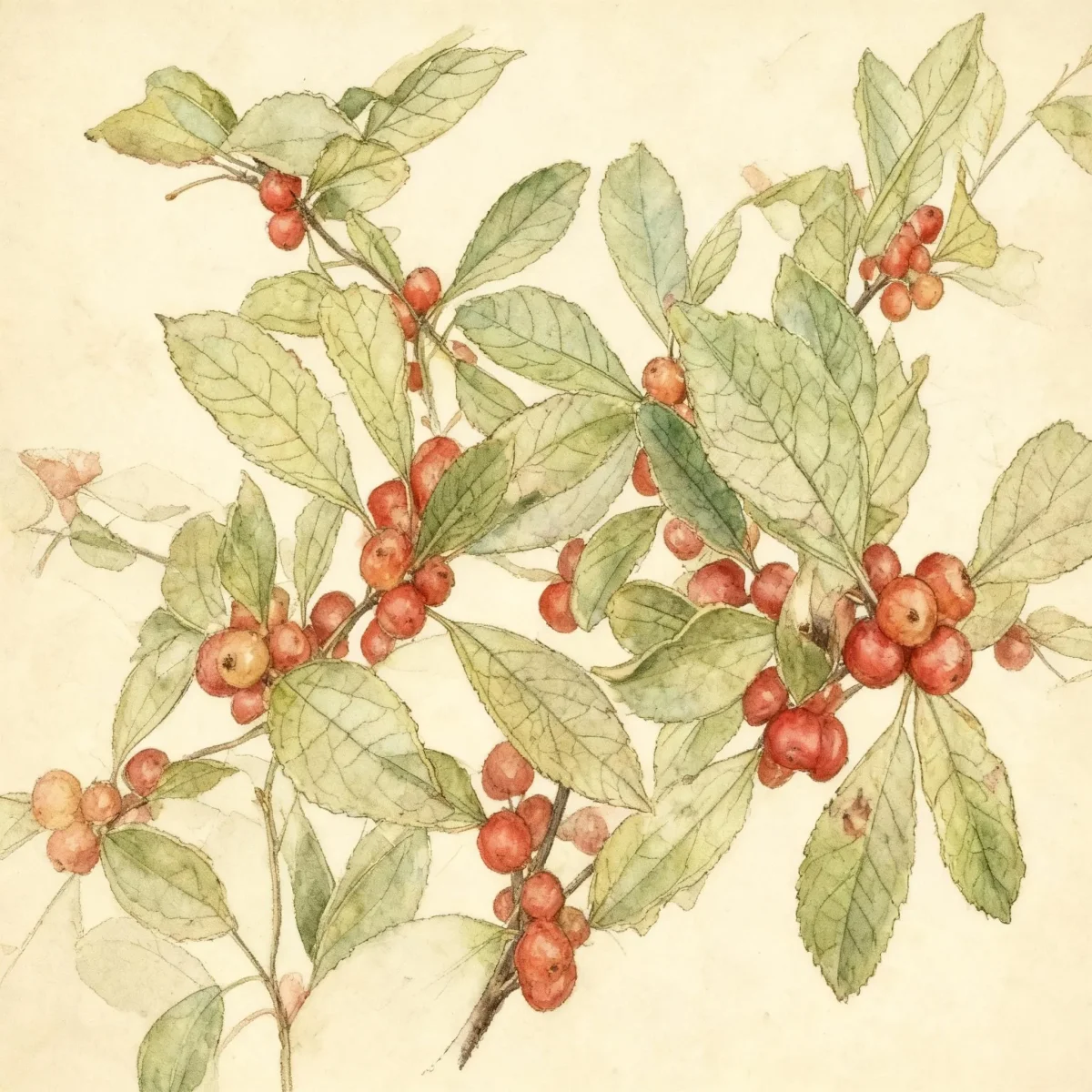
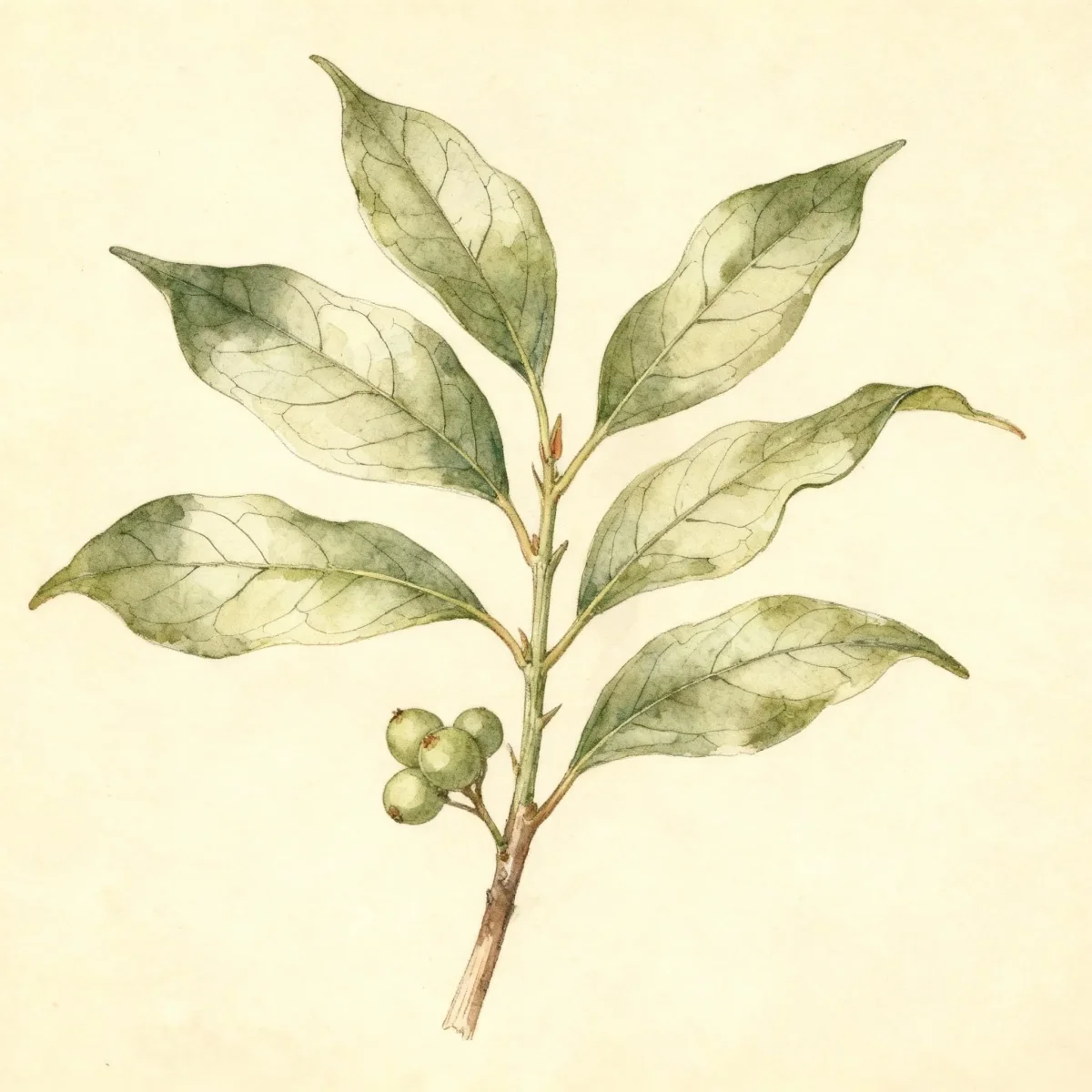
Ilex verticillata ‘Winter Gold’, commonly known as Winterberry, offers spectacular color when most gardens are dormant. This deciduous holly variant is highly valued for its dense production of brilliant orange-yellow berries that persist well into the winter landscape. As a manageable shrub growing between 5 to 8 feet tall and wide, it is an excellent choice for adding structure and seasonal interest to wet or poorly drained areas.
This hardy shrub thrives in acidic, moist to wet soils, making it a foundational plant for rain gardens or waterside plantings. While the inconspicuous greenish-white flowers in late spring are not showy, they are essential for setting the season’s fruit display. For gardeners seeking low-maintenance impact, Winterberry, specifically the ‘Winter Gold’ cultivar, delivers outstanding winter structure.
Remember that Winterberry is dioecious; thus, planting a compatible male pollinator, such as ‘Southern Gentleman,’ is crucial to ensure the female Ilex verticillata ‘Winter Gold’ produces its signature harvest of colorful fruit. Proper pollination guarantees the visual reward this species is famous for.
Fast Facts
- Plant Family: Aquifoliaceae
- Plant Type: Deciduous shrub
- Hardiness Zones: USDA Zones 3-9
- Size at Maturity:
- Height: 5-8 ft
- Spread: 5-8 ft
- Bloom Time: May to June
- Bloom Description: Greenish-white
- Sun Exposure: Full sun to part shade
- Water Needs: Medium to wet
- Maintenance Level: Low
How to Grow
Planting should ideally occur in spring or fall, ensuring your site mimics its native swampy conditions—moist, acidic soil is paramount for Ilex verticillata ‘Winter Gold’. This shrub adapts well to heavy clay soils but absolutely requires consistent moisture, tolerating poorly drained or boggy locations where other shrubs fail. Full sun exposure generally encourages the heaviest fruit set, though it tolerates light shade.
Maintenance for this low-care shrub is minimal once established. Water regularly to keep the soil consistently moist, especially during dry periods during the first few establishing years. Fertilization is usually unnecessary unless soil fertility is extremely poor; focus instead on maintaining soil acidity. Pruning should be kept light and performed only in early spring before new growth begins, primarily to maintain shape or remove crossing branches.
The most important horticultural step for Ilex verticillata ‘Winter Gold’ is management of pollination. Since this is a female cultivar, a nearby male Winterberry blooming concurrently is non-negotiable for achieving those striking orange-yellow berries. Plan for one male shrub to adequately pollinate six to ten female plants.
Landscape Uses
The year-round interest provided by Winterberry makes it highly adaptable in landscape design. Its tolerance for wet conditions makes it an excellent anchor plant for rain gardens or along streams where standing water can occur. Grouping several Ilex verticillata ‘Winter Gold’ shrubs together creates a significant massing effect, ideal for low hedges or screening along property lines needing reliable winter structure.
Beyond functional uses like erosion control, cut branches are easily utilized indoors to bring the brilliant berry color inside during the holidays. Consider pairing this deciduous holly with evergreen structure plants or late-blooming perennials that provide summer interest, ensuring the garden remains dynamic before and after the berries mature. Bird gardens benefit immensely from the winter persistence of the fruit.
Standout Features
Flower Qualities
- Insignificant
Fruit Qualities
- Showy
Noteworthy Characteristics
Ilex verticillata, commonly called winterberry, is a deciduous holly native to eastern North American swamps and damp thickets. The specific cultivar, ‘Winter Gold’, is a female sport noted for its dense, heavy fruiting of bright orange-yellow berries that retain excellent color throughout the winter. These persistent fruits offer significant impact, serving as a vital food source for local birds during colder months.
Tolerances
- Erosion
- Clay Soil
- Wet Soil
- Air Pollution
Potential Problems
Ilex verticillata ‘Winter Gold’ generally exhibits good resistance to severe pest and disease issues. However, in overly humid or wet conditions, fungal diseases like leaf spot or powdery mildew can occasionally appear. Ensure good air circulation during planting to mitigate these risks, and treat with appropriate fungicides if necessary.
The most significant cultural problem is soil chemistry. These plants perform poorly when exposed to neutral or alkaline soils. Symptoms of stress in high pH conditions include chlorosis, where the leaves turn yellow, and eventual plant decline or death. Always amend the planting site heavily with peat moss or sulfur to ensure the necessary acidic environment for thriving Winterberry.
Frequently Asked Questions
What hardiness zones is Winterberry suitable for?
The Ilex verticillata ‘Winter Gold’ shrub is reliably hardy across USDA Zones 3 through 9.
How large does Ilex verticillata ‘Winter Gold’ grow?
This cultivar typically matures to a height and spread of 5 to 8 feet.
What sun exposure does Winterberry need?
For the best fruit production, plant Ilex verticillata ‘Winter Gold’ where it receives full sun, though it will tolerate part shade conditions.
When does Winterberry bloom?
The inconspicuous greenish-white flowers of the Winterberry appear relatively late in the season, generally from May to June.
Conclusion
The low-maintenance nature and brilliant seasonal display make Ilex verticillata ‘Winter Gold’ an invaluable addition to gardens requiring moisture tolerance. Ensuring proper pollination is the key cultural consideration to unlock the ornamental value of this superb Winterberry variety. Before planting, confirm your site’s drainage and soil pH compatibility to guarantee decades of vibrant orange-yellow winter berries.
Companion Planting
Selecting companions that share the love for acidic, moist soil will result in a cohesive planting design. Consider evergreen shrubs like Rhododendrons or Azaleas to contrast the bare, fruited stems of the Winterberry in winter. In the summer garden, moisture-loving ferns or native Irises thrive in similar damp conditions and can occupy the space around the shrub base.
When planning the planting layout, ensure companions do not aggressively compete for light if you desire the best berry display on your Ilex verticillata ‘Winter Gold’. Plants that offer fine texture contrast well against the coarser branching habit the Winterberry develops after leaf drop.
Wildlife Benefits
The primary wildlife benefit of this deciduous holly is its critical role as a winter food resource. While the flowers attract small bees and flies in the spring, the persistent orange-yellow fruit feeds numerous bird species when other food sources are scarce. Planting a thicket of Winterberry directly contributes to local bird populations surviving harsh winter conditions.
Furthermore, the foliage supports specific insect life during the growing season. The leaves serve as a larval food source for the Pawpaw Sphinx Moth and the Harris’ Three-spot moth, contributing to local biodiversity. This makes the Winterberry an excellent choice for native plant gardening intended to support the local ecosystem.