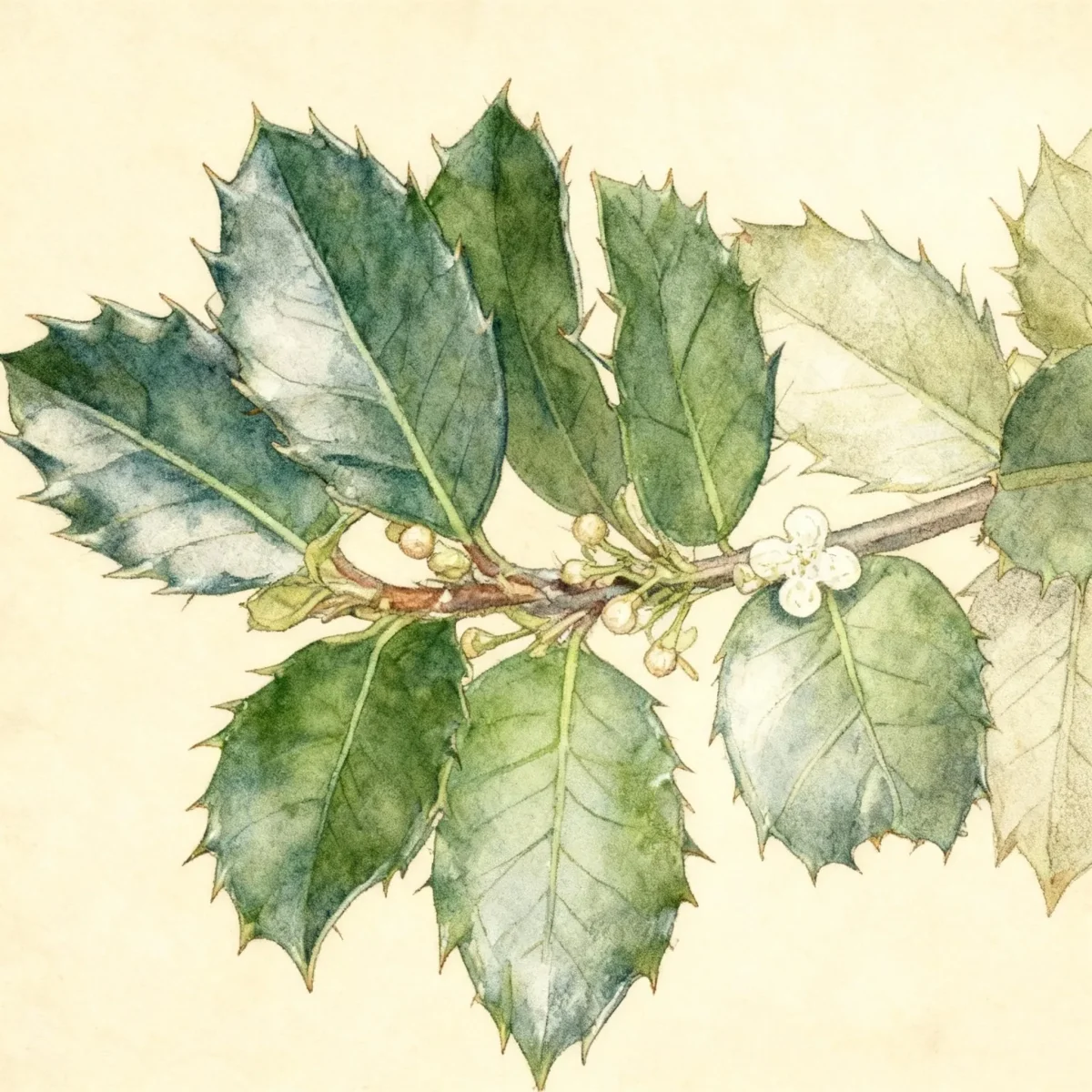
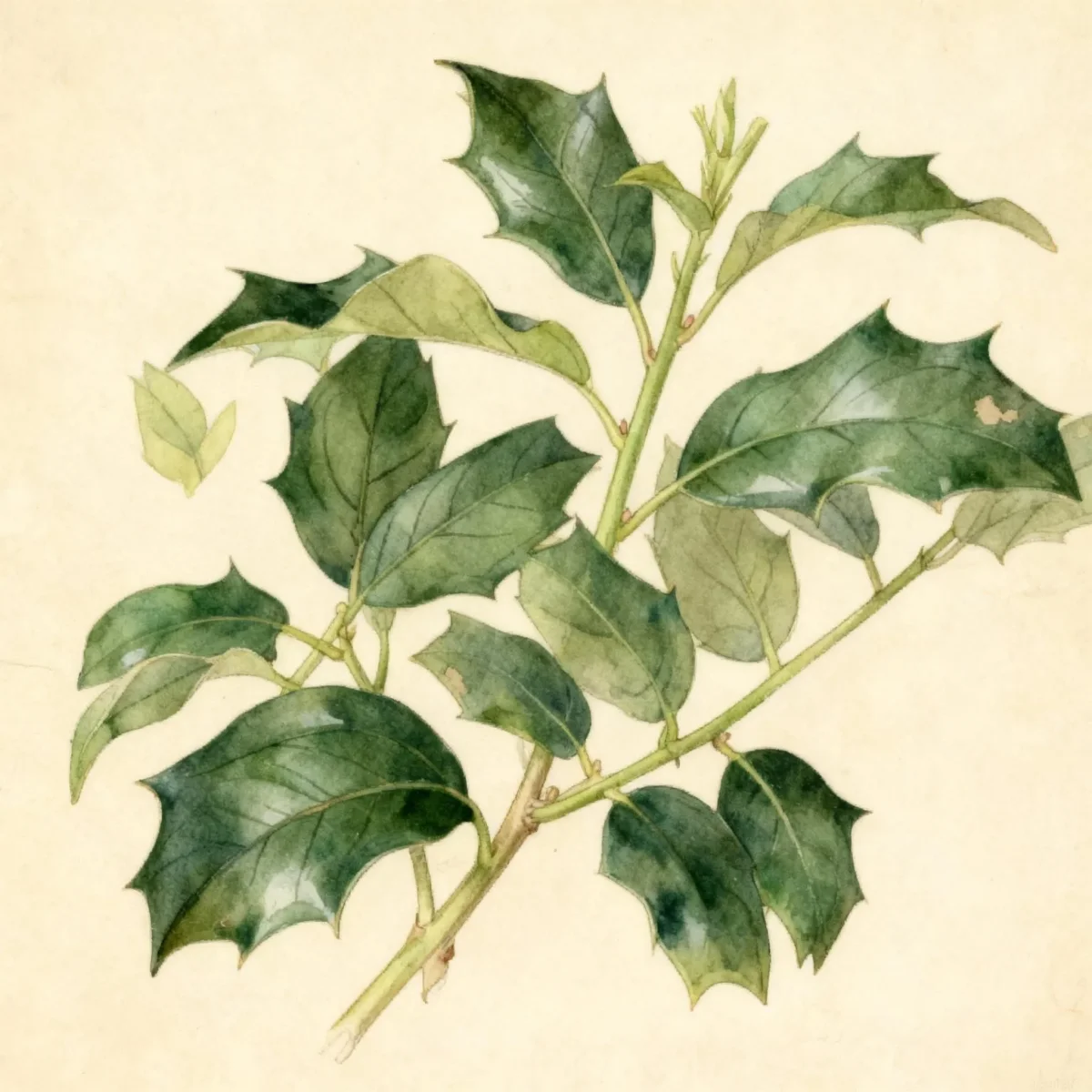
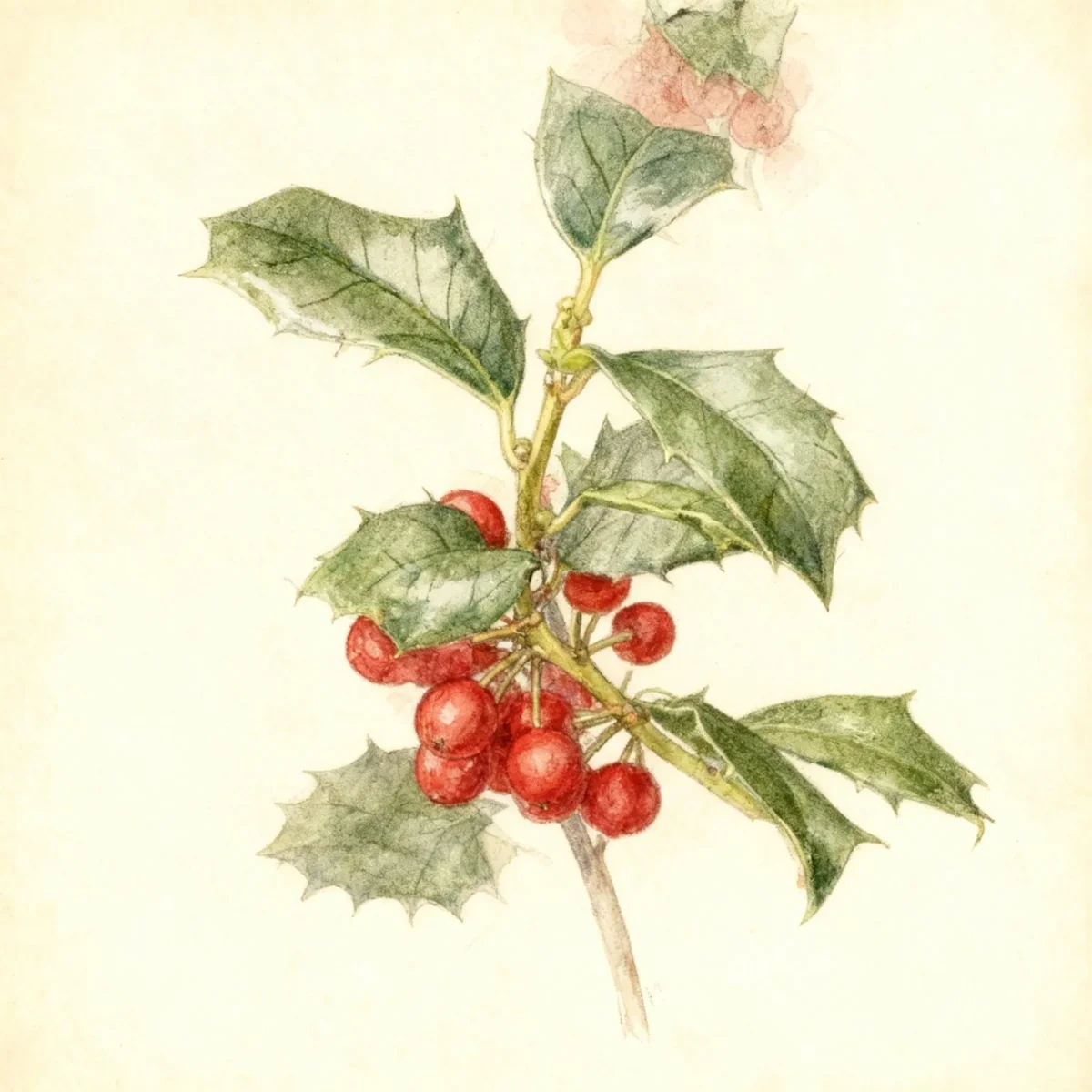
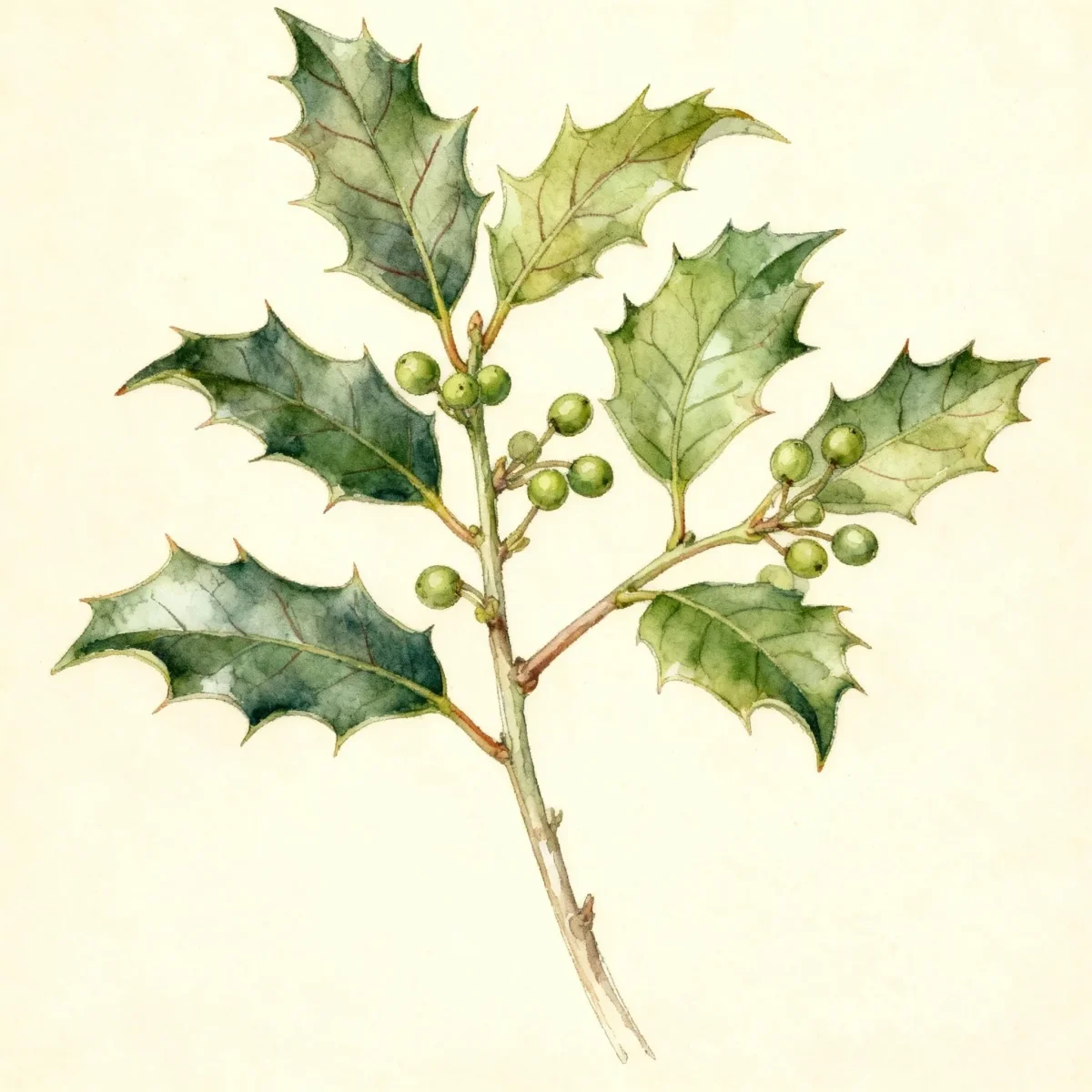
Blue holly (Ilex × meserveae BLUE PRINCESS)
Ilex × meserveae BLUE PRINCESS, or Blue holly, is a resilient broadleaf evergreen offering glossy blue-green leaves and winter berries.
Scroll down to discover growing tips, care requirements, companion plants, and more
Complete Plant Information
Overview
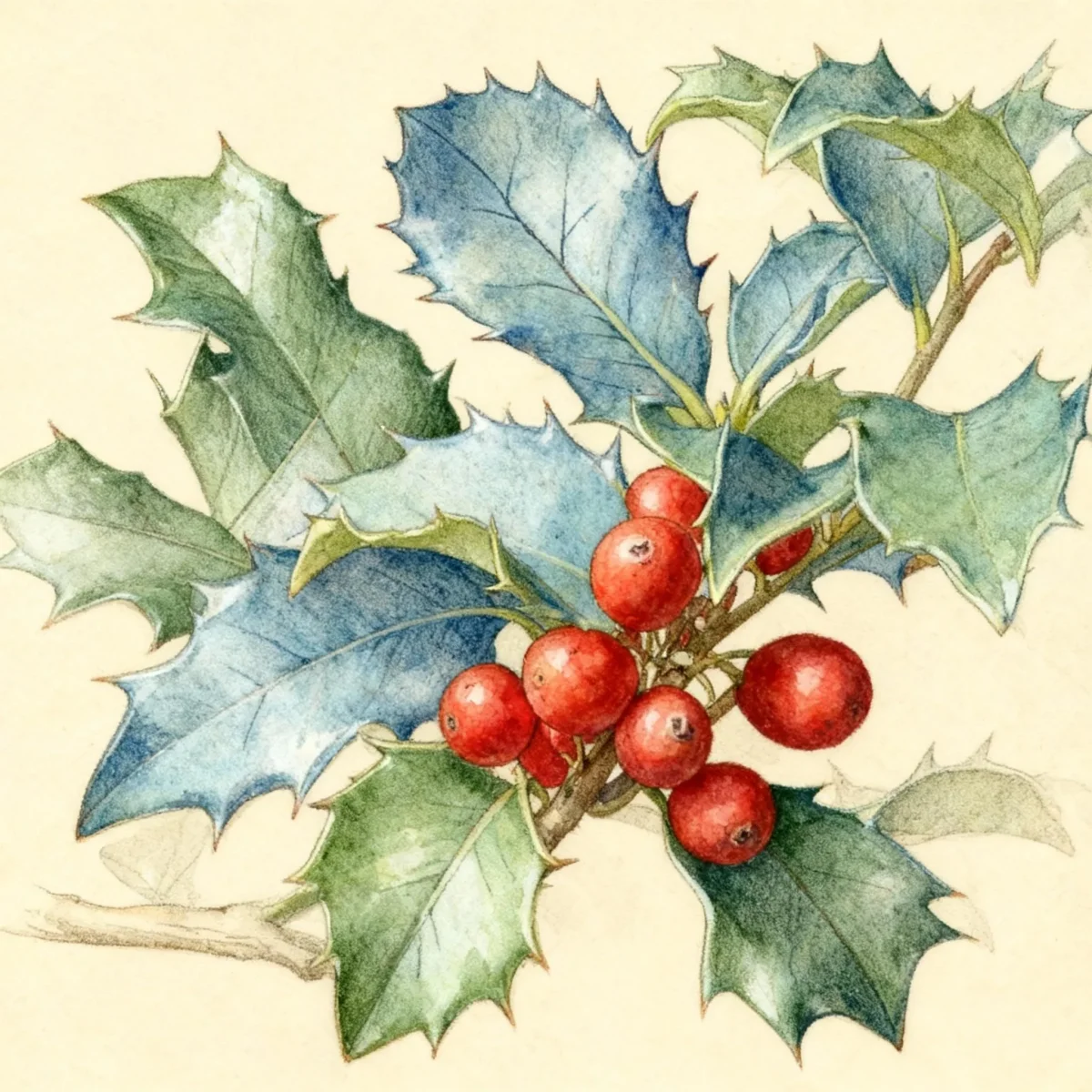
The Ilex × meserveae BLUE PRINCESS stands out as a superior broadleaf evergreen, valued for its dense habit and deep, glossy foliage that retains color throughout the winter months. Developed specifically for hardiness in colder climates, this Blue holly hybrid provides structure and year-round visual interest in the landscape. As a female clone, the primary aesthetic appeal of the Ilex × meserveae BLUE PRINCESS comes after successful pollination, yielding abundant, dark red fruit that contrasts sharply with the blue-green leaves.
This resilient shrub thrives across USDA Zones 4 through 7, making it a versatile choice for many temperate regions seeking reliable evergreen screening. Its low maintenance requirements further endear it to gardeners looking for impactful foundational plantings that do not demand constant attention. Ensure proper pollination partners are nearby to unlock the spectacular berry display that defines this cultivar.
The history of this hybrid, known collectively as Meserve hollies or blue hollies, traces back to crosses blending English holly hardiness with winter tolerance. The resulting Ilex × meserveae BLUE PRINCESS offers excellent performance as a screen or structural element, characterized by its spiny margins and purplish stems that add subtle color even in winter dormancy.
Fast Facts
- Plant Family: Aquifoliaceae
- Plant Type: Broadleaf evergreen
- Hardiness Zones: USDA Zones 4-7
- Size at Maturity:
- Height: 10-15 ft
- Spread: 8-10 ft
- Bloom Time: April to May
- Bloom Description: White
- Sun Exposure: Full sun to part shade
- Water Needs: Medium
- Maintenance Level: Low
How to Grow
Planting Ilex × meserveae BLUE PRINCESS is best done in spring or fall when temperatures are mild, allowing the roots to establish before summer heat or deep winter freezes. This Blue holly prefers average, slightly acidic, moist, and well-drained soils. While it tolerates full sun, providing part afternoon shade is highly recommended, especially in hotter summer climates, to prevent leaf scorch. Site locations away from harsh, cold winter winds to ensure maximum hardiness, particularly near the lower end of its Zone 5 range.
Water needs are medium; maintain consistent moisture, especially when young, ensuring the soil never becomes waterlogged, which can lead to root issues. Maintenance is generally low, though formative pruning can be done immediately after flowering to maintain a desired hedge shape. Remember that Ilex hollies are dioecious; the female Ilex × meserveae BLUE PRINCESS requires a nearby male pollinator, such as the Ilex x meserveae BLUE PRINCE, ideally planted within range, to produce the desired fruit.
For winter protection, especially in Zone 5, consider applying mulch thickly around the base to regulate soil temperature and ensure the plant is well-hydrated before the ground freezes solid. Healthy, vigorously growing blue hollies are less susceptible to common pests and diseases.
Landscape Uses
The dense, upright nature of the Ilex × meserveae BLUE PRINCESS makes it an exceptional choice for creating formal and informal screens where year-round privacy is desired. Its glossy evergreen foliage provides fantastic backbone structure when used as a border plant along property lines or driveways. When fertilized female plants bear their red berries, they offer crucial winter color against snow or bare branches, making them ideal near windows or entryways.
Consider pairing this bold structural shrub with contrasting textures, such as fine-textured evergreens or deciduous plants that offer bright fall color. Due to its ability to form a dense barrier, it serves perfectly as a foundational planting around buildings, though care must be taken not to crowd it against the foundation walls. The visual impact relies heavily on contrasting the deep blue-green leaves with the bright red fruit display provided by the fertilized Ilex × meserveae BLUE PRINCESS.
Standout Features
Flower Qualities
- Insignificant
Fruit Qualities
- Showy
- Dark red fruit that typically persists through most or all of winter
Noteworthy Characteristics
The hybrid name meserveae honors Kathleen K. Meserve, who developed the original Meserve holly hybrids by crossing hardy American species with English holly types to improve cold tolerance. Distinguishing features of these blue hollies are their glossy blue-green leaves with prominent spiny margins and purplish stems. BLUE PRINCESS is specifically noted as a female Meserve holly clone that reaches 8-12’ tall, producing abundant, dark red fruit when successfully pollinated.
Tolerances
- Air Pollution
Potential Problems
The Ilex × meserveae BLUE PRINCESS generally has low maintenance needs but is susceptible to several abiotic stresses and pests. Potential insect nuisances include scale, whitefly, spider mites, and the holly leaf miner; scouting foliage regularly helps catch these early. Fungal diseases such as powdery mildew, leaf spot, tar spot, and leaf rot can develop, particularly in humid, crowded conditions where air circulation is poor. Environmental stresses like leaf scorch (sunburn), leaf drop (often due to transplant shock or inconsistent watering), and chlorosis (yellowing of leaves caused by high pH soils) should also be monitored by the gardener.
Prevention centers on proper siting and cultural care. Ensure excellent drainage and avoid planting in locations exposed to intense reflected heat. Managing humidity and pruning for good airflow can reduce fungal outbreaks, while timely treatments specific to the identified pest can manage infestations effectively.
Frequently Asked Questions
What hardiness zones is Blue holly suitable for?
Ilex × meserveae BLUE PRINCESS is reliably hardy in USDA Zones 4 through 7, though sited protection is advised for Zone 5 plantings.
How large does Ilex × meserveae BLUE PRINCESS grow?
This cultivar typically matures to a height between 10 to 15 feet, with a spread ranging from 8 to 10 feet wide.
What sun exposure does Blue holly need?
This plant performs best in full sun to part shade conditions; partial afternoon shade is beneficial in regions experiencing very hot summers.
When does Ilex × meserveae BLUE PRINCESS bloom?
The inconspicuous greenish-white flowers appear in the spring, typically between April and May.
Conclusion
The Ilex × meserveae BLUE PRINCESS is a highly valuable landscape asset, combining reliable four-season appeal with low maintenance, provided it receives adequate moisture and sun management. Its dark, glossy foliage and eventual striking red berry clusters ensure the Ilex × meserveae BLUE PRINCESS remains a garden focal point. Before purchasing, verify your local growing conditions align with Zones 4-7 and ensure a male pollinator is available on site to guarantee the beautiful fruit set.
Companion Planting
When selecting partners for Blue holly, focus on plants that share similar cultural needs concerning soil acidity and moisture retention. Species requiring very dry conditions should be avoided near this medium-water need evergreen. Consider pairing Ilex × meserveae BLUE PRINCESS with Japanese maples (Acer palmatum) for contrasting leaf texture, provided the maple is sited where it receives afternoon relief from the harshest sun that the holly prefers.
For winter interest companions, deciduous shrubs that offer bright bark color, such as certain Dogwoods (Cornus species), can beautifully complement the deep green of the holly throughout the cold season. Evergreens with lighter foliage, or those that turn gold or bronze in fall, also provide excellent contrast against the blue-green leaves of the Meserve holly.
Design Ideas for Evergreen Screening
The height and dense habit of the Ilex × meserveae BLUE PRINCESS make it a top performer for creating privacy screens where property lines require an opaque, tall barrier. Plant them closely (approximately 6-8 feet apart center-to-center) and employ a formal shearing technique for the most uniform, dense results capable of blocking views year-round. If a less formal, layered look is preferred, allow the shrub to mature naturally, placing it behind lower-growing perennials or groundcovers.
When using this holly near architectural foundations, ensure adequate space is left (at least 5 feet) between the plant and the structure to allow for mature spread and to facilitate adequate air circulation around the lower foliage. The purplish stems of the Blue holly add a subtle, year-round architectural element that works well in modern or traditional foundation plantings.