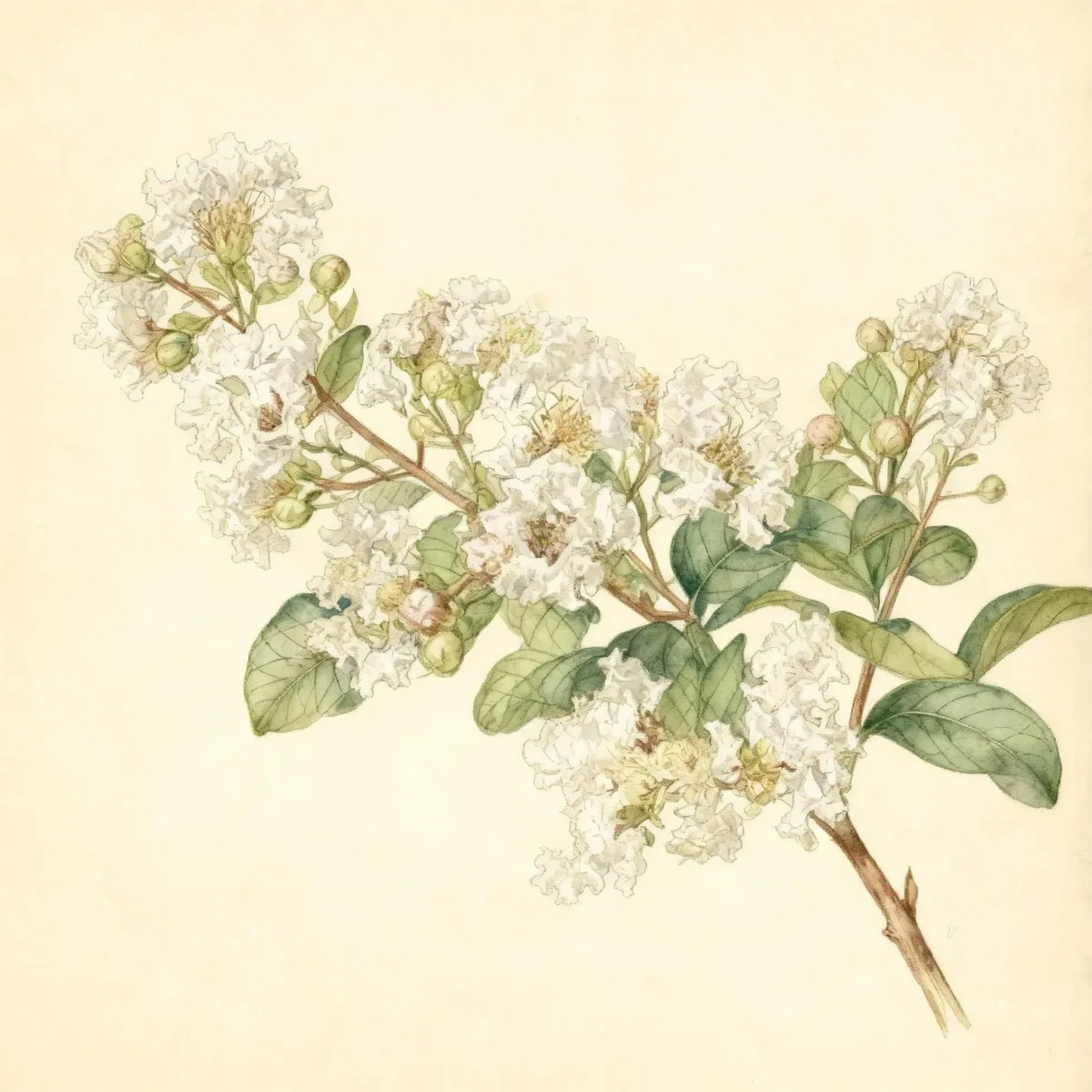
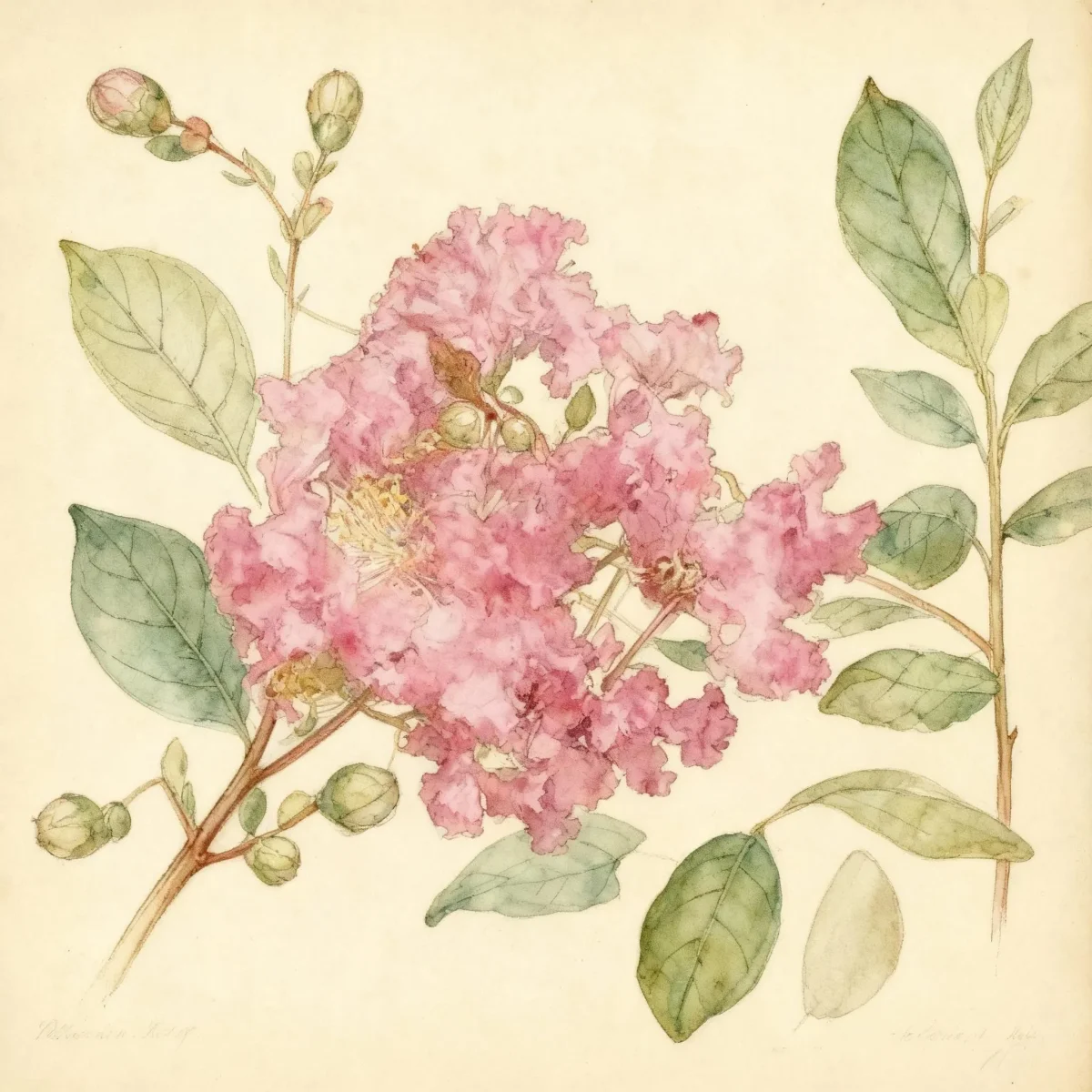
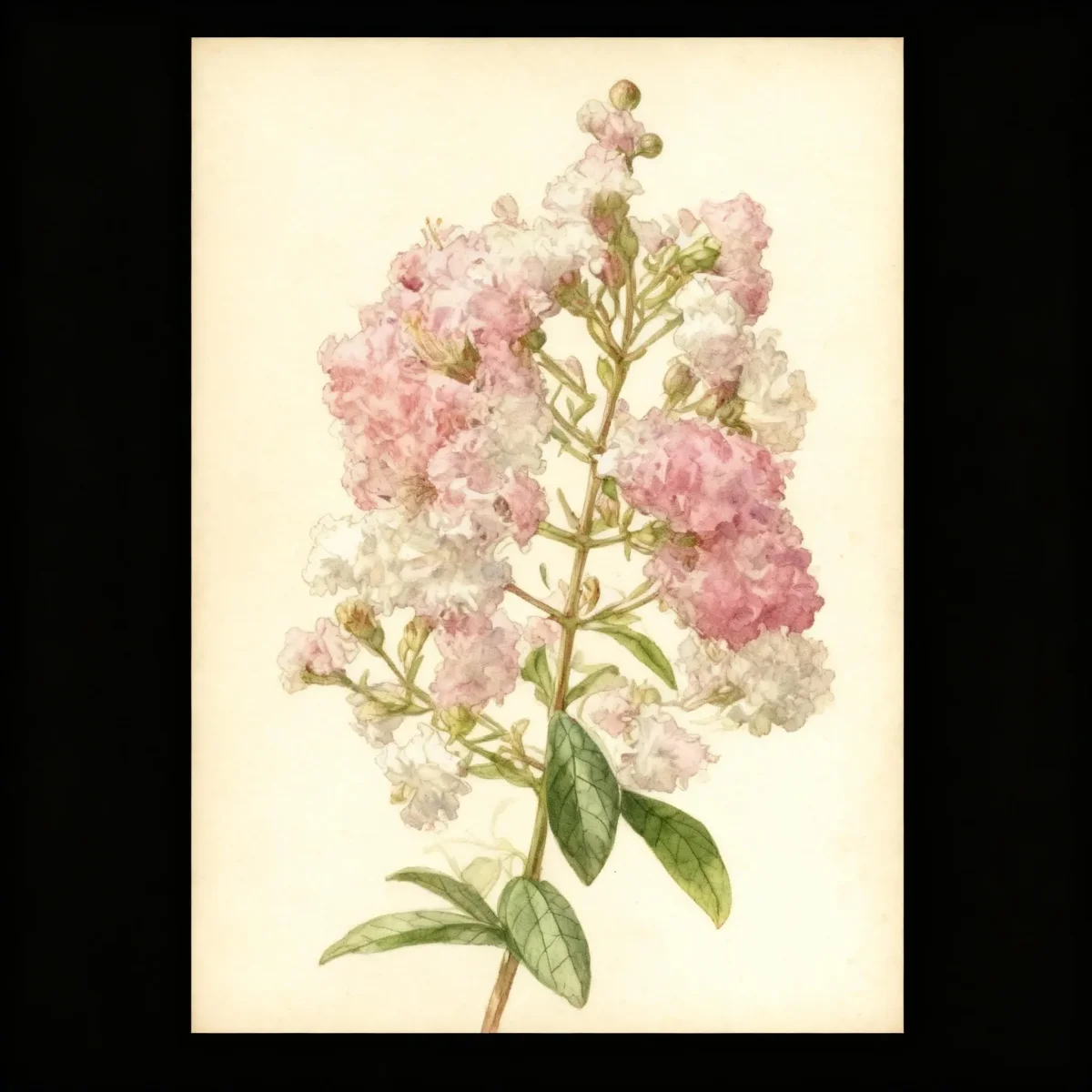
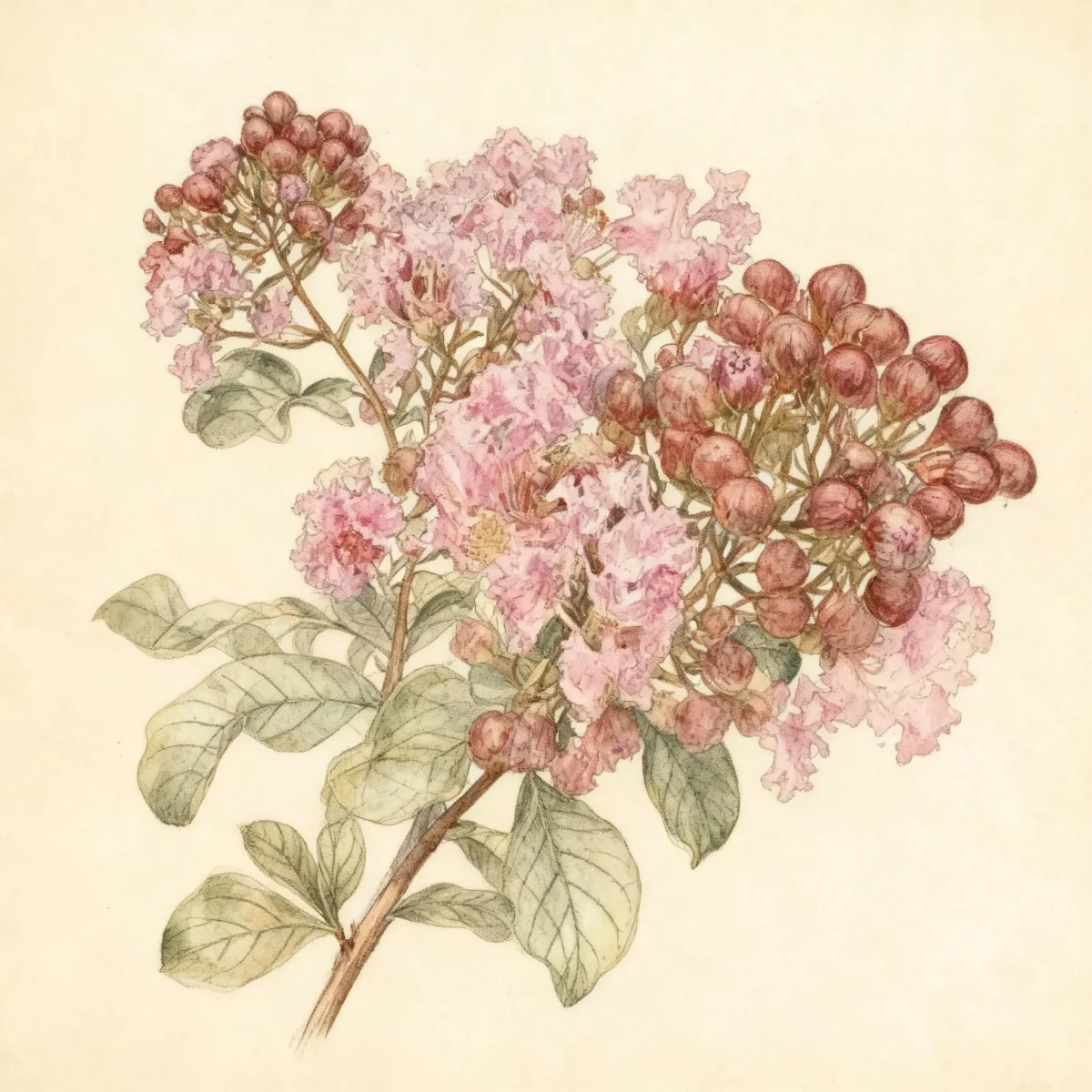
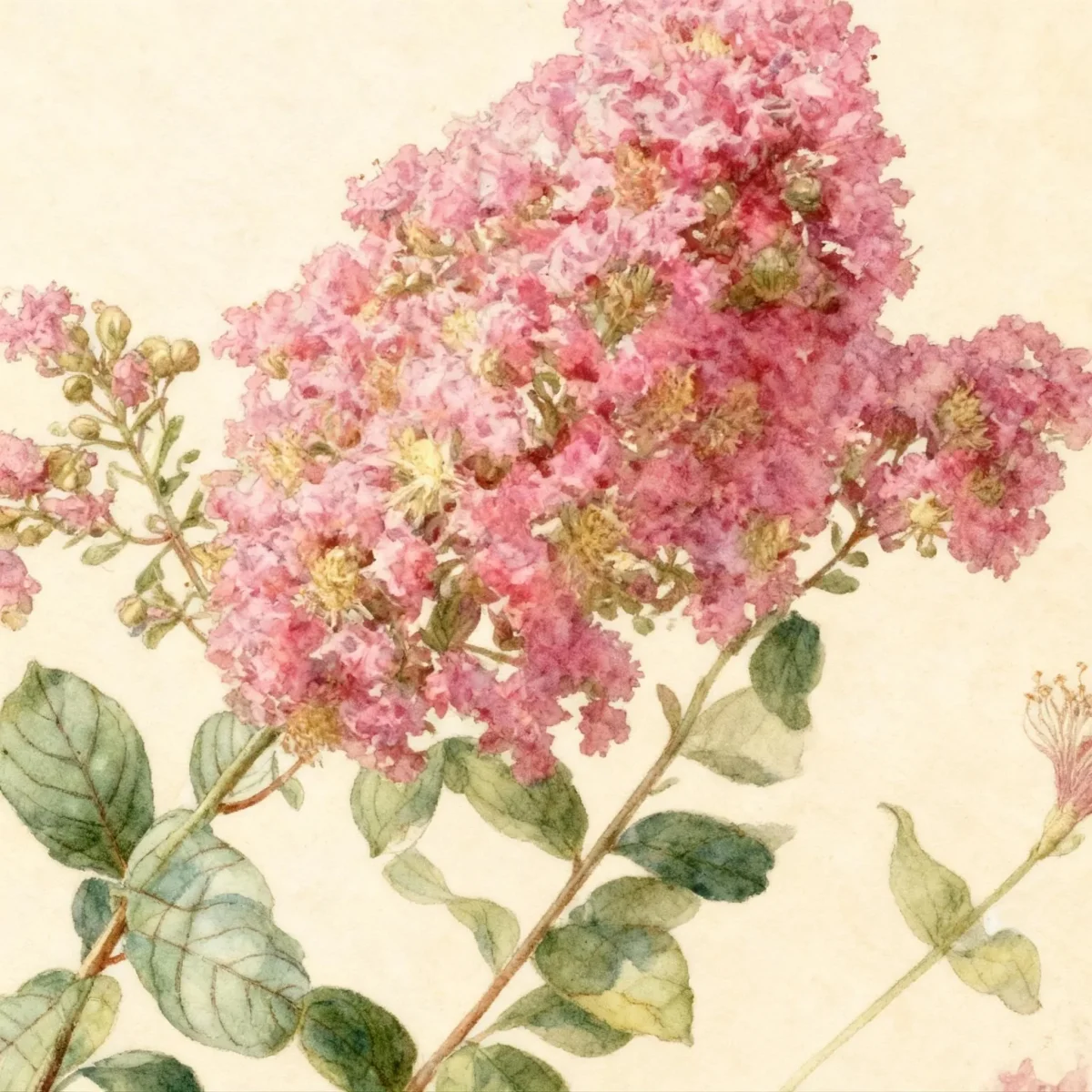
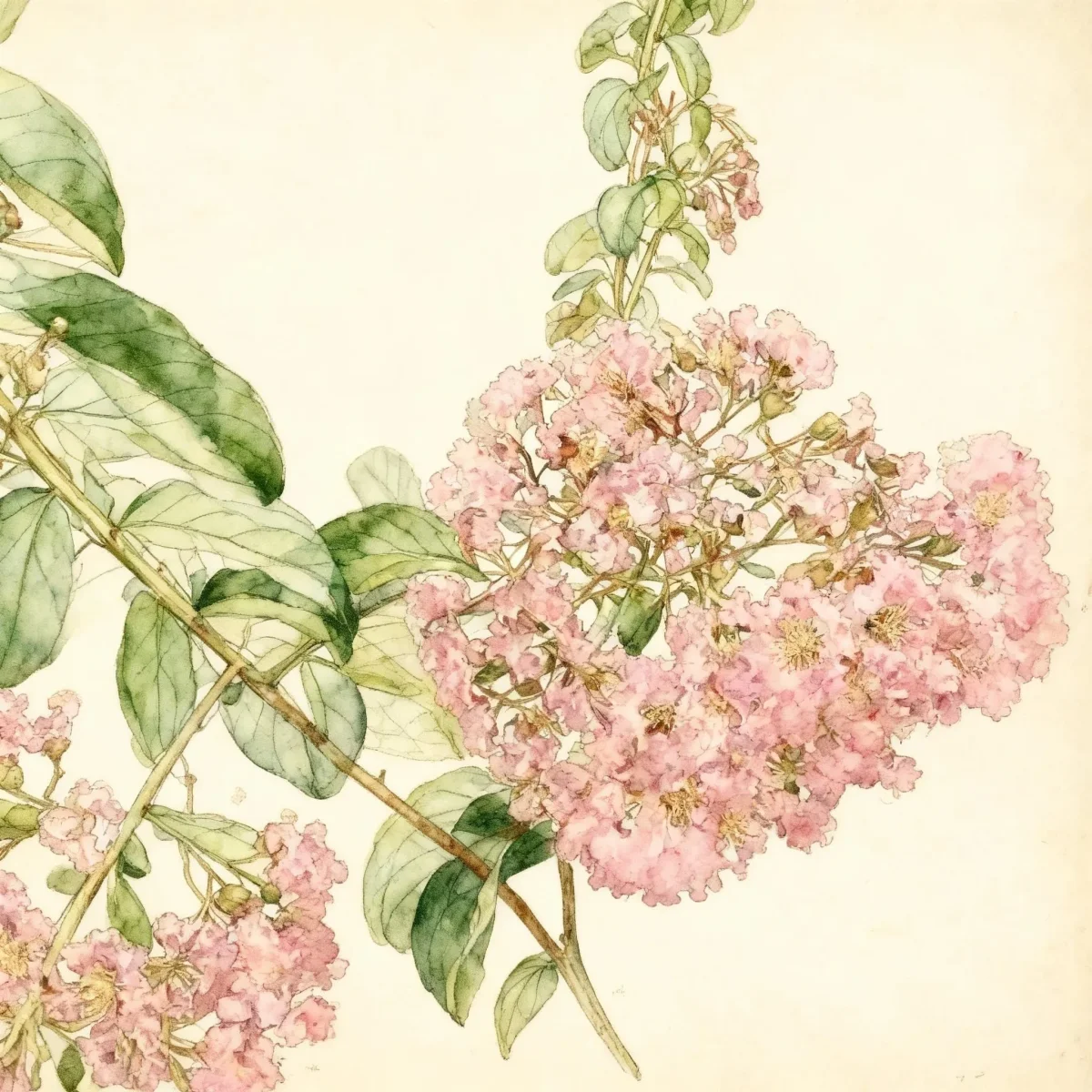
Crape myrtle (Lagerstroemia 'Mardi Gras')
Lagerstroemia 'Mardi Gras' is a compact, weeping Crape myrtle offering showy purple blooms from June to September, ideal for containers or borders in Zones 5-9.
Scroll down to discover growing tips, care requirements, companion plants, and more
Complete Plant Information
Overview
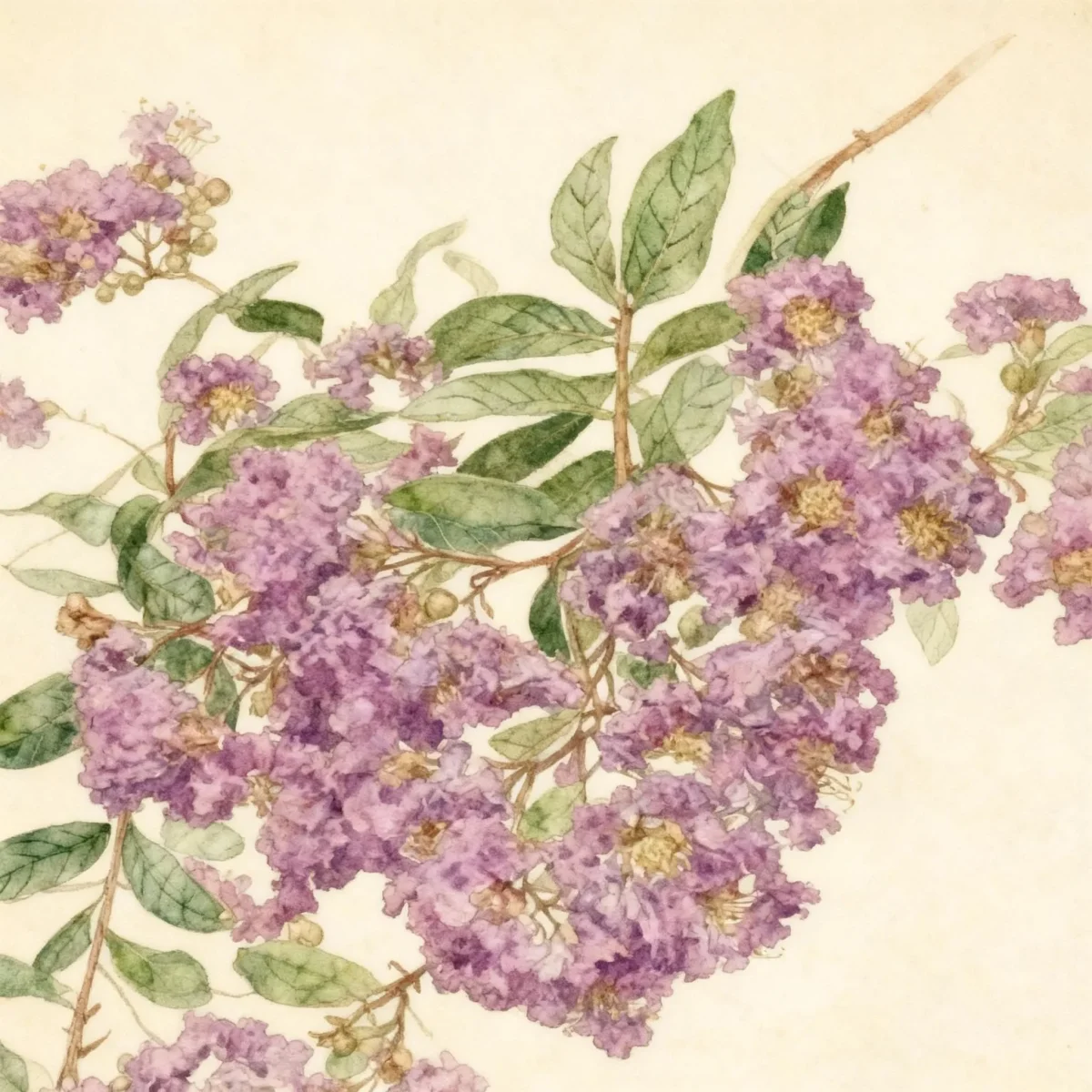
Lagerstroemia ‘Mardi Gras’ is a highly sought-after miniature variety of the Crape myrtle, valued for its dense branching habit and graceful, weeping branch ends. This unique cultivar produces terminal panicles of vibrant purple flowers, providing reliable summer color where many other shrubs fade. Its small stature makes the Lagerstroemia ‘Mardi Gras’ exceptionally versatile for modern garden designs.
As a deciduous shrub, this plant offers long season interest, transitioning from dark green foliage to its spectacular summer show. While prized in warmer southern climates, its root hardiness extends down to Zone 5, allowing ambitious gardeners to enjoy its beauty with proper winter protection. The reliability of bloom on new wood makes it a favorite addition to patios and small garden spaces.
Developed by horticulturist David Chopin, Lagerstroemia ‘Mardi Gras’ provides the classic crepe-papery flowers typical of the genus in a manageable size. It tolerates several common challenges, including drought and less-than-ideal clay soils, enhancing its practical value for low-maintenance landscaping.
Fast Facts
- Plant Family: Lythraceae
- Plant Type: Deciduous shrub
- Hardiness Zones: USDA Zones 5-9
- Size at Maturity:
- Height: 1-3 ft
- Spread: 1-3 ft
- Bloom Time: June to September
- Bloom Description: Purple
- Sun Exposure: Full sun
- Water Needs: Medium
- Maintenance Level: Medium
How to Grow
Plant Lagerstroemia ‘Mardi Gras’ in locations receiving full sun for the best flowering performance. It thrives in average, medium-moisture conditions, performing well even in loamy or clay soils, provided the soil offers good drainage. Adding a slow-release fertilizer benefits growth, but beware that overly rich soils may promote lush foliage growth at the expense of bloom quantity and increase winter injury susceptibility.
Water young plants deeply, especially during dry spells, focusing moisture at the root zone, and take care to avoid wetting the foliage, which can sometimes encourage fungal issues. For best winter survival, particularly in the colder end of its range (Zones 5-6), site the plant in a protected spot and apply a layer of winter mulch around the base.
Gardeners in colder areas like St. Louis often manage this Crape myrtle as a hardy perennial substitute. This involves cutting all stems back to about 8 inches in early spring, allowing robust new growth to emerge that will flower later that season. In more favorable conditions, prune only to remove dead or damaged wood in spring when new foliage begins to emerge, maintaining its natural shrub form.
Landscape Uses
This compact Crape myrtle excels where space is limited. Lagerstroemia ‘Mardi Gras’ is perfectly sized for grouping or massing along borders to add continuous late-season color. Its manageable 1 to 3-foot height also makes it an excellent foundation planting where taller shrubs might obscure windows.
Due to its weeping habit and continuous color, it functions beautifully as a specimen plant in rock gardens, drawing the eye to texture and color contrast. However, perhaps its best use is as a container plant, allowing you to place this stunning purple-blooming Lagerstroemia ‘Mardi Gras’ directly onto patios or decks for immediate enjoyment throughout the summer months.
Standout Features
Flower Qualities
- Showy
Noteworthy Characteristics
Lagerstroemia is a genus celebrated for its very showy, lovely summer to fall bloom, transitioning from warm-temperate to tropical Asia and Australia. ‘Mardi Gras’ is classified as a miniature weeping variety, forming a densely branched shrub that grows upward while its branch ends cascade naturally downward. This cultivar features dark green foliage punctuated by terminal panicles of purple, crepe-papery flowers, offering significant aesthetic value even in smaller garden settings.
Tolerances
- Drought
- Clay Soil
- Air Pollution
Potential Problems
The primary challenges associated with growing Crape myrtles involve fungal diseases, mainly powdery mildew and fungal leaf spot affecting the foliage. Yellowing of leaves (chlorosis) can occur if the soil pH is too alkaline, hindering nutrient uptake. Lower light conditions or poor air circulation will stress the plant and increase disease susceptibility.
In USDA Zones 5 and 6, winter injury is a significant concern, often causing the top growth to die back even if the roots survive. To manage disease, ensure good air flow and avoid overhead watering. For pests, watch for occasional aphids or scale; minor infestations can often be managed with horticultural oil or simply washing them off. The ‘Mardi Gras’ variety is noted for having relatively good disease resistance compared to older cultivars.
Frequently Asked Questions
What hardiness zones is Crape myrtle suitable for?
Lagerstroemia ‘Mardi Gras’ is suitable for USDA Hardiness Zones 5 through 9, though growers in Zone 5 should anticipate potential winter dieback of above-ground branches.
How large does Lagerstroemia ‘Mardi Gras’ grow?
This miniature variety typically reaches a mature height and spread between 1 and 3 feet in most garden settings.
What sun exposure does Crape myrtle need?
For optimal flowering, this plant requires full sun exposure throughout the day.
When does Lagerstroemia ‘Mardi Gras’ bloom?
This shrub provides extended color, blooming reliably from June straight through September, displaying rich purple flowers.
Conclusion
The Lagerstroemia ‘Mardi Gras’ offers exceptional value by delivering the classic beauty of the Crape myrtle in a highly compact, weeping form perfect for contemporary landscapes. Its resistance to drought and tolerance for clay soils simplify care, though gardeners in cooler zones must remain diligent with winter protection. Plan to incorporate this charming purple-flowering shrub into your garden plans by ensuring it receives full sun and well-drained conditions best suited to its Zone 5-9 hardiness range.
Companion Planting
Successful companion planting relies on matching cultural needs, specifically full sun and medium water requirements. Plants like Sedum (Stonecrop) varieties integrate well at the base of Lagerstroemia ‘Mardi Gras’, offering groundcover texture while thriving in similar sunny, well-drained conditions. Consider pairing it with other late-season bloomers or foliage plants that provide contrast without competing heavily for root space, given its compact nature.
Lavender (Lavandula spp.) or Russian Sage (Perovskia atriplicifolia) serve as excellent neighbors. These Mediterranean natives adore the intense sun this Crape myrtle requires and often share a preference for well-drained, even slightly poorer, soils, leading to a cohesive, beautiful, and easily maintained planting bed.
Seasonal Care Calendar
Early Spring is the critical time for shaping. In colder zones, prune aggressively back to 8 inches if stems died back last winter, encouraging strong new flower-bearing wood. In warmer zones, prune selectively to remove crossing or dead branches once new growth appears.
Summer care focuses on watering and monitoring. Water deeply but infrequently, especially during prolonged heat waves, remembering to direct water to the roots rather than splashing the leaves to discourage mildew. Deadheading is generally not required for this shrub as spent blooms usually drop cleanly.
Autumn care involves protecting vulnerable roots. In Zones 5 and 6, ensure a thick layer of winter mulch is applied after the ground freezes to protect the root system from deep freezes. This protective measure is crucial for ensuring your Lagerstroemia ‘Mardi Gras’ returns vigorously the following season.