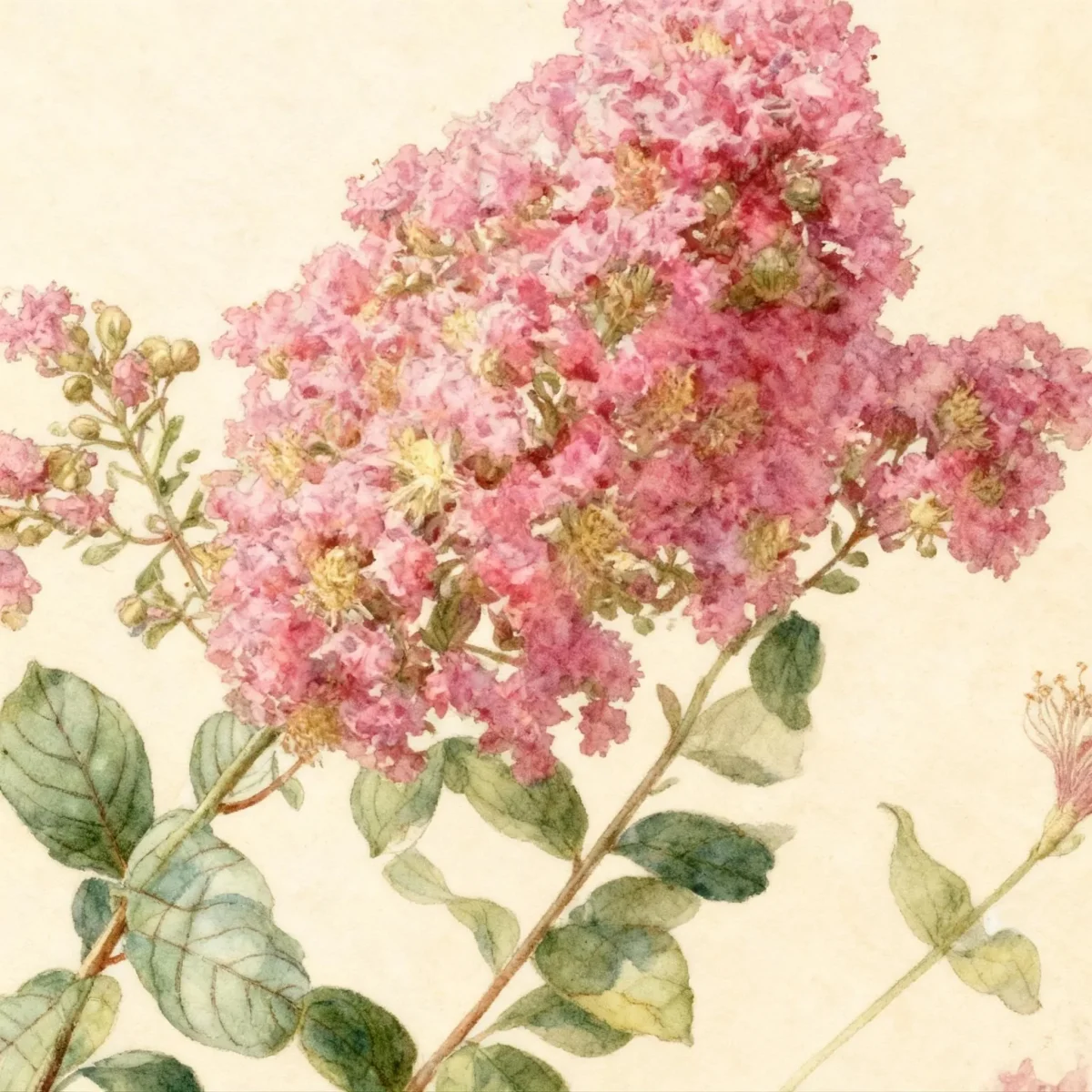
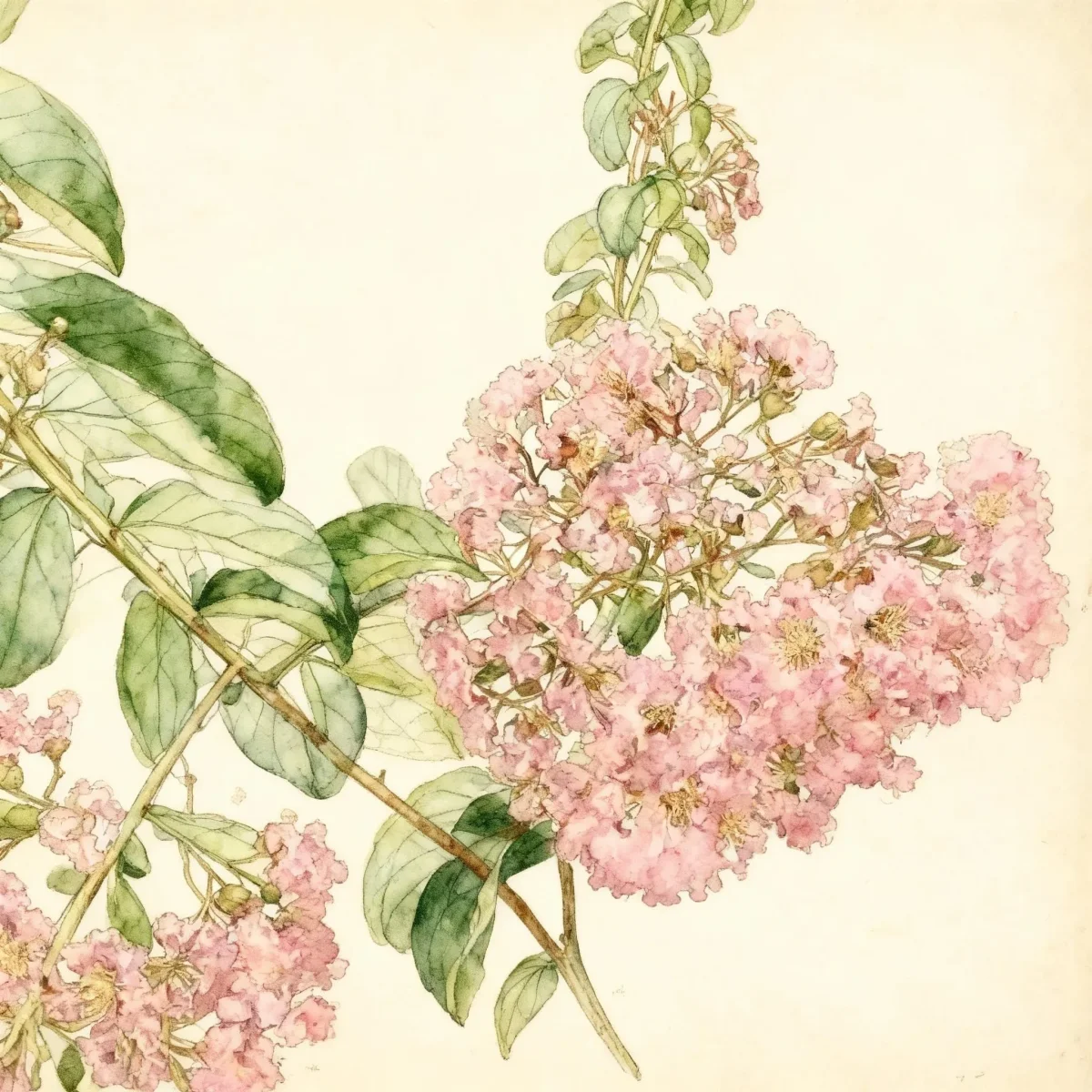
Crape myrtle (Lagerstroemia indica 'Monow' PETITE SNOW)
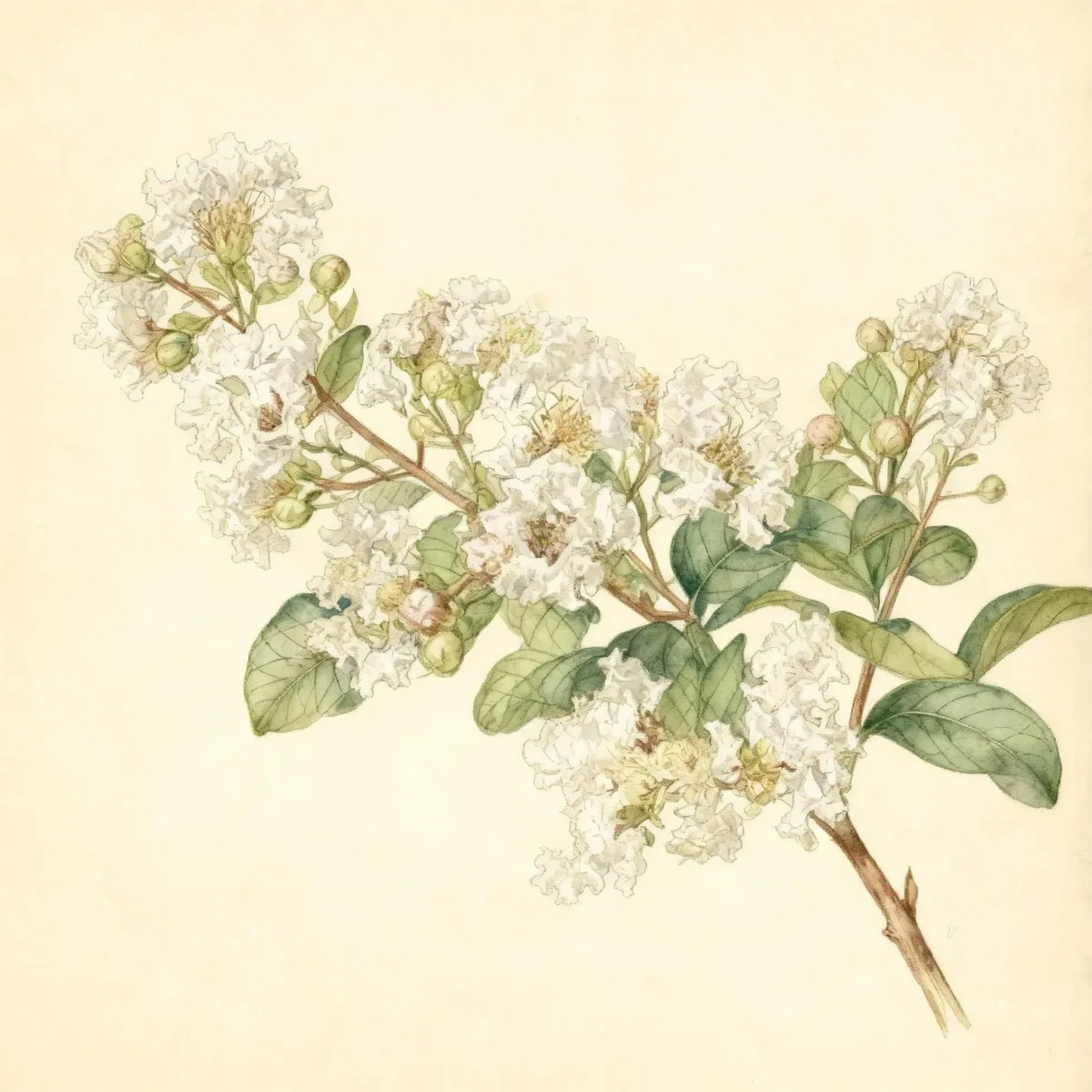
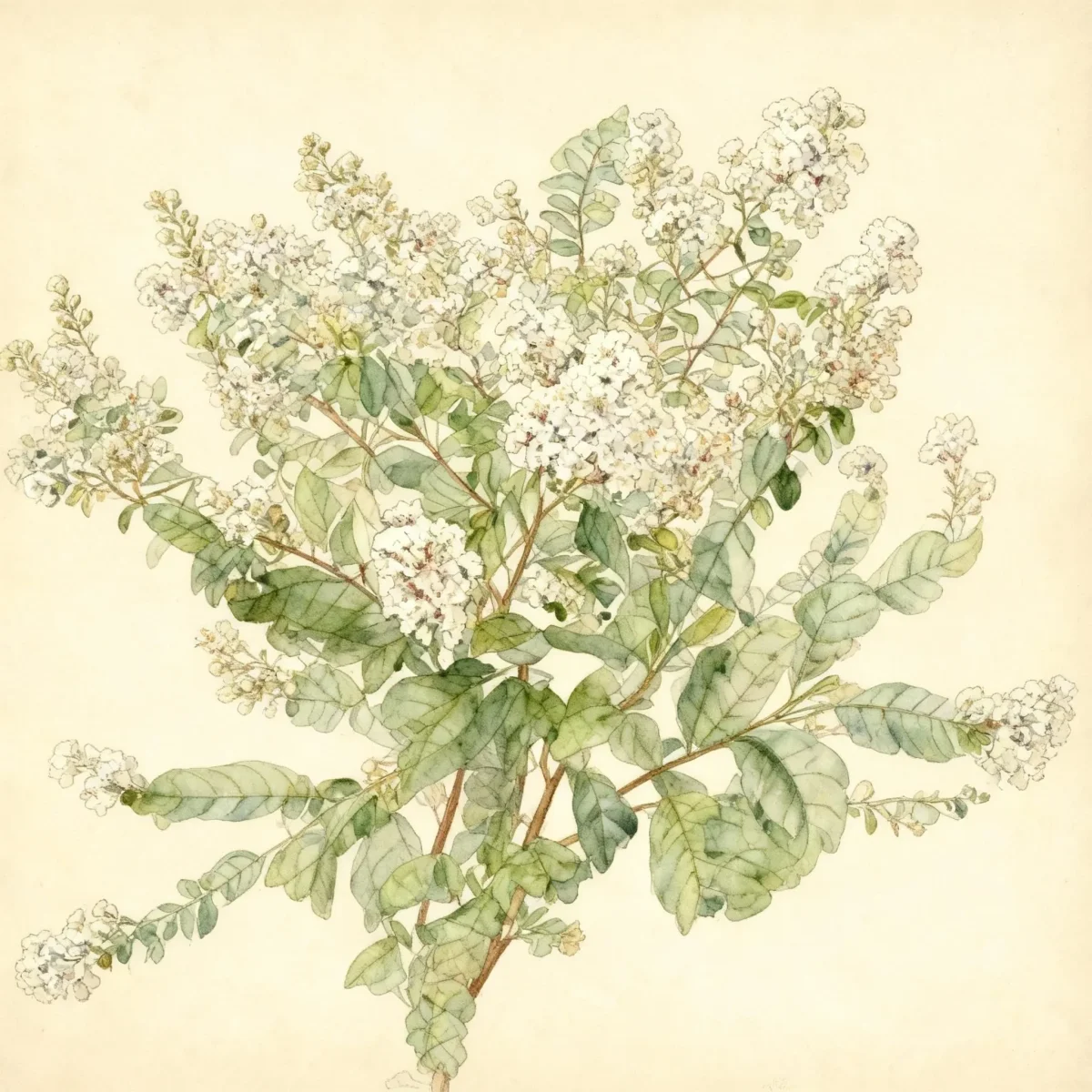
The Lagerstroemia indica 'Monow' PETITE SNOW Crape myrtle is a compact deciduous shrub providing abundant white blooms from mid-summer through early fall.
Scroll down to discover growing tips, care requirements, companion plants, and more
Complete Plant Information
Overview
The Lagerstroemia indica ‘Monow’ PETITE SNOW, a valued dwarf cultivar of the Crape myrtle, brings season-long beauty to the landscape without demanding excessive space. This deciduous shrub is recognized for its crepe-papery white flowers that reliably bloom from mid-summer into early autumn, offering excellent visual appeal when many other plants are slowing down. Ideal for smaller properties or constrained garden spaces, the PETITE SNOW cultivar maintains a manageable size.
As a variation of Lagerstroemia indica, this plant provides the classic aesthetic of its relatives—long bloom duration and attractive foliage—but remains compact. It typically reaches only 3 to 5 feet tall and spreads 2 to 4 feet wide, making it an excellent choice for defined borders or mass plantings where height clearance is a concern. Its ability to handle varied conditions, including clay soil, increases its practicality for many gardeners.
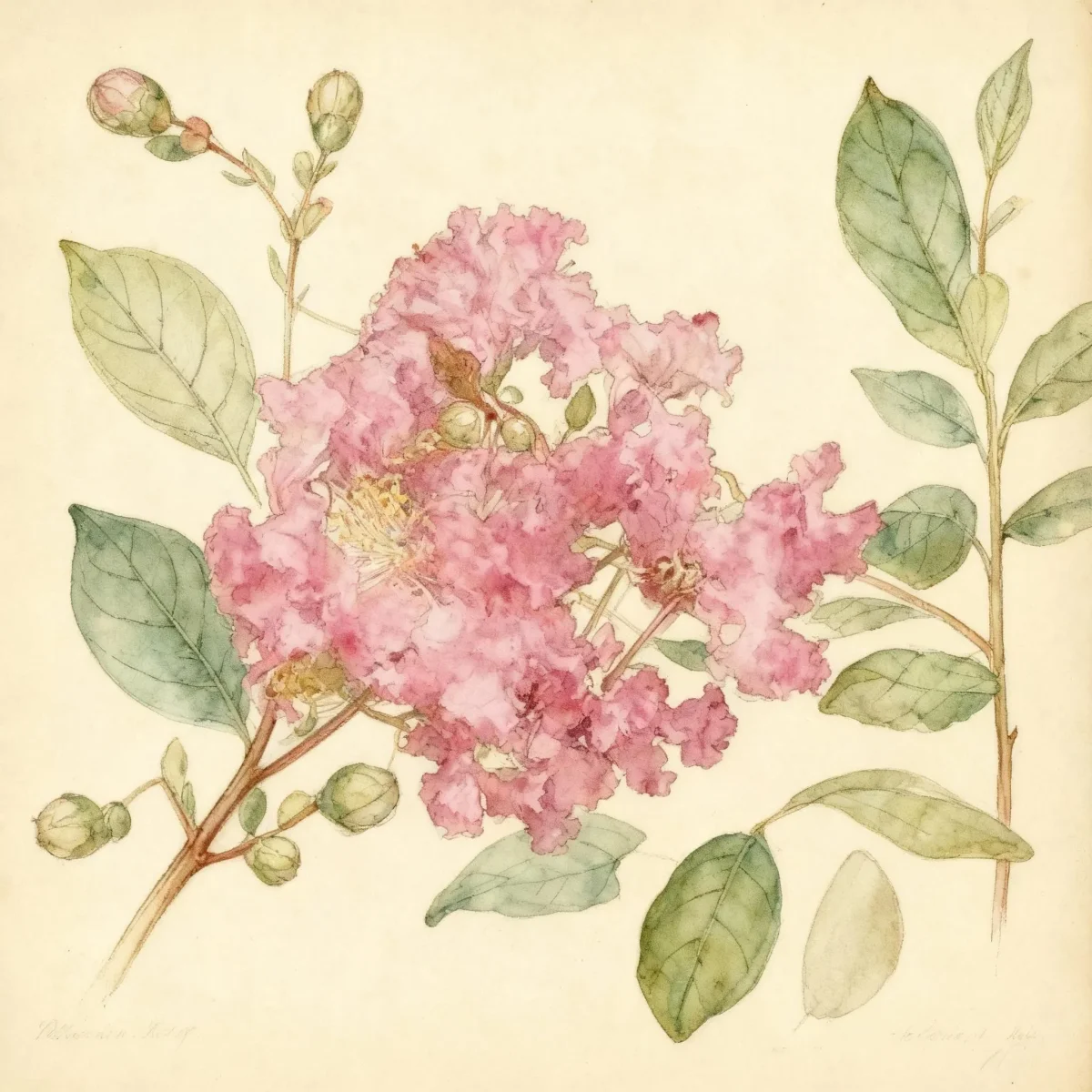
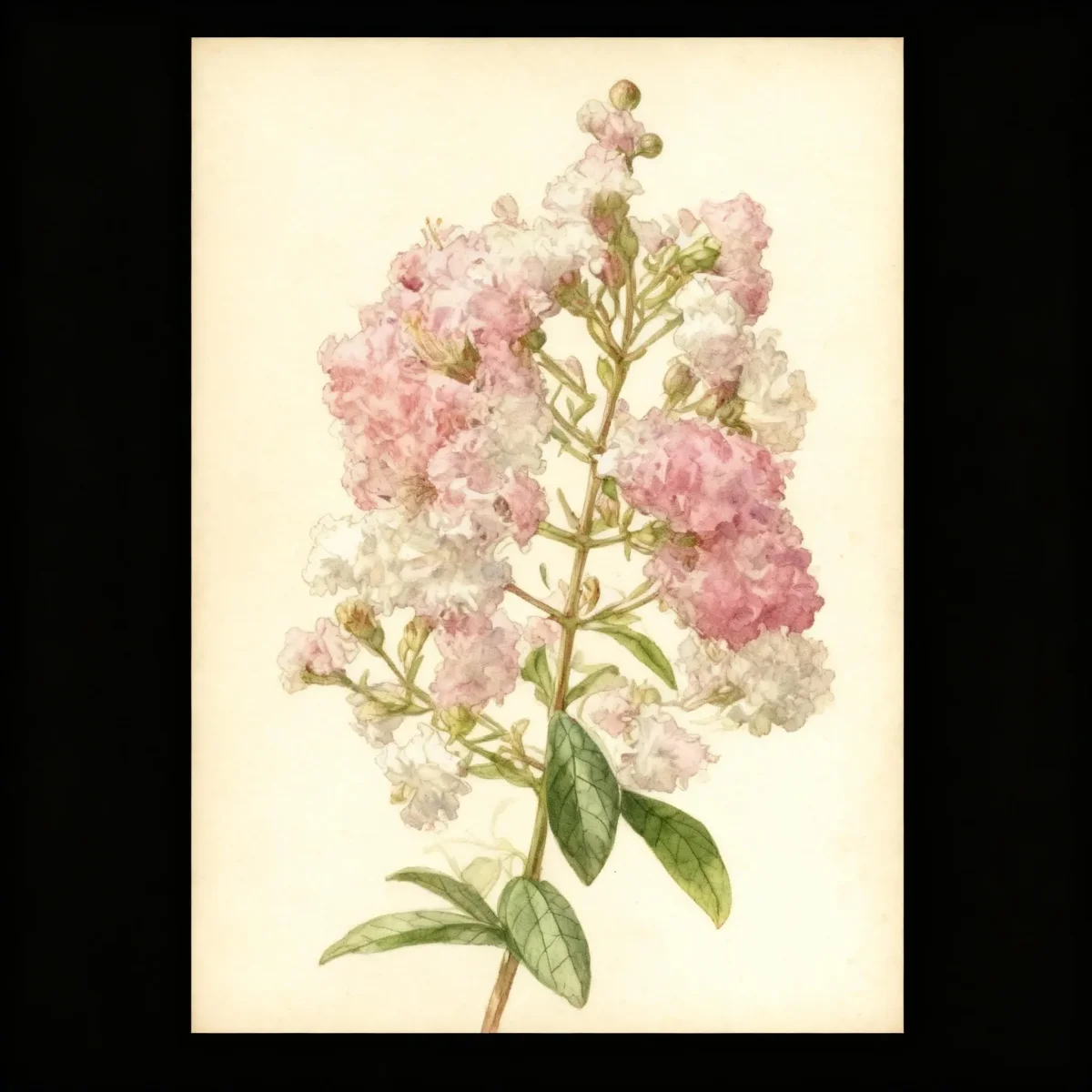
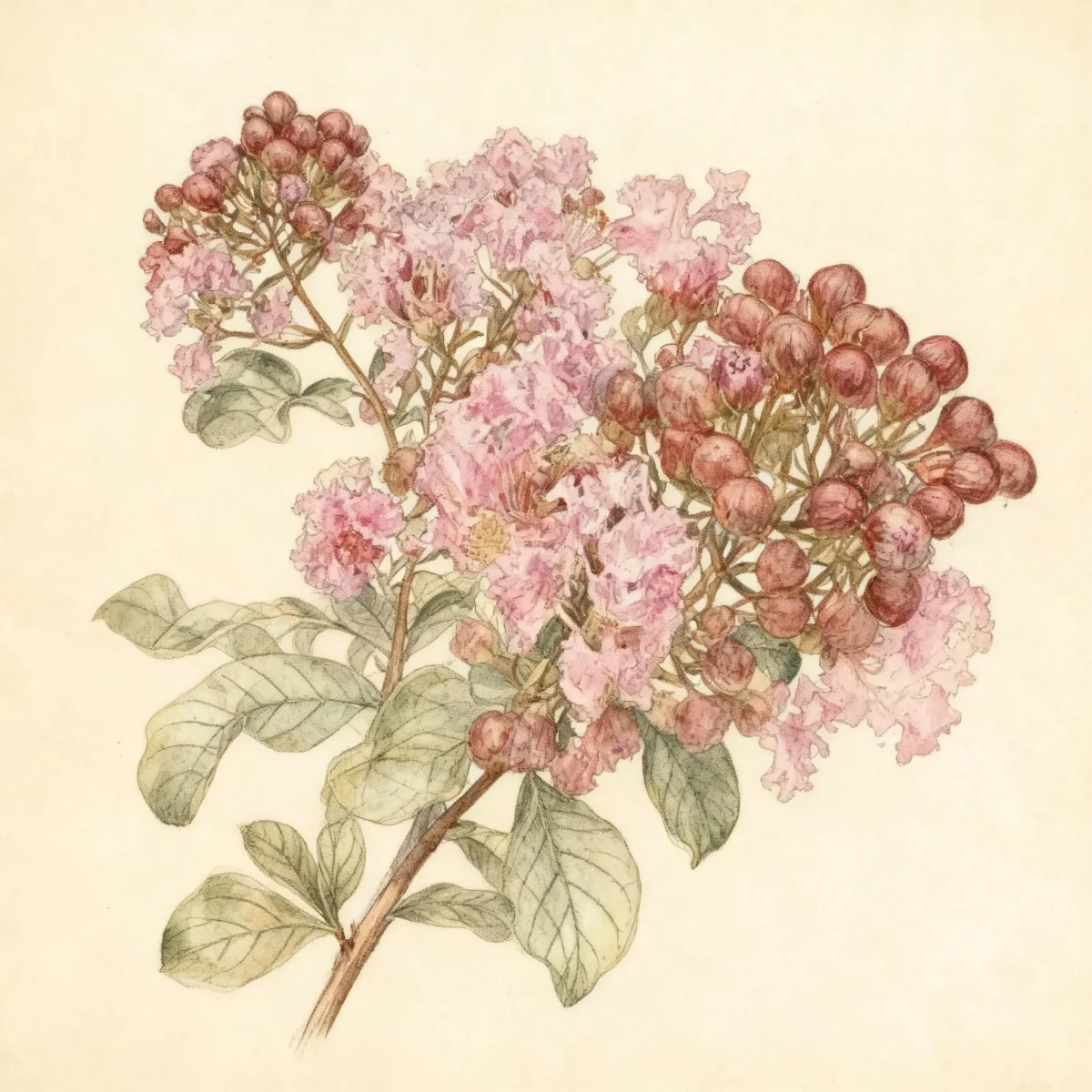
While renowned for its flowers, the Crape myrtle also offers interest through its dark green foliage and the persistent round seed capsules. When siting Lagerstroemia indica ‘Monow’ PETITE SNOW, full sun exposure is essential to maximize flowering potential and ensure robust growth throughout the season. This cultivar is a fantastic way to introduce reliable summer color into foundations or mixed shrub borders.
Fast Facts
- Plant Family: Lythraceae
- Plant Type: Deciduous shrub
- Hardiness Zones: USDA Zones 6-10
- Size at Maturity:
- Height: 3-5 ft
- Spread: 2-4 ft
- Bloom Time: July to September
- Bloom Description: White
- Sun Exposure: Full sun
- Water Needs: Medium
- Maintenance Level: Medium
How to Grow
Establish your Lagerstroemia indica ‘Monow’ PETITE SNOW in the spring or fall, ensuring it receives full sun exposure for the best flowering performance. This plant thrives in average, medium moisture, well-drained soils, and conveniently adapts well to loamy or clay-based soils, provided drainage is adequate. Introducing a slow-release fertilizer annually can support healthy growth, but avoid overly rich soils, which promote excessive leafy growth over flower production and can increase winter vulnerability.
Watering requirements are medium; water the roots deeply, especially during dry periods, but make a conscious effort to keep water off the foliage to minimize disease risk. In colder zones (like 5 or 6), treating this plant as a marginal shrub is wise. Plant Lagerstroemia indica ‘Monow’ PETITE SNOW in protected locations and apply a winter mulch around the root zone.
For gardeners growing this Crape myrtle where temperatures often drop below -5°F, anticipate that top growth may die back to the ground. In early spring in these marginal zones, cut stems back to about 8 inches. The roots are often hardier than the stems, sending up fresh, flowering wood that reaches 2-4 feet before winter returns.
Landscape Uses
The miniature stature of Lagerstroemia indica ‘Monow’ PETITE SNOW makes it incredibly versatile in landscape design. It is highly recommended for use as a small specimen shrub, providing a bright punctuation mark in a perennial border, or planted in groups to create a substantial low block of consistent summer color. Because of its neat, manageable habit—typically 3 to 5 feet tall—it excels in foundation plantings where traditional, large Crape myrtles would quickly obstruct windows or pathways.
In the South, where winter dieback is less of a concern, this dwarf cultivar can even be smartly employed for informal hedging, providing separation without the formality or shearing associated with true hedge species. Consider pairing the crisp white blooms of PETITE SNOW with deep purple or bright pink flowering companions for dramatic color contrast throughout July and August. Its adaptability to clay soil also means it integrates well into existing planting schemes where soil structure might be less than ideal.
Standout Features
Flower Qualities
- Showy
Fruit Qualities
- Showy
Noteworthy Characteristics
The Lagerstroemia indica ‘Monow’ PETITE SNOW is a dwarf Crape myrtle cultivar, typically reaching only 3-4 feet tall, which features lovely dark green foliage contrasted by terminal inflorescences of white, crepe-papery flowers blooming from mid-summer into early fall. While the straight species grows much larger, this cultivar provides the celebrated long bloom period and exfoliating bark characteristics in a compact form perfect for smaller gardens.
Tolerances
- Drought
- Clay Soil
- Air Pollution
Potential Problems
The most common fungal adversaries for Crape myrtles are powdery mildew and fungal leaf spot. Although PETITE SNOW exhibits some resistance to powdery mildew, good air circulation and avoiding overhead watering remain critical preventative measures. Foliage may turn yellow, a condition known as chlorosis, if the soil pH is too alkaline, impacting nutrient uptake. Additionally, be vigilant for occasional infestations of scale insects or aphids, which can be managed with horticultural oils if they become problematic. The most significant issue for growers in the northern reaches of its range (Zones 5-6) remains winter injury to the above-ground wood, requiring diligent pruning in early spring.
Frequently Asked Questions
What hardiness zones is Crape myrtle suitable for?
The Lagerstroemia indica ‘Monow’ PETITE SNOW is reliably hardy in USDA Zones 6 through 10.
How large does Lagerstroemia indica ‘Monow’ PETITE SNOW grow?
This dwarf Crape myrtle typically matures between 3 to 5 feet in height and spreads 2 to 4 feet wide under supportive conditions.
What sun exposure does Crape myrtle need?
For optimal flowering, this deciduous shrub requires full sun exposure throughout the day.
When does Crape myrtle bloom?
Lagerstroemia indica ‘Monow’ PETITE SNOW produces its showy white blossoms reliably from July through September.
Conclusion
The Lagerstroemia indica ‘Monow’ PETITE SNOW offers exceptional ornamental value through its extended season of pure white flowers, packaged in a tidy, dwarf habit ideal for constrained spaces. This resilient Crape myrtle handles drought and clay soil, making it a practical addition to many landscapes. Before planting, always confirm your local USDA hardiness zone compatibility and ensure you situate this gem in a location receiving adequate direct sunlight.
Companion Planting for Crape Myrtle
When designing beds around your PETITE SNOW, consider plants that thrive in similar full sun and well-drained conditions. Low-growing perennials like Coneflower (Echinacea) or Russian Sage (Perovskia atriplicifolia) offer contrasting textures and colors that mature later in the season, extending visual interest past the main bloom time of the Crape myrtle. For foundational plantings, consider shorter ornamental grasses that won’t compete for sunlight or obscure the lower bark structure of the Lagerstroemia indica ‘Monow’ PETITE SNOW.
Seasonal Care Calendar
For successful cultivation, coordinate care with the seasons. In early spring, this is the ideal time to prune back any branches of your Crape myrtle that were damaged or killed by winter cold, cutting back to the first set of healthy, plump buds or down to 8 inches in colder zones. Apply a slow-release fertilizer as new growth begins, but avoid excessive feeding. During the hot, dry stretches of summer, ensure deep watering, particularly when establishing the plant. Finally, apply a good layer of mulch heading into the fall and winter months to insulate the root system, offering crucial protection in zones near the border of its hardiness range.