Lantana (Lantana camara 'Samantha')
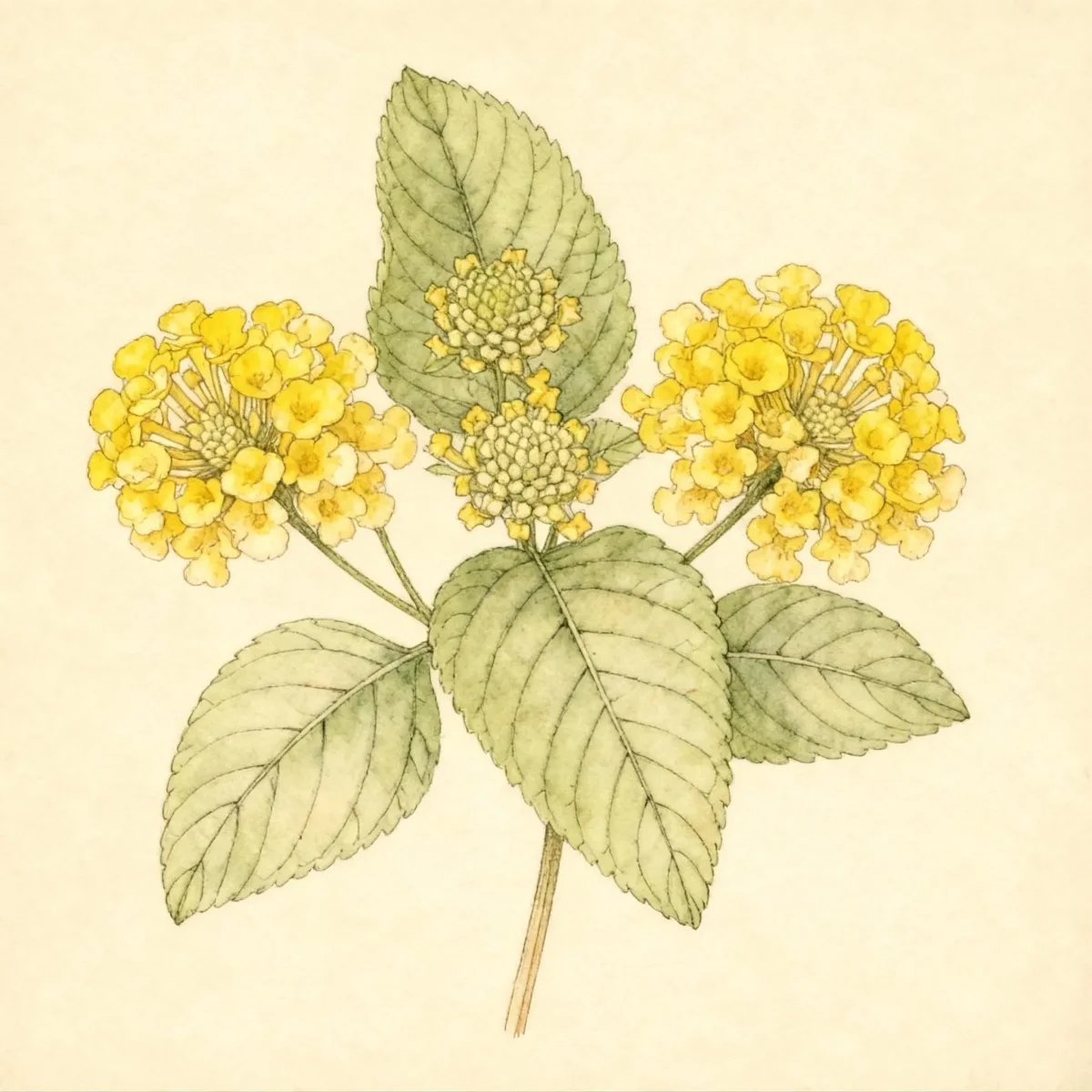
Lantana camara 'Samantha' offers showy yellow blooms and variegated foliage, ideal for low-maintenance sun gardens and containers.
Scroll down to discover growing tips, care requirements, companion plants, and more
Complete Plant Information
Overview
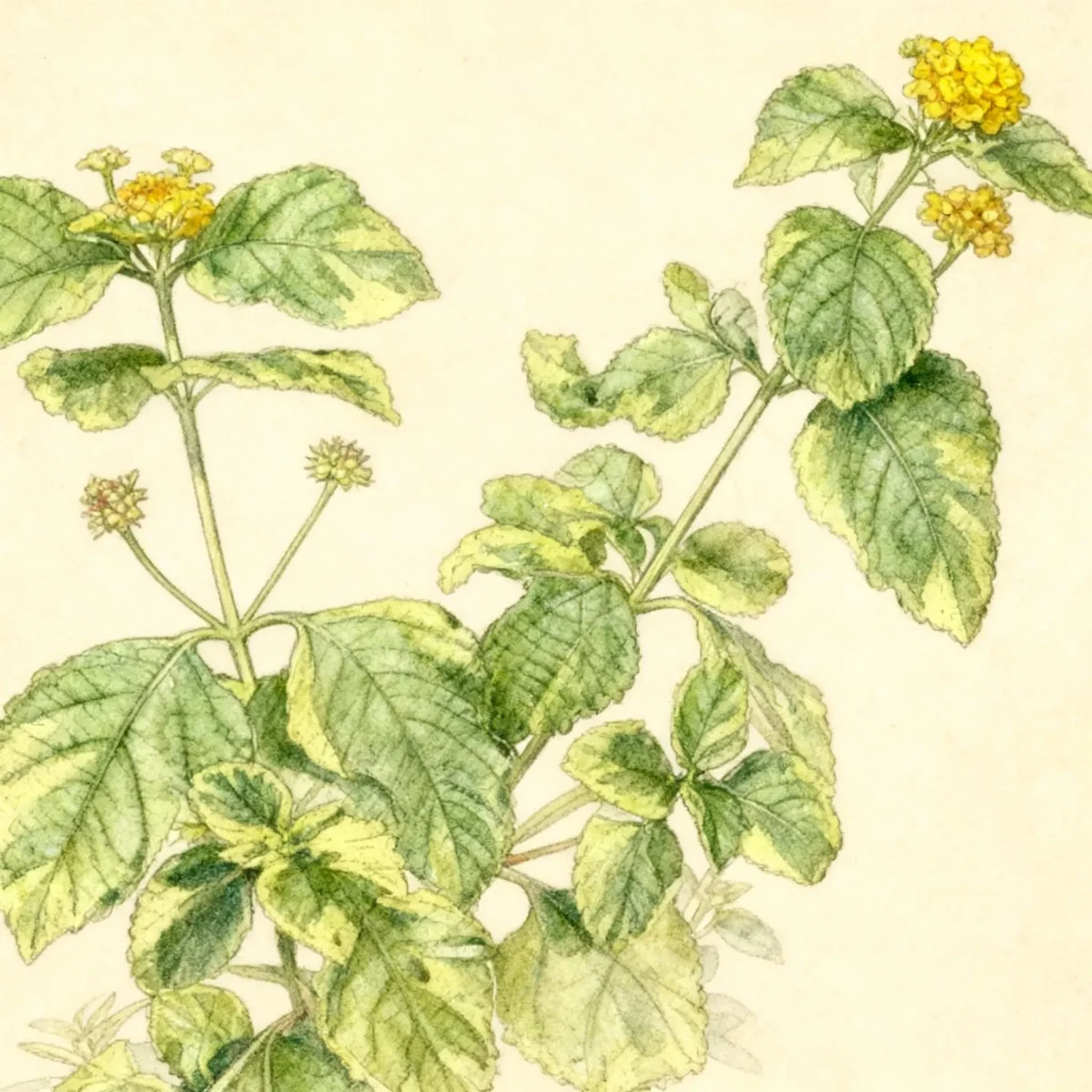
Lantana camara ‘Samantha’ is a highly valued, low-maintenance shrub prized for its dense, trailing habit and continuous display of bright yellow blooms starting in July. This specific cultivar stands out due to its attractive, variegated foliage, featuring distinctive chartreuse streaks along the leaf margins which brighten darker garden corners. As a sun-loving perennial in tropical climates, or a dependable annual elsewhere, Lantana provides excellent season-long color.
This variety of Lantana excels in hot, difficult conditions where many other plants struggle, adding textural interest with its rough-wrinkled, aromatic leaves when bruised. The small, tubular flowers are clustered densely atop the foliage, creating a mound of vibrant color that lasts until the first hard frost. For gardeners seeking reliable performance with minimal fuss, Lantana camara ‘Samantha’ is a superb choice for borders, containers, and attracting local wildlife.
Fast Facts
- Plant Family: Verbenaceae
- Plant Type: Broadleaf evergreen
- Hardiness Zones: USDA Zones 10-11
- Size at Maturity:
- Height: 1.5-2 ft
- Spread: 2-3 ft
- Bloom Time: July to frost
- Bloom Description: Yellow
- Sun Exposure: Full sun
- Water Needs: Medium
- Maintenance Level: Low
How to Grow
Plant Lantana camara ‘Samantha’ each spring after all danger of frost has passed, choosing a location that receives consistent full sun exposure throughout the day for the best flowering. This plant thrives in average, medium-moisture, well-drained soils, although it readily tolerates poorer soils once established. Adequate drainage is crucial for the success of this adaptable shrub.
Watering needs are medium; allow the top layer of soil to dry slightly between waterings, especially when establishing the plant. Due to its preference for sun and its drought tolerance, overwatering can actually cause problems. Fertilizing is often unnecessary, as excessive fertility tends to promote lush leaf growth at the expense of abundant blooms.
Hardiness is limited; top growth is only winter hardy in USDA Zones 10-11, though roots may persist into Zone 9. Gardeners in cooler areas treat Lantana as an annual bedding plant, as sourcing new plants each spring is often simpler than overwintering. If overwintering is attempted, bring container plants indoors before frost into a bright, cool location (40-49°F). Cuttings taken in summer provide an excellent way to preserve favorite cultivars like ‘Samantha’.
Landscape Uses
Lantana camara ‘Samantha’ is incredibly versatile, finding a perfect niche as an annual bedding plant, spilling beautifully from containers, or being trained as a manageable standard form. Its dense, mounded, slightly trailing habit makes it excellent for softening hard edges in raised beds or along pathways. In mixed container arrangements, this Lantana acts as a wonderful spiller or filler, contrasting nicely with upright, finer-textured plants.
When planning borders, utilize its heat tolerance alongside other full-sun lovers such as Zinnias, Portulaca, or Calibrachoa. Because the foliage is variegated, ensure it receives sufficient light so the chartreuse streaks remain vibrant; poor light can cause the variegation to fade. Its low maintenance requirement makes it excellent for high-impact, low-effort displays.
Standout Features
Flower Qualities
- Showy
Noteworthy Characteristics
Lantana camara, commonly called lantana or shrub verbena, is native to Central and South America. It is an upright frost-tender shrub that grows 3-6’ tall in its native habitat. ‘Samantha’ is a variegated cultivar known for its chartreuse-streaked leaf margins paired with brilliant yellow blooms held in small, rounded clusters. Mature plants typically reach up to 2 feet tall and 3 feet wide, exhibiting a dense, bushy, mounded to trailing growth habit perfect for sunny spots.
Tolerances
- Drought
Potential Problems
Lantana camara ‘Samantha’ is generally quite resistant to serious insect or disease issues, adding to its low-maintenance appeal. However, watch closely for common tropical pests, particularly when overwintering the plant indoors. Spider mites and whiteflies frequently target indoor Lantana during the dry conditions of the winter months. Ensure good air circulation in sheltered spots and inspect leaves (top and bottom) regularly for early signs of infestation.
Frequently Asked Questions
What hardiness zones is Lantana camara ‘Samantha’ suitable for?
Lantana camara ‘Samantha’ thrives outdoors year-round in USDA Hardiness Zones 10 and 11, functioning as a woody shrub. In cooler zones, it is best grown as an annual bedding plant or overwintered indoors.
How large does Lantana grow?
This specific cultivar generally reaches a mature height between 1.5 to 2 feet tall, spreading approximately 2 to 3 feet wide, creating a dense, mounded form.
What sun exposure does Lantana camara ‘Samantha’ need?
Lantana requires full sun exposure to perform optimally, resulting in the most prolific blooming from July until frost.
When does Lantana bloom?
You can expect continuous bloom from Lantana camara ‘Samantha’ starting in July and continuing reliably until the first frost occurs.
Conclusion
The variegated foliage and cheerful yellow flowers make Lantana camara ‘Samantha’ an exceptional, easy-care choice for sunny locations. Its drought tolerance and long blooming season ensure vibrant color with minimal intervention, cementing its status as a gardener favorite. Before planting this season, confirm your local frost dates and assess whether you plan to treat your Lantana as a dependable annual display.
Wildlife Benefits
The genus Lantana is famous for its strong attraction to beneficial insects, and Lantana camara ‘Samantha’ is certainly no exception. The small, clustered flowers are a vital nectar source that draws in hummingbirds and a wide variety of butterflies, supporting local pollination efforts throughout the summer and fall season. Planting large drifts of this cultivar can turn a sunny area into a dynamic, buzzing pollinator hub.
Container Growing
Growing Lantana camara ‘Samantha’ in containers offers flexibility, especially for gardeners outside of Zones 10-11 who wish to attempt overwintering. Ensure the container has excellent drainage, as sitting water is fatal. Use a lightweight potting mix amended with some grit or perlite to maintain aeration around the roots. As the plant grows, it may dry out quickly in hot summer winds, so container plants may require slightly more frequent watering than those planted in the ground.