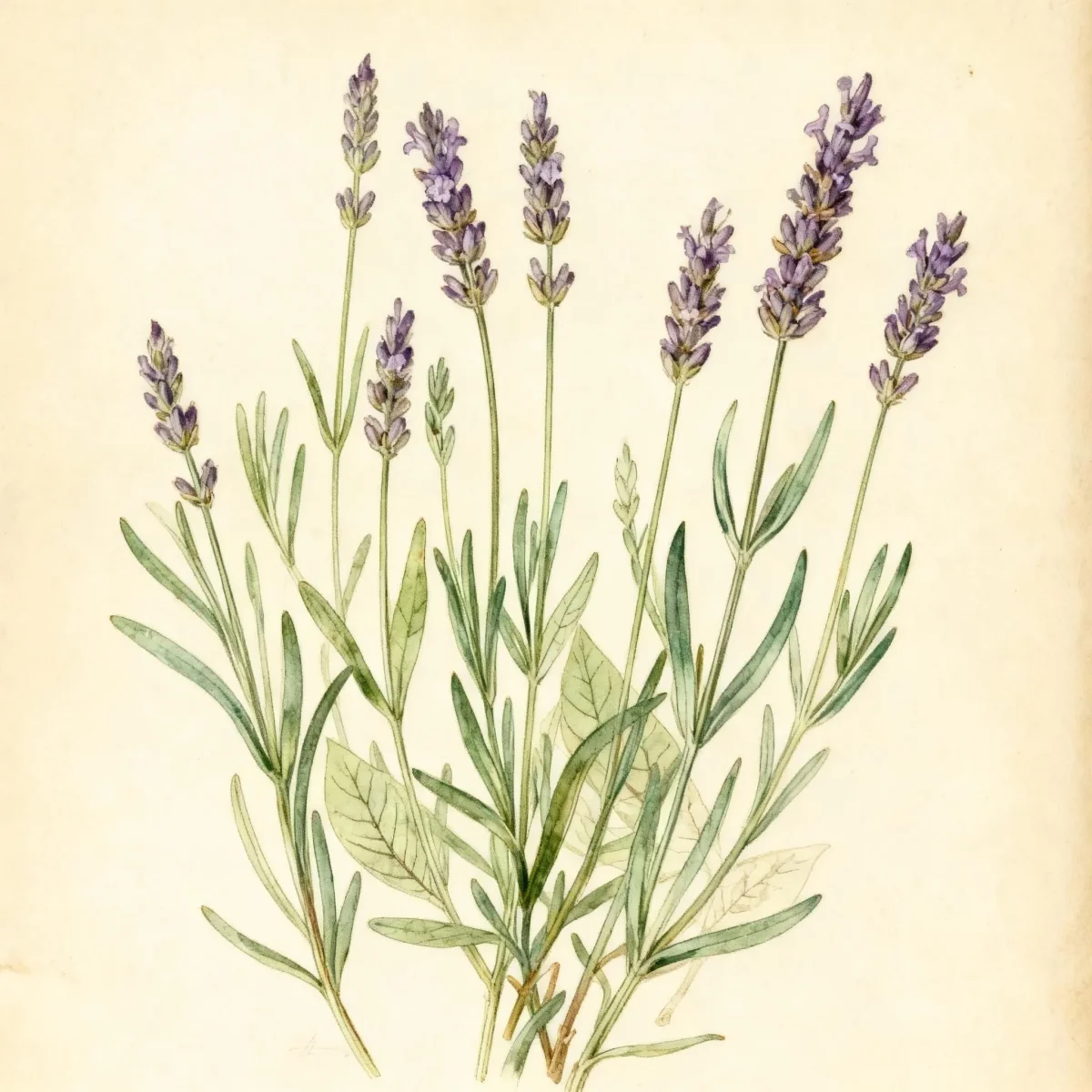
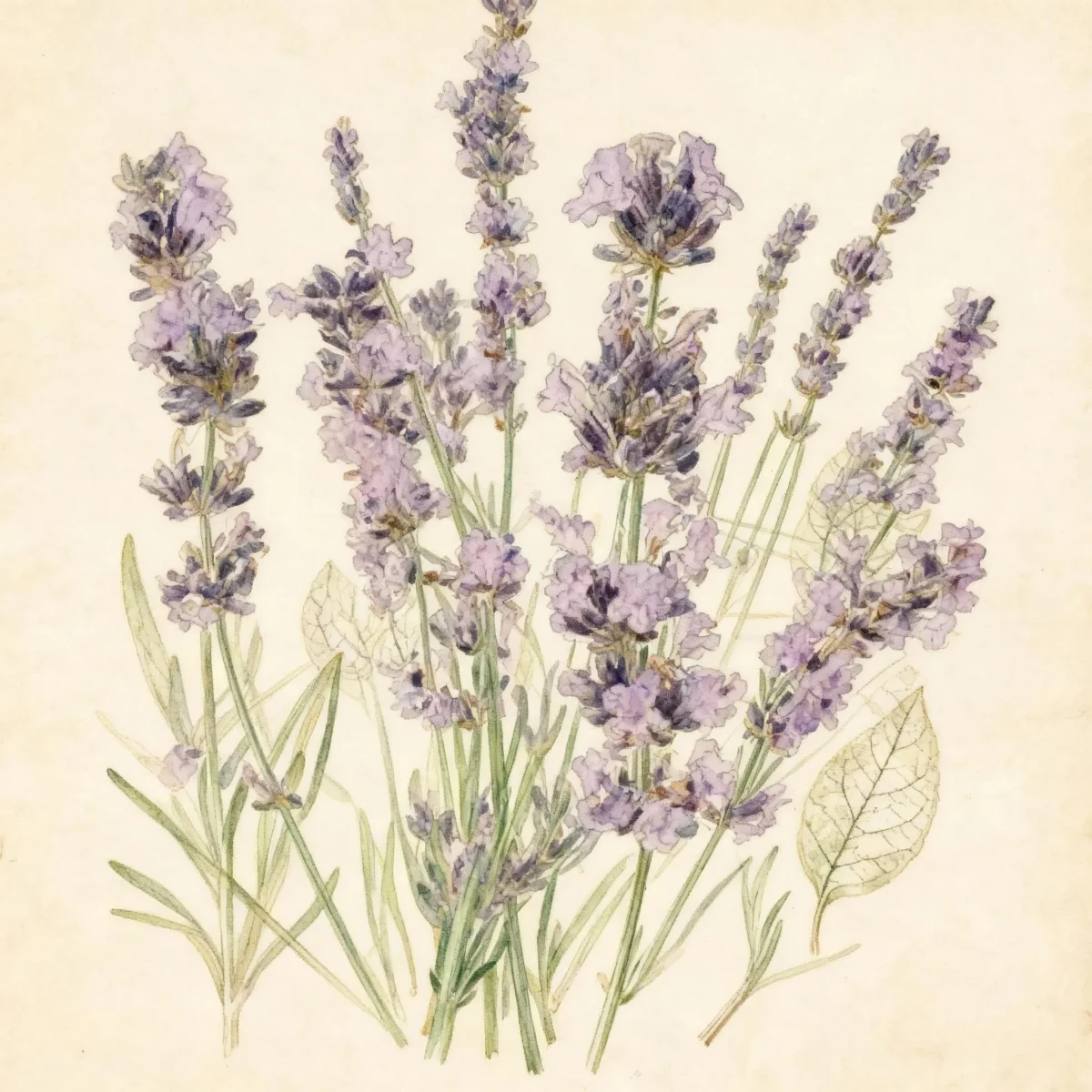
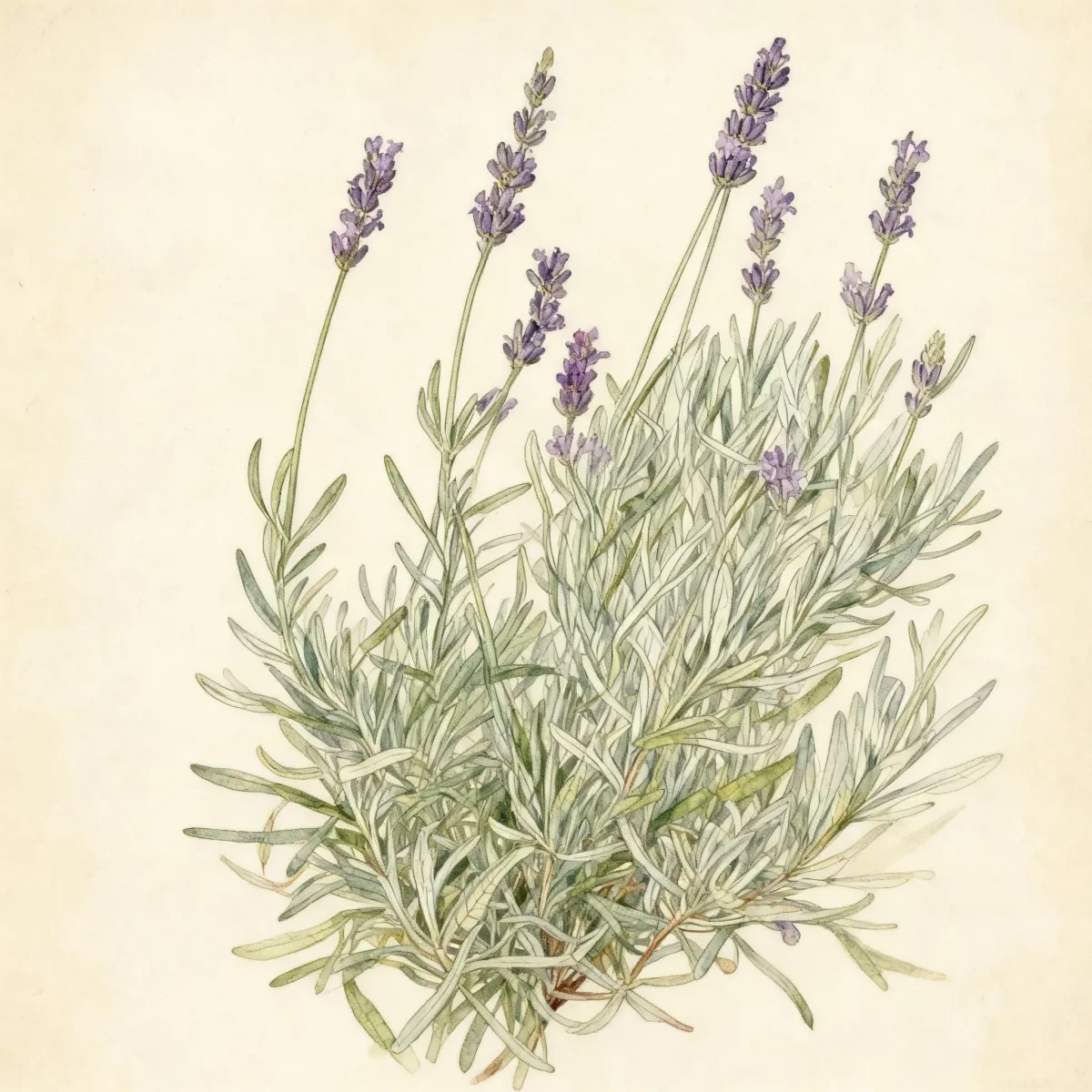
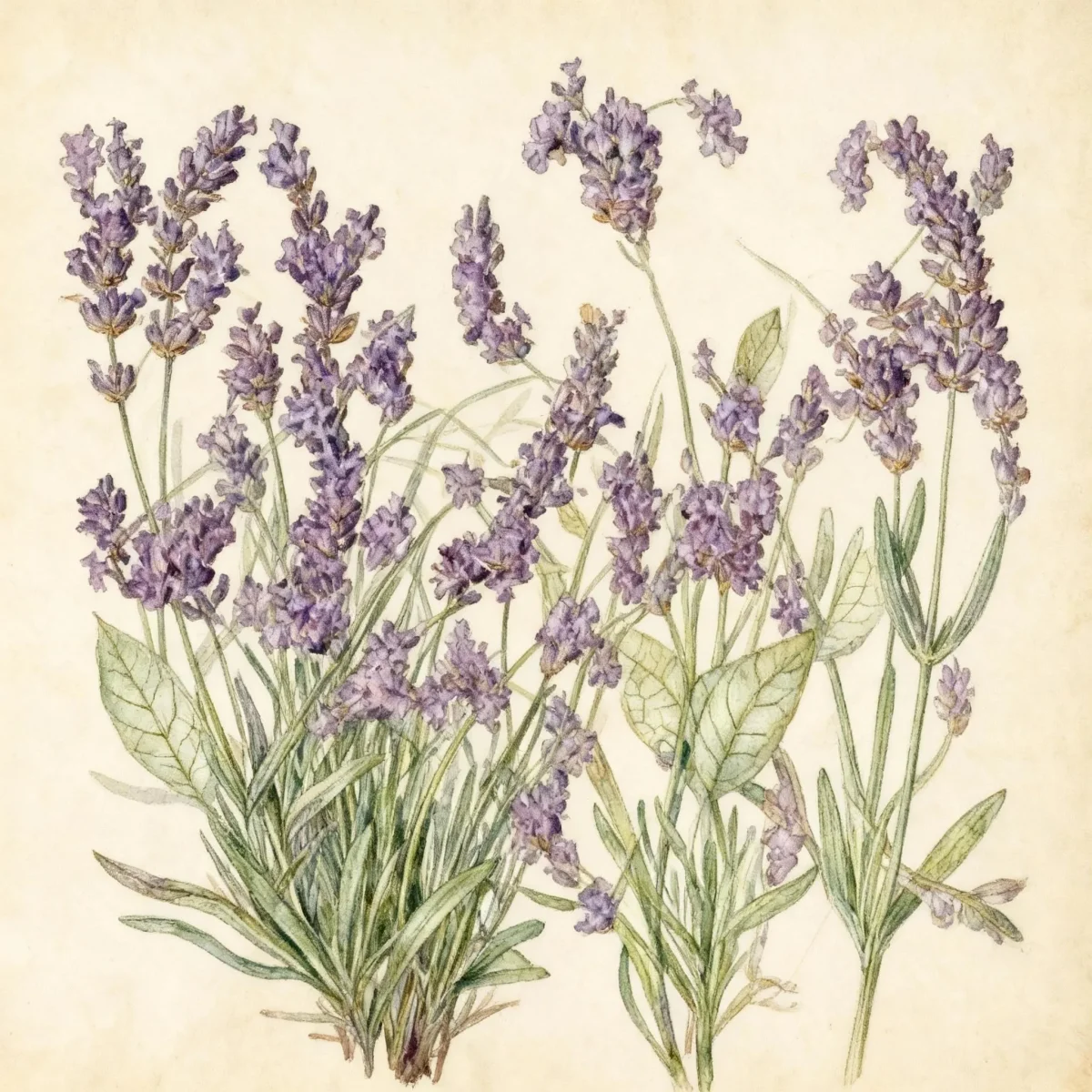
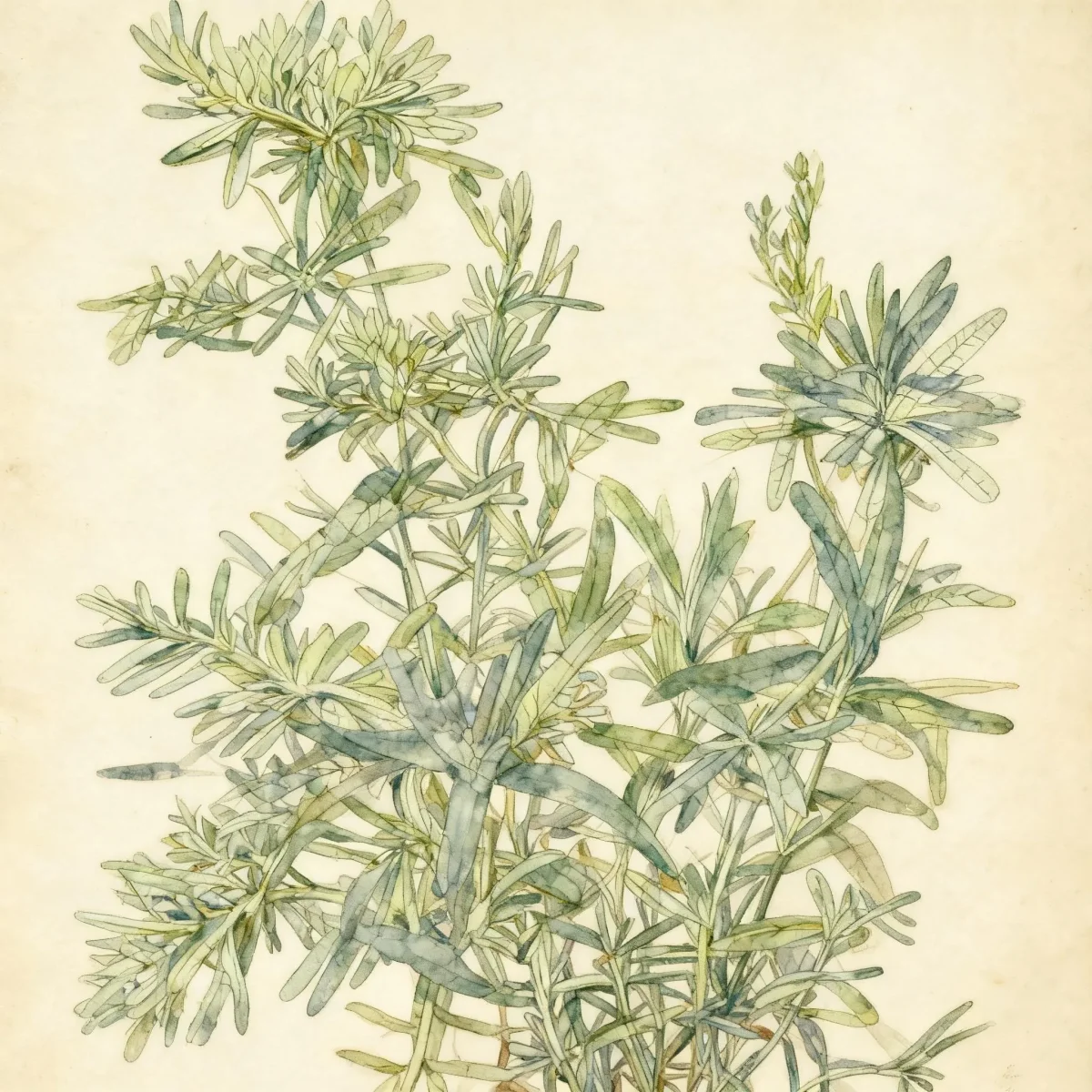
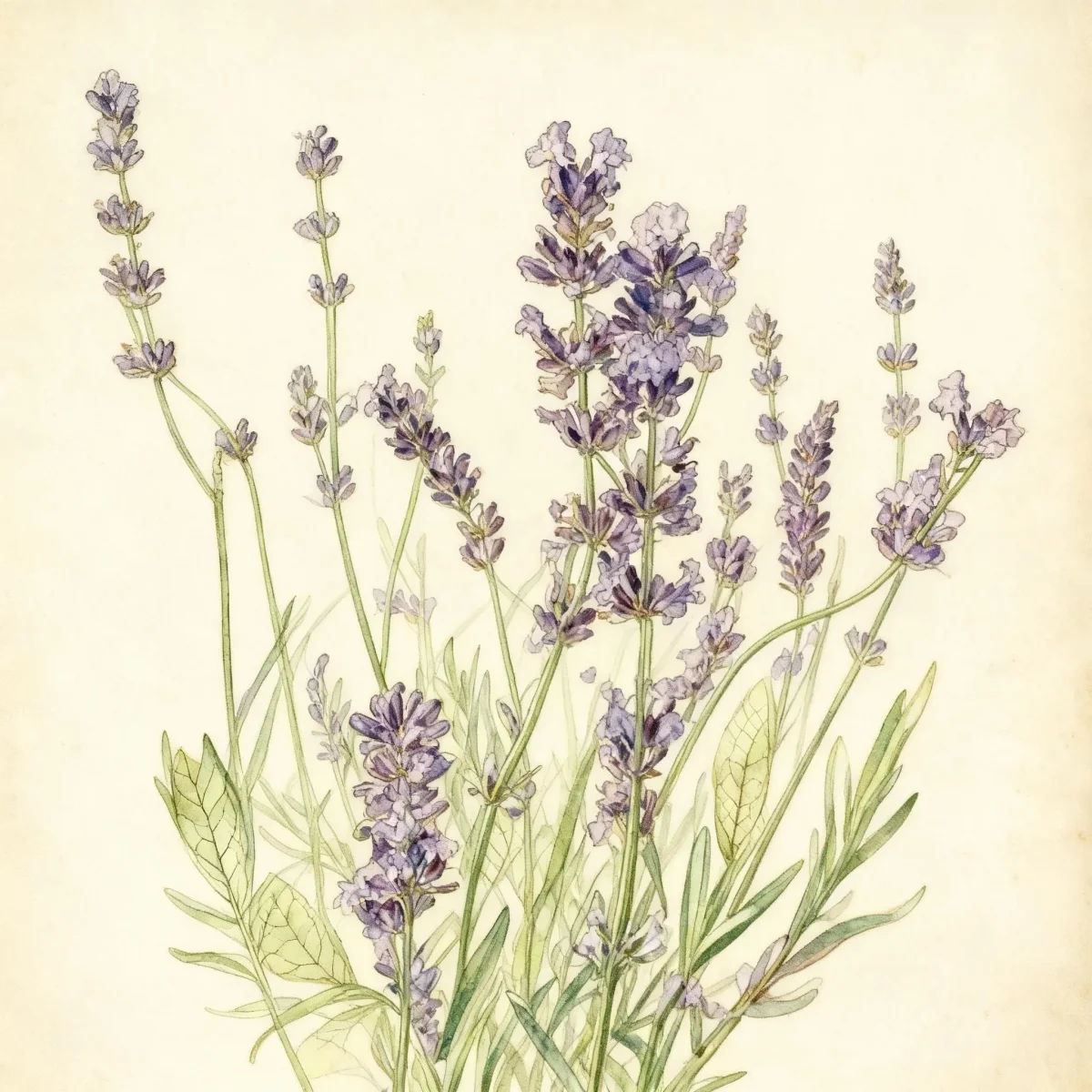
English lavender (Lavandula angustifolia 'Hidcote')
Lavandula angustifolia 'Hidcote' offers deep purple fragrant blooms in full sun. A compact form of English lavender perfect for borders.
Scroll down to discover growing tips, care requirements, companion plants, and more
Complete Plant Information
Overview
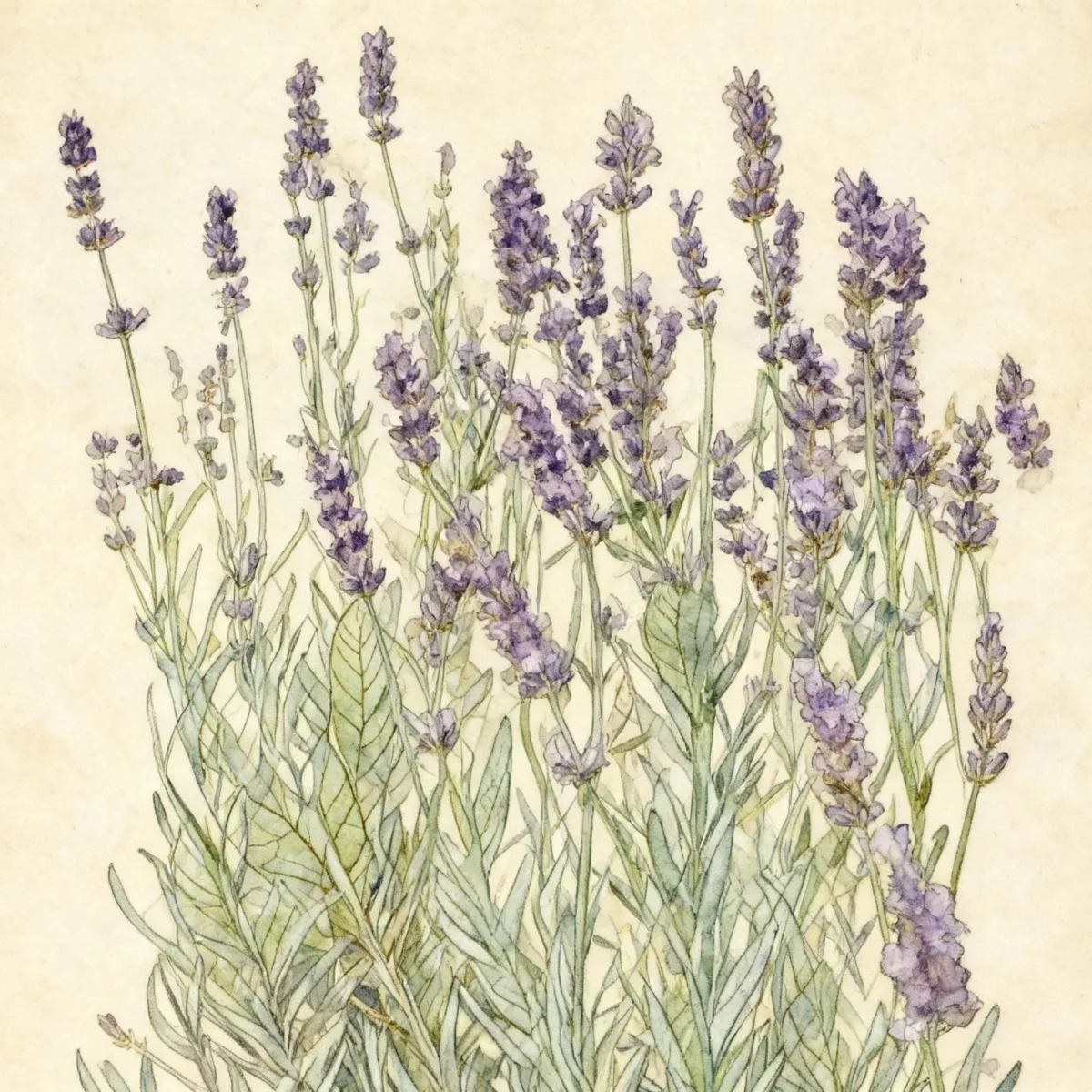
Lavandula angustifolia ‘Hidcote’, commonly known as English lavender, is highly prized for its exceptionally rich, deep purple flowers and aromatic, gray-green foliage. This compact cultivar forms a tidy mound, making it an excellent choice for defining garden edges or providing reliable mid-summer color contrast. As a “true lavender,” it is frequently harvested for its essential oils and used frequently in culinary applications compared to other lavender types.
This herbaceous perennial thrives when given plenty of sunlight and excellent drainage, mirroring its Mediterranean origins. While commercially grown for its valuable oils, home gardeners appreciate English lavender for its hardiness, fragrance, and ability to withstand dry conditions once established. Proper site selection is key to ensuring this selection succeeds year after year.
The deep purple spikes of Lavandula angustifolia ‘Hidcote’ create stunning visual impact when massed or placed near pathways where their strong fragrance can be easily enjoyed. Gardeners looking for low-maintenance plants that offer high aesthetic returns will find this variety of English lavender to be a staple in scented or rock gardens.
Fast Facts
- Plant Family: Lamiaceae
- Plant Type: Herbaceous perennial
- Hardiness Zones: USDA Zones 5-8
- Size at Maturity:
- Height: 1-1.5 ft
- Spread: 1-1.5 ft
- Bloom Time: June to August
- Bloom Description: Deep purple
- Sun Exposure: Full sun
- Water Needs: Dry to medium
- Maintenance Level: Medium
How to Grow
Planting Lavandula angustifolia ‘Hidcote’ requires careful attention to drainage, especially in regions with wet winters. The best time to plant is typically spring, ensuring the plant has the summer season to establish a strong root system before winter stresses arrive. This cultivar demands full sun—at least six hours of direct light daily—and prefers average, well-drained soil. Ideal soil is alkaline, light, and sandy, with somewhat low fertility.
Watering should be sparse once established; treatments should only occur during dry spells, as this plant prefers dry to medium conditions. Overwatering is a major contributor to root rot, which frequently attacks lavender in poorly drained settings. Avoid heavy fertilization, which can reduce flower production and plant vigor.
Maintenance centers around judicious pruning. Remove faded flowers immediately to encourage repeat blooming throughout the season. In early spring, after new leaves appear, prune the plant lightly to maintain shape. Every three years, cut Lavandula angustifolia ‘Hidcote’ back firmly to about 8 inches to stimulate robust new growth and prevent it from becoming too woody. If high summer humidity is an issue, consider using rock mulch instead of organic mulch to improve air circulation around the base.
Landscape Uses
Lavandula angustifolia ‘Hidcote’ is far more versatile than just a typical herb garden component. Its compact, neat habit makes it an outstanding feature along the front of a perennial border, offering necessary mid-summer texture and color contrast against larger shrubs or softer perennials. When massed together, these deep purple mounds create a dramatic, highly fragrant display perfect for formal or cottage garden designs.
Consider using this English lavender as a low, informal hedge along a walkway or driveway edge where the scent released by brushing past the foliage enhances the experience. Because of its excellent drought tolerance once established, it integrates beautifully into xeriscaping projects or rock gardens, pairing well with other sun-loving, dry-tolerant Mediterranean herbs. The fragrant flowers are excellent additions to bouquets, whether used fresh or dried later.
Standout Features
Flower Qualities
- Showy
- Fragrant
- Good Cut
- Good Dried
Noteworthy Characteristics
Lavandula angustifolia, commonly called English lavender, has been a mainstay of herb gardens for many years, though despite its common name, it is not native to England but primarily originates from the Mediterranean region. This variety, ‘Hidcote’, is especially desired as it is a compact mounded form typically growing only to about 20 inches tall, distinguished by very deep purple-blue flowers and attractive gray foliage. Both the narrow leaves and the flowers are highly aromatic and this “true lavender” is commercially valued for fragrant oils.
Tolerances
- Rabbit
- Deer
- Drought
- Dry Soil
- Shallow-Rocky Soil
- Air Pollution
Potential Problems
The primary threats to English lavender involve fungal issues exacerbated by poor conditions. Susceptibility to leaf spot and root rot are significant, especially when the soil drainage is inadequate or excessive humidity persists. Root rot is especially damaging, often attacking plants grown in poorly drained soils during winter.
To prevent winter survival issues, ensure the soil drains perfectly, especially before temperatures dip below freezing, as waterlogged roots are usually fatal. In cold areas, or where winter protection is desirable, consider a sheltered location for your Lavandula angustifolia ‘Hidcote’. Managing humidity, particularly in regions like the St. Louis area, may require using rock mulch to minimize moisture retention near the crowns.
Frequently Asked Questions
What hardiness zones is English lavender suitable for?
Lavandula angustifolia ‘Hidcote’ is reliably hardy across USDA Zones 5 through 8, offering a wide planting window across many climates.
How large does Lavandula angustifolia ‘Hidcote’ grow?
This compact cultivar typically achieves a height between 1 and 1.5 feet, with a similar spread of 1 to 1.5 feet, making it smaller than some other lavender types.
What sun exposure does English lavender need?
This plant requires a minimum of full sun exposure to thrive, produce the most intense fragrance, and maintain its compact shape.
When does Lavandula angustifolia ‘Hidcote’ bloom?
You can expect the showy bloom time for this English lavender variety to be from June into August, featuring deep purple flower spikes.
Conclusion
Lavandula angustifolia ‘Hidcote’ remains an essential plant for its reliable performance, intense fragrance, and valuable deep purple summer color. This compact form of English lavender is indispensable for structure and scent in sunny garden spaces. Before planting, verify that your site offers the requisite full sun and, critically, the sharp drainage needed to ensure long-term success for your gorgeous Lavandula angustifolia ‘Hidcote’.
Companion Planting
When selecting neighbors for your Lavandula angustifolia ‘Hidcote’, prioritize plants that share its intense love for full sun and tolerance for dry conditions. Hardy companions like Sedums, Santolina (Lavender Cotton), and Artemisia (Wormwood) offer fantastic textural contrast while demanding similar low-water care. Avoid placing English lavender near thirsty perennials or shade-loving groundcovers, as competition for water and root crowding can negatively impact its drainage needs.
Design Ideas for Scented Gardens
The inherent fragrance of English lavender makes it a natural anchor for creating defined kitchen or sensory gardens. Plant large groupings of Lavandula angustifolia ‘Hidcote’ along major foot traffic areas, maximizing the sensory experience as the day warms up. Consider pairing its cool gray-green foliage and deep purple flowers with the silvery leaves and contrasting yellow blooms of plants like Yarrow (Achillea) or Coreopsis for reliable, drought-tolerant summer interest.