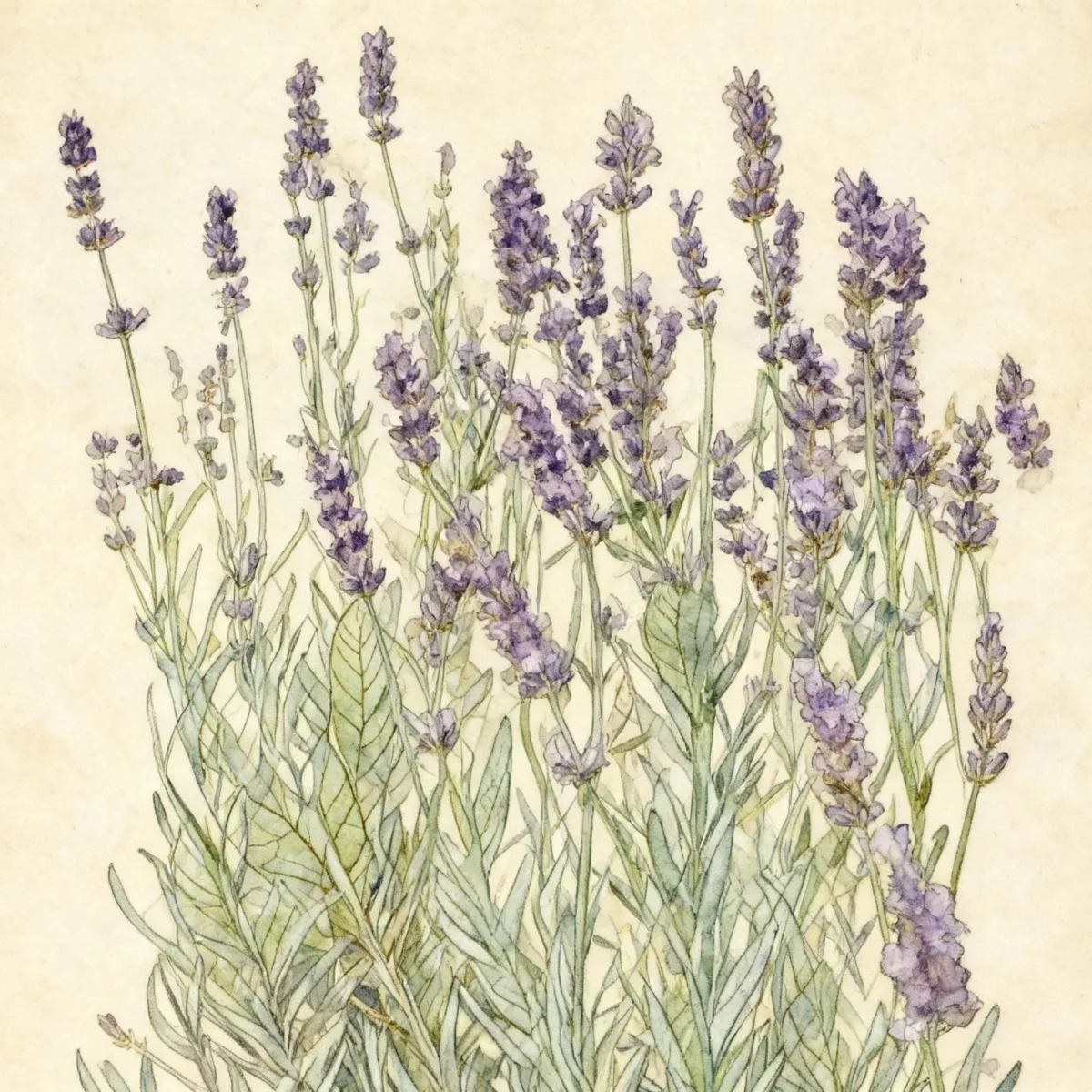
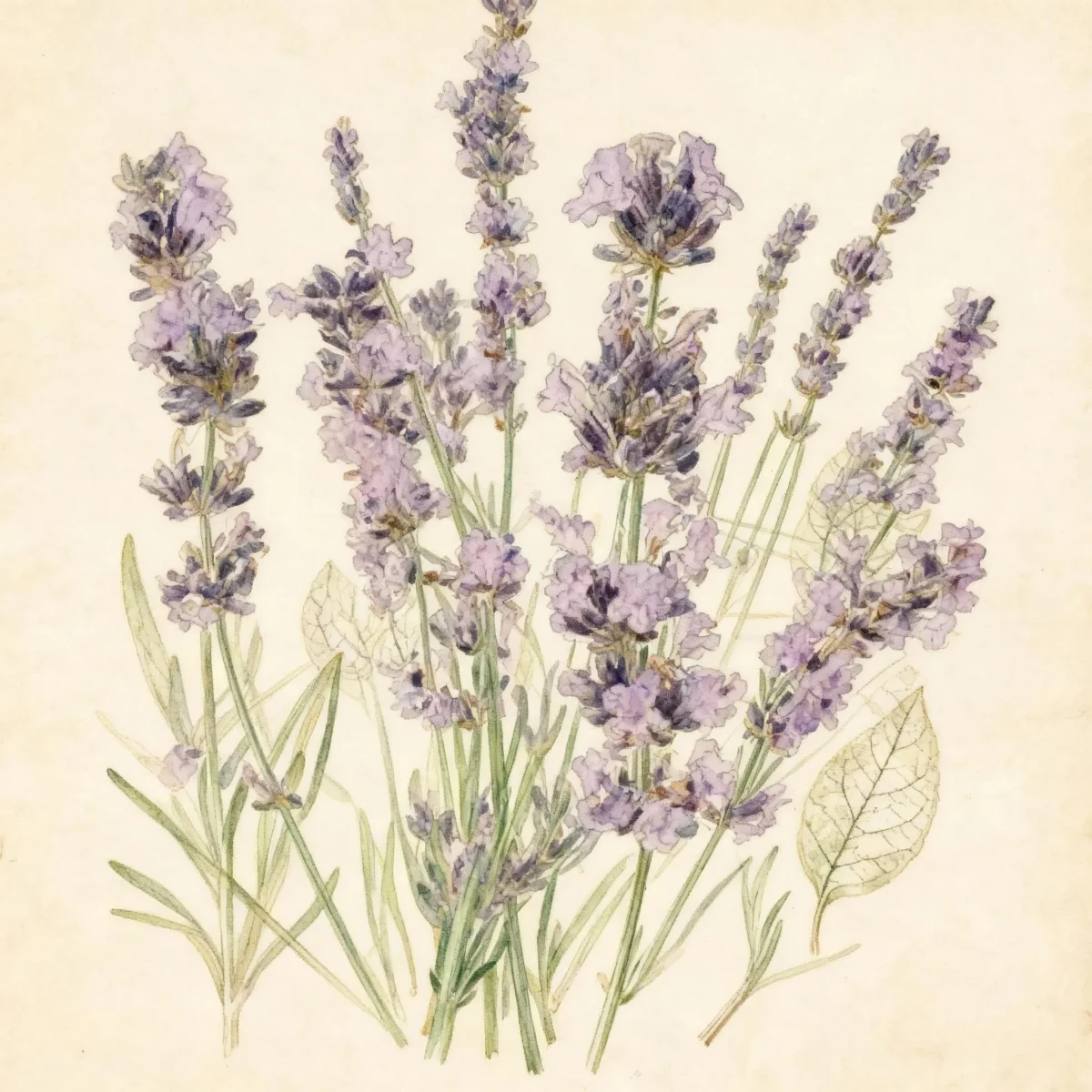
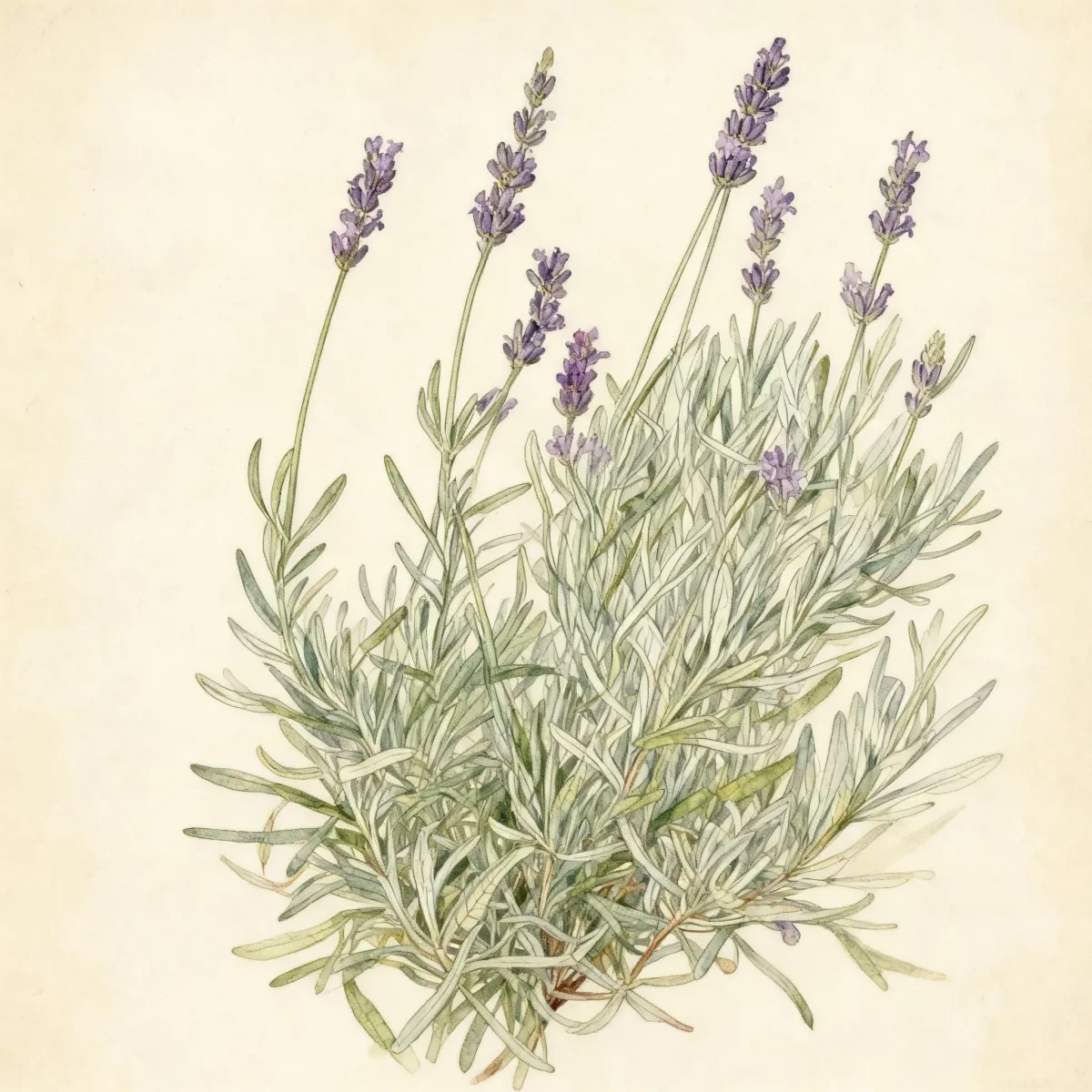
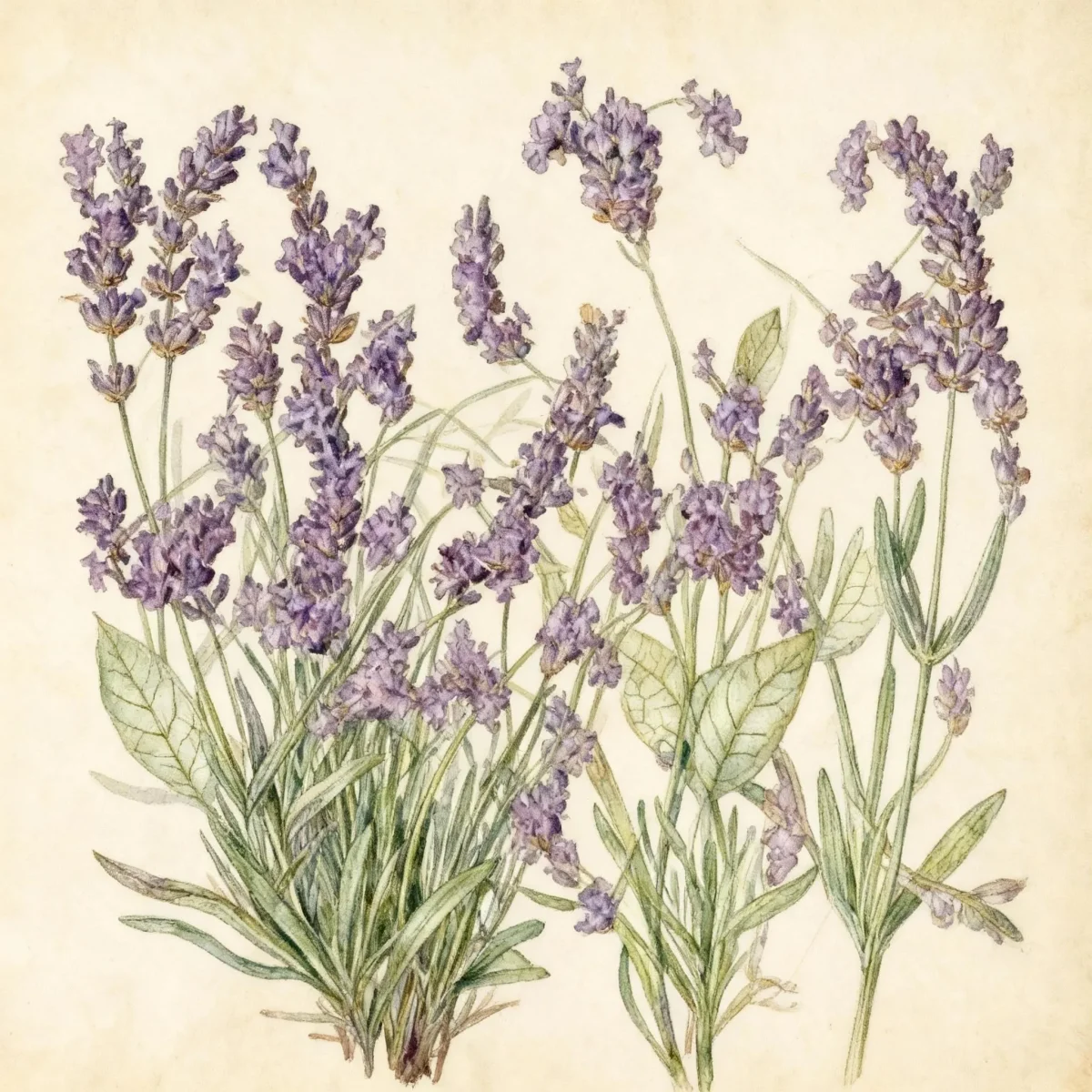
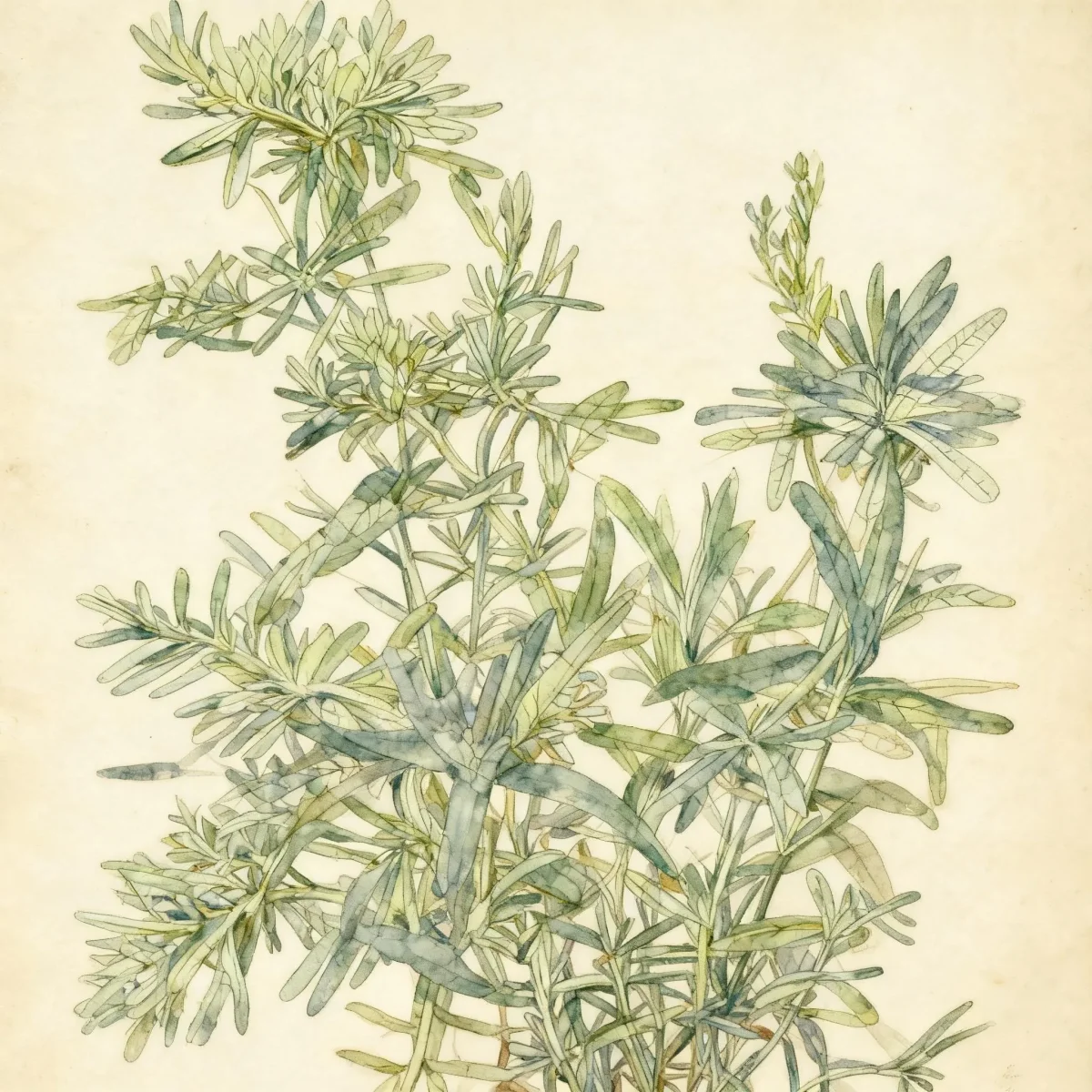
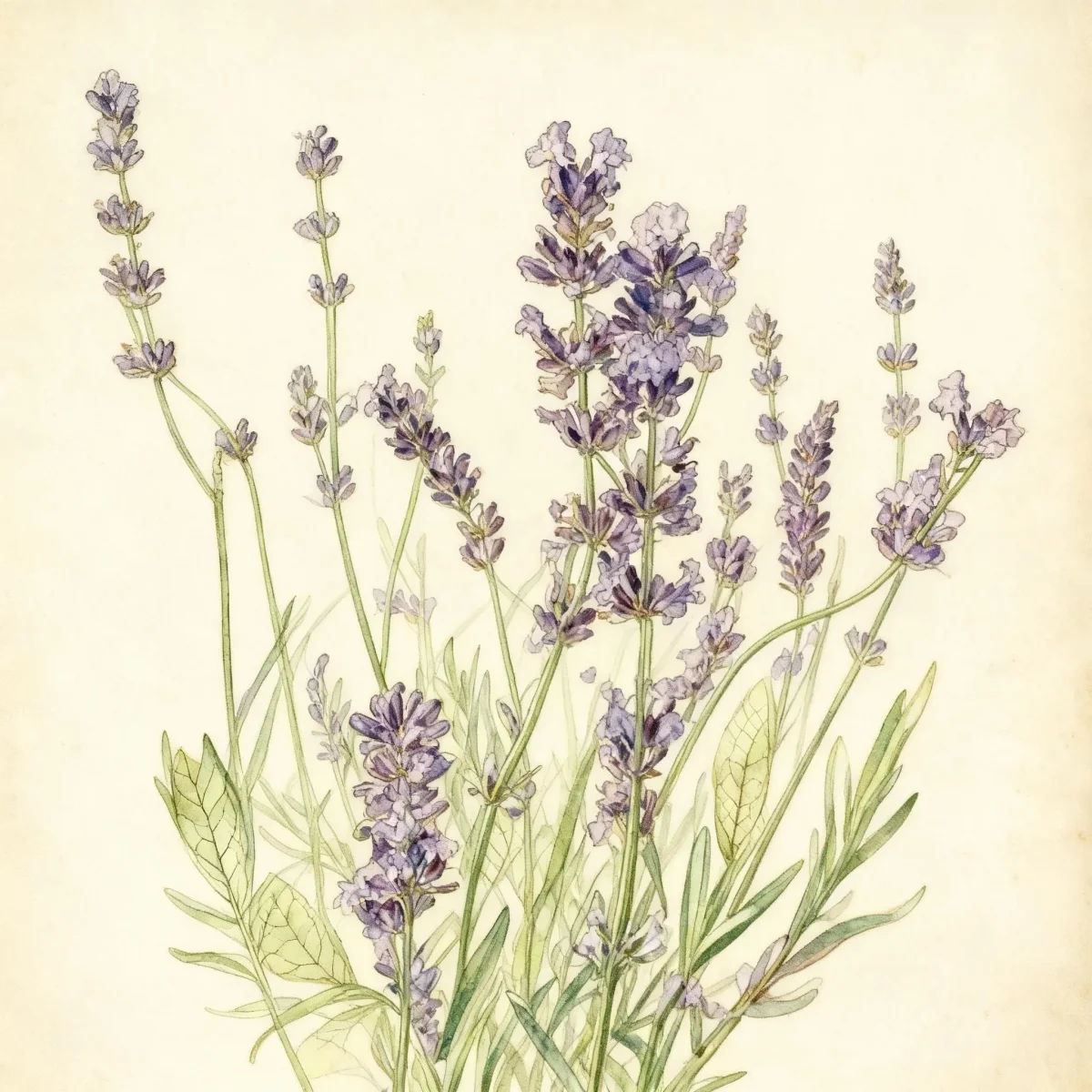
English lavender (Lavandula angustifolia 'Munstead')
Lavandula angustifolia 'Munstead' is a compact English lavender prized for fragrant, lavender blue flowers blooming June to August.
Scroll down to discover growing tips, care requirements, companion plants, and more
Complete Plant Information
Overview
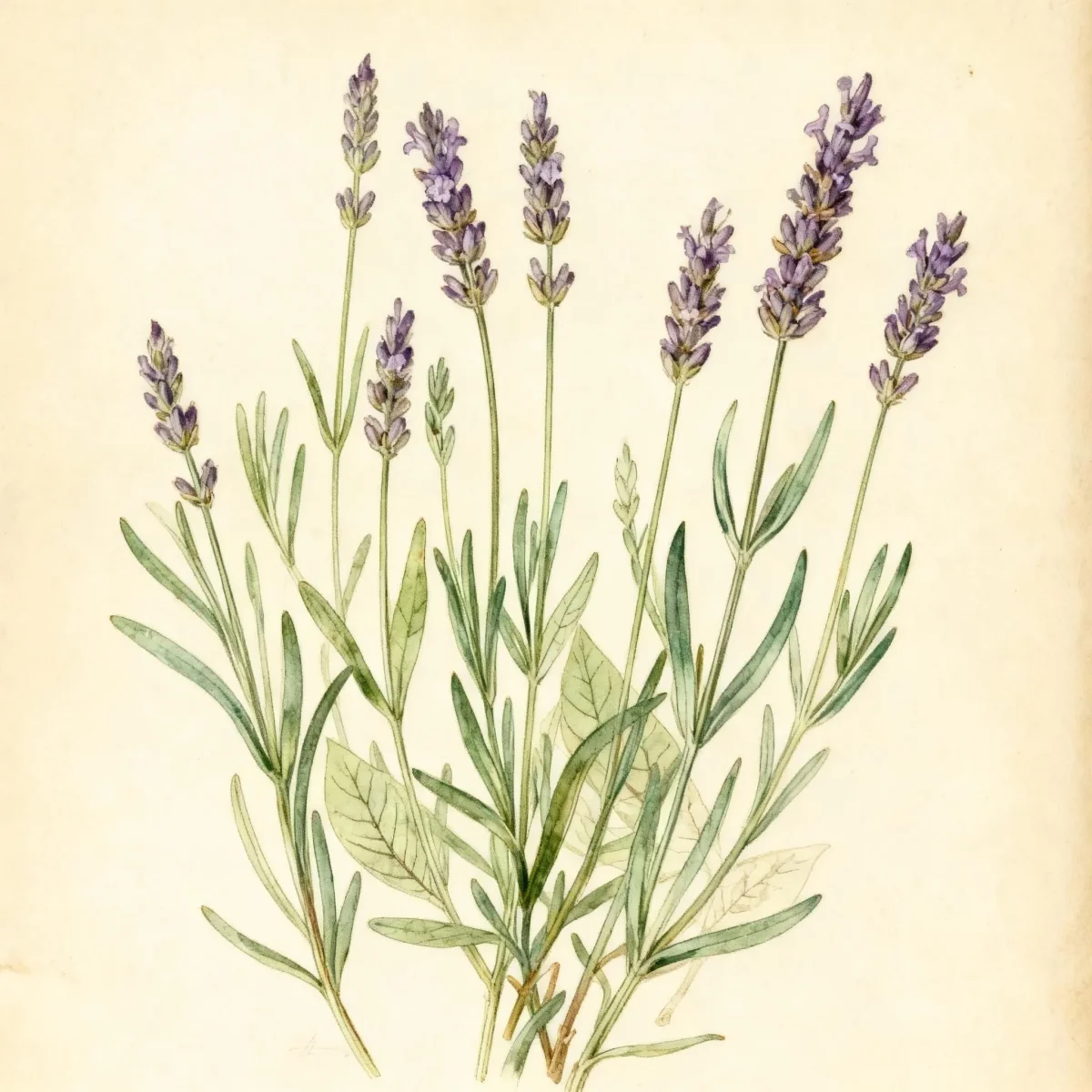
Lavandula angustifolia ‘Munstead’ is a cherished compact cultivar of English lavender, widely celebrated for providing reliable summer color and intense fragrance. This semi-woody perennial is highly valued for its aromatic foliage and clusters of lavender-blue terminal spikes, making it a key component in scented gardens and culinary applications. As a “true lavender,” it offers slightly better climatic performance than hybrid lavandins in many regions.
This variation, Lavandula angustifolia ‘Munstead’, typically grows to a manageable 1 to 1.5 feet tall and wide, fitting perfectly into the front of perennial borders or rockeries. Successful cultivation hinges on mimicking its native Mediterranean conditions: ample sunlight and extremely sharp drainage, especially during the colder, wetter months.
Gardeners appreciate English lavender not only for its beauty but for its functional qualities in dried arrangements, sachets, and potpourri. Providing excellent drought tolerance once established, this plant offers substantial aesthetic reward for relatively moderate maintenance efforts.
Fast Facts
- Plant Family: Lamiaceae
- Plant Type: Herbaceous perennial
- Hardiness Zones: USDA Zones 5-8
- Size at Maturity:
- Height: 1-1.5 ft
- Spread: 1-1.5 ft
- Bloom Time: June to August
- Bloom Description: Lavender blue
- Sun Exposure: Full sun
- Water Needs: Dry to medium
- Maintenance Level: Medium
How to Grow
Plant Lavandula angustifolia ‘Munstead’ where it receives absolute full sun exposure throughout the day, as light is crucial for flower production and stem strength. Ideal soil is average, dry to medium, well-drained, and preferably alkaline; these plants resent standing water. Ensure sharp drainage, particularly in winter, as root rot is a major threat in poorly drained conditions. Growers in humid regions, such as St. Louis, must take extra precautions, often preferring sandy soil and foregoing thick organic mulch in favor of rock mulch to improve winter soil aeration.
Water sparingly once the plant is established; allow the soil to dry out between watering sessions, reflecting the drought tolerance listed for this variety. No significant fertilization is usually required, as these plants prefer somewhat low fertility. Avoid enriching the soil too heavily, which can lead to excessive leafy growth at the expense of flowers.
Pruning is essential for maintaining the compact form of this English lavender cultivar. Snip faded flowers to encourage rebloom during the summer. In spring, once new leaf growth appears, lightly prune to shape the plant. Every three years, consider a harder prune, cutting back stems to about 8 inches to rejuvenate the wood and ensure robust new growth for the coming seasons.
Landscape Uses
Lavandula angustifolia ‘Munstead’ excels where a low hedge, edging, or mid-border accent is needed, often providing a structured, fragrant line that contrasts beautifully with the silvery-green foliage. Its consistent height of 1 to 1.5 feet makes it an ideal foreground element in the perennial border front near taller flowers like Russian Sage or Coneflowers. Beyond just the traditional herb garden, this compact English lavender creates excellent textural contrast in rock gardens where sharp drainage mimics its native environment.
When massed together, the resulting sea of lavender blue flowers provides significant mid-summer impact and saturation. The fragrant nature of both the flowers and the leaves makes it a perfect choice for high-traffic areas near paths or patios, allowing scents to be released when brushed against. Remember that the dried flowers of Lavandula angustifolia ‘Munstead’ are highly sought after for long-lasting aromatic crafts.
Standout Features
Flower Qualities
- Showy
- Fragrant
- Good Cut
- Good Dried
Noteworthy Characteristics
Lavandula angustifolia, commonly called English lavender, has a long history in cultivation, though it originates mainly from the Mediterranean region rather than England. This “true lavender” is commercially significant for essential oils used in perfumery, and its cultivars like ‘Munstead’ are frequently chosen for culinary use. The compact cultivar ‘Munstead’ was introduced in 1916 and is distinguished by its early, lavender-blue flowering spikes and its semi-woody structure, maintaining narrow, gray-green leaves.
Tolerances
- Rabbit
- Deer
- Drought
- Dry Soil
- Shallow-Rocky Soil
- Air Pollution
Potential Problems
The primary risks for Lavandula angustifolia ‘Munstead’ relate to moisture management, especially concerning root health during winter. Plants are susceptible to root rot if soils remain soggy or poorly drained, which is exacerbated by high humidity or winter rains without adequate drainage. Foliage can also suffer from leaf spot under humid conditions. Furthermore, while this English lavender is fairly hardy, severe winter temperatures below freezing coupled with wet soil can prove fatal without protective snow cover. Ensuring excellent soil aeration and avoiding organic mulch in cold, wet climates are essential prevention strategies.
Frequently Asked Questions
What hardiness zones is English lavender suitable for?
Lavandula angustifolia ‘Munstead’ is reliably hardy in USDA Zones 5 through 8, making it a robust choice for many temperate gardens.
How large does Lavandula angustifolia ‘Munstead’ grow?
This compact cultivar reaches a mature height and spread generally between 1 and 1.5 feet.
What sun exposure does English lavender need?
This garden favorite absolutely requires full sun exposure for optimal growth, blooming, and disease prevention.
When does Lavandula angustifolia ‘Munstead’ bloom?
You can expect beautiful lavender blue flowers from this variety spanning the early to mid-summer months, typically from June through August.
Conclusion
Lavandula angustifolia ‘Munstead’ remains a foundational plant in the fragrant garden, offering excellent texture, deer resistance, and highly aromatic quality in a compact package. By prioritizing full sun and impeccable soil drainage, gardeners can successfully cultivate this classic English lavender cultivar. Before planting, verify your local hardiness zone and ensure your chosen site provides the sharp drainage necessary for long-term plant health.
Companion Planting
When designing a landscape around English lavender, select companions that share its requirements for full sun and dry, lean soil to prevent competition while respecting root zone moisture needs. Excellent partners include other drought-tolerant Mediterranean natives such as creeping thyme (Thymus serpyllum), Sedum varieties, and plants with contrasting foliage like ornamental grasses that require similar low-fertility conditions. Avoid moisture-loving plants like Hostas or typical woodland perennials, as their watering schedules will doom your Lavandula angustifolia ‘Munstead’.
Design Ideas for Scented Beds
Creating a dedicated scented border is an excellent application for this plant. Place Lavandula angustifolia ‘Munstead’ at the front edge so that its low, tidy profile frames taller scented companions like Artemisia or Nepeta (catmint). For an added layer of visual interest that complements the blue flowers, utilize gravel or decomposed granite as mulch instead of wood chips; this enhances drainage while lending a rustic, sun-drenched aesthetic suitable for classical European garden styles. Mass plantings are particularly effective, creating drifts of blue that maximize the visibility and fragrance impact in midsummer.