Magnolia (Magnolia 'Elizabeth')
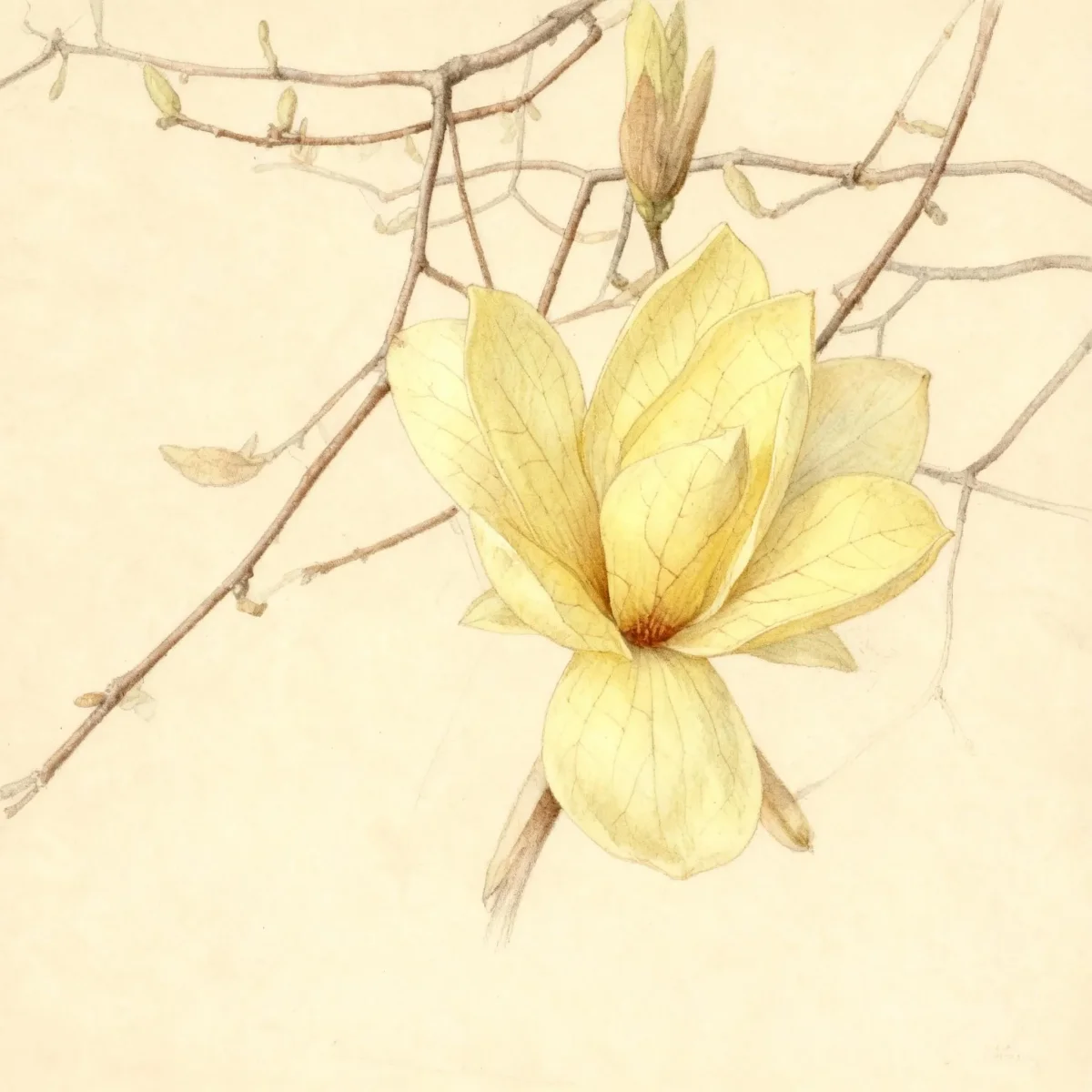
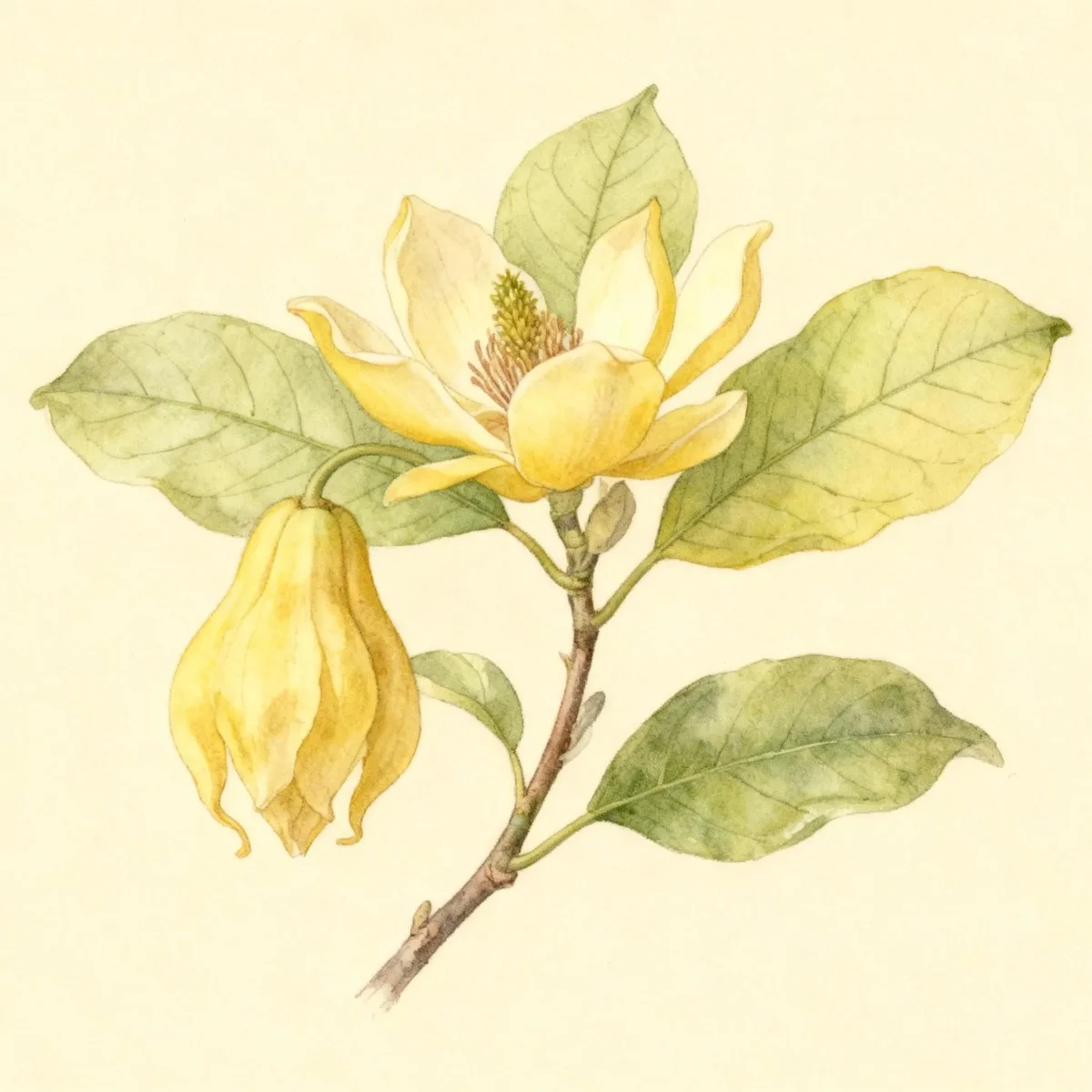
Magnolia 'Elizabeth' is a low-maintenance, pyramidal tree featuring showy, fragrant yellow flowers in early spring (Zones 5-8).
Scroll down to discover growing tips, care requirements, companion plants, and more
Complete Plant Information
Overview
Magnolia ‘Elizabeth’ is a highly sought-after deciduous tree renowned for introducing early color with its distinctive, fragrant yellow blossoms. As a beloved cultivar in the vast Magnolia genus, this hybrid offers gardeners a stately presence, combining resilience with spectacular spring flowering. It matures into a pyramidal form, providing excellent vertical interest in the landscape when its showy flowers appear months before many other shrubs bloom.
This particular Magnolia cultivar thrives best when given a carefully chosen, permanent location, as its fleshy root system dislikes disturbance. Ensuring adequate moisture and protection from harsh winter winds helps guarantee successful bud development and bloom presentation. Magnolia ‘Elizabeth’ is valued not only for its visual appeal but also for its relatively low maintenance requirements once established in ideal soil conditions.
Gardeners appreciate the unique opportunity to feature a true yellow-flowering specimen tree; this color is relatively rare within the broader Magnolia group. Its adaptability to urban environments, including tolerance to air pollution, makes Magnolia ‘Elizabeth’ a practical choice for diverse settings where a significant flowering accent is desired.
Fast Facts
- Plant Family: Magnoliaceae
- Plant Type: Tree
- Hardiness Zones: USDA Zones 5-8
- Size at Maturity:
- Height: 20-35 ft
- Spread: 12-20 ft
- Bloom Time: March to April
- Bloom Description: Yellow
- Sun Exposure: Full sun to part shade
- Water Needs: Medium
- Maintenance Level: Low
How to Grow
Selecting the right planting site is the most crucial step for success with Magnolia ‘Elizabeth’. Plant this tree in organically rich, neutral to slightly acidic soil that retains medium moisture but drains well. Ensure the location receives full sun to part shade exposure. Because of its delicate, fleshy root system, take extreme care during transplanting; select its final landscape location permanently before planting, as this Magnolia dislikes being moved later.
Water requirements are generally medium. Apply a root-zone mulch immediately after planting to help the soil conserve moisture, especially during dry periods. While it welcomes some protection, avoid planting where strong southern exposures might cause premature bud awakening just before a hard freeze hits.
Pruning should be minimal and is best performed immediately following the bloom period in spring. Focus pruning efforts only on removing dead or damaged branches to maintain the natural pyramidal structure of the Magnolia. Note that grafted plants of ‘Elizabeth’ often begin flowering much sooner, potentially by the third year after planting.
Landscape Uses
The primary role of Magnolia ‘Elizabeth’ in the landscape is as an impressive flowering tree specimen. Its striking yellow flowers in early spring make it an excellent focal point for sunny areas where its seasonal display can be fully appreciated by homeowners and visitors alike. Consider planting it prominently near gathering spaces or visible from main windows for maximum viewing enjoyment.
As a pyramidal tree, it offers good structure and vertical emphasis, making it suitable for framing entrances or anchoring corners of a property. While it is a standout specimen, it pairs well with lower-growing, acid-loving shrubs that share similar cultural needs, such as azaleas or rhododendrons, as long as the magnolia’s root zone is respected. Planting it away from structural foundations, given its eventual 20-foot spread, ensures long-term health for both the tree and the hardscape nearby.
Standout Features
Flower Qualities
- Showy
- Fragrant
Noteworthy Characteristics
The genus Magnolia consists of about 100 species (plus numerous additional hybrids and cultivars) of deciduous or evergreen trees and shrubs. Most plants feature large simple leaves and showy, sometimes fragrant flowers (yellow, white, pink or purple) which bloom in early spring before or while the leaves are emerging or in late spring to summer when trees are fully leaved. Genus name honors Pierre Magnol, French botanist (1638-1715). ‘Elizabeth’ is a deciduous pyramidal magnolia tree that grows over time to 20-35’ tall and features fragrant yellow flowers in early spring. It is a cross between cucumber tree (M. Acuminata) and Yulan magnolia (M. Denudata). Yellow flowers (each to 3” across) have tinges of yellow green near the bases, blooming as new leaves unfurl in late March through early April.
Tolerances
- Air Pollution
Potential Problems
Magnolia ‘Elizabeth’ can be susceptible to several common fungal diseases, including leaf spots, anthracnose, canker, dieback, and powdery mildew. To manage these risks, ensure good air circulation around the branches and maintain proper soil moisture levels to reduce stress. Potential insect pests include weevils, snails, scale, and thrips; monitor new growth closely, especially in early spring. The most significant threat to this early-blooming variety is late frost, which can suddenly damage the developing flower buds or newly opened blossoms, often meaning a loss of that year’s bloom display.
Frequently Asked Questions
What hardiness zones is Magnolia suitable for?
Magnolia ‘Elizabeth’ is hardy and reliably grows in USDA Zones 5 through 8.
How large does Magnolia ‘Elizabeth’ grow?
This tree reaches mature heights between 20 and 35 feet, with a spread typically ranging from 12 to 20 feet wide, forming a pyramidal shape.
What sun exposure does Magnolia ‘Elizabeth’ need?
For the best flower production and overall health, plant this Magnolia in a location receiving full sun or partial shade.
When does Magnolia ‘Elizabeth’ bloom?
You can expect the unique yellow flowers of Magnolia ‘Elizabeth’ to appear relatively early in the season, specifically from March through April.
Companion Planting
When designing a landscape around the magnificent Magnolia ‘Elizabeth’, focus on plants that share similar needs for well-drained, slightly acidic soil and appreciate protection from harsh afternoon sun (especially when young). Consider underplanting with spring-flowering bulbs like daffodils or snowdrops, which complete their cycle before the Magnolia leafs out fully. Low-growing evergreens such as Dwarf Mugo Pine or creeping phlox provide excellent groundcover that helps retain the soil moisture critical for the Magnolia’s shallow roots.
To ensure the root zone remains cool and moist—a requirement for all Magnolias—group it with acid-loving shrubs that benefit from similar root competition management. Azaleas, Camellias, and Japanese Maples perform well nearby, provided they do not form such a dense canopy that they shade the lower trunk of the Magnolia tree excessively, impacting its required sun exposure.
Seasonal Care Calendar
For consistent performance from your Magnolia, adapt your care schedule throughout the growing cycle. In early spring, as buds swell but before they fully open, check soil moisture and water deeply if the ground feels dry, remembering that late frosts are a threat to the blooms. Summer care centers on consistent, medium watering, perhaps focusing irrigation efforts near the drip line rather than directly against the trunk, and ensuring mulch remains intact.
Fall is the ideal time to refresh the protective root-zone mulch layer, which insulates the roots against winter cold and drying winds. Minimal intervention is required in winter, though observing the tree for broken limbs after heavy snow or ice storms is wise. Pruning dead or crossing branches should be reserved strictly for the period immediately following flowering in the spring to minimize stress on the tree.
Conclusion
Magnolia ‘Elizabeth’ delivers exceptional value to the landscape, providing fragrant, showy yellow flowers early in the season with minimal long-term maintenance. Successful cultivation of this pyramidal tree hinges on selecting a permanent site with rich, well-drained soil and respecting its sensitive root system during establishment. Before planting your own specimen, confirm that your USDA hardiness zone aligns with zones 5-8 and plan your location carefully to enjoy the ephemeral beauty of this unique Magnolia cultivar for decades.