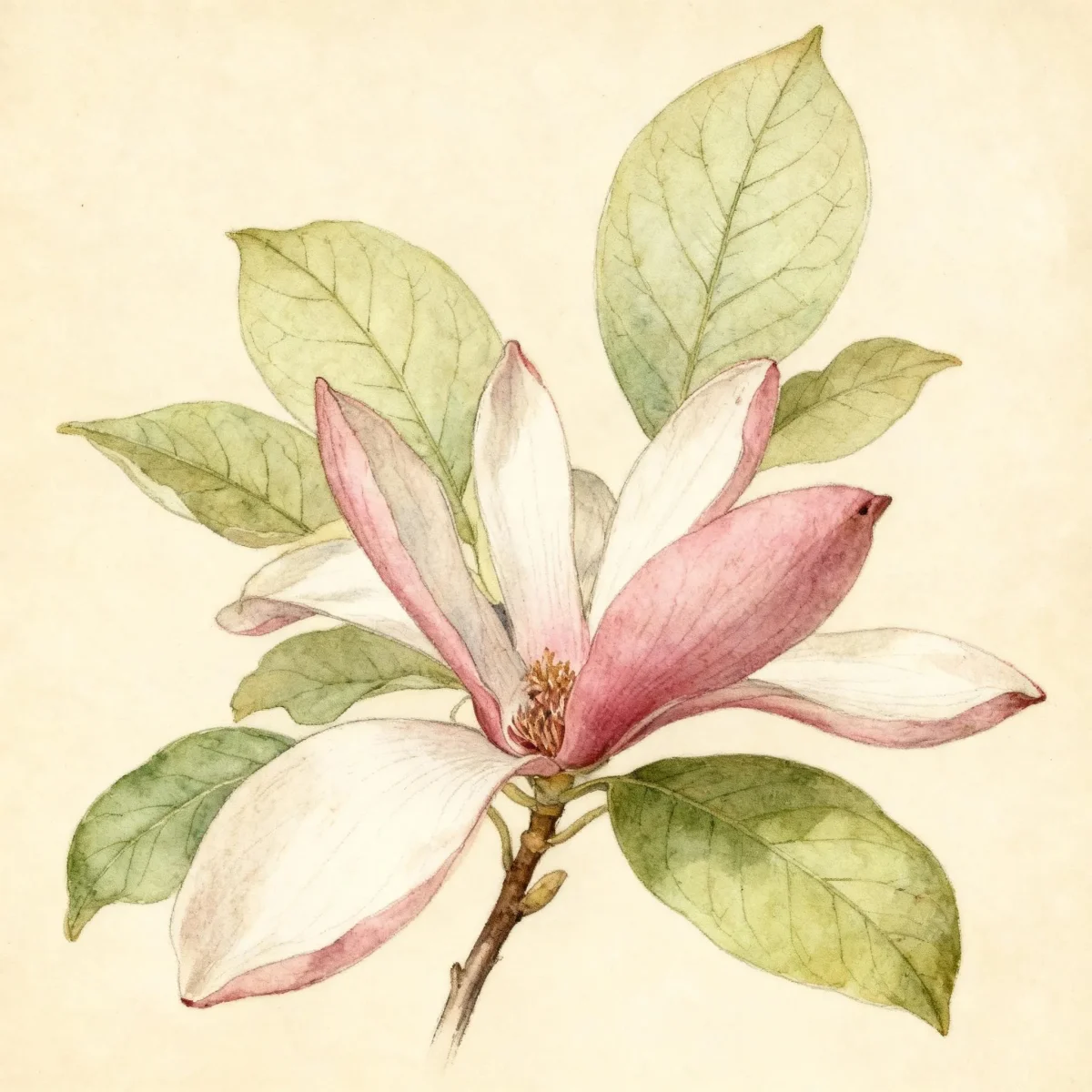
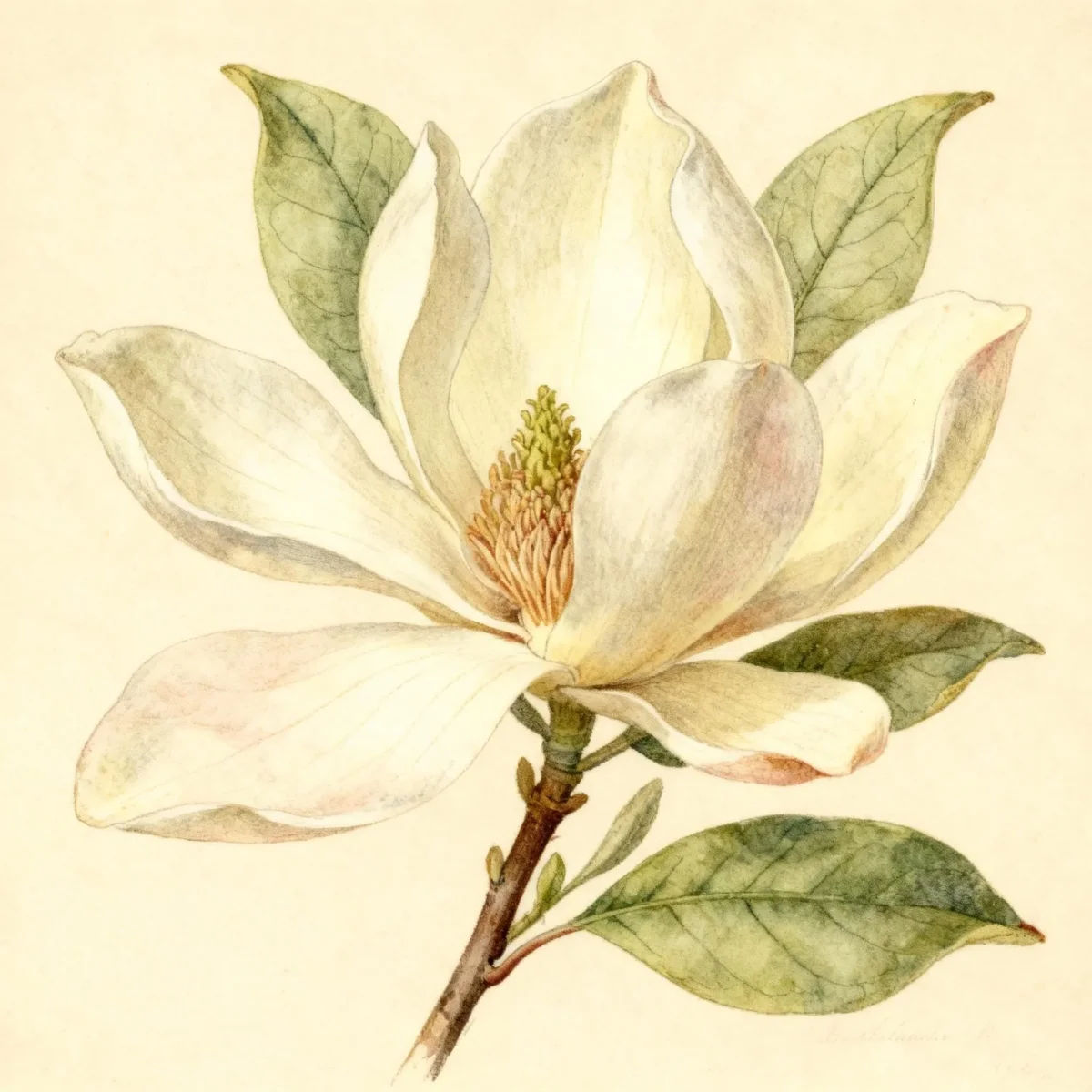
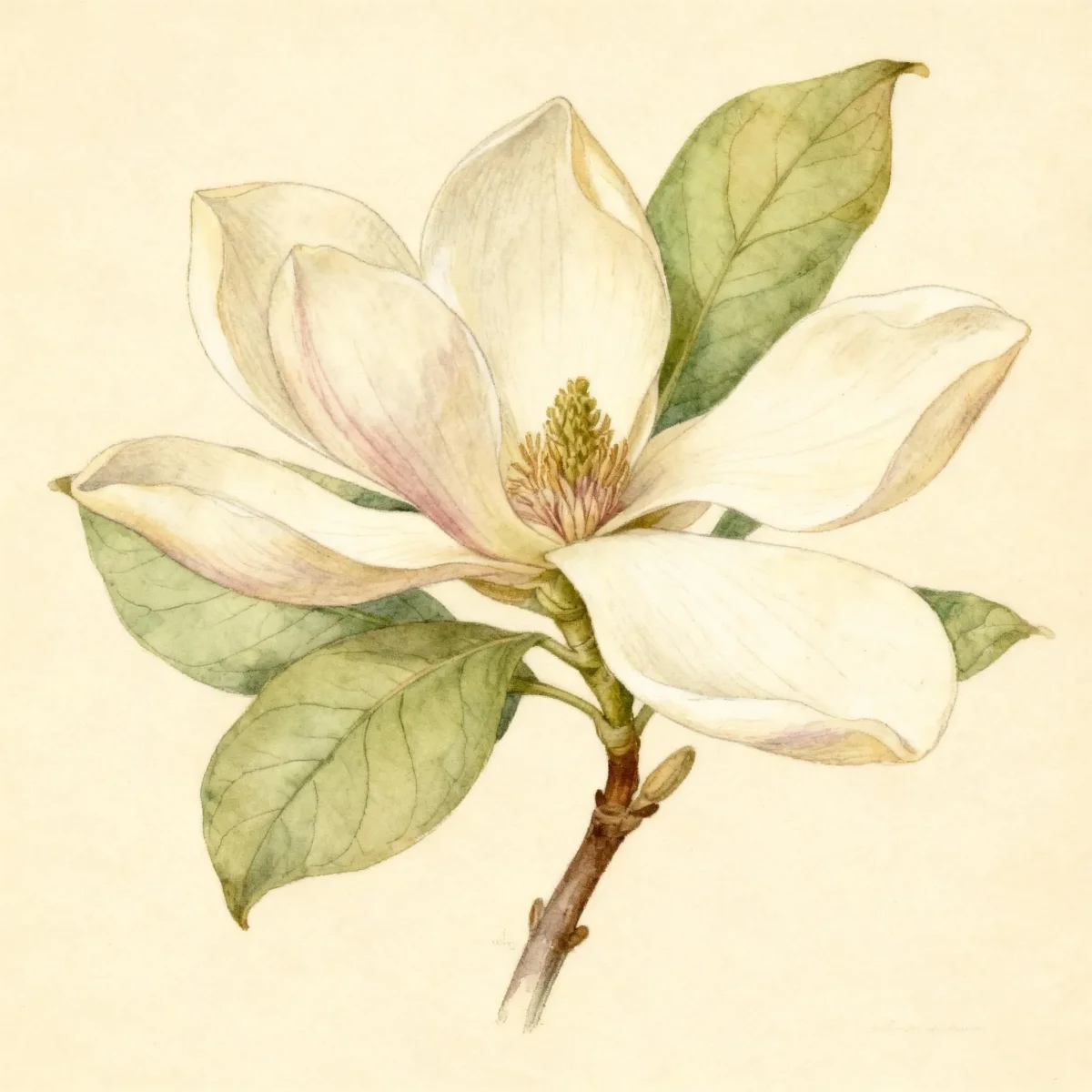
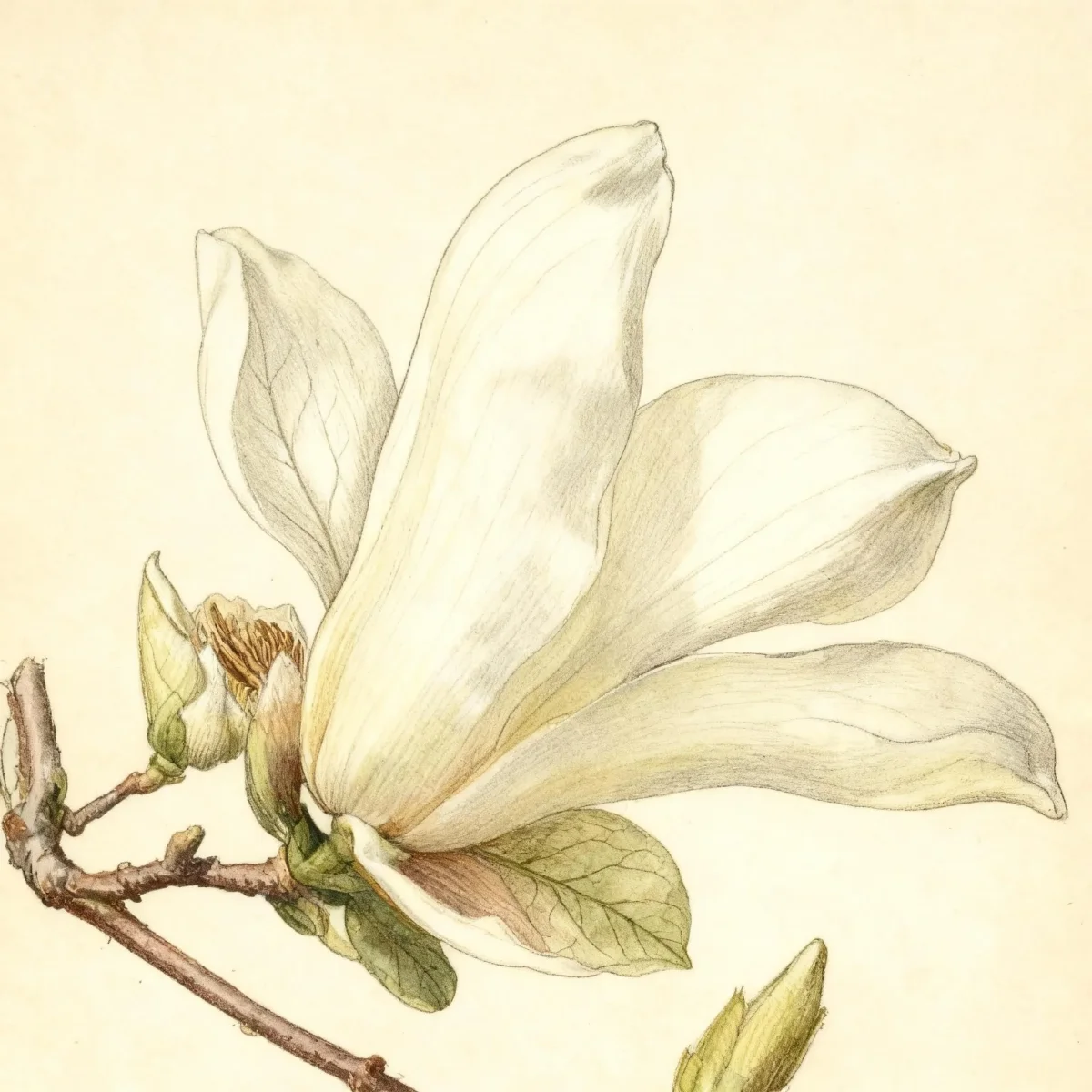
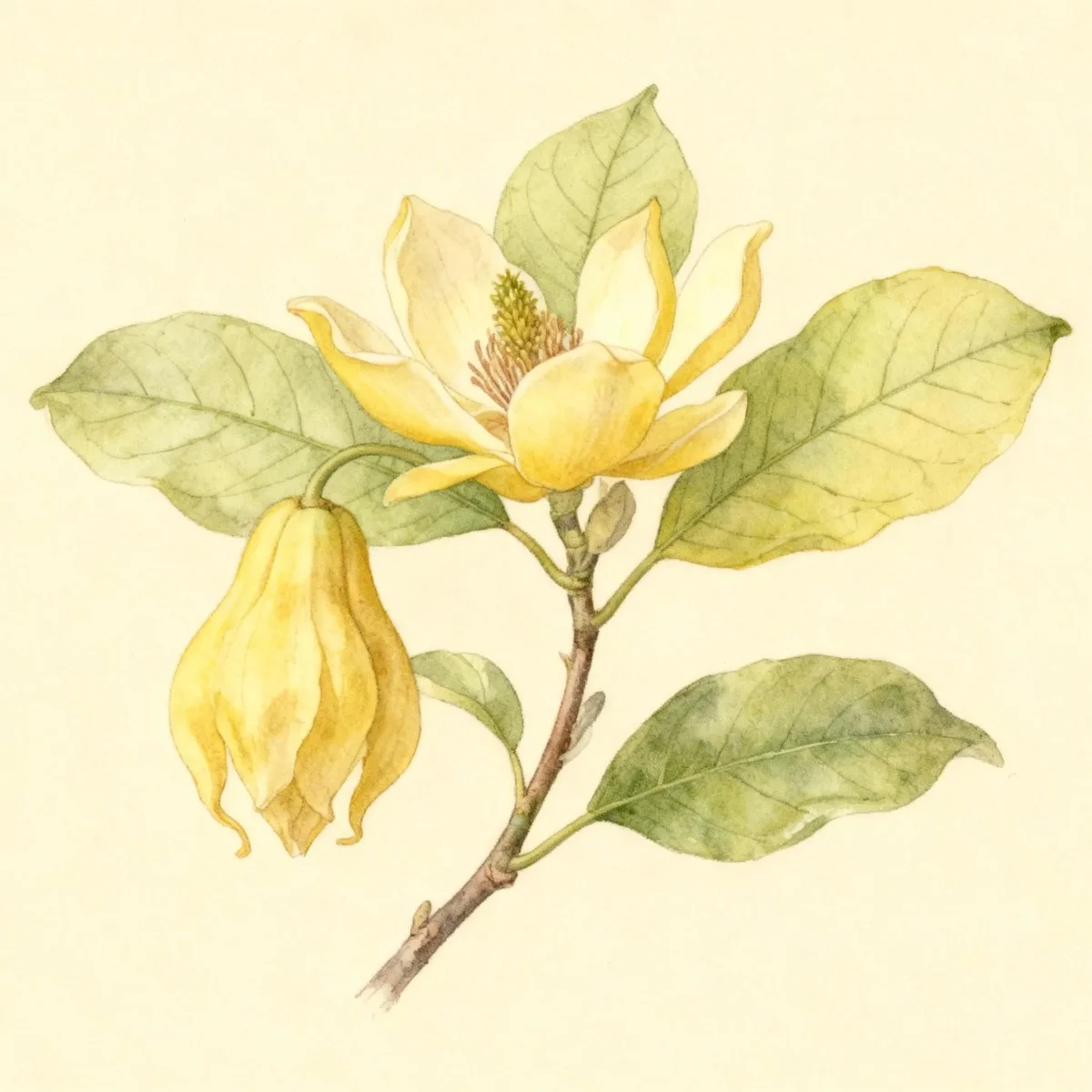
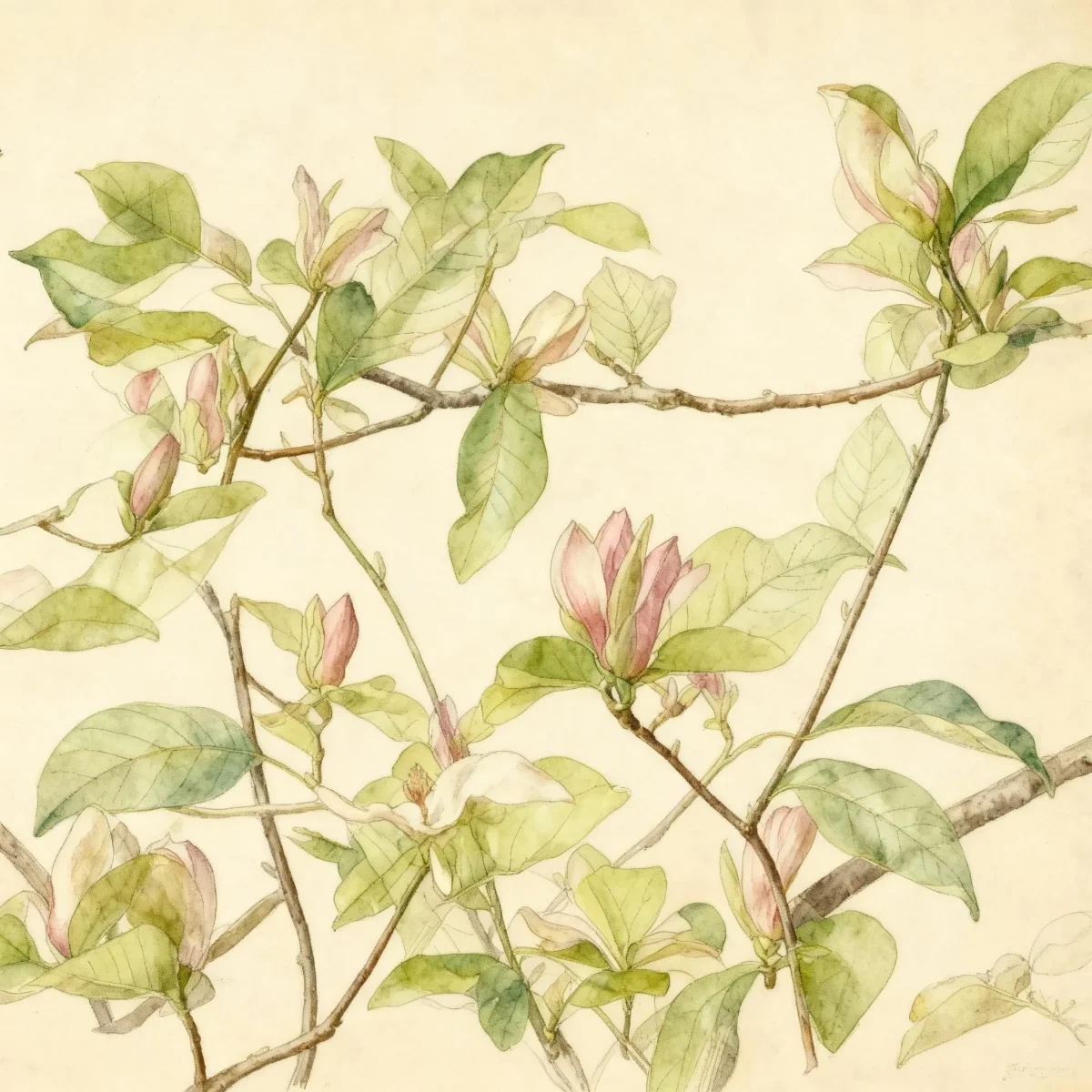
Magnolia (Magnolia 'Gold Star')
Magnolia 'Gold Star' is a low-maintenance, yellow-flowering deciduous tree perfect for specimen planting in zones 5-8.
Scroll down to discover growing tips, care requirements, companion plants, and more
Complete Plant Information
Overview
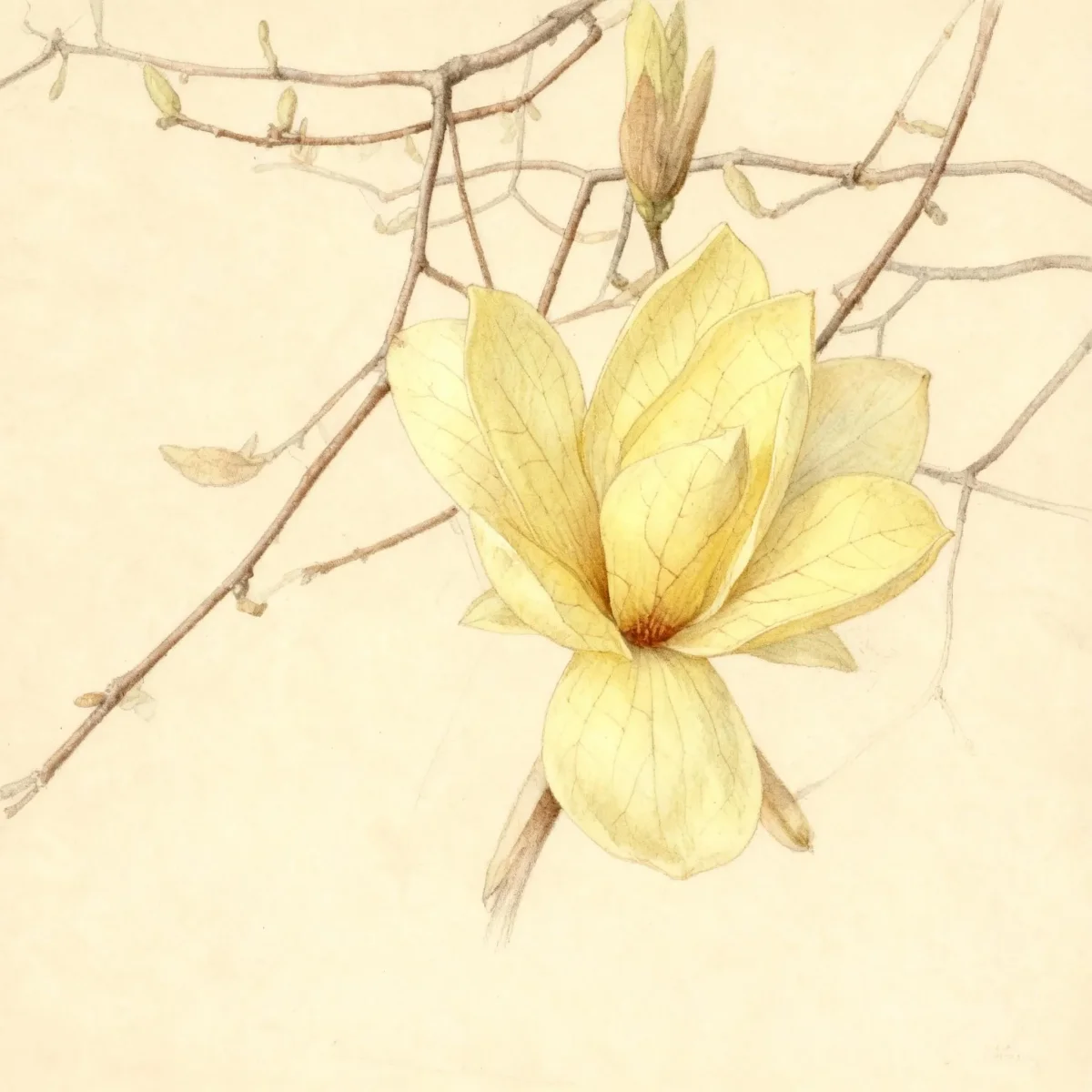
Magnolia ‘Gold Star’ offers a stunning, distinctive addition to any landscape, primarily noted for its creamy yellow, star-shaped flowers that appear in spring. This cultivar of Magnolia is prized because it provides reliable color and fragrance, setting it apart from many common white or purplish varieties. It maintains a manageable size, maturing into a broad pyramidal tree well-suited for specimen use.
This deciduous Magnolia hybrid typically matures between 15 and 25 feet tall, offering medium spring interest before leafing out. Its low maintenance level and relatively compact structure make Magnolia ‘Gold Star’ an excellent choice for gardeners looking for high visual impact without demanding constant oversight. It prefers consistent moisture and well-drained soil to thrive.
For gardeners seeking a focal point, the Magnolia ‘Gold Star’ delivers showy blooms and a pleasing texture throughout the growing season. Placing this tree where its fragrant flowers can be enjoyed in early to mid-spring ensures maximum appreciation of this specific Magnolia cultivar.
Fast Facts
- Plant Family: Magnoliaceae
- Plant Type: Tree
- Hardiness Zones: USDA Zones 5-8
- Size at Maturity:
- Height: 15-25 ft
- Spread: 15-20 ft
- Bloom Time: April to May
- Bloom Description: Creamy yellow
- Sun Exposure: Full sun to part shade
- Water Needs: Medium
- Maintenance Level: Low
How to Grow
Planting Magnolia ‘Gold Star’ is best achieved in spring or fall when temperatures are mild. Select a site carefully, as the fleshy root system is easily damaged during transplanting and dislikes being moved once established. The ideal soil should be organically rich, neutral to slightly acidic, and maintain medium moisture with excellent drainage.
During the growing season, maintain medium water needs by watering deeply when the top few inches of soil feel dry. Avoid warm southern exposures, as these can trick the buds into opening prematurely, making them vulnerable to late spring frosts, a common threat to flowering Magnolias. Applying a root-zone mulch helps substantially in retaining this essential soil moisture.
Maintenance for this specific Magnolia is generally low. Pruning should be done immediately after flowering concludes, focusing primarily on removing any dead or damaged branches. Generally, extensive pruning is unnecessary, allowing the Magnolia ‘Gold Star’ to develop its natural broad pyramidal form.
Landscape Uses
As a Flowering Tree, Magnolia ‘Gold Star’ excels when positioned as an excellent specimen or accent in sunny parts of the yard where its spring display is fully visible. Its color makes it a standout in the spring landscape. It functions wonderfully as a focal point near patios or entryways, allowing enjoyment of its fragrant blooms up close.
Consider grouping Magnolia ‘Gold Star’ with later-blooming shrubs to extend the spring color palette, or use it as a singular anchor near evergreen foundations for contrast. Because it is noted as a small shade tree over mature time, its placement should account for the eventual spread of 15 to 20 feet, ensuring it does not overshadow smaller, sun-loving perennials.
Standout Features
Flower Qualities
- Showy
- Fragrant
Noteworthy Characteristics
The genus Magnolia consists of about 100 species (plus numerous additional hybrids and cultivars) of deciduous or evergreen trees and shrubs. Most plants feature large simple leaves and showy, sometimes fragrant flowers (yellow, white, pink or purple) which bloom in early spring before or while the leaves are emerging or in late spring to summer when trees are fully leaved. Genus name honors Pierre Magnol, French botanist (1638-1715). ‘Gold Star’ is a yellow-flowered deciduous magnolia with a broad pyramidal form that was hybridized in the 1990s by Phil Savage, Bloomfield Hills, Michigan. It typically matures over time to 20-25’ tall with a spread to 15-20’ wide. Parents of this hybrid are M. Acuminate var. Subcordata ‘Miss Honeybee’ and M. Stellata ‘Rubra’. Star-shaped, creamy yellow flowers bloom late April-May (about 2 weeks after M. Stellata plants bloom). Each flower has 14 narrow tepals. Elliptic to oval leaves (to 7” long) emerge in spring with attractive bronze tones before maturing to medium green.
Tolerances
- Clay Soil
Potential Problems
Potential problems for Magnolia ‘Gold Star’ involve both diseases and pests, alongside specific weather threats. Diseases that may appear include leaf spots, anthracnose, canker, dieback, and powdery mildew, requiring good air circulation and cleanliness in the garden to manage. Potential insect issues involve weevils, snails, scale, and thrips, which might be managed with targeted, timely applications if infestations become severe. The primary external concern remains late frosts, which can severely damage the developing creamy yellow flowers just as they begin to emerge in spring.
Frequently Asked Questions
What hardiness zones is Magnolia ‘Gold Star’ suitable for?
Magnolia ‘Gold Star’ is best grown in USDA Hardiness Zones 5 through 8.
How large does Magnolia ‘Gold Star’ grow?
This tree typically reaches a mature height between 15 and 25 feet tall, with a spread ranging from 15 to 20 feet wide.
What sun exposure does Magnolia ‘Gold Star’ need?
This Magnolia cultivar thrives best when exposed to full sun to part shade conditions.
When does Magnolia ‘Gold Star’ bloom?
You can expect the star-shaped flowers of Magnolia ‘Gold Star’ to appear from April through May, displaying a beautiful creamy yellow hue.
Conclusion
Magnolia ‘Gold Star’ is a worthwhile investment for gardeners seeking low-maintenance beauty, characterized by its fragrant spring flowers and manageable pyramidal habit. Ensuring proper drainage and avoiding windy, exposed locations will help this exceptional Magnolia establish itself successfully. Before planting, confirm that your local USDA zone falls between 5 and 8 to guarantee the best performance for your new Magnolia.
Companion Planting Ideas
Selecting appropriate neighbors ensures that the moisture and slightly acidic soil needs of the Magnolia ‘Gold Star’ are respected. Pair this tree with acid-loving shrubs such as Rhododendrons or Azaleas, which appreciate similar soil conditions, placed slightly further out to avoid root competition. For ground cover beneath the canopy, consider shade-tolerant, shallow-rooted plants like Hosta or Astilbe, which enjoy medium moisture levels and won’t aggressively compete with the Magnolia’s fleshy root system.
Seasonal Care Calendar
Early spring is the critical time for monitoring the weather, specifically avoiding warm spells that cause premature blooming, which invites frost damage to the creamy yellow flowers. Late spring, immediately following bloom, is the designated time for any necessary pruning of the Magnolia. Summer watering should be consistent, focusing on deep saturation rather than frequent shallow sprays, especially if mulch has been applied correctly to conserve moisture around the root zone. In the autumn, stop heavy fertilizing to allow the tree to prepare for winter dormancy.