Kobus magnolia (Magnolia 'Legacy')
Magnolia 'Legacy' is a striking Kobus magnolia hybrid, offering large, showy pinkish-white spring flowers and low maintenance needs in Zones 5-9.
Scroll down to discover growing tips, care requirements, companion plants, and more
Complete Plant Information
Overview
Magnolia ‘Legacy’, known commonly as Kobus magnolia, is an exceptional deciduous tree prized for its spectacular spring floral display. Bred from revered parentage, this cultivar offers gardeners an outstanding combination of size, beauty, and relatively easy care once established. Gardeners seeking a specimen tree with significant aesthetic impact will appreciate the scale and color of the blooms produced by Magnolia ‘Legacy’.
This hybrid excels in providing dramatic color against a backdrop of emerging foliage. It is a robust variety, typically reaching heights between 15 and 20 feet, making it perfectly scaled for residential landscapes where a towering specimen might overwhelm the space. Its low maintenance requirements add significantly to its appeal for busy homeowners.
The cultural notes emphasize that this plant thrives in consistent moisture and rich soil, positioning it as a standout flowering tree for focal points. Select a final planting location carefully, as the fleshy root system of this Kobus magnolia dislikes disturbance once settled.
Fast Facts
- Plant Family: Magnoliaceae
- Plant Type: Tree
- Hardiness Zones: USDA Zones 5-9
- Size at Maturity:
- Height: 15-20 ft
- Spread: 6-10 ft
- Bloom Time: April
- Bloom Description: Pinkish-white with red base
- Sun Exposure: Full sun to part shade
- Water Needs: Medium
- Maintenance Level: Low
How to Grow
Planting Magnolia ‘Legacy’ should be done with the root system in mind; careful handling is required as the fleshy roots are easily damaged during transplanting. Aim for organically rich, neutral to slightly acidic, well-drained soil, situated in a location receiving full sun or partial shade. Due to the risk of premature bud opening, protect your Kobus magnolia from warm southern exposures, favoring spots sheltered from strong spring winds.
Maintain watering consistency to keep the soil medium moist, particularly during dry spells. Applying a root-zone mulch is highly recommended; this simple practice helps retain essential soil moisture, which this tree appreciates. Fertilizing is rarely necessary if the soil is adequately rich.
Pruning should be minimal and is best done immediately after the flowering period concludes in spring. Focus maintenance efforts on removing any dead or damaged branches rather than shaping the natural form of the Magnolia ‘Legacy’. Be aware that this variety shows intolerance to many common urban pollutants.
Landscape Uses
As a superb specimen or accent tree, Magnolia ‘Legacy’ commands attention in sunny areas where its early spring flowers can be fully appreciated. Its manageable mature size, reaching up to 20 feet tall with a reasonable spread, also makes it suitable as a small shade tree for patios or near low-visibility structures.
When planning bed companions, select plants that share similar cultural needs—rich, moist, slightly acidic soil—and prefer dappled light. Consider shade-tolerant ground covers or spring bulbs that will emerge before the tree fully leafs out. The upright form of this Kobus magnolia provides strong vertical structure throughout the growing season.
Standout Features
Flower Qualities
- Showy
Noteworthy Characteristics
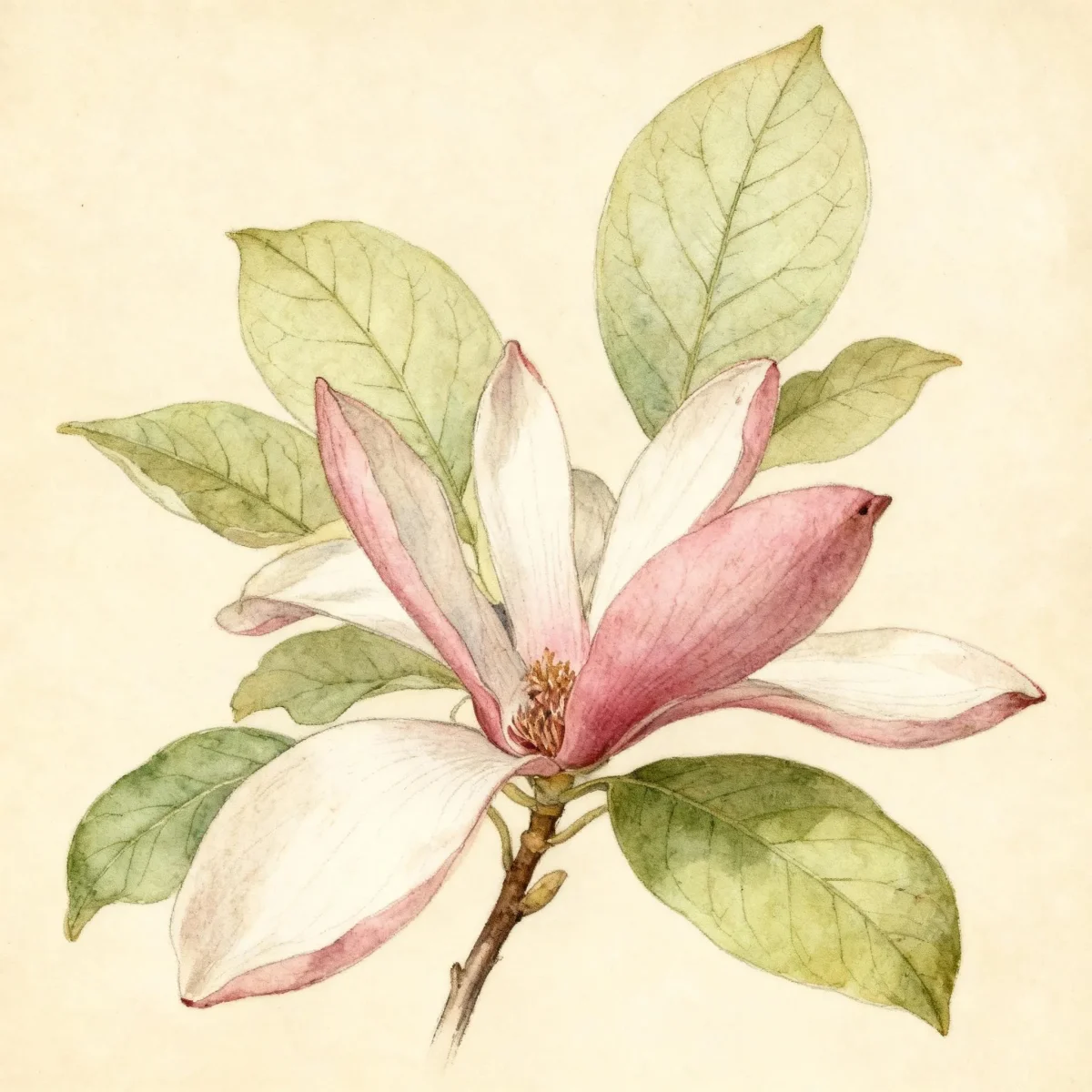
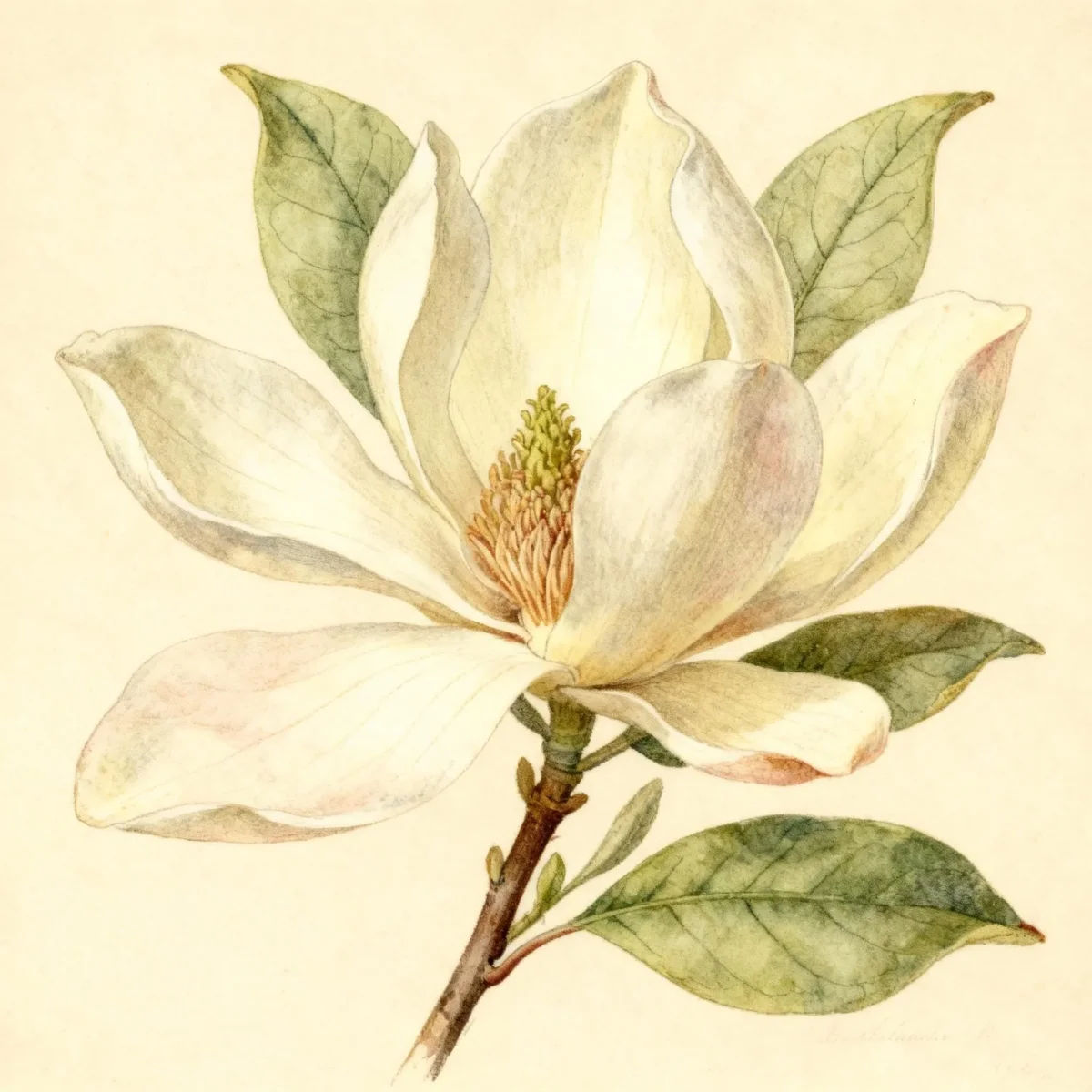
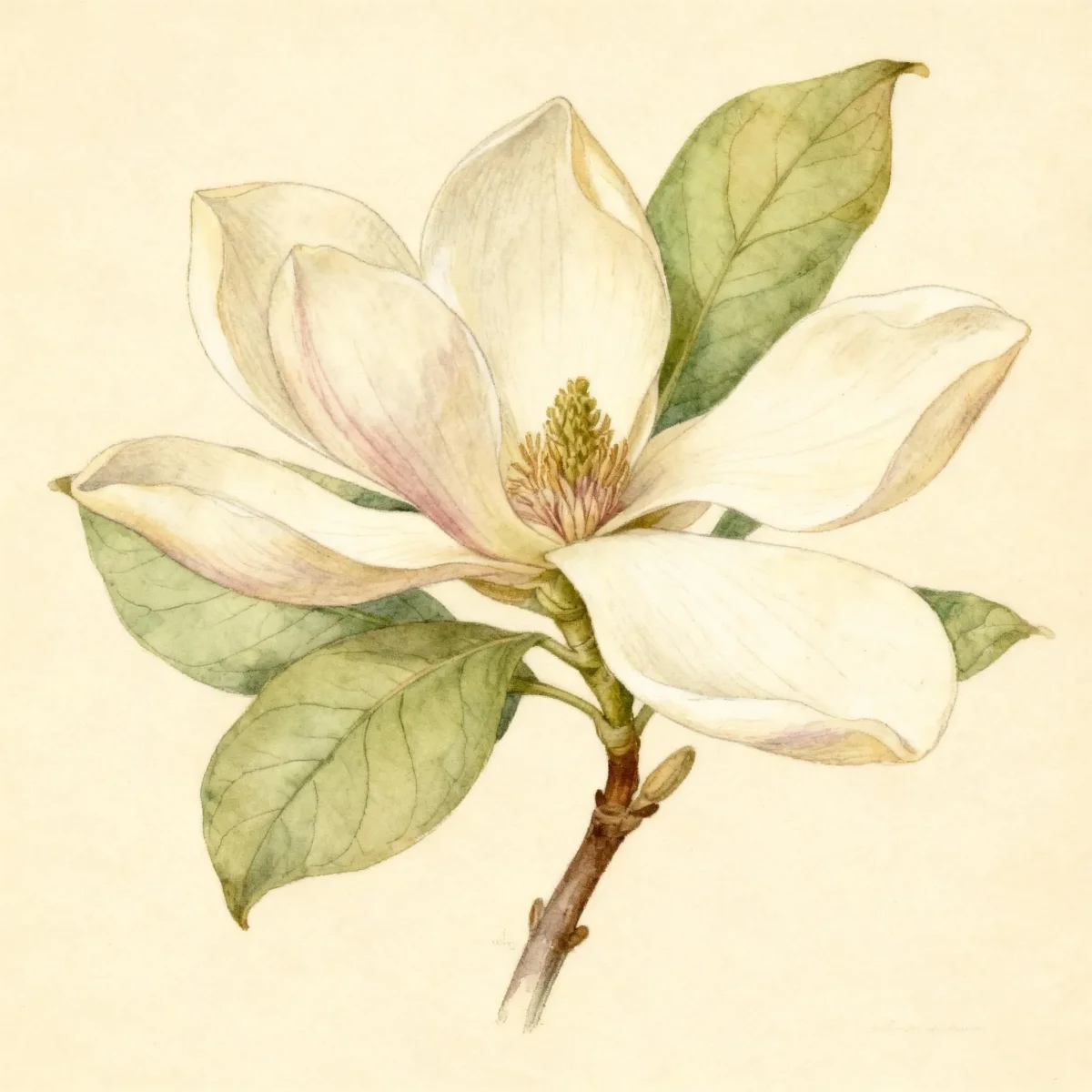
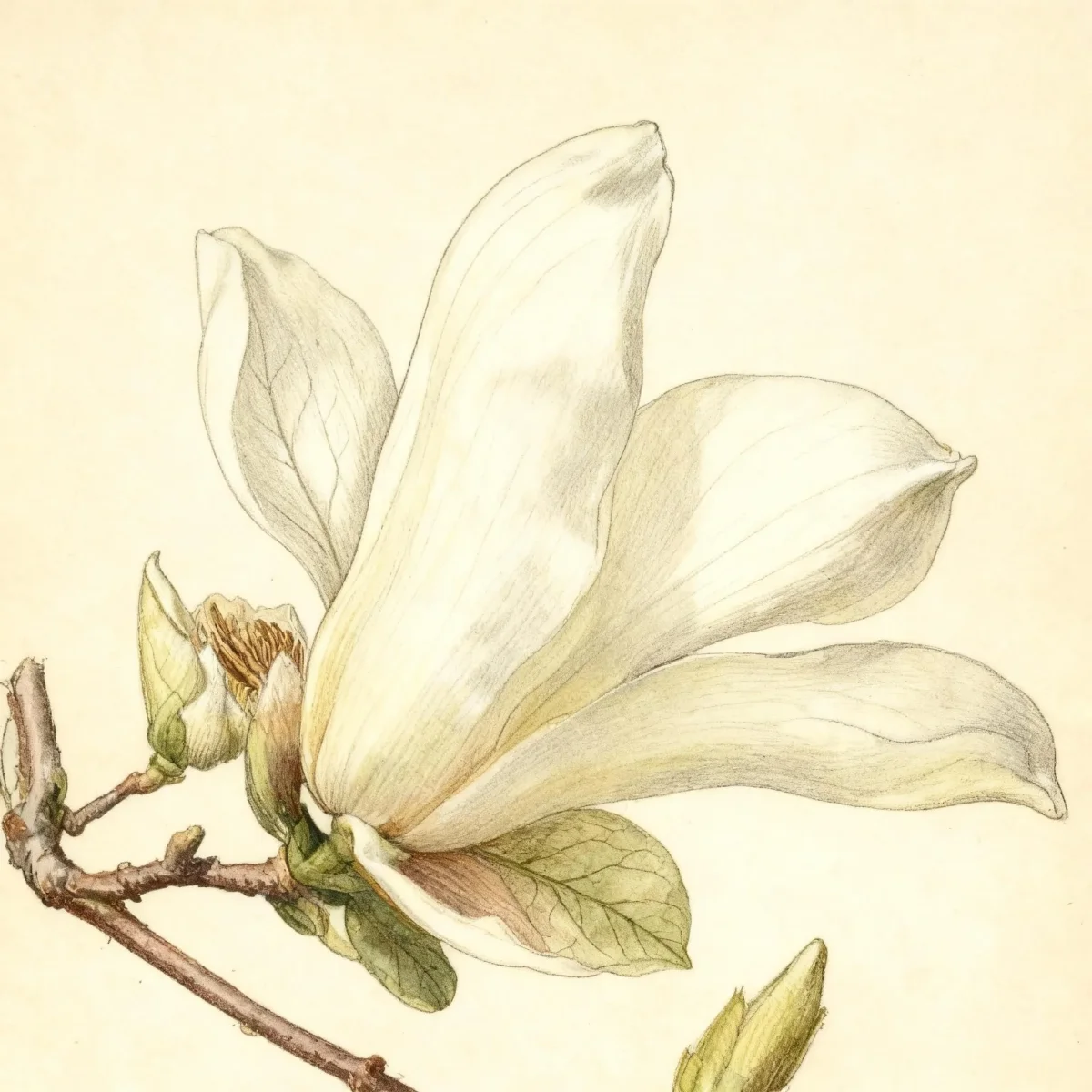
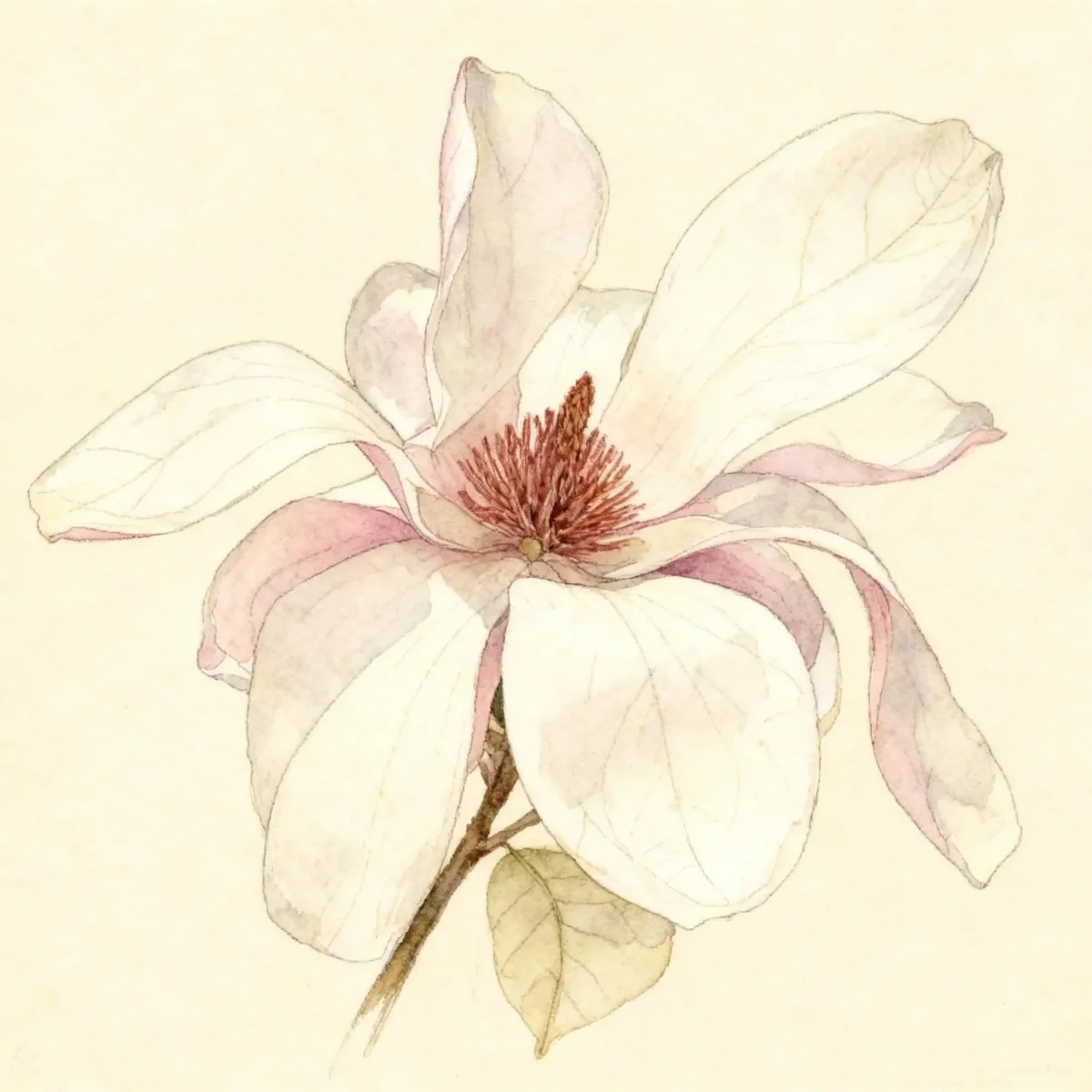
The genus Magnolia consists of about 100 species (plus numerous additional hybrids and cultivars) of deciduous or evergreen trees and shrubs. Most plants feature large simple leaves and showy, sometimes fragrant flowers which bloom in early spring. Genus name honors Pierre Magnol, a 17th-century French botanist. Magnolia ‘Legacy’ itself is a hybrid that offers very large flowers, often measuring 9-11 inches across, featuring a beautiful gradient from purplish-red bases to pale pinkish-white edges internally, with white interiors.
Potential Problems
This magnolia can be susceptible to various fungal issues, including leaf spots, anthracnose, canker, dieback, and powdery mildew. Insect pests such as weevils, snails, scale, and thrips may also pose a threat. The most significant threat to the early season display is environmental: late spring frosts frequently damage developing flowers after premature opening. Proper siting away from warm exposures is key to mitigating frost damage to the blossoms.
Frequently Asked Questions
What hardiness zones is Kobus magnolia suitable for?
Magnolia ‘Legacy’ is hardy across USDA Zones 5 through 9, offering versatility across many temperate climates.
How large does Magnolia ‘Legacy’ grow?
This deciduous tree typically matures to a height between 15 and 20 feet, with a spread ranging from 6 to 10 feet.
What sun exposure does Magnolia ‘Legacy’ need?
For best performance and flowering, plant this tree where it receives full sun to light partial shade conditions.
When does Kobus magnolia bloom?
The impressive floral display of Magnolia ‘Legacy’ occurs in April, featuring large flowers described as pinkish-white with a distinctive red base.
Conclusion
Magnolia ‘Legacy’ remains a stellar choice for the landscape due to its impressive, large flowers and relatively low maintenance profile once established. This beautiful Kobus magnolia hybrid brings necessary structure and early spring color to any garden design. Before planting, confirm your site conditions align with its needs for rich, well-drained soil and check your local hardiness zone compatibility.
Companion Planting
When designing the underplanting for your Magnolia ‘Legacy’, focus on species that appreciate similar soil acidity and moisture levels, while tolerating the filtered light provided by the canopy once fully leafed out. Spring ephemerals like Daffodils (Narcissus) or Snowdrops (Galanthus) emerge early and die back before demanding too much moisture in mid-summer. For summer coverage, hostas or astilbes thrive in the dappled sun beneath the Magnolia family, provided medium water needs are met during dry periods.
Seasonal Care Calendar
Early spring is critical for Magnolia ‘Legacy’. Ensure mulch is maintained around the root zone to regulate soil temperature and moisture, which helps buffer against late frosts that can damage swelling flower buds. After flowering ceases in late spring, apply any necessary pruning immediately to avoid removing next year’s flower wood. Summer maintenance focuses primarily on ensuring consistent, medium watering, especially during heatwaves, as the tree does not tolerate drying out completely.