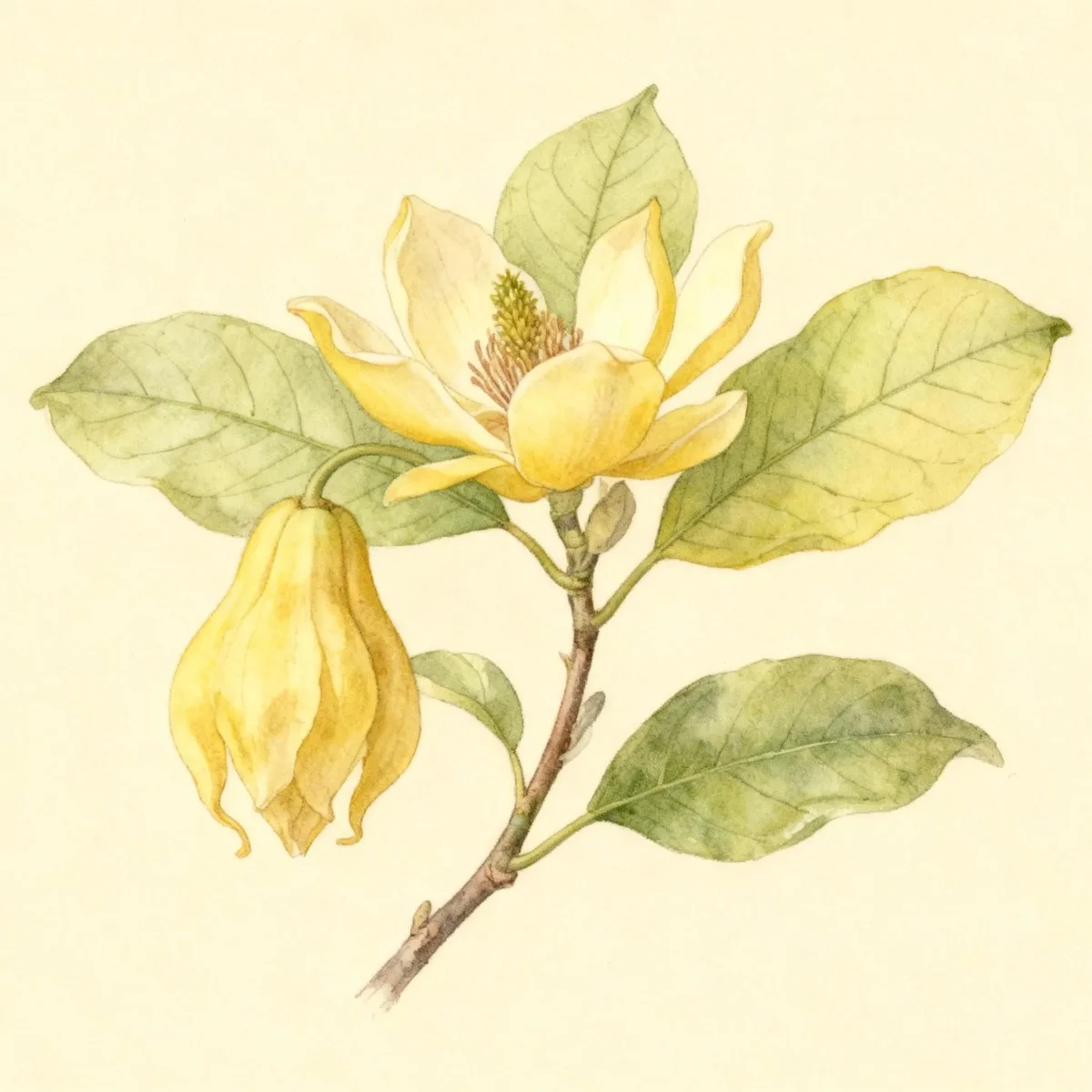
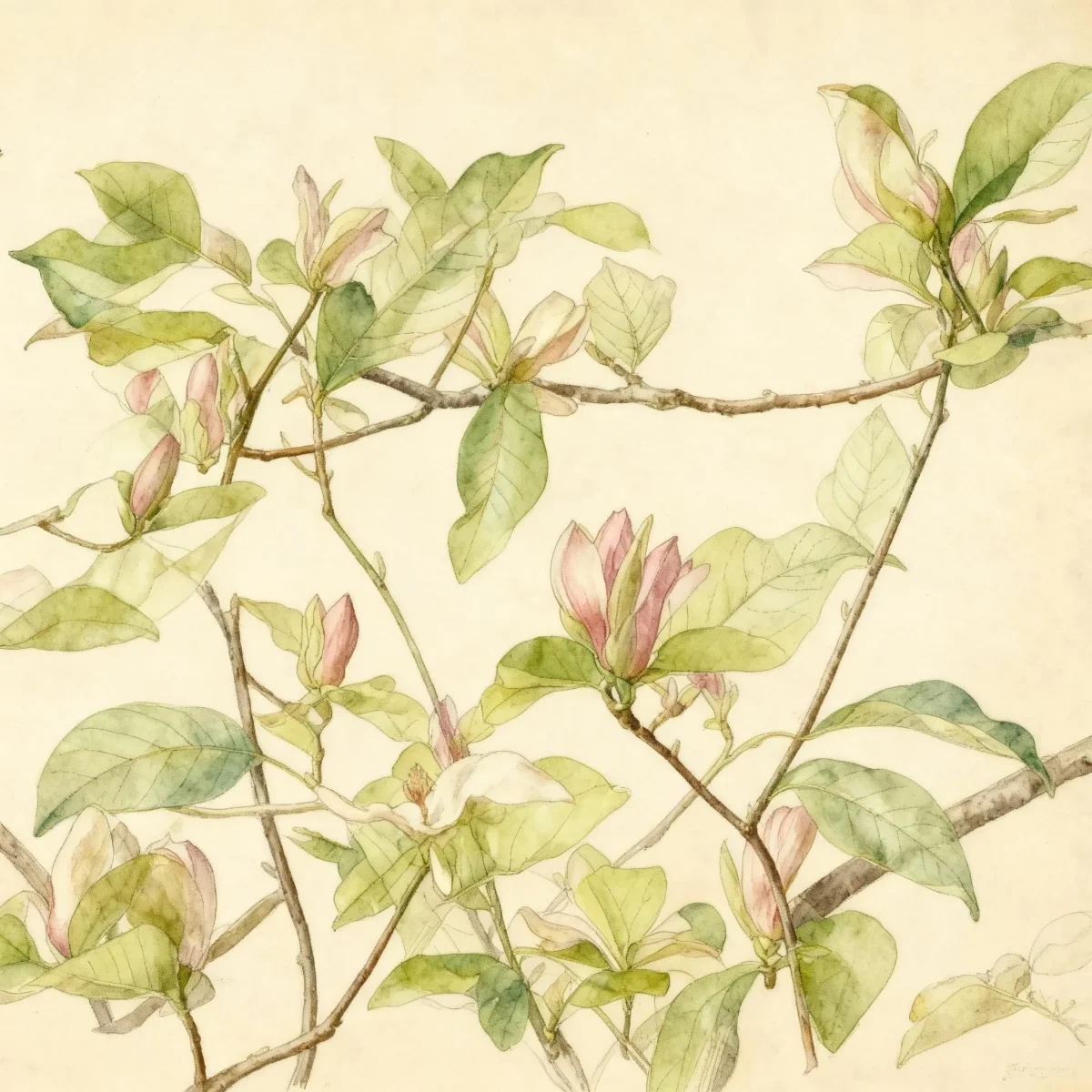
Magnolia (Magnolia acuminata var. subcordata 'Miss Honeybee')
Discover Magnolia acuminata var. subcordata 'Miss Honeybee', a compact, low-maintenance Magnolia tree known for its showy, fragrant yellow blooms in spring.
Scroll down to discover growing tips, care requirements, companion plants, and more
Complete Plant Information
Overview
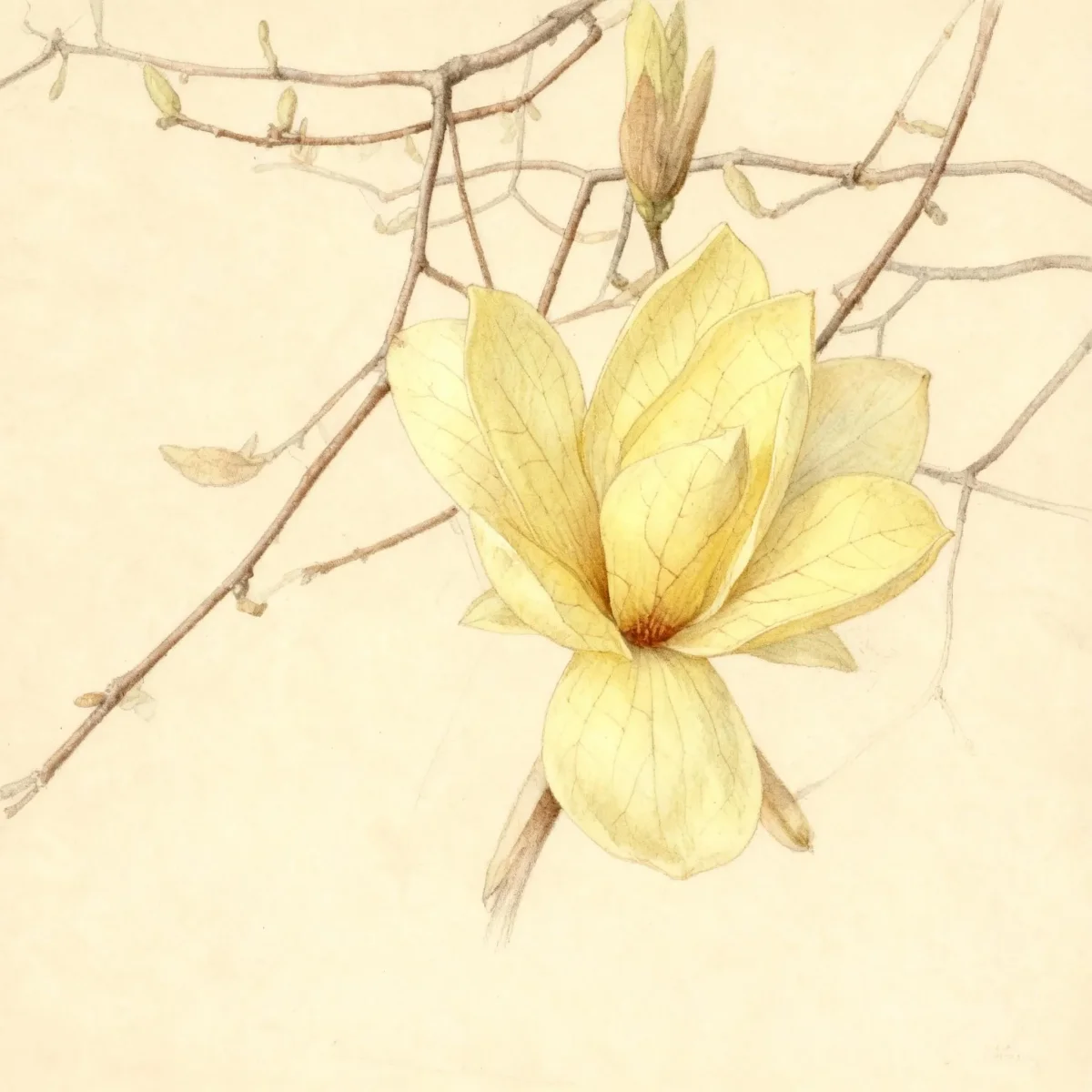
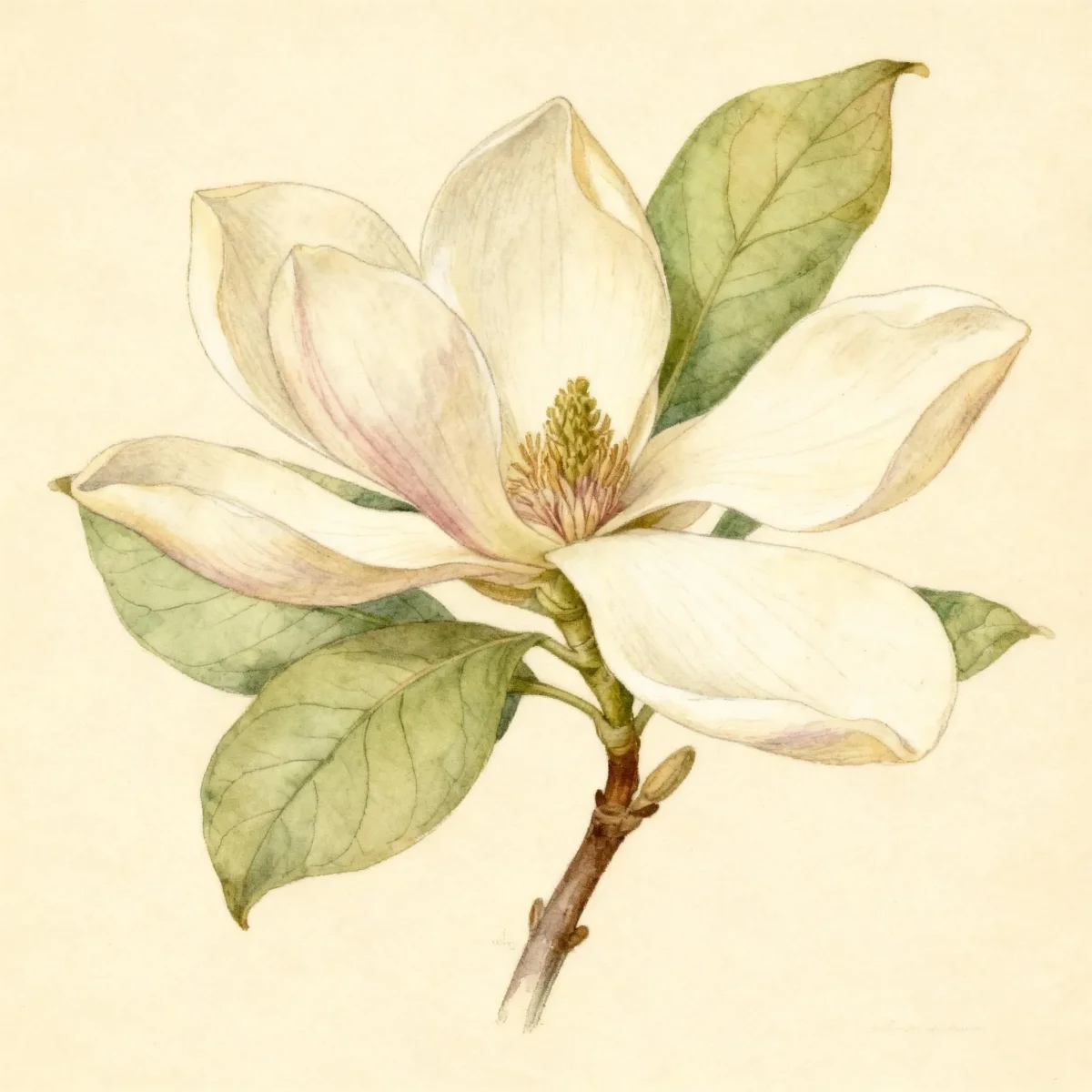
Magnolia acuminata var. subcordata ‘Miss Honeybee’ offers gardeners a manageable size and excellent ornamental appeal, making it a standout native variety. This cultivar of the cucumber tree Magnolia provides beautiful, fragrant, light to medium yellow, cup-shaped flowers early in the season, often just as the leaves emerge. It is a highly valued deciduous tree prized for its compact structure compared to the species form.
Unlike larger relatives, this specific Magnolia cultivar provides reliable color and structure suited for smaller gardens or specimen planting, though it still requires significant space. It matures into a neat pyramidal crown, offering both summer shade and attractive summer fruit that matures to a showy red, studded with seeds. Gardeners appreciate the low maintenance needs of Magnolia acuminata var. Subcordata ‘Miss Honeybee’.
If you are seeking an elegant native tree with dependable yellow blooms and manageable height, the Magnolia acuminata var. subcordata ‘Miss Honeybee’ is an excellent choice. Its pleasing structure and resistance to many common pests ensure longevity, provided its specific soil preferences are met.
Fast Facts
- Plant Family: Magnoliaceae
- Plant Type: Tree
- Hardiness Zones: USDA Zones 5-8
- Size at Maturity:
- Height: 20-25 ft
- Spread: 15-20 ft
- Bloom Time: April to May
- Bloom Description: Light to medium yellow
- Sun Exposure: Full sun to part shade
- Water Needs: Medium
- Maintenance Level: Low
How to Grow
Planting this Magnolia is best achieved in spring or fall when temperatures are moderate. Ensure the location offers full sun to partial shade—too much shade will reduce flower production. The culture requirements for Magnolia acuminata var. subcordata ‘Miss Honeybee’ emphasize soil quality: it must be grown in moist, organically rich, well-drained loams.
For consistent performance, provide medium watering, especially during establishment and dry summer spells. This Magnolia is generally intolerant of soil extremes, both dry and overly saturated conditions, so excellent drainage is non-negotiable. While maintenance is generally low, be aware that this specific variety, like its parent species, may take 12 or more years before it commences consistent blooming.
Mulch generously around the base to maintain cool, consistent root temperatures and retain moisture. Avoid fertilizing heavily, as this can encourage excessive foliage growth at the expense of flowers. Note that this Magnolia is intolerant of most urban pollutants; site it away from busy roads if possible.
Landscape Uses
As both a shade tree and a flowering specimen, the compact stature of Magnolia acuminata var. subcordata ‘Miss Honeybee’ opens up design possibilities unsuitable for the towering species. It serves beautifully as a substantial focal point in a medium-sized yard or as a stately specimen tree situated away from structures, needing a large space to fully develop its pyramidal form.
This Magnolia shines as a singular specimen where its spring flowers can be appreciated up close. It works well near patio areas or entryways, provided adequate root run is available. Because its needs lean toward rich, moist soils, consider planting it near the base of established woodlands where soil conditions mimic its native habitat, using shade-tolerant groundcovers like hostas or ferns beneath its canopy.
Standout Features
Flower Qualities
- Showy
- Fragrant
Fruit Qualities
- Showy
Noteworthy Characteristics
The primary distinction of the cucumber tree Magnolia relates to its unique fruit: the flowers are followed by distinctive green, warty, cucumber-like fruits which mature to a showy red in late summer, releasing individual seeds suspended on threads. The cultivar ‘Miss Honeybee’ is especially notable for being a compact cultivar, growing only to 20 to 25 ft. Tall and 15 to 20 ft. Wide, ideal for modern landscapes, and it features fragrant, light to medium yellow, cup-shaped flowers contrasted by a peach reverse.
Tolerances
- No serious insect or disease problems
Potential Problems
Fortunately, the potential problems associated with growing this wonderful plant are minimal. Magnolia acuminata var. subcordata ‘Miss Honeybee’ generally exhibits strong resistance to serious insect or disease issues that plague other tree species. Focus your management efforts instead on ensuring correct site conditions—specifically, moisture regulation and soil drainage—as environmental stress causes far more issues than pests. Avoid planting in highly compacted or routinely waterlogged areas to ensure long-term health.
Frequently Asked Questions
What hardiness zones is Magnolia suitable for?
The Magnolia acuminata var. subcordata ‘Miss Honeybee’ is suited for USDA Hardiness Zones 5 through 8.
How large does Magnolia acuminata var. subcordata ‘Miss Honeybee’ grow?
This compact cultivar typically reaches a height between 20 to 25 feet and spreads 15 to 20 feet wide at maturity.
What sun exposure does Magnolia acuminata var. subcordata ‘Miss Honeybee’ need?
It performs best when sited in locations receiving full sun to part shade.
When does Magnolia bloom?
This Magnolia variety produces its showy flowers from April to May, displaying a light to medium yellow color.
Conclusion
The Magnolia acuminata var. subcordata ‘Miss Honeybee’ provides exceptional ornamental value, combining manageable size with unique flower color, making it a superb landscape specimen. Its low maintenance profile and native heritage only enhance its appeal as a reliable flowering tree. Before planting, verify that your site provides the moist, well-drained loam this Magnolia requires, and plan for patience as this beautiful Magnolia often takes over a decade to reach its full flowering potential.
Companion Planting
When selecting plants to place beneath your Magnolia, focus on companions that thrive in similar moist, acidic, well-drained soil conditions and tolerate dappled light. Shade-loving woodland perennials such as Hellebores (Helleborus) or Ferns are excellent choices, providing textural contrast without competing aggressively for nutrients. For a native aesthetic, consider planting spring ephemerals like Trillium or Bloodroot near the drip line, as their seasonal needs align well with the developing canopy of the Magnolia.
Seasonal Care Calendar
Spring is the crucial viewing time for your Magnolia; ensure adequate water supply just as flower buds swell to maximize bloom quality. In summer, focus on deep, infrequent watering to maintain consistent soil moisture, avoiding overhead sprinkling if possible to reduce fungal spore spread. Late fall is the best period for applying a fresh layer of organic mulch around the root zone, which helps insulate roots against winter cold and maintains consistent moisture levels headed into dormancy, benefiting the entire system supporting your Magnolia.