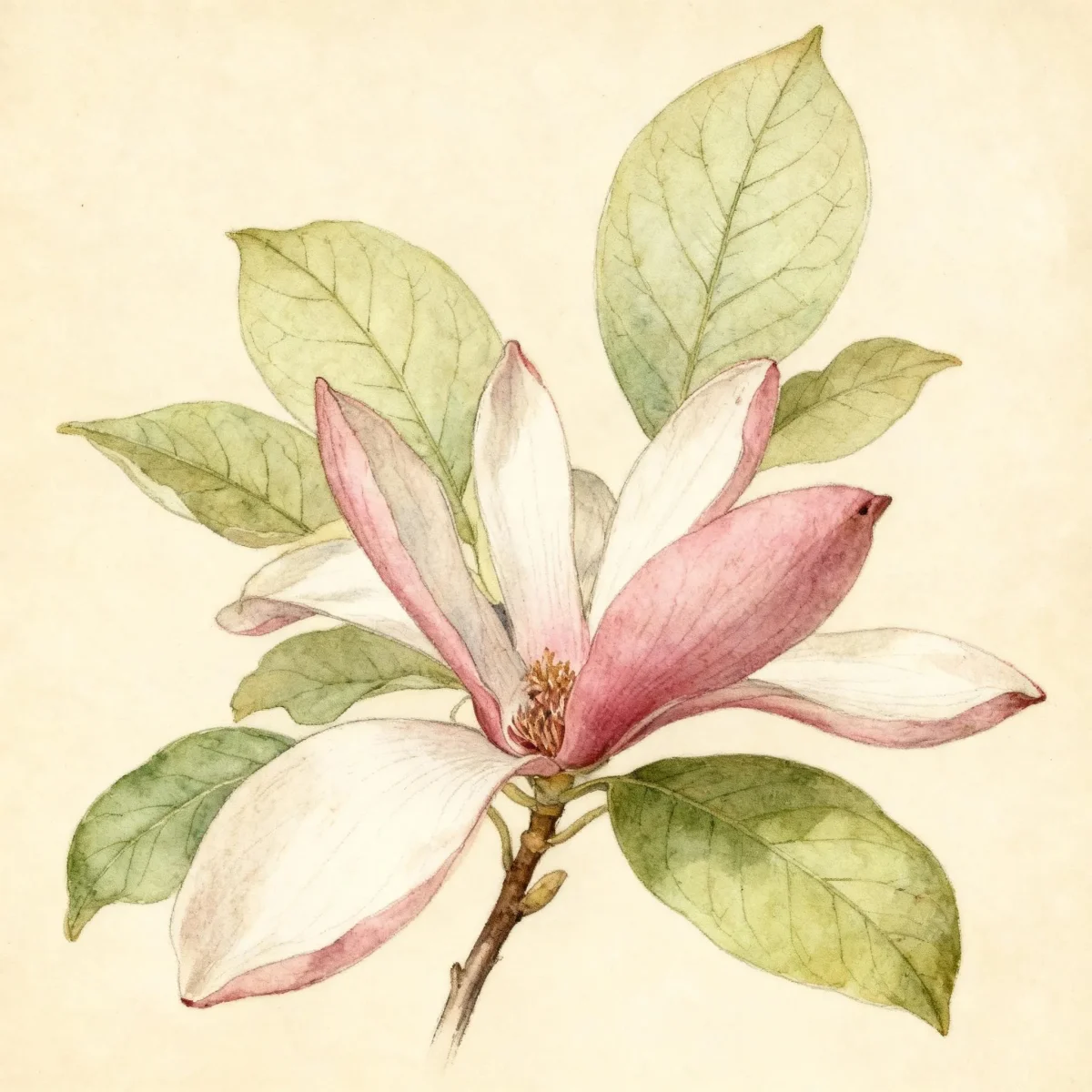
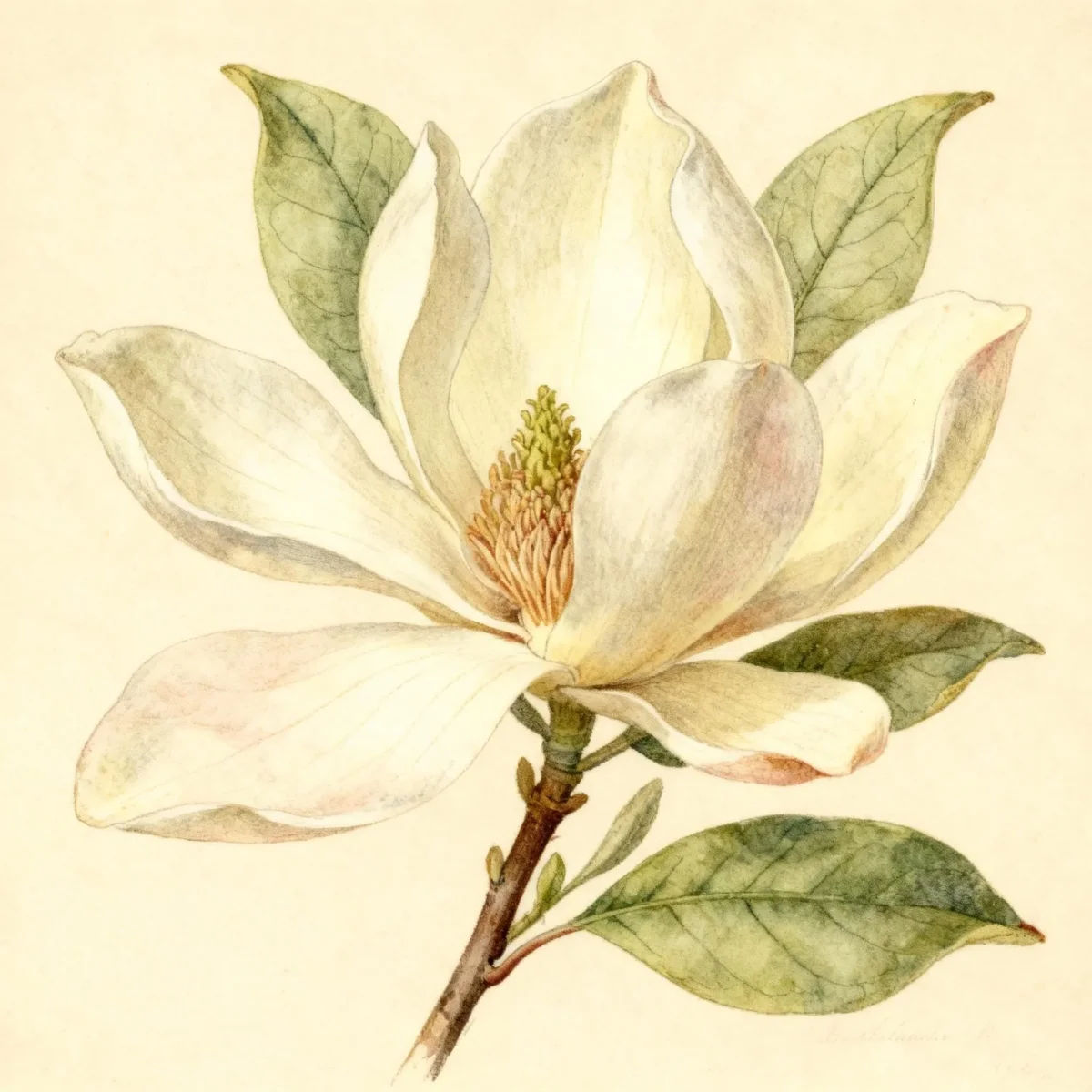
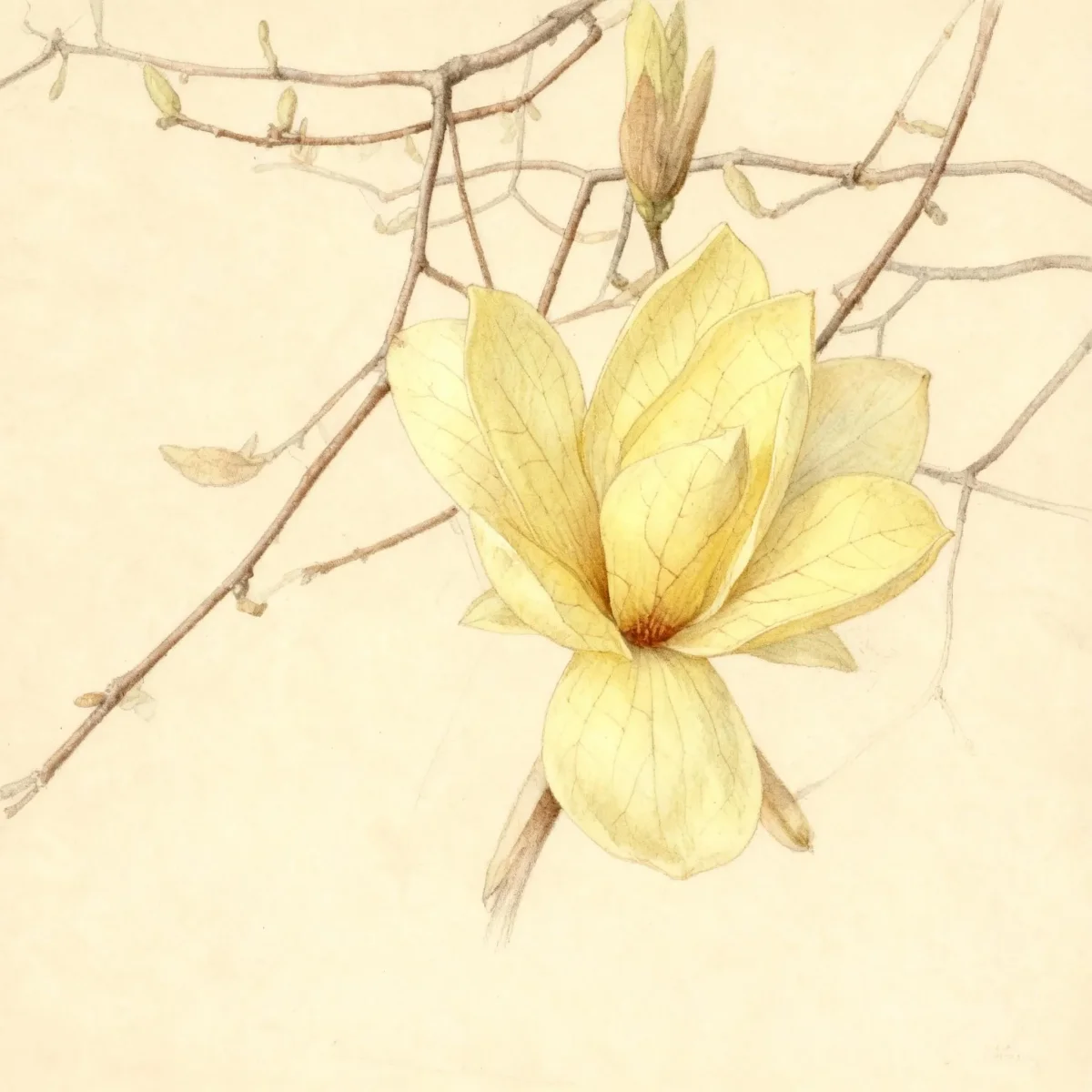
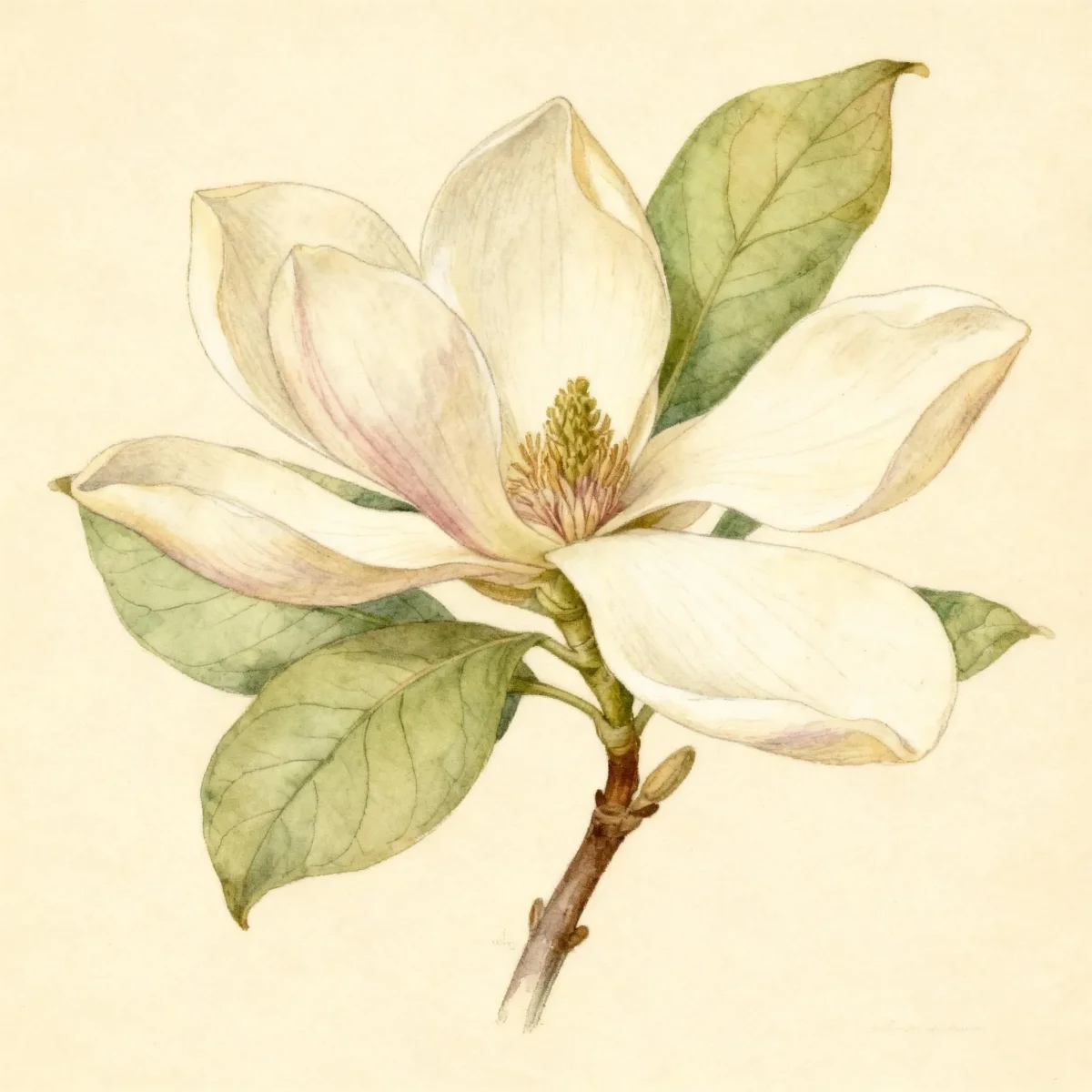
Magnolia (Magnolia 'Yellow Fever')
Magnolia 'Yellow Fever' is a showy, low-maintenance yellow-flowering tree ideal for zones 4-8. Enjoy fragrant spring blooms.
Scroll down to discover growing tips, care requirements, companion plants, and more
Complete Plant Information
Overview
Magnolia ‘Yellow Fever’ is a highly desirable hybrid, offering gardeners a beautiful upright tree distinguished by its unique springtime yellow flowers. As a hybrid of M. Acuminata and M. Denudata, this magnificent Magnolia brings reliable color and good fragrance to the early landscape. Gardeners appreciate this specimen for its relatively low maintenance requirements once established, making it an excellent focal point.
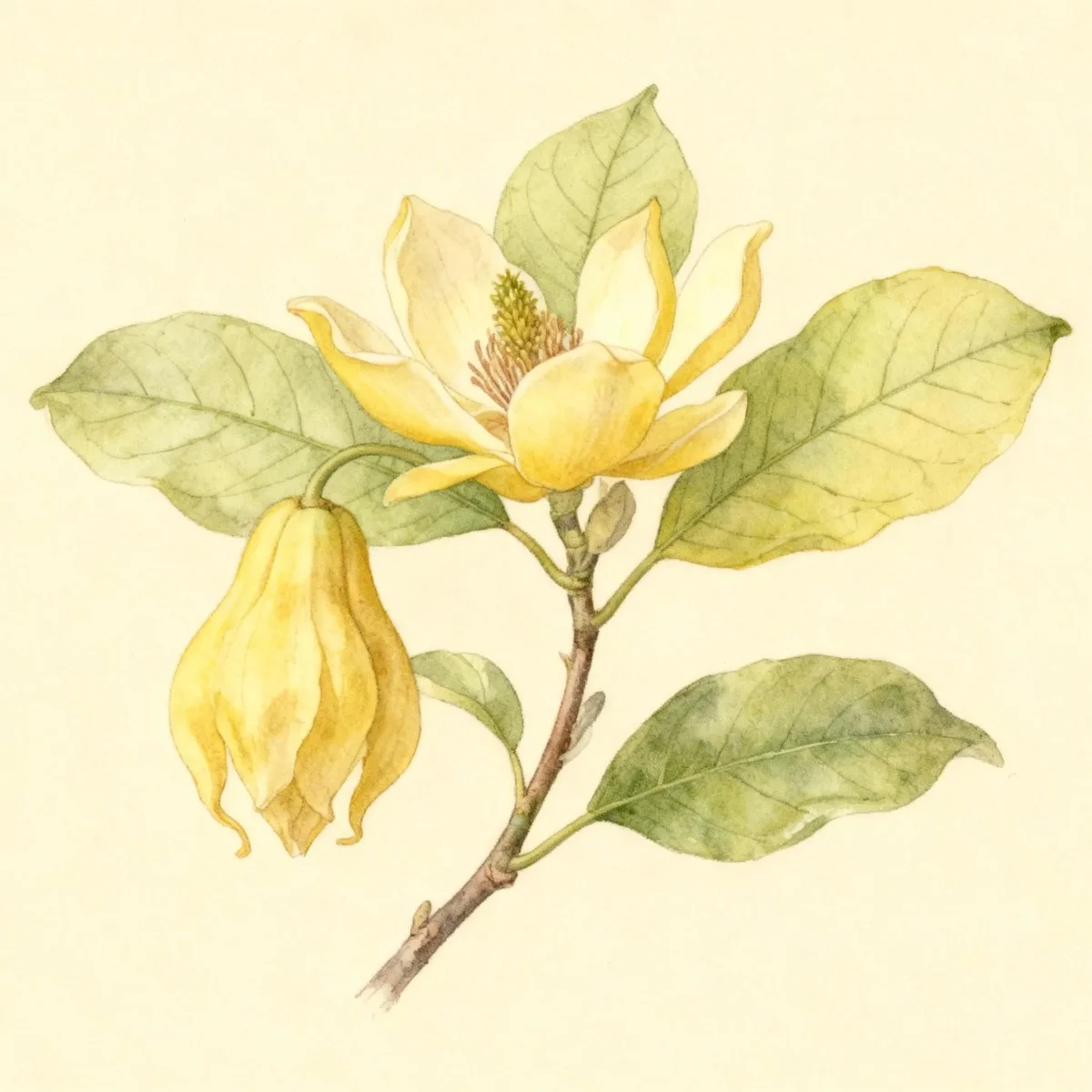
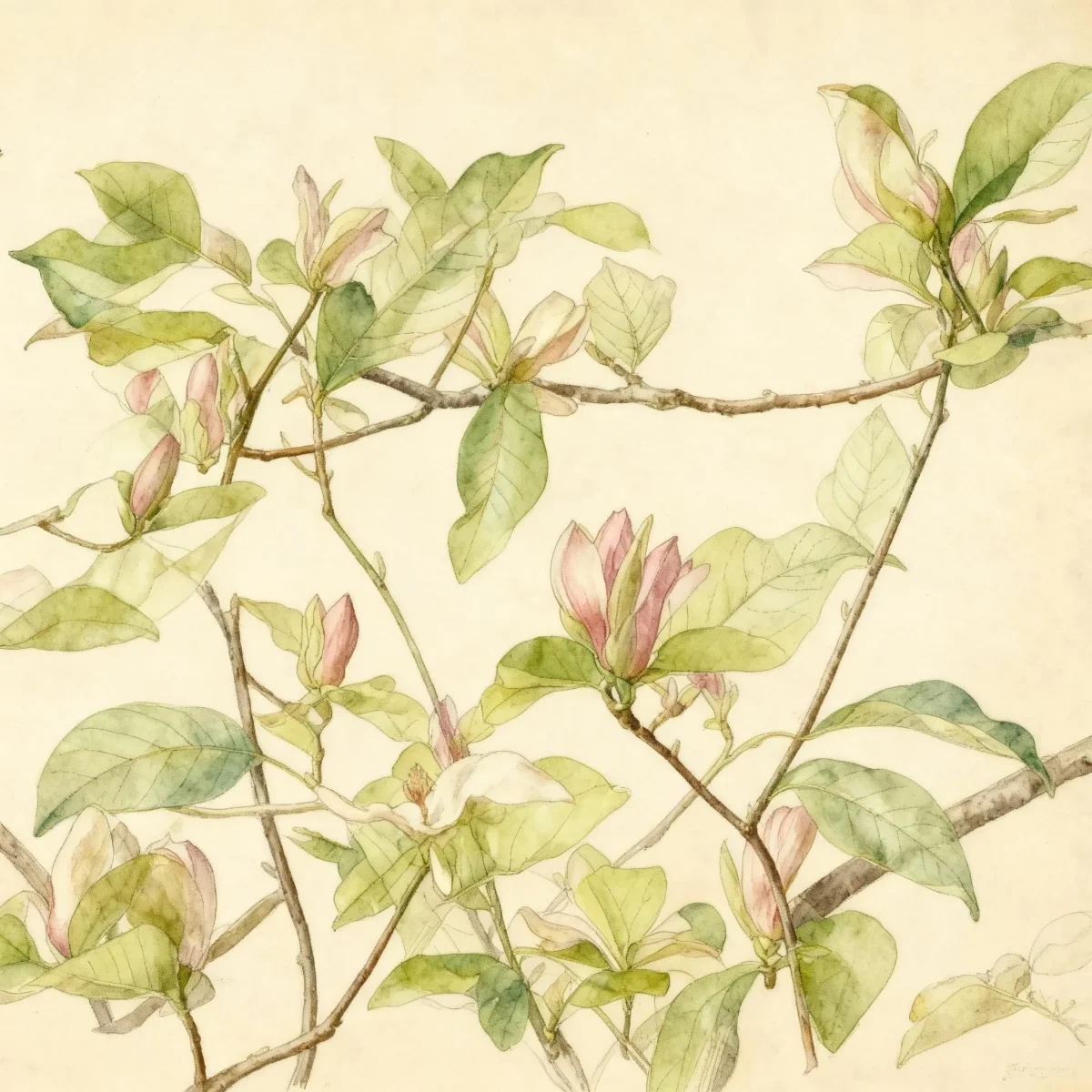
This tree matures into a substantial structure, reaching 20 to 40 feet tall with a spread of 10 to 20 feet, providing moderate seasonal shade. The goblet-shaped, yellow blossoms, often showing light pink tinges at the base, emerge as the new, deep green leaves begin to unfurl, typically between April and May. Planting the Magnolia ‘Yellow Fever’ strategically ensures its spectacular performance is seen year after year.
The general genus Magnolia is revered globally for its ancient lineage and spectacular floral displays. Cultivar ‘Yellow Fever’ certainly upholds this reputation, providing a sunny hue when many other trees are just leafing out. For gardeners seeking a long-lived, visually rewarding tree with manageable care, this yellow-flowered Magnolia is a superb choice.
Fast Facts
- Plant Family: Magnoliaceae
- Plant Type: Tree
- Hardiness Zones: USDA Zones 4-8
- Size at Maturity:
- Height: 20-40 ft
- Spread: 10-20 ft
- Bloom Time: April to May
- Bloom Description: Yellow
- Sun Exposure: Full sun to part shade
- Water Needs: Medium
- Maintenance Level: Low
How to Grow
Establish your Magnolia ‘Yellow Fever’ during the dormant season, ideally early in spring or late fall, when soil temperatures are favorable. This magnificent Magnolia requires organically rich, neutral to slightly acidic soil that maintains medium moisture levels but must be well-drained. Planting success heavily relies on careful site selection, as this tree has a fleshy root system that is easily damaged during transplanting. Locate it permanently to avoid disturbance later on.
Once planted, the need for consistent moisture is best managed by applying a thick root-zone mulch, which also helps moderate soil temperature. This Magnolia appreciates protection from harsh, drying winds. Be mindful to avoid warm southern exposures that might trick the buds into opening prematurely, exposing them to potential late spring frosts, which can damage the showy flowers.
Maintenance for Magnolia ‘Yellow Fever’ is considered low. Pruning should be minimal, generally limited to removing dead or damaged wood, and should always be performed immediately after the flowering period concludes. Avoid heavy pruning at other times to preserve the tree’s natural shape and strength. Consistent care in the first few years establishes the deep root system necessary for long-term health.
Landscape Uses
Magnolia ‘Yellow Fever’ excels when used as a specimen tree, anchoring a sunny corner of the yard where its spring flowers can be fully appreciated. Because it develops into an upright structure, consider its mature size when planting near walkways or foundations, ensuring adequate space for its 10 to 20-foot spread. It functions beautifully as a small shade tree in suburban settings, offering filtered light onto a lawn or patio area.
This plant is versatile enough to serve as a standout accent against darker evergreen backdrops, which make its creamy yellow blooms truly pop. When designing beds around the base, select lower-growing, acid-loving companions such as azaleas, rhododendrons, or hydrangeas that share similar cultural preferences. Allowing space around the base also aids in easy mulching and preserves the sensitive root zone of the Magnolia.
Its use as a flowering tree is unparalleled during early spring transition. Position the Magnolia ‘Yellow Fever’ where its fragrance can also be easily enjoyed from a nearby window or seating area, maximizing the enjoyment of its showy presentation.
Standout Features
Flower Qualities
- Showy
- Fragrant
Noteworthy Characteristics
Magnolia ‘Yellow Fever’ is an upright, yellow-flowered magnolia hybrid that matures over time to as much as 40’ tall. It produces goblet-shaped, yellow flowers up to 6-8 inches across with good fragrance as the new leaves emerge, featuring creamy yellow color with light pink tinges at the base. The elliptic to oblong-ovate, dark green leaves provide adequate summer foliage, though the fall color is described as an undistinguished yellow-brown.
Potential Problems
This tree may face various fungal issues, including leaf spots, anthracnose, canker, dieback, and powdery mildew. Monitor for common insect pests such as weevils, snails, scale, and thrips. The most significant threat to spring enjoyment is late frost, which can severely damage the tender, emerging flowers. Prevention centers on good cultural practices, especially excellent drainage and air circulation, minimizing stress that invites disease.
Frequently Asked Questions
What hardiness zones is Magnolia ‘Yellow Fever’ suitable for?
Magnolia ‘Yellow Fever’ is resilient across a broad range, suitable for USDA Zones 4 through 8. Always confirm your local zone before planting.
How large does Magnolia ‘Yellow Fever’ grow?
This magnificent tree typically matures to a height between 20 and 40 feet, with a spread ranging from 10 to 20 feet wide.
What sun exposure does Magnolia ‘Yellow Fever’ need?
For the best bloom production and health, plant this variety in areas receiving full sun to part shade.
When does Magnolia bloom?
The featured bloom time for this low-maintenance Tree is generally from April to May, presenting beautiful yellow flowers each spring.
Conclusion
Magnolia ‘Yellow Fever’ offers exceptional value to the landscape through its showy, fragrant yellow spring display and comparatively low maintenance needs across USDA Zones 4 to 8. If you seek a reliable, upright flowering tree to serve as a major focal point, this cultivar is an excellent candidate. Plan your site selection carefully to protect its sensitive roots, and enjoy the annual spectacle of the remarkable Magnolia.
Companion Planting
Selecting appropriate neighbors enhances the health and beauty of your Magnolia ‘Yellow Fever’. Since this plant thrives in organically rich, slightly acidic, medium-watered soil, companion plants should share similar needs. Acid-loving shrubs like Azaleas and Camellias are excellent partners placed slightly away from the trunk, providing structure beneath the canopy.
Consider ground covers that appreciate dappled sunlight found beneath the maturing tree. Hosta varieties that tolerate shade or ferns are useful for suppressing weeds without competing aggressively with the shallow, sensitive roots of the Magnolia. Avoid planting overly thirsty or invasive species directly adjacent to the root zone.
This Magnolia is best utilized as a specimen, allowing its unique form and vibrant bloom to stand out. Pairing it with evergreens that offer dark green contrast helps illuminate the spring flowers, making the yellow tones of Magnolia ‘Yellow Fever’ even bolder when they appear.
Seasonal Care Calendar
Early Spring (Pre-Bloom): Conduct a careful inspection for broken branches or signs of overwintering pests. If necessary, apply dormant oil as recommended by a local extension office to manage potential scale or insect eggs before bud swell.
Late Spring (Post-Bloom): This is the critical window for pruning. Remove any crossing limbs or dead wood immediately after flowering finishes. Apply a slow-release fertilizer formulated for acid-loving plants if soil tests indicate a deficiency, ensuring the nutrients are placed outside the primary root flare.
Summer: Focus heavily on consistent, deep watering during dry periods, as the Magnolia requires medium moisture. Maintain a 2-3 inch layer of organic mulch over the root zone, ensuring the mulch never touches the trunk itself.
Fall/Winter: Once temperatures drop, cease irrigation unless the weather has been unusually dry heading into winter. Protect the trunk from sunscald if the location is exposed, although its hardiness in Zones 4-8 generally provides good protection against severe cold.