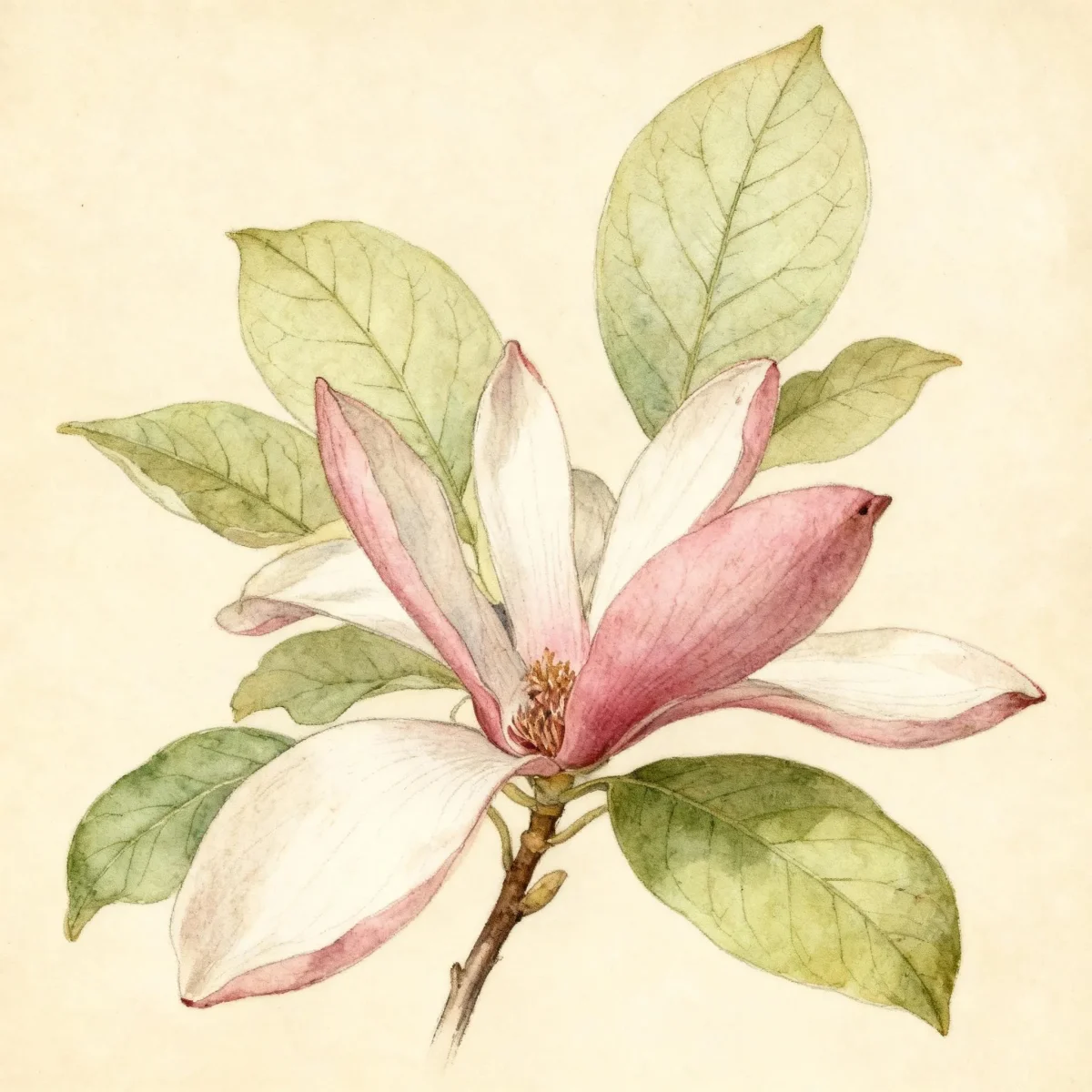
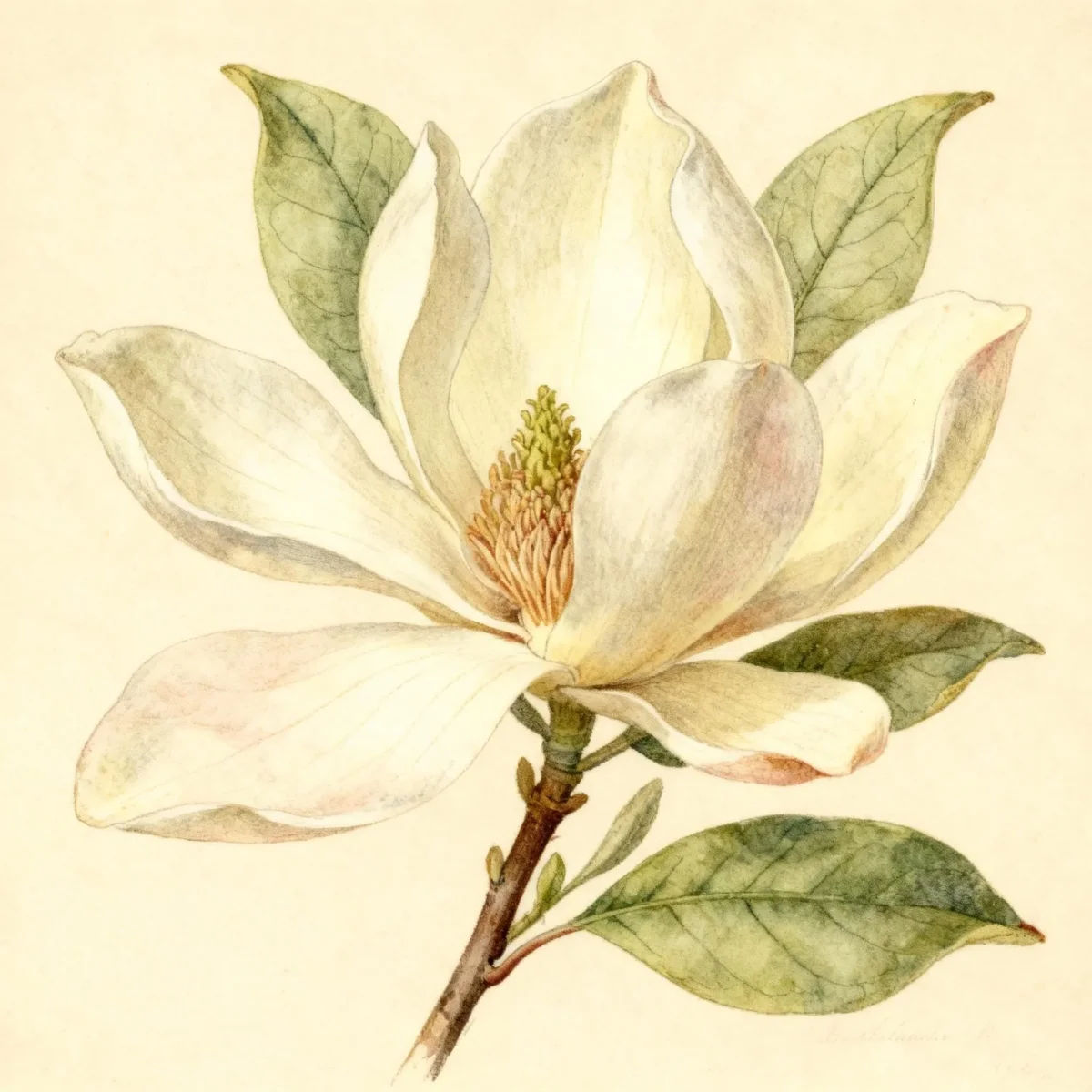
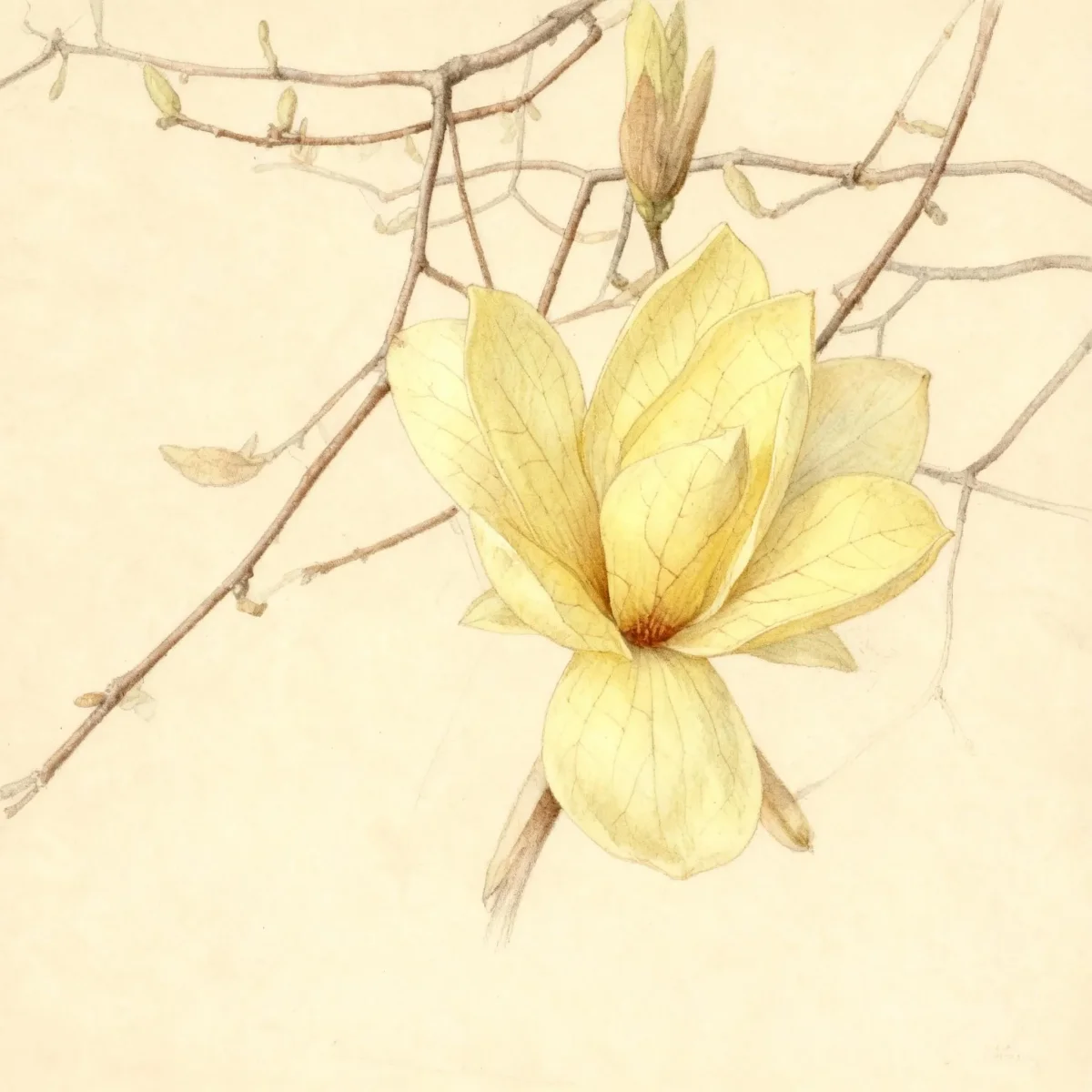
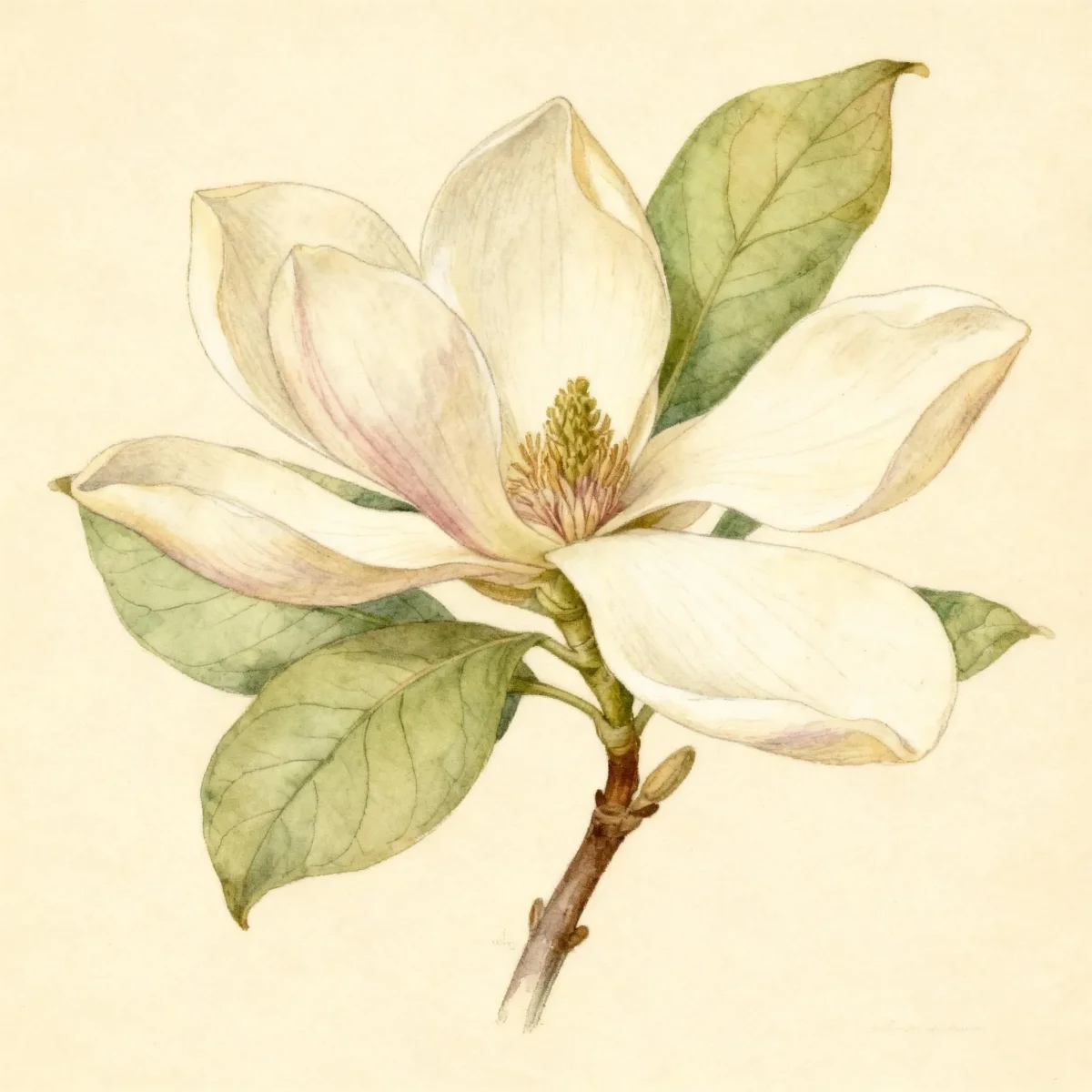
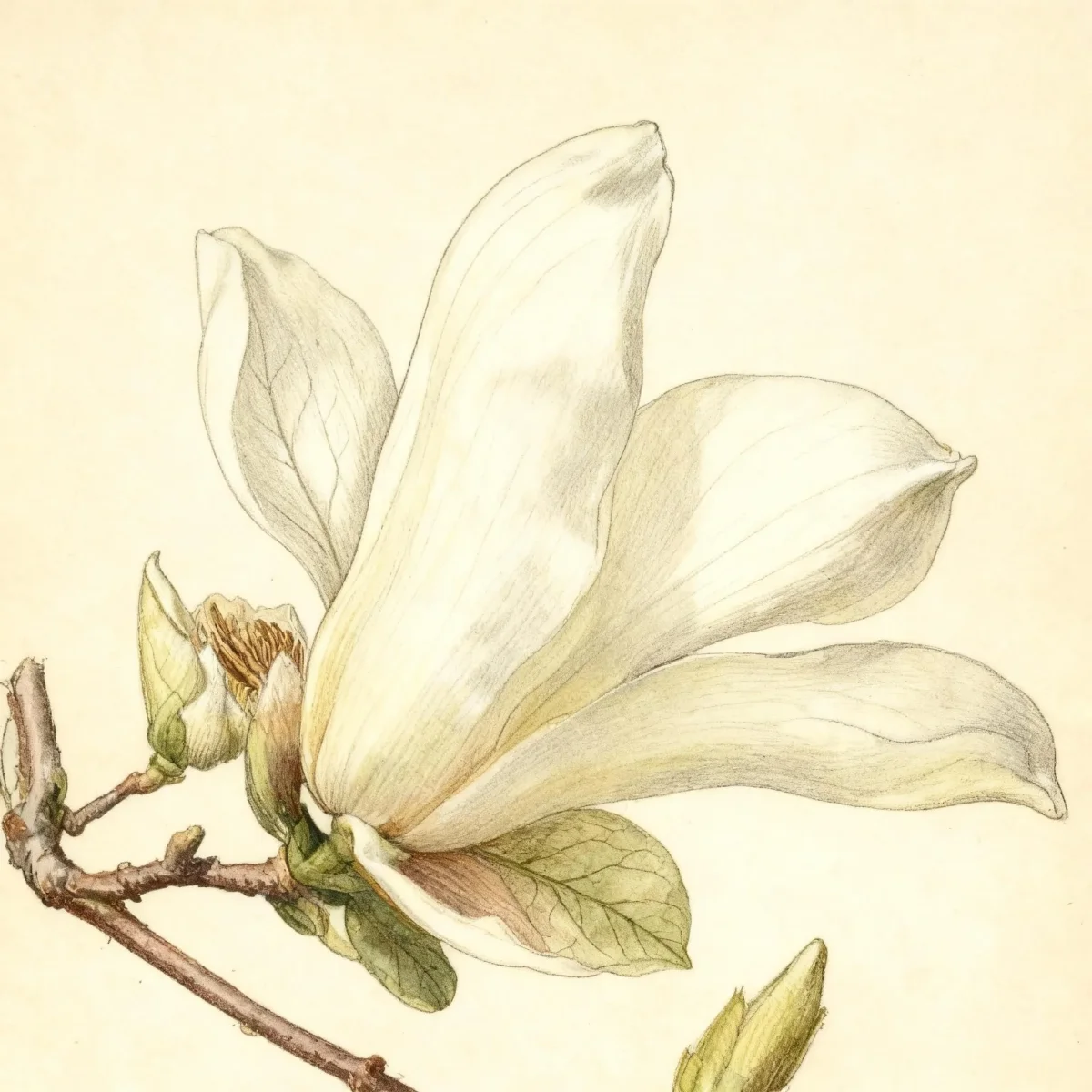
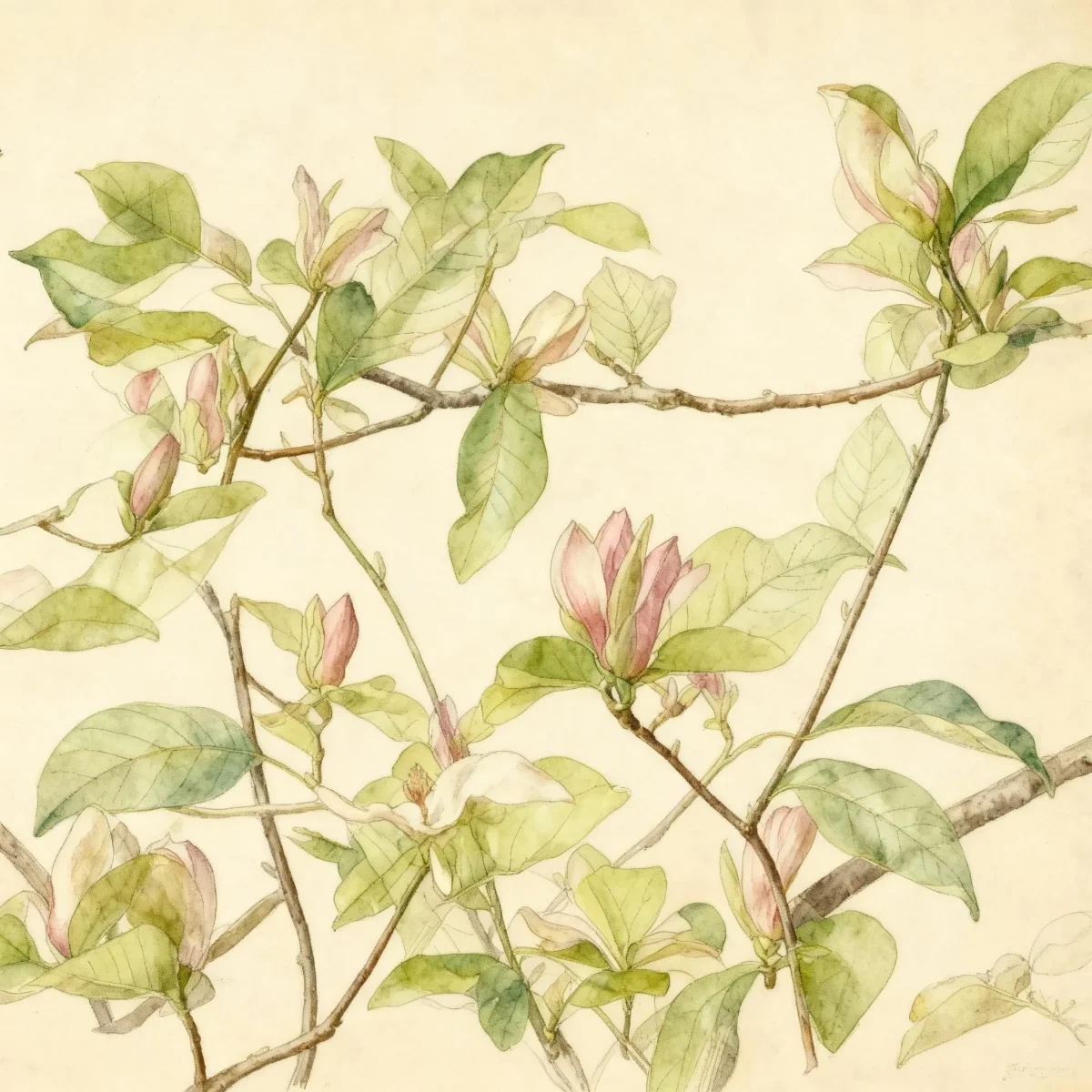
Magnolia (Magnolia 'Yellow Lantern')
Magnolia 'Yellow Lantern' is a low-maintenance tree featuring showy, fragrant, creamy yellow flowers in April. Ideal for zones 4-8.
Scroll down to discover growing tips, care requirements, companion plants, and more
Complete Plant Information
Overview
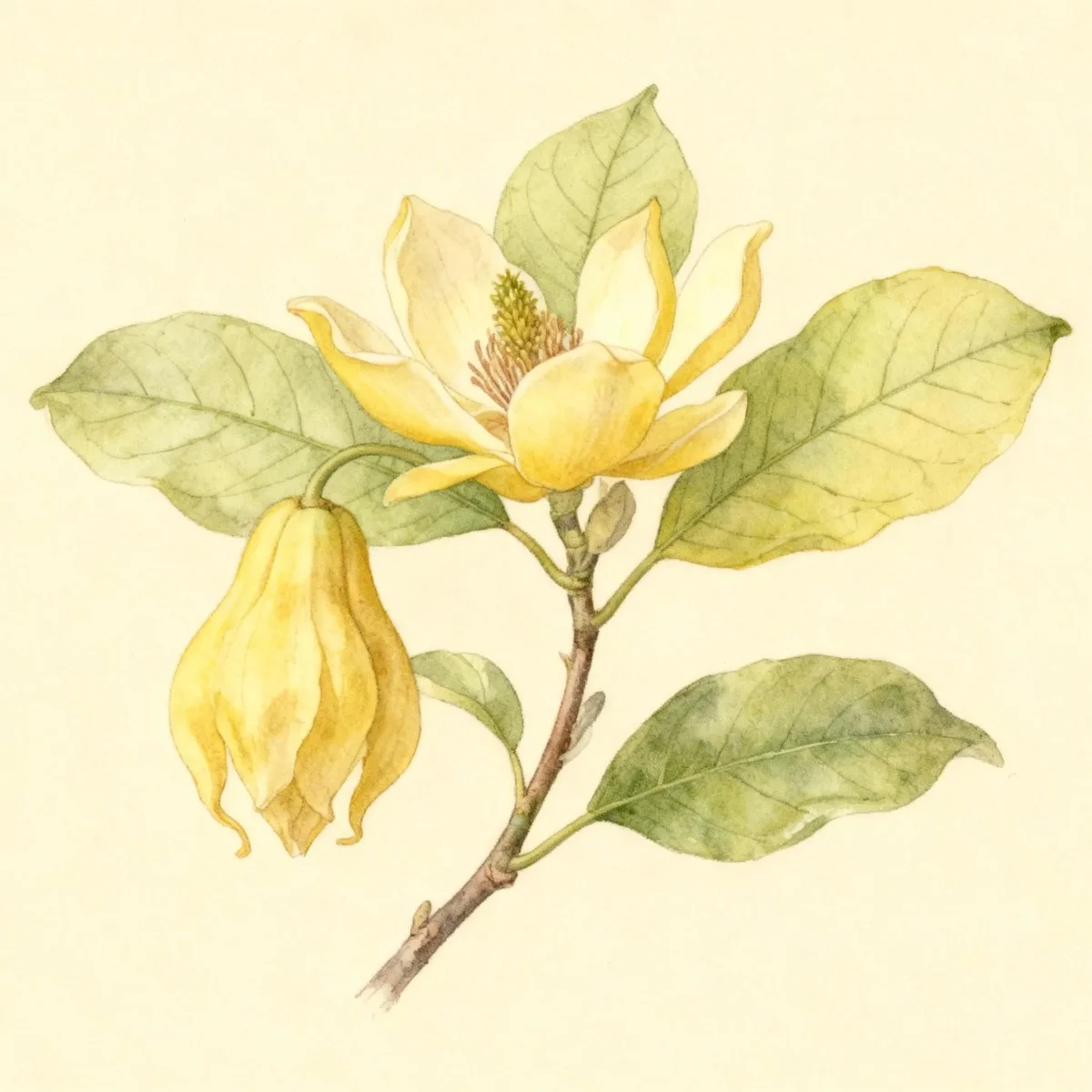
Magnolia ‘Yellow Lantern’ offers gardeners a highly valued specimen tree, distinguished by its large, fragrant, creamy yellow, tulip-shaped flowers that appear in spring. As a hybrid cultivar, it brings reliable color and structure to the landscape, making it a fantastic focal point. This deciduous tree typically forms an upright, pyramidal to oval shape as it matures, providing consistent seasonal interest. Gardeners appreciate the low maintenance requirements of this beautiful Magnolia, provided its specific soil and site needs are met during establishment.
The maturing size of Magnolia ‘Yellow Lantern’ ranges from 15 to 30 feet tall with a spread of 10 to 15 feet, allowing it to fit well into many residential settings where a large shade tree might overwhelm the space. Its showy blooms provide early season nectar sources, adding ecological value alongside its significant aesthetic appeal. Selecting a permanent spot for this specific Magnolia variety is crucial due to its sensitive root system.
Fast Facts
- Plant Family: Magnoliaceae
- Plant Type: Tree
- Hardiness Zones: USDA Zones 4-8
- Size at Maturity:
- Height: 15-30 ft
- Spread: 10-15 ft
- Bloom Time: April
- Bloom Description: Creamy yellow
- Sun Exposure: Full sun to part shade
- Water Needs: Medium
- Maintenance Level: Low
How to Grow
Planting Magnolia ‘Yellow Lantern’ should occur when dormant, preferably in early spring or fall, focusing on well-drained situations. This cultivar thrives best in organically rich soils that maintain a neutral to slightly acidic pH balance. Due to its fleshy root system, which is easily damaged during transplanting, select the final landscape spot carefully and commit to leaving this Magnolia undisturbed once planted.
During the growing season, maintain medium moisture levels, especially for young specimens. Applying a root-zone mulch is highly beneficial as it helps retain necessary soil moisture. While it prefers full sun, partial shade is tolerated, though protection from harsh afternoon intensity is sometimes recommended for the best flower presentation.
To encourage a strong structure, prune the Magnolia ‘Yellow Lantern’ as needed immediately after the bloom period ends in spring. Generally, pruning should strictly involve the removal of any dead or damaged branches, keeping intervention minimal. Avoid warm southern exposures, which can sometimes encourage premature bud opening, leaving the emerging flowers vulnerable to late spring frosts.
Landscape Uses
Magnolia ‘Yellow Lantern’ excels as a striking specimen or accent tree, making a bold statement in sunny areas where its April blooms can be fully appreciated. Its vertical habit makes it an excellent choice for framing entryways or anchoring corners of a property without spreading excessively wide. It also functions beautifully as a small shade tree once mature, offering filtered light beneath its canopy.
When designing beds around this plant, remember its preference for neutral to slightly acidic soil. Pair it with acid-loving shrubs like rhododendrons or azaleas for textural contrast beneath the canopy, ensuring companion plants also have medium water needs. Successfully integrating Magnolia ‘Yellow Lantern’ into the landscape means choosing partners that don’t compete aggressively with its root zone.
Standout Features
Flower Qualities
- Showy
- Fragrant
Noteworthy Characteristics
The genus Magnolia consists of about 100 species (plus numerous additional hybrids and cultivars) of deciduous or evergreen trees and shrubs. Most plants feature large simple leaves and showy, sometimes fragrant flowers (yellow, white, pink or purple) which bloom in early spring before or while the leaves are emerging or in late spring to summer when trees are fully leaved. Genus name honors Pierre Magnol, French botanist (1638-1715). ‘Yellow Lantern’ (M. Acuminata var. Subcordata x M. X soulangeana ‘Alexandrina’) is a yellow-flowered magnolia hybrid. It typically grows as an upright, single-trunked, pyramidal to oval tree that matures over time to 25-30’ tall. Fragrant, tulip-shaped, creamy yellow flowers (to 6-8” across) with light pink tinges at the base bloom in spring as the new leaves emerge. Elliptic to oblong-ovate, dark green leaves have entire margins. Fall color is an undistinguished yellow-brown.
Tolerances
Potential Problems
Potential problems for Magnolia ‘Yellow Lantern’ mainly involve diseases and pests, though proper cultural care minimizes risk. Fungal issues like leaf spots, anthracnose, canker, dieback, and powdery mildew can appear, particularly in humid or overcrowded conditions. Insect pests such as weevils, snails, scale, and thrips may also target the foliage or buds. Protect the spring blooms by selecting a site where late frosts are less likely to settle; if frost does strike the flowers, it will damage their appearance.
Frequently Asked Questions
What hardiness zones is Magnolia ‘Yellow Lantern’ suitable for?
Magnolia ‘Yellow Lantern’ is reliably hardy in USDA Zones 4 through 8.
How large does Magnolia ‘Yellow Lantern’ grow?
This tree typically reaches mature heights between 15 and 30 feet tall, with a spread ranging from 10 to 15 feet wide.
What sun exposure does Magnolia ‘Yellow Lantern’ need?
It performs best when placed in full sun but can tolerate partial shade conditions in the landscape.
When does Magnolia ‘Yellow Lantern’ bloom?
The signature bloom time for this Magnolia hybrid is in April, featuring large, creamy yellow flowers.
Conclusion
Magnolia ‘Yellow Lantern’ is an excellent, relatively low-maintenance choice for gardeners seeking spectacular early spring color and fragrance. Its upright form and unique yellow flowers distinguish it among other flowering trees. Before planting, ensure your site offers well-drained, slightly acidic soil and check that your location falls within hardiness zones 4 to 8 for the best long-term success.
Companion Planting
When planning the understory for your Magnolia, consider plants that share similar preferences for acidic, consistently moist soil without becoming overly competitive at the root zone. Spring ephemeral bulbs, such as daffodils or snowdrops, can provide low-level color beneath the structure of the tree before the main foliage develops. Later in the season, acid-loving shrubs like Japanese Andromeda (Pieris japonica) or dwarf Rhododendrons create year-round structure and complement the look of the maturing Magnolia.
Seasonal Care Calendar
Summer care for Magnolia ‘Yellow Lantern’ centers primarily on consistent moisture management; utilize that soil mulch to minimize watering frequency but confirm the soil remains medium-moist, avoiding drought stress. In Autumn, focus on clearing fallen debris quickly to reduce surfaces where fungal spores can overwinter, though the fall color on this cultivar is noted as undistinguished. Minimal winter preparation is required once established, as hardiness zones 4-8 offer adequate protection, though new plantings benefit from extra winter wrapping around the trunk base during the first few seasons.