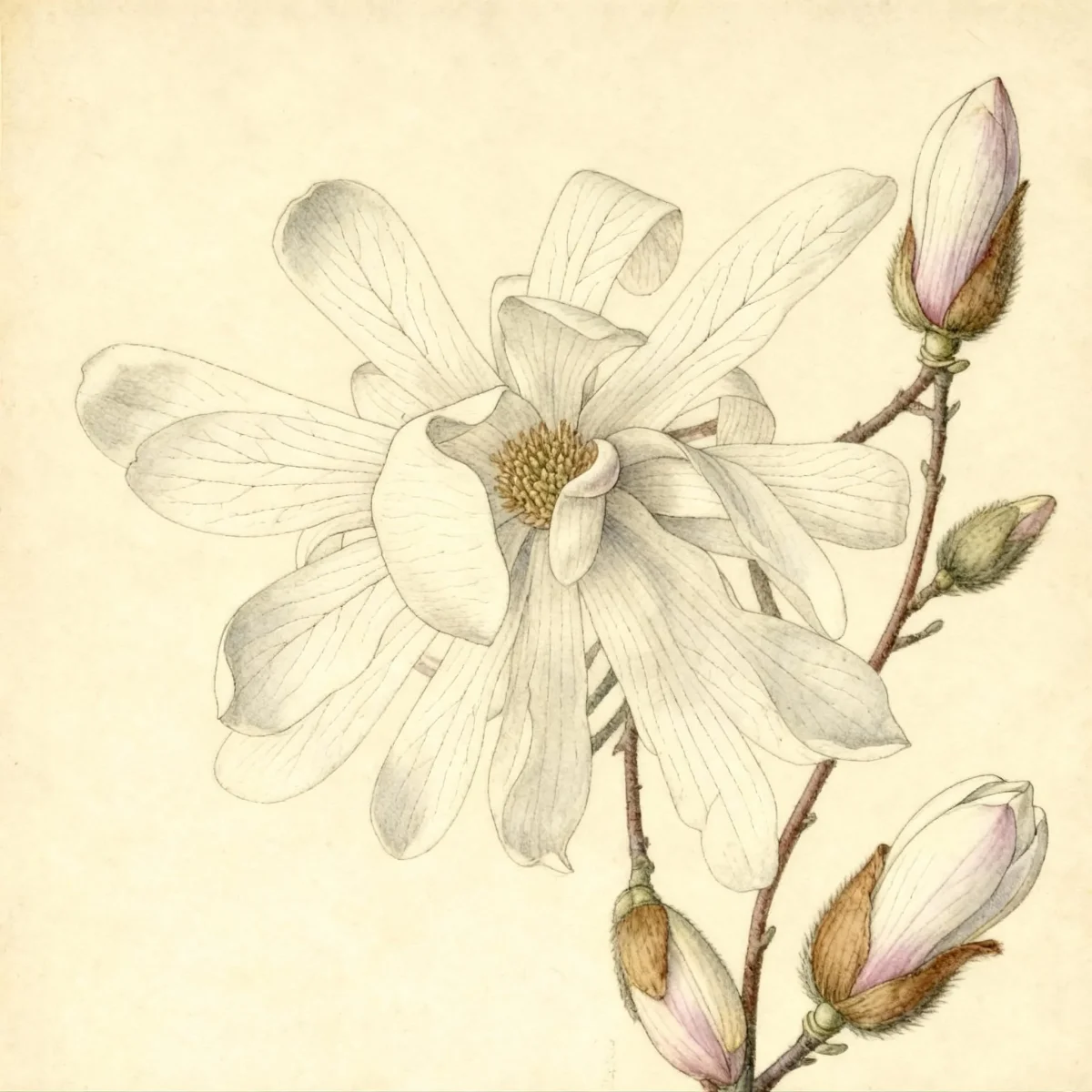
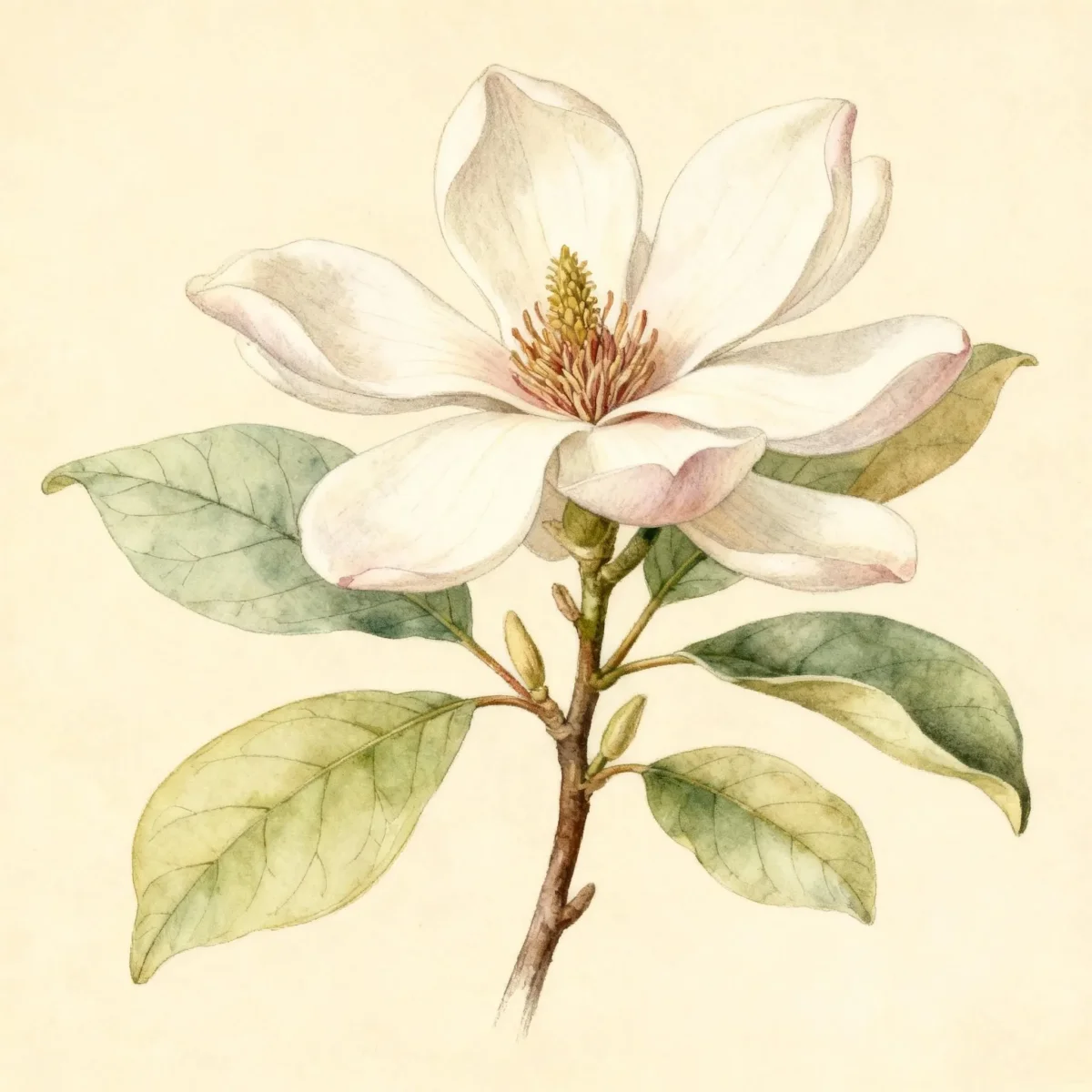
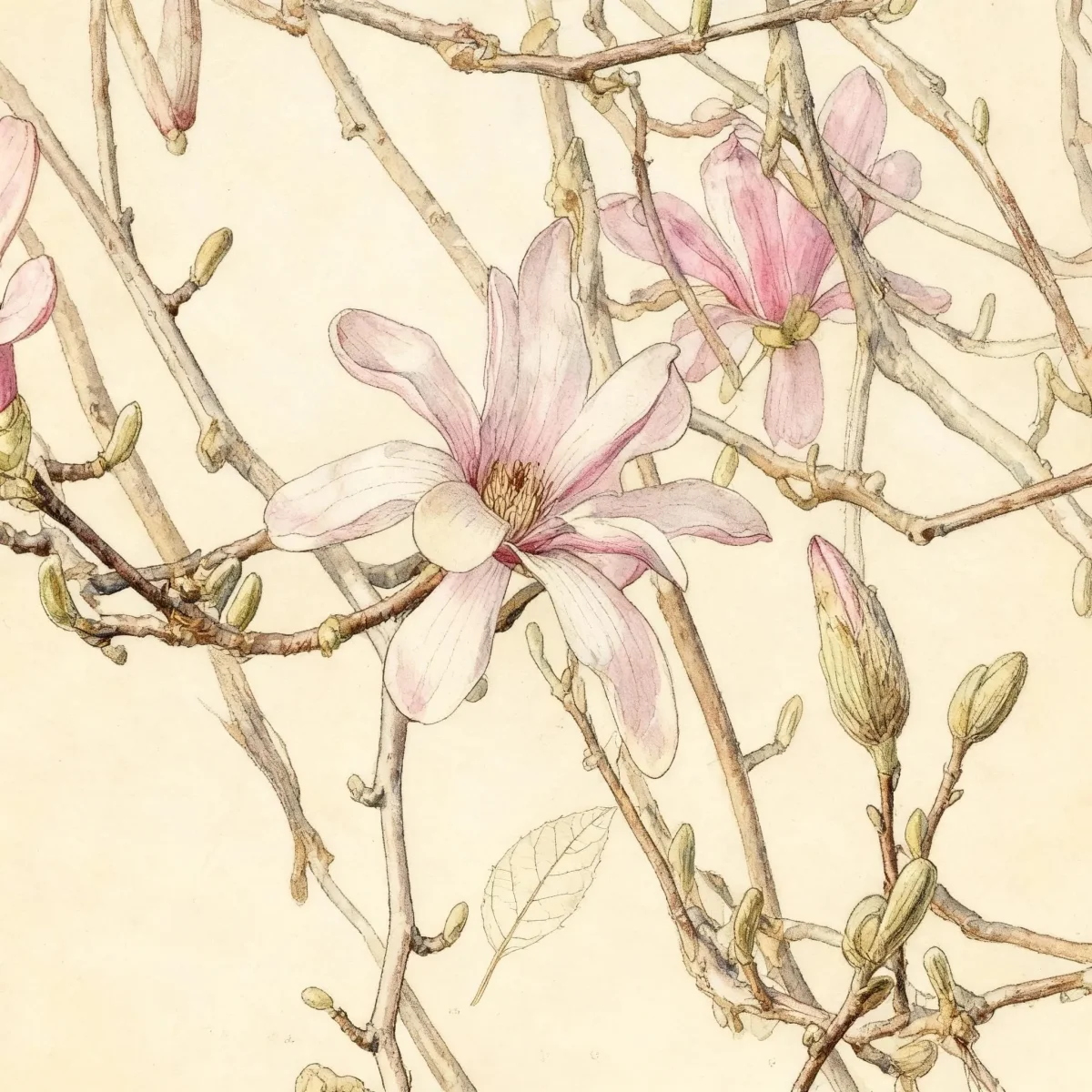
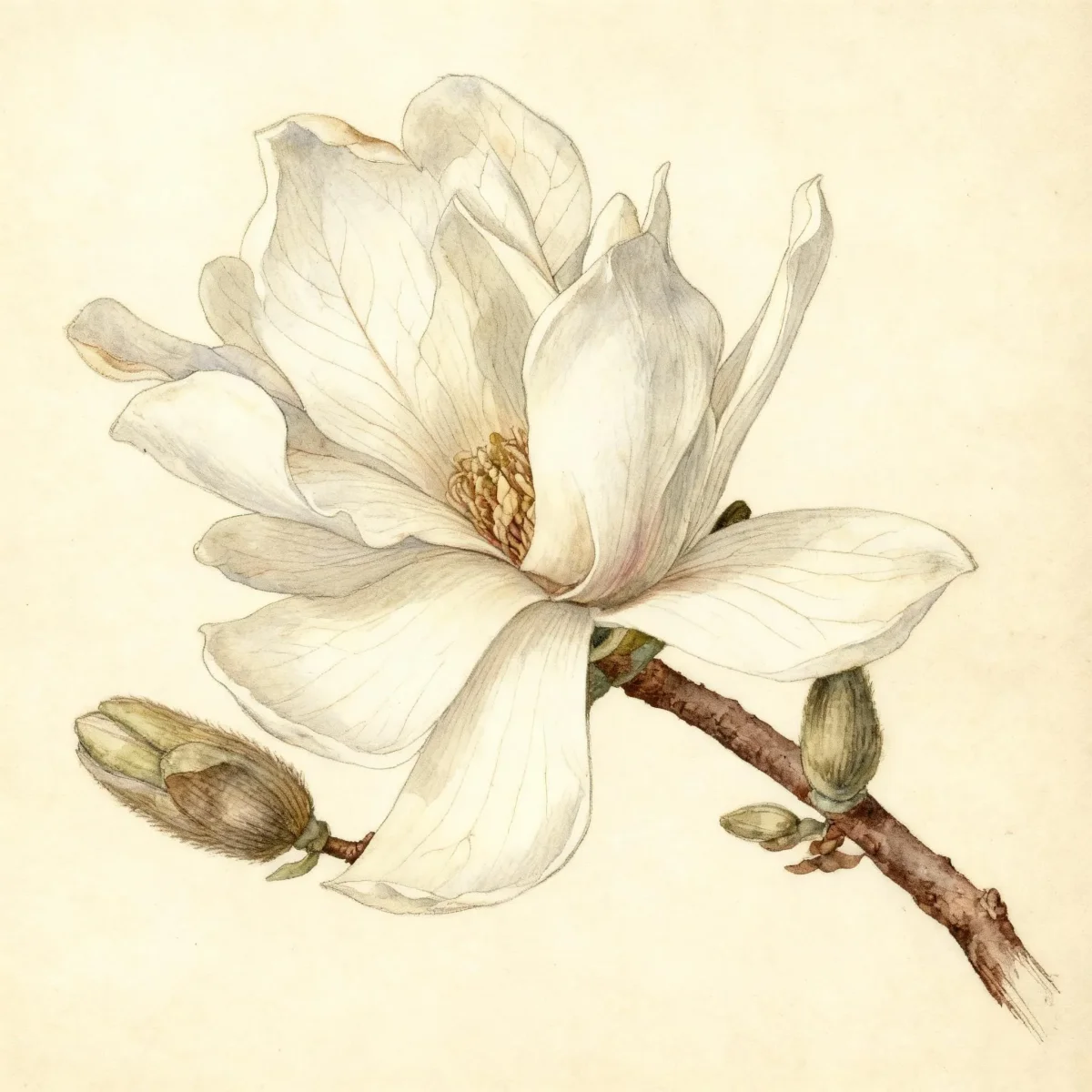
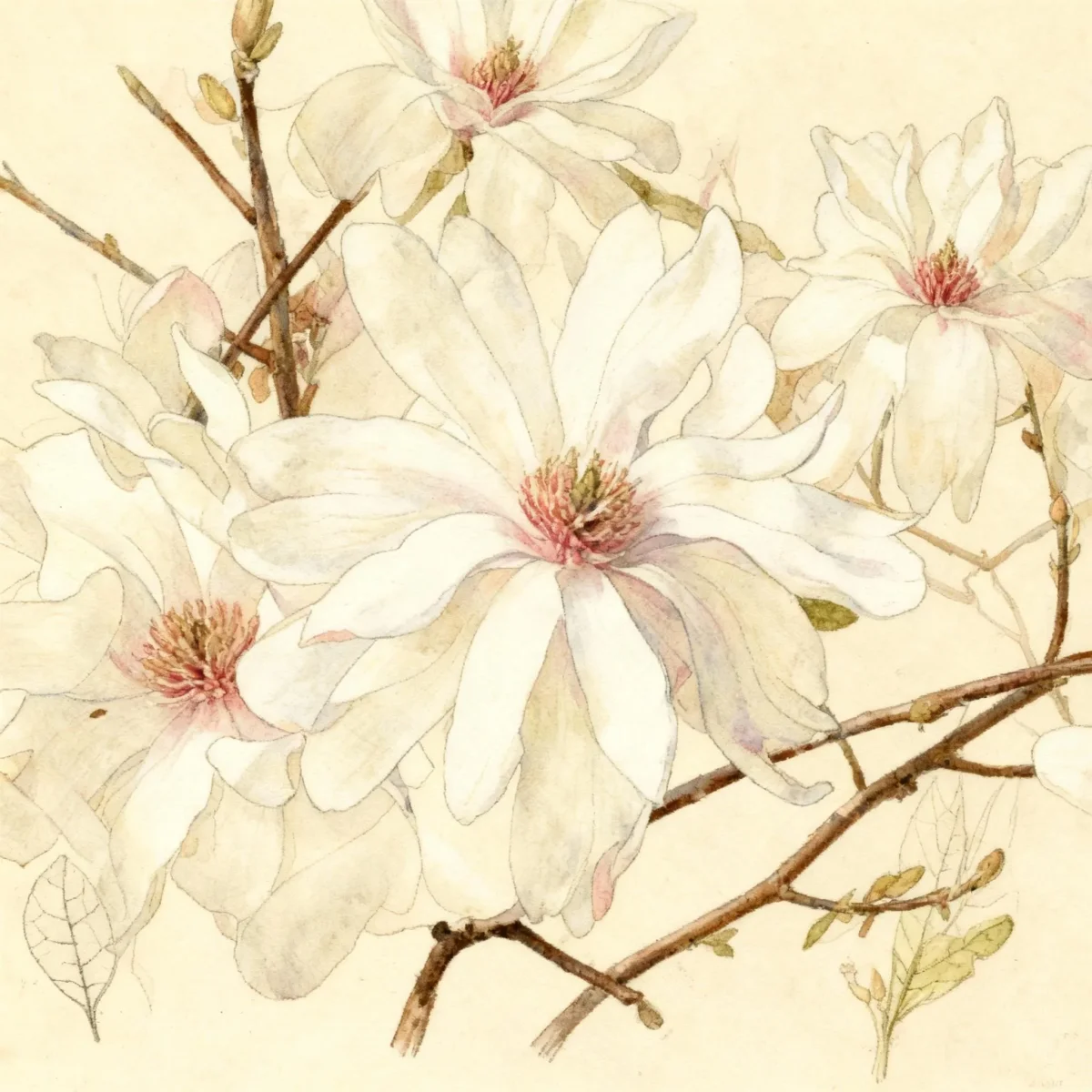
Star magnolia (Magnolia stellata 'Royal Star')
Magnolia stellata 'Royal Star' is a prized Star magnolia cultivar offering spectacular, fragrant white blooms in early spring. A small, reliable flowering tree for zones 4-8.
Scroll down to discover growing tips, care requirements, companion plants, and more
Complete Plant Information
Overview
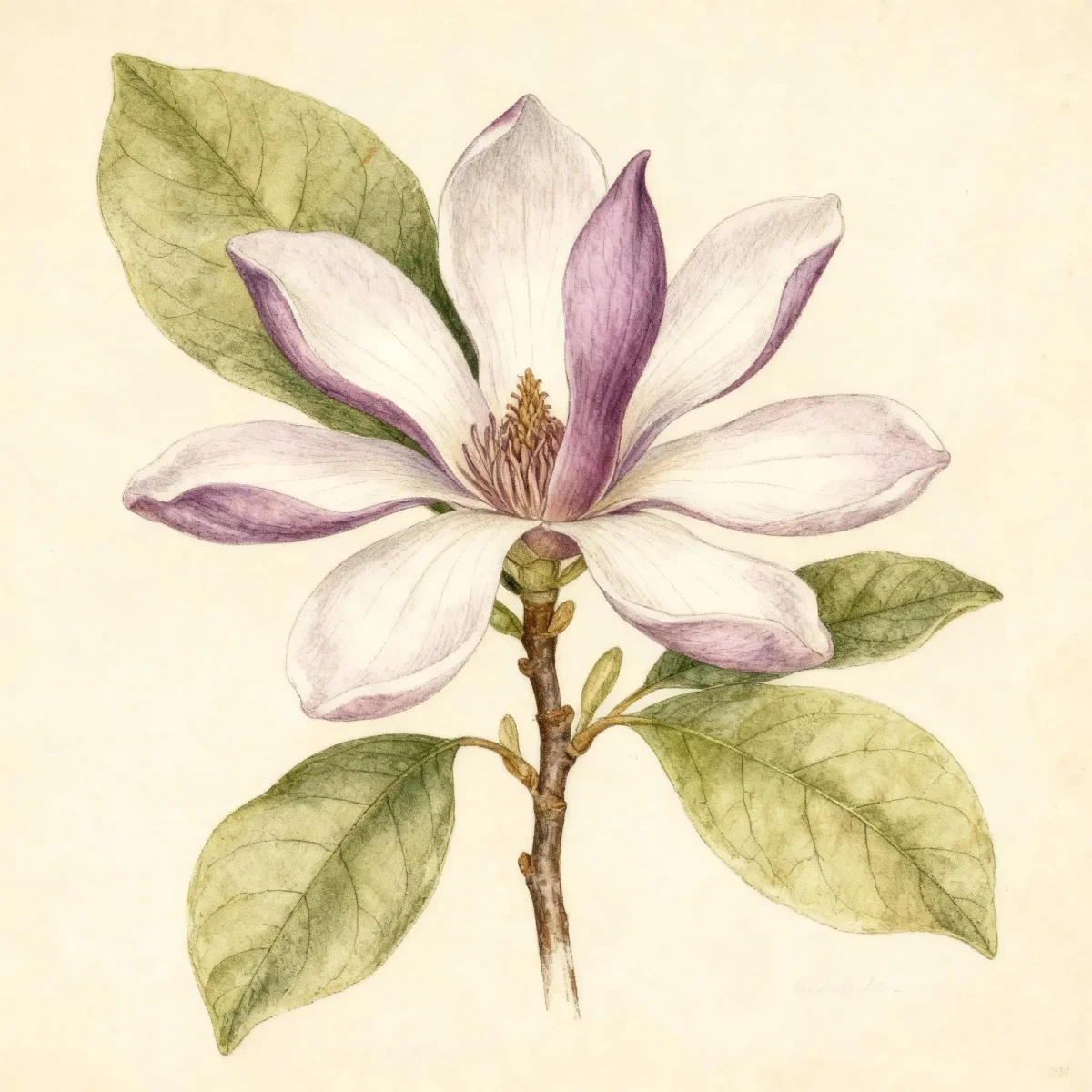
The Magnolia stellata ‘Royal Star’ is a celebrated selection of the native Japanese Star magnolia. It offers gardeners an early burst of spectacular, star-shaped white flowers before the foliage emerges, making it an indispensable feature in the late winter landscape. Gardeners prize this cultivar of Star magnolia for its slightly larger, showier blooms compared to the standard species, coupled with a delightfully fragrant presence.
This deciduous tree or large shrub maintains a manageable, spreading size, typically reaching 10 to 20 feet tall and wide, making it ideal for smaller yards or foundation plantings. Magnolia stellata ‘Royal Star’ provides seasonal brilliance, structure, and manageable maintenance across USDA hardiness zones 4 through 8.
Fast Facts
- Plant Family: Magnoliaceae
- Plant Type: Tree
- Hardiness Zones: USDA Zones 4-8
- Size at Maturity:
- Height: 10-20 ft
- Spread: 8-15 ft
- Bloom Time: March
- Bloom Description: White
- Sun Exposure: Full sun to part shade
- Water Needs: Medium
- Maintenance Level: Medium
How to Grow
The best location for planting Magnolia stellata ‘Royal Star’ is in moist, organically rich, well-drained loams. While it tolerates part shade, achieving the best flowering requires placement in full sun. Avoid planting near southern exposures where early sun can trick the buds into opening prematurely, exposing them to late frosts.
Consistent moisture is key, especially during summer; this Star magnolia is generally intolerant of soil extremes, whether too dry or too wet. Mulching with compost or bark is highly recommended to help conserve soil moisture throughout the growing season. Pruning should be minimal, performed only if necessary, and done immediately after the flowering period concludes.
Cultivar ‘Royal Star’ offers a practical advantage: it tends to bloom about two weeks later than the pure species, which significantly reduces the risk of spring frost damage to its beautiful flowers. Ensure the site is protected from high winds, as the buds and branches can be somewhat vulnerable.
Landscape Uses
As a beautiful specimen flowering tree, Magnolia stellata ‘Royal Star’ excels as the main focal point in a lawn setting, drawing attention early in spring. Its manageable size also makes it perfectly suited for foundation plantings where space is limited, or as a striking element within a mixed shrub border.
Beyond its singular specimen use, this plant can be utilized effectively as a tall, informal hedge due to its dense, rounded habit when young. Consider planting it near walkways or patios to fully appreciate the fragrance released by the showy white flowers of this wonderful Star magnolia.
Standout Features
Flower Qualities
- Showy
- Fragrant
Noteworthy Characteristics
Magnolia stellata, commonly known as star magnolia, originates from Japan and develops into a picturesque small deciduous tree or large shrub with a rounded crown. It earns its name from the distinctive star-shaped white flowers, each boasting 12 to 18 narrow tepals. The popular cultivar ‘Royal Star’ is particularly noted for having flowers that are larger and slightly showier than the species, often featuring 25 to 30 tepals on 3-4 inch wide blooms.
Tolerances
- Clay Soil
Potential Problems
This specific cultivar exhibits relatively few serious insect or disease problems, which contributes to its low maintenance profile. The primary concern for any early-blooming magnolia, including Magnolia stellata ‘Royal Star’, is frost damage. If a hard freeze occurs after the buds have begun to swell or after the first flowers have opened in late winter or early spring, the blooms may be ruined for the season.
To mitigate this risk, site your plant carefully away from heat-reflecting structures that warm the site too early. While the ‘Royal Star’ matures later than the species, vigilance regarding late frosts remains crucial for maximizing bloom display.
Frequently Asked Questions
What hardiness zones is Star magnolia suitable for?
Magnolia stellata ‘Royal Star’ is suitable for USDA Hardiness Zones 4 through 8.
How large does Star magnolia grow?
This variety typically matures to a height between 10 and 20 feet, with an average spread of 8 to 15 feet.
What sun exposure does Magnolia stellata ‘Royal Star’ need?
It performs best with full sun to part shade exposure; however, full sun is necessary for the best possible flowering display.
When does Star magnolia bloom?
The bloom time for this plant is generally in March, producing white flowers.
Conclusion
The Magnolia stellata ‘Royal Star’ delivers exceptional value with its fragrant, showy white flowers and reliable, compact growth habit, making it a treasured early-season performer. If you appreciate classic early spring beauty with manageable upkeep, this cultivar of Star magnolia is an excellent choice. Always confirm your local USDA zone compatibility before planning your installation.
Companion Planting
When designing a spring garden around your Magnolia stellata ‘Royal Star’, select companions that thrive in similar soil and light conditions. Underplanting with spring ephemerals like Snowdrops (Galanthus) or Daffodils (Narcissus) can extend the season of interest before the magnolia leafs out fully. For understory textural contrast, consider evergreen groundcovers such as Vinca minor or Pachysandra, which appreciate the dappled shade this spreading tree provides once flowering is complete.
Seasonal Care Calendar
Spring care centers entirely on appreciating the blooms and protecting them from frost; avoid applying fertilizer until the flowering period is definitely over. In summer, consistent watering is essential to maintain medium moisture levels, especially as the tree establishes its root system. Fall is the ideal time to apply a fresh layer of organic mulch around the drip line to insulate the roots before winter arrives. Pruning should be reserved for maintenance tasks immediately following the spring bloom, ensuring you do not remove next year’s flower buds.