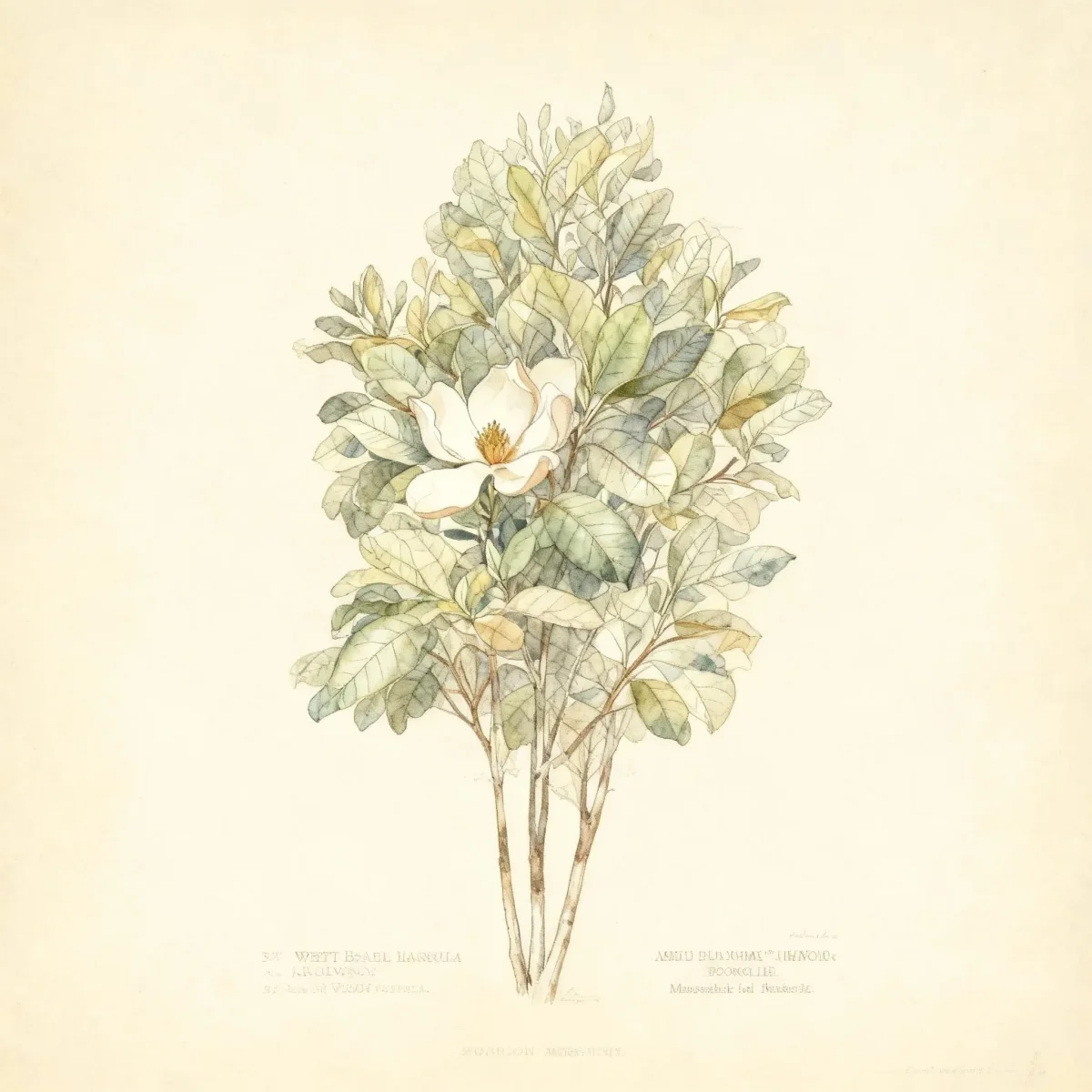
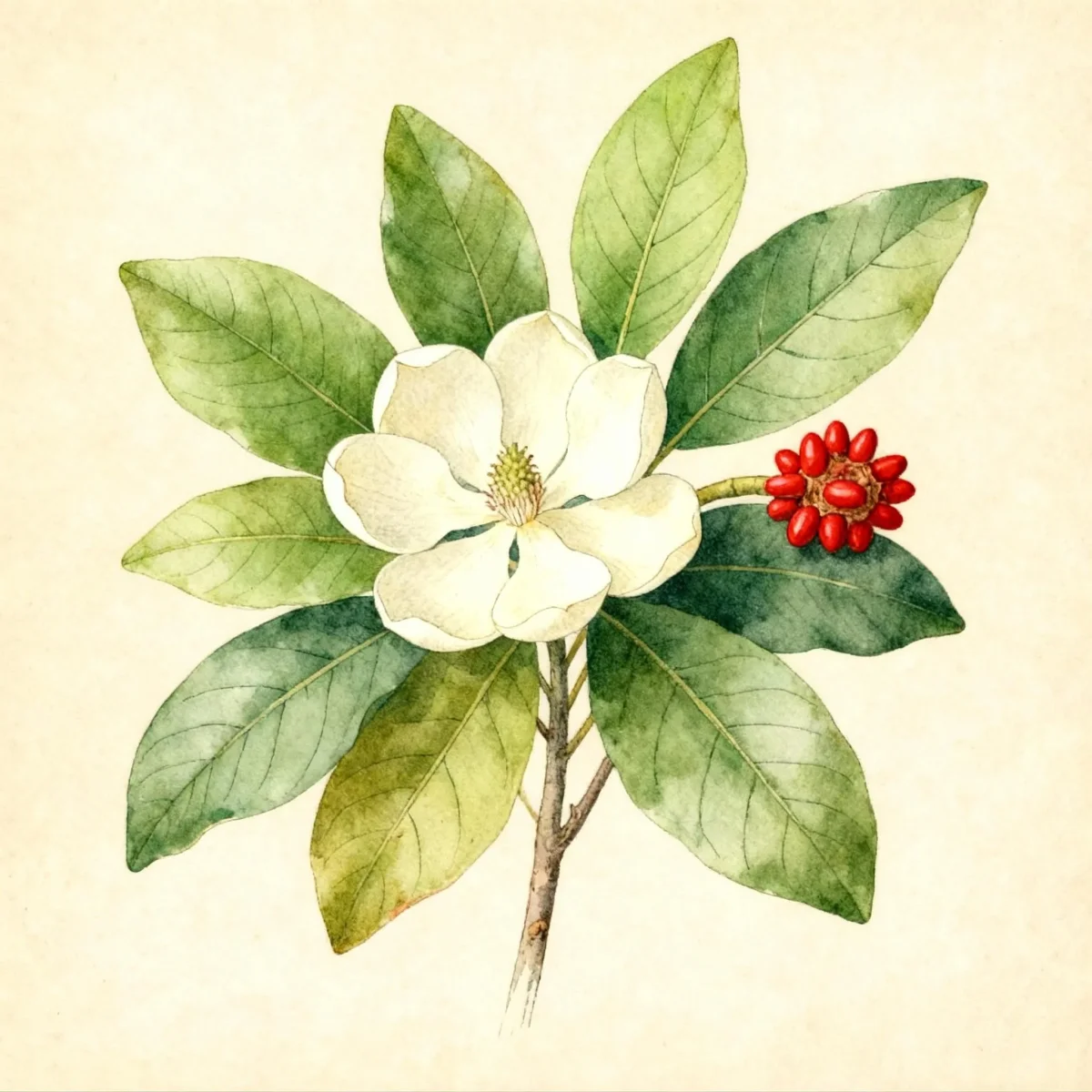
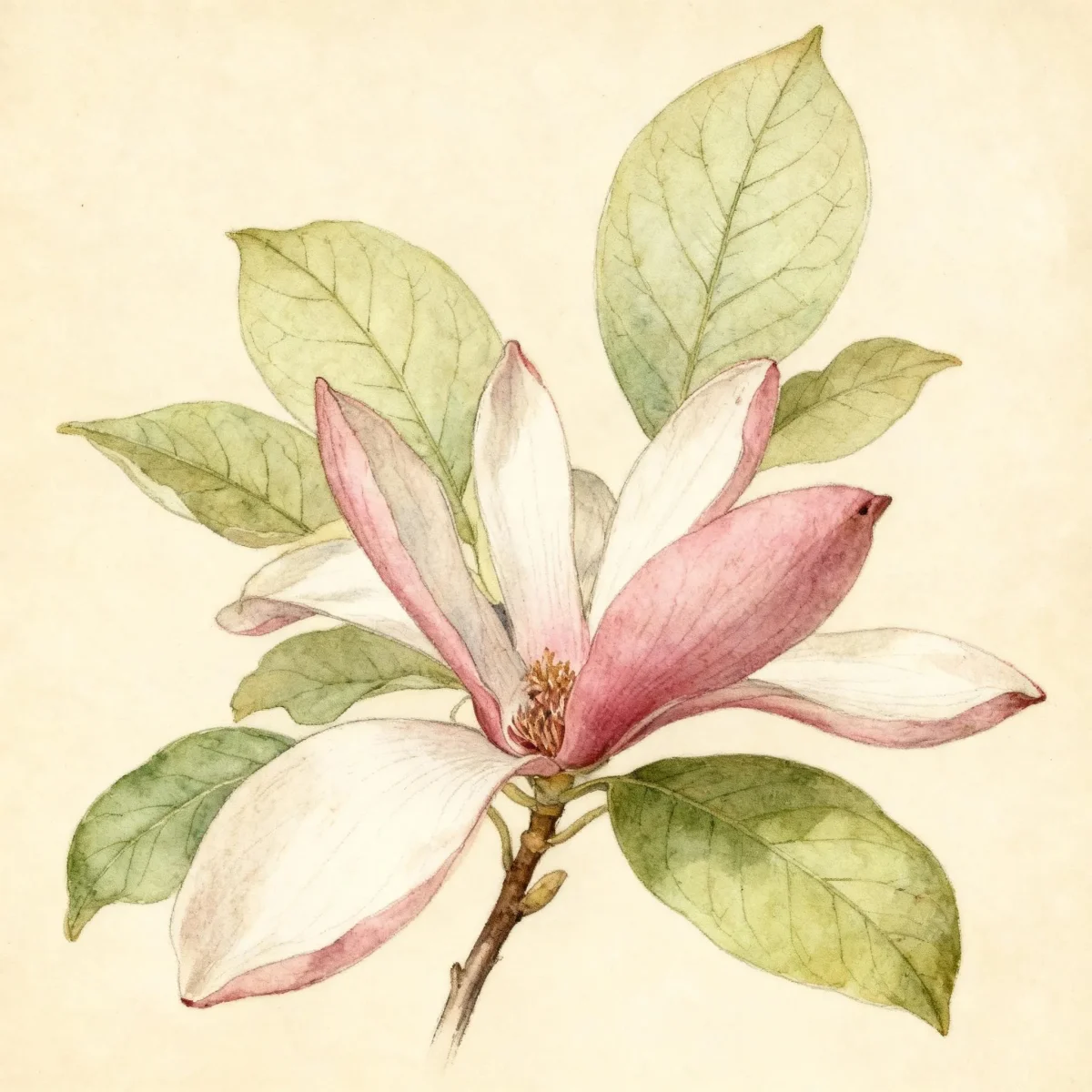
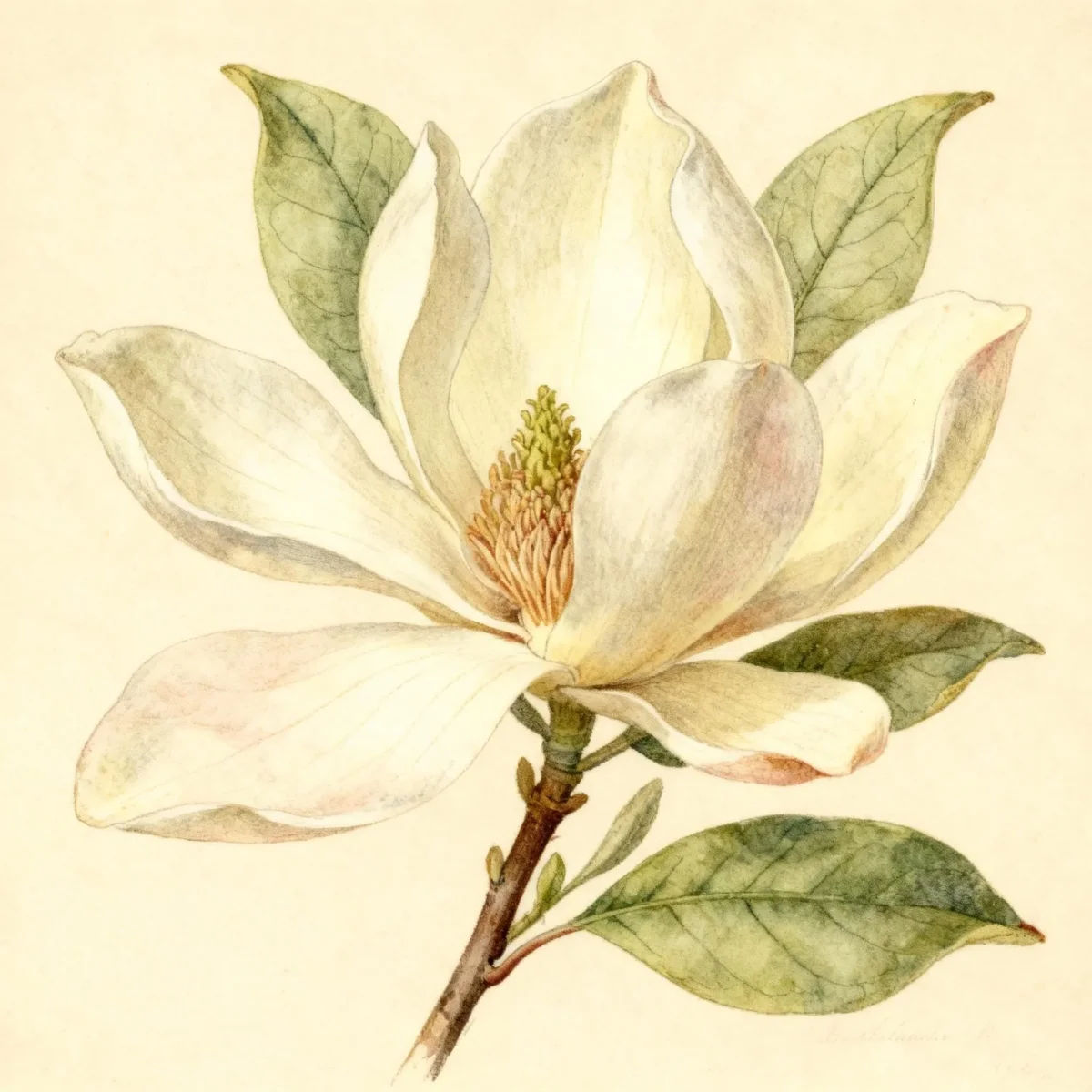
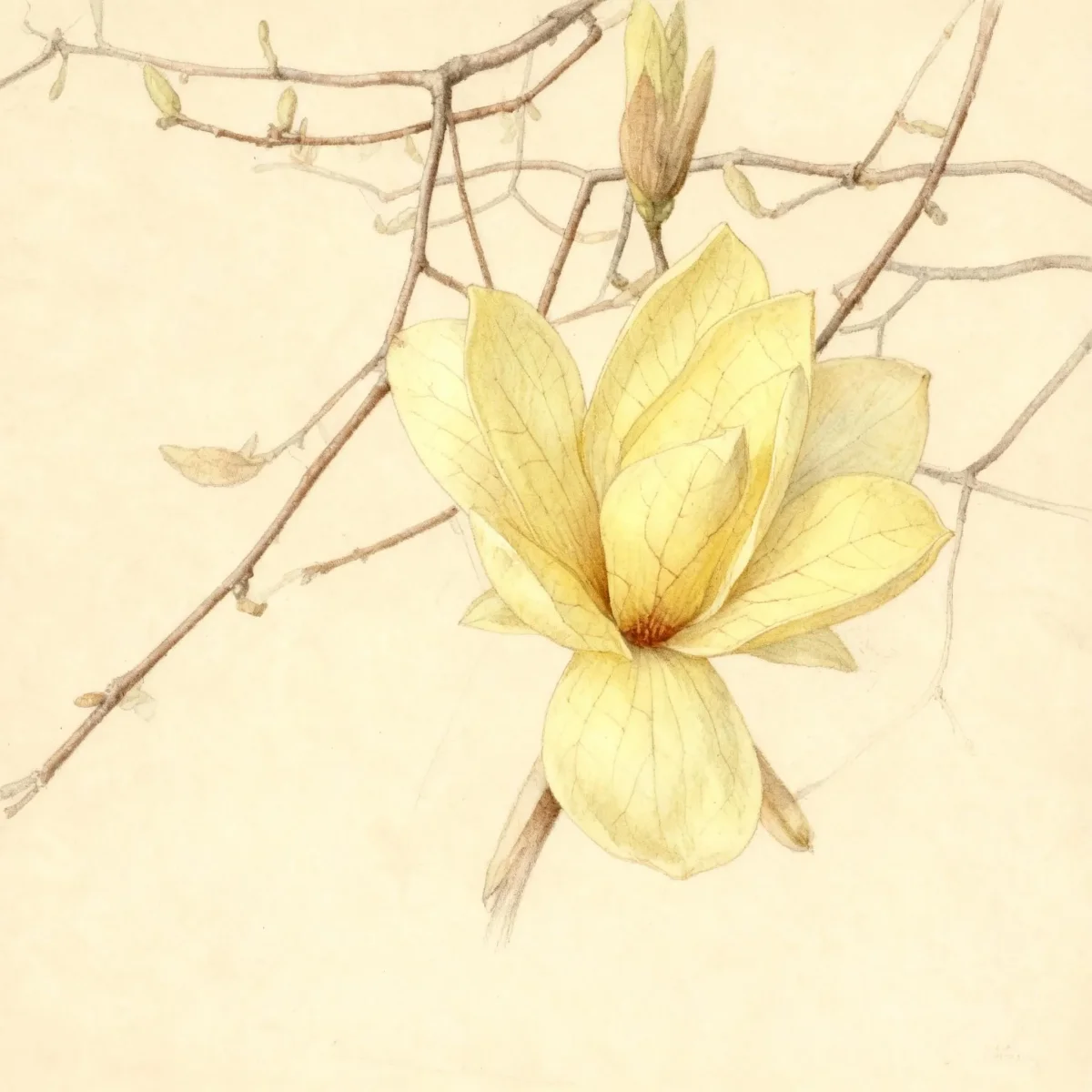
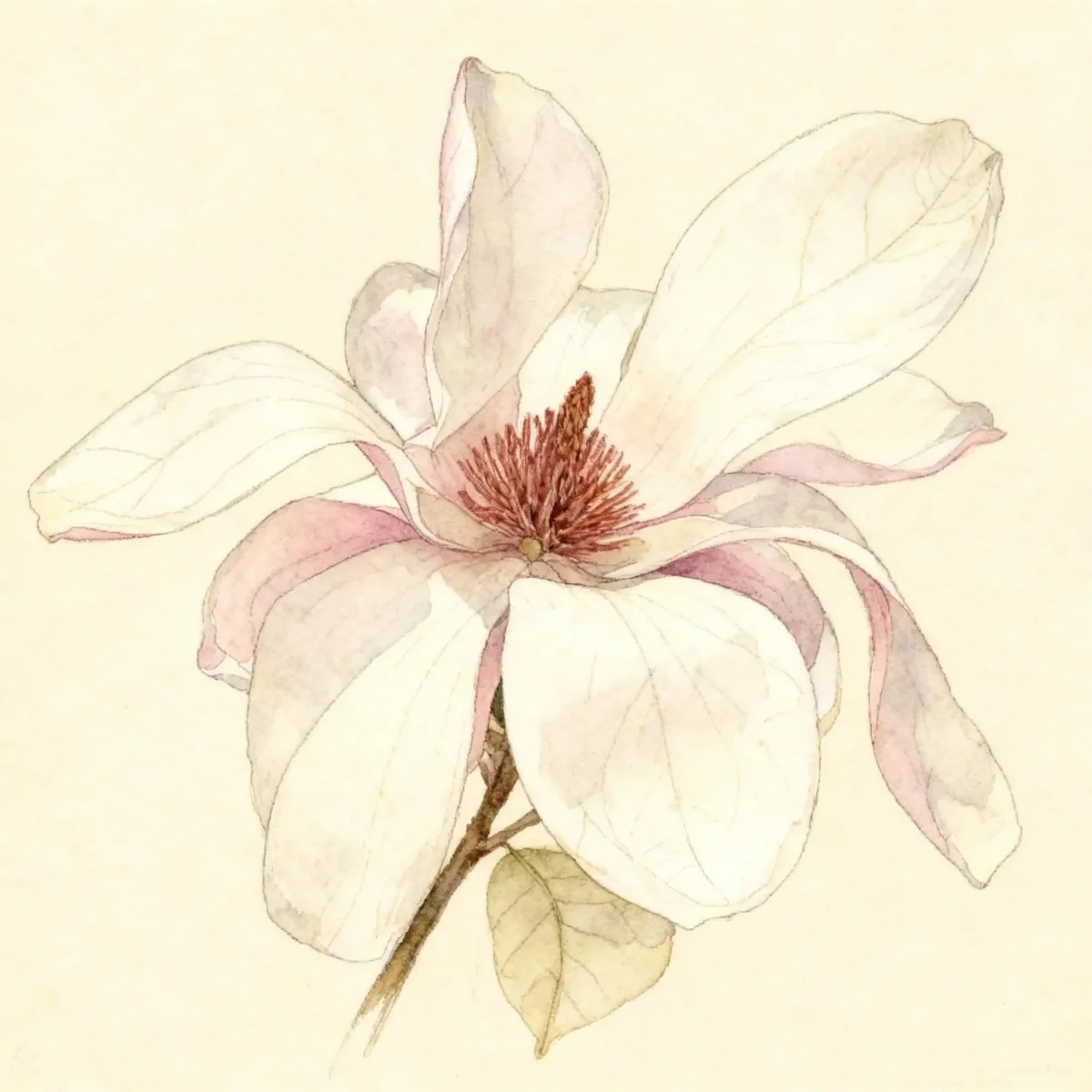
Swamp magnolia (Magnolia virginiana var. australis)
Magnolia virginiana var. australis, the Swamp magnolia, offers fragrant white blooms and tolerates wet, boggy soils across USDA Zones 5-10.
Scroll down to discover growing tips, care requirements, companion plants, and more
Complete Plant Information
Overview
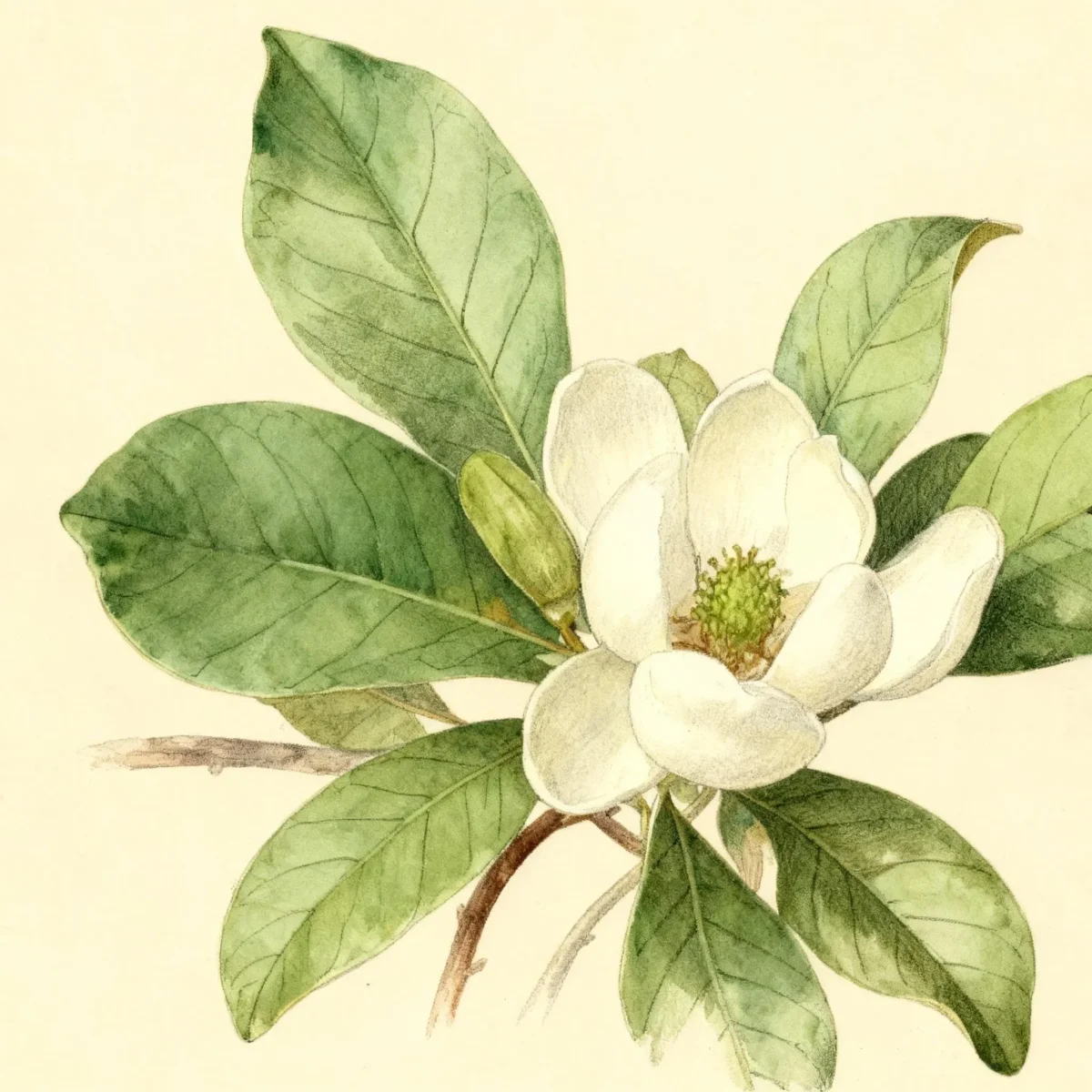
The Swamp magnolia, scientifically known as Magnolia virginiana var. australis, is a highly valued specimen, particularly for its ability to thrive where many other magnolias struggle. This variety is prized for its creamy white, sweetly fragrant, cup-shaped flowers that perfume the garden from late spring well into summer. Unlike some cultivars, Magnolia virginiana var. Australis often remains more reliably evergreen in warmer regions, providing year-round visual interest beneath its silvery-backed foliage.
As a relatively adaptable tree, the Swamp magnolia offers a great solution for challenging landscape sites, especially those experiencing consistent moisture. It is an excellent choice for rain gardens or areas adjacent to ponds, as it readily accepts wet, boggy soil conditions that might drown other woody plants. Its versatility allows it to mature into a stately, spreading tree reaching up to 60 feet in the South, or manageably as a dense shrub in northern limits.
Cultivating this Southern native ensures a long season of beauty combined with low maintenance needs. Gardeners seeking evergreen structure combined with the exquisite, lemony fragrance of classic magnolia blooms will find Magnolia virginiana var. australis an indispensable addition to the landscape. The contrasting shiny green leaves with pale undersides add textual appeal throughout the growing season.
Fast Facts
- Plant Family: Magnoliaceae
- Plant Type: Tree
- Native Range: Eastern United States
- Hardiness Zones: USDA Zones 5-10
- Size at Maturity:
- Height: 15-60 ft
- Spread: 15-60 ft
- Bloom Time: May to August
- Bloom Description: White
- Sun Exposure: Full sun to part shade
- Water Needs: Medium to wet
- Maintenance Level: Low
How to Grow
Planting Magnolia virginiana var. australis is best achieved in spring or fall, allowing the root system time to establish before temperature extremes. This species excels when sited in acidic, rich, organic soils. While it tolerates shade, achieving the best flowering and growth requires full sun exposure, though afternoon shade in very hot climates is beneficial. It appreciates a protected location, especially in the cooler reaches of its Zone 5 range.
Care for the Swamp magnolia centers around maintaining adequate moisture, especially during dry spells, even though it handles wet soils well. Unlike many magnolias, deep, consistent watering is necessary to keep the soil moist, particularly during establishment. Fertilization is generally unnecessary if the soil is rich and acidic; avoid high-alkaline conditions, as they can induce chlorosis (yellowing leaves). Minimal pruning is required; focus only on removing crossing or damaged branches to maintain its naturally attractive, spreading form.
For gardeners in Zone 5, ensuring winter protection during the first few years can enhance survival success. As the plant matures, its deciduous habit may become more pronounced in the cold, potentially losing leaves semi-evergreen in winter before flushing out new growth in spring. Throughout the warm months, monitor for pests, though serious insect or disease problems are rare for this tough variety.
Landscape Uses
The Swamp magnolia is an exceptionally versatile flowering tree, easily integrated into various landscape designs. It functions perfectly as an excellent specimen tree positioned prominently on the lawn, serving as a focal point that offers both structure and summer fragrance. Its ability to thrive in moist conditions makes it invaluable when designing rain gardens or softening the edges of ponds and streams where water naturally collects.
Consider using Magnolia virginiana var. australis in informal borders or along the periphery of woodland areas, where its texture mixes well with native understory plantings. Its tolerance for air pollution also makes it a suitable street tree or planting near paths and patios where fragrance can be easily appreciated. When mature, its stately, spreading habit provides lovely dappled shade.
For foundation plantings, select smaller, multi-stemmed specimens or site larger trees far enough away to accommodate the mature spread. Pairing the Swamp magnolia with shade-tolerant, acid-loving companions like rhododendrons and azaleas, or moisture-loving ferns, creates cohesive, thriving groupings.
Flower Qualities
- Showy
- Fragrant
Fruit Qualities
- Showy
Noteworthy Characteristics
Magnolia virginiana, commonly known as sweet bay magnolia, is native to the southeastern United States, extending north along the Atlantic coast. While the species matures differently across its range, Var. Australis is distinguished by having a layer of woolly, white hairs on the pedicles (flower stems) and new growth, and tends to be larger and more reliably evergreen than the species. Its fragrant, waxy, creamy white flowers emerge throughout the summer months, set against dark green foliage that shines silvery beneath, offering continuous aesthetic value.
Tolerances
- Wet Soil
- Air Pollution
Potential Problems
This variety exhibits remarkable resistance, with virtually no serious, recurring disease or insect problems reported under good cultural conditions. The primary challenge faced by gardeners is ensuring the soil pH remains acidic. Susceptibility to chlorosis, evidenced by yellowing leaves, occurs specifically when Magnolia virginiana var. australis is planted in alkaline soils. To prevent this, amend the planting site heavily with rich organic matter, such as peat moss, and use acidifying fertilizers if necessary to maintain the preferred low soil pH.
Frequently Asked Questions
What hardiness zones is Swamp magnolia suitable for?
The Swamp magnolia (Magnolia virginiana var. australis) is adaptable across USDA Zones 5 through 10, allowing for wide cultivation across the Eastern US.
How large does Swamp magnolia grow?
This plant exhibits significant variation; expect mature heights between 15 to 60 feet, with a corresponding spread between 15 and 60 feet, depending heavily on local climate conditions.
What sun exposure does Swamp magnolia need?
This species performs best when situated in full sun to partial shade. Sufficient morning light encourages the robust flowering for which Swamp magnolia is known.
When does Swamp magnolia bloom?
The flowering season for this magnificent tree typically runs from May through August, presenting beautiful, white blooms.
Conclusion
The Magnolia virginiana var. australis is a garden standout, delivering low maintenance combined with exceptional performance, celebrated for its fragrant flowers and unique tolerance for wet locations. Incorporating the Swamp magnolia into your landscape adds evergreen texture and Southern charm, but remember to confirm your local climate falls within USDA Zones 5 to 10 before planning your planting time this spring or fall.
Companion Planting
When planning the understory beneath your Swamp magnolia, select other acid-loving plants that appreciate consistent moisture. Shade-tolerant ferns, such as Ostrich Fern or Lady Fern, look beautiful against the silvery undersides of the magnolia leaves. Azaleas and Camellias thrive in the same acidic soil conditions, creating a lush, layered effect.
For rain garden designs where Magnolia virginiana var. australis anchors the site, consider adding moisture-loving perennials like Blue Flag Iris (Iris versicolor) or Swamp Milkweed (Asclepias incarnata). These companions manage water runoff effectively while adding contrasting colors and heights around the base of the tree.
Seasonal Care Calendar
In early spring, as temperatures rise above freezing, conduct a crucial inspection for winter damage, especially on younger plants in Zone 5. Apply a slow-release acidifying fertilizer if soil tests indicate deficiencies, avoiding fertilization too late in the season. Summer care focuses strictly on irrigation; if rainfall is scarce, provide deep, slow soakings to maintain the medium to wet soil moisture this magnolia prefers.
Fall preparation is generally straightforward for this tough plant. Avoid heavy pruning, as this can prompt tender new growth sensitive to coming frosts. Allow the cone-like fruits to mature and drop; these provide food and visual interest. Winterizing involves mulching heavily around the root zone, particularly for new plantings, to insulate against freeze-thaw cycles that can damage shallow roots.