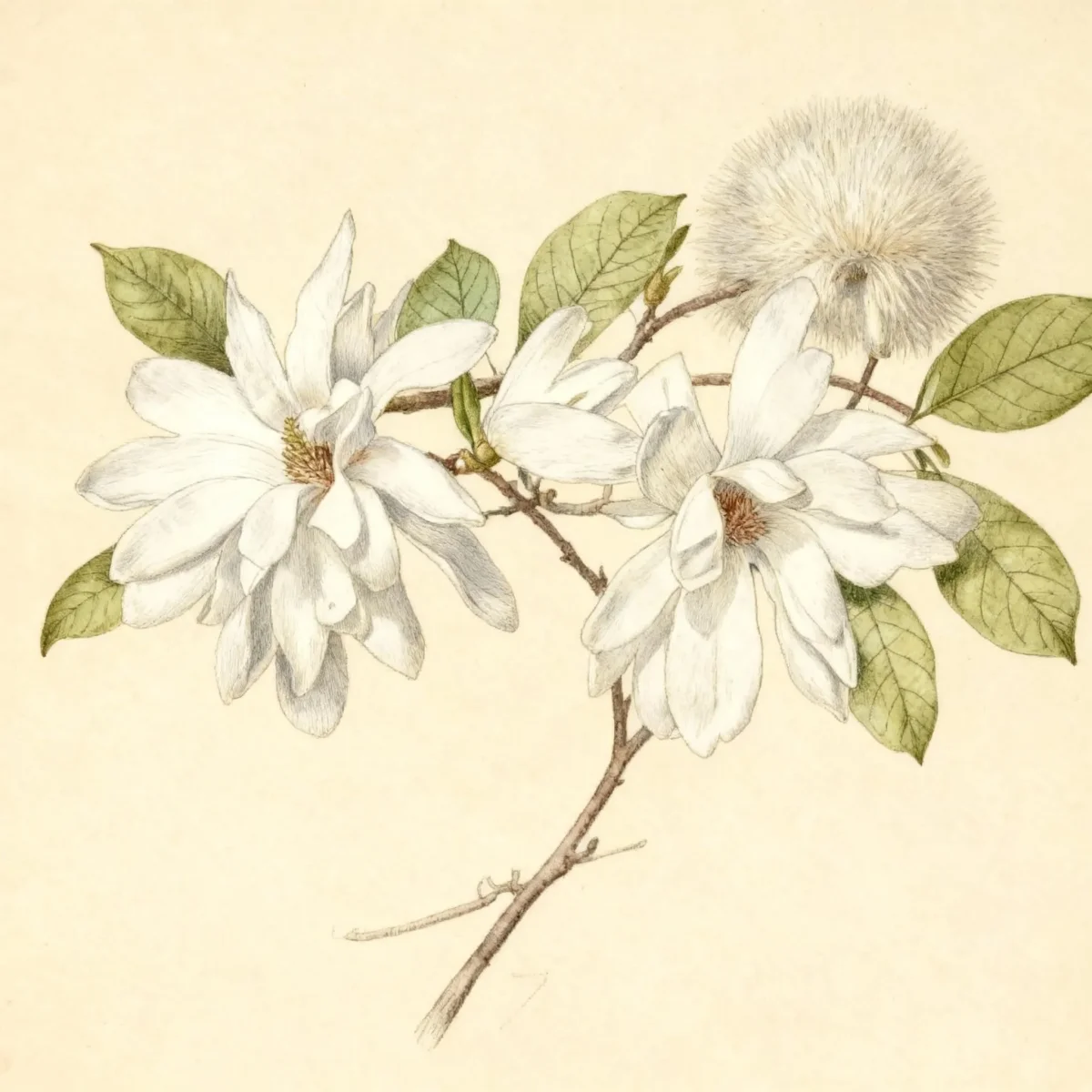
Magnolia (Magnolia × loebneri 'Merrill')
The stunning Magnolia × loebneri 'Merrill' is a vigorous, multi-stemmed tree offering showy, fragrant white blooms in early spring. Ideal for zones 5-9.
Scroll down to discover growing tips, care requirements, companion plants, and more
Complete Plant Information
Overview
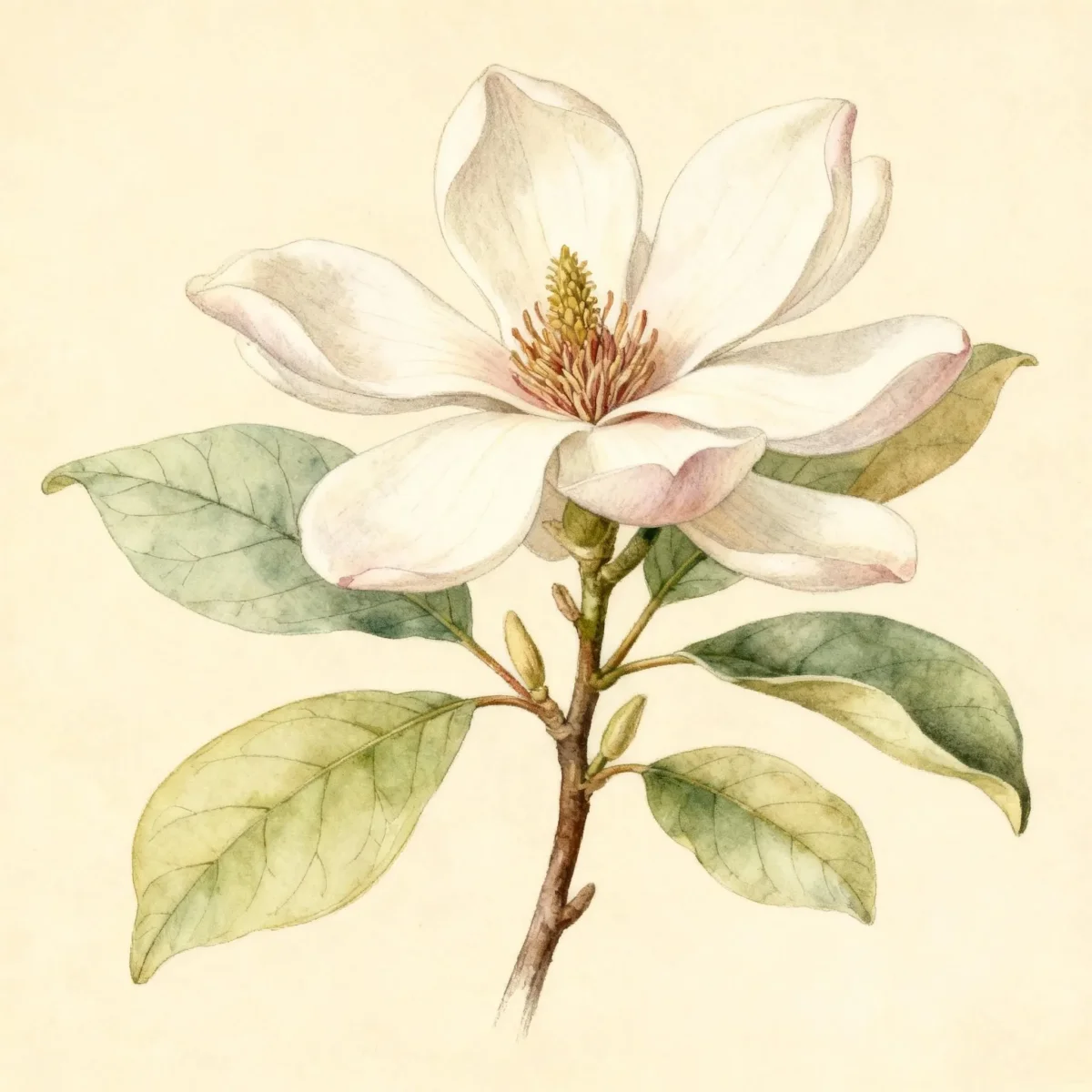
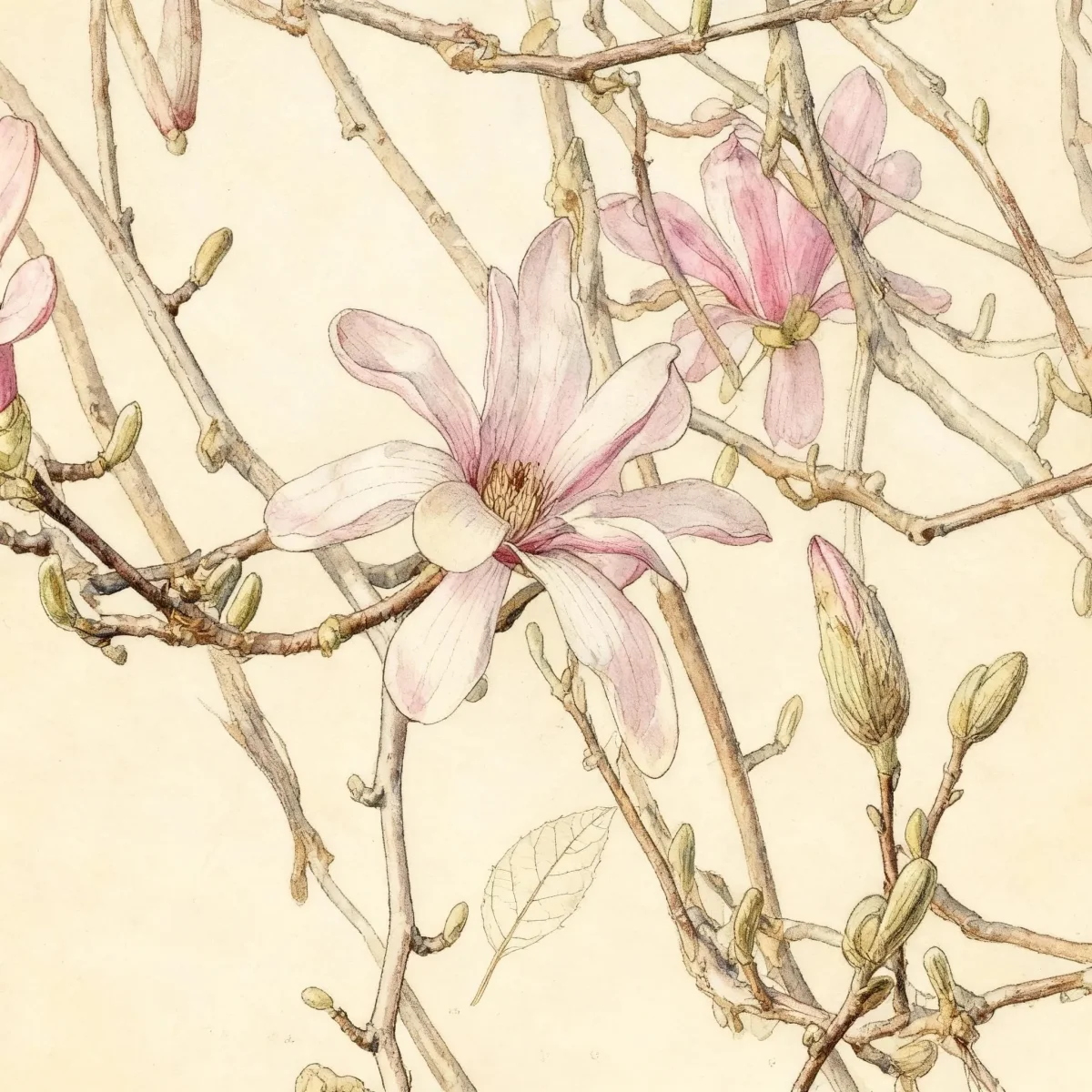
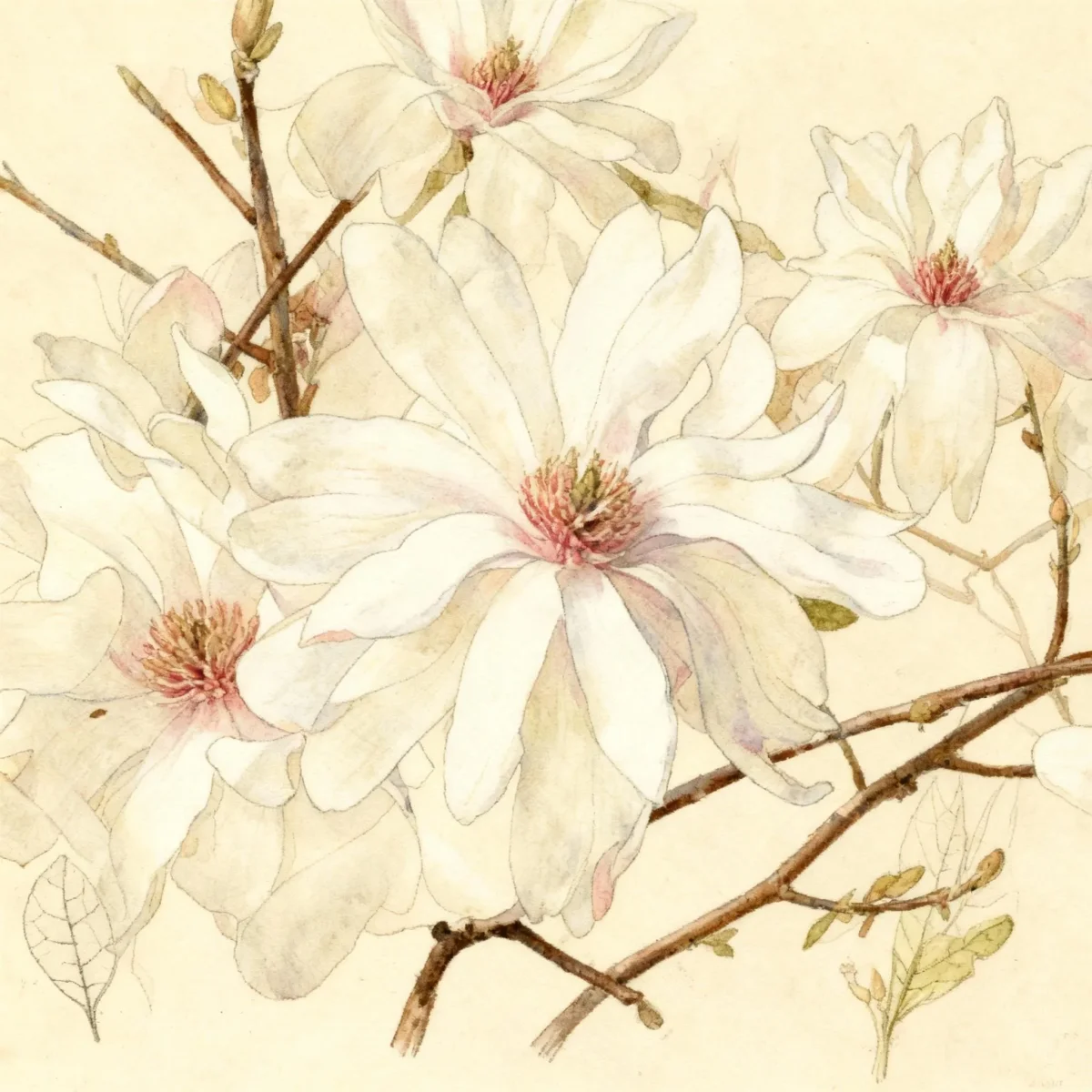
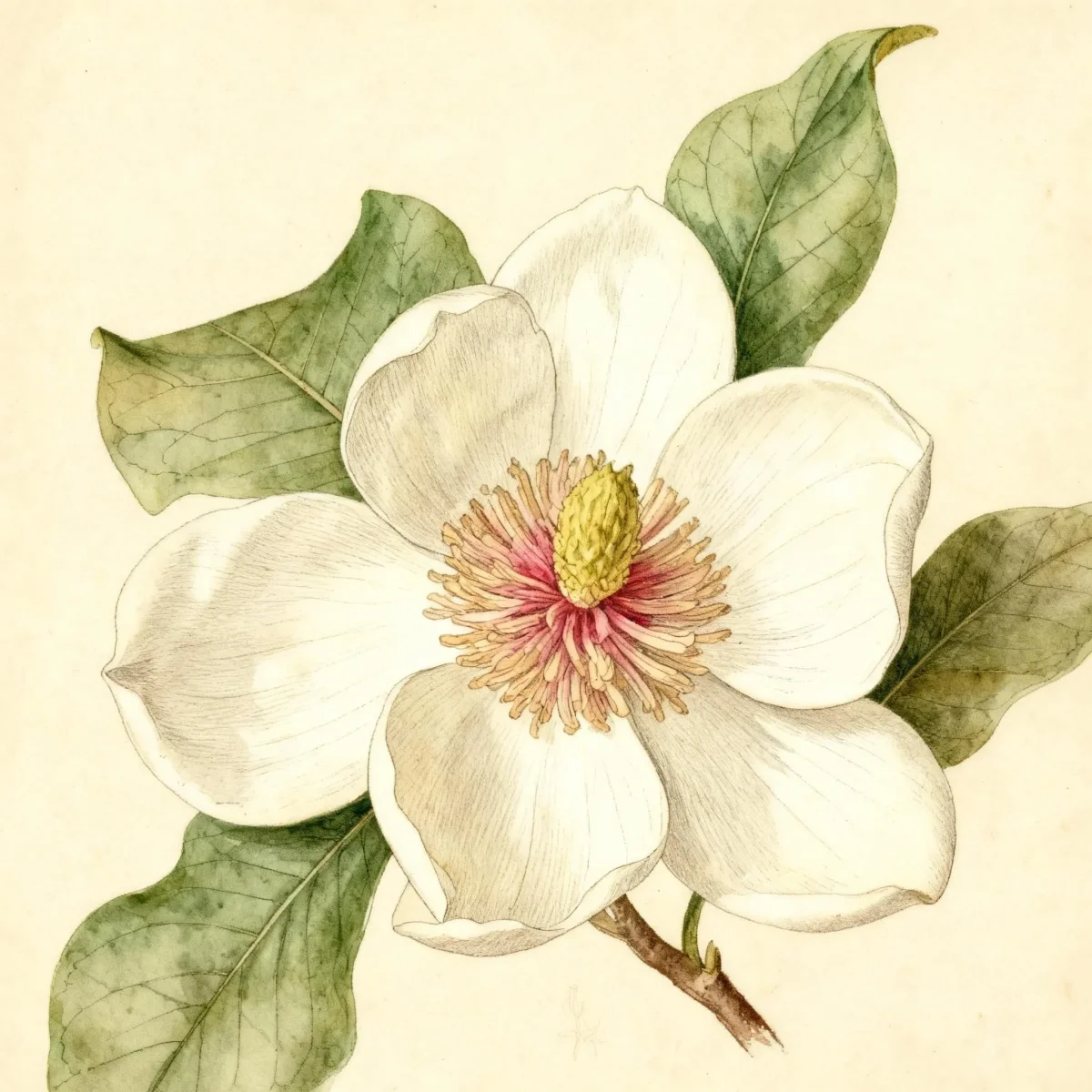
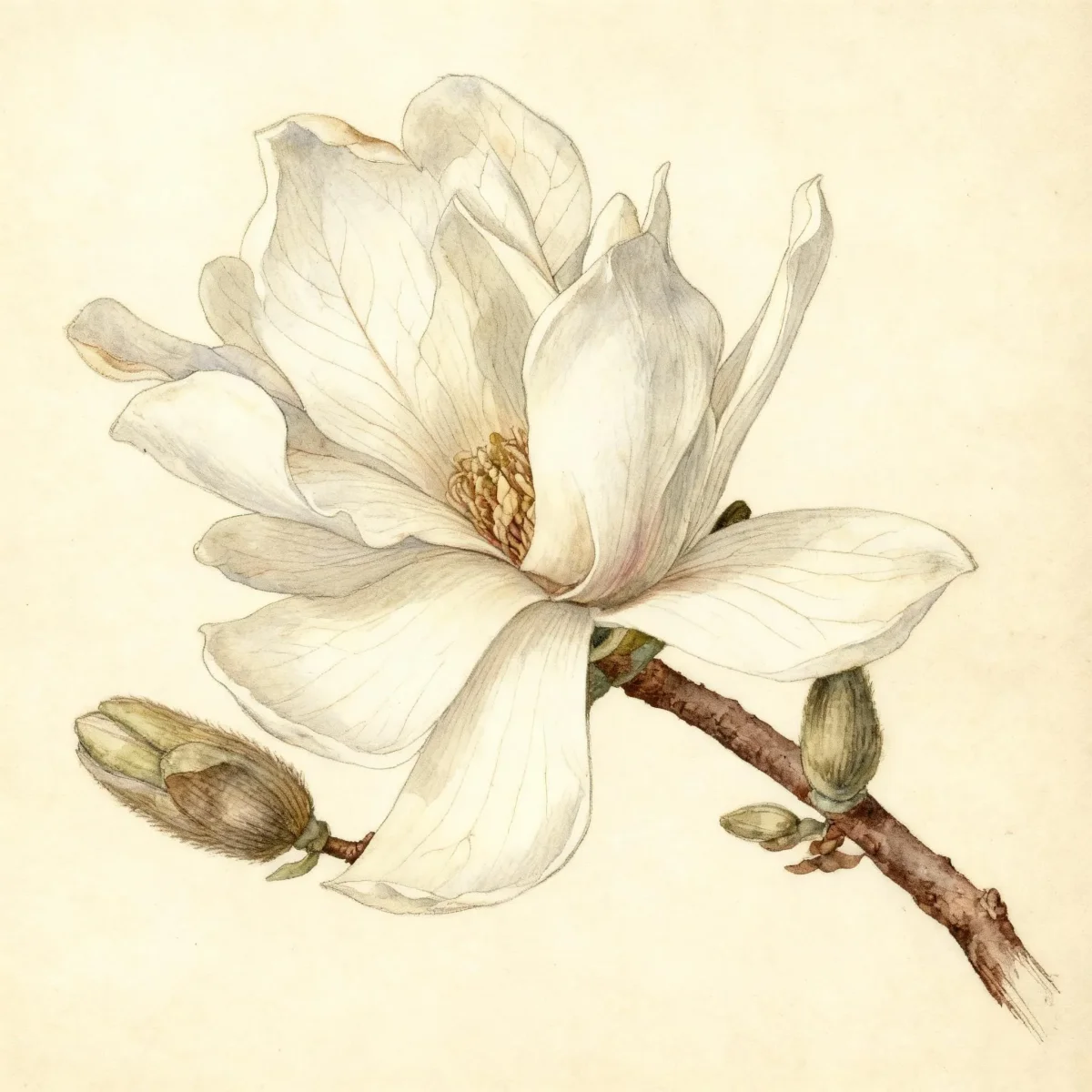
The deciduous hybrid Magnolia × loebneri ‘Merrill’ is highly valued for its spectacular early spring display before leaves emerge. This exceptional Magnolia cultivar produces abundant, star-like white flowers, often exhibiting a delicate pink blush, commanding attention in the landscape. It typically develops into an attractive, rounded crown, often favoring a multi-trunked form that adds architectural interest year-round.
Growing to a substantial size, this Magnolia requires committed space to reach its full potential as a Flowering Tree. While highly vigorous, gardeners must be mindful of its susceptibility to late spring frosts, which can damage the precious early blossoms. Siting this tree thoughtfully ensures maximum floral reward, making Magnolia × loebneri ‘Merrill’ a worthy investment for established gardens.
Fast Facts
- Plant Family: Magnoliaceae
- Plant Type: Tree
- Hardiness Zones: USDA Zones 5-9
- Size at Maturity:
- Height: 20-60 ft
- Spread: 20-45 ft
- Bloom Time: March to April
- Bloom Description: White with pink blush
- Sun Exposure: Full sun to part shade
- Water Needs: Medium
- Maintenance Level: Medium
How to Grow
Planting Magnolia × loebneri ‘Merrill’ should ideally occur in the cooler months, early spring or fall, allowing roots to establish before stressful summer heat. This Magnolia thrives best when situated in moist, organically rich, well-drained loams. Ensure the planting site offers full sun to partial shade, and critically, select a protected location to shield the early blooms from damaging late spring frosts.
Ongoing care focuses on maintaining consistent moisture; this tree is generally intolerant of dry extremes. Watering should be consistent, especially during establishment, as Magnolia × loebneri ‘Merrill’ prefers medium water needs and dislikes both drought and waterlogged soil. Soil improvement with organic matter at planting time helps retain necessary moisture and nutrients.
Maintenance is categorized as medium, largely due to the need for thoughtful siting and protection from frost. It may require several years (3-4) before the tree begins vigorous blooming. Since the species is intolerant of most urban pollutants, site it away from heavy traffic areas to ensure long-term health and performance of your Magnolia.
Landscape Uses
As an Excellent specimen tree for the lawn or shrub border, the Magnolia × loebneri ‘Merrill’ serves as a stunning focal point during its spring bloom. Its rounded canopy and substantial size make it perfect for anchoring larger garden spaces or providing structural balance near the periphery of a woodland area. Though it eventually grows large, its multi-trunk habit offers visual interest even when flowers are absent.
For cohesive design, pair Magnolia × loebneri ‘Merrill’ with late-spring or summer flowering shrubs and perennials that won’t compete for attention during its brief, essential bloom time. Consider underplanting with acid-loving groundcovers beneath the canopy once the tree has matured enough to cast significant shade.
Standout Features
Flower Qualities
- Showy
- Fragrant
- Good Cut
Noteworthy Characteristics
Magnolia × loebneri, commonly called Loebner magnolia, is a deciduous hybrid magnolia (M. Kobus × M. Stellata) noted for its vigorous flowering habit. This cultivar, ‘Merrill’, is recognized for its floriferous bloom of large white flowers blushed with pink, featuring 15 or more petals per bloom. Narrow, obovate, medium green leaves follow the flowers, which appear in early spring before the foliage emerges.
Tolerances
Potential Problems
The primary concern for any early-blooming spring tree like the Magnolia × loebneri ‘Merrill’ is the potential for late spring frost damage. Because flowering begins early (March to April), an unexpected cold snap can severely damage or destroy the developing buds and flowers. Plan your planting location carefully, seeking out areas that warm up slightly later or are naturally somewhat sheltered from severe, late frosts.
Frequently Asked Questions
What hardiness zones is Magnolia suitable for?
The Magnolia × loebneri ‘Merrill’ is rated for USDA Hardiness Zones 5 through 9, making it widely adaptable across much of the temperate United States.
How large does Magnolia × loebneri ‘Merrill’ grow?
This Magnolia typically reaches mature heights between 20 and 60 feet, with a corresponding spread of 20 to 45 feet, often growing wider than it is tall.
When does Magnolia bloom?
Magnolia × loebneri ‘Merrill’ comes into bloom early in the season, usually from March to April, showcasing its White with pink blush flowers before the leaves develop.
What sun exposure does Magnolia need?
For optimal flowering and health, Magnolia × loebneri ‘Merrill’ performs best when situated in Full sun to part shade.
Conclusion
The Magnolia × loebneri ‘Merrill’ remains a premier choice for gardeners seeking a breathtaking early spring display characterized by large, fragrant, white flowers. This vigorous hybrid Magnolia adds structure and significant seasonal impact to any landscape if provided with its preferred soil and protected growing conditions. Before planting, verify your local hardiness zone compatibility and plan for a location that minimizes the threat of frost damage to ensure years of spectacular blooms.
Companion Planting
Selecting appropriate companions helps manage the soil conditions favored by the Magnolia × loebneri ‘Merrill’. Since this tree prefers moist, organically rich, well-drained loams, low-growing perennials that also appreciate consistent moisture are excellent choices. Consider companion plantings like Hellebores (Lenten Rose), which bloom concurrently or slightly earlier, providing ground cover interest through the spring transition.
As the Magnolia matures, its roots can become dense, so avoid aggressive shallow-rooted companions nearby. Instead, place plants that tolerate the dappled shade developing under the canopy, such as Astilbe or Hostas, ensuring they do not compete heavily for surface moisture, which is critical for the tree itself.
Seasonal Care Calendar
Early spring is crucial for the Magnolia × loebneri ‘Merrill’ as it enters its bloom window. Protect developing flower buds from hard frosts if possible, perhaps by draping sensitive specimens temporarily during predicted temperature drops. Once flowering concludes, apply a slow-release fertilizer formulated for acid-loving trees around the drip line if necessary to support vegetative growth.
Summer is the time to monitor moisture levels, especially in hotter, drier climates. Apply a thick layer of organic mulch annually around the base, keeping it pulled away from the trunk flare, to conserve soil moisture and moderate soil temperatures—key factors for a happy Magnolia. Summer pruning should be limited to removing only dead or broken branches to maintain the natural structure.