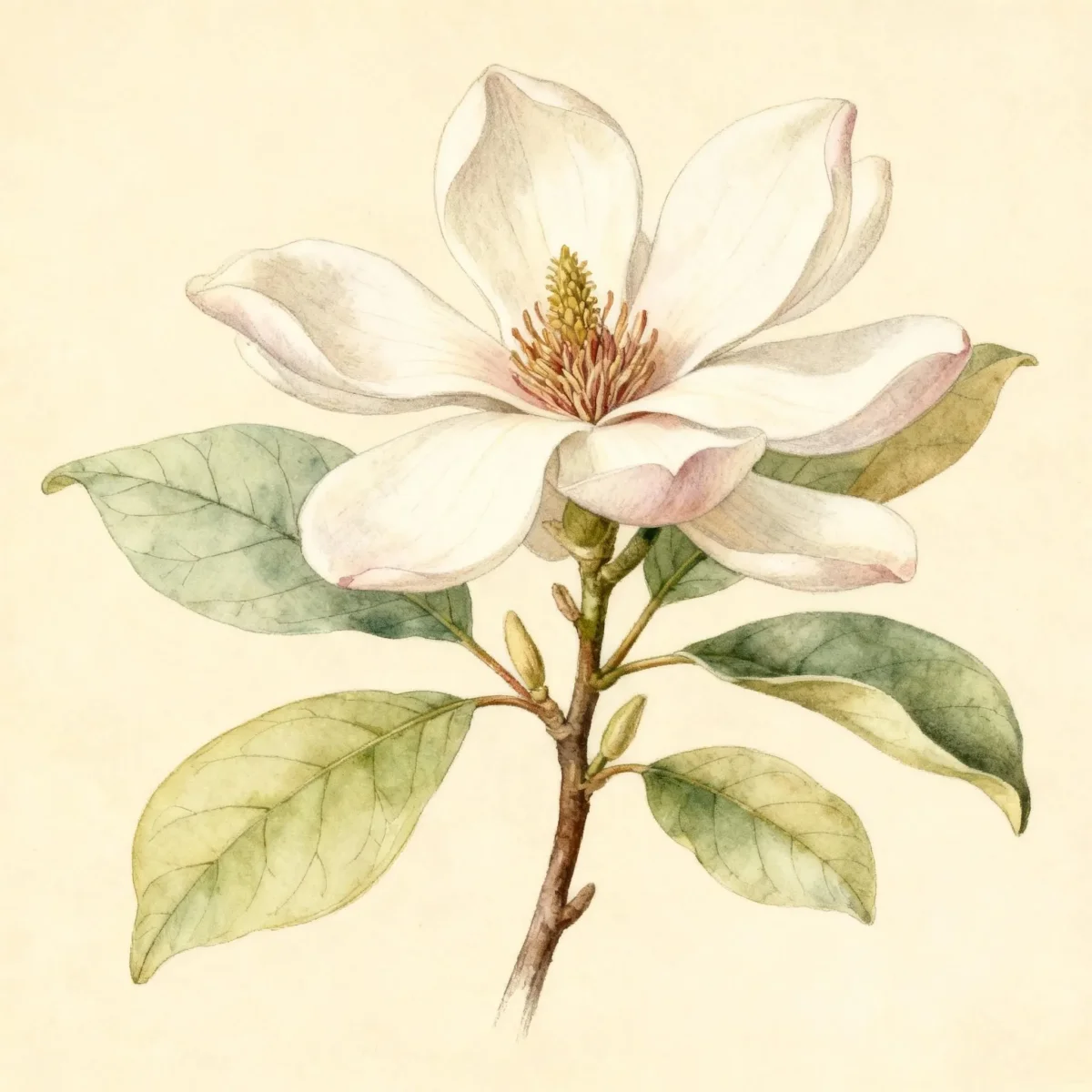
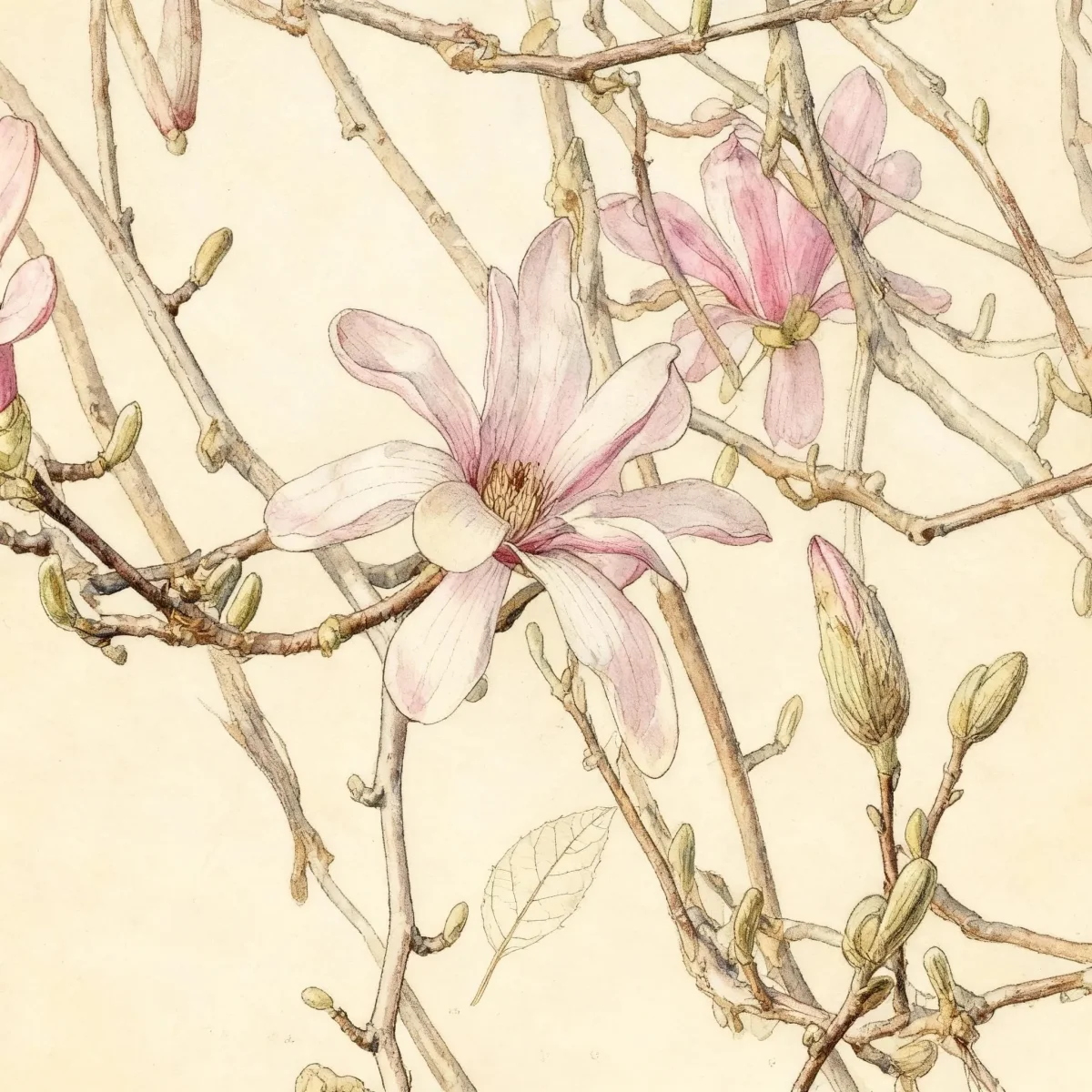
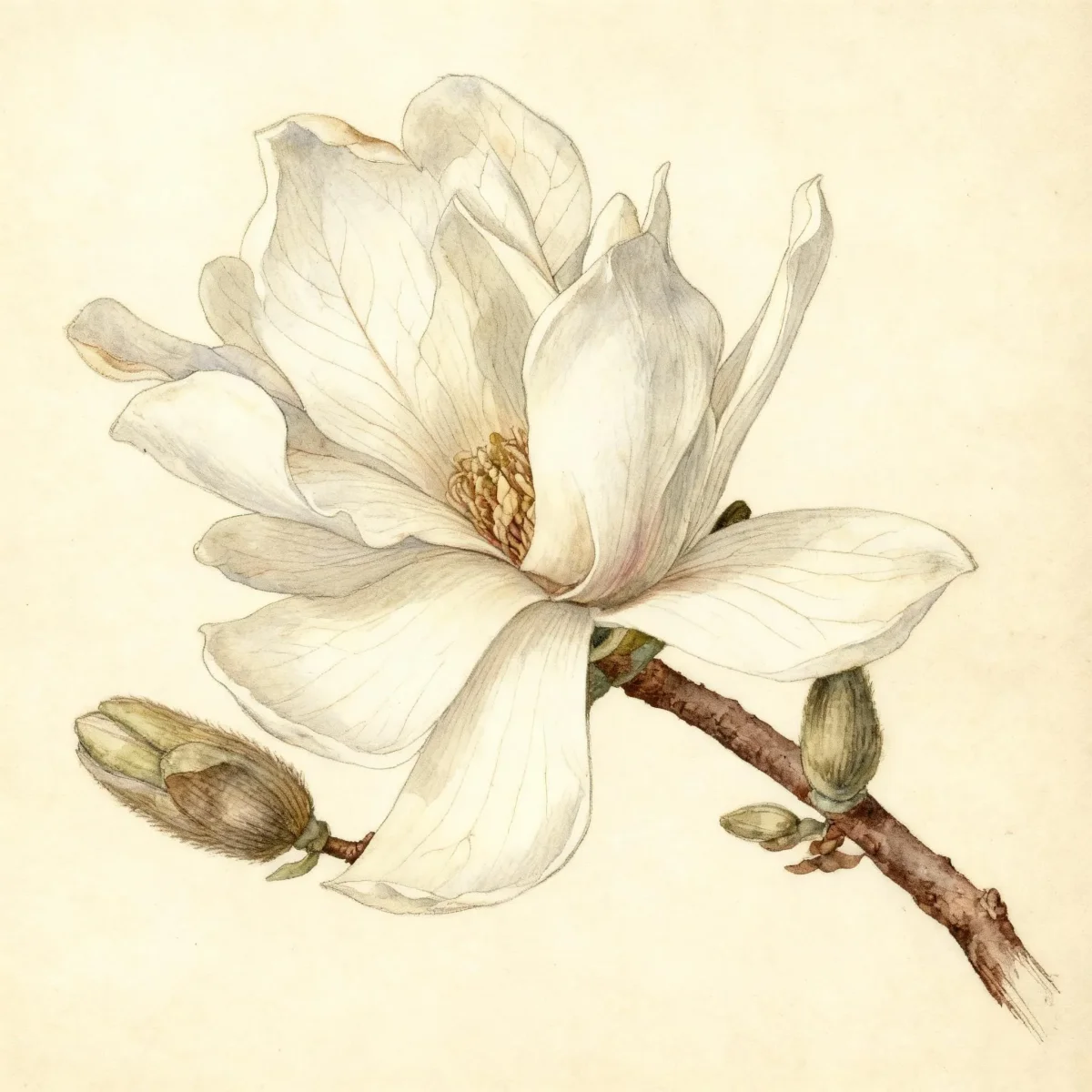
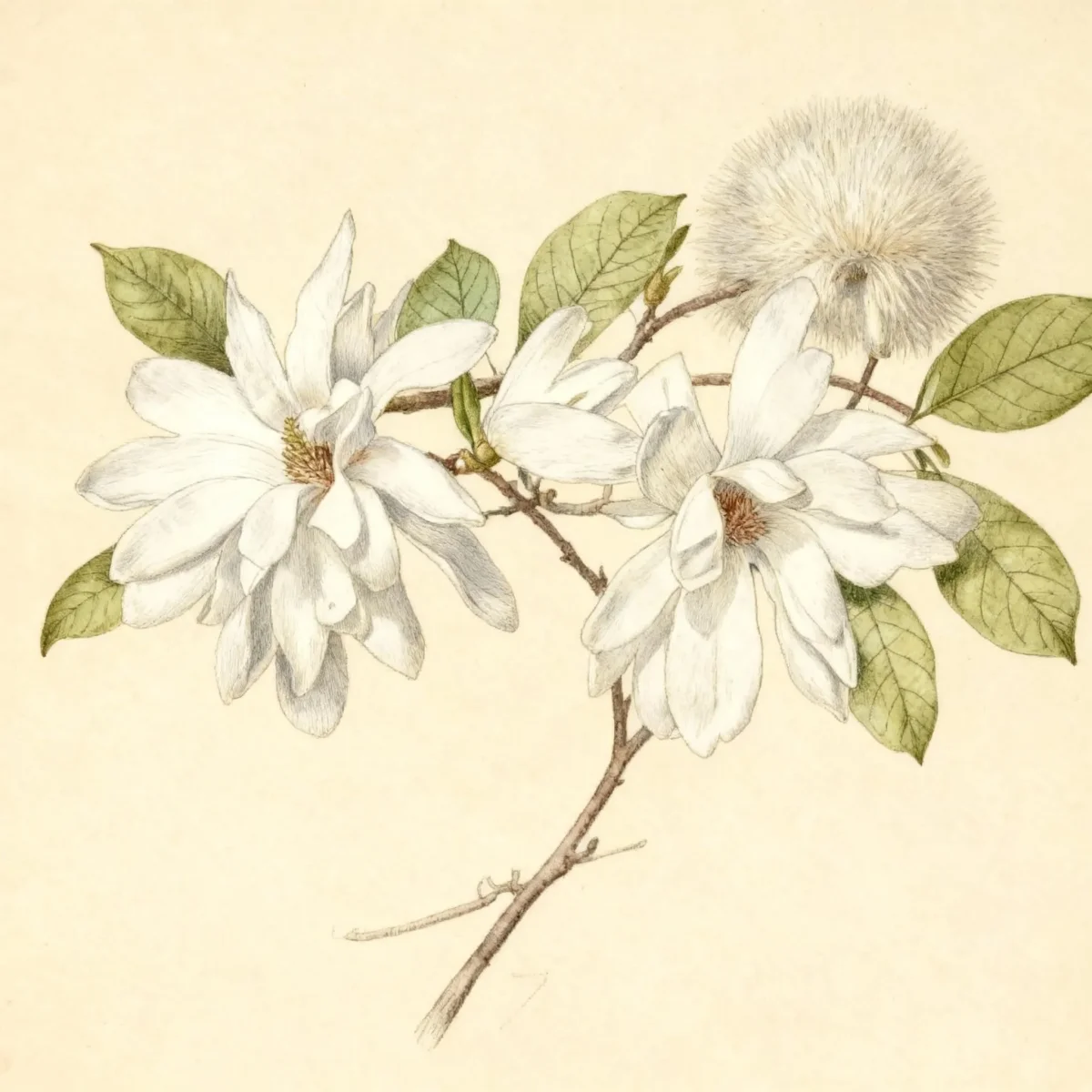
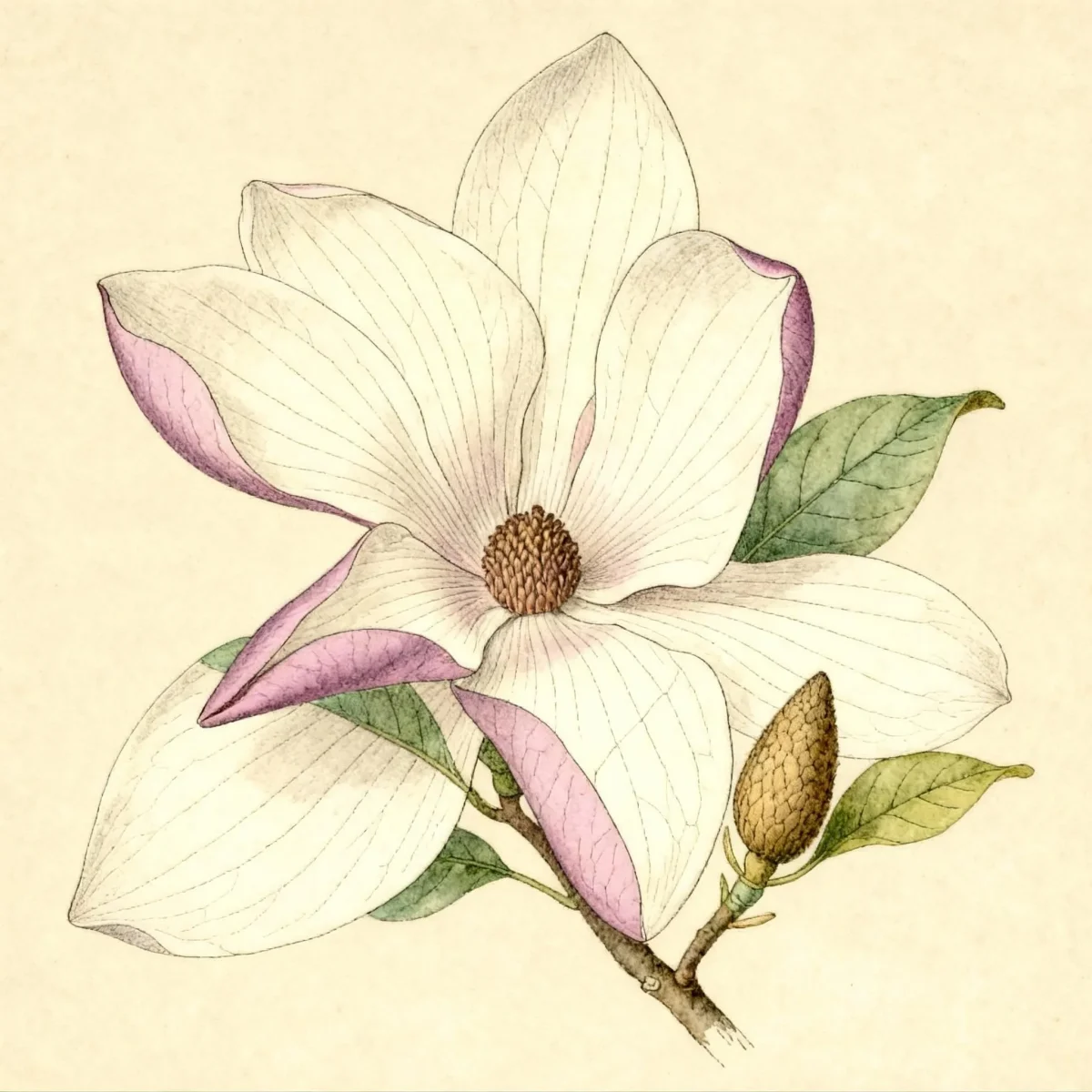
Magnolia (Magnolia × loebneri 'Spring Joy')
Magnolia × loebneri 'Spring Joy' exhibits highly fragrant, showy white flowers in early spring. A medium-sized deciduous tree, this Magnolia thrives in USDA Zones 4-8.
Scroll down to discover growing tips, care requirements, companion plants, and more
Complete Plant Information
Overview
The Magnolia × loebneri ‘Spring Joy’ is a prized deciduous hybrid, valued by gardeners for its spectacular early spring display of starry, fragrant blossoms before the leaves emerge. As a variety of Loebner magnolia, it combines the resilience of its parent species to create a manageable specimen tree perfect for smaller landscapes. This particular Magnolia cultivar offers a refined, rounded canopy, making it a standout feature plant against any backdrop.
Growing successfully requires attention to soil texture and protection from late frost, as the early blooms are susceptible to damage. Generally reaching heights between 20 and 30 feet, the structure of Magnolia × loebneri ‘Spring Joy’ is often multi-trunked, lending a graceful, shrub-like appearance as it matures. Its aesthetic appeal—fragrant flowers followed by interesting summer fruit (though often sporadic)—makes it a rewarding addition to the garden.
This Magnolia hybrid excels as an accent tree where its seasonal performance can be fully appreciated. Gardeners planting Magnolia × loebneri ‘Spring Joy’ should ensure it has medium water availability and rich, well-drained soil to support its growth over the initial years before it begins flowering reliably.
Fast Facts
- Plant Family: Magnoliaceae
- Plant Type: Tree
- Hardiness Zones: USDA Zones 4-8
- Size at Maturity:
- Height: 20-30 ft
- Spread: 25-35 ft
- Bloom Time: March to April
- Bloom Description: White sometimes flushed with pink
- Sun Exposure: Full sun to part shade
- Water Needs: Medium
- Maintenance Level: Medium
How to Grow
Planting the Magnolia × loebneri ‘Spring Joy’ is best achieved in early spring or fall, allowing the roots time to establish before summer or winter stress. Choose a location that provides full sun, though afternoon shade is tolerated, ensuring the soil is moist, organically rich, and critically, well-drained loam. Because this Magnolia is slightly intolerant of soil extremes—both too dry and too wet—amending heavy clay soils with compost is often necessary for success.
Ongoing care involves maintaining consistent moisture levels; aim for medium watering, especially during establishment and dry periods. Avoid planting in areas subject to high urban pollution or intense winds. A very practical consideration for new owners is patience, as it may take three to four years before you see the signature blooms appear for the first time.
Site this tree carefully to protect its early blossoms from late spring frosts, which pose the primary cultural risk to flower development. Pruning should be minimal, focusing only on removing crossing or damaged branches, as Magnolias generally do not require heavy shaping. Its slow growth habit means intense feeding is usually unnecessary if planted in adequate, rich soil.
Landscape Uses
The Magnolia × loebneri ‘Spring Joy’ is primarily employed as a magnificent flowering tree, serving as an exceptional specimen plant for focal points in a lawn setting. Its spreading, rounded crown provides excellent structure, even in winter, making it valuable year-round. It also works beautifully positioned near the periphery of woodland gardens where it can benefit from dappled shade and protection.
Consider using this mid-sized Magnolia as a transition point between forested areas and open garden beds. Because its root system prefers rich soil, companion plantings should include other acid-loving, shade-tolerant perennials or shrubs such as rhododendrons, azaleas, or hostas, which utilize similar soil conditions. Avoid planting where lawn mowers frequently bump the base, as damage to the collar can invite disease on your valuable Magnolia.
Standout Features
Flower Qualities
- Showy
- Fragrant
- Good Cut
Noteworthy Characteristics
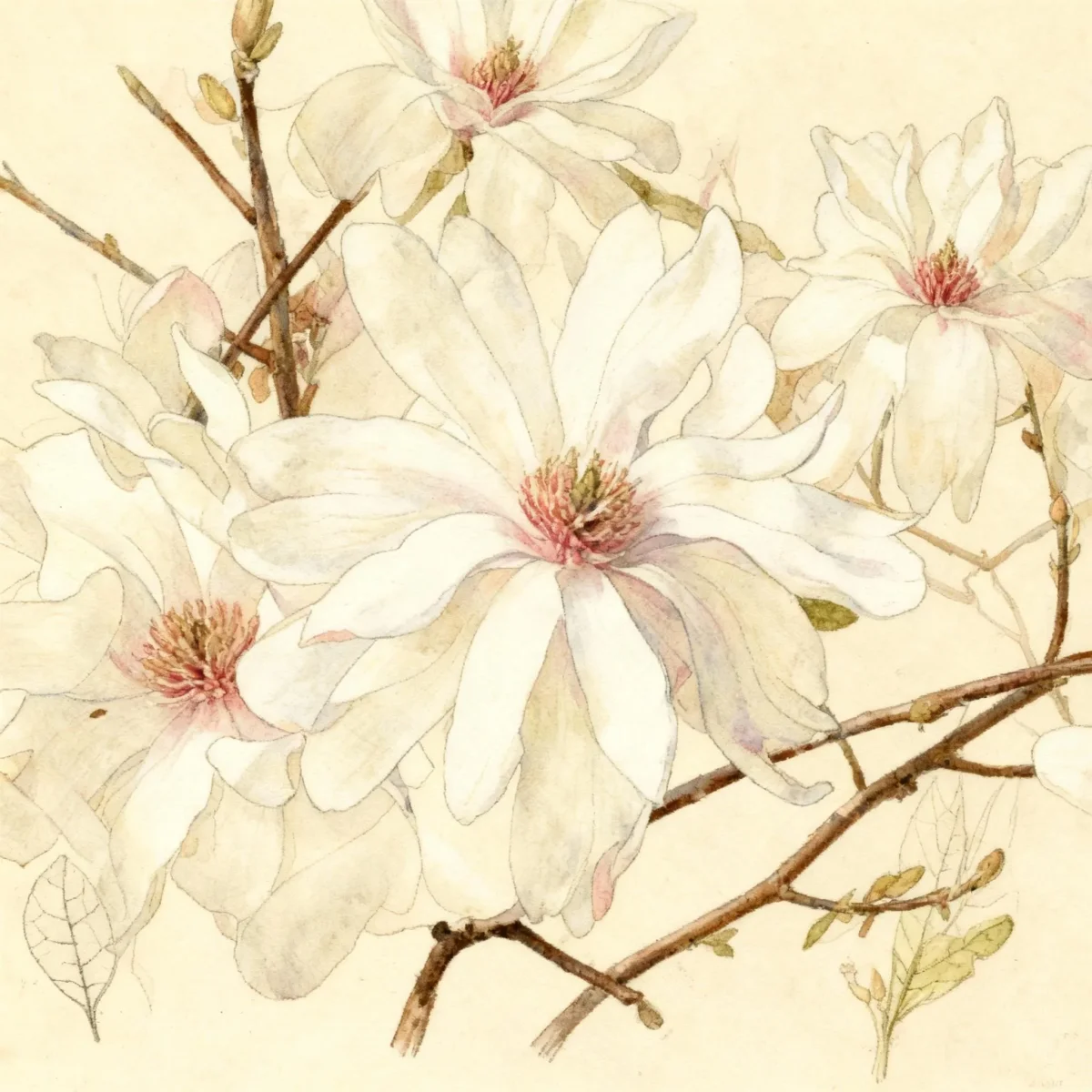
Magnolia × loebneri, commonly called Loebner magnolia, is a deciduous hybrid magnolia (M. Kobus × M. Stellata). It is a small tree typically growing to 20-30’ tall with a rounded crown, often grown in a multi-trunked form. Fragrant star-like white flowers (4-6” wide) with 10-15 petals appear in early spring before the foliage. ‘Spring Joy’ specifically features around 12 petals, creating showy, fragrant white flowers up to 6 inches in diameter, sometimes blushed with pink.
Tolerances
This list section is intentionally omitted as the source data for tolerances was null or empty.
Potential Problems
The most significant threat to the enjoyment of your Magnolia × loebneri ‘Spring Joy’ is late spring frost. Because this hybrid is an early bloomer, if a hard frost follows the initial warmth that triggers bud break, the delicate flowers can be severely damaged or killed outright.
Management relies heavily on site selection; plant your Magnolia in a location that offers some protection from severe temperature swings, possibly near the edge of a structure or in a spot sheltered from harsh prevailing winds. Avoid disturbing the soil around the root zone late in winter, as this can sometimes encourage premature budding.
Frequently Asked Questions
What hardiness zones is Magnolia × loebneri ‘Spring Joy’ suitable for?
This beautiful Magnolia is reliably hardy across USDA Zones 4 through 8, offering flexibility for many temperate gardens.
How large does Magnolia × loebneri ‘Spring Joy’ grow?
At maturity, this tree typically reaches a height of 20 to 30 feet, with a spread ranging from 25 to 35 feet, maintaining a rounded crown.
When does Magnolia × loebneri ‘Spring Joy’ bloom?
The abundant flowering period occurs predictably in early spring, generally from March to April, featuring striking white blooms sometimes flushed with soft pink.
What sun exposure does Magnolia × loebneri ‘Spring Joy’ need?
To ensure the best flowering performance and dense foliage, site this tree where it receives full sun to light part shade exposure.
Conclusion
The Magnolia × loebneri ‘Spring Joy’ provides an unmatched, fragrant performance early in the season, making it a superior choice for a specimen tree in USDA Zones 4-8. Understanding its moderate maintenance needs, particularly regarding soil drainage and frost protection, is key to its long-term success. Plan your planting sites now to fully enjoy the showy white blossoms of your new Magnolia next spring.
Companion Planting
Selecting suitable partners for Magnolia × loebneri ‘Spring Joy’ enhances its display while respecting its cultural needs for rich, slightly acidic, moist soil. Groundcovers that thrive in partial shade, such as Hosta varieties with blue or chartreuse foliage, offer contrasting texture beneath the canopy. Consider planting early spring bulbs like daffodils or snowdrops around the base, as they bloom before the tree’s foliage fully develops, minimizing competition.
For taller companions, try evergreen shrubs that provide winter screening without overwhelming the size of the Magnolia. Rhododendrons and certain Japanese maples (for their delicate leaf structure) often share the same preference for organically rich, well-drained loams, establishing a harmonious woodland margin planting scheme.
Seasonal Care Calendar
Spring care focuses heavily on bloom protection; monitor late frost forecasts and be prepared to offer temporary covering if necessary after buds swell. Post-bloom, the plant transitions to foliage production, requiring deep, slow watering if spring rains are insufficient to meet its medium water needs.
Summer is the primary growing season for root development; ensure soil remains consistently moist but never waterlogged to support the structure of the Magnolia. Minimal pruning should be done immediately following flowering to avoid removing next year’s potential buds.
Autumn preparation involves slow reduction of fertilizer applications and ensuring deep watering before the ground freezes solid. This helps prepare the young wood for winter dormancy, increasing the cold hardiness of your Magnolia × loebneri ‘Spring Joy’.