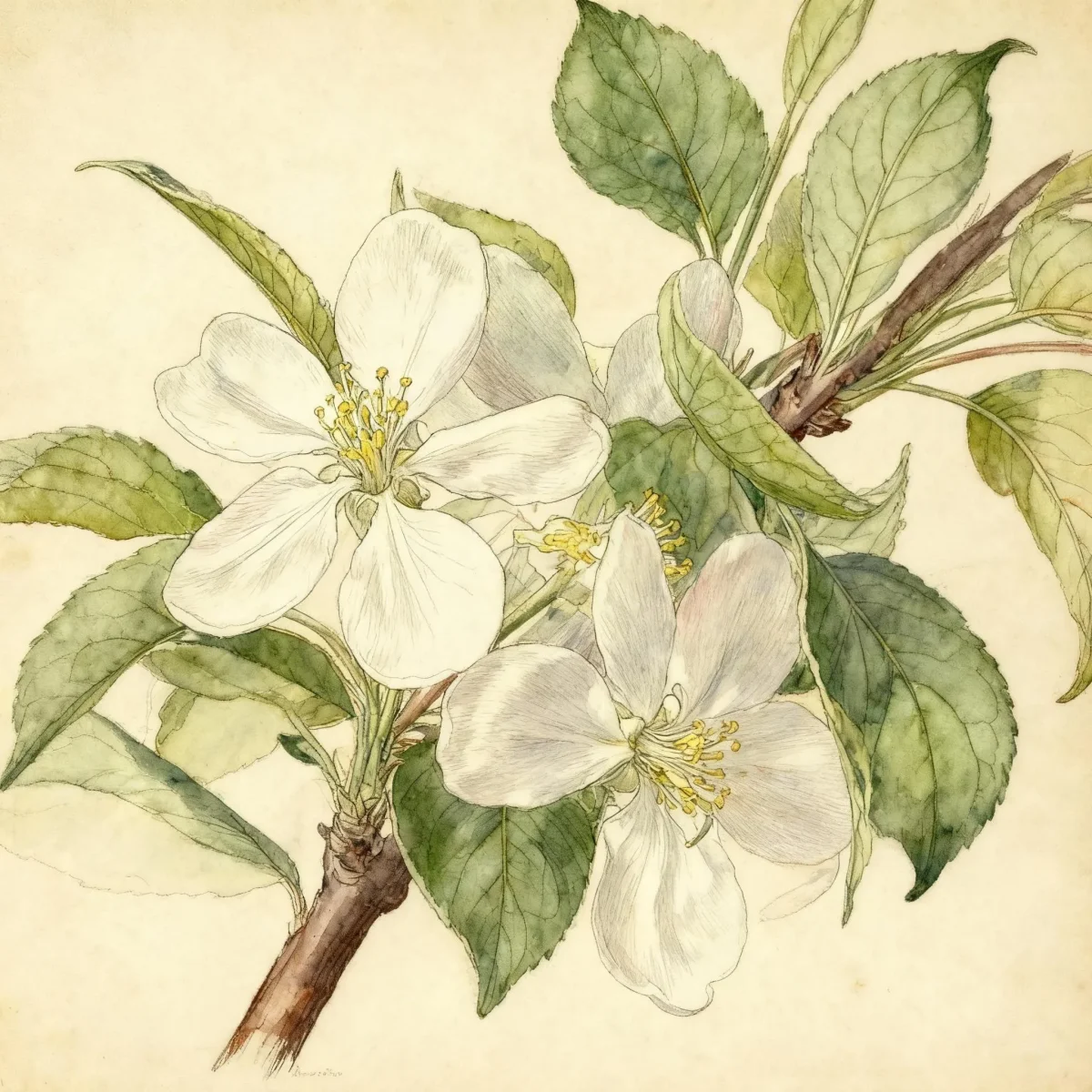
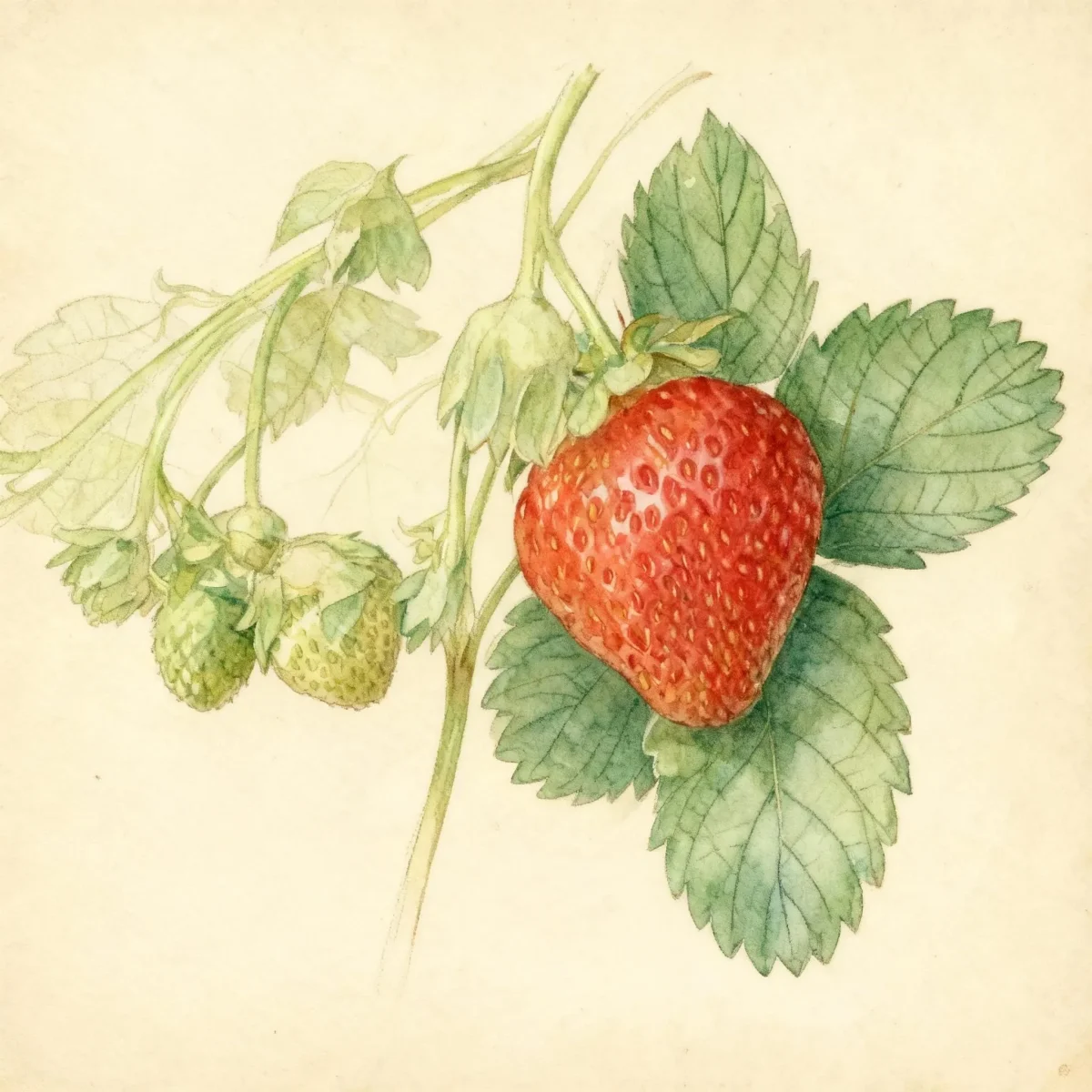
Semi-dwarf apple (Malus 'Braeburn')
The Malus 'Braeburn', a popular semi-dwarf apple, offers showy, fragrant blooms followed by high-quality edible fruit.
Scroll down to discover growing tips, care requirements, companion plants, and more
Complete Plant Information
Overview
The Malus ‘Braeburn’ is a celebrated cultivar prized primarily for its excellent, high-quality fruit production upon a manageable tree structure. As a semi-dwarf apple, it is grafted onto rootstock that restricts the mature size, making management tasks like pruning and harvesting significantly easier for the home gardener than standard varieties. This careful sizing ensures that even in small yards, growers can enjoy abundant harvests.
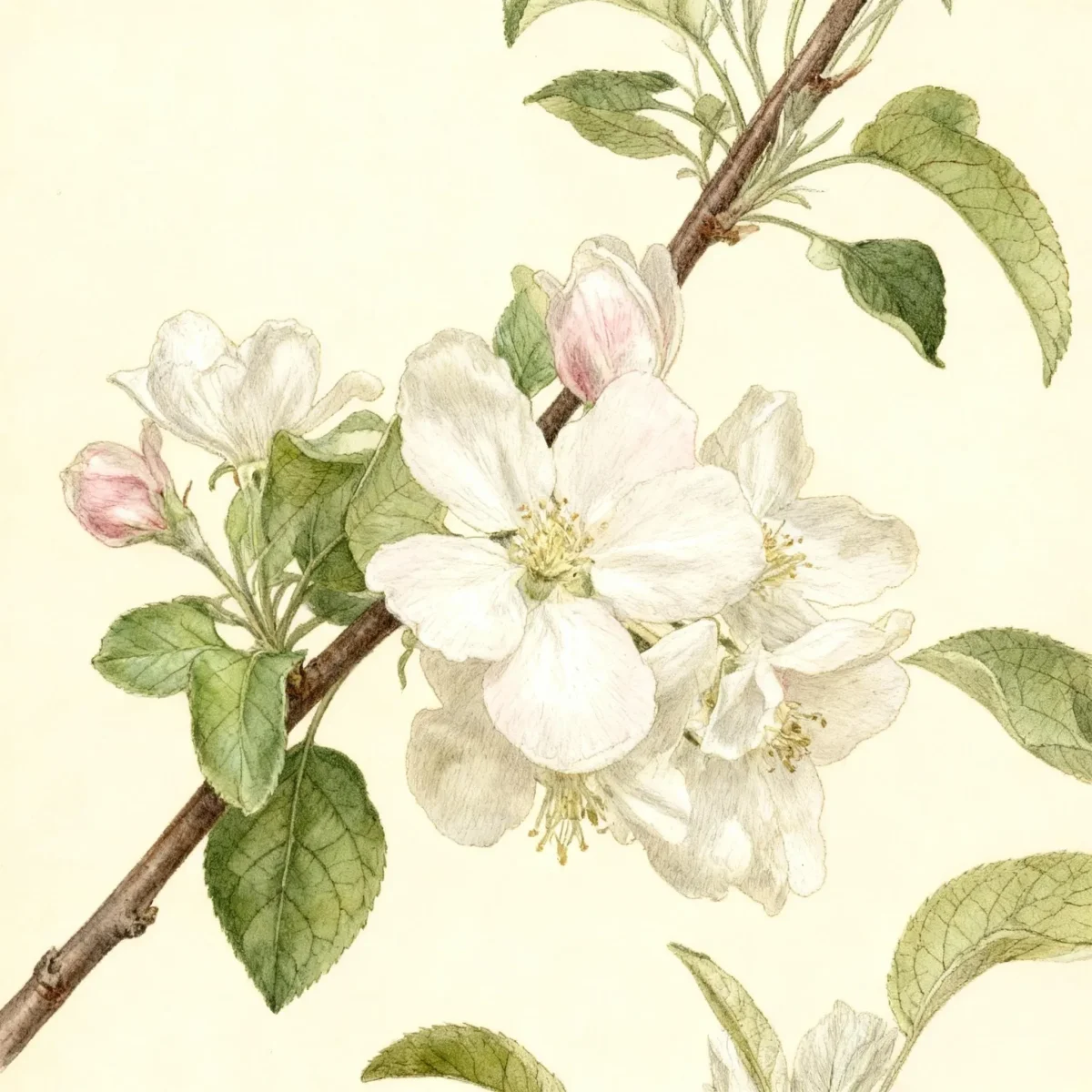
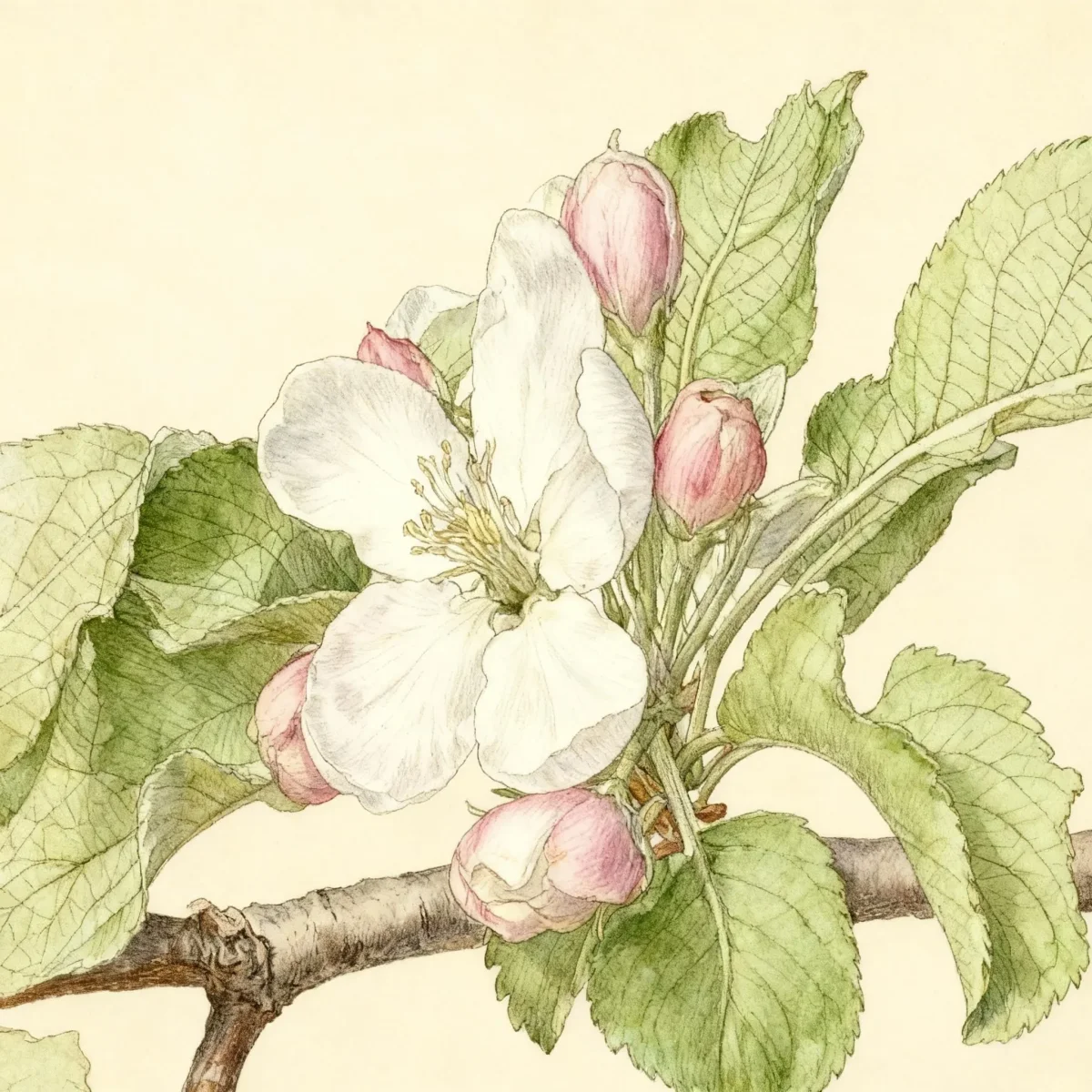
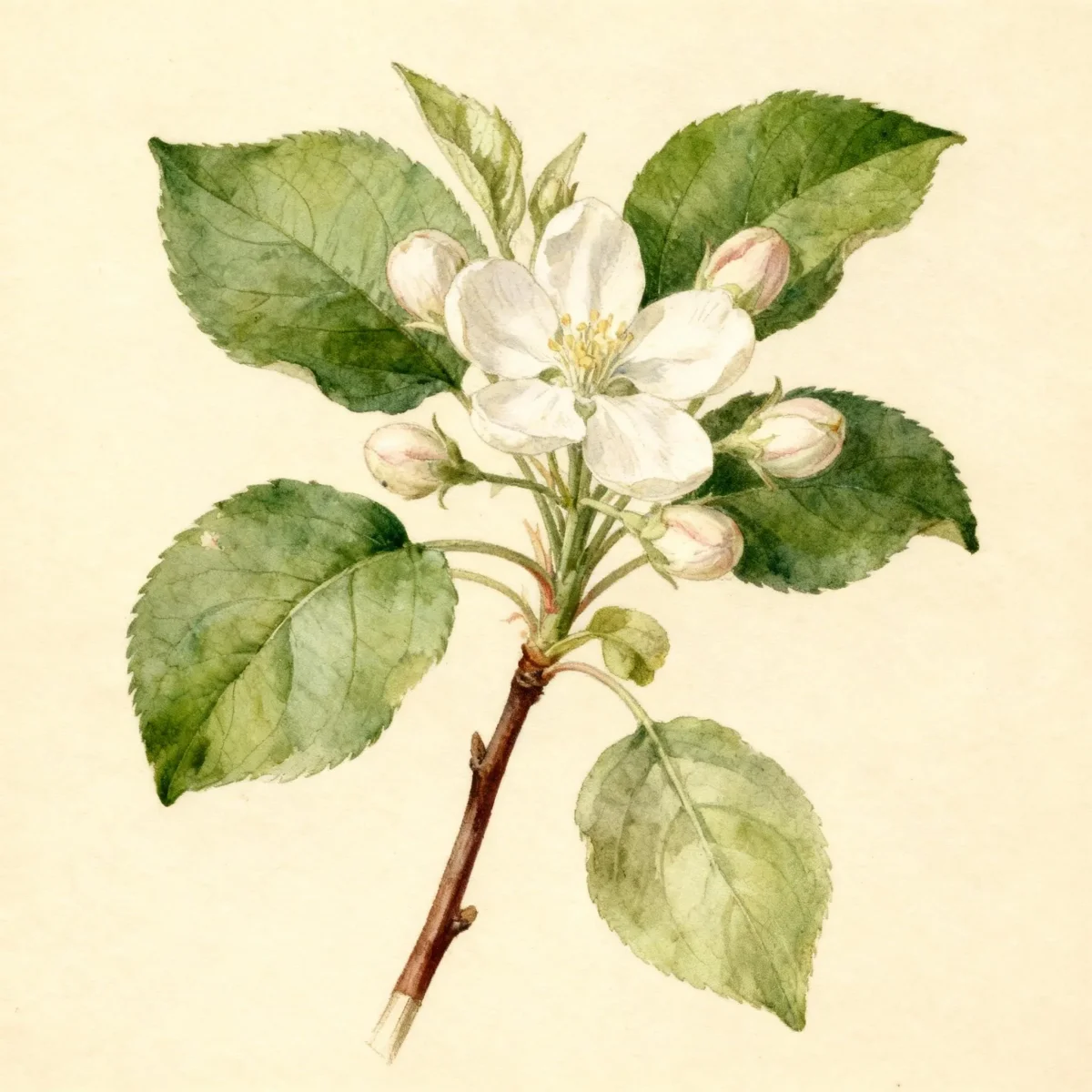
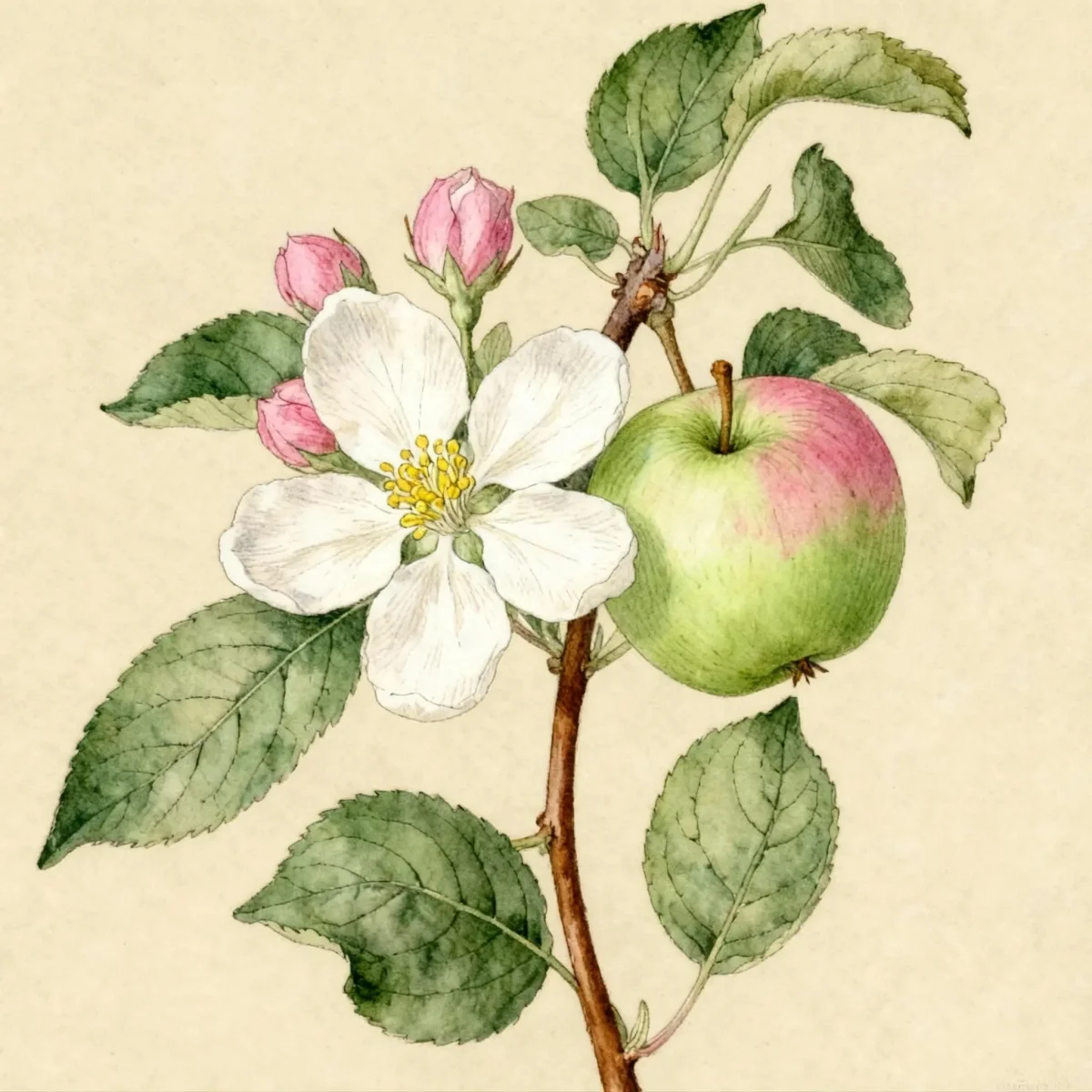
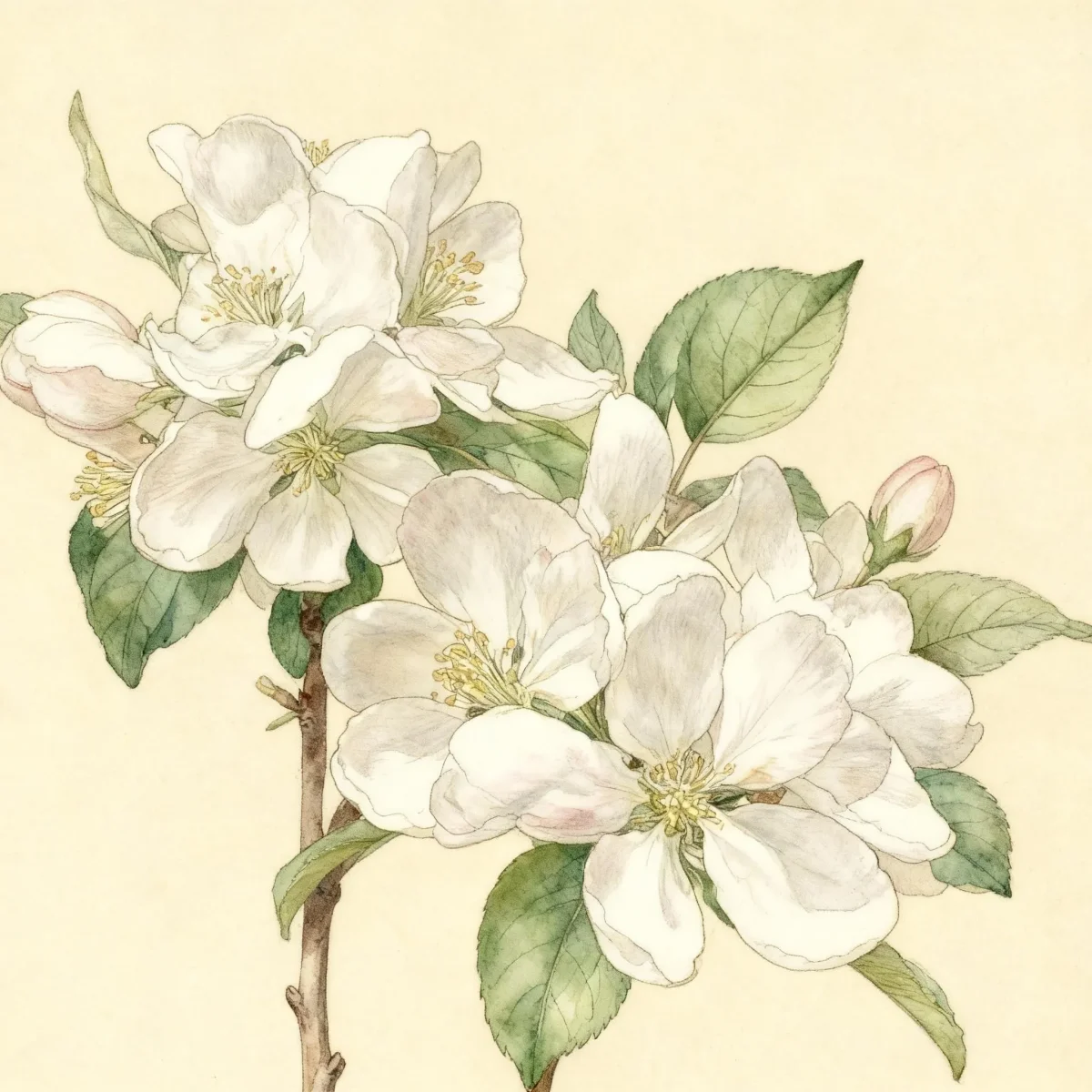
The aesthetic appeal of this fruit tree is enhanced by its spring display of white blossoms, which are noted for being both showy and fragrant. The Malus ‘Braeburn’ provides structural interest throughout the year, transitioning from spring blooms to substantial red apples ready for harvest in mid-October in suitable climates.
For optimal performance, the semi-dwarf apple requires dedication, evidenced by its high maintenance rating. Success hinges on providing full sun and careful soil management, ensuring this popular cultivar rewards your efforts with flavorful output and seasonal beauty.
Fast Facts
- Plant Family: Rosaceae
- Plant Type: Fruit
- Hardiness Zones: USDA Zones 5-8
- Size at Maturity:
- Height: 12-15 ft
- Spread: 12-15 ft
- Bloom Time: May
- Bloom Description: White
- Sun Exposure: Full sun
- Water Needs: Medium
- Maintenance Level: High
How to Grow
For best results, plant the Malus ‘Braeburn’ during the dormant season, generally late fall or early spring, allowing the roots time to establish before heavy fruiting demand begins. This variety thrives in deep, loamy, moderately fertile, slightly acidic, well-drained soils. Critical to fruit production is ample sunlight; ensure the planting location receives full sun daily, as dappled shade will severely limit both flower and fruit set.
Watering needs are medium. Maintain consistent moisture, especially during dry periods and when the tree is developing its crop, but avoid areas where water pools. Soil drainage is paramount; heavy clay soils that retain too much moisture should be amended or avoided entirely, as poor drainage stresses the root system. The need for soil fertility is often greater on more dwarfing rootstocks used for this semi-dwarf apple.
Because apple cultivars require cross-pollination, you must plant at least one other compatible apple variety nearby to ensure the best possible fruit yield. High maintenance includes diligent monitoring for common fruit tree ailments. Good cultural practices, including proper pruning aimed at maintaining an open structure for light penetration, are essential preventative measures against diseases like apple scab and powdery mildew.
Landscape Uses
While the primary goal for growing Malus ‘Braeburn’ is fruit production, its ornamental value should not be overlooked. Grouping this semi-dwarf apple in a sunny location alongside other apple varieties creates an impactful spring display of white blossoms that scent the air. The promise of edible fruit adds significant function to its form.
As the tree reaches its mature size of 12 to 15 feet spread, it functions beautifully as a specimen tree in a medium-sized yard or as a vibrant feature near outdoor living spaces where its seasonal changes can be appreciated. Its height makes it too substantial for most small foundation plantings, but perfect for orchard plantings or layered borders.
When planning companions, select plants that also prefer full sun and similar soil pH, such as spring bulbs underneath or low-growing, ornamental grasses around the drip line that won’t compete excessively for surface nutrients. The fall color provided by the ripening red fruit adds striking contrast months after the spring flowers have faded.
Standout Features
Flower Qualities
- Showy
- Fragrant
Fruit Qualities
- Showy
- Edible
Noteworthy Characteristics
Malus is a genus of about 35 species of deciduous trees and shrubs native to Europe, Asia, and North America; edible apple cultivars are almost always grafted onto size-controlling rootstocks. The Malus ‘Braeburn’ is a popular cultivar, and when grafted to a semi-dwarf apple rootstock, it is restricted to a more manageable 12 to 15 feet tall. This tree produces large, appealing red apples with a balanced flavor that typically ripen around mid-October in USDA Zone 5 environments.
Tolerances
- Air Pollution
Potential Problems
The Malus ‘Braeburn’ cultivar faces several notable disease pressures that require proactive management. It is susceptible to common fungal issues including cedar apple rust, apple scab, and powdery mildew. Furthermore, growers should be highly vigilant regarding fire blight, to which this variety shows very high susceptibility.
Insect pests are also a regular concern for apple growers. Watch closely for infestations of aphids, maggots, codling moth, plum curculio, and spider mites throughout the growing season.
Successful cultivation of this semi-dwarf apple relies heavily on adopting excellent cultural hygiene. Regular inspection, proper pruning to improve air circulation, and timely application of protective sprays—as needed to maintain tree health and fruit quality—are essential components of the high maintenance required for Malus ‘Braeburn’.
Frequently Asked Questions
What hardiness zones is Semi-dwarf apple suitable for?
The Malus ‘Braeburn’ is reliably hardy in USDA Zones 5 through 8. Gardeners outside this range should consider using protective winter measures or selecting a different cultivar.
How large does Malus ‘Braeburn’ grow?
When grafted to the common semi-dwarf apple rootstock, expect the mature tree height and spread to range between 12 and 15 feet.
What sun exposure does Malus ‘Braeburn’ need?
This fruit tree requires full sun exposure, typically defined as six or more hours of direct, unobstructed sunlight daily, to maximize both flower display and fruit yield.
When does Malus ‘Braeburn’ bloom?
The tree typically blooms in May, featuring attractive white blossoms.
Conclusion
The Malus ‘Braeburn’ offers a fantastic balance of manageable size, thanks to its semi-dwarf apple status, and superior fruit quality. By respecting its need for full sun, well-drained soil, and consistent care, you ensure a rewarding harvest alongside attractive spring flowering. Always verify your local hardiness zone before planting this esteemed cultivar.
Companion Planting
Selecting the right neighbors is crucial when establishing an orchard, especially for fruit trees requiring high fertility and sun. Good companions for Malus ‘Braeburn’ include other rosaceous family members like certain pear or plum varieties, provided they are also managed for specific pests. Planting perennial herbs such as chives or thyme near the base can sometimes help deter certain crawling pests, though cultural management remains the primary defense.
Ensure that any companion plantings do not heavily compete for the medium water and fertility needs of the apple tree, especially in the root zone during fruit enlargement. Shallow-rooted companions are generally preferable against the established roots of this semi-dwarf apple.
Seasonal Care Calendar
Spring is the busiest season for the early-season gardener cultivating Malus ‘Braeburn’. Focus immediately after dormancy breaks on dormant oil sprays to manage overwintering pests before buds fully open, followed by timely applications targeting fungal diseases as leaves appear. Pruning should be completed just before bud swell to shape the tree and remove dead wood.
Summer care centers on irrigation management, ensuring deep, consistent watering during hot spells, especially as the fruit develops toward its mid-October harvest date. Monitor insect activity closely during this period to prevent large infestations of codling moth or mites from ruining the crop.
Autumn maintenance focuses on cleanup and dormancy preparation. Once the fruit is harvested, remove all fallen leaves and fruit debris from under the canopy, as this drastically reduces overwintering inoculum for scab and mildew. If necessary, apply fungicides late in the season according to label directions to protect the buds for next spring.