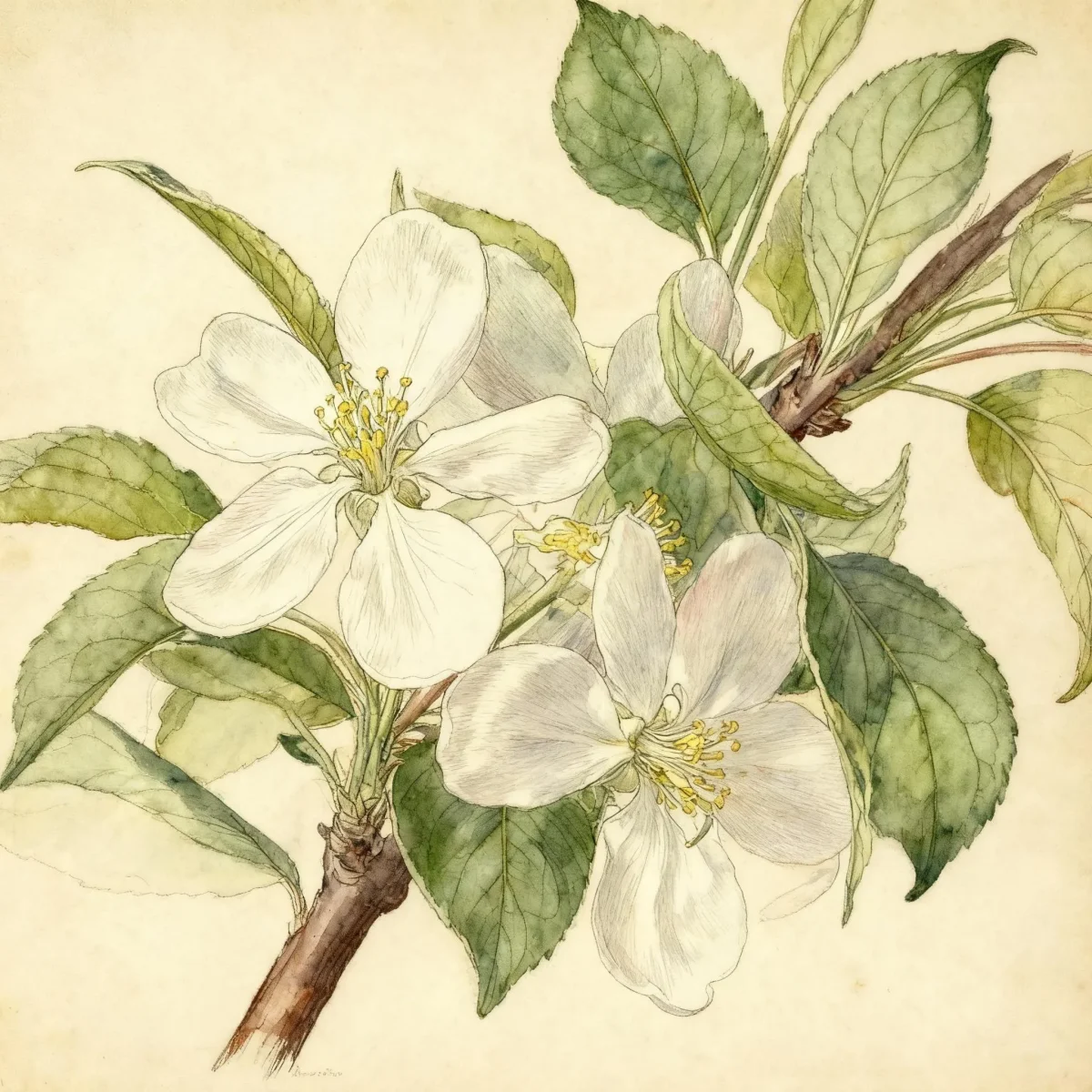
Semi-dwarf apple (Malus 'Empire')
The Malus 'Empire' is a popular Semi-dwarf apple, offering showy blooms and edible fruit, thriving best in USDA Zones 4-7.
Scroll down to discover growing tips, care requirements, companion plants, and more
Complete Plant Information
Overview
The Malus ‘Empire’ stands out in the orchard as a desirable Semi-dwarf apple variety, renowned for combining good fruit production with significant ornamental appeal. Gardeners value this cultivar, which is a McIntosh-type apple grafted onto rootstock that controls size, making harvesting and management easier than standard varieties. Its deciduous nature provides seasonal interest, transitioning from fragrant spring blossoms to harvestable fruit in early autumn.
This cultivar typically reaches a manageable height between 12 and 15 feet, fitting well into smaller landscapes or home orchards where space is a consideration. Proper siting is crucial, as this specimen demands full sun to maximize both its beautiful blooms and the yield of its medium-sized, red fruit. Successful cultivation of the Malus ‘Empire’ relies on attention to soil quality and the necessary inclusion of a pollinator nearby.
For optimal landscape impact, treat the Semi-dwarf apple as both a productive food source and a striking flowering tree. The manageable size profile created by the dwarfing rootstock ensures that the vibrant display of Malus ‘Empire’ remains easily accessible for garden enjoyment throughout the growing season.
Fast Facts
- Plant Family: Rosaceae
- Plant Type: Fruit
- Hardiness Zones: USDA Zones 4-7
- Size at Maturity:
- Height: 12-15 ft
- Spread: 12-15 ft
- Bloom Time: April
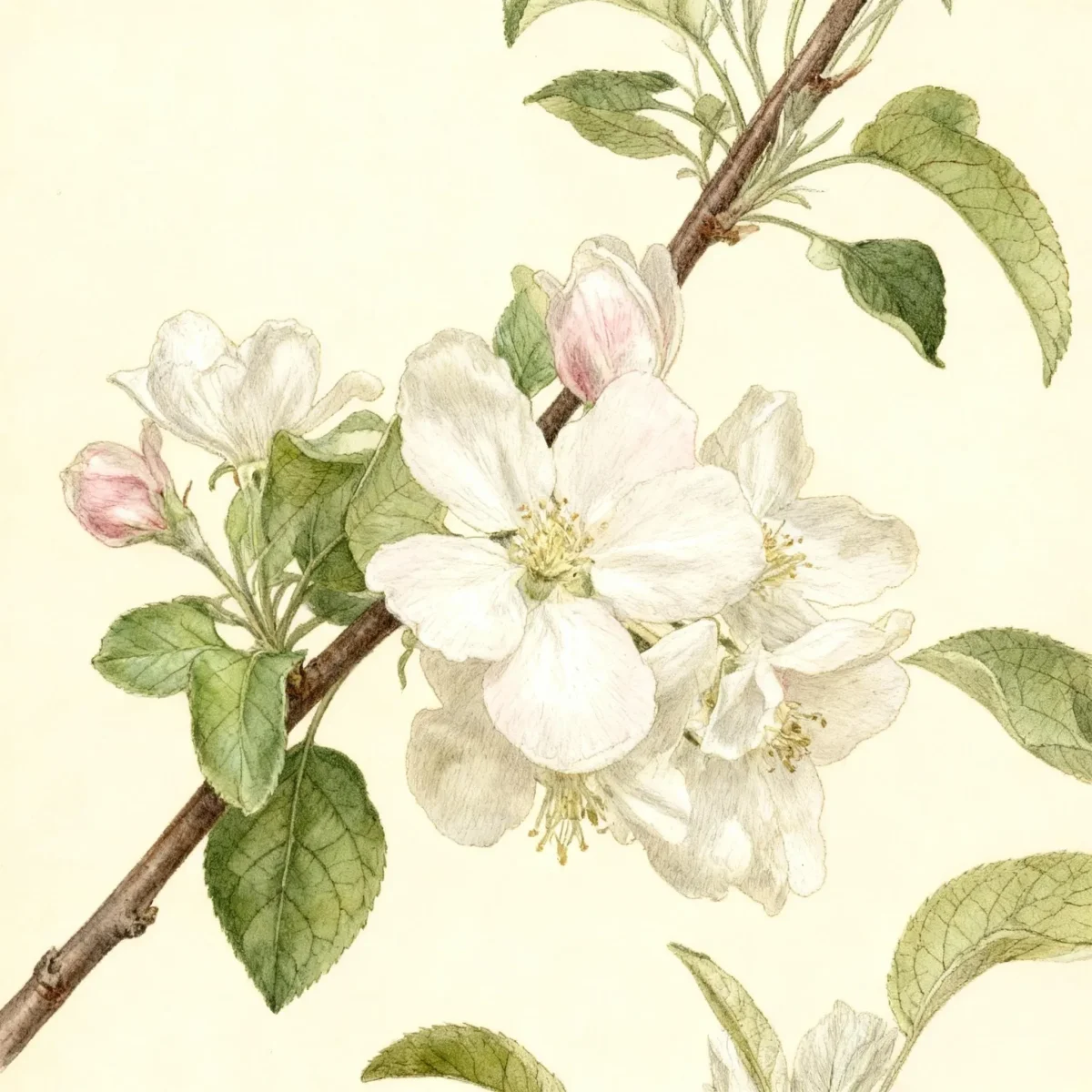
- Bloom Description: Pinkish white
- Sun Exposure: Full sun
- Water Needs: Medium
- Maintenance Level: High
How to Grow
Planting should occur when the dormant Semi-dwarf apple can establish roots, typically in the fall or early spring before bud break. Location is paramount: Malus ‘Empire’ requires deep, loamy, moderately fertile, slightly acidic, medium moisture, and well-drained soils. Avoid heavy clay soils that waterlog easily, as poor drainage stresses the root system.
Routine care involves diligent monitoring for pests and diseases, contributing to the high maintenance needs of this variety. Maintain consistent moisture levels corresponding to ‘Medium’ needs, especially during fruit development. Remember that the more dwarfing the rootstock, the greater the need for soil fertility, so appropriate feeding is essential for robust growth and heavy yields.
Crucially, apple cultivars like Malus ‘Empire’ require cross-pollination; planting more than one variety nearby is necessary for successful fruit set. Pruning should focus on maintaining an open structure to ensure good air circulation, which helps mitigate common fungal issues endemic to apples.
Landscape Uses
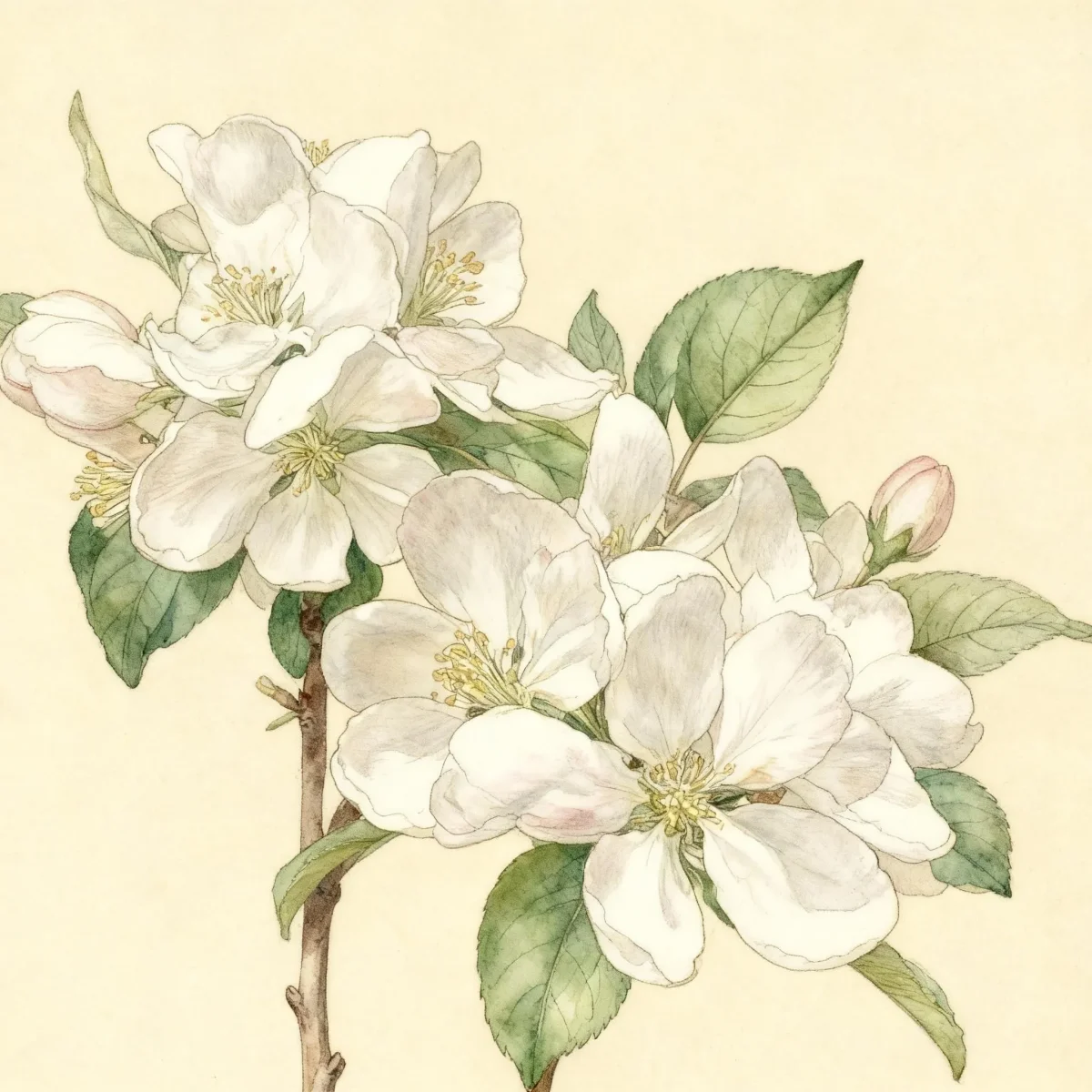
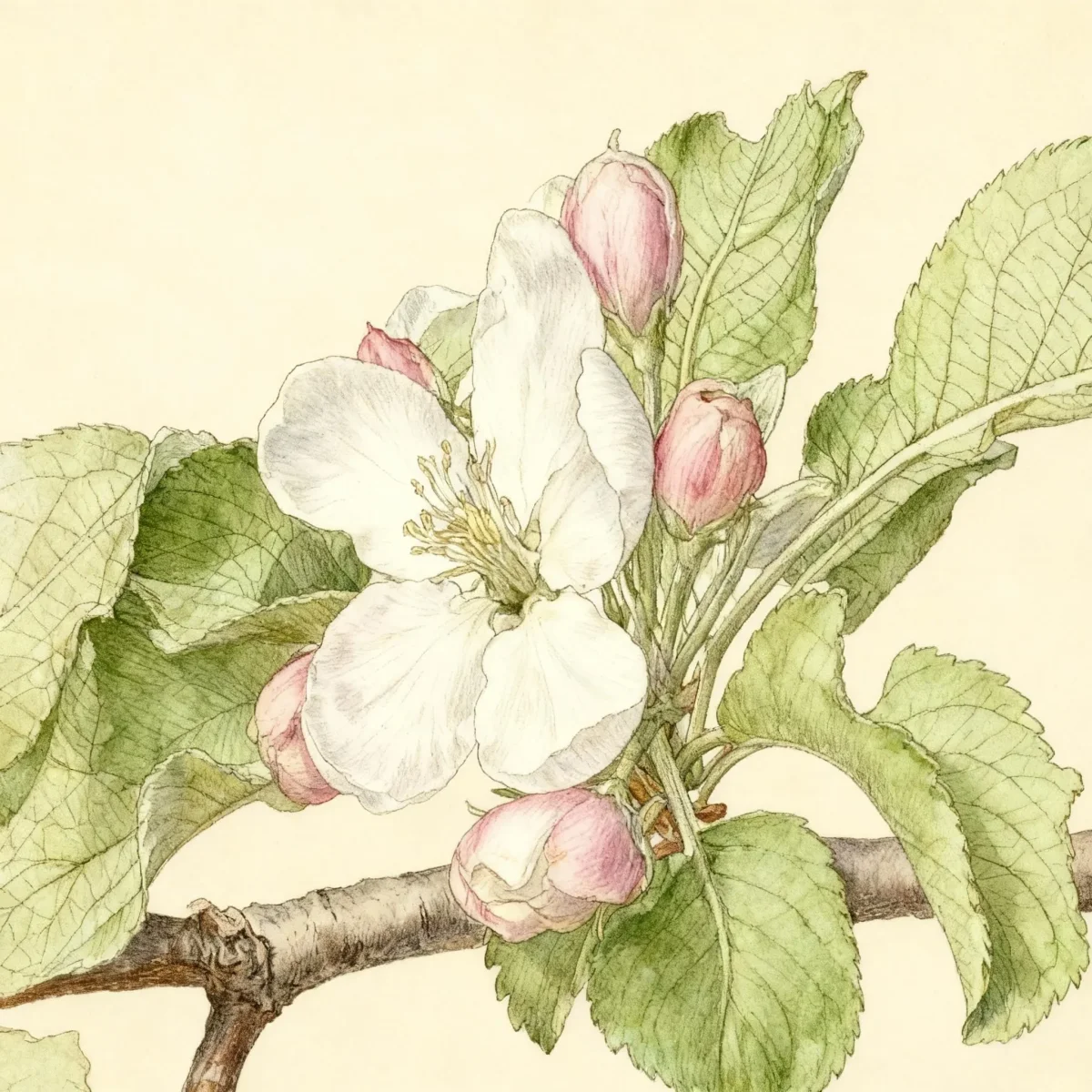
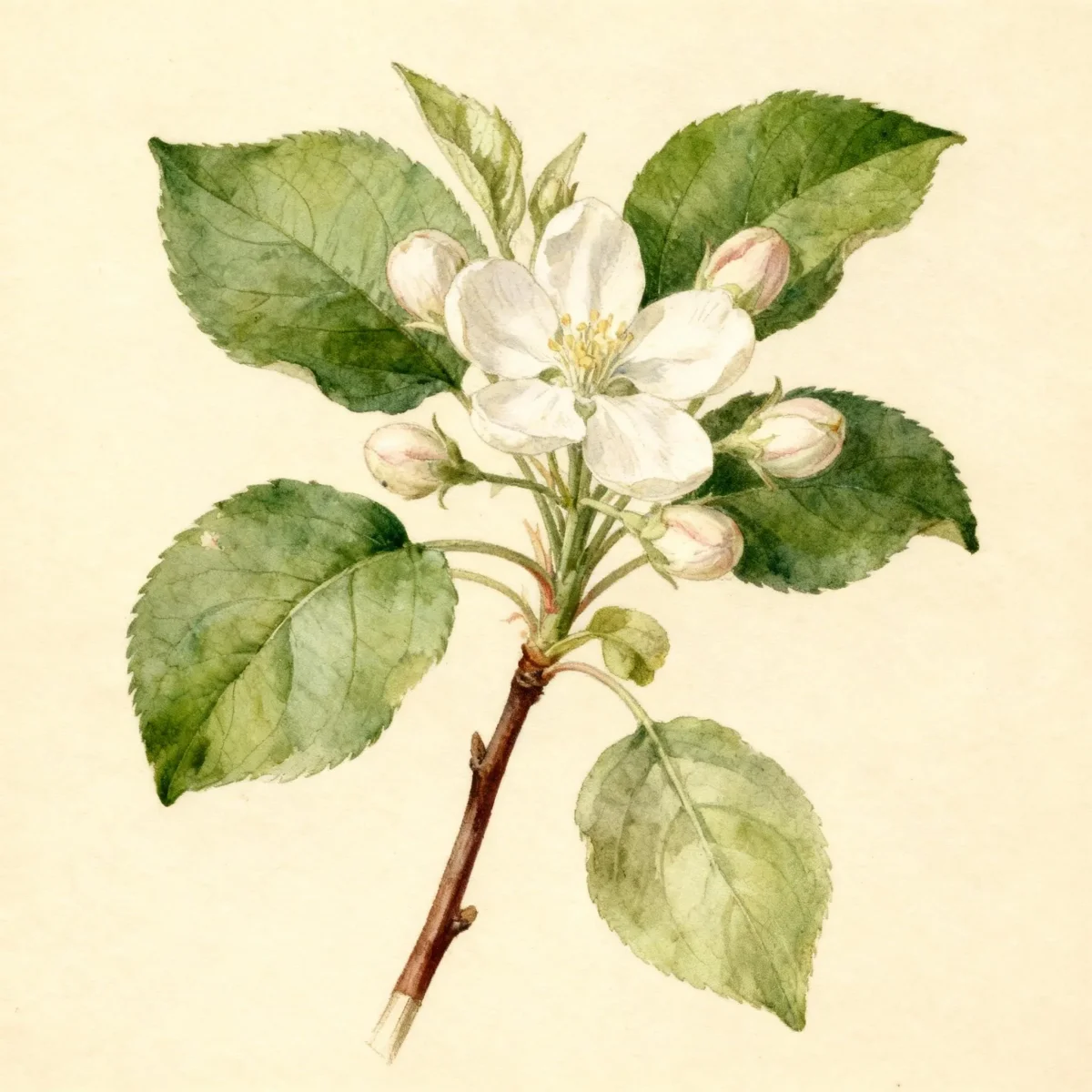
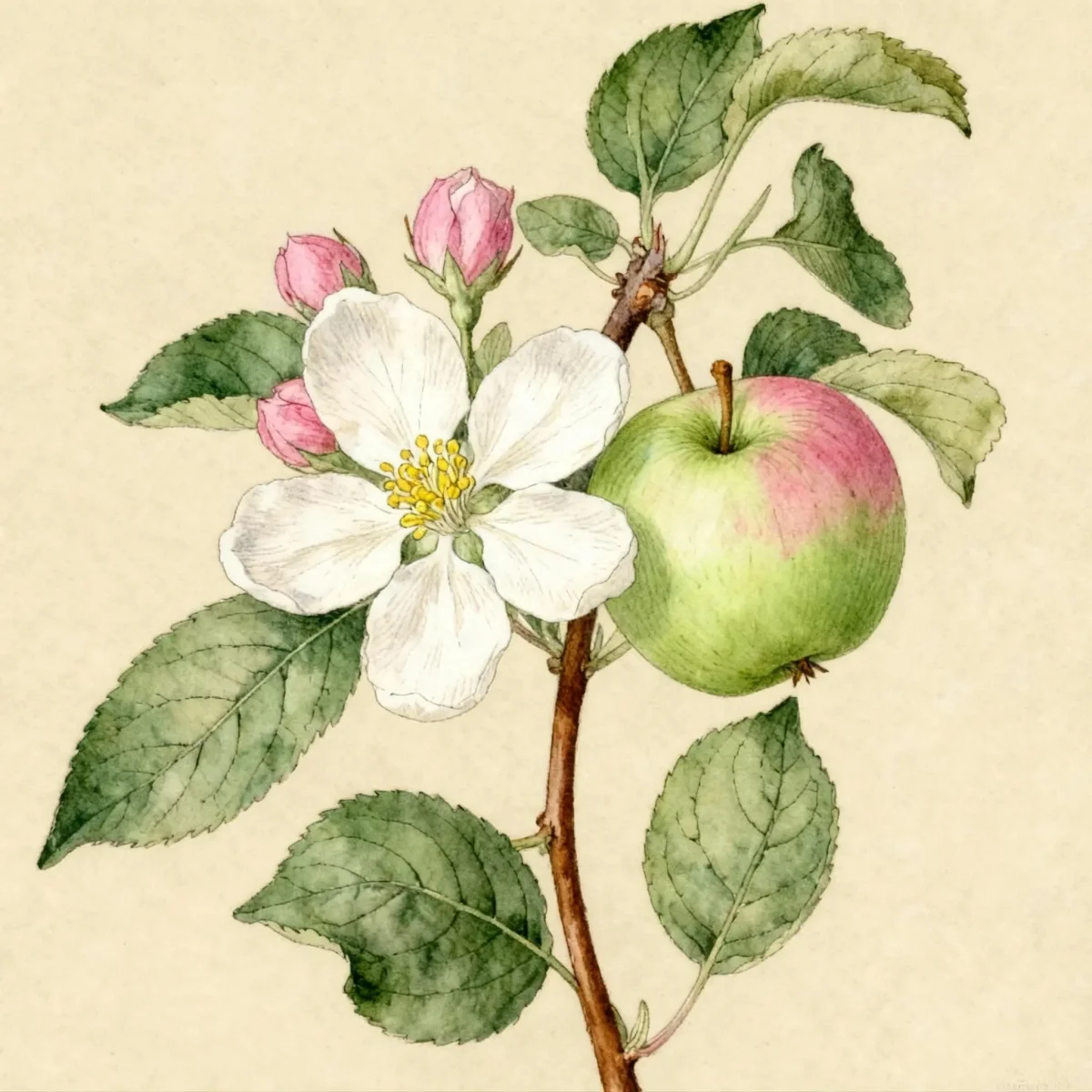
The Malus ‘Empire’ is primarily cultivated for fruit production, but its ornamental qualities ensure it enhances any sunny garden space. Plant this Semi-dwarf apple where its April display of pinkish-white flowers can be admired, perhaps near a patio or pathway.
Its moderate height (12-15 ft) makes it an excellent specimen for the middle ground in an orchard setting or as a substantial accent plant where standard trees would overcrowd pathways. The combination of spring blossoms and contrasting fall fruit means the Malus ‘Empire’ offers color across multiple seasons. Group it strategically with other Malus varieties to ensure necessary cross-pollination while creating a layered springtime flowering effect.
Standout Features
Flower Qualities
- Showy
- Fragrant
- Good Cut
Fruit Qualities
- Showy
- Edible
Noteworthy Characteristics
Malus is a genus of about 35 species of deciduous trees and shrubs from Europe, Asia and North America. Edible apple cultivars do not grow particularly well on their own roots, requiring grafting onto rootstocks which control final tree size, such as the semi-dwarf sizing seen in this 12 to 15’ tree. The ‘Empire’ cultivar is particularly valued as a McIntosh type that shows good adaptability, sometimes ranking as the best choice for specific regions like Missouri.
Tolerances
- Air Pollution
Potential Problems
As a member of the apple genus, Malus ‘Empire’ shares susceptibility to several common orchard afflictions. Potential disease problems include apple scab, cedar apple rust, fire blight, leaf spot, and powdery mildew. Insect pests commonly targeting apple trees are aphids, maggots, borers, and spider mites.
Fortunately, the value of this specific cultivar is enhanced by its inherent resistance profile; ‘Empire’ is resistant to fire blight and rust. Proactive management, such as applying dormant oil and judicious fungicide treatments at critical bloom stages, can minimize losses from scab and mildew. Good horticultural hygiene, especially in removing fallen fruit promptly, reduces overwintering pest and spore populations.
Frequently Asked Questions
What hardiness zones is Semi-dwarf apple suitable for?
The Semi-dwarf apple (Malus ‘Empire’) is hardy and well-suited for cultivation within USDA Zones 4 through 7.
How large does Malus ‘Empire’ grow?
This specific graft results in a Semi-dwarf apple tree that typically matures to a height and spread between 12 and 15 feet.
What sun exposure does Malus ‘Empire’ need?
For maximum flower production and necessary fruit development, Malus ‘Empire’ requires a site that receives full sun throughout the day.
When does Semi-dwarf apple bloom?
This variety flowers quite early in the season, with pinkish white blossoms appearing in the month of April.
Conclusion
The Malus ‘Empire’ provides an excellent blend of ornamental spring beauty and tangible autumn harvest, making it a stellar choice for home growers prioritizing manageable size. While classified as high maintenance due to necessary spraying and fertility management, the reward is a dependable, partially blight-resistant Semi-dwarf apple. Before planting, confirm your microclimate falls within USDA Zones 4-7 and make certain you have a compatible pollinator variety nearby.
Companion Planting for Malus ‘Empire’
Selecting the right neighbors is crucial when planting fruit trees, especially those requiring high fertility. Companion plants that do not aggressively compete for surface nutrients are ideal. Consider incorporating herbs like chives or garlic nearby, as their compounds may help deter certain orchard pests, reducing insect pressure on your Semi-dwarf apple.
Groundcovers such as clover can also benefit the soil structure around the tree base, minimizing soil compaction which is damaging to the roots of most Malus species. Ensure any companion plants do not inhibit air circulation around the lower branches, as humidity buildup encourages fungal diseases like powdery mildew on the susceptible Malus ‘Empire’.
Seasonal Care Calendar for Semi-dwarf Apple
Spring prep is vital for this high-maintenance fruit producer. Just as buds begin to swell in early spring, apply dormant oil spray to help control overwintering insects like spider mites and aphids before they can become established problems on the Semi-dwarf apple. Once flowering finishes, apply a balanced, slow-release fertilizer suited for fruit trees to support fruit sizing.
Summer involves vigilant monitoring for disease symptoms—inspecting leaves regularly for signs of scab or rust. Pruning should be completed during the dormant season (late winter/early spring), focusing on thinning out crossing branches to allow sunlight penetration deep into the canopy of the Malus ‘Empire’. In fall, immediately clean up all dropped fruit to prevent pests and fungal spores from surviving the winter near the tree base.