Flowering crabapple (Malus 'Indian Magic')
The Malus 'Indian Magic' Flowering crabapple is a low-maintenance tree featuring deep pink blooms in April and decorative red fruit.
Scroll down to discover growing tips, care requirements, companion plants, and more
Complete Plant Information
Overview
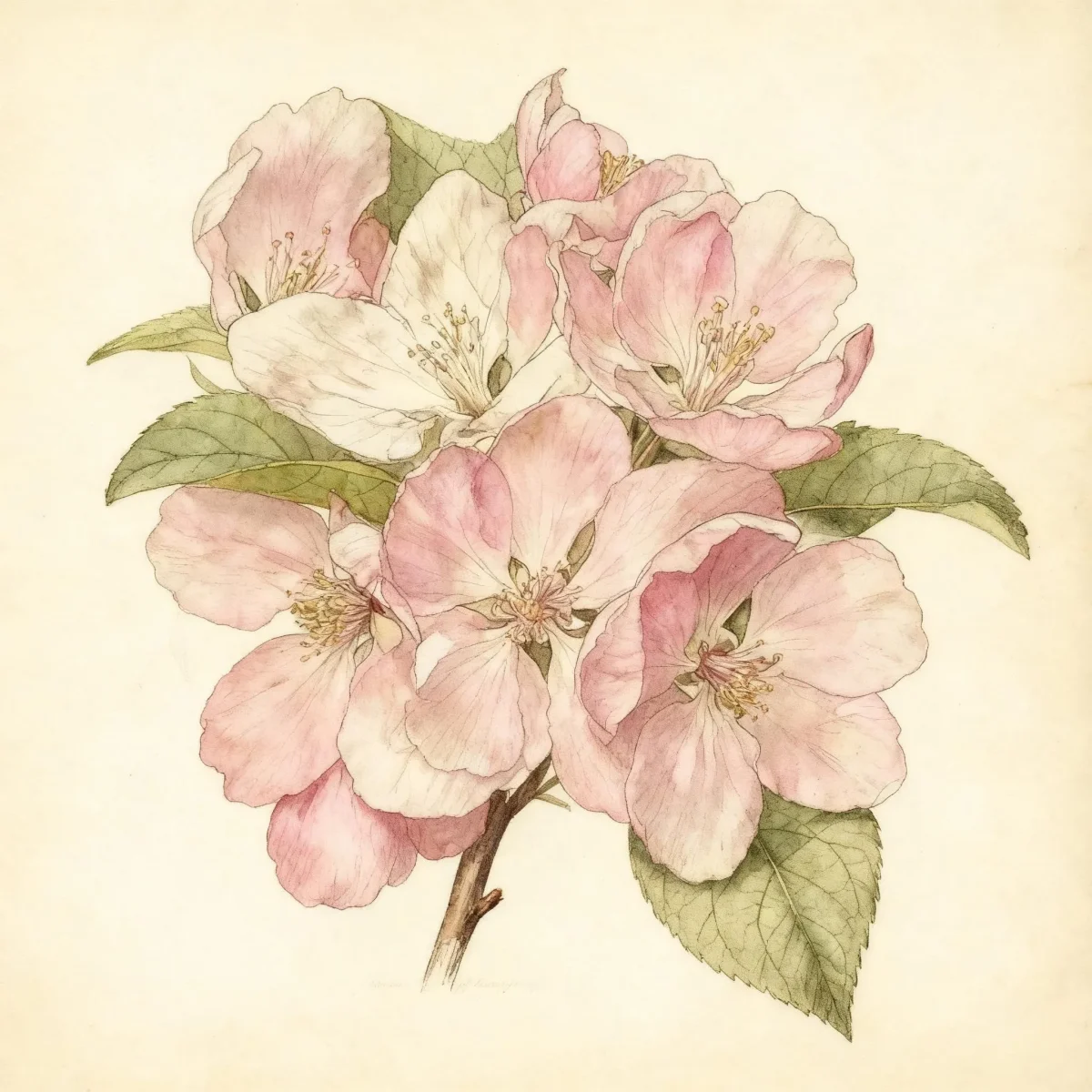
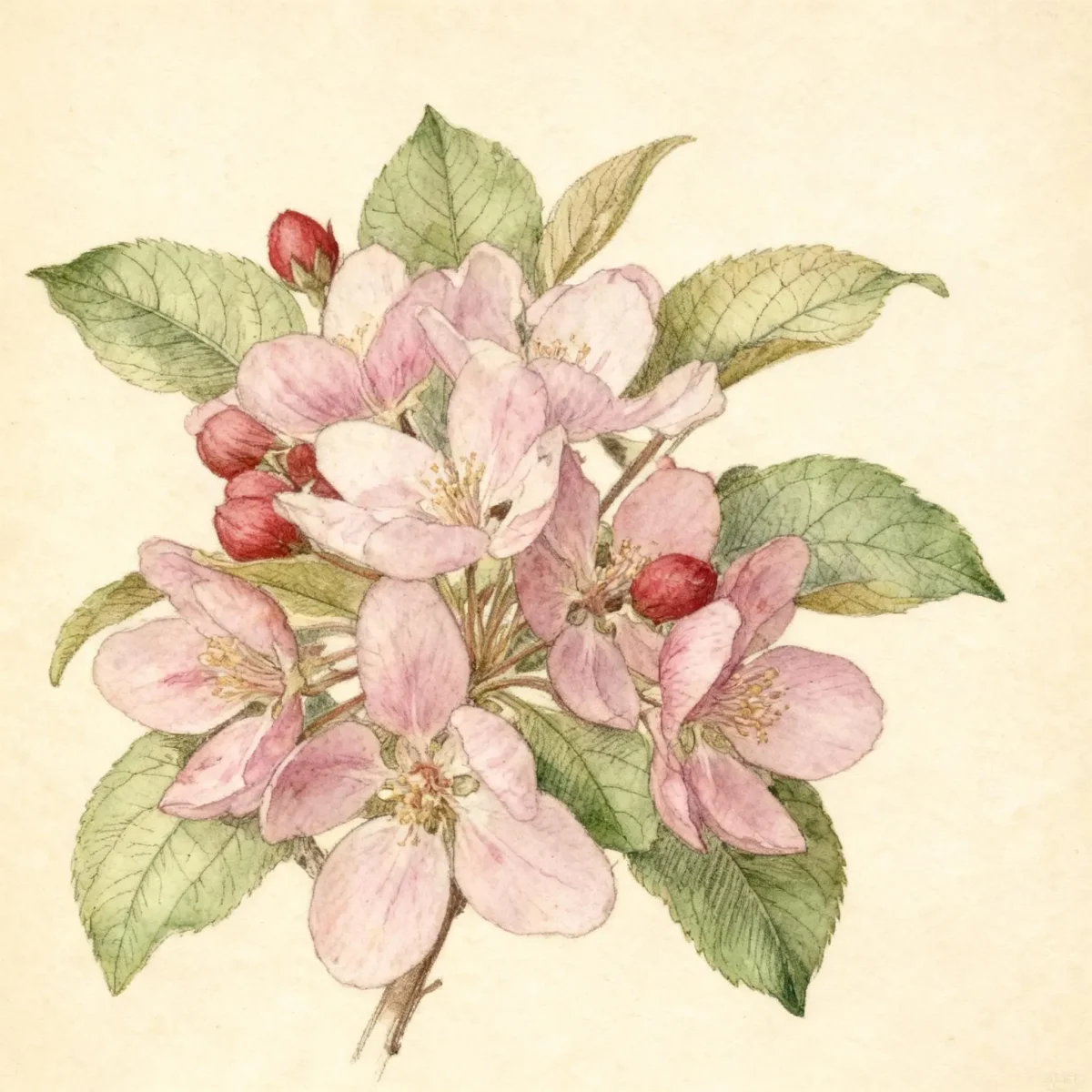
The Flowering crabapple, specifically the cultivar Malus ‘Indian Magic’, offers exceptional seasonal interest, making it a favorite specimen plant. This small, rounded tree is highly valued for its stunning springtime display of dark red buds opening into 1 ½ inch, deep pink single flowers that are both showy and fragrant. Beyond its bloom time in April, the Malus ‘Indian Magic’ provides persistent color late into the year.
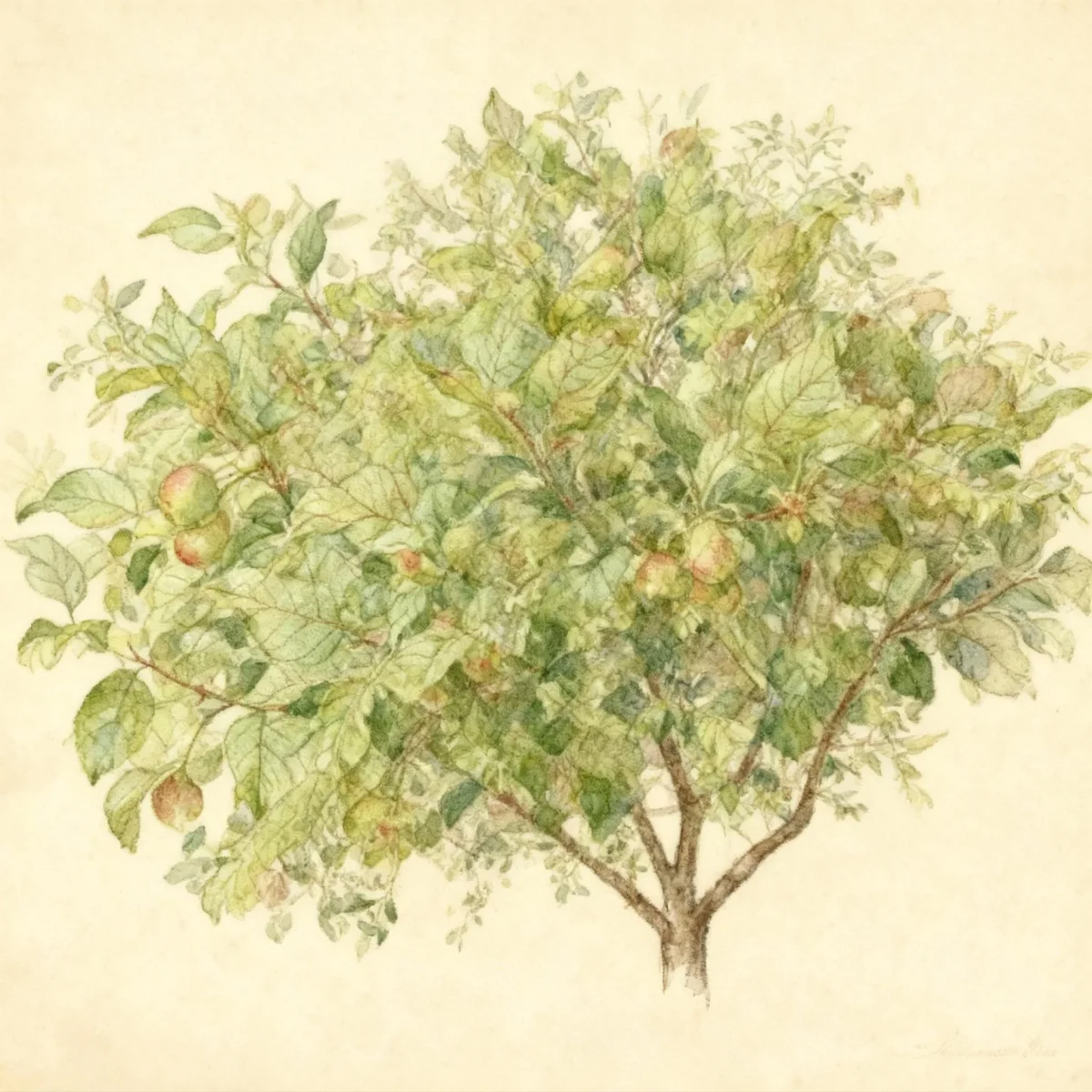
This deciduous ornamental is known for its manageable size, typically reaching 15 to 20 feet tall and wide, suitable for many residential landscapes. The glossy, half-inch, bright red fruits mature to a reddish-orange after the first frost, attracting birds throughout the winter months. Gardeners appreciate the low maintenance requirements of the Malus ‘Indian Magic’ once established.
With its attractive form and reliable seasonal performance, the Flowering crabapple serves as an excellent focal point or accent piece. Its foliage also transitions to a golden orange hue in the fall, adding another layer of visual appeal to this versatile specimen tree.
Fast Facts
- Plant Family: Rosaceae
- Plant Type: Tree
- Hardiness Zones: USDA Zones 4-8
- Size at Maturity:
- Height: 15-20 ft
- Spread: 15-20 ft
- Bloom Time: April
- Bloom Description: Deep pink
- Sun Exposure: Full sun
- Water Needs: Medium
- Maintenance Level: Low
How to Grow
The ideal location for Malus ‘Indian Magic’ is where it receives full sun, which is crucial for promoting abundant flowering and dense foliage. For best results, plant this Flowering crabapple in medium moisture, well-drained, acidic loams, although it shows adaptability across a wide range of soil types. Planting should generally occur in early spring or fall when the tree is dormant.
Watering should be consistent, meeting its medium needs, especially during the establishment period. Established trees gain some drought tolerance, but consistent moisture supports overall vigor. Fertilization is rarely necessary if the soil is reasonably fertile.
Pruning is recommended only as needed in late winter to maintain structure or remove crossing branches. Avoid pruning in the spring; doing so creates fresh, open cuts that act as entry points for the fireblight bacterium. Successful pruning strategies focus on maintaining the natural, upright spreading shape of the Malus ‘Indian Magic’.
Landscape Uses
Malus ‘Indian Magic’ shines when utilized as a specimen or accent tree, drawing the eye through its dramatic spring bloom and persistent fruit display. Its manageable 15 to 20-foot stature also makes it an excellent choice for planting in small groups within a landscape design, or even as a structured street tree where overhead clearance allows.
Due to its need for full sun, pair this Flowering crabapple with complementary low-growing shrubs or perennials that thrive in similar bright conditions and tolerate slightly acidic soil. Consider underplanting with spring ephemerals that will disappear before the crabapple’s summer foliage becomes dense, or use plants whose textures contrast nicely with the deep pink flowers.
This tree serves particularly well near patios or walkways where its spring scent can be appreciated, or positioned against dark evergreen backdrops to enhance the visibility of its vibrant red fruit in the fall and winter landscape.
Standout Features
Flower Qualities
- Showy
- Fragrant
Fruit Qualities
- Showy
- Edible
Noteworthy Characteristics
Malus is a genus of about 35 species of deciduous trees and shrubs from Europe, Asia and North America. The cultivar ‘Indian Magic’ develops into a small rounded tree with upright spreading branches, reaching 15 to 20 ft tall and wide. In spring, dark red buds burst into deep pink single flowers, followed by glossy, bright red fruits that turn reddish orange after frost, offering persistent winter interest that attracts birds.
Tolerances
- Air Pollution
Potential Problems
The primary concerns for any crabapple, including Malus ‘Indian Magic’, involve fungal diseases. The main diseases encountered are scab, fire blight, rusts, leaf spot, and powdery mildew. Potential insect pests are generally less problematic but can include tent caterpillars, aphids, borers, and scale, while spider mites may occasionally appear.
Fortunately, the ‘Indian Magic’ cultivar offers strong genetic resistance against many common issues. It notably shows fair resistance to scab, good resistance to fireblight and cedar apple rust, and excellent resistance to mildew, reducing the need for chemical intervention if cultural practices are followed correctly. Always inspect new plantings closely and ensure optimal air circulation during planting to minimize future disease pressure.
Frequently Asked Questions
What hardiness zones is Flowering crabapple suitable for?
The Malus ‘Indian Magic’ Flowering crabapple is best suited for USDA Hardiness Zones 4 through 8.
How large does Malus ‘Indian Magic’ grow?
This small, rounded tree typically matures to a height between 15 and 20 feet tall, with a corresponding spread of 15 to 20 feet wide.
What sun exposure does Malus ‘Indian Magic’ need?
For the best flowering and health, the Malus ‘Indian Magic’ requires full sun exposure throughout the growing season.
When does Flowering crabapple bloom?
This variety blooms during the month of April, producing deep pink flowers.
Conclusion
The Malus ‘Indian Magic’ is an outstanding choice for gardeners seeking a low-maintenance Flowering crabapple that delivers superior visual appeal across multiple seasons. Its attractive deep pink blooms in spring and persistent red fruit ensure year-round interest in the landscape. Plan your planting time carefully in the late winter or early spring to ensure this ornamental tree gets a strong start in its full sun location.
Companion Planting
When designing beds around your Malus ‘Indian Magic’, select companion plants that share the need for full sun and well-drained soil, ideally leaning toward slightly acidic conditions. Good structural companions include dwarf conifers like Globe Blue Spruce or upright Japanese Holly, which provide year-round structure that contrasts nicely with the deciduous crabapple.
Consider underplanting near the drip line with acid-loving perennials such as Astilbe, Hosta (in slightly shadier spots near the edges), or spring bulbs like Daffodils. These companions will bloom early, taking advantage of the sun before the canopy of the Flowering crabapple fully develops.
Wildlife Benefits
The fruit produced by Malus ‘Indian Magic’ is a significant asset for supporting local bird populations throughout the late fall and winter. The glossy red fruits persist well into the colder months, offering a vital food source when other natural food options are scarce.
While the flowers are fragrant and showy, they are also pollinator magnets during the spring bloom period in April. Ensuring the tree receives full sun encourages prolific flowering, which in turn provides early-season nectar and pollen for bees and other beneficial insects emerging from dormancy.