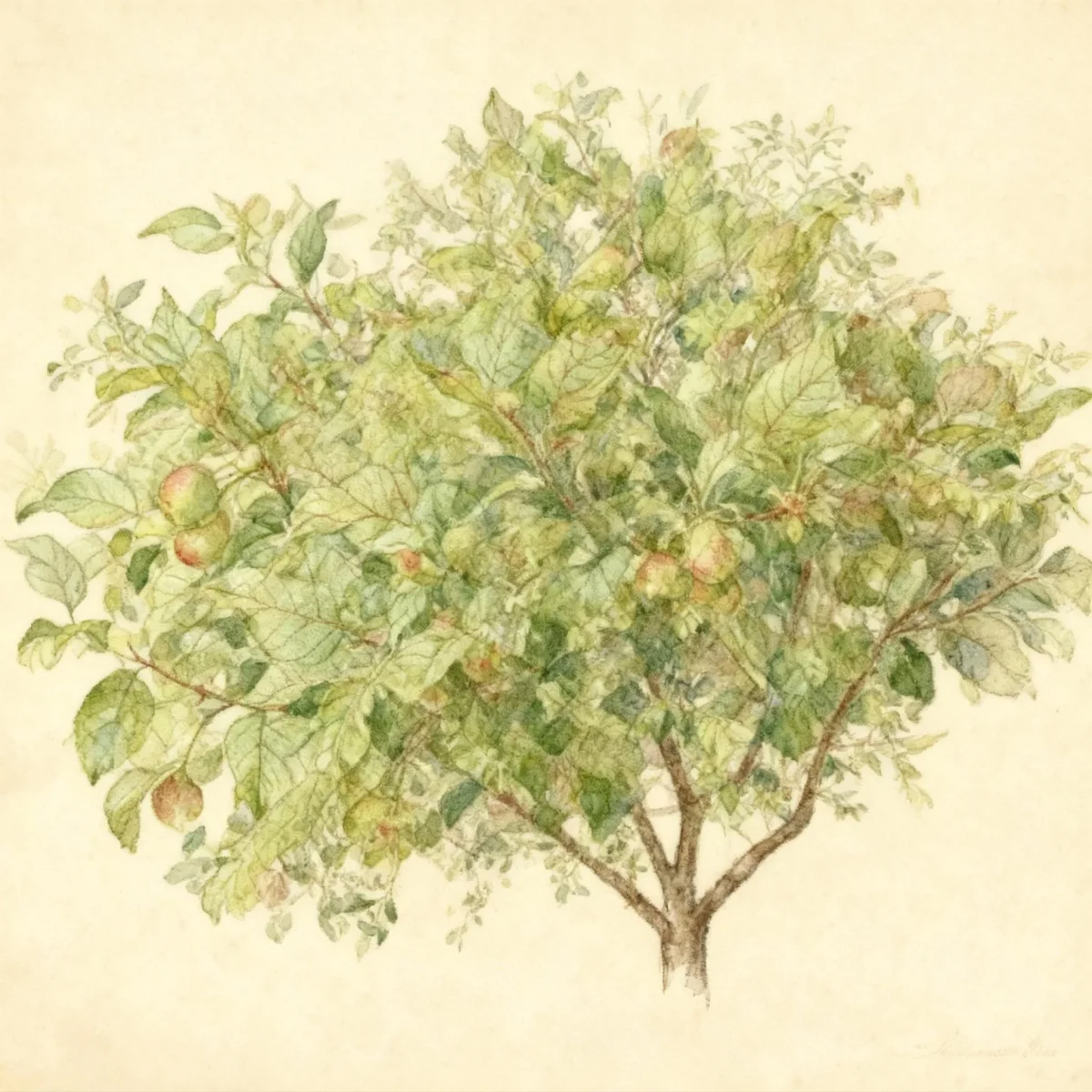
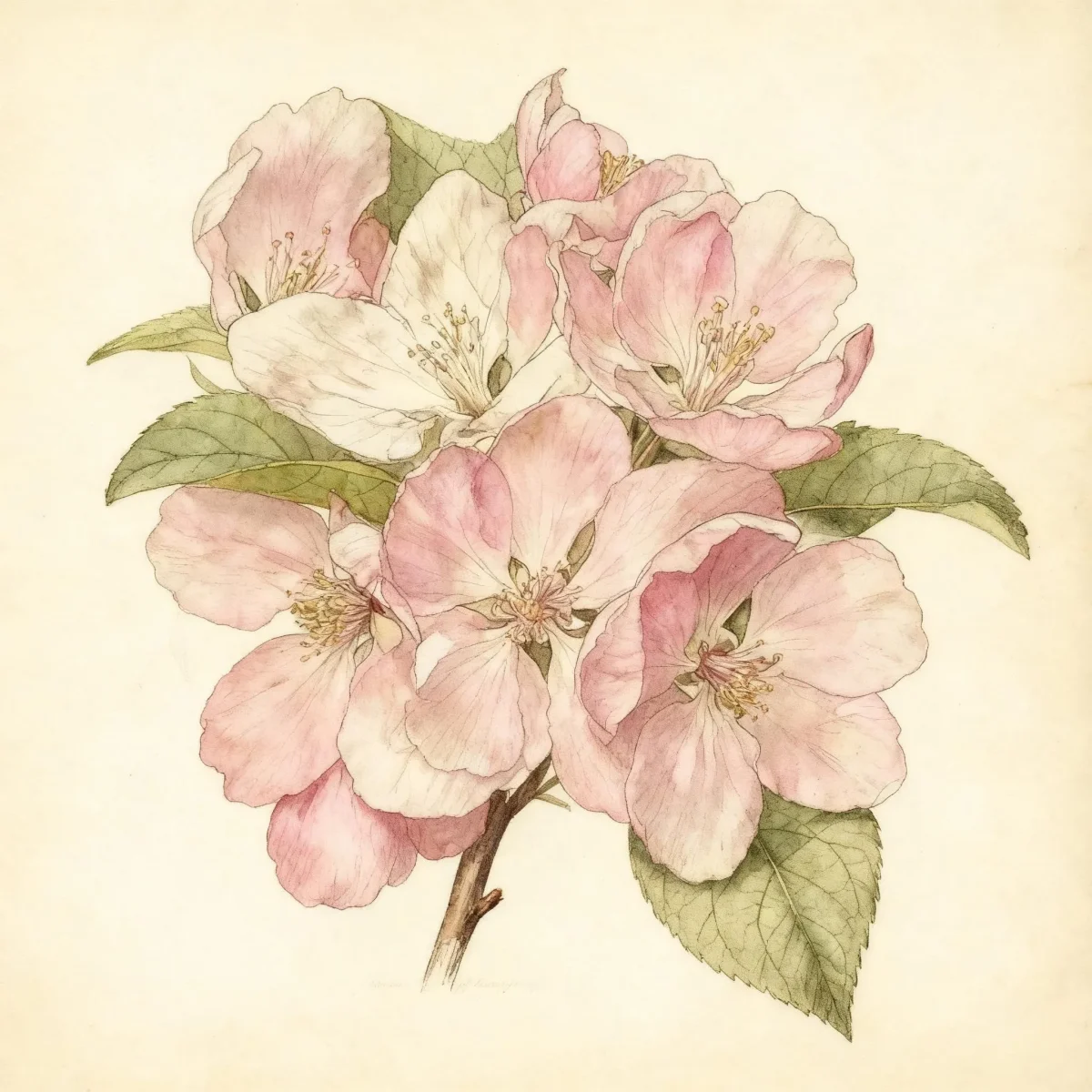
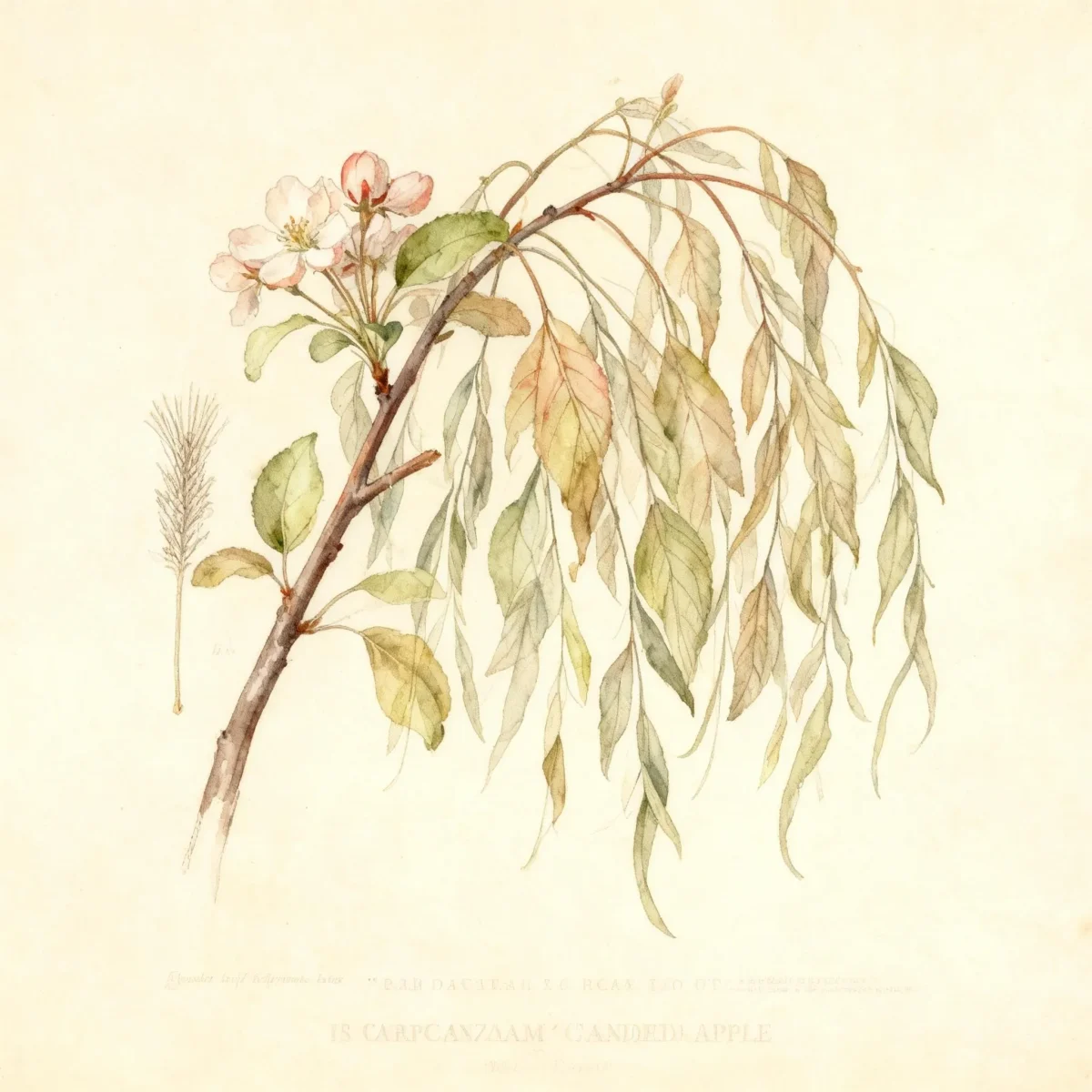
Flowering crabapple (Malus 'Indian Summer')
The Malus 'Indian Summer' Flowering crabapple offers broad-rounded shape, deep rose-red spring flowers, and persistent red fruit. Low maintenance and disease resistant.
Scroll down to discover growing tips, care requirements, companion plants, and more
Complete Plant Information
Overview
The Malus ‘Indian Summer’, commonly known as the Flowering crabapple, is a distinctive deciduous tree valued for its vibrant seasonal interest and robust constitution. This cultivar matures into a broad-rounded shape, showcasing deep rose-red blooms in the spring that transition to persistent bright red fruit lasting well into winter. Its ornamental qualities are further enhanced by developing good orange-red fall coloration, making the Malus ‘Indian Summer’ a highlight across multiple seasons.
Gardeners appreciate this species for its relatively low maintenance requirements combined with superior disease resistance compared to many other crabapples. Reaching a moderate mature size of 15 to 20 feet tall and wide, it provides structure without overwhelming smaller landscapes. The persistent, edible fruit also offers considerable value by attracting local bird populations throughout the cold months.
Ultimately, the Flowering crabapple provides exceptional year-round visual appeal, from its spring floral display to the persistent autumn fruit. Its adaptability to various soil types and its tolerance for urban air pollution make the Malus ‘Indian Summer’ a practical and beautiful choice for specimen planting or grouping in residential and commercial settings.
Fast Facts
- Plant Family: Rosaceae
- Plant Type: Tree
- Hardiness Zones: USDA Zones 4-8
- Size at Maturity:
- Height: 15-20 ft
- Spread: 15-20 ft
- Bloom Time: April
- Bloom Description: Rose red
- Sun Exposure: Full sun
- Water Needs: Medium
- Maintenance Level: Low
How to Grow
For optimal establishment, plant Malus ‘Indian Summer’ during the dormant season, preferably early spring or late fall. Select a location that receives full sun, as this density is crucial for abundant flowering and fruit set. This Flowering crabapple thrives best when situated in medium-moisture, well-drained, acidic loams, although it readily adapts to a wide spectrum of soil compositions.
Once established, this tree exhibits some notable drought tolerance, reducing the necessity for frequent supplemental watering. During dry periods, maintain a medium watering schedule, ensuring the root zone is well-hydrated rather than just saturating the surface. Pruning should be minimal and is best executed in late winter while the tree is dormant. Avoid any spring pruning, as fresh cuts create open wounds susceptible to fire blight infections.
This resilient tree handles common urban stresses well, including air pollution. Monitor for traditional crabapple issues like scab or powdery mildew, although the inherent good disease resistance of ‘Indian Summer’ should minimize these concerns. Low maintenance practices primarily involve proper siting and scheduled dormant pruning.
Landscape Uses
The Malus ‘Indian Summer’ is ideally suited as a specimen plant, providing a strong focal point in any garden design due to its attractive spring flowers and consistent fall/winter interest. Its neat, broad-rounded canopy fits well in small groups or as an accent near entryways where its seasonal transition can be fully appreciated. Consider using this Flowering crabapple where its vivid color contrast is needed against evergreen backdrops.
As a general landscape tree, it works effectively within mixed borders, providing height and seasonal variation among larger shrubs and perennial plantings. Because the fruit persists, it offers structural interest even after deciduous perennials have faded. Plant it where its mature spread of 15-20 feet allows breathing room from structures or walkways.
Standout Features
Flower Qualities
- Showy
Fruit Qualities
- Showy
- Edible
Noteworthy Characteristics
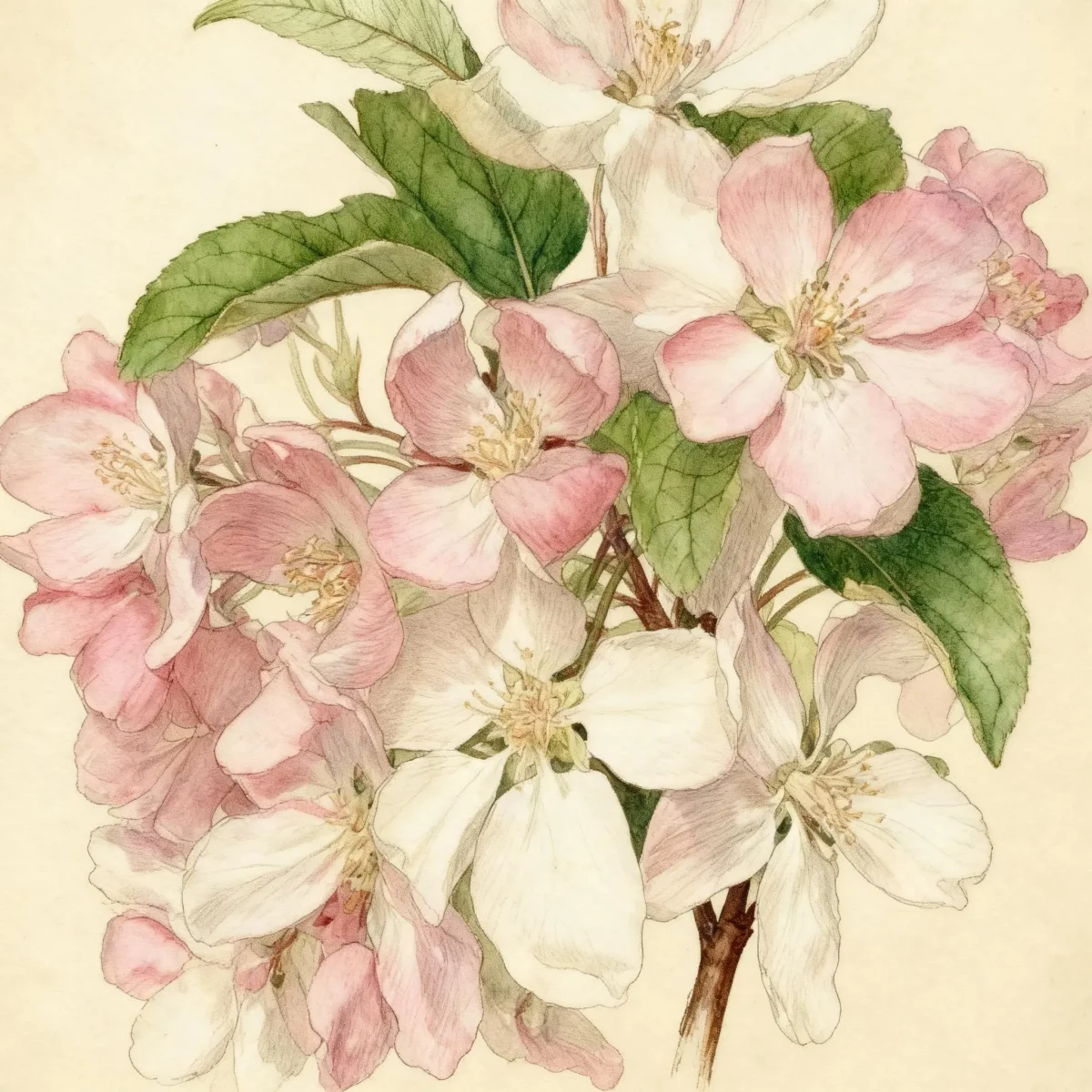
Malus is a genus of about 35 species of deciduous trees and shrubs from Europe, Asia and North America. Genus name from Latin is an ancient name for apple. ‘Indian Summer’ is a crabapple that typically matures to 15-20’ tall. It is noted for its broad-rounded shape, deep rose-red flowers, red fruit, fall color and good disease resistance. Crimson buds open in spring to rose-red flowers, followed by bright red crabapples (to 3/4” diameter) that mature in fall and persist into winter, attracting birds.
Tolerances
- Air Pollution
Potential Problems
The primary management concerns for any crabapple relate to potential fungal diseases such as scab, rusts, leaf spot, and powdery mildew. While the Malus ‘Indian Summer’ exhibits good disease resistance to many of these, vigilance is still key, especially in humid conditions. Insect pests like aphids, scale, and Japanese beetles may occasionally cause cosmetic damage, but usually do not threaten the tree’s long-term health.
If disease pressure occurs, preventative fungicide applications might be necessary before bud break for the most stubborn fungal issues. Ensure excellent air circulation around the canopy by maintaining proper spacing, which is a critical cultural technique for discouraging mildew and rust development. Address pest infestations promptly following recommended integrated pest management practices for deciduous ornamentals.
Frequently Asked Questions
What hardiness zones is Flowering crabapple suitable for?
The Malus ‘Indian Summer’ Flowering crabapple is suitable for USDA Hardiness Zones 4 through 8.
How large does Malus ‘Indian Summer’ grow?
This tree typically matures to a height and spread between 15 and 20 feet.
When does Malus ‘Indian Summer’ bloom?
The flowers emerge in April, featuring a beautiful rose red coloration.
What sun exposure does Flowering crabapple need?
This species requires full sun exposure to perform best throughout the growing season.
Conclusion
The Malus ‘Indian Summer’ stands out as a reliably decorative and low-maintenance landscape tree, offering exceptional seasonal color with its deep rose blooms and persistent red fruit. Incorporating this tough Flowering crabapple into your design ensures year-round structure and wildlife appeal. Check your local USDA zone compatibility now and plan for early spring planting to maximize its beauty next season.
Companion Planting
When planning borders around your Malus ‘Indian Summer’, select plants that thrive in full sun and complement its acidic soil preference. Low-growing evergreens like dwarf Mugo Pine or perennial groundcovers such as Creeping Thyme can provide excellent textural contrast beneath the tree canopy. Avoid planting shallow-rooted competitors directly underneath, which might compete for the medium moisture the crabapple requires.
Consider pairing the tree with summer-blooming perennials that thrive in similar conditions, such as Siberian Iris or Peonies, to ensure continuous color interest after the April bloom fades. Since crabapples are known for attracting birds with their persistent fruit, integrating native berry-producing shrubs nearby can enhance the site’s overall wildlife value.
Wildlife Benefits
The blossoms of the Malus ‘Indian Summer’ attract early pollinators emerging from winter dormancy, making it a beneficial early spring nectar source. More significantly, the persistent, showy red fruit provides a vital late-season and winter food source for numerous bird species. This makes planting the Flowering crabapple an excellent strategy for enhancing backyard biodiversity.
Because the fruit is edible, although often tart, it is readily consumed by cardinals, robins, and Cedar Waxwings when other food sources become scarce. Integrating the Malus ‘Indian Summer’ into a landscape design focused on maximizing ecosystem support ensures visual appeal coincides with ecological function.