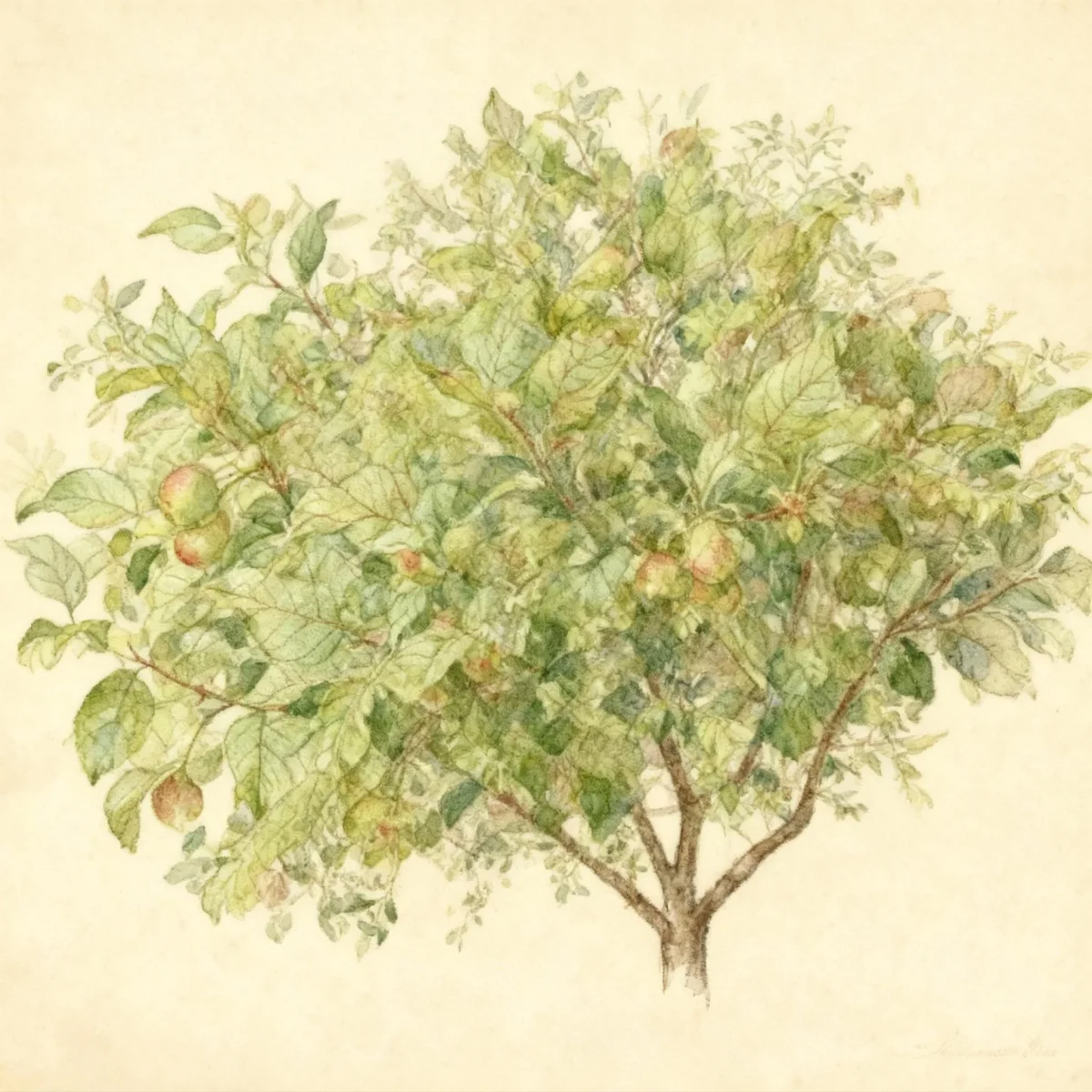
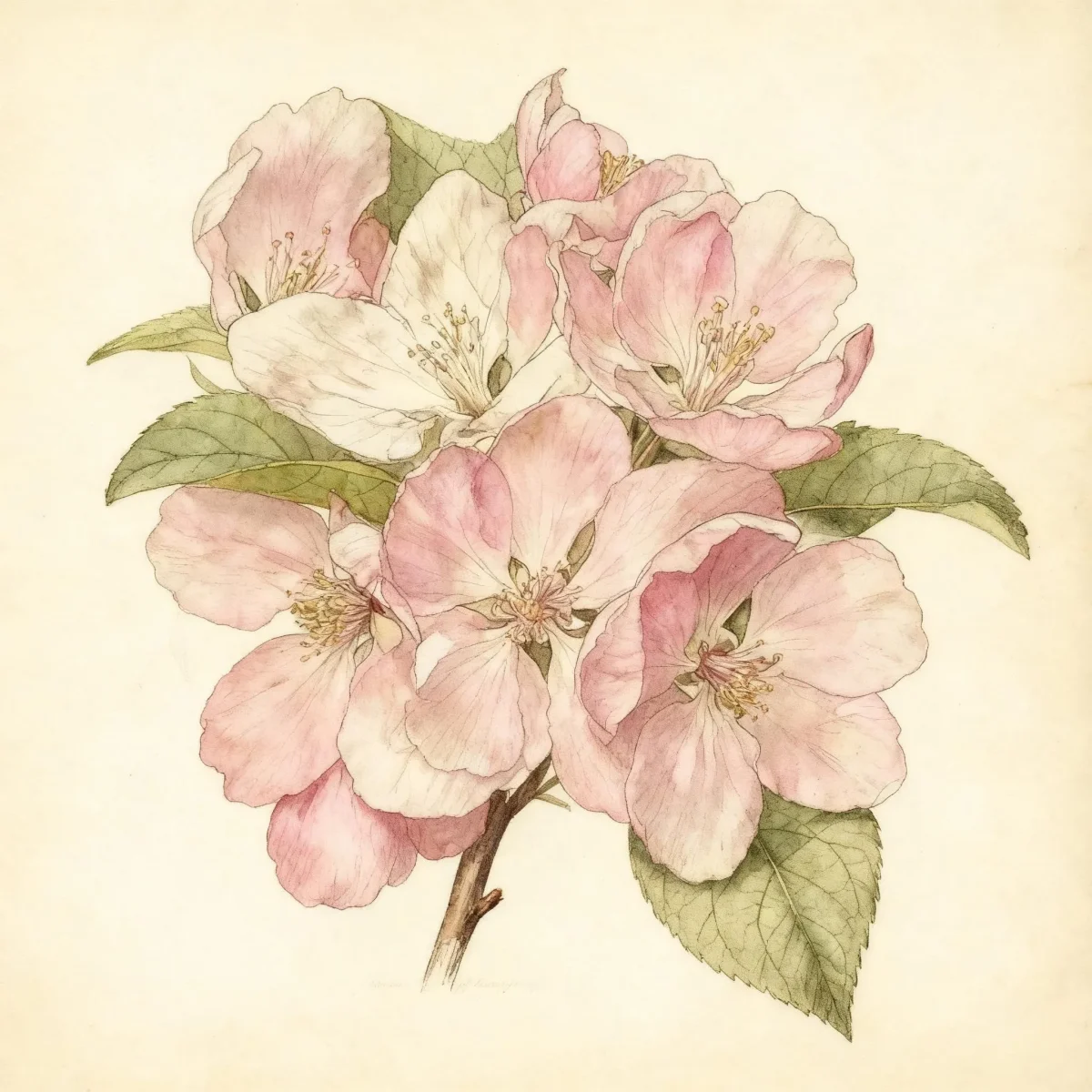
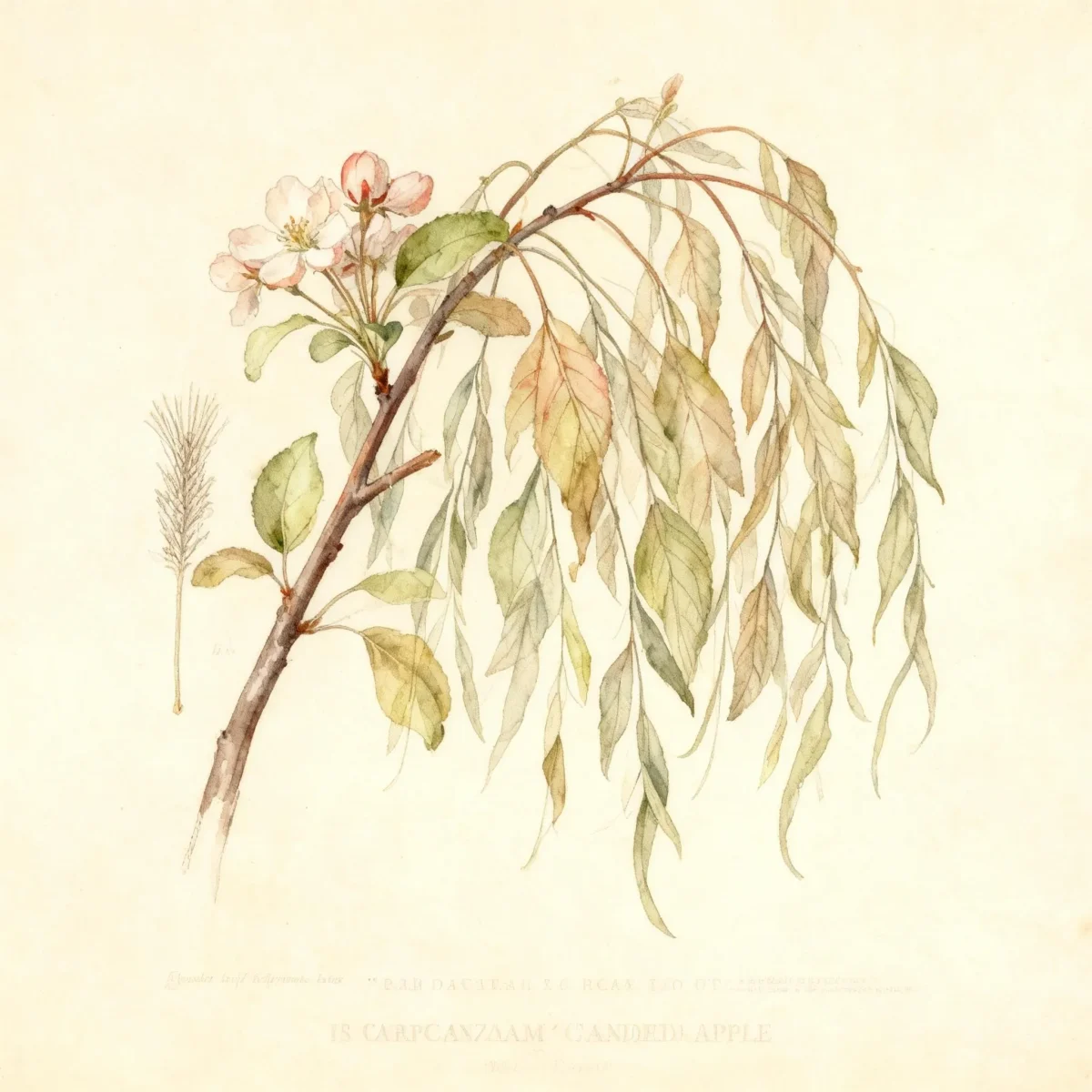
Flowering crabapple (Malus 'Manbeck Weeper')
Malus 'Manbeck Weeper' is a low-maintenance Flowering crabapple known for showy white blooms and persistent red fruit.
Scroll down to discover growing tips, care requirements, companion plants, and more
Complete Plant Information
Overview
The Malus ‘Manbeck Weeper’ is a highly desirable ornamental tree, prized for its distinctive weeping habit and early spring floral display. This Flowering crabapple offers visual interest not only when flowering but also later in the season when its small, red fruits persist into the winter months, providing food for birds. As a small to medium-sized tree, Malus ‘Manbeck Weeper’ fits well into many landscape settings without overwhelming the space.
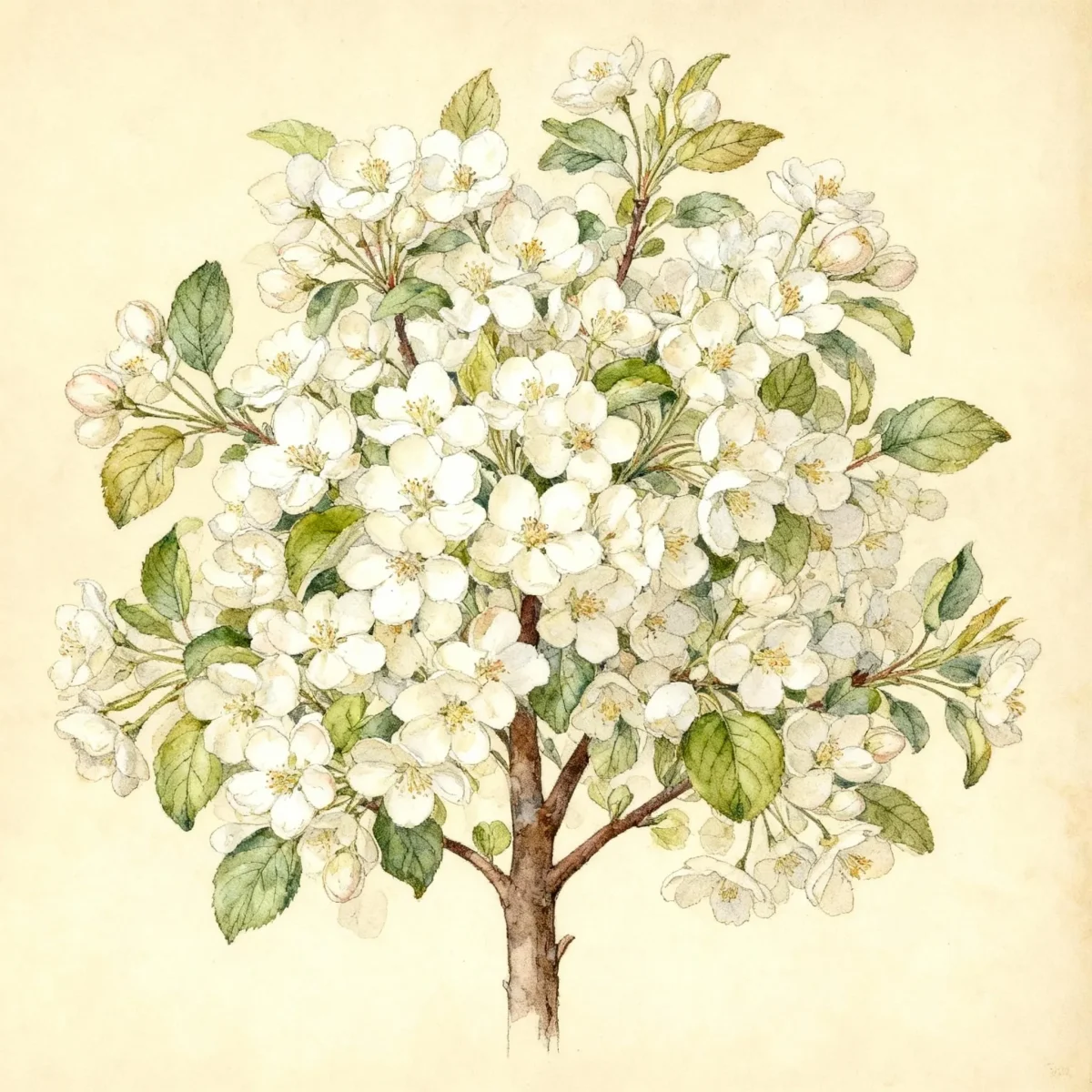
This cultivar provides excellent aesthetic value with deep reddish-pink buds that unfurl into fragrant, showy white blossoms. Gardeners appreciate its relatively low routine maintenance, though targeted pruning is necessary to maintain its weeping structure and health. The Malus ‘Manbeck Weeper’ is notable for carrying impressive disease resistance against common orchard ailments.
It thrives best when sited where it receives ample sunlight, ensuring robust flowering and growth across USDA Zones 4 through 8. Whether used as a specimen accent or planted in a mixed border, this Flowering crabapple offers year-round structure and seasonal beauty.
Fast Facts
- Plant Family: Rosaceae
- Plant Type: Tree
- Hardiness Zones: USDA Zones 4-8
- Size at Maturity:
- Height: 10-12 ft
- Spread: 10-12 ft
- Bloom Time: April
- Bloom Description: White
- Sun Exposure: Full sun
- Water Needs: Medium
- Maintenance Level: Low
How to Grow
For optimal performance, plant your Malus ‘Manbeck Weeper’ during the dormant season, typically early spring or fall, avoiding periods of freezing or intense heat. This Flowering crabapple requires full sun exposure to produce the best flower display and maintain good branch structure. It adapts well to a variety of soils but performs best in well-drained, acidic loams with medium moisture levels.
Water young trees consistently to establish a deep root system; once established, the Malus ‘Manbeck Weeper’ exhibits some drought tolerance, though supplemental watering during prolonged dry spells is recommended. Fertilization is generally not required unless the soil is severely nutrient deficient. Focus maintenance efforts on structural pruning.
Pruning should be performed sparingly, ideally in late winter while the tree is dormant. This timing prevents the entry points for pathogens like the fireblight bacterium that are active during warmer spring growth periods. Due to its weeping structure, focus on opening up the center of the tree to ensure good air circulation and reduce branch rubbing, which can lead to disease.
Landscape Uses
The ‘Manbeck Weeper’ excels when planted as an individual specimen or accent tree, allowing its graceful weeping form to be fully appreciated from all angles. Its relatively compact adult size (10-12 feet tall and wide) makes it an excellent choice for smaller residential yards or near patios where its fragrant flowers can be enjoyed up close.
As a Flowering Tree, it serves as excellent foreground interest in front of larger evergreens or mixed shrub borders, providing a burst of white in early spring. The persistent red fruit adds vital color in the late fall and early winter landscape, drawing the eye after deciduous foliage has dropped.
Standout Features
Flower Qualities
- Showy
- Fragrant
Fruit Qualities
- Showy
- Edible
Noteworthy Characteristics
Malus is a genus of about 35 species of deciduous trees and shrubs widely distributed across Europe, Asia, and North America. The specific cultivar, ‘Manbeck Weeper’, is remarkable for its 10 to 12 ft tall and wide spreading habit, featuring deep reddish-pink buds that open to 1.5 in. white flowers. This variety possesses excellent resistance to fire blight, apple scab, and rust, but targeted pruning is still necessary due to its growth habit which can cause crossing branches.
Tolerances
- Air Pollution
Potential Problems
While the Malus ‘Manbeck Weeper’ boasts very good resistance to the primary fungal diseases affecting crabapples—such as scab, rust, and leaf spot—it is not immune. Fire blight, though rare, remains a risk, which is why late winter pruning is critical to avoid opening fresh wounds during warm, wet conditions.
Potential insect issues mirror those of other apple relatives, potentially including aphids, scale, borers, and Japanese beetles. Monitor foliage closely in summer, especially on younger plants. Maintaining good air circulation through proper pruning management is the best defense against most common physiological and disease issues for this resilient Flowering crabapple.
Frequently Asked Questions
What hardiness zones is Malus ‘Manbeck Weeper’ suitable for?
This beautiful Flowering crabapple is suitable for gardeners planting within USDA Hardiness Zones 4 through 8.
How large does the Flowering crabapple grow?
The Malus ‘Manbeck Weeper’ typically matures to a height between 10 and 12 feet, with a similar spread of 10 to 12 feet.
When does Malus ‘Manbeck Weeper’ bloom?
This cultivar blooms in April, featuring attractive white flowers that are noted for being both showy and fragrant.
What sun exposure does the Flowering crabapple need?
The Malus ‘Manbeck Weeper’ requires a location that receives full sun exposure for healthy growth and prolific flowering.
Conclusion
The Malus ‘Manbeck Weeper’ stands out as a structurally interesting and disease-resistant specimen, making it a superb choice for adding delicate structure and early spring fragrance to the garden. This reliable Flowering crabapple provides continuous interest via its weeping shape and persistent fruit display. Check your local USDA zone compatibility and plan your planting during the dormant season for the best establishment results.
Wildlife Benefits
The presence of persistent fruit on the Malus ‘Manbeck Weeper’ offers a critical winter food source for local avian populations when other natural food sources are scarce. While the flowers themselves are fragrant and highly attractive to early-emerging pollinators in the spring, the red fruits, which are technically edible, are particularly valuable for birds throughout the colder months. Planting other crabapples nearby can increase the overall wildlife value of your landscape area.
Design Ideas for Weeping Forms
Incorporating weeping trees like the Malus ‘Manbeck Weeper’ into landscape designs adds dynamic vertical contrast, playing against stiffer, upright shrubs or rounded forms. Due to its relatively small footprint, it works exceptionally well as a focal point near an entrance where its structure can be viewed up close. Consider planting drifts of spring bulbs beneath the canopy; as the bulbs fade, the white flowers of the Flowering crabapple will take center stage, and later the tree’s dappled shade will protect the dormant bulbs.