Apple (Malus 'Mary Potter')
Malus 'Mary Potter' is a low-growing Apple tree featuring showy, fragrant white flowers and persistent red fruit. Easy care.
Scroll down to discover growing tips, care requirements, companion plants, and more
Complete Plant Information
Overview
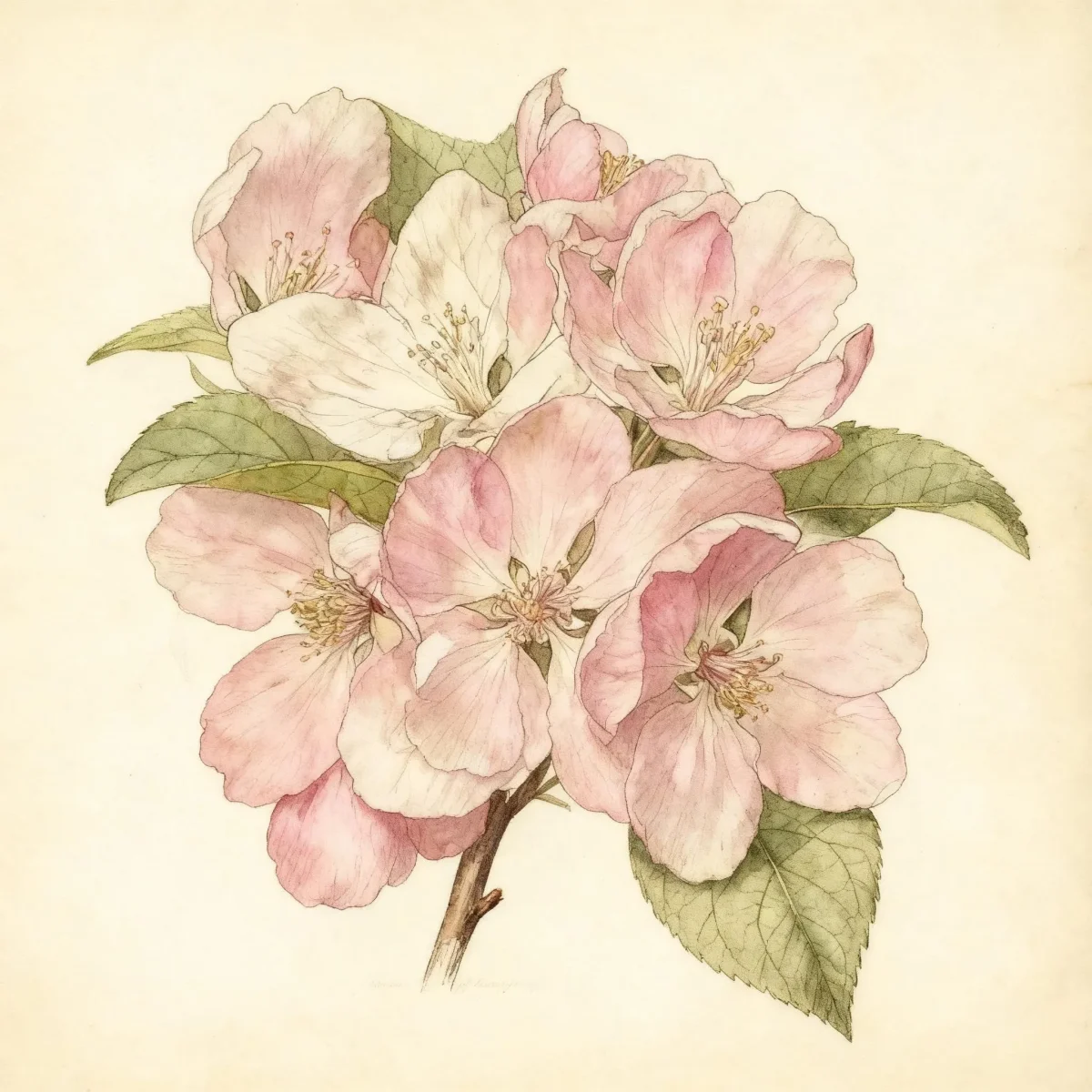
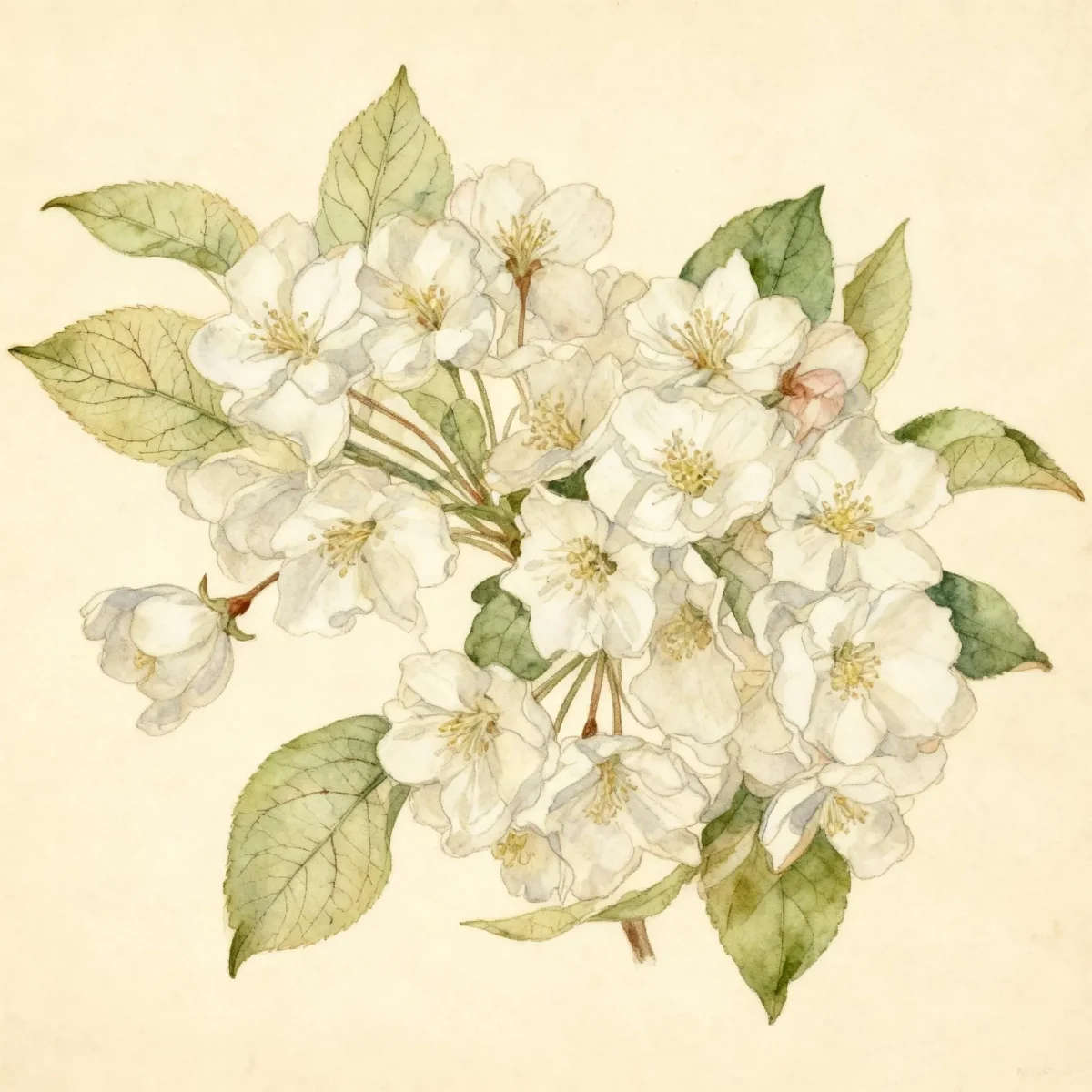
Malus ‘Mary Potter’, commonly known as Apple, is a standout deciduous specimen valued for its dense, broad-spreading habit and spectacular spring display. This cultivar provides reliable structure and seasonal interest, transitioning from attractive reddish-pink buds to masses of white, fragrant flowers. Gardeners appreciate the low maintenance needs of this hardy tree.
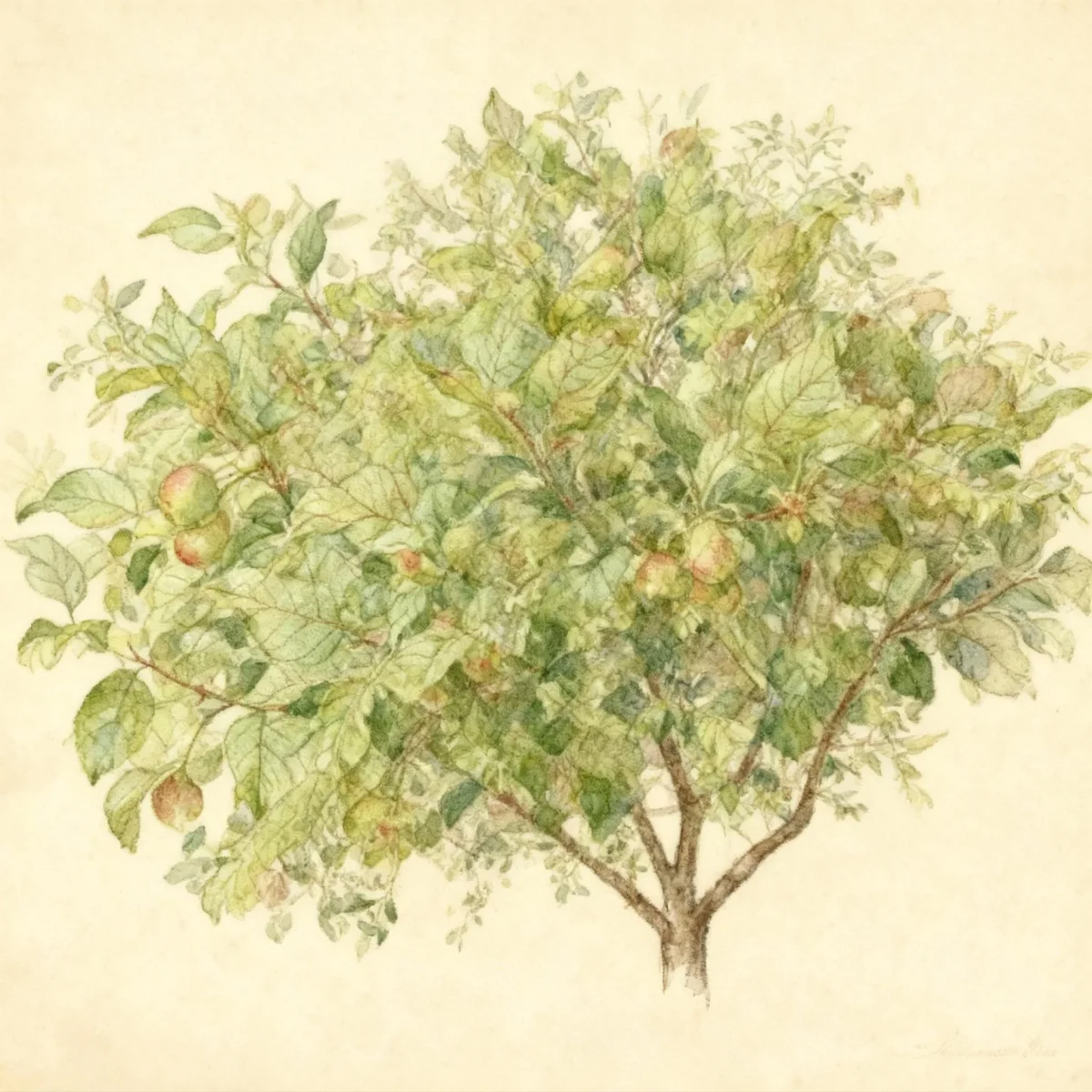
This low-growing tree typically reaches 10 to 15 feet tall but spreads widely up to 20 feet, creating a strong horizontal accent in the landscape. Following the bloom, the plant offers masses of small, glossy red crabapples persisting into fall, which are particularly attractive to local birds. The deep green foliage of the Apple further complements the seasonal color show.
Known for being adaptable, Malus ‘Mary Potter’ thrives with minimal fuss once established. It is an excellent choice for the gardener seeking reliable bloom and autumnal color without intensive cultural demands, offering significant ornamental value throughout the growing season.
Fast Facts
- Plant Family: Rosaceae
- Plant Type: Tree
- Hardiness Zones: USDA Zones 4-8
- Size at Maturity:
- Height: 10-15 ft
- Spread: 15-20 ft
- Bloom Time: April
- Bloom Description: Reddish-pink buds; white flowers
- Sun Exposure: Full sun
- Water Needs: Medium
- Maintenance Level: Low
How to Grow
The Malus ‘Mary Potter’ apple tree performs best when planted in medium moisture, well-drained, acidic loams, though it shows adaptability across a wide spectrum of soil types. Ensure the chosen location receives full sun daily for optimal flowering and fruit production. Planting during fall or early spring is recommended to allow the root system establishment before summer heat.
Water needs for this tree are considered medium; provide consistent moisture, especially in the first few years as it establishes. Once mature, established trees develop some drought tolerance. Fertilization is rarely necessary if the soil is adequate, but annual feeding can be considered for poor soils.
Maintenance is generally low, but pruning is crucial. It is highly advisable to prune Malus ‘Mary Potter’ only as needed in late winter. Avoid any spring pruning, as open cuts created during this time are susceptible entry points for the fireblight bacterium, a serious concern for many crabapples.
This triploid cultivar is notable because it comes true from seed, though most propagation is done clonally. Proper siting to avoid harsh winds or overly wet, poorly draining sites will minimize stress and enhance overall health of your specimen Apple tree.
Landscape Uses
As a Flowering Tree suggested use, Malus ‘Mary Potter’ excels as a specimen or accent plant where its low, spreading canopy can be fully appreciated. Its wide spread makes it less suitable for narrow walkways but perfect for anchoring soft borders in open lawn areas. Consider planting it in small groups to create a consistent visual impact across a larger space.
This Apple cultivar provides an excellent contrast against taller, upright evergreens or fine-textured shrubs, highlighting its four-season appeal. The persistent red fruit offers late-season interest, making it a great addition near patios or windows where seasonal viewing is prioritized.
When designing, match the Malus ‘Mary Potter’ with other plants that share similar preferences for full sun and medium moisture, such as robust perennials or groundcovers that won’t compete aggressively for surface nutrients.
Standout Features
Flower Qualities
- Showy
- Fragrant
Fruit Qualities
- Showy
Noteworthy Characteristics
The genus Malus encompasses about 35 species of deciduous trees and shrubs native to Europe, Asia, and North America, with “Malus” being an ancient Latin name for apple. Malus ‘Mary Potter’ is recognized as a low-growing, densely-branched tree reaching 10-15 feet tall and often wider, producing fragrant white flowers followed by attractive, persistent, glossy red crabapples up to half an inch in diameter. Its leaves are dark green and ovate, sometimes exhibiting deep lobing.
Tolerances
- Air Pollution
Potential Problems
The primary concerns for crabapples generally relate to fungal diseases such as scab, rusts, powdery mildew, and leaf spot, along with the bacterial disease fire blight. Malus ‘Mary Potter’ exhibits moderate resistance, but susceptibility to apple scab, leaf spot, powdery mildew, and fire blight remains a factor. Insect pests like aphids, scale, borers, and Japanese beetles can appear, though they are often less severe than disease pressure.
Management involves cultural care; applying preventative fungicides according to local recommendations before bloom can help control fungal outbreaks. Promptly removing any blighted twigs in late winter (when pruning is safe) is essential to manage fire blight. Good air circulation, ensured by proper spacing and your late-winter pruning schedule, also aids disease prevention.
Frequently Asked Questions
What hardiness zones is Malus ‘Mary Potter’ suitable for?
The Apple cultivar Malus ‘Mary Potter’ is reliably hardy in USDA Zones 4 through 8.
How large does Malus ‘Mary Potter’ grow?
This broad-spreading tree typically matures to a height between 10 and 15 feet, with a spread ranging from 15 to 20 feet wide.
When does Malus ‘Mary Potter’ bloom?
Blooming occurs in April, featuring reddish-pink buds that open into fragrant, white flowers.
What sun exposure does Malus ‘Mary Potter’ need?
For best performance, this tree requires full sun exposure throughout the day.
Conclusion
The Malus ‘Mary Potter’ Apple remains a superb choice for landscapes requiring durable structure, exceptional spring fragrance, and persistent autumnal color from its small red fruits. This low-maintenance cultivar offers significant ornamental return for the effort invested. Ensure you check your local USDA zone compatibility before planting this beautiful specimen Apple.
Wildlife Benefits
The floral display of the Malus ‘Mary Potter’ attracts early-season pollinators, including bees, due to the rich nectar contained within its fragrant white blossoms. While the fruit is small, the masses of glossy red crabapples produced in the fall are highly prized by many species of local birds throughout the winter months, providing a crucial late-season food source when other edibles are scarce. Ensuring the tree remains healthy through proper pruning will maximize its ecological offerings.
Seasonal Care Calendar
Spring care for your Malus ‘Mary Potter’ centers around monitoring for pests and fungal spores just as the leaves emerge. Avoid pruning during this time to prevent fire blight entry. Summer maintenance is primarily focused on watering; if rainfall is scarce, provide deep, infrequent watering to support the mature root system.
Fall is when the small red fruits ripen and persist, offering visual interest. Raking fallen leaves away from the base of the tree helps reduce overwintering fungal spores that could cause problems next year. Prepare for the dormant pruning season by identifying any branches that need removal, scheduling that necessary work for late winter.