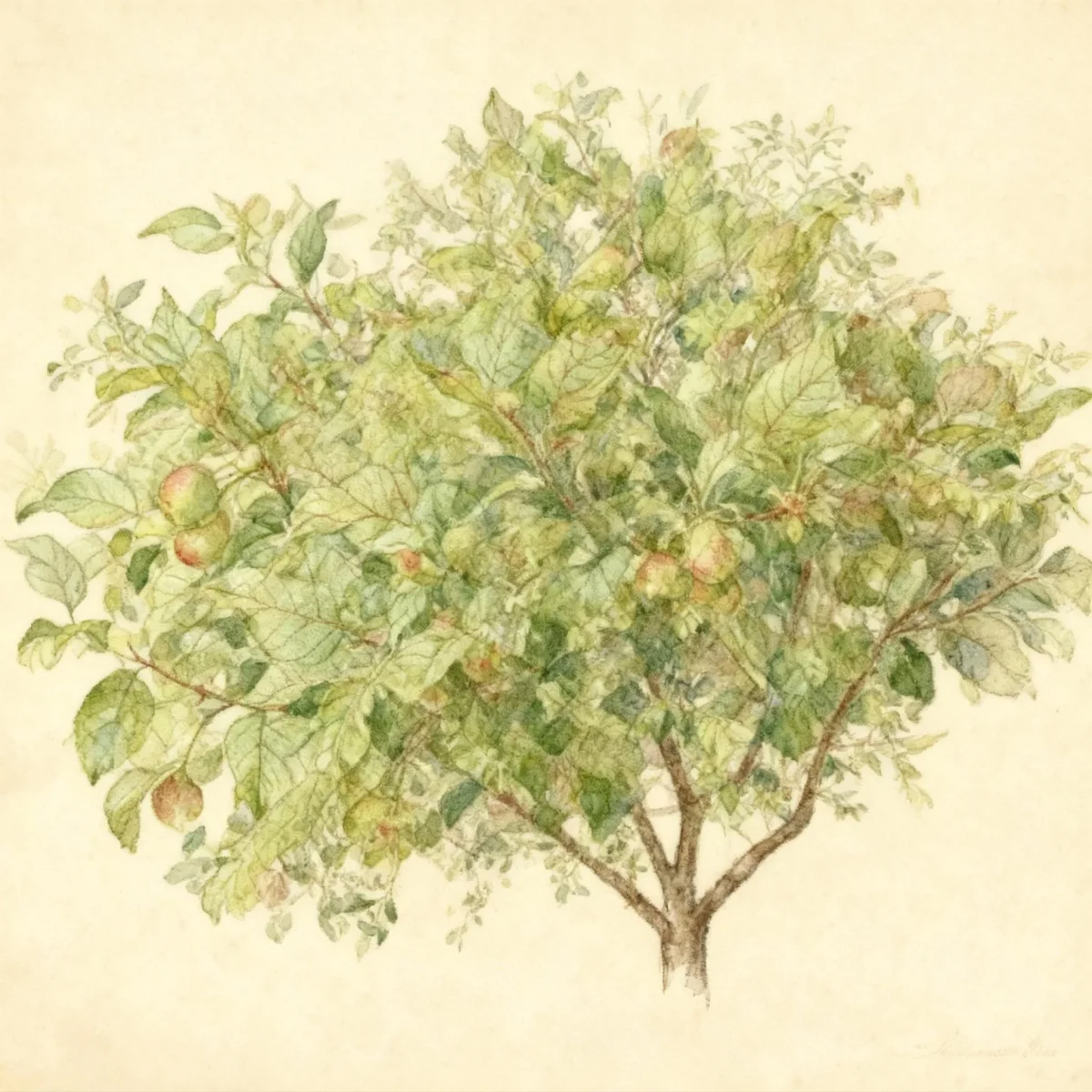
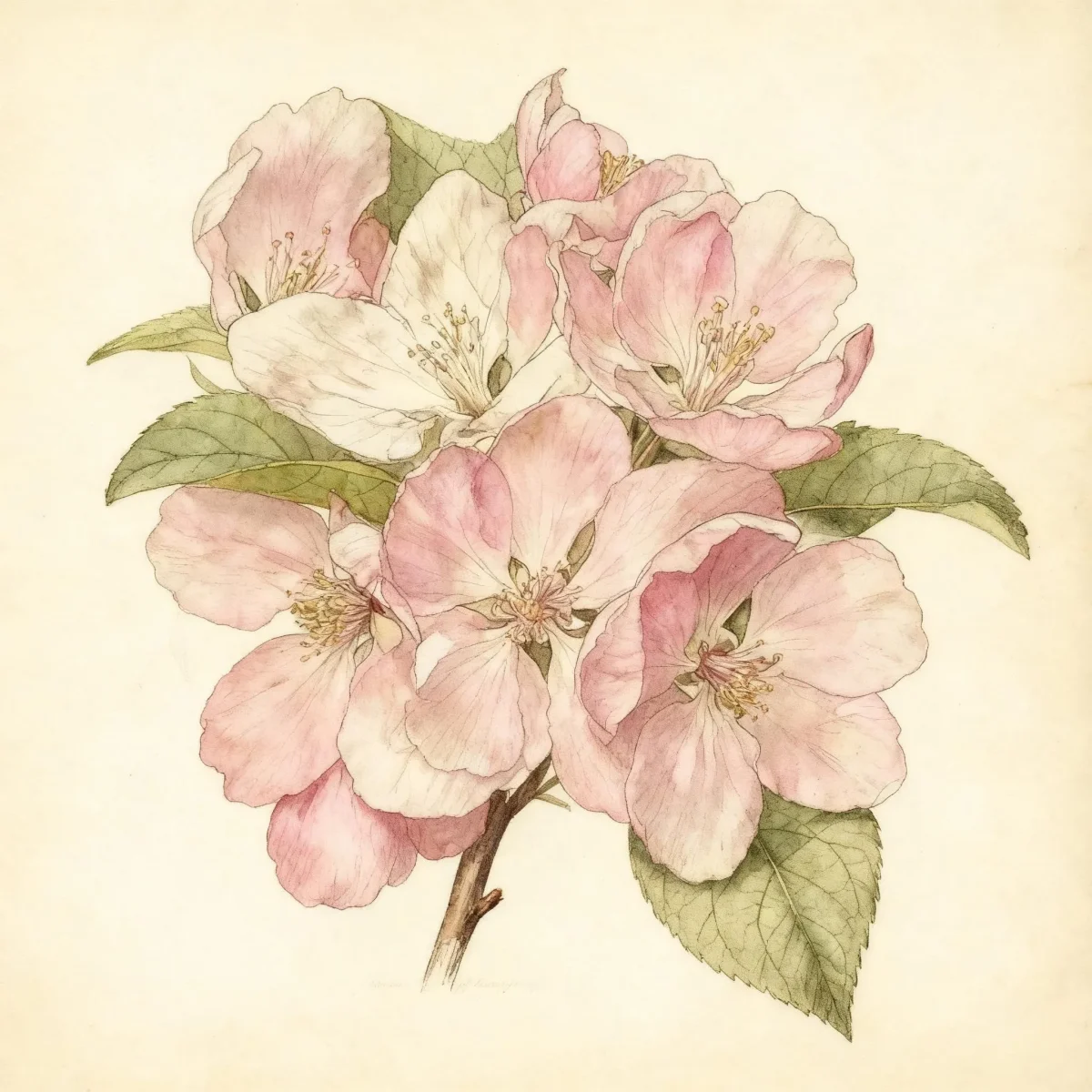
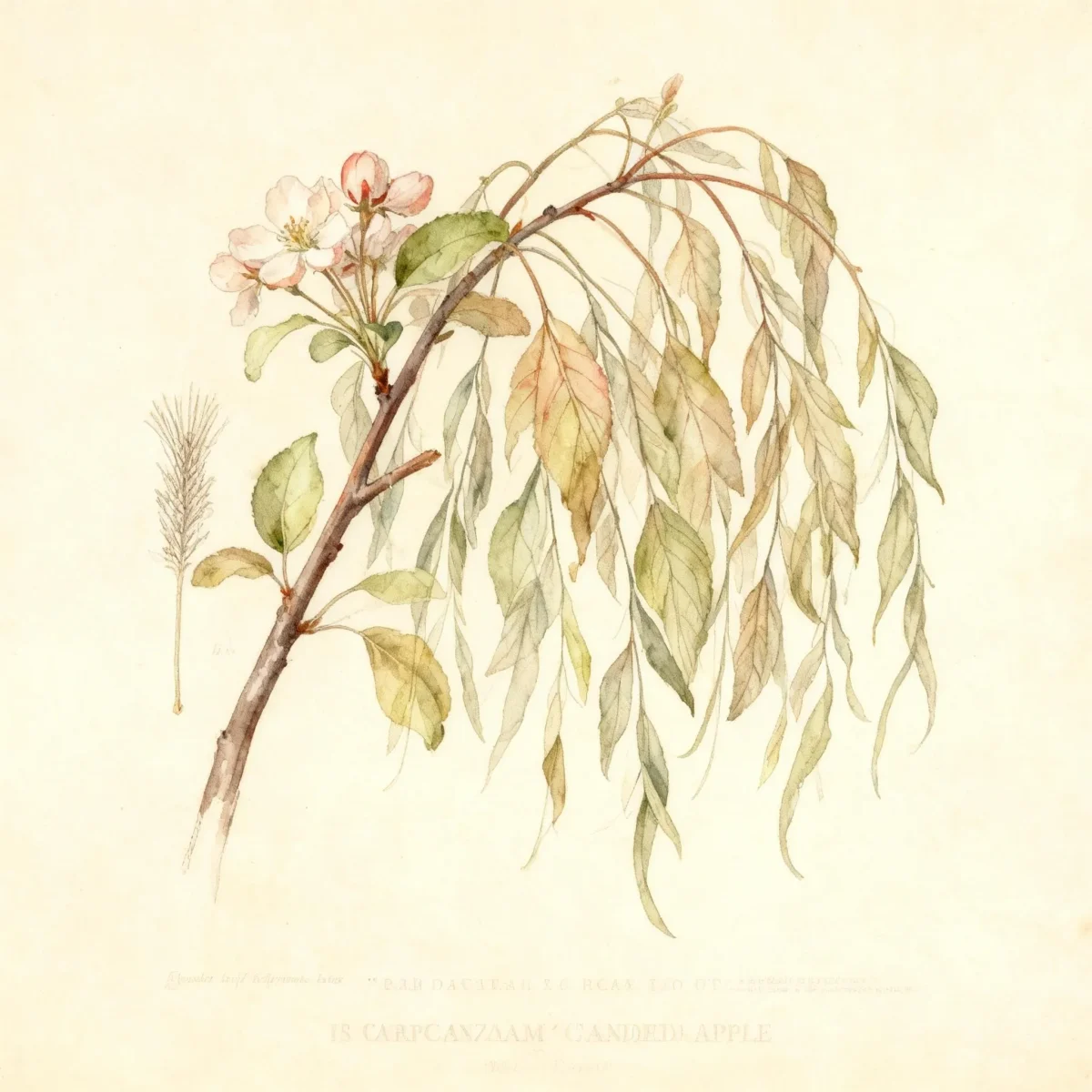
Flowering crabapple (Malus 'Prairifire')
Malus 'Prairifire' is a low-maintenance Flowering crabapple boasting deep pinkish-red blooms in spring and persistent fruit.
Scroll down to discover growing tips, care requirements, companion plants, and more
Complete Plant Information
Overview
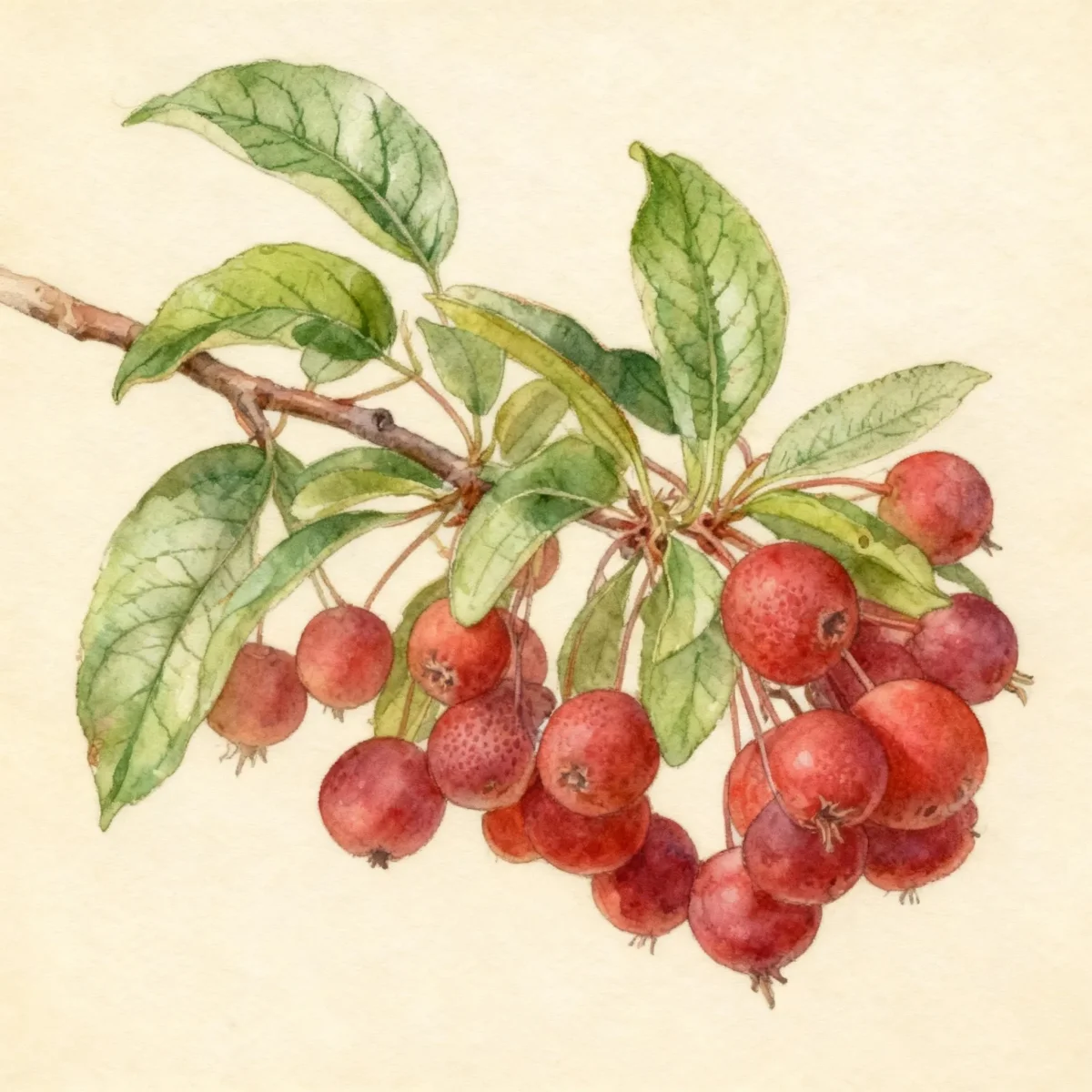
The Malus ‘Prairifire’ is a highly valued cultivar known for its dense, rounded structure and spectacular spring display, making it an exceptional specimen tree. This Flowering crabapple lights up the landscape from April through May with deep pinkish-red blossoms that are also pleasantly fragrant. It offers four-season interest; the foliage emerges purplish in spring, matures deep green, and is accented by persistent, purplish-red crabapples that attract birds into the colder months.
This deciduous tree reaches a pleasing mature height and spread of 15 to 20 feet, fitting well into smaller landscapes where larger apples might overwhelm the space. Though generally considered low maintenance, its adaptability to various soils and reputed high disease resistance make the Malus ‘Prairifire’ increasingly popular across USDA Zones 4 through 8. Gardeners appreciate this Flowering crabapple for adding reliable color and structure without demanding intensive care.
Fast Facts
- Plant Family: Rosaceae
- Plant Type: Tree
- Hardiness Zones: USDA Zones 4-8
- Size at Maturity:
- Height: 15-20 ft
- Spread: 15-20 ft
- Bloom Time: April to May
- Bloom Description: Deep pinkish red
- Sun Exposure: Full sun
- Water Needs: Medium
- Maintenance Level: Low
How to Grow
For optimal flowering and performance, plant the Malus ‘Prairifire’ in a location that receives full sun daily. This tree thrives best when sited in medium-moisture, well-drained, acidic loam soils, though it demonstrates flexibility in adapting to a wide range of soil types. Planting should ideally occur outside of the peak summer heat, either in early spring or fall, ensuring the root ball is placed level with the surrounding ground.
Water needs are medium, requiring consistent moisture, especially when the tree is young. Established Malus ‘Prairifire’ specimens show notable drought tolerance, reducing watering frequency once their roots are established. Fertilization is rarely necessary unless soil tests indicate severe deficiencies, as the tree focuses its energy on flowering and structure.
Pruning for structure should be performed as needed in late winter while the tree is dormant. Crucially, avoid any pruning in the spring. Fresh, open cuts made during the growing season provide entry points for the fireblight bacterium, which can severely damage or kill the limbs of susceptible cultivars like this Flowering crabapple.
Landscape Uses
The compact, rounded habit and vibrant spring color make the Malus ‘Prairifire’ an outstanding choice for specimen or accent planting. When placed singularly near an entryway or patio, it provides a dramatic focal point. It also functions beautifully when planted in small groups to create an informal screen or to line a driveway where year-round interest is desired.
This variety’s medium size allows it to be effectively integrated into mixed borders alongside shrubs with contrasting textures or evergreen backdrops that highlight the spring blooms. Because the crabapples persist, consider placing the tree where the fall and winter interest can be easily observed from interior windows.
Standout Features
Flower Qualities
- Showy
- Fragrant
Fruit Qualities
- Showy
Noteworthy Characteristics
Malus species, which includes this Flowering crabapple, comprises about 35 deciduous trees and shrubs native to Eurasia and North America. The ‘Prairifire’ cultivar is recognized for its dense, rounded shape, maturing around 15–20 feet tall with a similar spread. Its spring performance features deep pink-red flowers followed by small, purplish-red crabapples that remain attached, providing lasting visual appeal and bird forage.
Tolerances
- Air Pollution
Potential Problems
The primary challenges facing any crabapple involve fungal diseases, including scab, leaf spot, rusts, and the serious bacterial infection, fire blight. However, the Malus ‘Prairifire’ has been specifically selected for its notably high resistance to these common issues, significantly reducing long-term maintenance worries.
Insect pests, such as scale, borers, aphids, and Japanese beetles, are generally of lesser concern but should be monitored, especially on stressed trees. If spider mites appear during hot, dry spells, simple rinsing with a strong jet of water often controls minor infestations.
Frequently Asked Questions
What hardiness zones is Flowering crabapple suitable for?
The Malus ‘Prairifire’ is well-suited for planting across USDA Hardiness Zones 4 through 8.
How large does Malus ‘Prairifire’ grow?
This tree typically achieves a mature height between 15 and 20 feet, with a similar spread of 15 to 20 feet wide.
When does Flowering crabapple bloom?
You can expect vibrant displays from the Malus ‘Prairifire’ between April and May, noted for its deep pinkish-red flower color.
What sun exposure does Malus ‘Prairifire’ need?
This tree requires full sun exposure to maximize bloom density and maintain strong structural integrity.
Conclusion
The Malus ‘Prairifire’ offers exceptional value to the homeowner seeking manageable beauty, combining disease resistance with a spectacular spring flower show and persistent fruit. As a versatile Flowering crabapple, it fits seamlessly into diverse landscape roles. Before planting, confirm your location falls within USDA Zones 4-8 and plan for yearly dormant pruning to ensure the best health for your new Malus ‘Prairifire’.
Wildlife Benefits
The persistent crabapples generated by the Malus ‘Prairifire’ are a crucial late-season food source for many native bird species, offering necessary calories as winter approaches. While the primary attraction for pollinators is the showy and fragrant spring bloom, the dense branch structure also provides valuable protective cover and nesting sites for small songbirds throughout the year.
Companion Planting
To complement the robust structure and bloom time of the Malus ‘Prairifire’, consider pairing it with low-growing spring bulbs like daffodils (Narcissus) or grape hyacinths (Muscari) that will bloom just before or concurrently with the crabapple. For summer color beneath the canopy, use shade-tolerant, low-maintenance perennials such as Hosta or Astilbe, ensuring they do not aggressively compete for the medium water demands of the tree.