Flowering crabapple (Malus 'Ralph Shay')
The Malus 'Ralph Shay' Flowering crabapple offers delicate white spring blooms, persistent red fruit, and low maintenance for zones 4-8.
Scroll down to discover growing tips, care requirements, companion plants, and more
Complete Plant Information
Overview
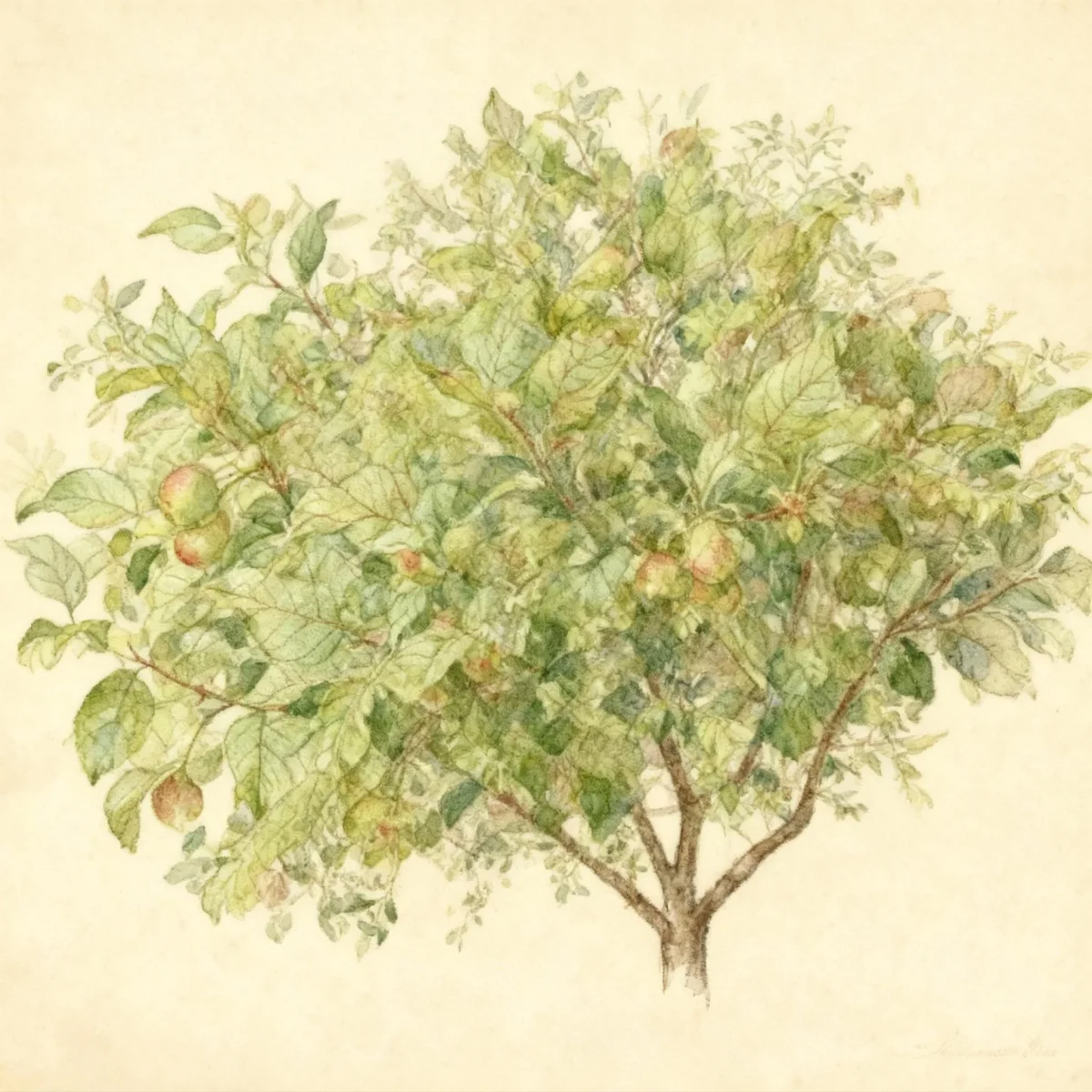
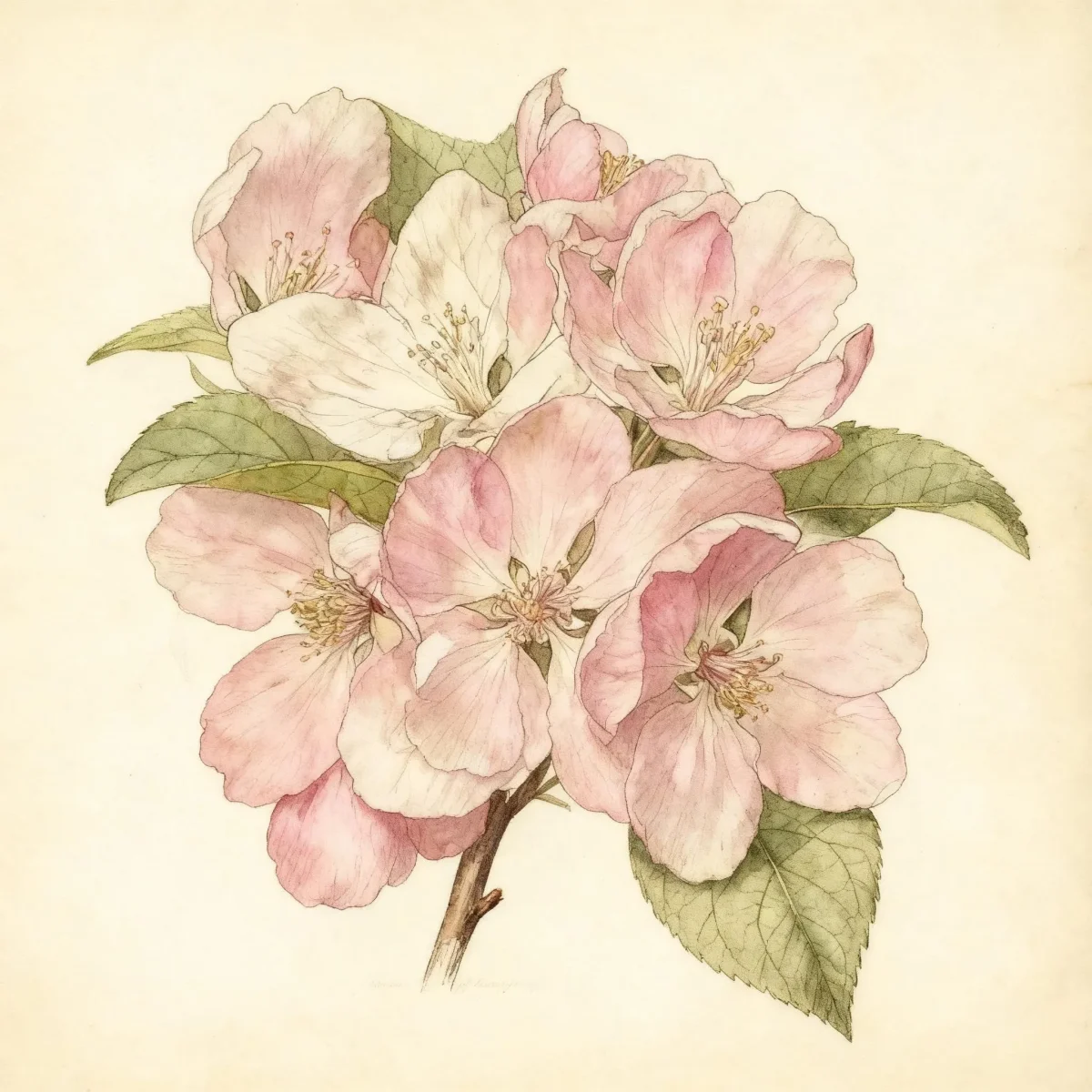
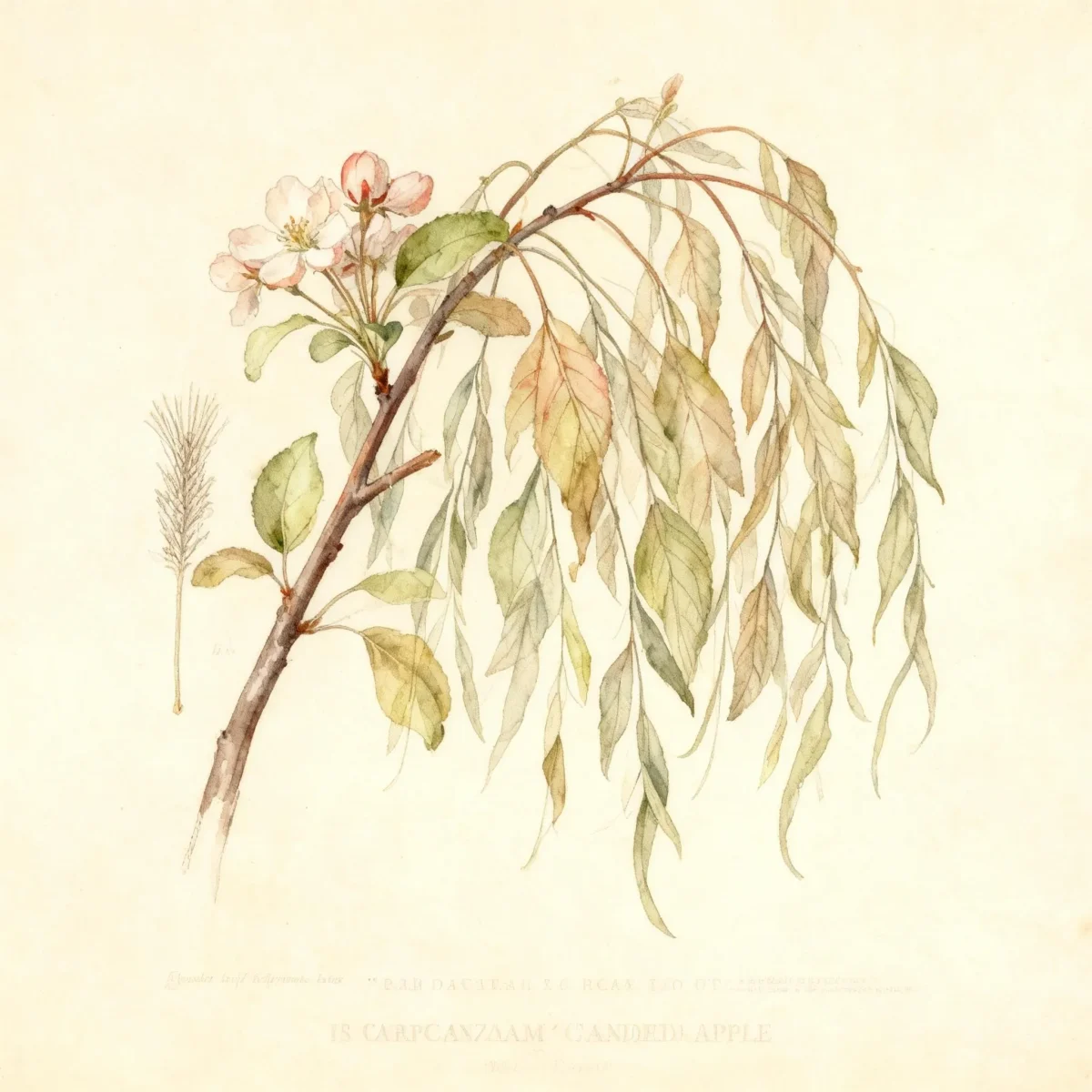
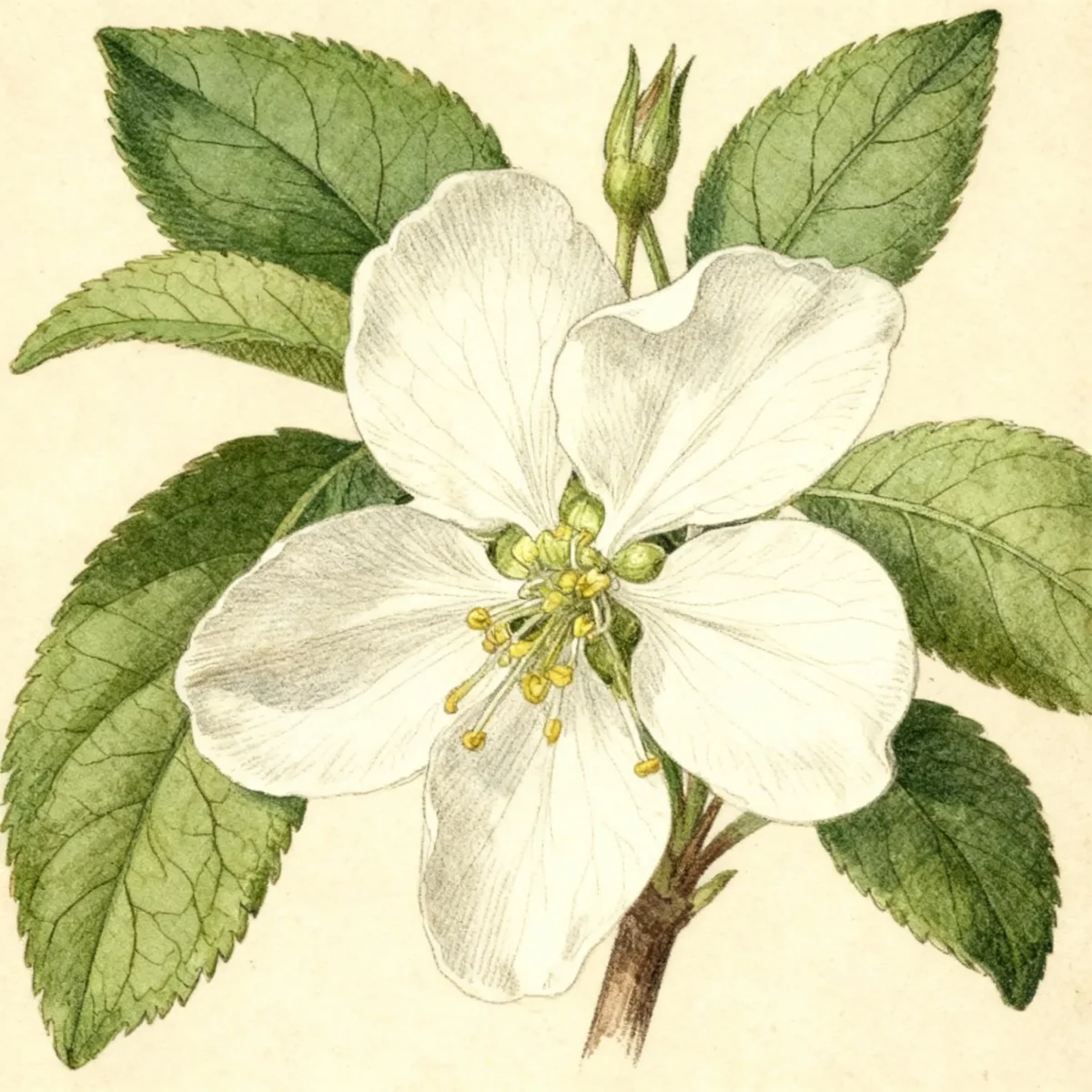
The Malus ‘Ralph Shay’ is a highly regarded deciduous tree, prized for its ornamental beauty throughout the growing season. As a Flowering crabapple, it provides a significant early spring display featuring masses of singular white flowers, signaling the close of winter. It matures into a rounded, horizontally-branched specimen perfect for adding structure to the landscape.
This cultivar offers more than just spring flowers; the bright red crabapples, which reach up to 1 1/4 inches in diameter, mature in the fall and notably persist well into the winter months, providing crucial late-season color and attracting birds. Gardeners appreciate the Malus ‘Ralph Shay’ for its relatively low maintenance requirements and adaptability, making it a robust choice for various settings.
Established trees exhibit good drought tolerance once settled. The combination of attractive flowers, persistent fruit, and manageable size solidifies the status of the Malus ‘Ralph Shay’ as an excellent investment for year-round visual interest in the landscape.
Fast Facts
- Plant Family: Rosaceae
- Plant Type: Tree
- Hardiness Zones: USDA Zones 4-8
- Size at Maturity:
- Height: 15-20 ft
- Spread: 17-22 ft
- Bloom Time: April
- Bloom Description: White
- Sun Exposure: Full sun
- Water Needs: Medium
- Maintenance Level: Low
How to Grow
Optimal success for your Malus ‘Ralph Shay’ begins with proper planting location. It thrives best when situated in full sun, which encourages robust flowering and fruit set. Ensure the site has medium moisture levels and well-drained, slightly acidic loams. While this tree adapts to a wide range of soils, excellent drainage is critical for long-term health.
Watering should be consistent, classified as medium needs, especially as the tree establishes its root system over the first few seasons. Once established, the Flowering crabapple develops some drought tolerance, though supplemental water during prolonged dry spells is always beneficial. Fertilization is rarely necessary if the soil quality is adequate, fitting its low maintenance nature.
Pruning should be approached cautiously. The best time to shape your Malus ‘Ralph Shay’ is during late winter as needed. Critically, avoid any spring pruning. Pruning when new growth is present opens fresh cuts directly susceptible to entry by the fireblight bacterium, a significant disease threat to many crabapples.
Landscape Uses
The versatile size and structure of the Malus ‘Ralph Shay’ make it an ideal candidate for specimen plantings where its distinctive shape can be appreciated. Its rounded form works perfectly as an accent tree near entryways or focal points in a lawn area. Due to its hardiness and good tolerance for air pollution, it serves admirably as a street tree where many other ornamentals might struggle.
For general landscape design, consider grouping this Flowering crabapple in small clusters to amplify the white spring bloom effect. It pairs well visually with early-blooming bulbs planted beneath its canopy, though care should be taken not to heavily compete with surface roots. Its structure offers excellent background texture when contrasted against evergreens that provide year-round screening.
Standout Features
Flower Qualities
- Showy
Fruit Qualities
- Showy
- Edible
Noteworthy Characteristics
The Malus genus encompasses about 35 species of deciduous trees and shrubs native to Europe, Asia, and North America, with the genus name stemming from the ancient Latin word for apple. The ‘Ralph Shay’ cultivar is characterized by its rounded shape and horizontally-branched habit, maturing between 15 and 20 feet tall with a slightly wider spread. Following the attractive April bloom, it produces abundant bright red crabapples, which are large enough (up to 1 1/4” diameter) to be a good selection for making jellies or preserves.
Tolerances
- Air Pollution
Potential Problems
The primary challenges for any crabapple involve managing diseases. The main aesthetic threats to the Malus ‘Ralph Shay’ include apple scab, fire blight, rusts, leaf spot, and powdery mildew. Fortunately, this specific cultivar exhibits generally good resistance to most common crabapple diseases, though it retains slight susceptibility to apple scab.
Insect pests, such as tent caterpillars, aphids, Japanese beetles, borers, scale, and spider mites, are usually of lesser concern but warrant monitoring. Implement preventative measures like ensuring good air circulation through proper pruning and keeping the area beneath the tree clean of fallen debris to reduce fungal spore reservoirs. Promptly removing any infected or damaged branches can prevent the spread of disease.
Frequently Asked Questions
What hardiness zones is Flowering crabapple suitable for?
The Malus ‘Ralph Shay’ is best suited for USDA Hardiness Zones 4 through 8.
How large does Malus ‘Ralph Shay’ grow?
This tree typically reaches a mature height between 15 and 20 feet tall, with a spread slightly wider, ranging from 17 to 22 feet.
What sun exposure does Flowering crabapple need?
For the best flowering and overall health, the Malus ‘Ralph Shay’ requires placement in full sun.
When does Malus ‘Ralph Shay’ bloom?
The tree produces its beautiful white flowers early in the season, typically during the month of April.
Conclusion
The Malus ‘Ralph Shay’ delivers reliable ornamental value through its season-long performance, highlighted by its white spring blossoms and persistent, edible red fruit. Offering low maintenance and good urban tolerance, this Flowering crabapple is a solid foundation plant for many landscapes. Verify that your planting site falls within USDA Zones 4-8 and plan your pruning schedule carefully to ensure you enjoy this handsome specimen for years to come.
Wildlife Benefits
The bright red fruits produced by the Malus ‘Ralph Shay’ are a significant attractor for local avian populations, particularly as other fresh food sources diminish in late fall and winter. Birds readily feed on these persistent crabapples, offering excellent observational opportunities for backyard naturalists. While the flowers themselves attract early-season pollinators, the fruit provides essential sustenance later in the year.
Planting this Flowering crabapple near a source of water or evergreen cover can further enhance its appeal to wildlife. Although the fruit is edible for humans when processed into jellies or preserves, its primary ecological role is providing important forage for resident and migrating bird species.
Best Practices for Disease Resistance
Given the slight susceptibility of Malus cultivars to apple scab, proactive cultural practices are crucial for maintaining the health of your Malus ‘Ralph Shay’. Ensure the tree is planted in an area with excellent air circulation; avoid dense groupings where humidity can remain high after rain or dew. Water at the base of the tree rather than overhead, as wet foliage encourages fungal development, thus minimizing the risk of scab and mildew.
Fire blight prevention centers entirely around timing your maintenance correctly. Never prune during the active growing season (spring and early summer). By adhering strictly to late winter pruning, you seal off potential entry points before the bacteria is most active, protecting your tree’s overall vigor and preventing scabbing of branches.