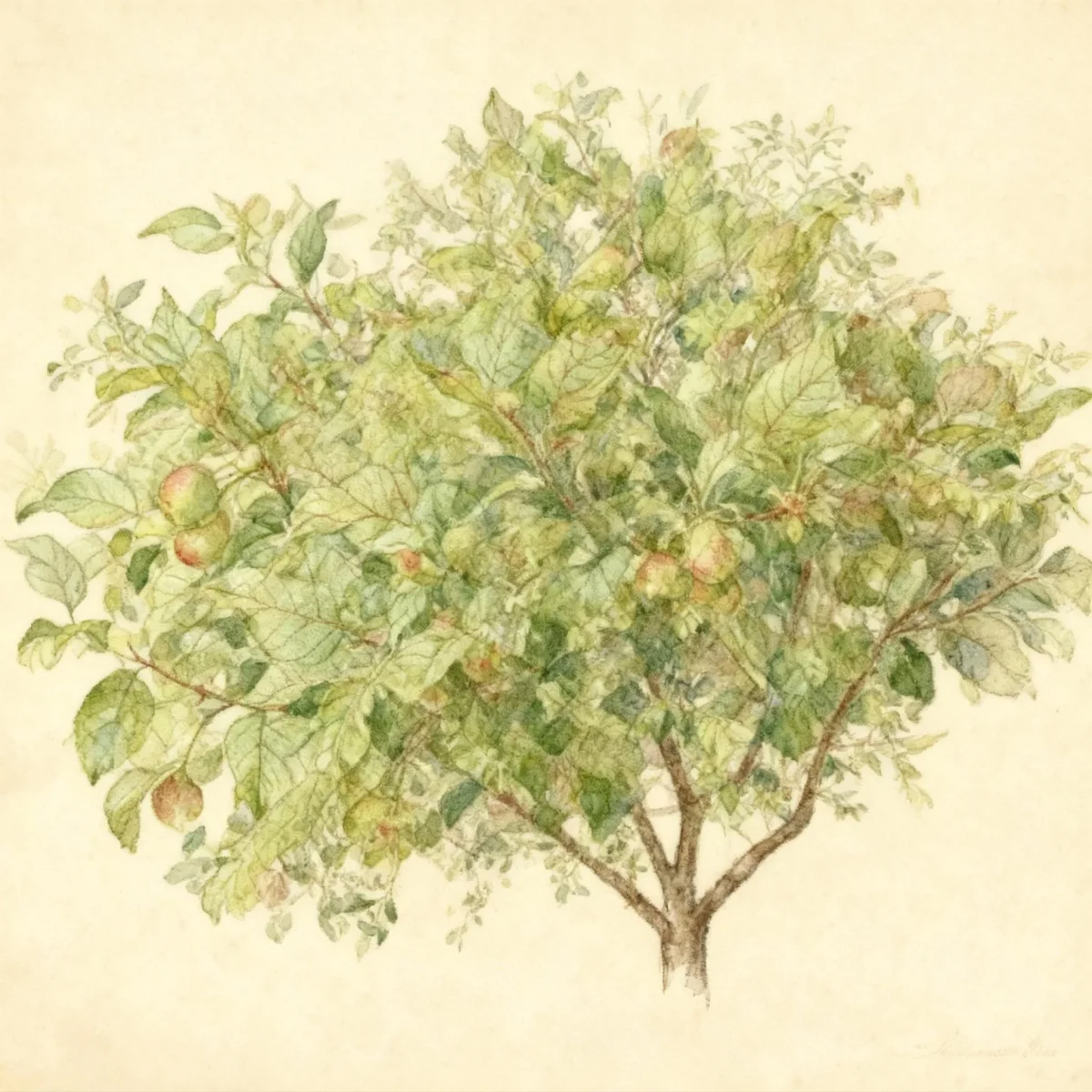
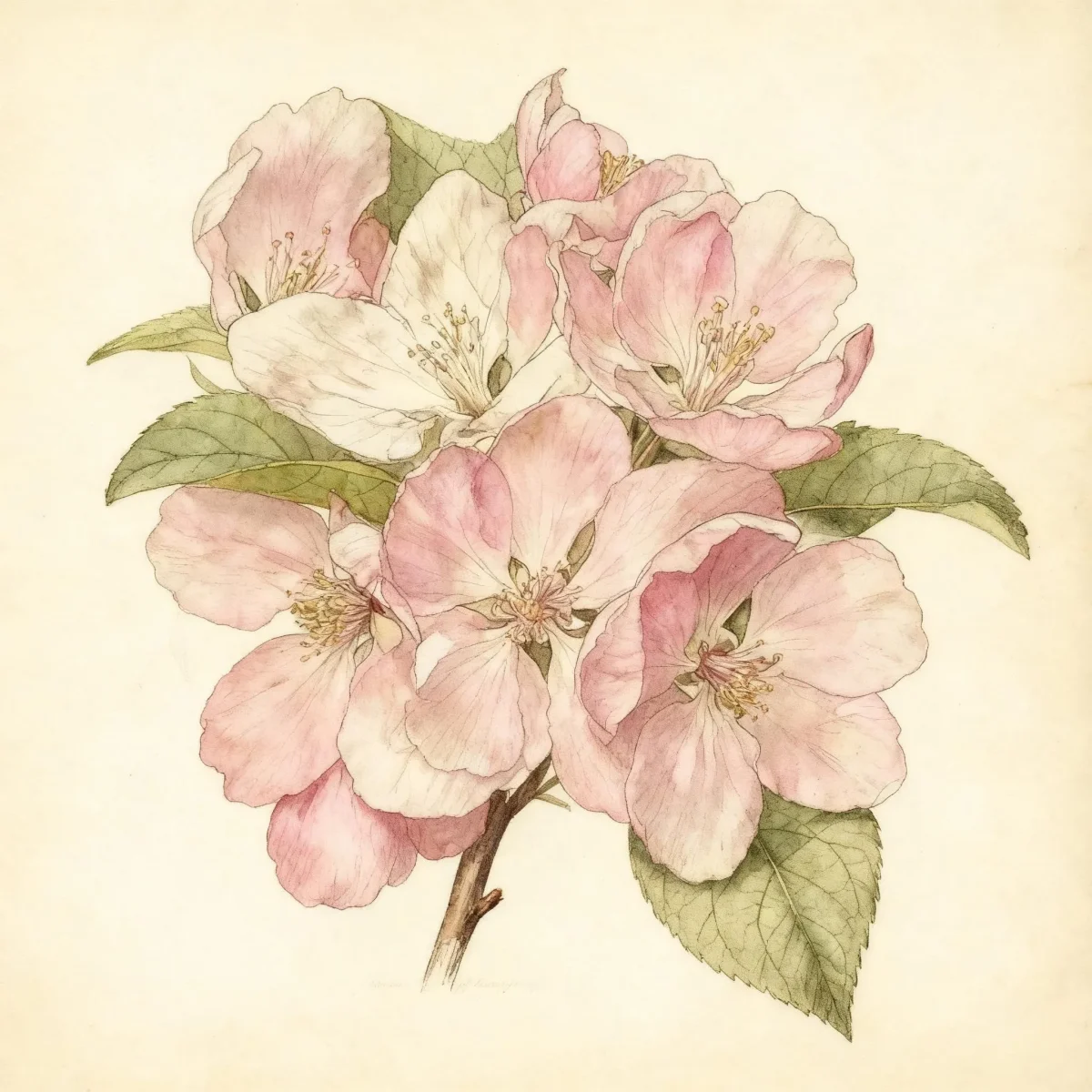
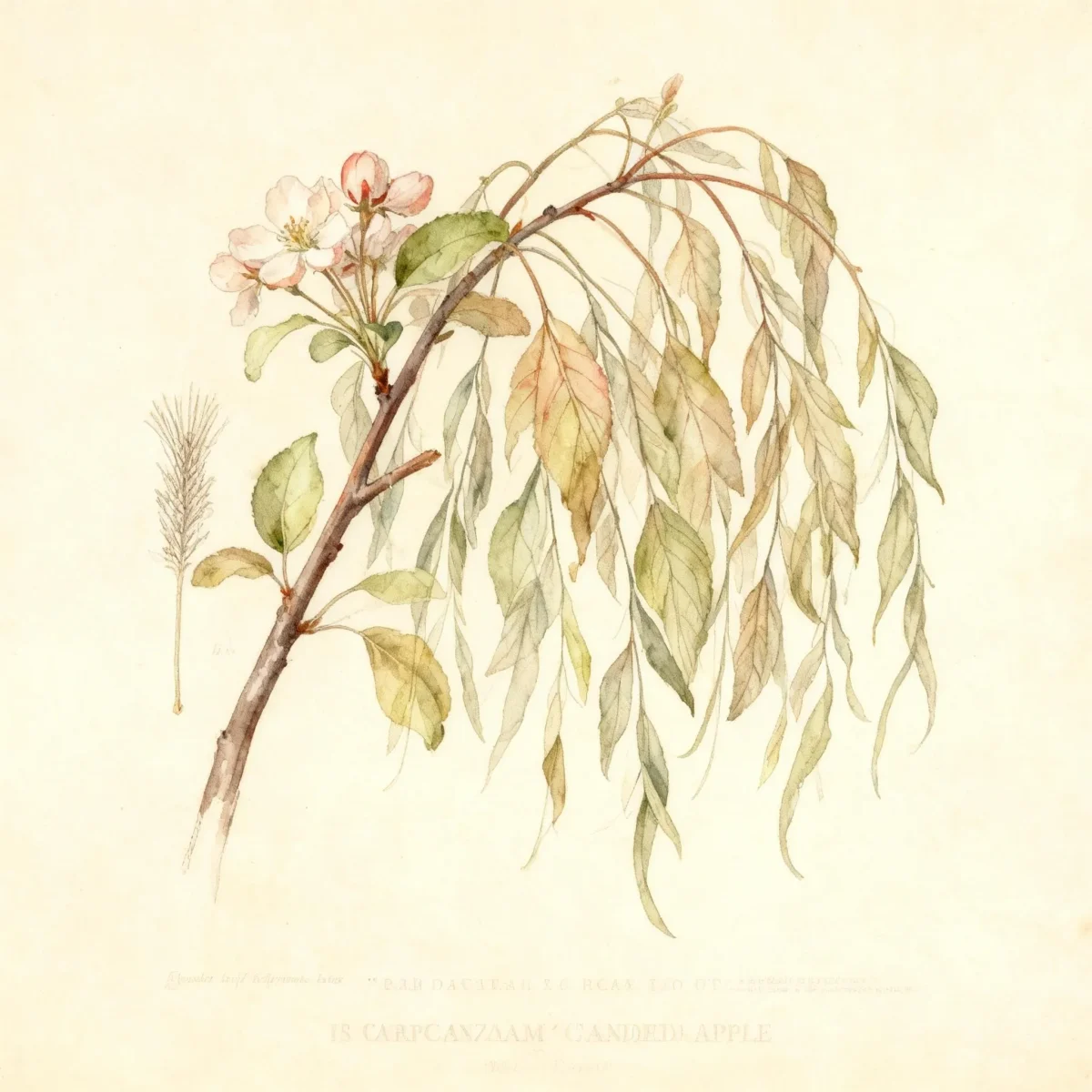
Flowering crabapple (Malus 'Robinson')
Malus 'Robinson' is a low-maintenance Flowering crabapple offering deep pink spring blooms, durable red fruit, and good disease resistance.
Scroll down to discover growing tips, care requirements, companion plants, and more
Complete Plant Information
Overview
The Malus ‘Robinson’ cultivar, commonly known as the Flowering crabapple, is a highly valuable addition to temperate landscapes due to its vigorous growth and attractive seasonal displays. This tree is renowned for its rounded shape, contrasting foliage that emerges purple, and vibrant spring flowering. Gardeners appreciate the Malus ‘Robinson’ for its balanced size, typically topping out around 20 feet, making it an excellent focal point without overwhelming smaller yards.
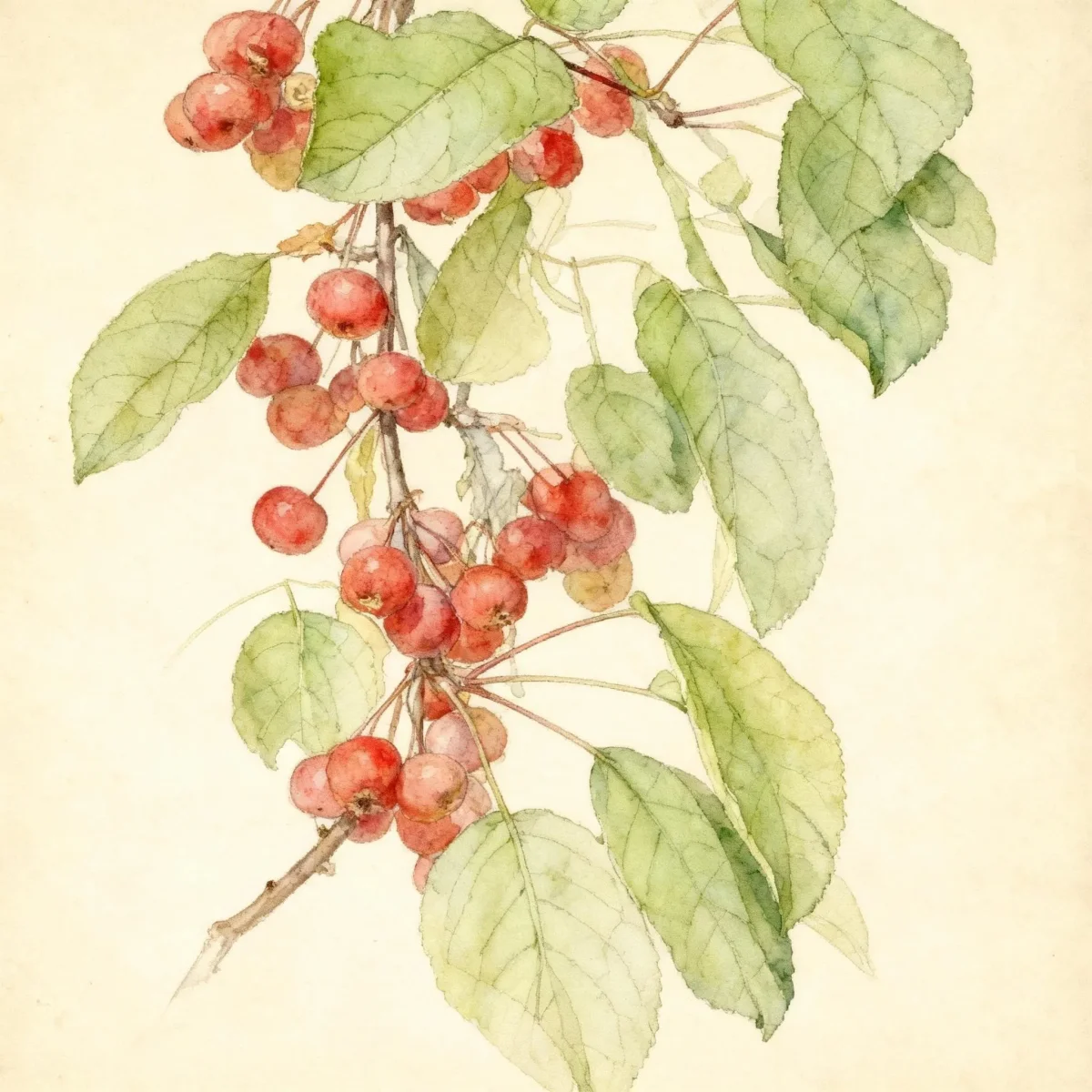
The aesthetic appeal of this Flowering crabapple extends beyond the spring bloom period, offering persistent bright red fruit through the fall and sometimes into winter, which provides color and attracts local bird populations. Furthermore, this specific cultivar is celebrated for exhibiting good disease resistance compared to many other crabapple varieties, simplifying long-term care.
Overall, the Malus ‘Robinson’ offers exceptional ornamental value across multiple seasons, requiring relatively low maintenance once established. Its adaptability and manageable size ensure that this beautiful Flowering crabapple remains a classic choice for specimen planting or small group landscaping.
Fast Facts
- Plant Family: Rosaceae
- Plant Type: Tree
- Hardiness Zones: USDA Zones 4-8
- Size at Maturity:
- Height: 15-25 ft
- Spread: 15-25 ft
- Bloom Time: April
- Bloom Description: Pink
- Sun Exposure: Full sun
- Water Needs: Medium
- Maintenance Level: Low
How to Grow
The ideal setting for Malus ‘Robinson’ involves planting in locations that receive full sun, ensuring maximum flower production and fruit set. This Flowering crabapple thrives best when situated in medium moisture, well-drained, acidic loams, though it demonstrates an ability to adapt to a wide range of soil conditions. Planting during the dormant season (late winter or early spring) is generally recommended for optimal establishment.
Once established, the Malus ‘Robinson’ exhibits noticeable drought tolerance, reducing the need for constant supplementary watering. While young trees require consistent moisture, mature specimens generally only need medium water input—water deeply during extended dry periods rather than frequent shallow watering. Fertilization is rarely necessary unless soil tests indicate severe nutrient deficiencies; excessive nitrogen can promote weak, rapid growth susceptible to pests.
Pruning on the Malus ‘Robinson’ should be done sparingly and strategically. The best time for shaping or removing deadwood is late winter before buds swell. Crucially, avoid any heavy pruning in spring, as fresh, open cuts create entry points for the fireblight bacterium. This quick-growing cultivar benefits from this low-maintenance approach to its structure.
Landscape Uses
As an ideal specimen or accent tree, the Malus ‘Robinson’ brings vibrant structure and seasonal interest to defined areas of the landscape. Its manageable height of 15 to 25 feet makes it perfect for placement near entryways, patios, or integrated into mixed shrub borders where its spring display can be fully appreciated. The rich color display of the flowers and red fruit ensures it serves as an exceptional focal point throughout the season.
This Flowering crabapple integrates well with later-blooming deciduous trees or contrasting evergreen foundation plantings. Use masses of lower-growing perennials that thrive in full sun beneath the canopy; these groundcovers won’t compete heavily for water since the tree develops drought tolerance. The ‘Robinson’ cultivar excels in small group plantings near walkways where its spring fragrance and summer structure can be enjoyed up close.
Designers often utilize the Malus ‘Robinson’ to break up large expanses of lawn or provide vertical contrast against low retaining walls. Its attractive, rounded silhouette provides year-round interest, fulfilling the role of a structure plant even after the leaves drop.
Standout Features
Flower Qualities
- Showy
Fruit Qualities
- Showy
- Edible
Noteworthy Characteristics
Malus is a broad genus of approximately 35 species of deciduous trees and shrubs originating from Europe, Asia, and North America. The genus name derives from the ancient Latin word for apple. Specifically, ‘Robinson’ is a highly regarded pink-flowered crabapple that matures to 15-25 feet tall, characterized by its rounded shape, deep pink flowers, and persistent red fruit. Its oval leaves offer seasonal interest, shifting from purple when young to bronze green with red veining, often finishing with decent orange fall color. The bright red crabapples (up to 3/8” diameter) mature in autumn and may persist into winter, attracting birds, and the fruit is suitable for making jellies.
Tolerances
- Air Pollution
Potential Problems
While Malus ‘Robinson’ generally possesses excellent disease resistance, all crabapples face potential challenges. The primary diseases encountered in the genus include apple scab, fire blight, various rusts, leaf spot, and powdery mildew. Management for these often involves ensuring good air circulation through proper pruning and applying targeted fungicides preventatively, especially during wet springs.
Insect pests, while usually of lesser concern on this resilient cultivar, can include migratory pests such as tent caterpillars, aphids, Japanese beetles, borers, and scale insects. Spider mites can also occasionally pose a threat during hot, dry conditions. Routine scouting, especially of new growth, helps catch infestations early, often allowing mechanical removal or spot treatment with insecticidal soap protocols.
The most important cultural defense against disease, especially fire blight, is timing your maintenance correctly. Always prune in late winter while the tree is dormant, as pruning during the active growing season opens wounds susceptible to infection.
Frequently Asked Questions
What hardiness zones is Flowering crabapple suitable for?
The Malus ‘Robinson’ is suited for cultivation across USDA Hardiness Zones 4 through 8.
How large does the Malus ‘Robinson’ grow?
This Flowering crabapple typically reaches a mature height between 15 and 25 feet, with a similar spread, forming a rounded shape in the landscape.
When does Flowering crabapple bloom?
The Malus ‘Robinson’ blooms during the month of April, producing deep pink flowers.
What sun exposure does Malus ‘Robinson’ need?
This tree requires full sun exposure to maintain its best vigor and flowering potential.
Conclusion
For gardeners seeking a dynamic, multi-season ornamental, the Malus ‘Robinson’ Flowering crabapple stands out due to its resilience and beauty. Its combination of deep pink spring blossoms and persistent red crabapples provides continuous visual appeal while boasting low maintenance requirements. Evaluate your site conditions, confirm your local hardiness zone compatibility (4-8), and plan for late winter pruning to ensure your Malus ‘Robinson’ thrives for years to come.
Wildlife Benefits
The fruit produced by the Malus ‘Robinson’ is a significant asset for supporting local wildlife, particularly during the lean months of late fall and winter. These small, bright red crabapples are highly attractive to various songbirds that feed on them after other food sources have diminished. Planting this Flowering crabapple near bird feeders or viewing areas enhances backyard ecology.
Furthermore, the dense, rounded canopy of the established Malus ‘Robinson’ provides excellent cover and nesting opportunities for small cavity-nesting birds and beneficial insects throughout the growing season. While the flowers attract early season pollinators like bees searching for nectar and pollen in April, the plant’s overall structure supports habitat diversity.
To maximize wildlife value, avoid cleaning up all fallen fruit immediately; allow some fruit to remain on the branches and ground to sustain birds through early winter periods. This makes the Malus ‘Robinson’ an excellent choice for naturalized border plantings or wildlife corridors.
Seasonal Care Calendar
Spring attention to the Malus ‘Robinson’ should focus on observing the emerging foliage and watching for pests as temperatures rise. Monitor leaf surfaces for early signs of fungal diseases like scab before heavy rains hit, applying preventive treatments if historic problems exist. Ensure the tree receives sufficient water during the spring flush of growth to support the abundant flowering and subsequent fruit set.
Summer care emphasizes monitoring soil moisture. Although established trees tolerate some drought, confirm the medium water needs are being met during prolonged hot spells, especially in hotter zones (7 and 8). Keep the area beneath the canopy clear of aggressive weeds that might steal critical water and nutrients away from the shallow root system of the Flowering crabapple.
In autumn, the colorful foliage and persistent red fruit of the Malus ‘Robinson’ become the main highlight. After the leaves drop, this is the final opportunity to manage any heavy pest load if insects overwintered on the branches. Prepare for winter by ensuring the tree is well-hydrated before the ground freezes hard, aiding its overall cold hardiness throughout the dormant season.