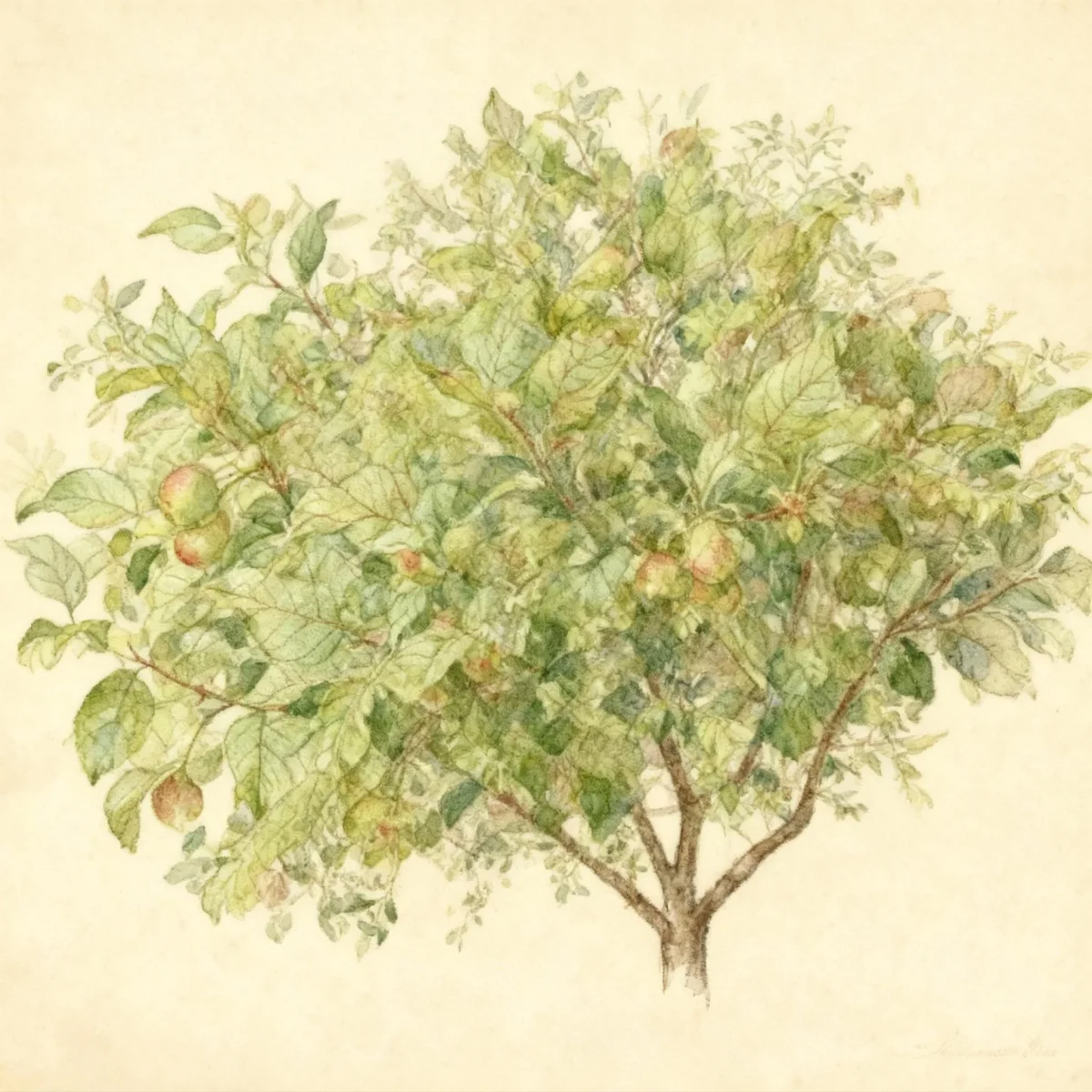
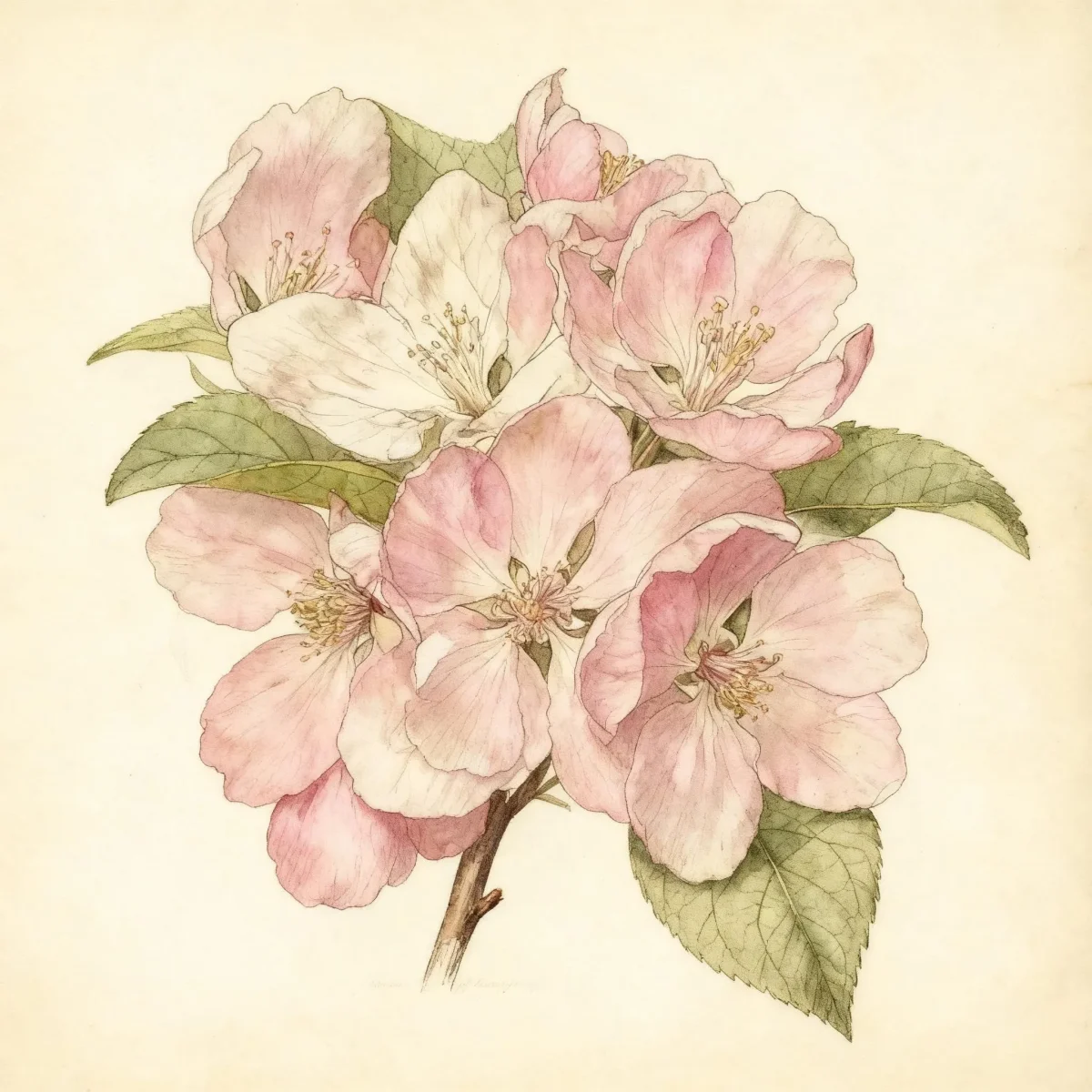
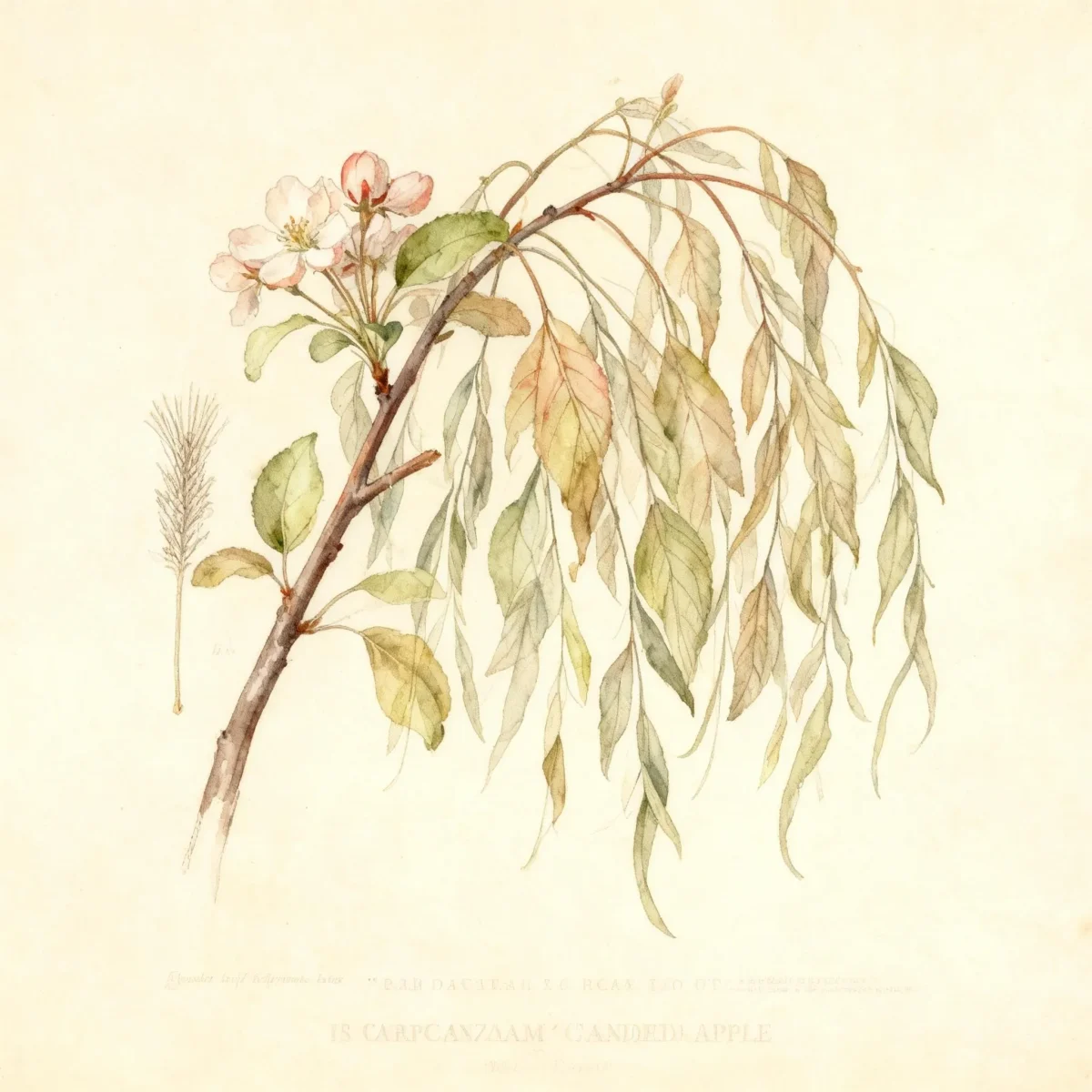
Flowering crabapple (Malus 'Winter Gold')
Malus 'Winter Gold' is a low-maintenance Flowering crabapple tree with fragrant white blooms and persistent yellow fruit.
Scroll down to discover growing tips, care requirements, companion plants, and more
Complete Plant Information
Overview
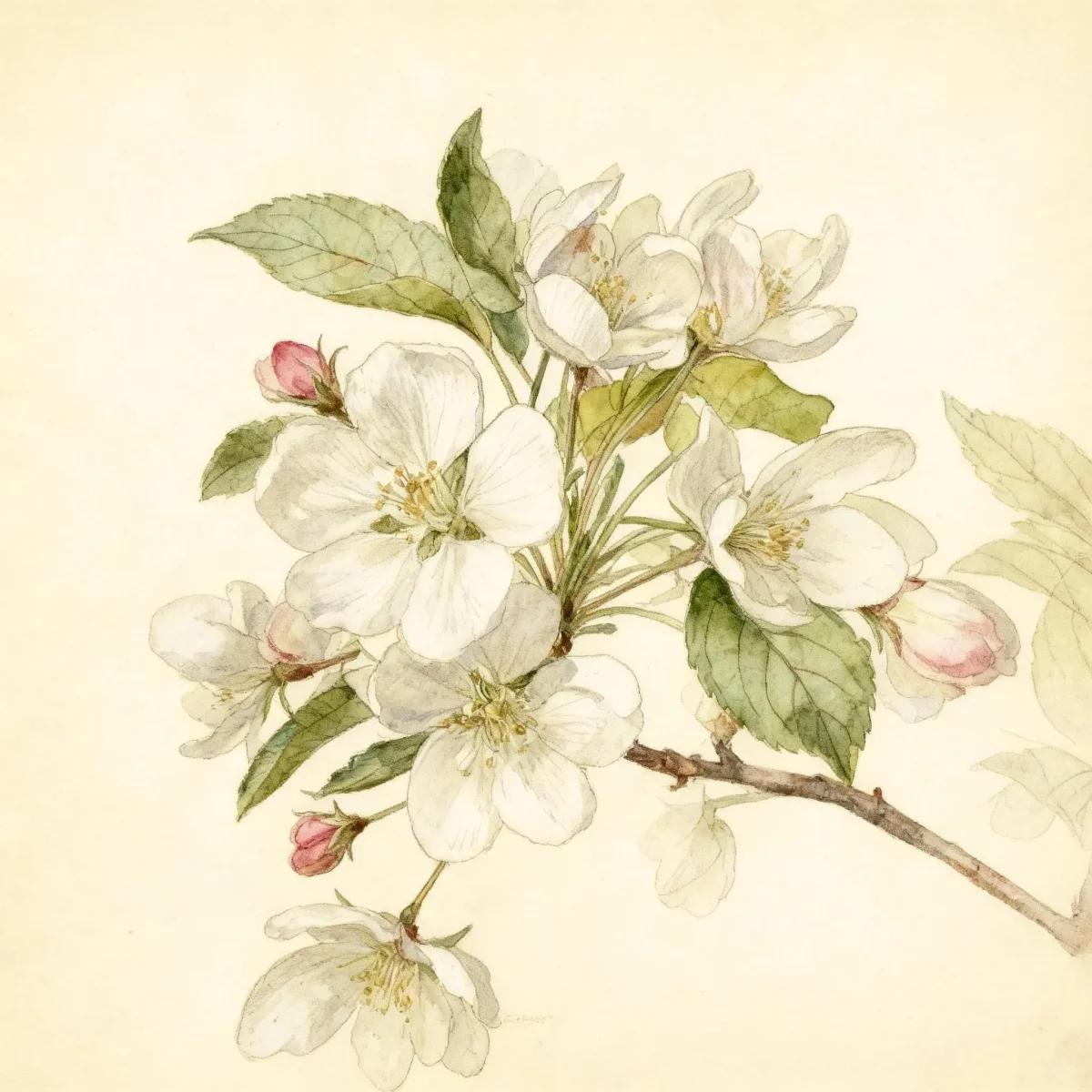
The Malus ‘Winter Gold’ offers exceptional year-round interest, making it a standout choice for many landscape designs. This robust Flowering crabapple variety impresses gardeners with its early spring display of fragrant, pure white flowers emerging from dark red buds. Its beauty is sustained through the seasons, offering glossy dark green foliage that transitions to yellow in the autumn.
Valued for its moderate size and adaptable nature, Malus ‘Winter Gold’ achieves a broadly rounded to pyramidal habit, reaching heights between 15 and 25 feet. Beyond its spring blossoms, this cultivar features bright yellow, cherry-sized fruits that notoriously persist well into the winter months, providing crucial food interest and color when deciduous branches are bare. Gardeners appreciate the low maintenance requirements combined with its strong aesthetic contributions across the seasons.
As a reliable Flowering crabapple, Malus ‘Winter Gold’ fits well into mixed borders or as a singular specimen where its seasonal show can be fully appreciated. Its general hardiness and tolerance to urban conditions secure its place as a practical and beautiful ornamental tree.
Fast Facts
- Plant Family: Rosaceae
- Plant Type: Tree
- Hardiness Zones: USDA Zones 4-8
- Size at Maturity:
- Height: 15-25 ft
- Spread: 10-20 ft
- Bloom Time: April
- Bloom Description: White
- Sun Exposure: Full sun
- Water Needs: Medium
- Maintenance Level: Low
How to Grow
The best success for Malus ‘Winter Gold’ involves planting in well-drained, acidic loams where it receives ample moisture. Ensure the planting site provides full sun exposure, as insufficient light will diminish flowering and fruiting potential. This Flowering crabapple adapts well to various soil types, but excellent drainage is non-negotiable for long-term health.
Watering should be consistent while the tree is establishing. Once mature, established trees display good drought tolerance, though supplemental watering during prolonged dry spells is always beneficial to maintain the medium water needs. Fertilization is generally unnecessary unless soil tests indicate severe deficiencies; over-fertilizing promotes lush, weak growth susceptible to pests and disease.
Pruning for Malus ‘Winter Gold’ should be scheduled thoughtfully. The ideal time to thin or shape the tree is in late winter when it is dormant. It is critical to avoid spring pruning, as fresh cuts create entry points for the fireblight bacterium. Any necessary shaping for structure or removal of crossing branches should be done promptly and cleanly during dormancy.
Landscape Uses
As a designated Flowering Tree, Malus ‘Winter Gold’ excels when positioned as a specimen or focal accent tree in residential or commercial landscapes. Its manageable size prevents it from overwhelming smaller yards while still providing significant vertical interest. Planting in small groups can also create an impressive sequence of spring bloom across a property line or open lawn area.
For street tree applications, the low maintenance level and tolerance to air pollution make this variety robust in urban settings where other ornamentals might struggle. Design considerations should allow for viewing its persistent yellow fruit in winter, perhaps near windows or walkways. Look for companions that benefit from full sun and offer contrasting foliage textures for year-round appeal, such as evergreens or fine-textured ornamental grasses.
Standout Features
Flower Qualities
- Showy
- Fragrant
Fruit Qualities
- Showy
- Edible
Noteworthy Characteristics
Malus is a genus of about 35 species of deciduous trees and shrubs from Europe, Asia and North America. The genus name from Latin is an ancient name for apple. ‘Winter Gold’ is a broadly rounded to pyramidal tree that grows 15 to 25 ft. tall and 10 to 20 ft. wide. Its red flower buds open into pure white, single flowers that mature into bright yellow, cherry-sized fruits that persist into winter, complemented by glossy, dark green ovate leaves that turn yellow in the fall.
Tolerances
- Air Pollution
Potential Problems
The primary concerns for any Flowering crabapple revolve around fungal diseases. The common issues faced by the genus include scab, rusts, leaf spot, and powdery mildew, with fire blight being a significant bacterial threat, particularly if pruning occurs during risky seasons. Insect pests like aphids, borers, scale, and the highly visible tent caterpillars can occasionally become problematic.
Fortunately, Malus ‘Winter Gold’ has been bred for enhanced resistance, offering good protection against the main diseases prevalent in crabapples. Vigilance remains key; ensure proper air circulation through careful pruning and monitor new growth closely for signs of fire blight infection. If pests appear, target treatments early in the season before populations explode.
Frequently Asked Questions
What hardiness zones is Flowering crabapple suitable for?
The Malus ‘Winter Gold’ is hardy and thrives across USDA Zones 4 through 8.
How large does Malus ‘Winter Gold’ grow?
This variety typically matures to a height between 15 and 25 feet tall, with a spread ranging from 10 to 20 feet wide.
What sun exposure does Flowering crabapple need?
For optimal performance, Malus ‘Winter Gold’ requires full sun throughout the day.
When does Malus ‘Winter Gold’ bloom?
This tree produces its lovely white flowers during the month of April.
Conclusion
The Malus ‘Winter Gold’ provides exceptional value to the landscape through its fragrant spring flowers, persistent yellow fruit, and low required maintenance. This specific Flowering crabapple brings reliable seasonal beauty and decent resistance to common diseases. Before planting, confirm your location falls within USDA Zones 4-8 and plan your pruning schedule for late winter to ensure the continued health and beauty of your Malus ‘Winter Gold’.
Companion Planting
When planning the area around your Malus ‘Winter Gold’, select plants that share the requirement for full sun and medium moisture while appreciating slightly acidic soil. Consider planting low-growing spring bulbs, such as Daffodils (Narcissus) or Snowdrops (Galanthus), beneath the canopy; their foliage will naturally die back as the crabapple’s leaves fully emerge.
For textural contrast, consider pairing the upright structure of Malus ‘Winter Gold’ with spreading groundcovers that offer different foliage colors, such as blue fescue or low-growing Japanese forest grass if the area receives dappled shade during the hottest part of the afternoon. Avoid planting highly susceptible varieties of Phlox or Roses close by, as this can increase localized disease pressure, even with the inherent resistance of the crabapple.
Seasonal Care Calendar
Spring is the peak season for viewing the Malus ‘Winter Gold’, as its beautiful white flowers open in April. Immediately following bloom, monitor for the rapid development of the glossy leaves and ensure consistent medium watering as temperatures rise. Summer care involves light supplemental watering during dry spells and scouting for early signs of pest activity.
Fall is when the tree’s foliage turns a pleasing yellow, and the cherry-sized fruits mature to their bright winter yellow. Focus on cleanup beneath the tree to remove diseased leaves which can harbor spores for next year. Late winter, before bud break, is the critical time reserved solely for structural pruning, ensuring you avoid creating fresh wounds that invite fireblight infection during the active growing season.