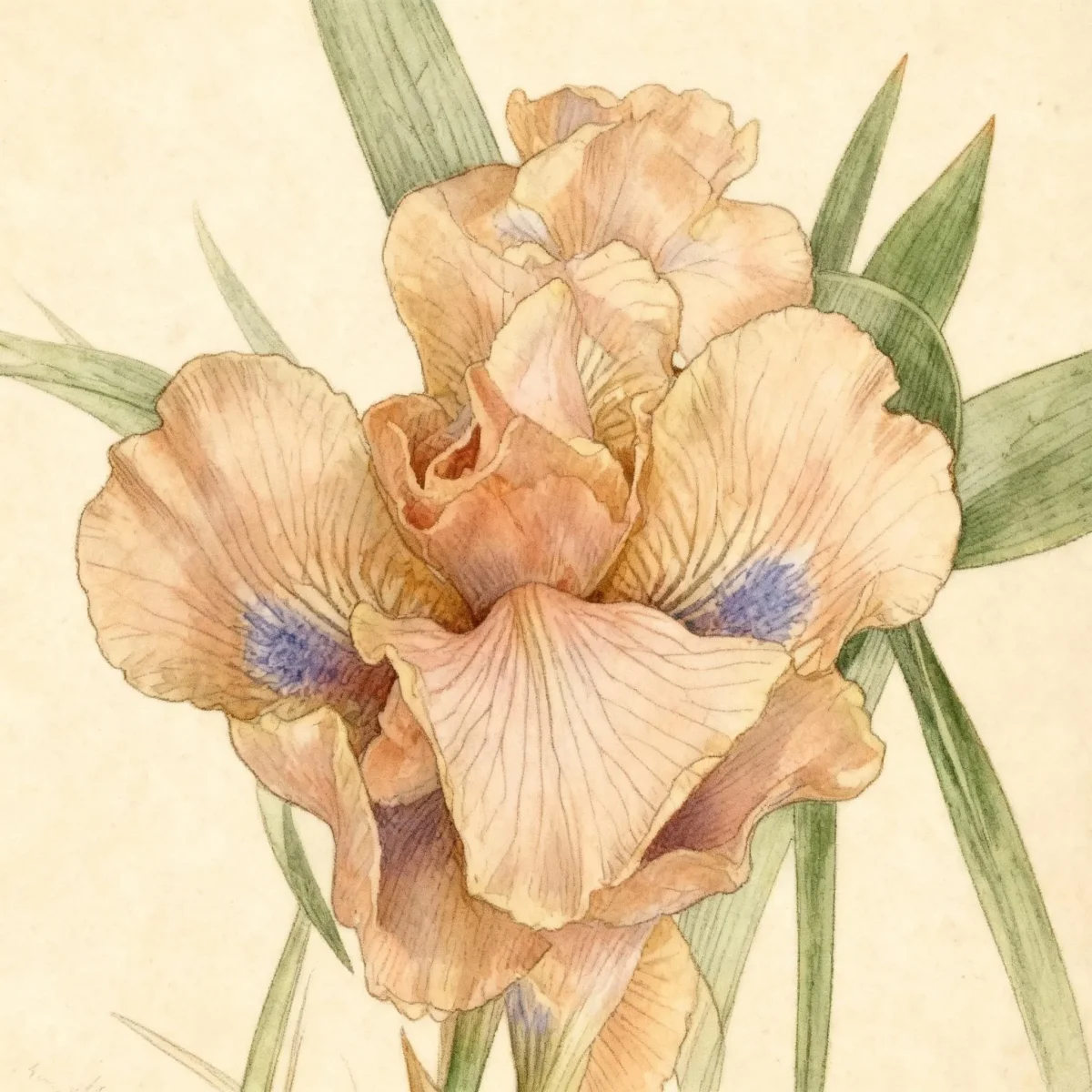
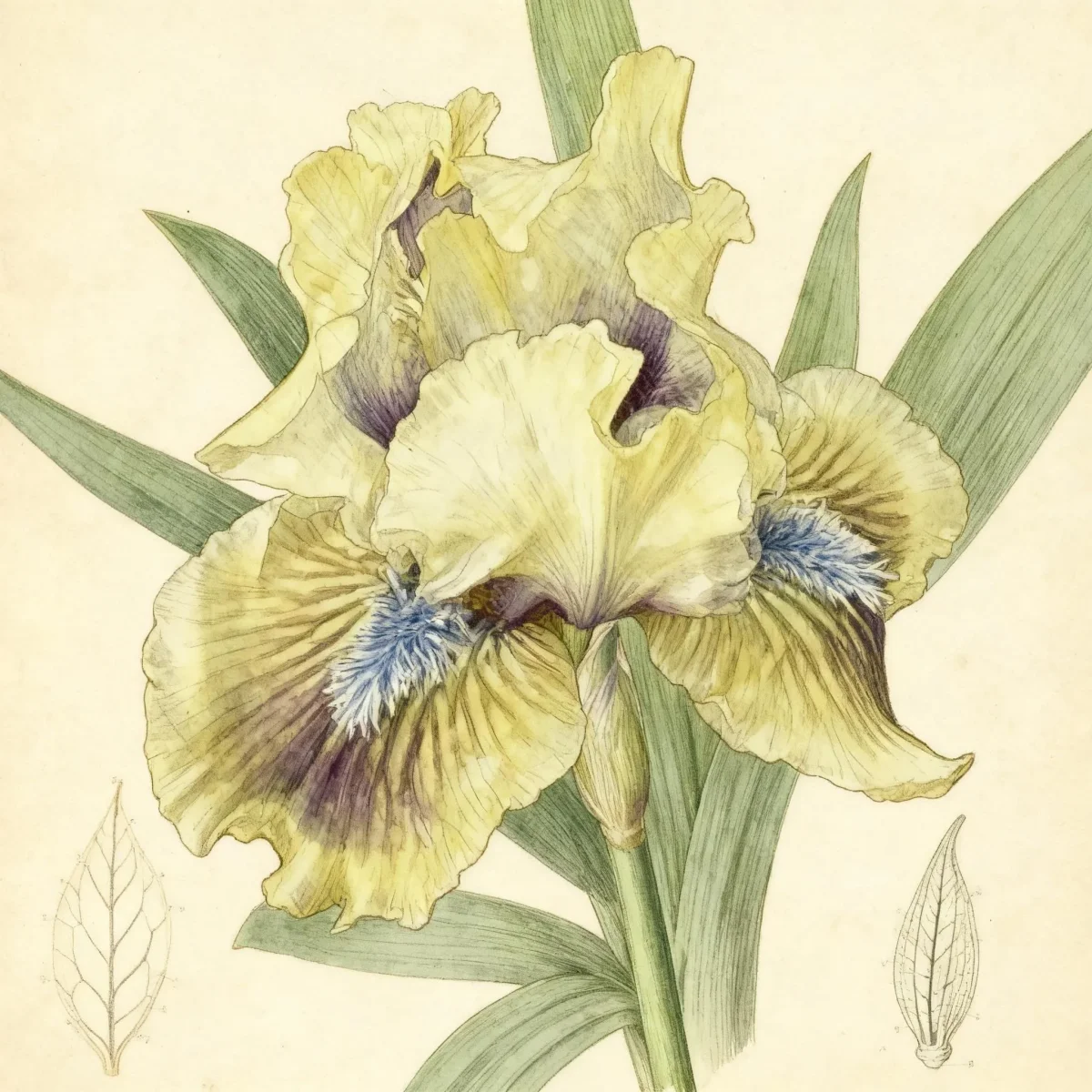
Standard dwarf bearded iris (Iris 'Wavelength')
Iris 'Wavelength' is a lovely Standard dwarf bearded iris boasting pale violet blooms in May. Ideal for sunny borders and rock gardens.
Scroll down to discover growing tips, care requirements, companion plants, and more
Complete Plant Information
Overview
Iris ‘Wavelength’ brings delicate color and reliable structure to spring gardens. As a distinguished member of the Standard dwarf bearded iris group, this cultivar showcases blooms precisely when many other spring flowers are fading. Gardeners value this plant for its manageable stature and the clear, pale violet coloration of its flowers.
This rhizomatous perennial thrives when provided full sunlight and well-drained conditions, essential for the long-term health of its rhizomes. The narrow, erect leaves provide year-round interest, forming neat clumps that frame the fleeting beauty of the mid-spring flower display.
Ultimately, the appeal of Iris ‘Wavelength’ lies in its robust nature combined with its refined appearance. It offers drought tolerance once established and its compact size makes it perfect for edging pathways or providing vertical accents in rock gardens.
Fast Facts
- Plant Family: Iridaceae
- Plant Type: Herbaceous perennial
- Hardiness Zones: USDA Zones 3-8
- Size at Maturity:
- Height: 0.5-1 ft
- Spread: 0.5-1 ft
- Bloom Time: May
- Bloom Description: Violet
- Sun Exposure: Full sun
- Water Needs: Medium
- Maintenance Level: Medium
How to Grow
The key to successfully cultivating Iris ‘Wavelength’ is ensuring excellent soil drainage, as these plants are susceptible to rot in overly wet conditions. Plant rhizomes shallowly between late July and October, depending on your climate. Position each rhizome on a slight mound of soil, ensuring one-third remains exposed above the soil line, with the roots spread horizontally to anchor the plant.
Position Iris ‘Wavelength’ in a location receiving full sun, though some afternoon shade is tolerated, especially in hotter regions. Aim for average soil moisture during the active growing season, moistening consistently from spring until about six weeks after flowering concludes. While it possesses some drought tolerance once mature, consistent moisture yields the best performance.
For areas with heavy clay or high rainfall, planting on slopes or in raised beds is highly recommended to maximize drainage and prevent fungal issues. Keep the bed weed-free, as weeds compete for moisture and airflow. If clumps become overcrowded over time, lift, divide, and replant the rhizomes in late summer, typically August.
Landscape Uses
Standard dwarf bearded iris varieties like Iris ‘Wavelength’ excel near the front of mixed borders where their modest height (typically around 11 inches) won’t obscure taller plantings. Their neat, upright foliage provides excellent structural relief throughout the season, making them superb for defining walkways or lining sunny patios.
Groupings or mass plantings of Iris ‘Wavelength’ create powerful drifts of violet color in rock gardens or along retaining walls where drainage is naturally optimized. Furthermore, their compact nature ensures they perform admirably when integrated into containers, adding refined texture to patio displays.
Standout Features
Flower Qualities
- Showy
Noteworthy Characteristics
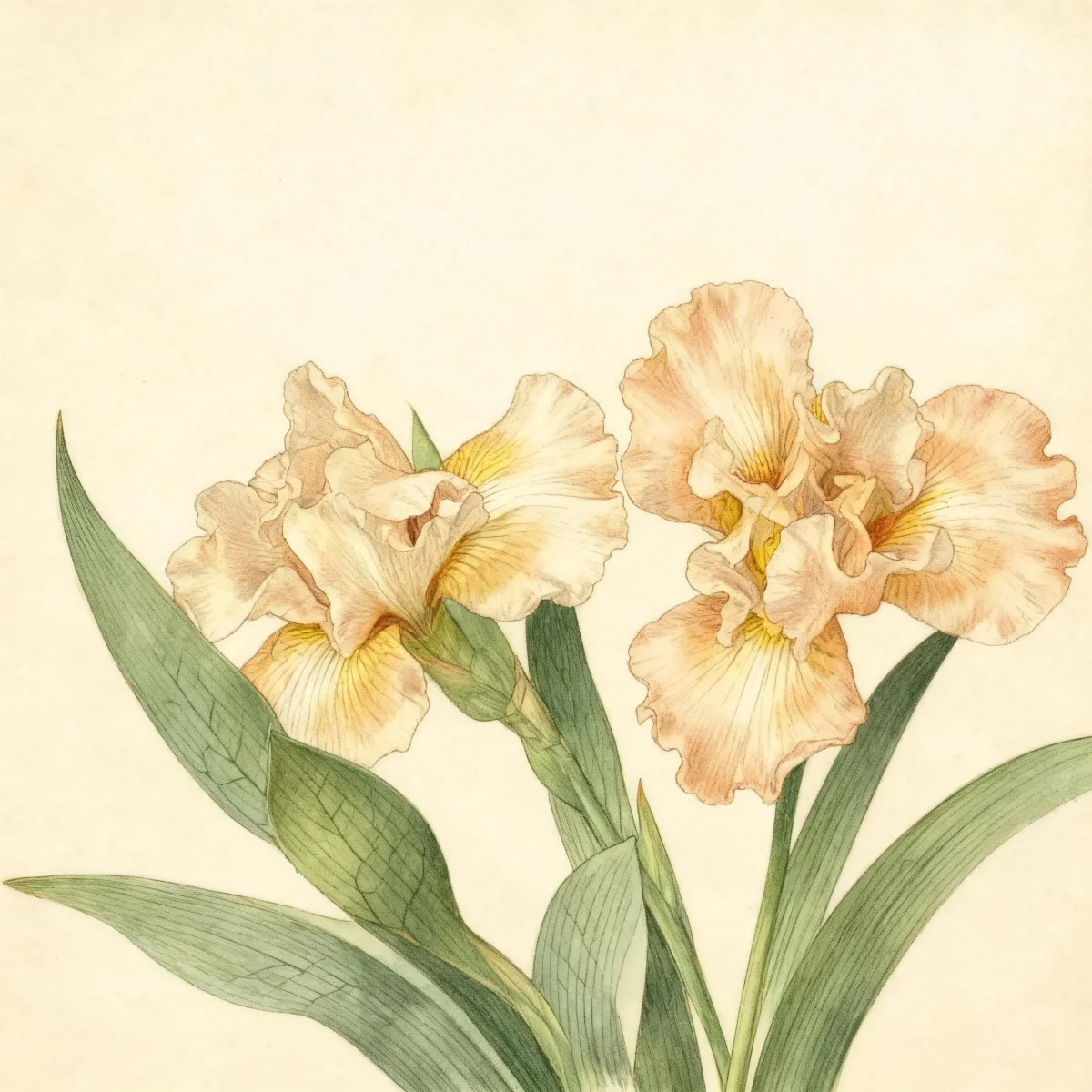
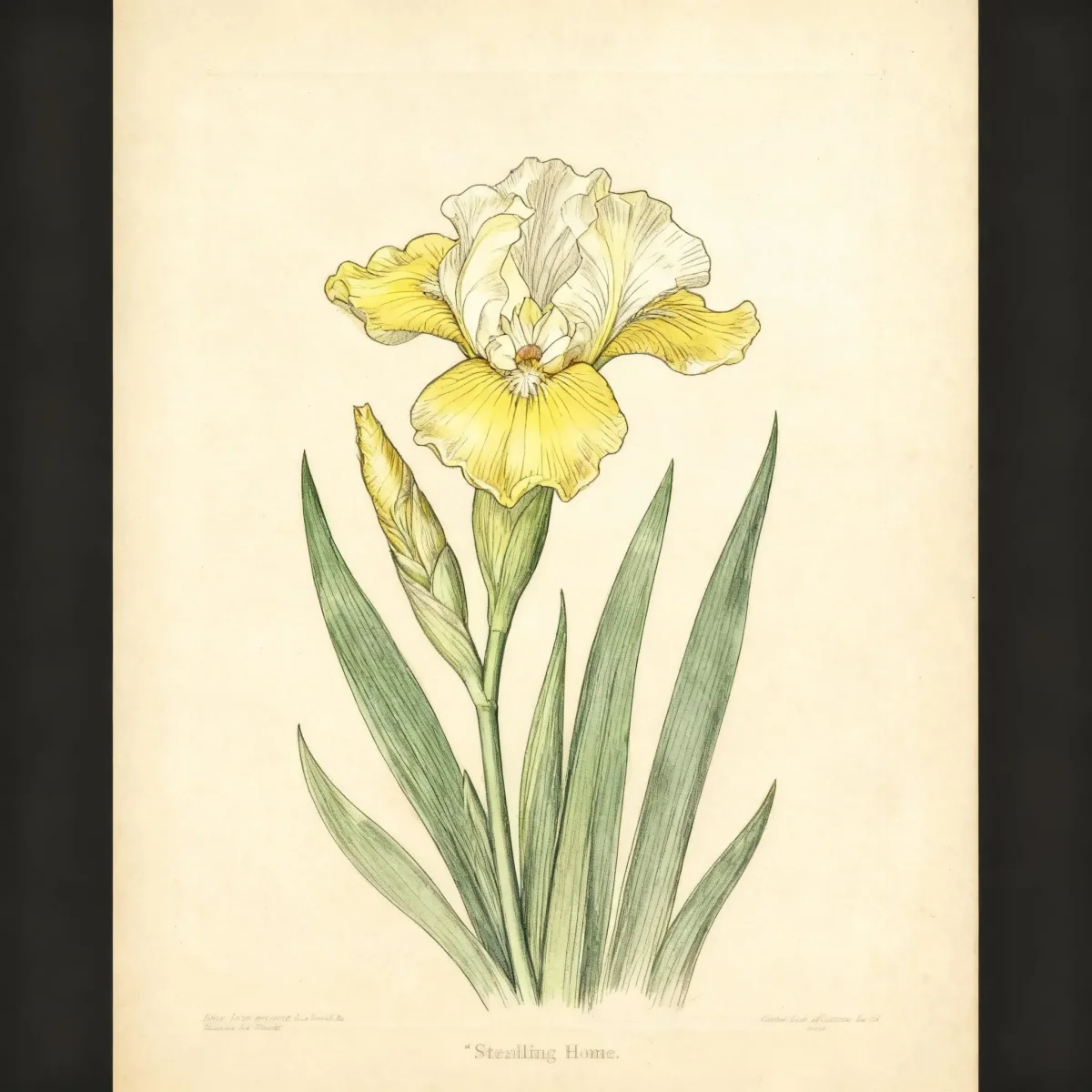
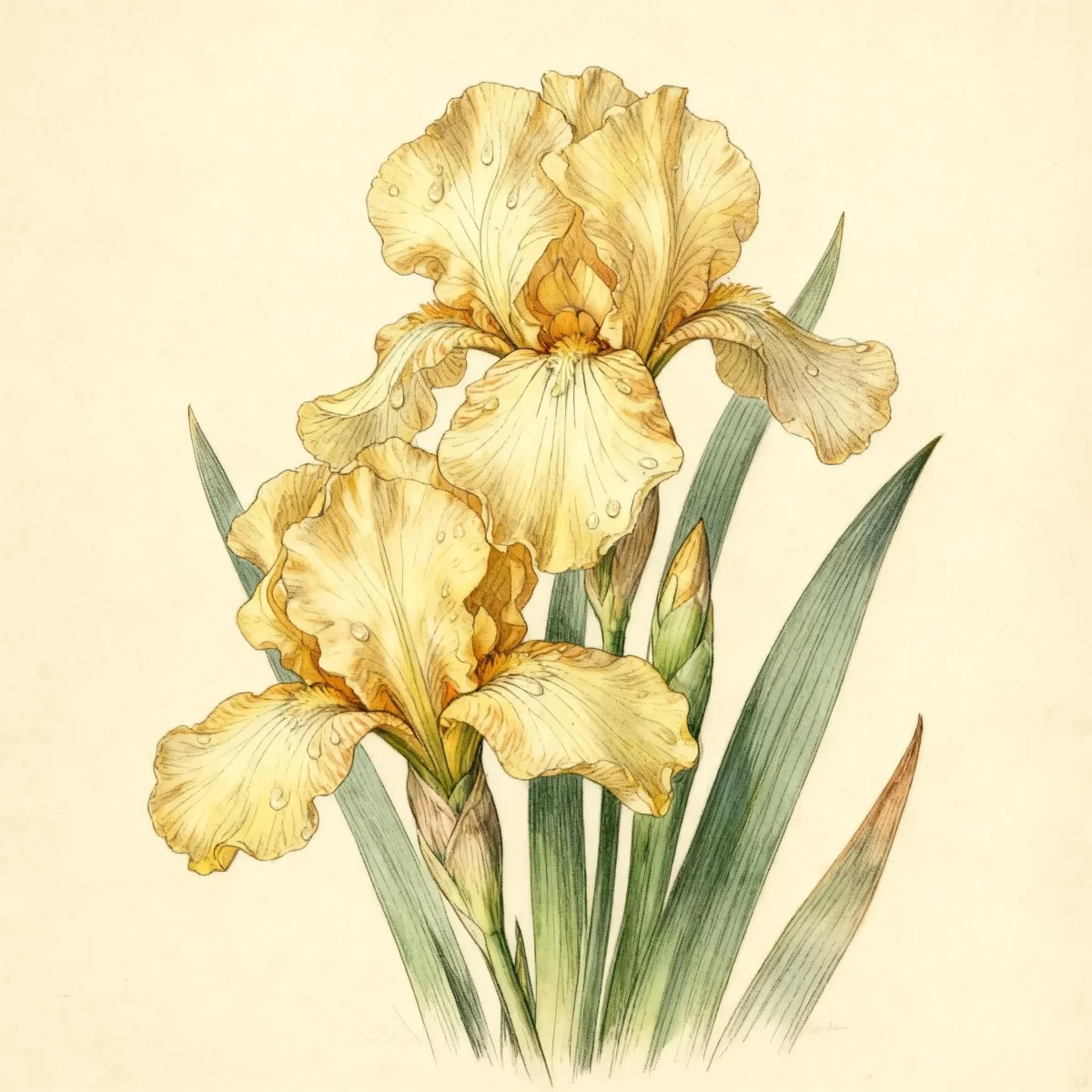
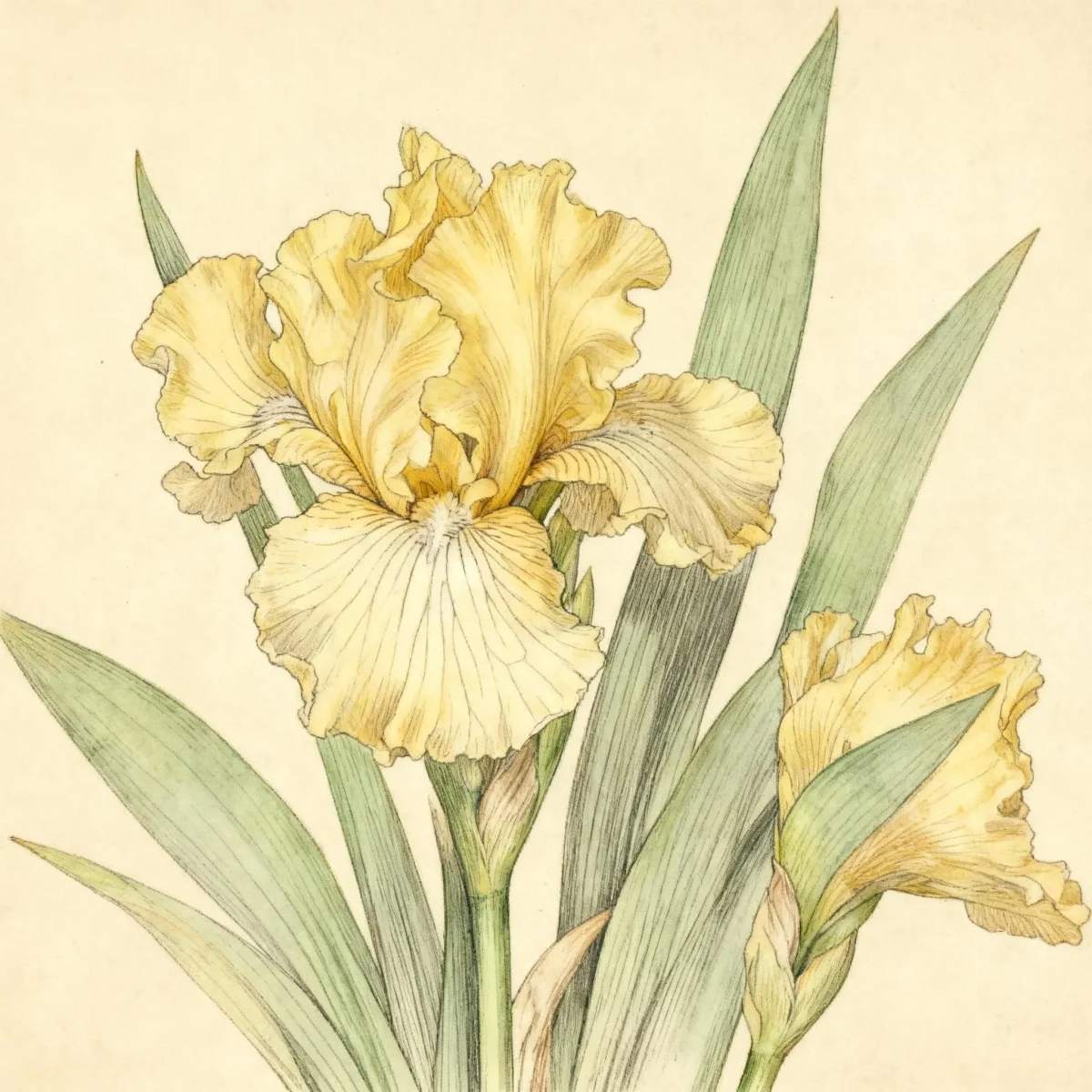
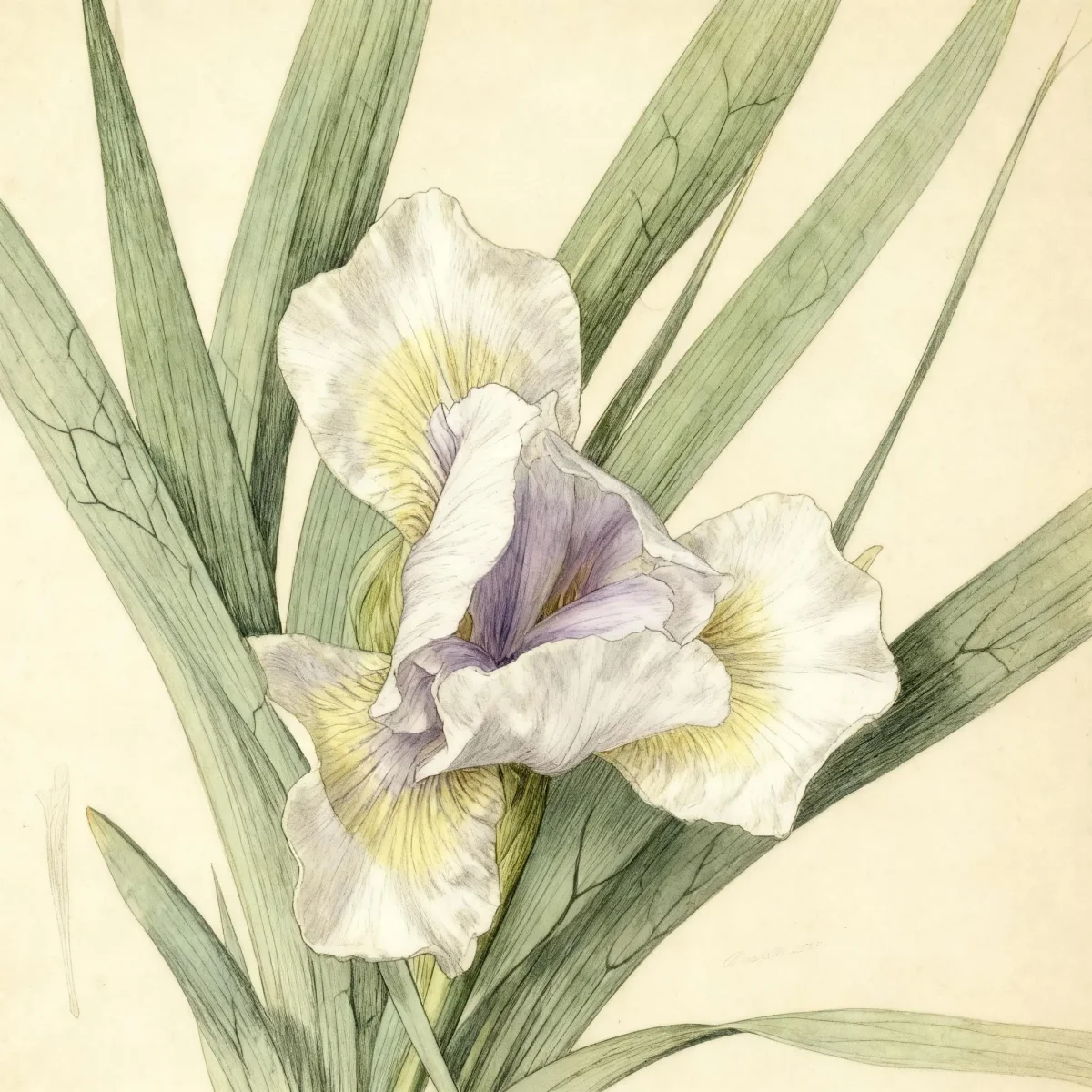
Standard Dwarf Bearded Iris is a rhizomatous iris whose numerous hybrid cultivars grow to 8-16” tall. Flowers bloom in May-June (St. Louis). Each flower grows up to 4” wide and features upright standards and pendant falls. Iris ‘Wavelength’ specifically grows to about 11” tall and presents lightly ruffled pale violet standards and falls, accented by darker violet beards. This cultivar was hybridized by A. & D. Willott and registered in 1993.
Tolerances
- Deer
- Drought
Potential Problems
Iris ‘Wavelength’ requires vigilance against several potential issues, primarily related to moisture and fungal activity. Leaf spot, root rot, bacterial soft rot, and crown rot thrive in poorly drained or overly humid environments. Furthermore, watch for iris rust and mosaic viruses, which can weaken the plant over time.
Pest management focuses on common garden nuisances. Be proactive in inspecting for slugs, snails, aphids, and thrips, as these feed on the foliage and blooms. Iris borers represent a significant threat in endemic areas, requiring thorough monitoring and management to protect the rhizomes.
Frequently Asked Questions
What hardiness zones is Standard dwarf bearded iris suitable for?
Iris ‘Wavelength’ is hardy in USDA Zones 3 through 8, offering wide applicability across many temperate gardens.
How large does Iris ‘Wavelength’ grow?
This specific Standard dwarf bearded iris typically reaches a height between 0.5 and 1 foot, with a corresponding spread of up to 1 foot.
When does Iris ‘Wavelength’ bloom?
This variety is known for blooming reliably in May, typically displaying its violet flowers when the early spring show subsides.
What sun exposure does Iris ‘Wavelength’ need?
Iris ‘Wavelength’ performs best when situated in full sun, though it can tolerate a bit of light afternoon shade, particularly during the hottest parts of summer.
Conclusion
The elegant appearance and manageable size make the Standard dwarf bearded iris, specifically Iris ‘Wavelength’, an invaluable addition to any sunny border or rockery. Its resilient nature, confirmed by its dual tolerance for deer and drought, ensures lasting garden impact with focused care on drainage. Plan your planting for late summer or fall to allow the rhizomes to establish robustly before the next growing season.
Companion Planting
When selecting companions for Iris ‘Wavelength’, prioritize plants that share its preference for full sun and well-drained soil, but offer staggered bloom times to extend garden interest. Low-growing, drought-tolerant herbs like Thyme or Sedum are excellent choices for softening the edges of the iris clump and ensuring the soil around the rhizomes stays dry during dormancy.
Consider pairing the mid-spring bloom of this Standard dwarf bearded iris with early-season bulbs like Alliums, which emerge before or simultaneously but provide different textural interest. Once the iris foliage begins to fade slightly after blooming, companions such as ornamental grasses or late-blooming perennials like Russian Sage can take over the vertical space.
Propagation Tips
The primary method for propagating Iris ‘Wavelength’ is by dividing the rhizomes, a crucial step for rejuvenating overcrowded clumps. This division process should ideally occur in late summer (August) using a garden fork to gently lift the established fans of foliage.
Select healthy sections of the rhizome that possess at least one growing fan and a healthy root system attached. Ensure each new division is properly prepared by trimming back the foliage fan by about one-third to reduce evaporation stress before replanting. Proper rhizome placement, as detailed in the cultural requirements, is non-negotiable for successful establishment of new Iris ‘Wavelength’ plants.