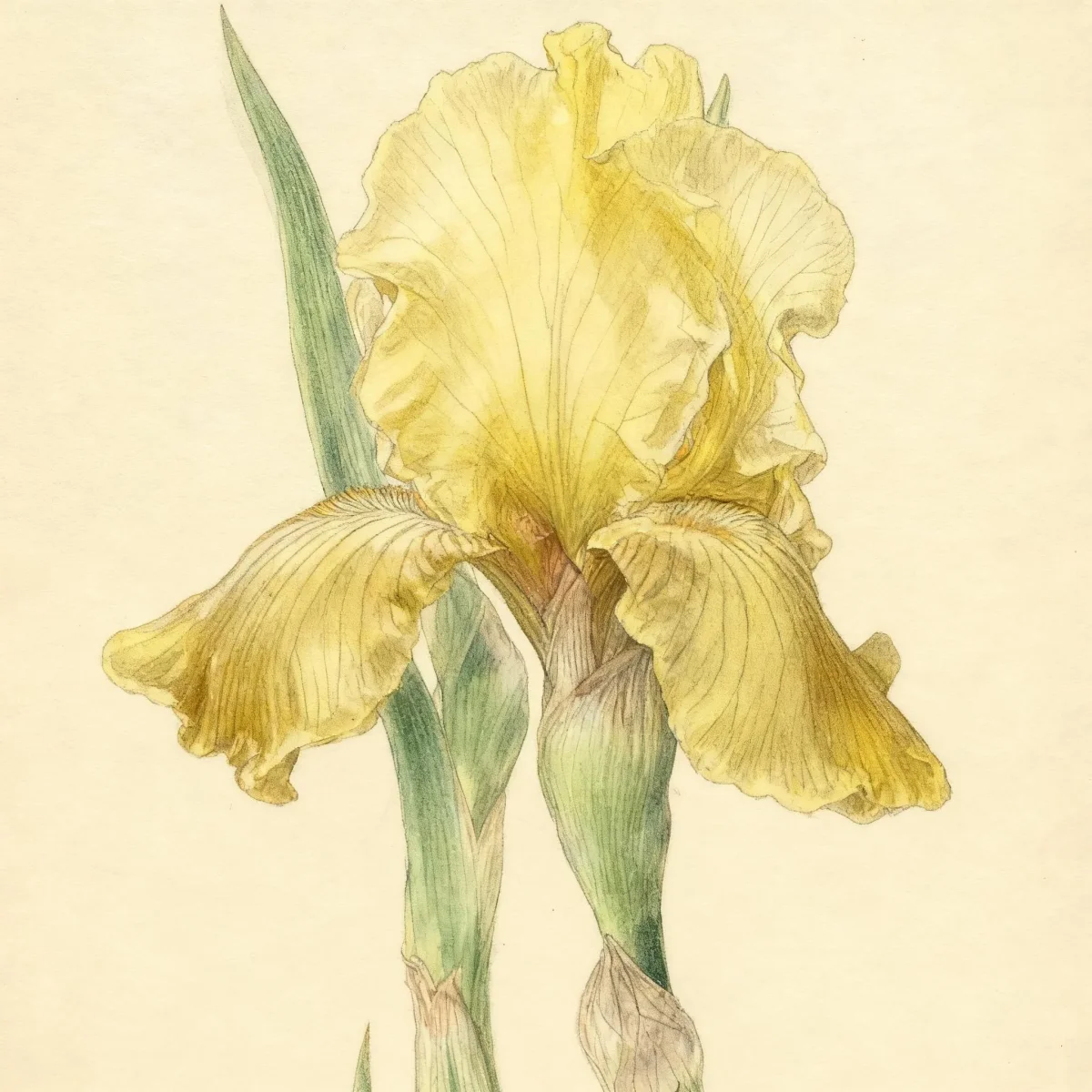
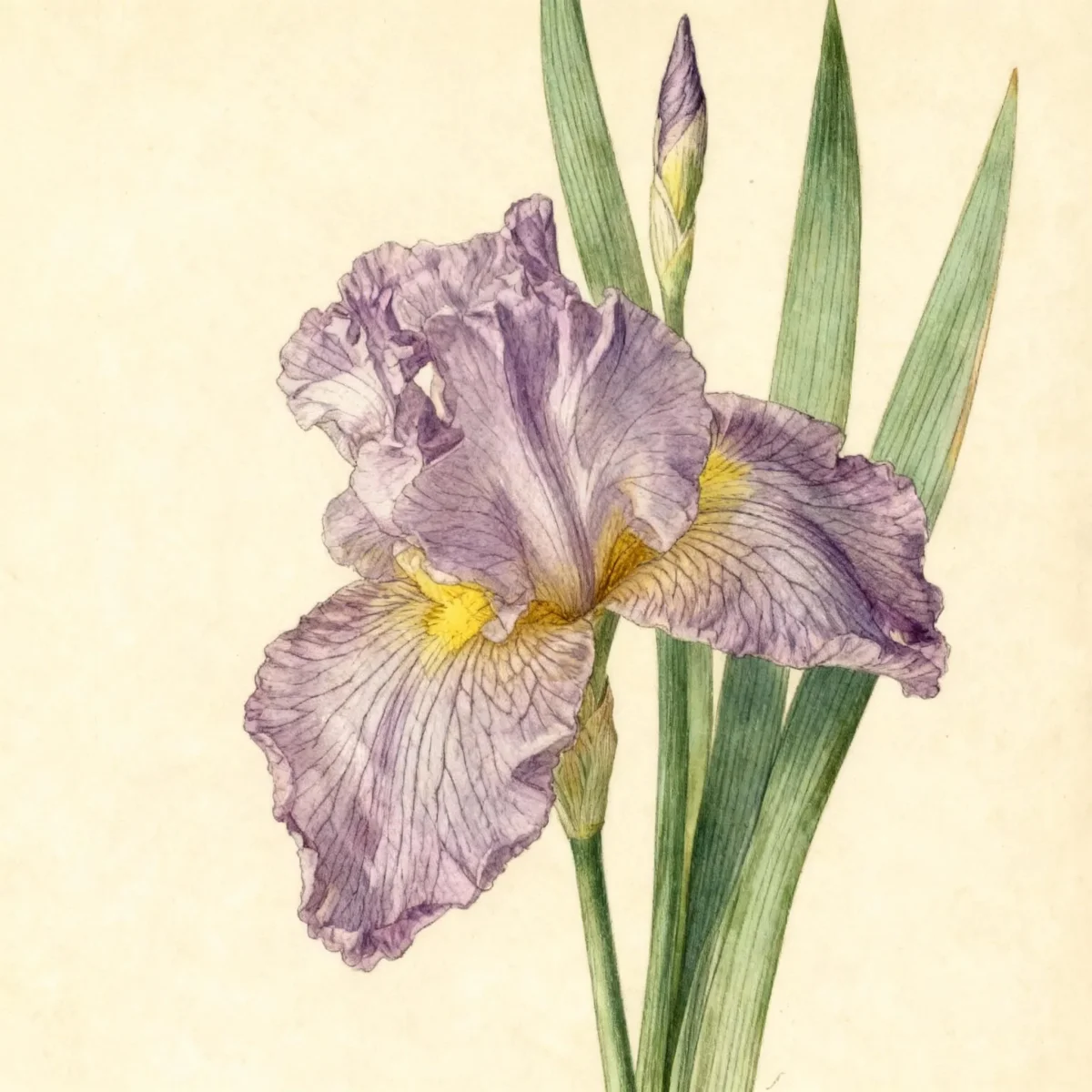
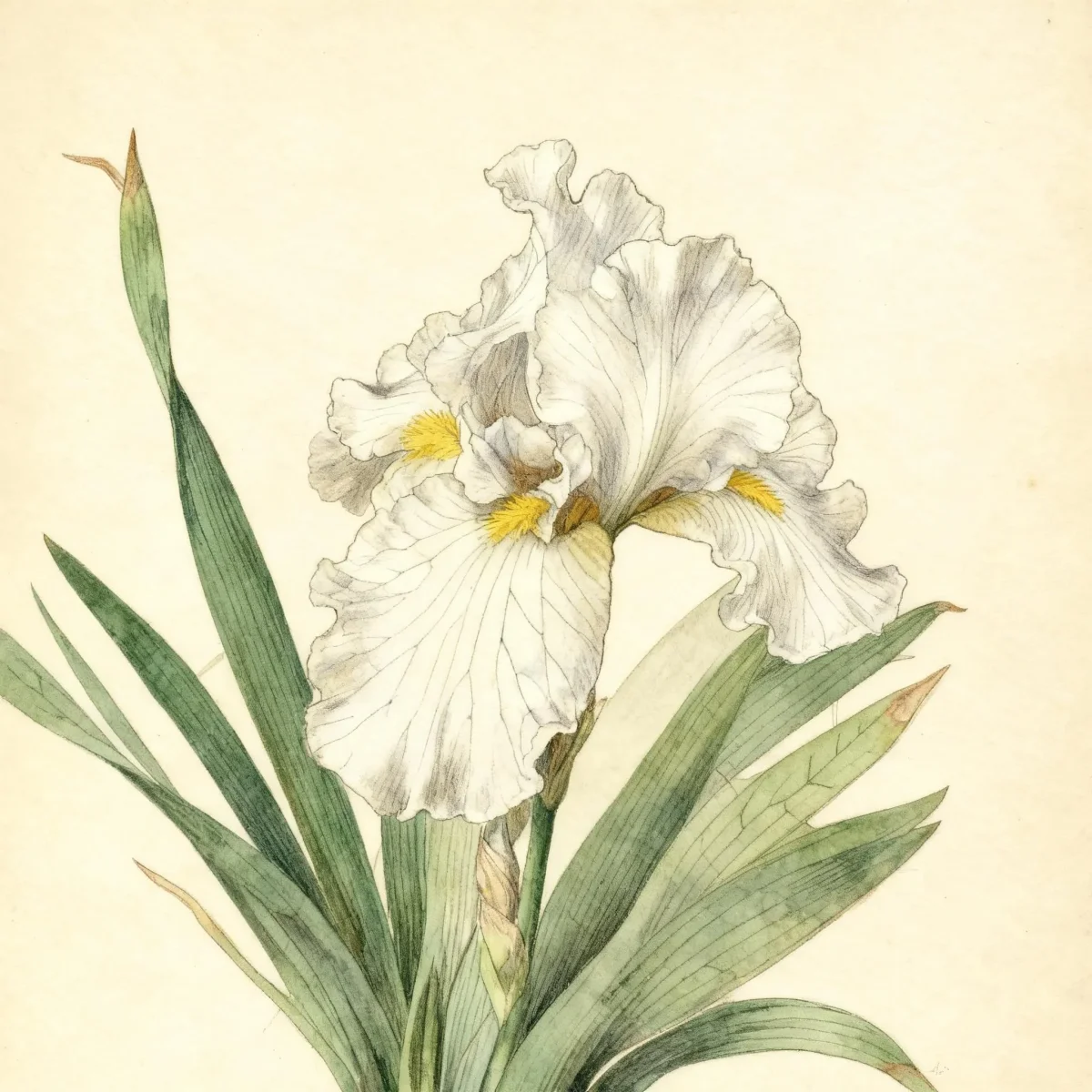
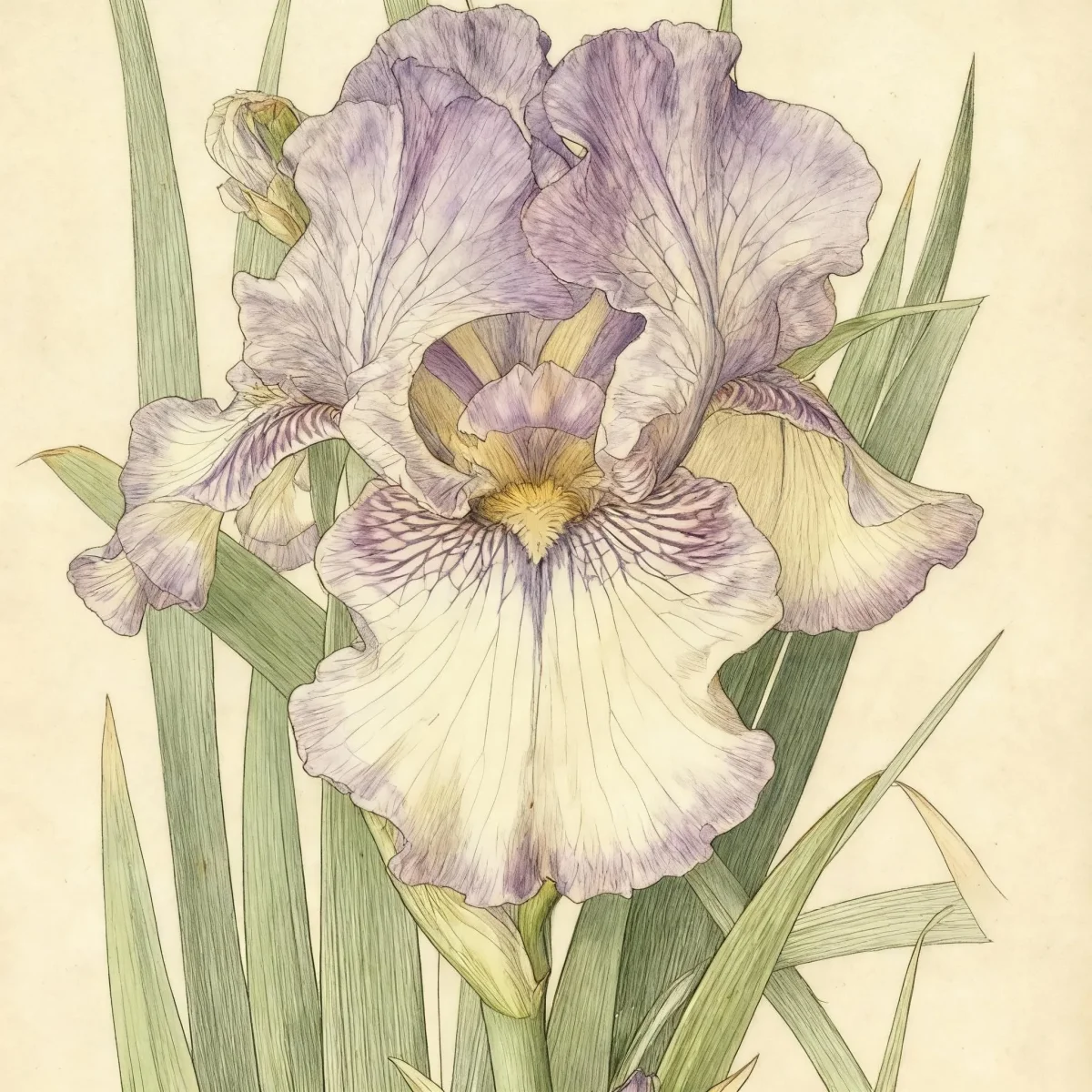
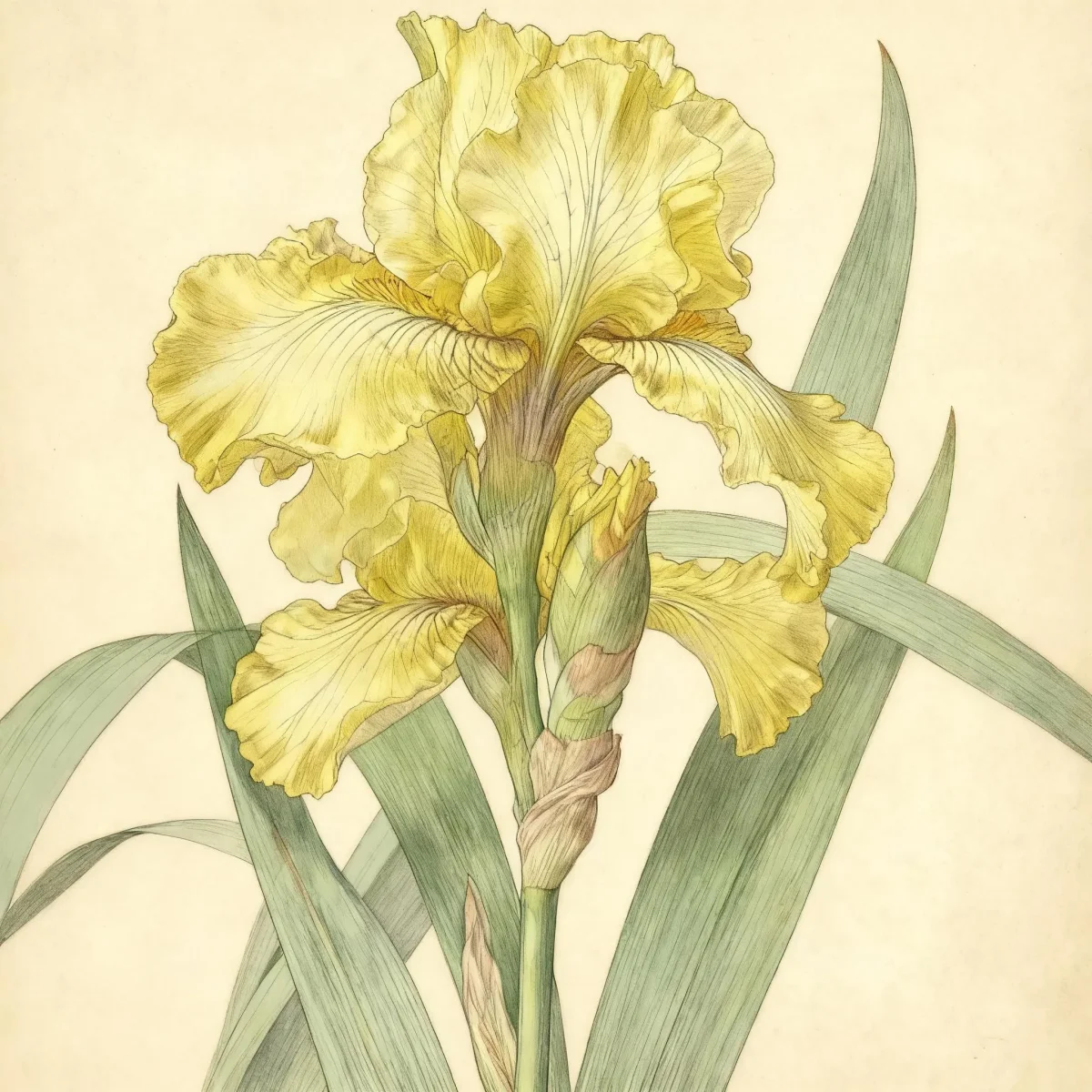
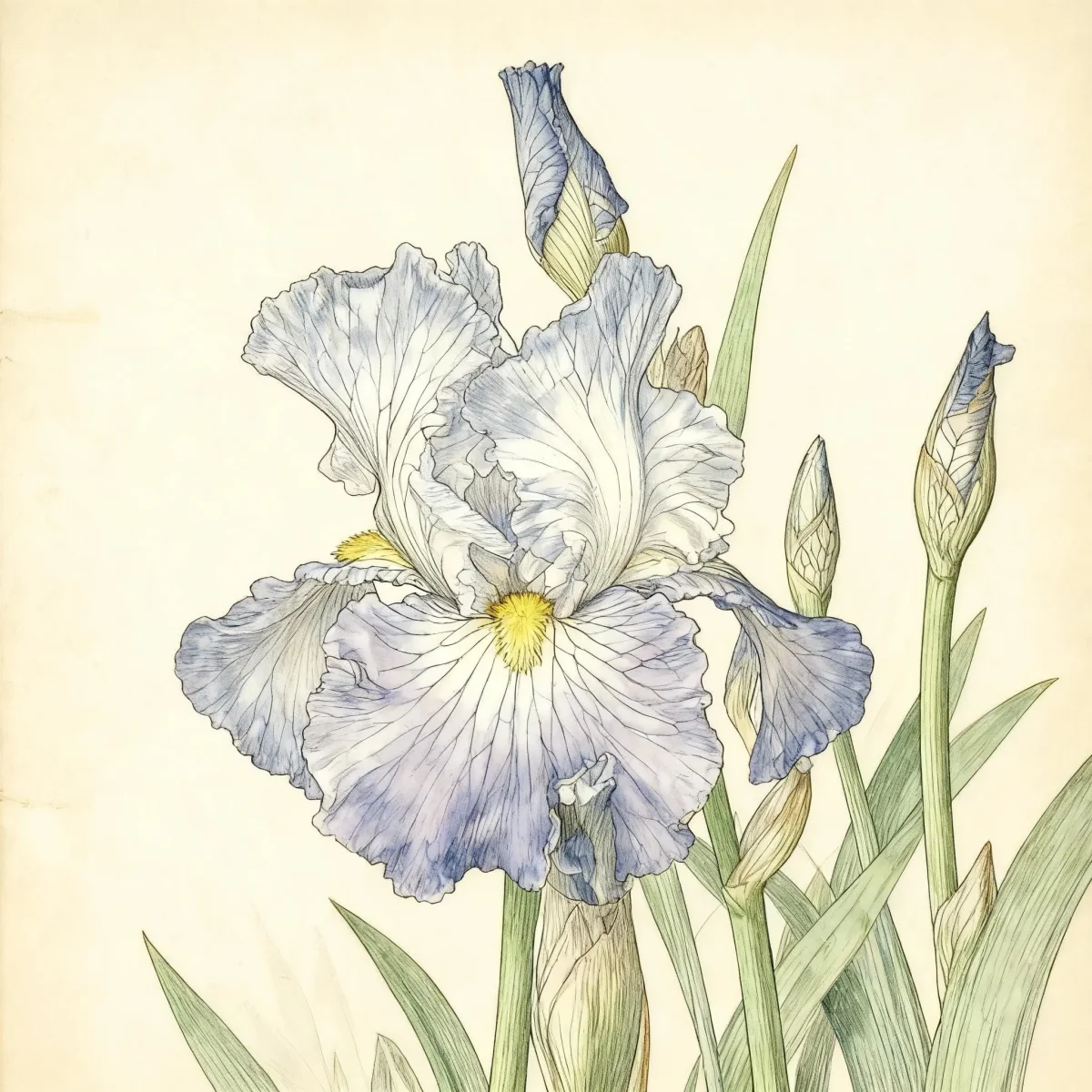
Tall bearded reblooming iris (Iris 'Winterland')
Iris 'Winterland' is a stunning Tall bearded reblooming iris producing showy white blooms, perfect for sunny perennial borders.
Scroll down to discover growing tips, care requirements, companion plants, and more
Complete Plant Information
Overview
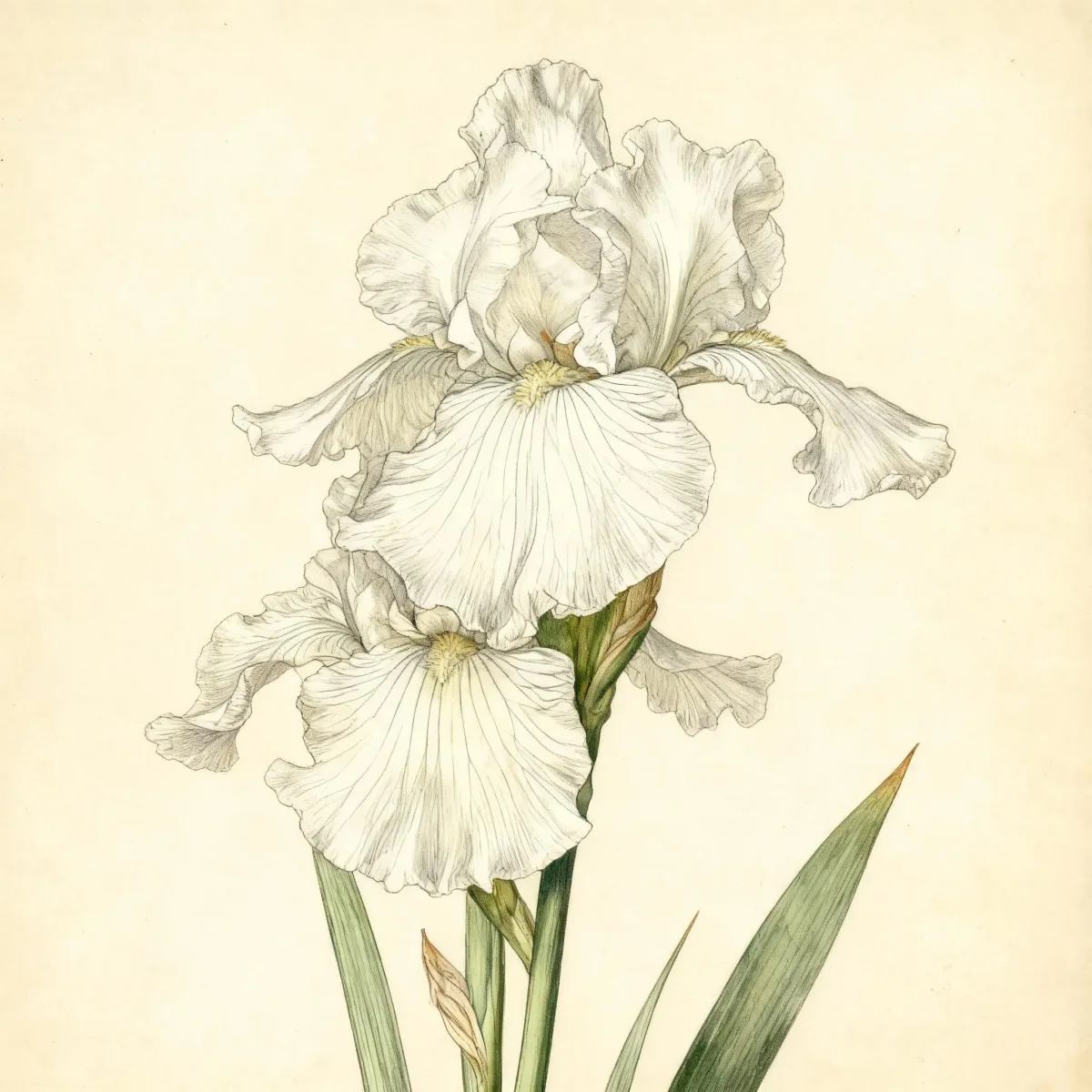
The Iris ‘Winterland’ is a highly valued rhizomatous perennial, classified as a Tall bearded reblooming iris, celebrated for its capacity to provide multiple displays of flowers throughout the growing season. This cultivar features truly showy, ruffled white blooms accented by a light blue beard tipped with yellow, adding bright vertical interest to the garden. As a type of Tall bearded iris, it offers substantial stature, typically reaching 36 inches tall, contrasting beautifully with its sword-shaped, linear leaves.
Gardeners prize the Tall bearded reblooming iris collection for their extended performance, making Iris ‘Winterland’ an excellent choice for continuous color interest where traditional irises fade after their spring display. While rebloom is never absolutely guaranteed across all climates, proper cultural techniques can encourage repeat flowering, maximizing the display from this reliable herbaceous perennial. It thrives in full sun and prefers well-drained conditions to ensure the longevity of its structure.
This rhizomatous variety forms attractive clumps over time, making it a foundational plant for perennial beds and borders. Beyond its aesthetic appeal as a striking white flower, Iris ‘Winterland’ exhibits good adaptability, tolerating both dry conditions once established and browsing pressure from local deer populations. Successfully growing this Tall bearded reblooming iris means mastering rhizome planting depth and ensuring exceptional drainage, especially in wetter climates.
Fast Facts
- Plant Family: Iridaceae
- Plant Type: Herbaceous perennial
- Hardiness Zones: USDA Zones 3-10
- Size at Maturity:
- Height: 2.5-3 ft
- Spread: 1-2 ft
- Bloom Time: May
- Bloom Description: White
- Sun Exposure: Full sun
- Water Needs: Medium
- Maintenance Level: Medium
How to Grow
Planting Iris ‘Winterland’ rhizomes is crucial for success, ideally occurring from late July through October, depending on your winter severity. Ensure the site receives full sun, though some late afternoon shade is acceptable in intensely hot summers. This Tall bearded reblooming iris demands average, medium moisture, but critically requires well-drained soils. If your soil contains heavy clay or experiences high rainfall, plant the rhizomes on slopes or use raised beds to mitigate the severe risk of rhizome rot.
Plant rhizomes shallowly: create a small mound of soil and place the rhizome so the top third remains exposed above the soil line, with roots spread horizontally below it. Space the rhizomes 12 to 20 inches apart to allow for eventual clumping. Consistent moisture management is key for rebloomers; provide regular water from spring until 6 weeks after the main bloom has concluded, followed by a period of drier conditions to encourage bud formation for secondary flowering.
Garden care for this Iris ‘Winterland’ is considered medium maintenance. Unlike standard Tall Bearded Irises, rebloomers benefit significantly from nutrition timed strategically. Apply fertilizer in early spring, and again in early July, specifically after the first flush of spring flowers has finished. Periodically, usually in late summer (August), lift and divide overcrowded clumps using a garden fork, replanting the strongest divisions immediately. Maintain clean beds by promptly removing all debris in the fall after the first frost.
Landscape Uses
The visual impact of Iris ‘Winterland’ makes it ideal for grouping applications where its height and color can create significant massing effects. These Tall bearded reblooming iris varieties are best utilized when they are massed or grouped within sunny perennial borders where their 2.5 to 3-foot height provides strong upright structure. They integrate well along foundations or as dramatic accents within mixed beds where mid-summer and early fall bloom potential can be realized.
When planning companion plantings, select neighbors that appreciate similar sun exposure and soil profiles, and avoid plants that sprawl heavily over the crown of the iris, which can encourage rot. Good companions include low-growing, drought-tolerant groundcovers that won’t compete heavily for root space during the dry periods the rhizome needs to set rebloom buds. Their dramatic white flowers act as excellent highlights against darker foliage plants.
Consider using Iris ‘Winterland’ to create repeating vertical lines in the garden design. Because they are rhizomatous, they spread slowly, making them dependable border plants that do not aggressively colonize space. Ensure adequate air circulation around the foliage by giving them the recommended 12-20 inch spacing at planting time for optimal health and flowering performance.
Standout Features
Flower Qualities
- Showy
Noteworthy Characteristics
Tall Bearded Iris is a rhizomatous iris Group whose numerous hybrid cultivars grow to heights above 27.5” tall featuring two or more branches and 7 or more blossoms per stem with flowers spreading to more than 5” wide. Iris ‘Winterland’ specifically is a remontant tall bearded iris that typically reaches 36 inches, showcasing ruffled white standards and falls complemented by a light blue and yellow beard. The genus name honors the Greek goddess of the rainbow, reflecting the wide color spectrum found across its many cultivated varieties.
Tolerances
- Deer
- Drought
Potential Problems
Common issues that may affect Iris ‘Winterland’ include fungal and bacterial diseases like leaf spot, root rot, bacterial soft rot, and crown rot; mosaic viruses can also appear. Insect pests such as slugs, snails, aphids, thrips, whiteflies, and the destructive iris borer require vigilance. The best defense against both pests and diseases is excellent cultural hygiene.
Sanitation is paramount for managing problems in the Tall bearded reblooming iris patch. Always promptly remove and destroy any diseased foliage or damaged rhizomes, and perform a thorough annual clean-up of all garden debris after the first hard frost in the fall. Ensure rhizomes are planted correctly—shallowly with part exposed—as planting too deep is a leading cause of failure to flower or sparse spring blooms.
Over-fertilization or overcrowding are also common culprits for poor flowering performance, as is placing the plant where it receives too much shade. If flowering wanes over time, plan to lift, divide, and replant your clumps in late summer to rejuvenate their energy and flowering potential.
Frequently Asked Questions
What hardiness zones is Tall bearded reblooming iris suitable for?
This resilient variety is suitable for USDA Zones 3 through 10.
How large does Iris ‘Winterland’ grow?
Iris ‘Winterland’ typically reaches a height between 2.5 and 3 feet tall, spreading 1 to 2 feet wide.
What sun exposure does Iris ‘Winterland’ need?
This plant thrives best when grown in full sun exposure to maximize its bloom potential.
When does Iris ‘Winterland’ bloom?
The primary bloom time for this reliable Tall bearded reblooming iris is listed as May, producing white flowers.
Conclusion
Iris ‘Winterland’ provides exceptional value to the perennial garden, offering the stately elegance of a Tall bearded iris combined with the promise of repeat flowering through its reblooming genetics. Its crisp white flowers are a significant highlight in any sunny spot. To best enjoy the extended season of color from this specific Tall bearded reblooming iris, ensure impeccable drainage and follow the specialized fertilization schedule required for remontant types.
Companion Planting
Choosing appropriate companions for Iris ‘Winterland’ helps create a layered, aesthetically pleasing, and healthier garden environment. Given their height and preference for full sun, pair them with shorter, clump-forming perennials that do not compete aggressively for moisture or shade the lower foliage. Plants like Daylilies (Hemerocallis), ornamental grasses, or low-growing Sedums that enjoy dry feet once established make excellent neighbors.
Since good air circulation prevents many fungal issues common to irises, avoid overly dense plantings near the base of the rhizome. Allowing the area immediately around the Iris ‘Winterland’ to remain relatively open ensures that humidity does not linger around the leaves and stems after rain or watering, promoting vigorous growth for both the main plant and its potential summer rebloom.
Propagation Tips
The primary and most effective method for increasing your stock of Iris ‘Winterland’ is through rhizome division. This process should ideally occur in late summer, commonly referenced as August, after the main flowering period has finished and the plant has had time to store energy. Gently lift the clump using a garden fork, taking care not to slice the thick rhizomes themselves.
After lifting, carefully clean off the excess soil and separate the fans or clumps into smaller divisions. Each new division should possess at least one healthy root structure attached to a section of the fan. Replant these new sections immediately following the specific shallow planting guidelines detailed for success with Tall bearded reblooming iris varieties.
##ld+json { “@context”: “https://schema.org”, “@type”: “Plant”, “name”: “Tall bearded reblooming iris”, “alternateName”: “Iris ‘Winterland’”, “scientificName”: “Iris ‘Winterland’”, “family”: “Iridaceae”, “url”: “https://www.missouribotanicalgarden.org/PlantFinder/PlantFinderDetails.aspx?taxonid=249667&isprofile=0&letter=I”, “image”: “featured.webp”, “additionalProperty”: [ { “@type”: “PropertyValue”, “name”: “Hardiness Zone Min”, “value”: “3” }, { “@type”: “PropertyValue”, “name”: “Hardiness Zone Max”, “value”: “10” }, { “@type”: “PropertyValue”, “name”: “Height”, “value”: “2.5-3 ft” }, { “@type”: “PropertyValue”, “name”: “Spread”, “value”: “1-2 ft” }, { “@type”: “PropertyValue”, “name”: “Sun Exposure”, “value”: “Full sun” }, { “@type”: “PropertyValue”, “name”: “Water Needs”, “value”: “Medium” }, { “@type”: “PropertyValue”, “name”: “Maintenance Level”, “value”: “Medium” } ] }