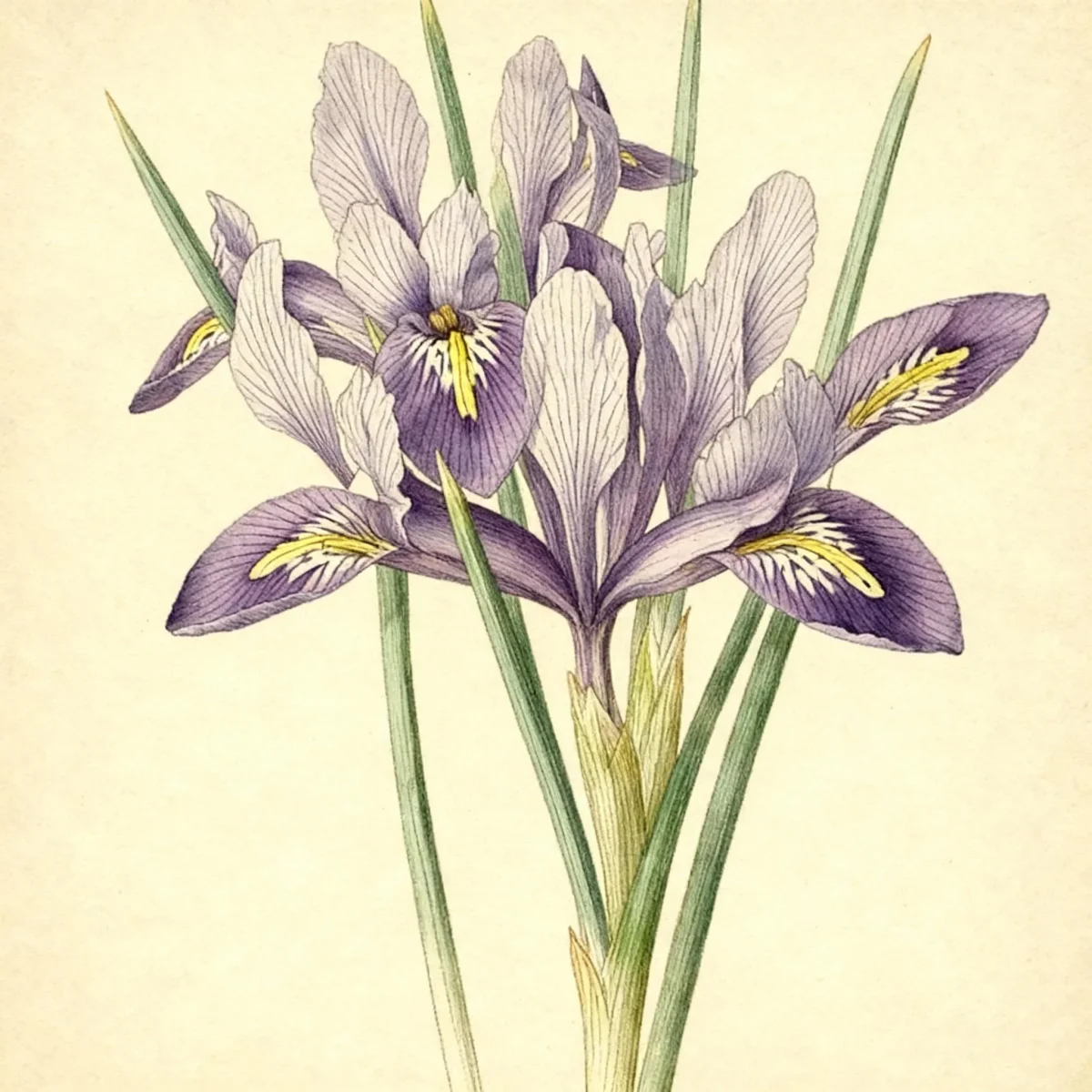
Iris (Iris reticulata 'Harmony')
Plant 'Harmony' reticulated iris for fragrant royal-blue flowers in early spring. Get practical advice for fall planting, containers, and after-bloom care.
Complete Plant Information
Interactive Detour
Keep exploring with a quick garden quiz
Iris is easier to remember when you mix reading with a quick challenge. Try a related quiz, then jump back into the care guide.
Can You Identify These Common Garden Plants? Test Your Plant Knowledge
Think you know your roses from your peonies? Test your plant identification skills with our comprehensive garden plant quiz featuring 10 challenging questions.
Start quiz
USDA Garden Zone Map Quiz
Use this USDA garden zone map quiz to check whether you can read hardiness zones and choose plants with more confidence.
Start quizBrowse the full quizzes section
Explore plant identification, zone strategy, and seasonal gardening challenges.
View all quizzesField Guide Continues
Ready for care notes, companion picks, and planting tips?
The map is just the start. The full guide below covers growth habits, seasonal performance, and landscape uses.
A Small Iris That Starts Spring Early
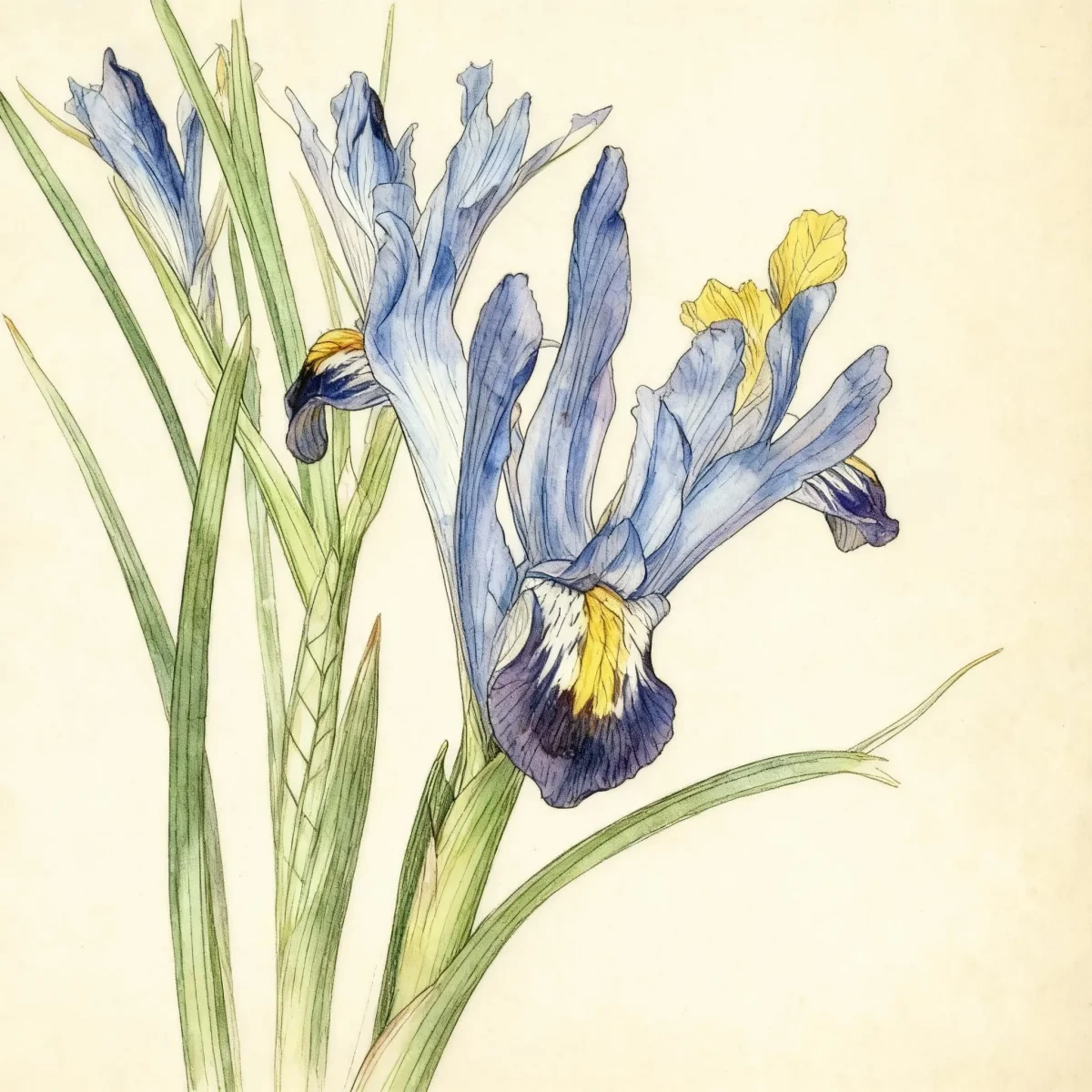
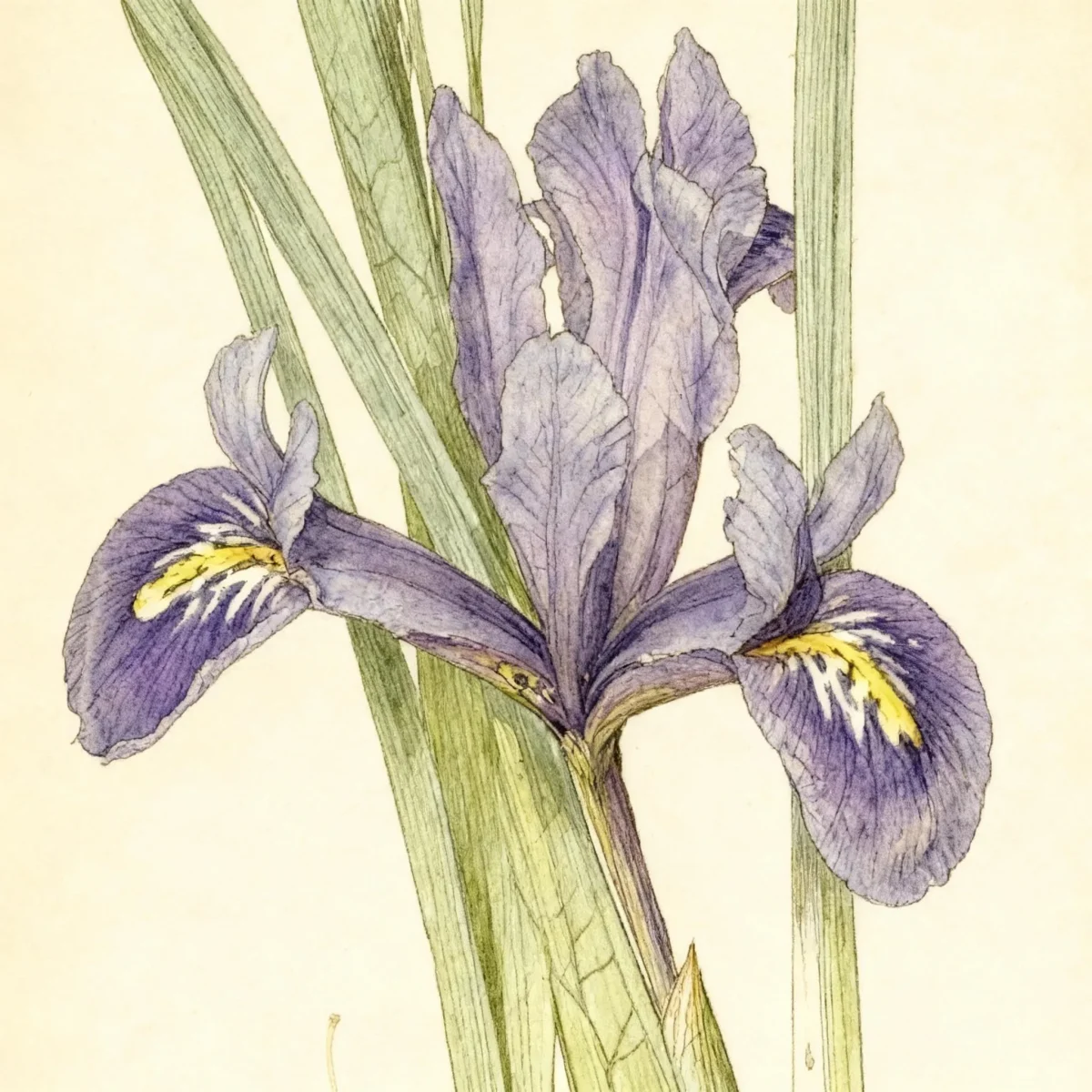
‘Harmony’ reticulated iris (Iris reticulata ‘Harmony’) brings royal-blue flowers to the garden when winter has barely loosened its grip. Each bloom carries a white-edged golden mark on the falls, and the flowers have a light fragrance when you get close. The plant stands only 3 to 6 inches tall, making it easy to admire beside a path, at the front of a border, or in a pot near the door.
This little bulb is hardy in USDA Zones 5–9. Not sure of your zone? Find it on the interactive hardiness zone map.
Planting the Bulbs
Plant bulbs in fall, about 3 to 4 inches deep, with several bulbs grouped together rather than scattered one by one. Choose full sun to part shade and sharply drained soil. A raised bed, rock garden, or sloped border is often safer than a low spot that holds winter water.
Water after planting, then let seasonal rain do most of the work unless autumn is unusually dry. Growth begins early in spring. After flowering, leave the narrow leaves in place until they yellow naturally; they are replenishing the bulb for next year’s display.
Gardeners at the cold end of the range can explore more early bloomers in the Zone 5 plant guide. Those in milder winters can compare options for Zone 9 gardens.
Where ‘Harmony’ Looks Best
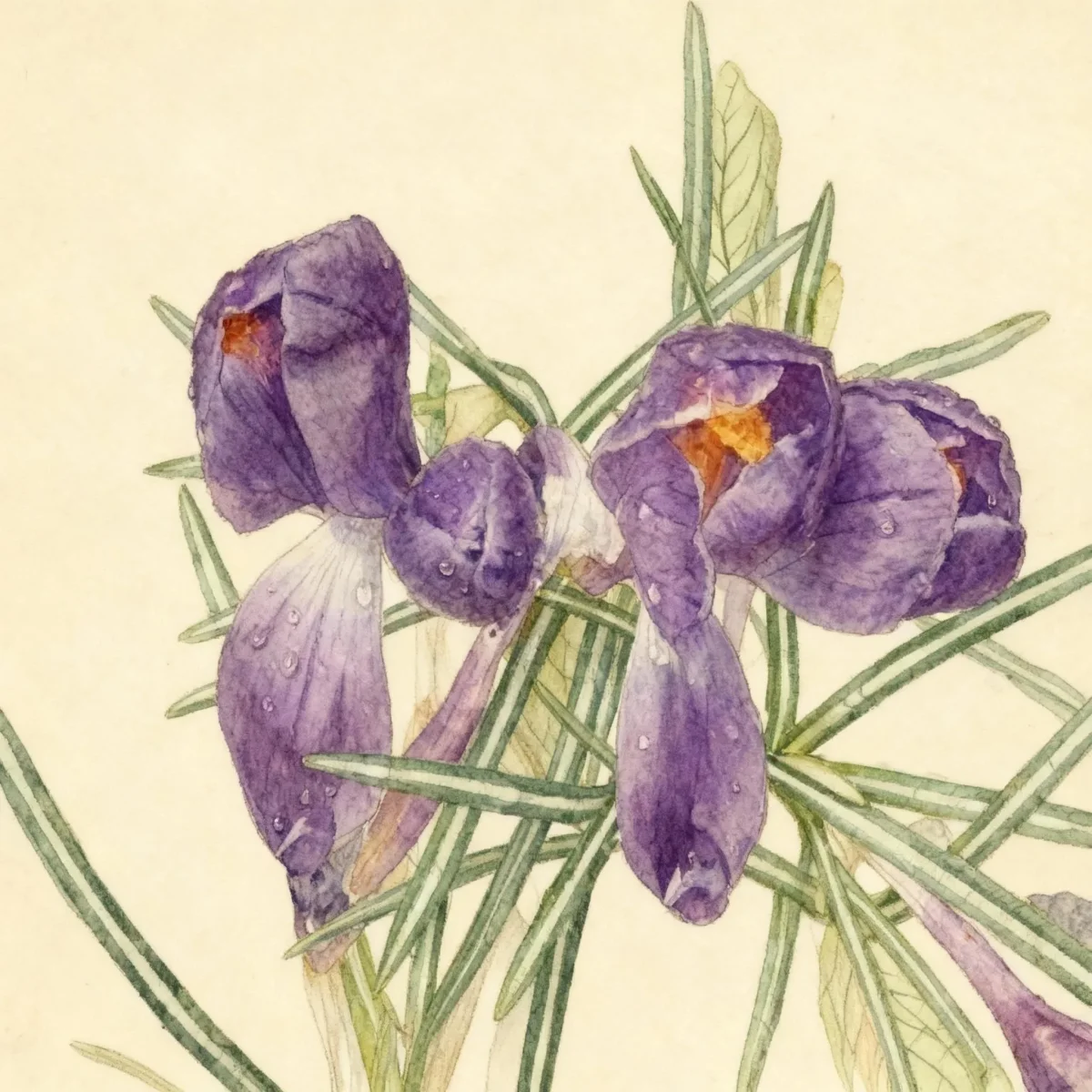
The flowers are small, so numbers matter. Plant 15 or more bulbs in a loose drift along a walkway, under a deciduous shrub, or among low groundcovers that will conceal fading foliage later. Pair them with crocuses and other compact bulbs for a longer sequence of color.
‘Harmony’ also works well in containers. Use a pot with a drainage hole and a gritty potting mix, then place bulbs close together without letting them touch. In cold climates, protect the container from repeated freezing and thawing; bulbs in pots are less insulated than bulbs in the ground.
Browse the plant collection if you want companions with matching sun and moisture needs.
Care After Bloom
Reticulated iris prefers a relatively dry rest after its foliage dies back. Avoid planting it beside thirsty summer annuals that require constant watering. Bulbs may multiply where drainage and summer conditions suit them, though flowering can decline if a clump becomes crowded. Divide and replant the bulbs in early fall when needed.
Watch for soft or rotting bulbs in heavy soil. Good drainage and uninjured planting stock are the most useful preventive measures.
Common Questions
When does ‘Harmony’ bloom?
It normally flowers in March or April, with timing shifting according to winter temperatures and local climate.
Will it return every year?
It can return and multiply when planted in well-drained soil and allowed a drier summer rest. Persistently wet soil is the main obstacle.
Can I grow it in shade?
Part shade is suitable, especially beneath deciduous plants that have not leafed out when the iris blooms. Deep shade is less successful.
Is this the tall bearded iris?
No. ‘Harmony’ is a compact bulbous iris, only a few inches high, and it blooms much earlier.