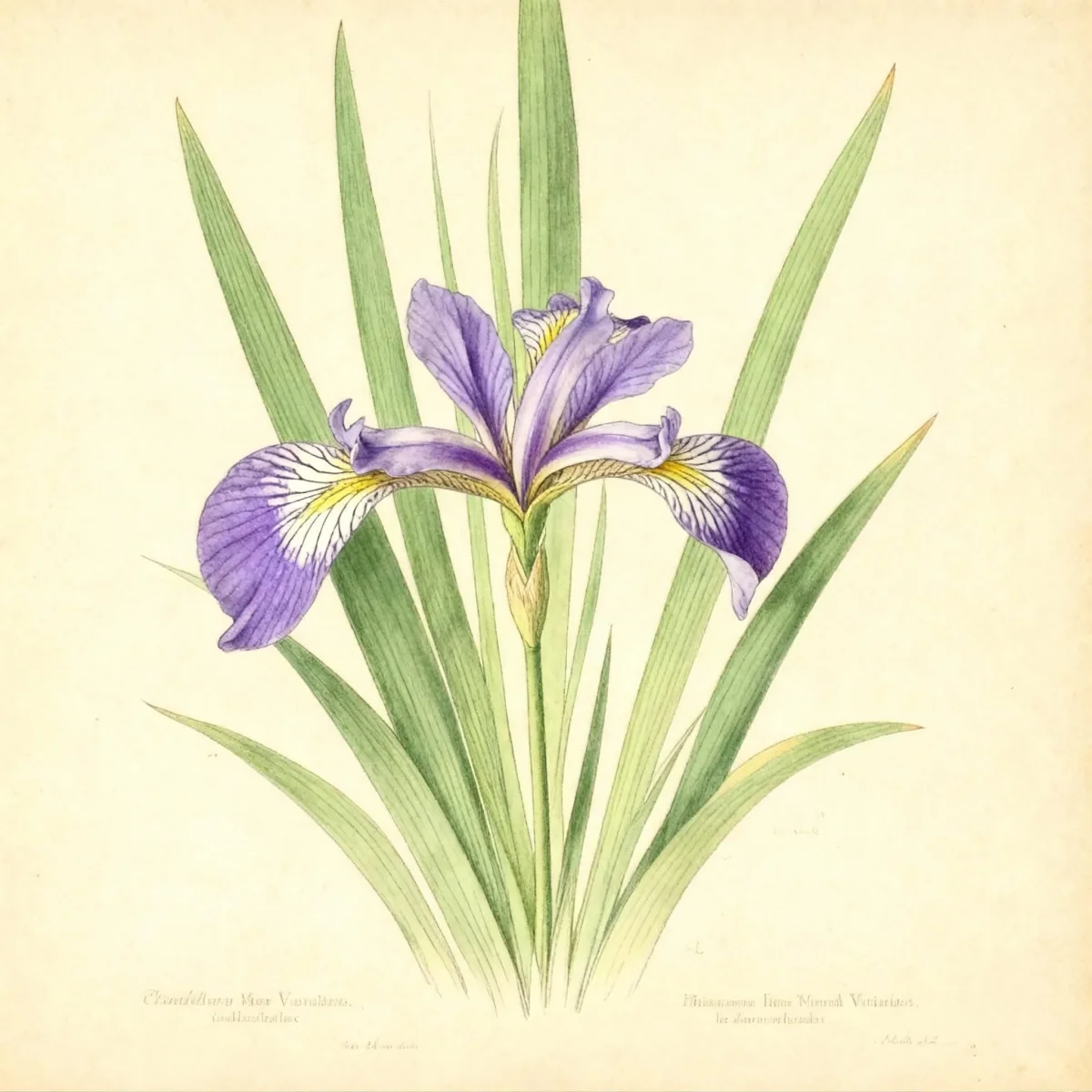
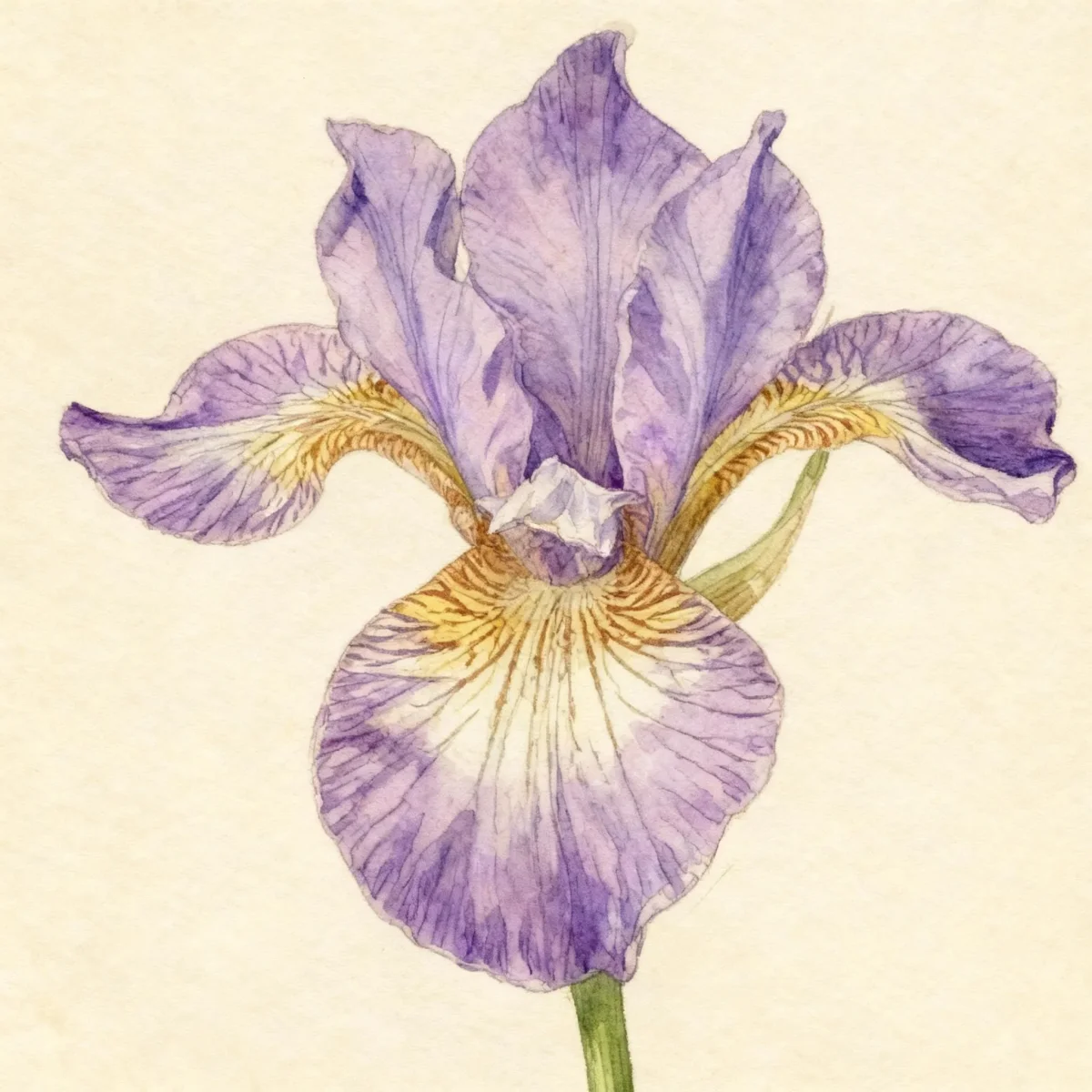
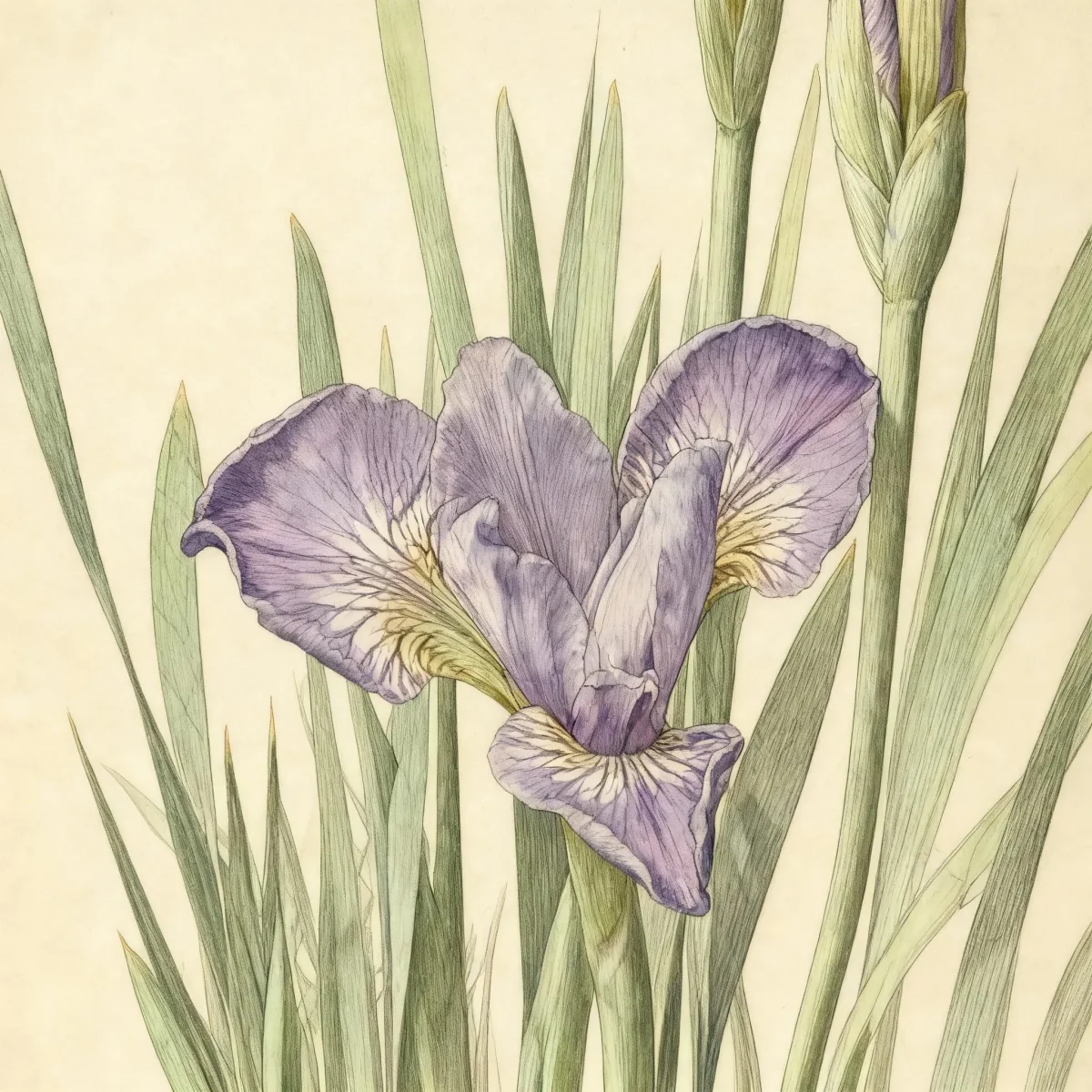
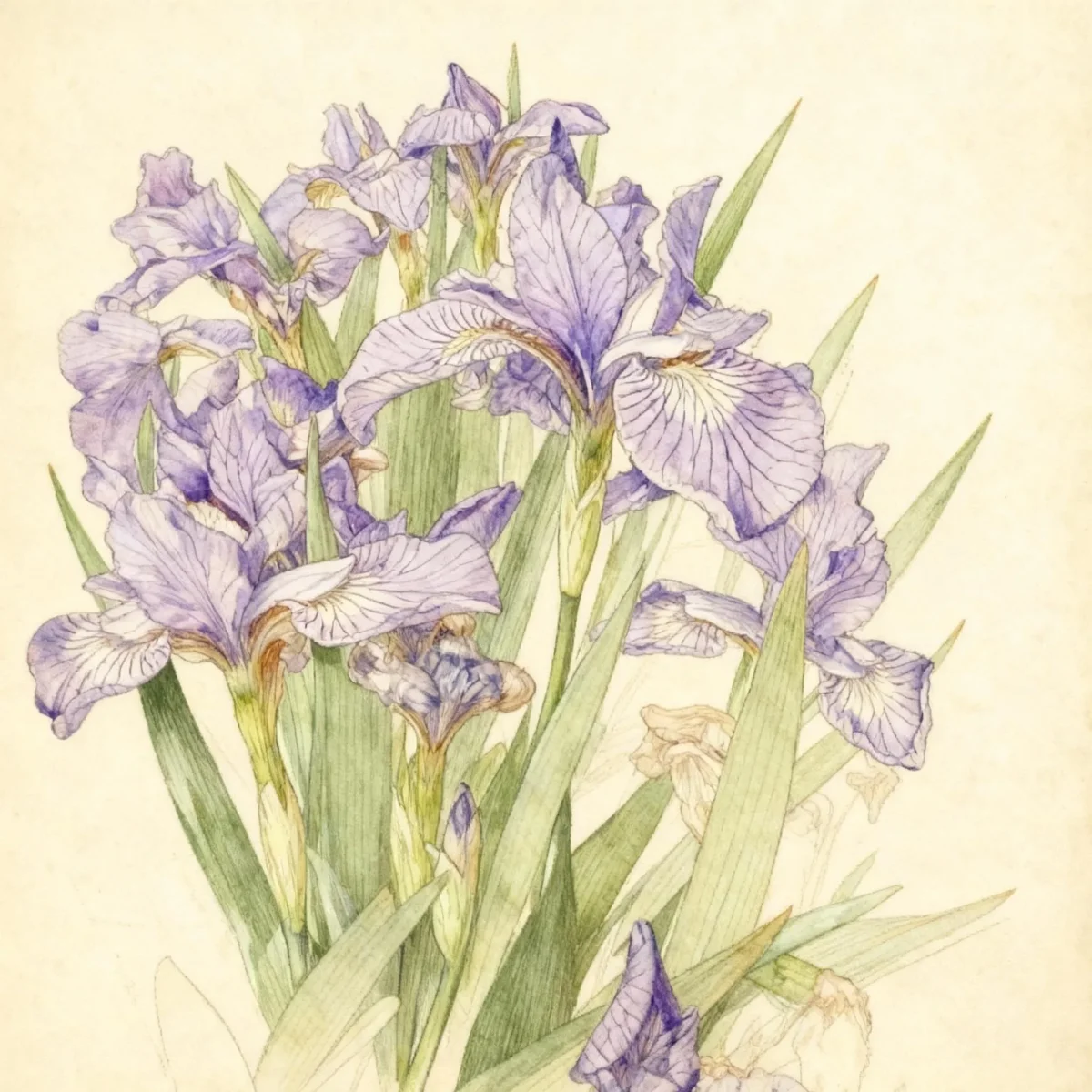
Blue flag (Iris versicolor 'Whodunit')
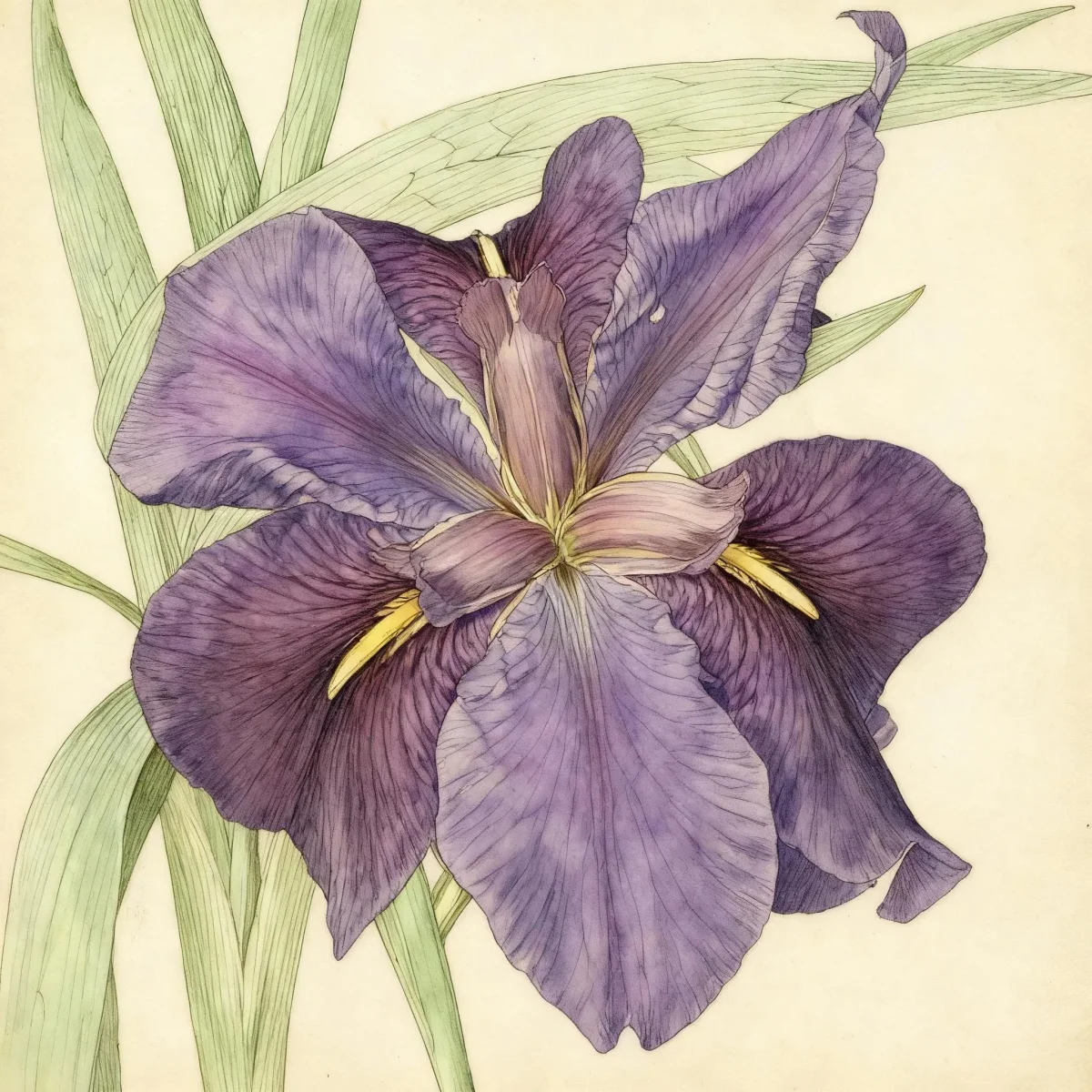
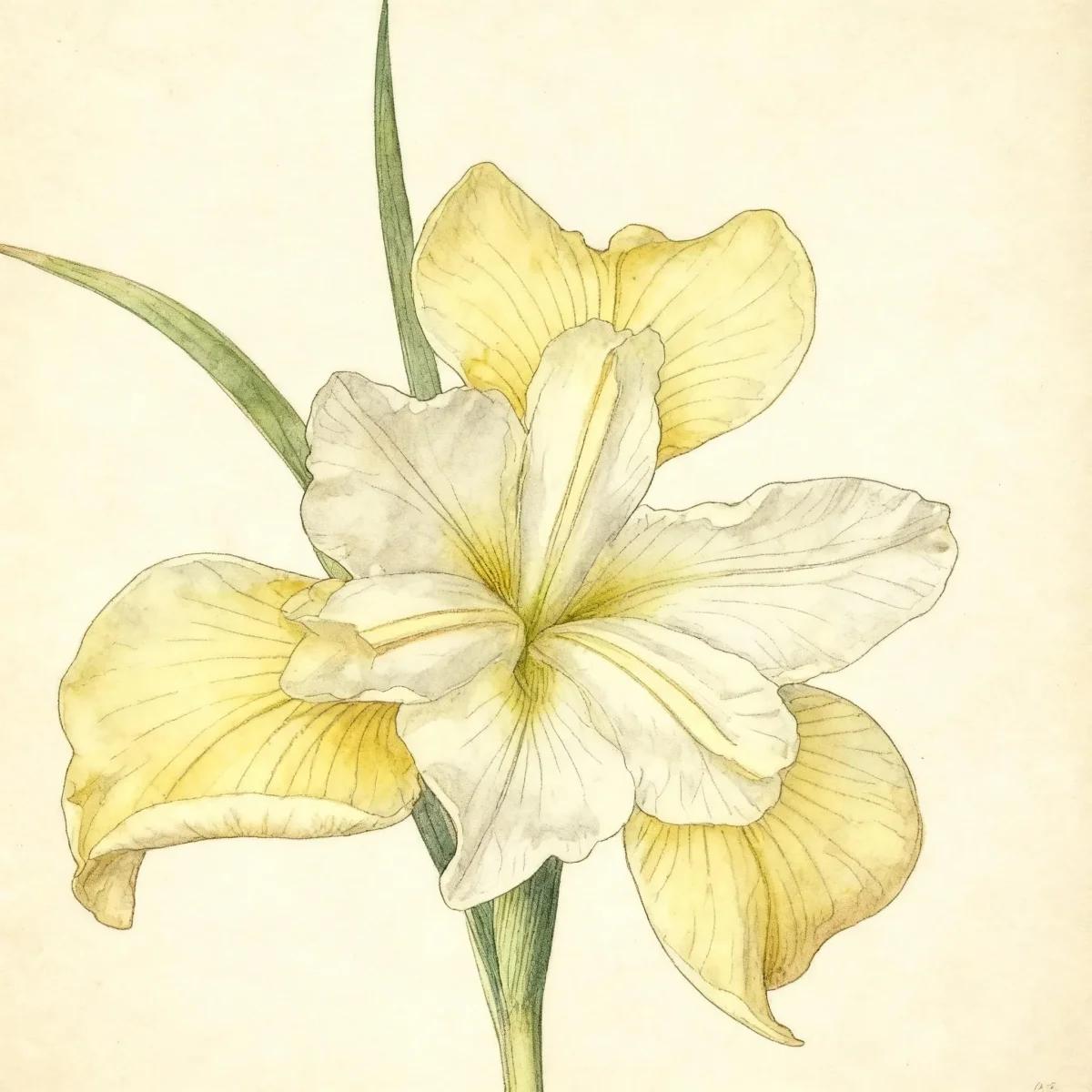
Iris versicolor 'Whodunit' is a stunning Blue flag cultivar perfect for wet gardens, featuring violet and white blooms.
Scroll down to discover growing tips, care requirements, companion plants, and more
Complete Plant Information
Overview
The striking Iris versicolor ‘Whodunit’ is a highly valued herbaceous perennial, specifically prized for its unique, richly veined floral display and adaptability to moist environments. This cultivar of the native Blue flag offers vibrant violet standards contrasted beautifully against falls that are predominantly white, accented by violet veining near the yellow signal. Gardeners look to Iris versicolor ‘Whodunit’ for low-maintenance structure and color in boggy or waterside landscapes where many other plants struggle.
Forming dense clumps of narrow, blue-green, sword-shaped foliage, this particular Blue flag cultivar provides excellent vertical texture throughout the growing season. It thrives in sunny to partially shaded spots, provided the soil remains consistently medium to wet, making it a cornerstone for rain gardens and pond edges. Its spreading habit via tough rhizomes allows it to naturalize gracefully, creating striking colonies over time.
This Iris versicolor selection ensures continuous visual interest, from its emergent spring foliage to its dramatic late spring bloom period. Its tolerance for wet soil and resistance to deer make the Iris versicolor ‘Whodunit’ a versatile and reliable choice for enhancing biodiversity and structure across the landscape, particularly in wetland habitats.
Fast Facts
- Plant Family: Iridaceae
- Plant Type: Herbaceous perennial
- Hardiness Zones: USDA Zones 3-7
- Size at Maturity:
- Height: 2-2.5 ft
- Spread: 1.5-2 ft
- Bloom Time: May to June
- Bloom Description: Violet standards with white falls
- Sun Exposure: Full sun to part shade
- Water Needs: Medium to wet
- Maintenance Level: Low
How to Grow
Planting this Blue flag is best done in spring or autumn, ensuring the rhizomes are set correctly—either just beneath the soil surface or slightly above if in standing water. Iris versicolor ‘Whodunit’ requires medium to wet soils; it excels in full sun, though it tolerates light afternoon shade. You can successfully grow it in muddy bottoms or containers submerged 2-4 inches in standing water, or in consistently moist border areas.
Maintenance is generally low for Iris versicolor ‘Whodunit’. Water deeply and consistently, especially during dry spells, mimicking its natural marsh environment. Fertilization is rarely necessary when grown in rich, moist soil. Propagation is achieved easily through division after the plant has finished blooming.
Prepare for winter dormancy by trimming back the foliage after the fall frost to about one inch above the crown. Remember that the rhizomes of the Northern Blue flag are poisonous, so wear gloves when handling divisions, which should be done periodically as the clumps spread slowly by creeping rhizomes.
Landscape Uses
The inherent love of moisture makes Iris versicolor ‘Whodunit’ indispensable for water features. It performs exceptionally well grouped in the sunny areas of ponds or constructed water gardens, serving as an excellent vertical accent along the margins. Gardeners utilizing sustainable practices will successfully integrate this plant into rain gardens, harnessing its ability to manage runoff while providing spectacular blooms.
Beyond aquatic settings, this cultivar naturalizes effectively in moist meadow plantings or along naturalized borders where constant moisture is guaranteed. Pair the handsome, arching blue-green foliage of Iris versicolor ‘Whodunit’ with rushes, sedges, or moisture-loving perennials like Astilbe or Chelone for rich textural contrast throughout the season. Its ability to form colonies adds desirable structure without being overly aggressive.
Standout Features
Flower Qualities
- Showy
Noteworthy Characteristics
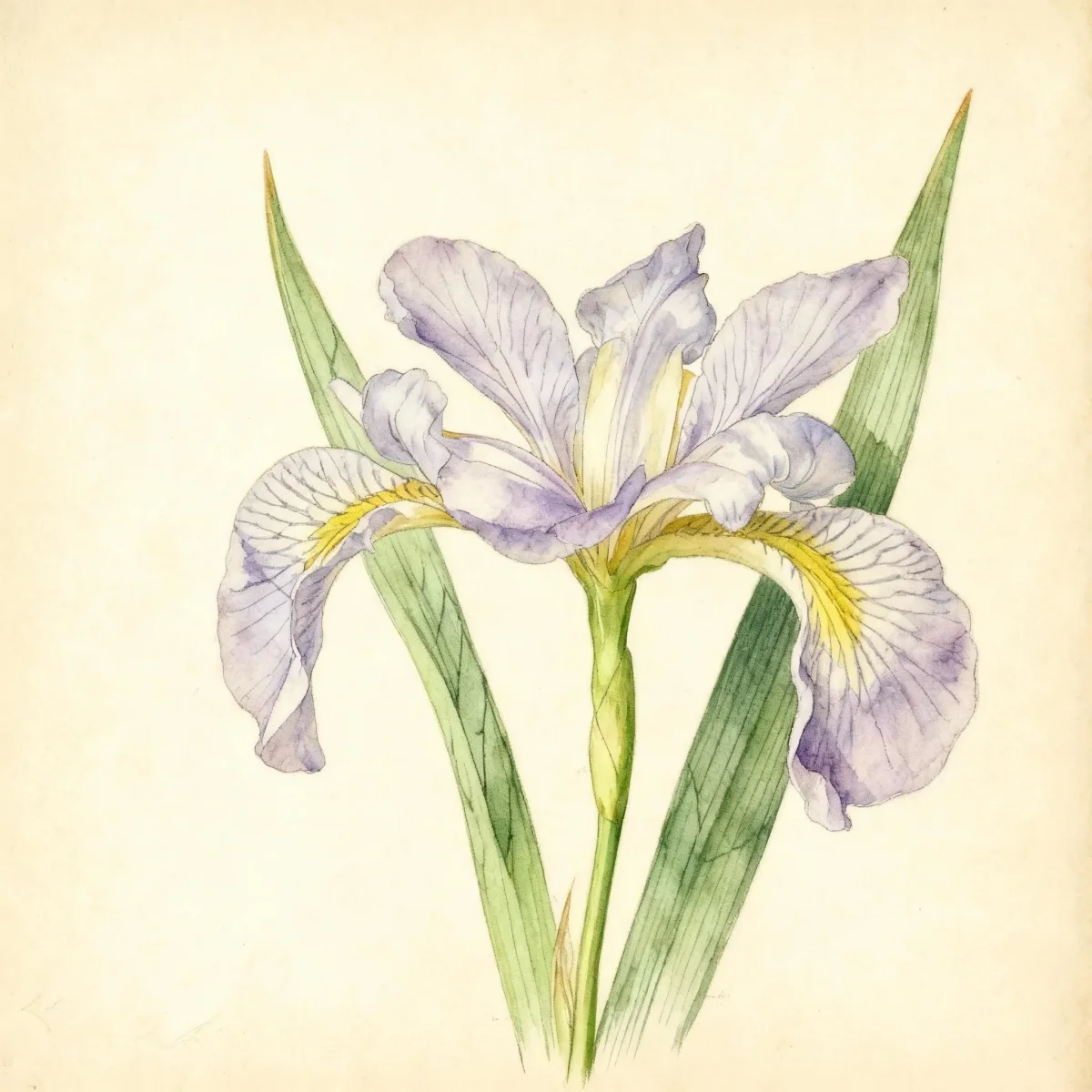
Iris versicolor, commonly known as northern Blue flag, is a clump-forming iris native to North American marshes and wet meadows. It develops narrow, sword-shaped leaves shaded blue-green underneath flowering stalks that produce bluish-purple blossoms with distinctive veining and a white/yellow throat signal. The cultivar ‘Whodunit’ specifically delights gardeners with its intense violet standards and primarily white falls, adding high-impact color to wetland borders.
Tolerances
- Deer
- Wet Soil
Potential Problems
While generally tough, Iris versicolor ‘Whodunit’ can face challenges from common iris pests and diseases, especially when air circulation is poor due to dense planting. Watch for iris borer, iris thrips, and general aphid infestations, which require prompt treatment to prevent spread of mosaic virus. Fungal issues like leaf spot and various crown or rhizome rots are common if drainage is inadequate, even though this plant tolerates wet soil. Ensure proper spacing and avoid mechanical damage to the rhizomes during cultivation to minimize entry points for pathogens.
Frequently Asked Questions
What hardiness zones is Iris versicolor ‘Whodunit’ suitable for?
This robust Blue flag variety is suitable for USDA Hardiness Zones 3 through 7, providing excellent cold tolerance.
How large does Iris versicolor ‘Whodunit’ grow?
At maturity, Iris versicolor ‘Whodunit’ typically reaches a height between 2 to 2.5 feet, with a spread spanning 1.5 to 2 feet wide.
When does Blue flag bloom?
The blooming period for Blue flag is typically from May to June, displaying its striking violet standards with white falls.
What sun exposure does Iris versicolor ‘Whodunit’ need?
This cultivar performs best in full sun to partial shade conditions, provided its need for medium to wet soil is met.
Conclusion
The Iris versicolor ‘Whodunit’ stands out as an essential plant for wetland landscapes, offering reliable structure and truly distinct blooms at a low maintenance cost. Integrating this Blue flag cultivar into your pond edge or rain garden guarantees summer beauty. Check your local USDA zone compatibility before planning your late spring planting schedule.
Companion Planting
When designing a water garden around Iris versicolor ‘Whodunit’, select companions that share its affinity for consistently moist or wet soil conditions. Water Forget-Me-Nots (Myosotis scorpioides) offer a delicate blue contrast in early spring before the iris blooms. Tall grass-like companions such as Juncus (rushes) or various sedges (Carex species) harmonize perfectly with the linear foliage of the Blue flag.
For moist borders, consider pairing the Iris versicolor ‘Whodunit’ with other moisture-loving perennials that bloom later, providing succession interest. Swamp Milkweed (Asclepias incarnata) offers pink vertical accent points and attracts vital pollinators, contrasting nicely with the structure of the iris during the mid-summer transition.
Seasonal Care Calendar
Spring preparation involves clearing any old, frost-damaged foliage down to about one inch above the crown after the hard frosts have passed, preparing the way for new growth of the Iris versicolor ‘Whodunit’. Ensure established plants have access to adequate moisture as dormancy breaks and new shoots emerge.
Summer is the peak performance time; focus water management to maintain medium to wet conditions, especially if growing the Blue flag outside of standing water. Deadheading spent flower stalks is optional but can keep the patch looking tidy as the foliage takes over display duties.
Division of the rhizomes is best performed in late summer or early fall, immediately following the bloom period. This rejuvenates older clumps and allows you to spread your Iris versicolor ‘Whodunit’ collection to other suitable moist spots in the garden.