Southern blue flag (Iris virginica 'Contraband Girl')
Iris virginica 'Contraband Girl' offers showy, lavender-blue flowers, thriving in wet soils making it ideal for rain gardens and water features.
Scroll down to discover growing tips, care requirements, companion plants, and more
Complete Plant Information
Overview
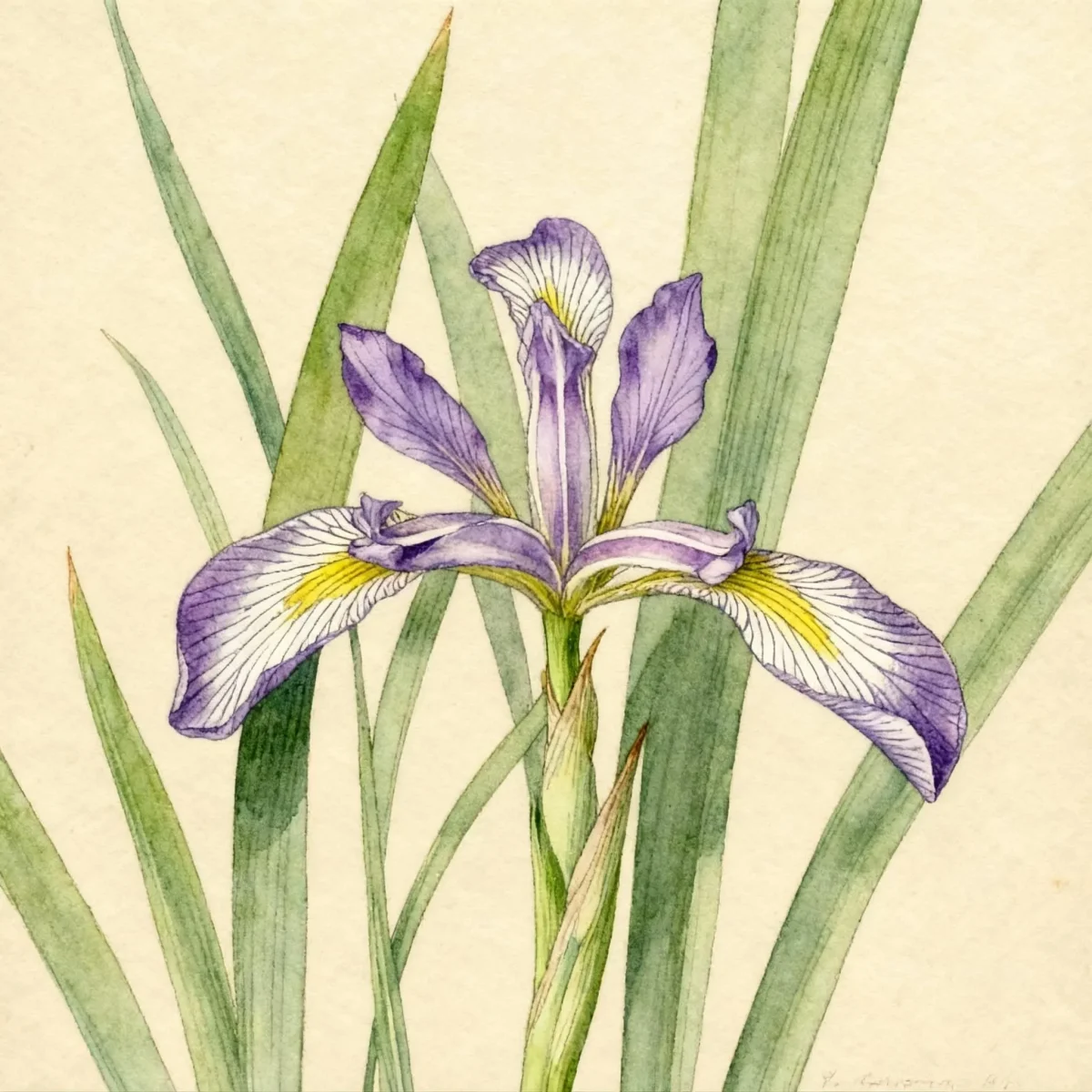
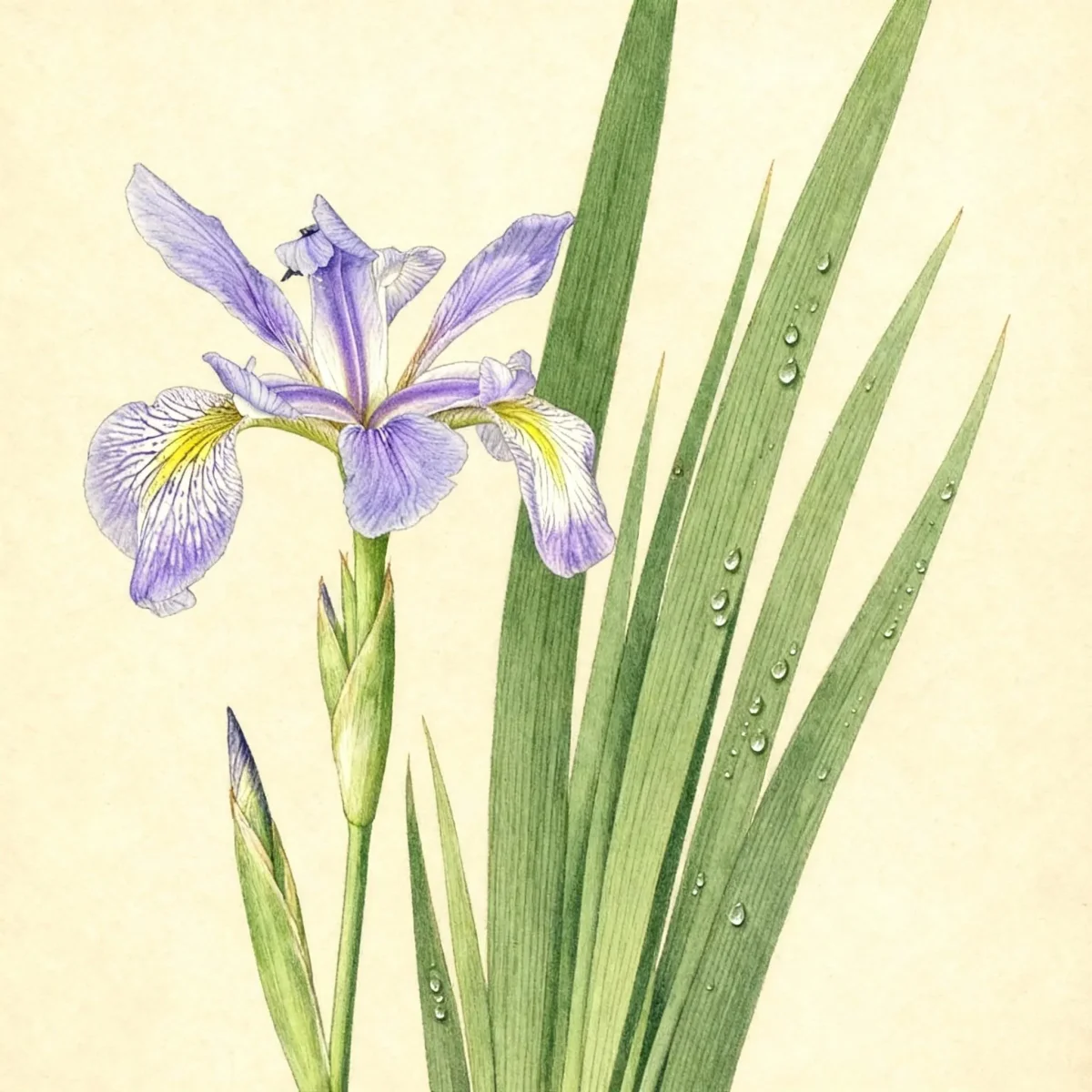
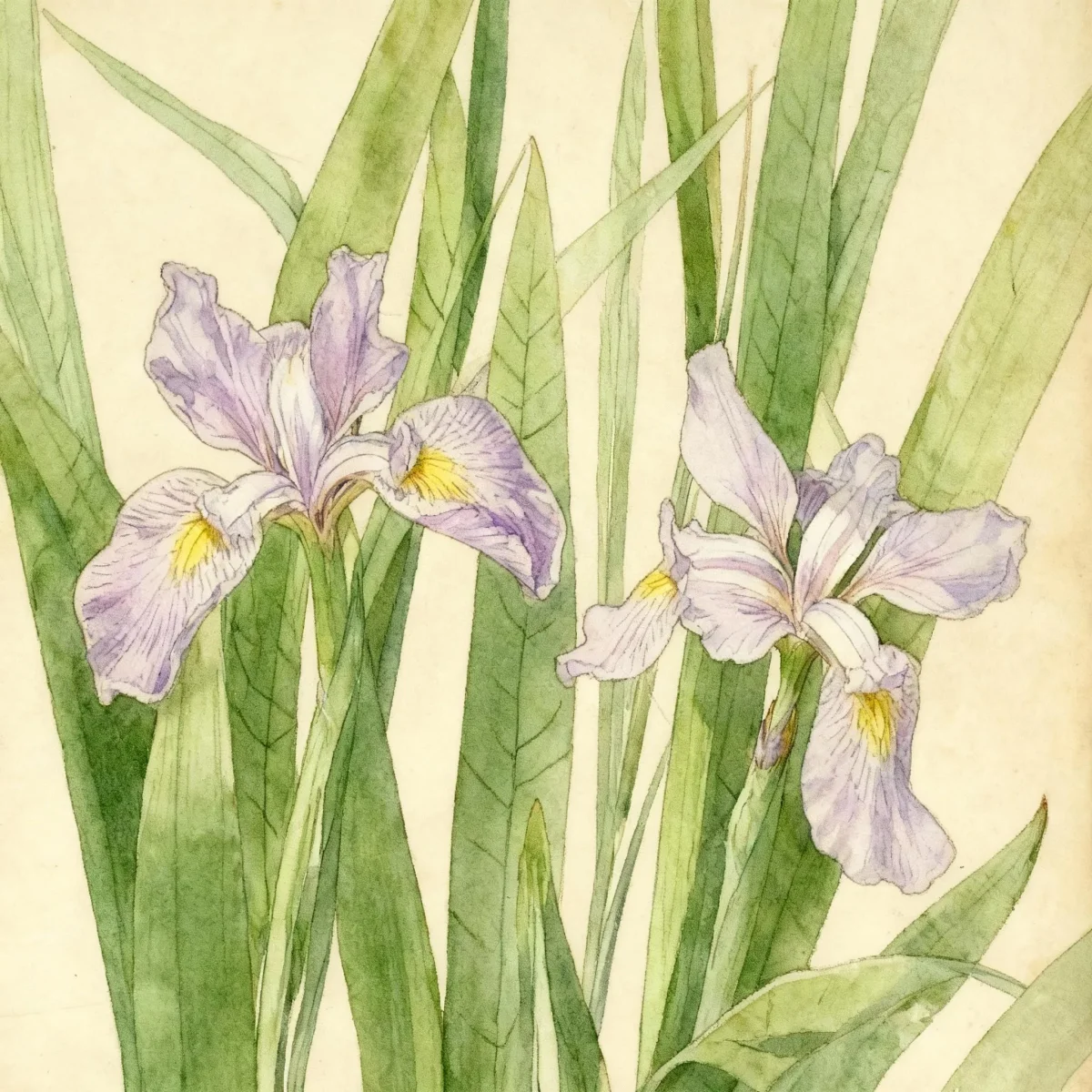
The Iris virginica ‘Contraband Girl’, known commonly as the Southern blue flag, is a striking herbaceous perennial prized for its robust growth and exceptional color display in moist environments. This cultivar stands slightly taller than the straight species, offering superior visual impact in late spring and early summer landscapes. Its lavender-blue flowers, distinctively veined with purple and featuring bright yellow stripes on the falls, make it a reliable focal point.
This variety thrives where many other perennials struggle, preferring consistently wet or boggy conditions, though it adapts well to average garden soils provided they retain moisture. Gardeners value the Southern blue flag for its low maintenance needs once established, contributing excellent texture with its bright, sword-shaped foliage. Planting Iris virginica ‘Contraband Girl’ guarantees vertical interest and vibrant color along water edges or in rain gardens.
Fast Facts
- Plant Family: Iridaceae
- Plant Type: Herbaceous perennial
- Hardiness Zones: USDA Zones 5-9
- Size at Maturity:
- Height: 2-4 ft
- Spread: 1-2 ft
- Bloom Time: June
- Bloom Description: Lavender blue
- Sun Exposure: Full sun
- Water Needs: Medium to wet
- Maintenance Level: Low
How to Grow
Plant Iris virginica ‘Contraband Girl’ in the spring or fall, aiming for a location that receives full sun for the best bloom performance, though it tolerates light shade, especially in hotter climates. The ideal soil structure is wet, boggy, acidic, and sandy, but this plant shows good adaptability; ensure the soil is water-retentive and rich in humus for optimal vigor in the border. This species is often naturally found growing in standing water, meaning it can be successfully grown submerged up to six inches deep in ponds or water features.
Care is generally minimal for the Southern blue flag. Keep the soil consistently moist, especially through dry spells; drought stress is the main issue to avoid. Fertilization is rarely required if planted in rich, moist conditions. If clumps become overcrowded over time, which they will slowly do by creeping rhizomes, divide the plants in the early fall or spring to maintain vigor.
No specialized winter preparation is usually necessary for established Iris virginica ‘Contraband Girl’ in its recommended hardiness range. Deadhead spent flower stalks for a tidier appearance. The sword-like foliage remains attractive throughout the growing season, providing structure even after flowering ceases.
Landscape Uses
The natural affinity of Iris virginica ‘Contraband Girl’ for moisture makes it indispensable for aquatic and wetland designs. Plant it directly along the margins of ponds, streams, or in dedicated rain gardens where standing water might occur periodically. It naturalizes beautifully, creating soft, colorful colonies without demanding constant attention.
For border applications, ensure the area remains uniformly moist, pairing this Southern blue flag with other moisture-loving perennials like Astilbe or Ligularia to maintain a cohesive, damp environment. Furthermore, the striking lavender-blue blooms of Iris virginica ‘Contraband Girl’ make excellent vertical accents in fresh arrangements, justifying its inclusion within cutting gardens situated near water features.
Standout Features
Flower Qualities
- Showy
- Good Cut
Noteworthy Characteristics
Iris virginica, commonly called Southern blue flag, is native primarily to wetlands, marshes, lake sides, stream banks, and other moist, open areas in the eastern half of the United States and southern Canada. Two varietals are recognized: I. Virginica var. Virginica, which is found on the Atlantic coastal plain from Virginia to peninsular Florida and west to Texas, and I. Virginica var. Shrevei, which is found in the central United States and southern Canada from Arkansas north to the Great Lakes region and east to Quebec and the Appalachian Mountains. ‘Contraband Girl’ is a robust, large-flowered cultivar that typically growing 2-4’ tall (taller than the species) with sword-shaped, bright green leaves and lavender-blue irises with purple veining and yellow stripes on the falls.
Tolerances
- Deer
- Wet Soil
Potential Problems
This plant generally remains free from serious insect or disease problems when cultural needs are met. The primary challenge gardeners face with Iris virginica ‘Contraband Girl’ is replicating its native, consistently wet habitat in a typical garden setting. If the soil is allowed to dry out completely during the summer, the plant will decline, leading to poor blooming performance the following season. Ensure adequate supplemental watering if grown away from natural low points or water features.
Frequently Asked Questions
What hardiness zones is Southern blue flag suitable for?
The Southern blue flag (Iris virginica ‘Contraband Girl’) is suitable for USDA Zones 5 through 9, providing excellent perennial reliability across a large swathe of the Eastern US.
How large does Iris virginica ‘Contraband Girl’ grow?
Iris virginica ‘Contraband Girl’ typically reaches a mature height between 2 and 4 feet, with a spread ranging from 1 to 2 feet wide.
When does Southern blue flag bloom?
This handsome Iris is noted for blooming in June, providing lovely lavender blue flowers when many early spring bloomers are finished.
What sun exposure does Iris virginica ‘Contraband Girl’ need?
This plant requires full sun for the most vigorous growth, although it can tolerate light shade, particularly in the warmer southern portions of its acceptable hardiness range.
Conclusion
The robust nature and vibrant bloom color of Iris virginica ‘Contraband Girl’ make it an essential addition for any water garden or low, damp corner of the landscape. Its ability to tolerate wet soil and deer browsing adds significant practical value to the Southern blue flag designation. Before planting, confirm your site falls within USDA Zones 5-9 and plan to keep the soil consistently moist to unlock the full potential of this magnificent Iris.
Propagation Tips
Division is the most common and effective method for propagating Iris virginica ‘Contraband Girl’. Since the rhizomes creep slowly to form new colonies, division should be performed when clumps appear overly dense or when you wish to increase your stock or move plants to a new location. This is best done either in the early spring before new growth accelerates or in early fall after the heat of summer has passed.
When dividing, carefully lift the clump using a garden fork and gently tease the rhizomes apart. Ensure each new division has at least one healthy eye (the growth point) and a good segment of root structure attached. Replant immediately into the prepared moist soil, ensuring the top of the rhizome is just beneath the surface, no deeper than one inch.
Companion Planting
Because Iris virginica ‘Contraband Girl’ requires reliable moisture and tolerates full sun to light shade, successful companion planting revolves around species that share these wet feet requirements. Consider pairing the Southern blue flag with other moisture-loving marginal plants traditionally used in water gardens. Good textural and color companions include cardinal flower (Lobelia cardinalis) for late summer red contrast or tall upright grasses like Miscanthus varieties that can handle wet boggy soil during the growing season.
In a rain garden setting, prioritize native wetland associates that offer sequential blooming throughout the season. Near the edge of a pond or stream where water levels fluctuate slightly, Caltha palustris (Marsh Marigold) in spring, followed by the Iris in June, provides continuous interest. Avoid planting water-sensitive, drought-tolerant perennials nearby, as the necessary irrigation for the Iris will likely spoil their delicate root systems.