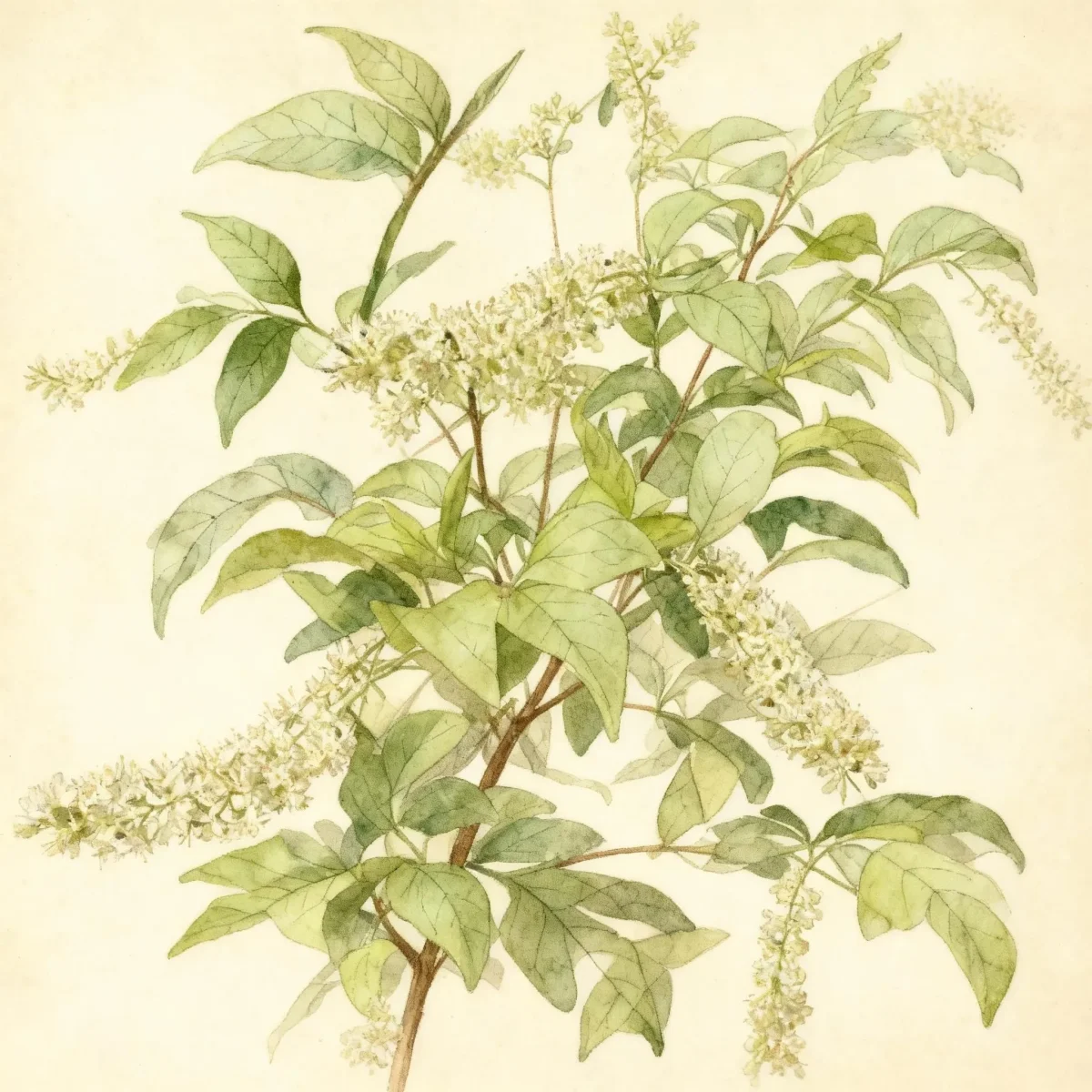
Virginia sweetspire (Itea virginica 'Henry's Garnet')
Itea virginica 'Henry's Garnet' offers showy, fragrant blooms and excellent fall color. A low-maintenance deciduous shrub for moist sites.
Scroll down to discover growing tips, care requirements, companion plants, and more
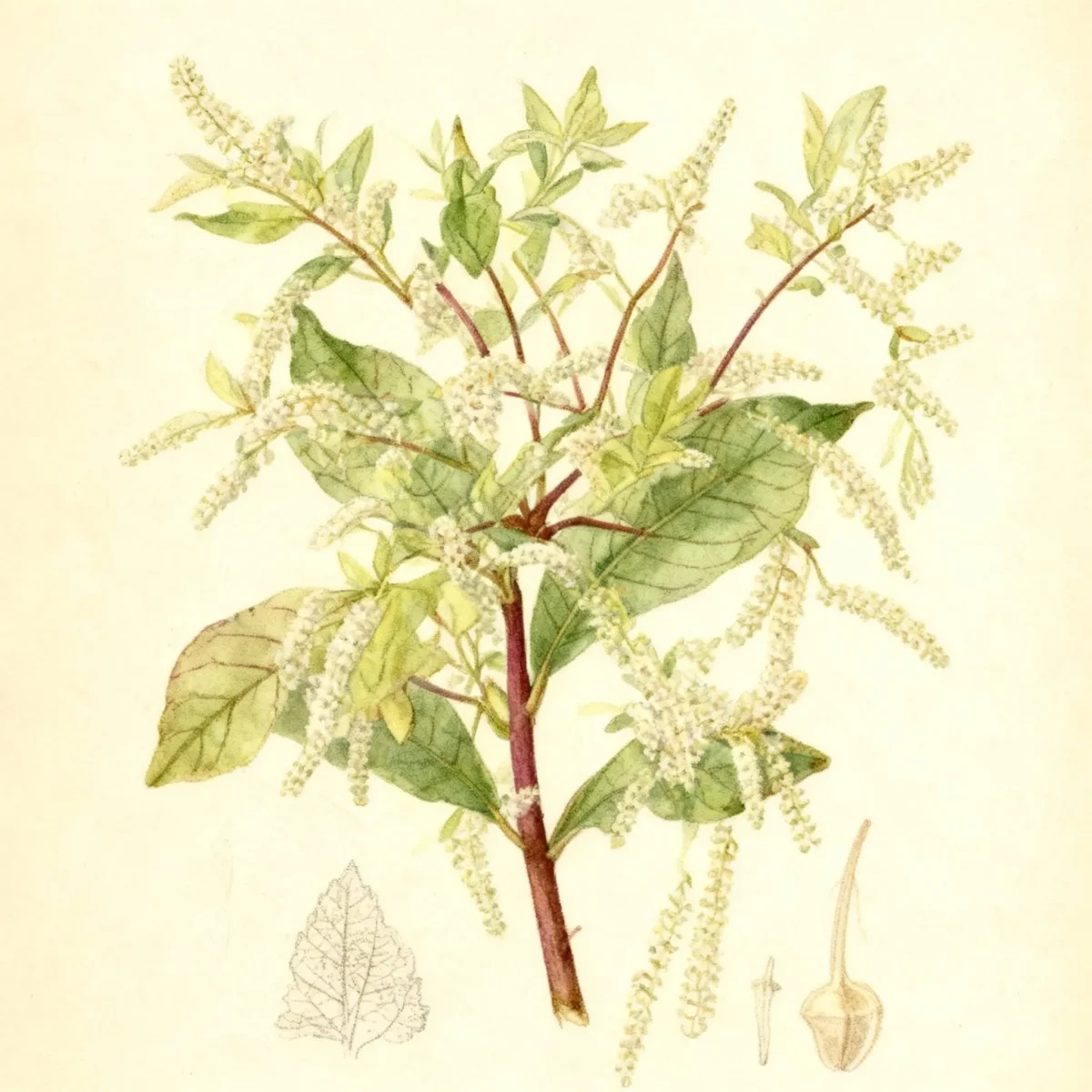
Complete Plant Information
Overview
Itea virginica ‘Henry’s Garnet’, commonly known as Virginia sweetspire, is widely valued for its reliability and year-round visual interest. This cultivar stands out due to its superior flowers and deep, vibrant autumn color, making it a standout specimen in mixed plantings. As a deciduous shrub, it provides structure even in winter, following a spectacular display of fragrant white blooms in late spring.
This adaptable shrub thrives in a variety of conditions, preferring moist, acidic soil but tolerating a broad range of moisture levels. Gardeners appreciate Itea virginica ‘Henry’s Garnet’ for its exceptionally low maintenance requirements once established. Its natural, rounded form and arching branches create an excellent textural element in the landscape.
Beyond aesthetics, the Virginia sweetspire offers functional benefits. It forms dense colonies through root suckering, which is ideal for naturalizing areas or controlling erosion on slopes. Choosing Itea virginica ‘Henry’s Garnet’ ensures you add a tough, attractive, and highly rewarding native shrub to your garden design.
Fast Facts
- Plant Family: Iteaceae
- Plant Type: Deciduous shrub
- Hardiness Zones: USDA Zones 5-9
- Size at Maturity:
- Height: 3-4 ft
- Spread: 4-6 ft
- Bloom Time: May to June
- Bloom Description: White
- Sun Exposure: Full sun to part shade
- Water Needs: Medium to wet
- Maintenance Level: Low
How to Grow
The best time to plant Itea virginica ‘Henry’s Garnet’ is typically in autumn or early spring, ensuring the roots have time to settle before summer heat. Locate your shrub where it receives full sun for the best fall color, although it performs adequately even in part shade. This plant thrives in moist, humusy, and acidic soils, which mirrors its native conditions; however, it is highly adaptive.
Watering should be consistent—medium to wet—especially during the first year after planting. Once established, the Virginia sweetspire handles wet soils well, making it perfect for low spots. Fertilization is rarely required if the soil is reasonably rich; focus instead on maintaining a layer of organic mulch to conserve moisture and preserve soil acidity.
Pruning should be kept minimal. If shaping is necessary, prune Itea virginica ‘Henry’s Garnet’ lightly immediately after it finishes flowering in early summer. Avoid heavy spring pruning, as this will remove potential flower buds. Be aware that this shrub can spread actively by root suckering, so site it where you can allow it to form colonies or plan to thin suckers periodically.
Landscape Uses
The versatility of the Virginia sweetspire makes it a valuable asset across many landscape designs. Its tolerance for wet soil and erosion control capabilities position it perfectly for use in rain gardens, pond margins, or stabilizing gentle slopes where other shrubs might struggle. Itea virginica ‘Henry’s Garnet’ works beautifully as a mass planting for a dense, shrubby groundcover effect.
In more formal settings, it can serve as a foundation planting or a low, informal hedge due to its dependable mounding shape. For woodland or naturalized settings, allow it to spread slightly, pairing it with other shade-tolerant perennials or woodland flowering shrubs. Its low profile (3-4 feet tall) also allows it to function well in foreground massing along shrub borders.
When used as a specimen, the fragrant bloom period in late spring provides a wonderful sensory accent. Its adaptability—ranging from sun to heavy shade—allows flexible integration, though remember that full sun enhances the dramatic red and orange fall transition for which Itea virginica ‘Henry’s Garnet’ is known.
Standout Features
Flower Qualities
- Showy
- Fragrant
Noteworthy Characteristics
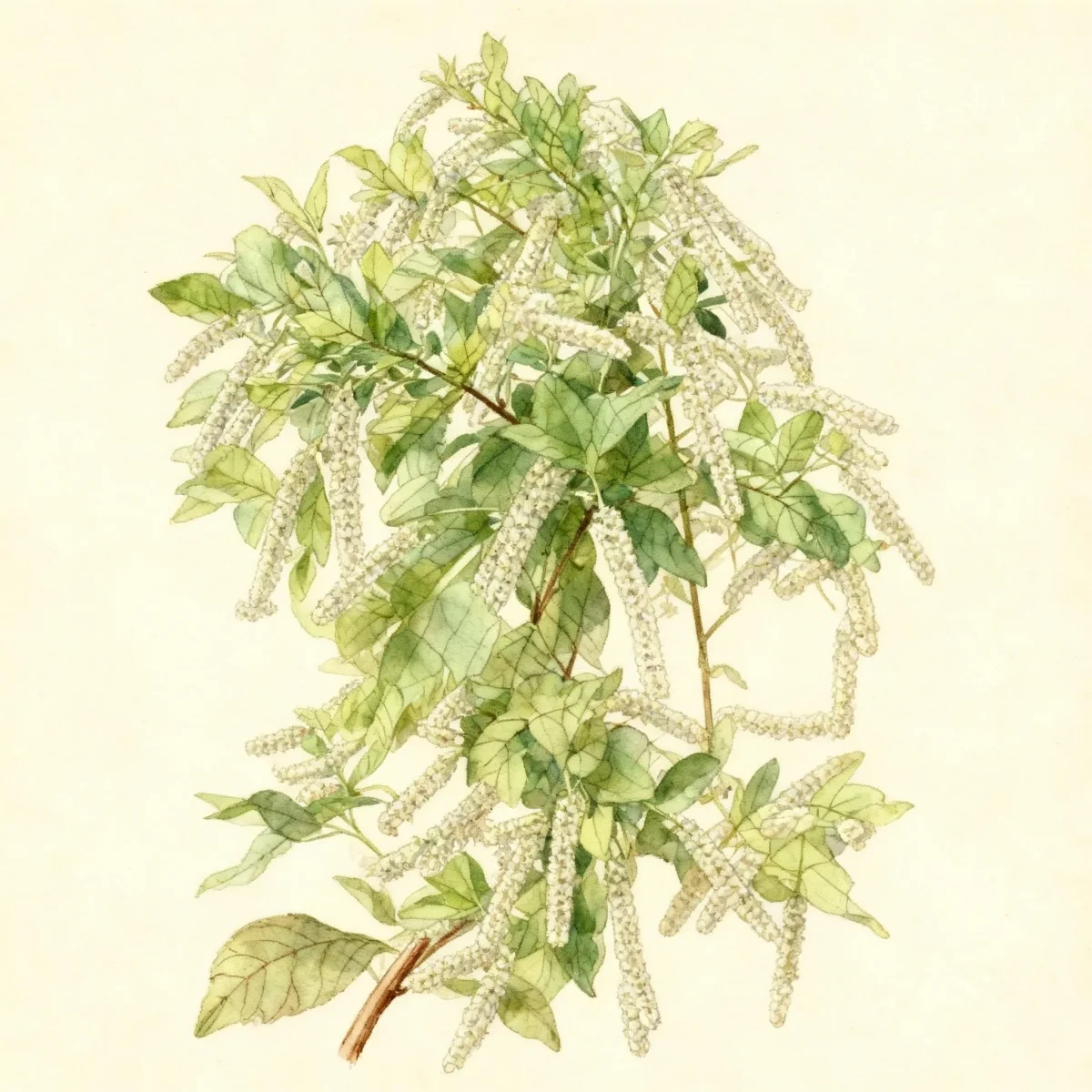
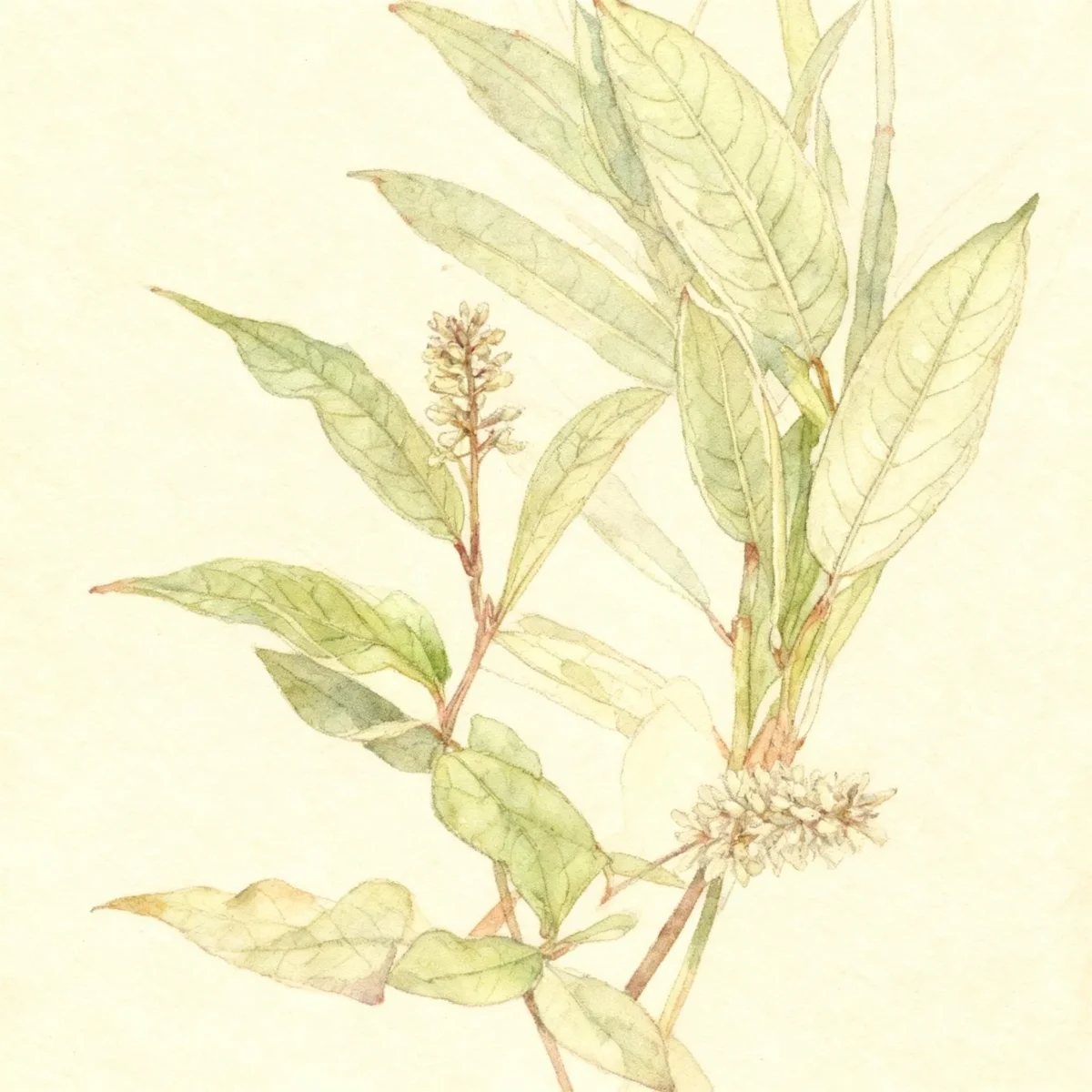
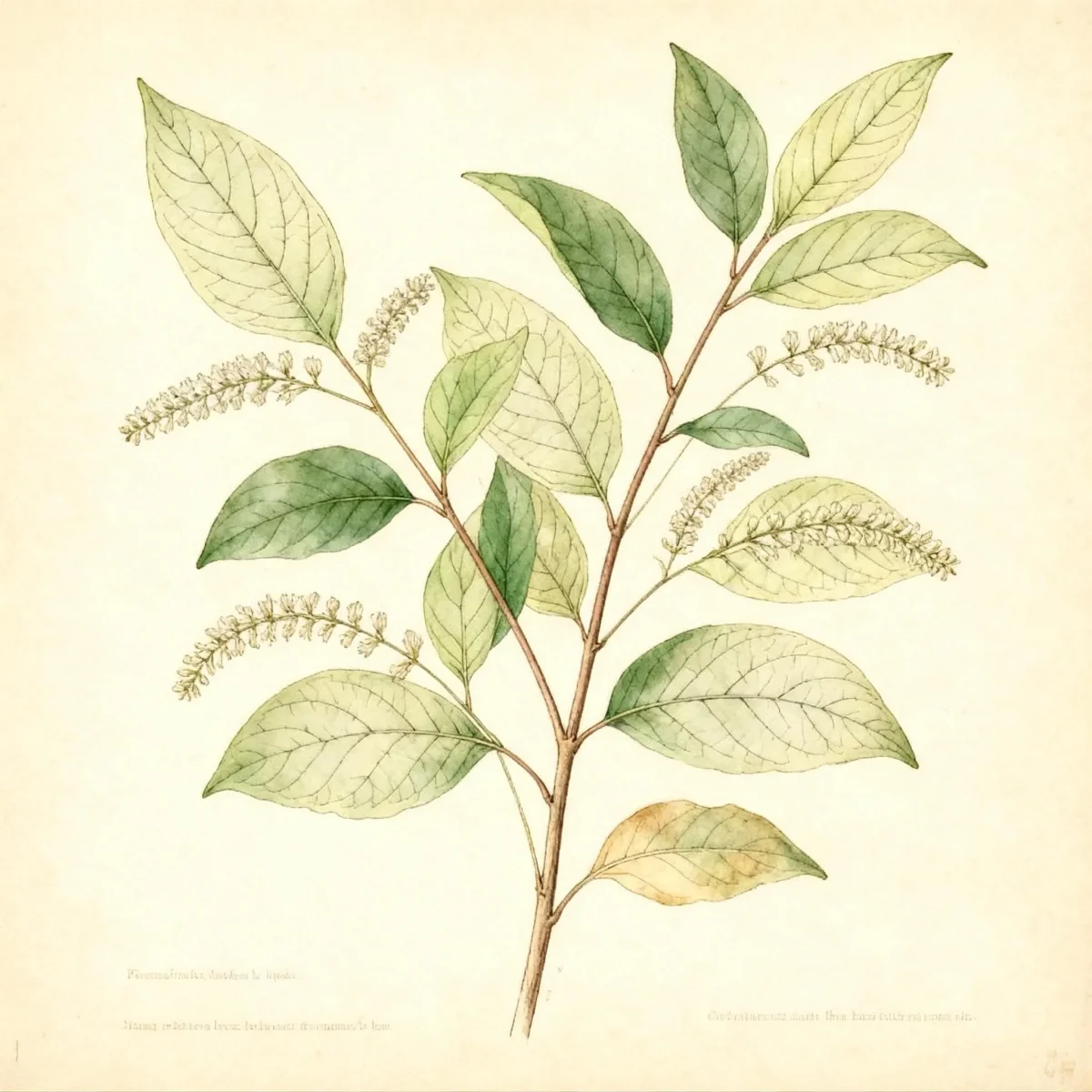
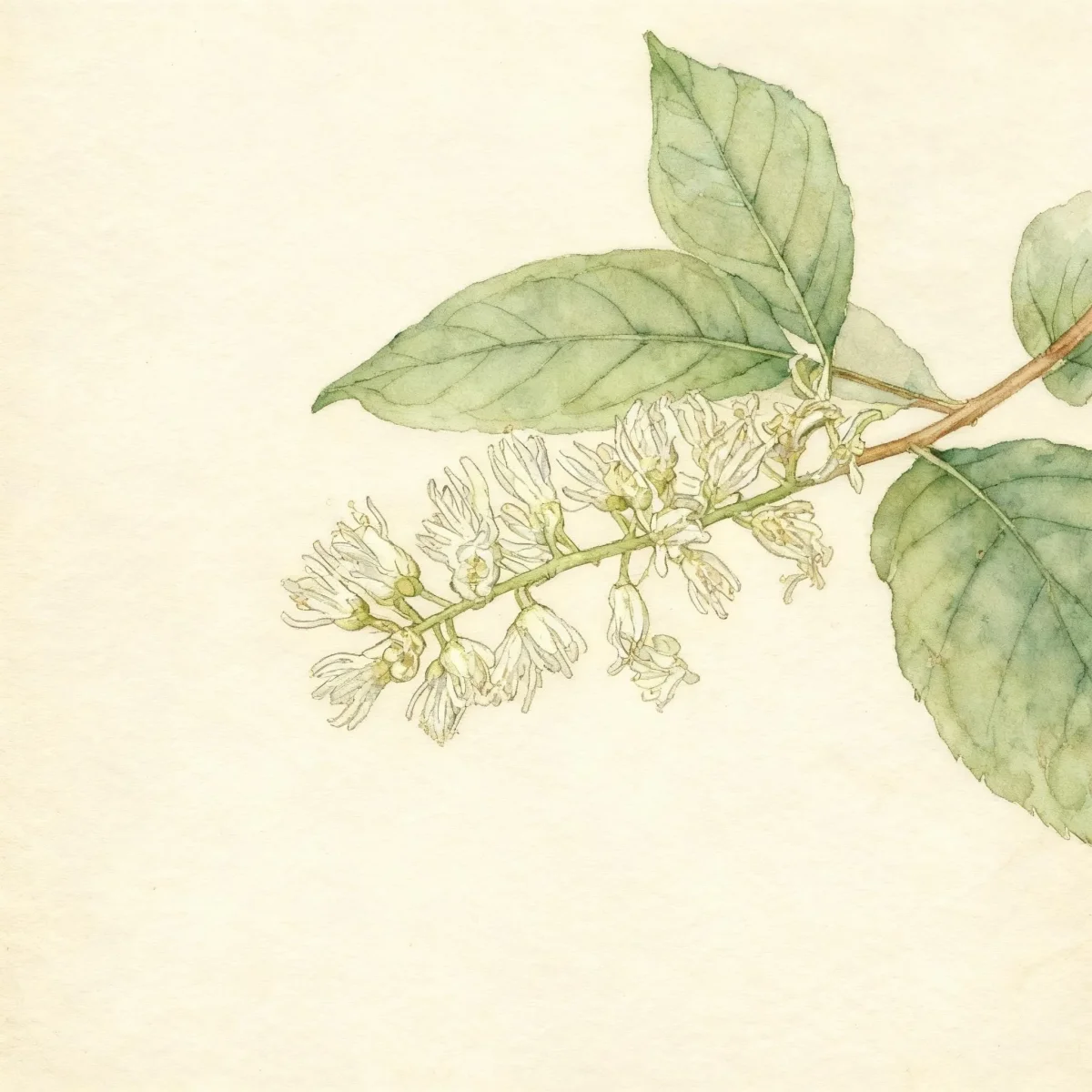
Itea virginica, commonly called Virginia sweetspire, is an erect, rounded, broad-spreading, deciduous shrub with arching branches, typically growing 3-4’ tall. It features fragrant, tiny white flowers presented in drooping racemes that cover the shrub in late spring to early summer. The oval, dark green summer foliage transforms into varying shades of red, orange, and gold in autumn, offering a long period of seasonal appeal.
Tolerances
- Heavy Shade
- Erosion
- Clay Soil
- Wet Soil
Potential Problems
Itea virginica ‘Henry’s Garnet’ is celebrated for its exceptional resistance to common ornamental issues. This shrub generally faces no serious insect or disease problems, lending significantly to its low-maintenance rating. Furthermore, deer tend to browse other plants before turning their attention to the Virginia sweetspire.
The primary cultural concern involves soil pH when planting outside of native regions. If the soil is excessively alkaline, the leaves of the shrub may exhibit chlorosis, appearing yellowed while the veins remain green. To prevent this, ensure the planting site is slightly acidic or amend the soil generously with peat moss or sulfur if necessary.
Frequently Asked Questions
What hardiness zones is Virginia sweetspire suitable for?
Itea virginica ‘Henry’s Garnet’ is well-suited for gardeners within USDA Hardiness Zones 5 through 9.
How large does Itea virginica ‘Henry’s Garnet’ grow?
This deciduous shrub typically reaches a mature height between 3 and 4 feet, with a spread usually ranging from 4 to 6 feet wide.
What sun exposure does Virginia sweetspire need?
It performs best in full sun to part shade conditions. Be aware that maximum fall color display is achieved in sites receiving more direct sunlight.
When does Virginia sweetspire bloom?
The fragrant, white blooms appear reliably from May through June, offering a beautiful display in the late spring and early summer transition period.
Conclusion
The combination of low maintenance, exceptional fall coloration, and tolerance for wet or shaded sites makes the Itea virginica ‘Henry’s Garnet’ an indispensable plant for modern landscaping. This reliable performer, the Virginia sweetspire, adds texture and seasonal shifts to borders and natural areas alike. Before planting, confirm that your location falls within USDA Zones 5-9 and that the soil moisture levels meet its medium to wet requirements.
Companion Planting
When selecting neighbors for your Virginia sweetspire, consider plants that share a preference for consistent moisture and acidic soil to maximize performance. Native woodland companions such as Astilbe, Rodgersia, or specific ferns thrive alongside the shrub in semi-shaded areas. For brighter, sunnier spots, prioritize moisture-loving perennials like Iris varieties or native sedges that can handle the edge of a rain garden setting.
Grouping Itea virginica ‘Henry’s Garnet’ with other shrubs that offer strong seasonal contrast also enhances garden design. Combine it with evergreens for winter structure, or pair it with shrubs that bloom earlier or later in the season to extend the landscape’s appeal beyond the late spring bloom window of the sweetspire itself.
Design Ideas for Wet Areas
The excellent tolerance of Itea virginica ‘Henry’s Garnet’ for wet or heavy clay soils opens up unique design opportunities near downspouts or drainage swales. Plant these shrubs in massed drifts adjacent to water features or bioswales where standing water may occasionally occur. Their ability to control erosion while providing height stability is invaluable in these high-moisture zones.
For a dramatic, year-round effect, layer the Virginia sweetspire in the middle ground of a planting bed. Place low, spreading groundcovers in front, such as Creeping Jenny or native sedges, and taller grasses or small trees behind to create depth. The shrub’s ability to sucker naturally means you can eventually achieve a mature, interconnected screen or border without heavy inputs.